
雷鸟创新

Search documents
WAIC洞察|“百镜大战”未到泡沫时
Bei Jing Shang Bao· 2025-07-28 13:49
Core Viewpoint - The AI glasses market is experiencing significant activity with multiple companies launching new products, but the industry is still in the exploration phase of product definition rather than entering a bubble period [5][11][25]. Company Developments - Rokid's latest product, Rokid Glasses, is the only AI glasses currently in mass production that combines display, camera, microphone, speaker, and AI capabilities [3][4]. - XREAL launched the XREAL One Pro, featuring the largest field of view in AR glasses at 57 degrees, with over 26,000 online reservations on the launch day [3]. - Alibaba introduced its first self-developed AI glasses, Quark AI glasses, which are expected to be released within the year and will integrate with Alibaba's ecosystem [4][8]. Market Sentiment - There is a split in market sentiment regarding AI glasses; optimists view them as the next personal terminal, while pessimists worry about high prices and overlapping functionalities leading to a potential market bubble [4][5]. - Industry leaders believe that the current excitement is driven by technological iteration rather than speculative bubbles, indicating that the market is still maturing [11][25]. Technical Innovations - XREAL's new product features a self-designed chip specifically for AR display, emphasizing the importance of a complete software ecosystem for optimal performance [7]. - Companies are focusing on improving product features such as optical design, user feedback integration, and enhancing AR capabilities to meet consumer needs [8][10]. Consumer Adoption Challenges - Despite advancements, AI glasses have not yet achieved widespread adoption due to issues like high prices, functionality overlap with smartphones, and concerns over comfort and battery life [15][17][18]. - The current price range for AI glasses is between 2,000 to 5,000 yuan, with some high-end models nearing 10,000 yuan, which does not align with typical consumer budgets for electronic accessories [15][21]. Future Outlook - Industry experts predict that prices for AI glasses could drop below 2,000 yuan within the next couple of years, making them more accessible to consumers [21][22]. - The path to mainstream adoption involves improving user experience, reducing costs, and educating the market about the practical benefits of AI glasses [24][25].

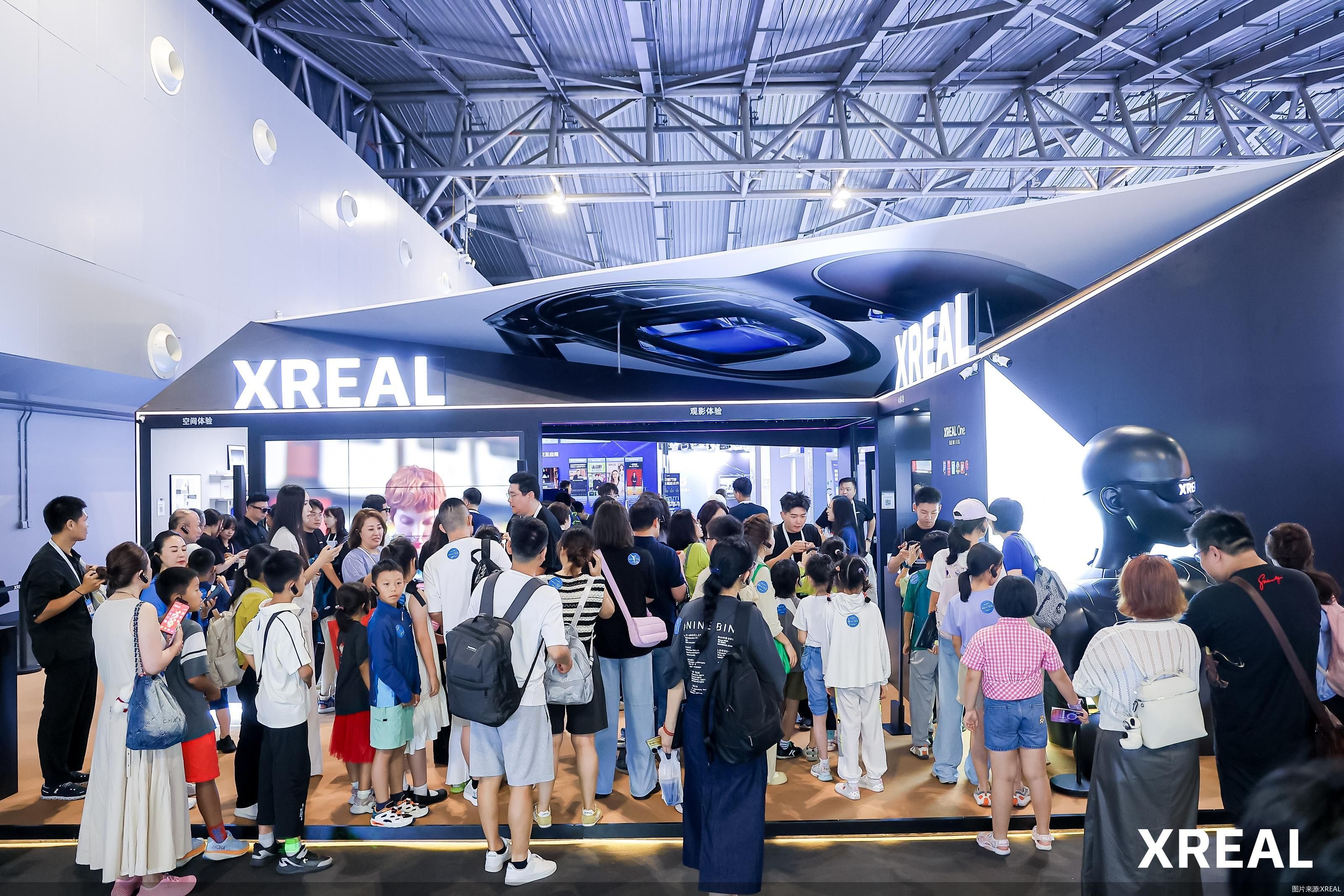
大厂眼镜一戴,谁也不AI
Hu Xiu· 2025-07-28 10:48
Core Viewpoint - Alibaba's AI smart glasses made their debut at the WAIC, showcasing AR technology, but are still in the early development stage and not yet available for sale [1][2][5]. Product Overview - The AI glasses come in two versions: one without AR display and one with AI+AR capabilities, with the latter being prioritized for release [2][3]. - The glasses utilize a dual-chip architecture with Qualcomm Snapdragon AR1 and Hengxuan BES2800, with production expected to be handled by Luxshare Precision [2][3]. - The official launch is anticipated around this year's "Double Eleven" shopping festival [2][3]. Market Context - Following Xiaomi's successful launch of its AI glasses, which reportedly sold 50,000 units in three days, Alibaba aims to capture a share of the growing smart glasses market [3][12]. - The smart glasses market is projected to see significant growth, with an expected shipment of 2.907 million units in China by 2025, marking a 121.1% year-on-year increase [12]. Competitive Landscape - The entry of Alibaba, Xiaomi, and ByteDance into the smart glasses market suggests a potential "Three Kingdoms" era of competition among major players [3][11]. - The current market is characterized by a lack of fierce competition, with companies still in the early stages of product development and market penetration [11][14]. Technical Features - Alibaba's glasses feature a light guide AR technology, which is considered essential for consumer-grade AR glasses due to its lightweight and high light transmission properties [3][7]. - The design of the glasses has received mixed reviews, with some industry experts noting a lack of balance between functionality and aesthetics [6][8]. Software Ecosystem - Alibaba's software ecosystem, including applications like Alipay and Taobao, is seen as a competitive advantage over rivals, providing a more integrated user experience [9][10]. - The glasses are designed to support various applications, such as product recognition and price comparison, enhancing their utility [9][10]. Production and Supply Chain - Initial production targets for Alibaba's AI glasses are set at 100,000 units, while Xiaomi's first batch reportedly sold out quickly [12][13]. - The industry faces challenges related to production capacity and supply chain management, which are critical for meeting market demand [14][15]. Future Outlook - The smart glasses market is still in its infancy, with many products focusing primarily on photography and audio features rather than fully utilizing AI capabilities [16][21]. - As the market evolves, companies will need to explore hardware integration and offline retail strategies to enhance user engagement and sales [17][19].

SiC波导全彩AR/XR眼镜相继推出,苹果折叠机预计于2026年推出
Huafu Securities· 2025-07-25 06:48
Investment Rating - The industry rating is "Outperform the Market" [12] Core Insights - Apple's first foldable phone, iPhone Fold, is expected to launch in the second half of 2026 with a starting price of no less than $2000 [3] - The first mass-produced SiC waveguide XR glasses, Wigain Omnision, will be available by July 2025, featuring AI capabilities [4] - Tesla's Model Y L is set to be released in the fall of this year, with an estimated price of around 400,000 RMB [4] Summary by Sections Industry Dynamics - The iPhone Fold is anticipated to have a 7.8-inch inner screen and a 5.5-inch outer screen, with a thickness of 9mm to 9.5mm when folded and 4.5mm to 4.8mm when unfolded [3] - The new AR glasses from various manufacturers are expected to increase in the consumer market, leveraging SiC waveguide technology [4] Investment Recommendations - Suggested stocks to focus on in the consumer electronics sector include: Dalian Technology, OFILM, Sitaiwei, Guanghong Technology, Crystal Optoelectronics, Dongshan Precision, Pengding Holdings, Luxshare Precision, GoerTek, Changying Precision, Lingyi Technology, Lens Technology, Guoguang Electric, Kosen Technology, and Transsion Holdings [5]
AR普及临门一脚差在哪?XREAL创始人徐驰三维度剖析行业卡脖子难题
Hua Xia Shi Bao· 2025-07-24 02:05
Core Insights - The AR industry is on the brink of a breakthrough but faces challenges in consumer adoption and market readiness, with expectations for a significant turning point around 2027 or 2028 [1] Pricing Strategy - AR glasses have a wide price range, with high-end models like Meta's Orion priced at $10,000 and more affordable options like 雷鸟创新's models starting below 2000 yuan [2][4] - XREAL's latest model, XREAL One Pro, is priced at 4299 yuan, which is competitive but not the cheapest in the market [2][4] User Engagement - Building user loyalty is crucial at this stage, as premature market stimulation through subsidies can lead to unsustainable user data [4] - The current price range for AR glasses (2000 to 5000 yuan) is not a major barrier for enthusiasts, but issues like weight, battery life, and application scenarios remain significant challenges [4][6] Product Development - XREAL One Pro features enhancements over its predecessor, including a lightweight design and improved display technology, allowing seamless connectivity with various devices [5] - The collaboration with Google on Project Aura aims to create a flagship smart glasses product, expected to launch in 2026, integrating a self-developed Chinese chip [6][7] Market Positioning - XREAL holds a strong position in the global AR/VR market, ranking second after Meta, with a 21.8% market share in China, while 雷鸟创新 leads with 50% [7][8] - The industry is currently characterized by a "battle of hundreds of glasses," with a notable shift towards AI glasses, which are lighter and more consumer-friendly compared to traditional AR glasses [9][10] Future Outlook - The AR industry is seen as having a clear end goal, but the path to achieving it remains uncertain, presenting opportunities for startups [10] - XREAL aims to gradually build its product offerings, focusing on creating high-volume products before scaling further, with a belief that glasses could eventually replace smartphones as the primary device [10]

沙利文2025中国AI智能眼镜行业白皮书
2025-07-19 14:57
Summary of the AI Smart Glasses Industry White Paper Industry Overview - The document presents the "China AI Smart Glasses Industry White Paper," analyzing the current state, development trends, competitive landscape, and commercialization prospects of the AI smart glasses industry [4][5]. Key Insights 1. **Market Potential**: The AI smart glasses market is expected to see significant growth, with global sales projected to exceed 10 million units by 2026 and market size surpassing 100 billion yuan by 2029, indicating exponential growth [5][11]. 2. **Pre-Explosion Phase**: The industry is on the verge of a large-scale explosion, driven by technological innovations in hardware and software, which are gradually addressing existing challenges such as interaction experience, privacy concerns, and performance limitations [6][12]. 3. **Shift in Commercialization Path**: Chinese manufacturers are transitioning from a "hardware-centric" approach to an "ecosystem-driven" model, focusing on integrating hardware, software, and services for sustainable business development [7][30]. Development Trends 1. **Evolution Towards AI+AR**: AI smart glasses are evolving towards AI+AR forms, integrating augmented reality capabilities to enhance user interaction and experience [9][18]. 2. **Increasing Intelligence Levels**: The industry is currently at the L2 stage (intelligent assistance) and is expected to progress to L3 (intelligent assistant) and L4 (intelligent collaboration) stages by 2027, with significant improvements in technology integration and user experience [10][26]. 3. **Diverse Consumer Base**: The target consumer base for AI smart glasses is broad, including both vision-corrected and non-corrected users, with significant potential for market growth driven by new user demand and the replacement of traditional eyewear [51][53]. Market Drivers 1. **Technological Advancements**: The adoption of advanced optical solutions like BirdBath and waveguide technologies, along with high-performance display options such as Micro OLED and Micro LED, is driving product functionality and user experience [12][46]. 2. **Domestic Production Growth**: The rapid advancement in domestic production capabilities for key components is expected to lower costs and expand market demand for AI smart glasses [55][60]. 3. **Government Support**: Policies promoting consumer electronics and subsidies for smart glasses purchases are expected to stimulate market growth [34][30]. Competitive Landscape 1. **Diverse Competitive Advantages**: Different categories of manufacturers have varying competitive advantages, with startups focusing on product development, while larger tech companies emphasize ecosystem integration [7][30]. 2. **Emerging Market Leaders**: Companies like Ray-Ban Meta and domestic brands such as 雷鸟 (Thunderbird) are emerging as key players, with competitive pricing and superior features [64][65]. Industry Challenges 1. **Technological Barriers**: Despite advancements, challenges remain in achieving optimal performance in terms of weight, battery life, and user privacy, which need to be addressed for broader market acceptance [6][12]. 2. **Consumer Awareness**: Increasing consumer awareness and understanding of AI smart glasses are crucial for market penetration and growth [5][11]. Conclusion The AI smart glasses industry is poised for significant growth, driven by technological advancements, a diverse consumer base, and supportive government policies. The transition towards an ecosystem-driven approach and the emergence of competitive domestic brands are expected to shape the future landscape of this innovative market.
AI功能是噱头吗?测评小米、Rokid等10款AI眼镜
Nan Fang Du Shi Bao· 2025-07-19 03:03
Core Insights - The smart glasses market is experiencing renewed interest, with major players like Alibaba and Xiaomi launching new products, indicating a competitive landscape [1][6] - Xiaomi's AI glasses have gained significant consumer attention, selling out quickly after their launch, highlighting strong market demand [1][4] - The introduction of AI features in smart glasses, such as translation and image recognition, is becoming a key selling point for manufacturers [9][12] Company Developments - Alibaba is reportedly developing AR glasses based on waveguide technology, expected to launch within the year [1] - Xiaomi's AI glasses were launched at a starting price of 1999 yuan, featuring capabilities like photo and video recording, translation, and payment functions [4][12] - Other companies like Rokid, Huawei, and Lenovo are also entering the AI glasses market, with various models offering different functionalities and price points [6][12] Market Trends - The price range for AI glasses varies significantly, from 799 yuan to 8999 yuan, with higher prices typically associated with models that include display capabilities [7][8] - The market is seeing a trend towards the integration of AI capabilities, with many glasses featuring functions like real-time translation and AI-assisted navigation [10][11] - The overall smart glasses market in China is projected to grow, with a significant increase in shipments expected in the coming years [15][16] Consumer Insights - Initial consumer feedback indicates a strong interest in AI functionalities, although there are concerns regarding battery life and comfort [6][15] - The ability to perform tasks such as real-time translation and payment through smart glasses is appealing to consumers, suggesting a shift towards practical applications of the technology [10][12] - The competitive landscape is evolving, with established brands like Xiaomi potentially lowering entry barriers for new users and expanding the overall market [16]
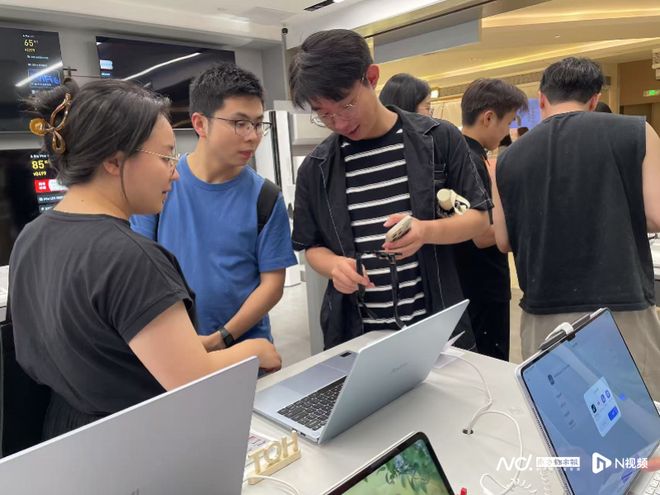
雷鸟X3 Pro AR智能眼镜
2025-07-16 06:13
Summary of Conference Call Company and Industry - The conference call focused on the AI eyewear industry, specifically discussing the product lines of the company, which is identified as "雷鸟" (Leiniao) [1][2]. Core Points and Arguments - **Product Lines**: The company has two main product lines centered around BirdBox (BB technology) and color waveguide technology. The first line emphasizes a split design for enhanced viewing experiences, while the second line offers a more convenient all-in-one product, the X series [1]. - **R Series Update**: The R series has introduced the R3s and R3s Pro, which are performance upgrades from the previous R3 model, with a more affordable pricing strategy. The V series did not see significant updates due to the recent product release cycle [2]. - **B Series Launch**: The B series introduced the B340 model aimed at family users. The company has made three major updates to enhance user experience based on feedback [3]. - **Market Dynamics**: The current market for AI eyewear is limited, primarily focusing on split-viewing and gaming experiences. The company anticipates that future large-scale sales will likely come from lighter, longer-lasting products like NEO V3 and MapleMeta [3]. - **Commercial Considerations**: The company is navigating complex commercial considerations, particularly with the X series products, which utilize advanced waveguide technology. The performance of these products is strong, but they face challenges in weight, pricing, and heat dissipation [4]. - **X3 Pro Product Launch**: The X3 Pro is positioned as a showcase of the company's technological capabilities, featuring industry-first technologies and materials. The product's weight has been reduced to 76 grams, a 36% decrease compared to previous models, but it is priced at 8999, indicating a premium positioning [5][6]. - **Strategic Positioning**: The X3 Pro is intended to set a benchmark in the industry, reflecting the company's commitment to innovation and exploration in the AI eyewear space. The Air 3 and Air 3s products focus more on indoor viewing experiences [6]. Other Important Content - **Technological Innovations**: The X3 Pro incorporates various first-time technologies in the industry, including magnesium alloy materials and gentle waveguide materials, highlighting the company's focus on advanced engineering [5]. - **Market Challenges**: The overall industry remains in a low growth state, and the commercial success of new products may lag behind initial expectations due to pricing and market demand constraints [4]. This summary encapsulates the key discussions and insights from the conference call, providing a comprehensive overview of the company's product strategy and market positioning in the AI eyewear industry.
2025年中国AI眼镜行业研究报告
艾瑞咨询· 2025-07-15 09:19
Core Viewpoint - The AI glasses industry is on the verge of a significant breakthrough, potentially marking the next "iPhone moment" in technology, where AI glasses could transform daily life and communication [2][3]. AI Glasses Definition and Classification - AI glasses are innovative wearable devices that integrate artificial intelligence with traditional eyewear, enhancing functionality and practicality [3]. - They can be categorized into five types based on integrated technologies or hardware, all aimed at improving user efficiency and experience [3]. Market Growth and Projections - The global shipment of AI glasses is expected to reach 20 million units by 2028, driven by rapid advancements in AI and AR technologies [9]. - In September 2023, Meta and Ray-Ban launched the Ray-Ban Meta AI smart glasses, achieving over 2 million units shipped, indicating a surge in the smart glasses market [9]. Industry Landscape and Key Players - Numerous manufacturers are entering the AI glasses market, focusing on the deep integration of AI models and AR technology, leading to a diverse range of lightweight products [14]. - Notable brands include Bose, Huawei, Xiaomi, and Rokid, each offering various AI glasses tailored to different functionalities [15]. Consumer Insights and Market Potential - The AI glasses market shows significant potential, with nearly 61% of surveyed consumers having purchased or planning to purchase smart glasses, indicating a strong market foundation [25]. - Consumers exhibit a high interest in AI glasses, particularly in the mid-price range of 2000-3000 RMB, aligning with their income levels [27]. User Preferences and Purchase Behavior - Functionality is the primary consideration for consumers when purchasing AI glasses, with audio playback, photography, and AI interaction being key features [32]. - Users show a willingness to invest in AI glasses, with over 50% of existing users owning at least one pair, and many expressing interest in upgrading their devices [28]. Challenges and Concerns - Potential buyers express concerns regarding pricing, functionality, and privacy, which could hinder market growth [34]. - Interest consumers are particularly focused on the integration of multiple functions and the overall user experience [34]. Supply Chain and Technological Advancements - The AI glasses market is driven by hardware performance breakthroughs, domestic production increases, and the expansion of manufacturer ecosystems [42]. - Key technological advancements include improved battery life, lightweight materials, and enhanced display technologies, which are crucial for product adoption [42]. Retail and Marketing Strategies - Offline experiences play a crucial role in consumer conversion, while online ecosystems and customized services enhance sales [45]. - The integration of experiential marketing and retail channel consolidation is essential for driving sales in the AI glasses market [45]. Future Trends - The AI glasses industry is expected to evolve towards technological innovation, functional integration, and collaborative ecosystem development to meet consumer demands [47].


深圳加快打造具有全球重要影响力的产业科技创新中心 锚定科技创新 传承城市基因
Shen Zhen Shang Bao· 2025-07-13 22:29
Core Insights - The establishment of the scientific alliance in the Greater Bay Area aims to enhance collaboration among research institutions, universities, and innovative enterprises, focusing on major scientific projects and technology sharing [1] - Shenzhen is positioning itself as a global hub for industrial and technological innovation, integrating various innovation chains to optimize its technological ecosystem [1][2] - Shenzhen's R&D investment reached 223.66 billion yuan, marking an 18.9% increase, with a research intensity of 6.46%, ranking second among major cities in China [2] - The city is home to over 25,000 national high-tech enterprises, with a density of 12 per square kilometer, the highest in the country [3] - Shenzhen has launched the "Kunpeng Youth Innovation Project" to support young entrepreneurs with funding up to 1 million yuan [4] - The city has a talent pool of 7 million, including 2.62 million high-level talents and 920 scholars listed among the top 2% of global scientists [5] - Shenzhen is actively integrating into the global innovation network by attracting major global companies to establish R&D centers and promoting international cooperation [6]
AI眼镜新品密集发布消费电子行业投资机遇凸显
Zhong Guo Zheng Quan Bao· 2025-07-09 20:47
Core Insights - The consumer electronics industry is experiencing a surge in new product launches, particularly in AI glasses, with a notable increase in domestic supply chain localization and accelerated commercialization [1][2] - The Wind data indicates a 6.67% increase in the consumer electronics industry concept index over 13 trading days since June 23 [1] - Analysts predict a faster pace of global consumer electronics industry upgrades and highlight investment opportunities in the segmented supply chain [1] New Product Launches - AI glasses are driving innovation in the smart wearable device sector, with major tech companies and startups launching new products [1][2] - Meta has introduced two AI glasses products, including a collaboration with EssilorLuxottica, reflecting its commitment to the AI glasses market [1] - Xiaomi has unveiled its first AI glasses featuring a 12 million pixel camera and various interactive capabilities [2] - RayNeo has launched multiple new products, including the RayNeo X3 Pro AR glasses and the RayNeo V3 Slim AI shooting glasses [2] Positive Performance of Industry Chain Companies - Several listed companies in the consumer electronics supply chain have reported positive earnings forecasts for the first half of 2025 [2] - Industrial Fulian expects a net profit of 11.96 billion to 12.16 billion yuan, a year-on-year increase of 36.84% to 39.12% [2] - Rockchip anticipates a revenue of approximately 2.05 billion yuan, with a year-on-year growth of around 64% [2] - Espressif Systems projects a revenue of 1.22 billion to 1.25 billion yuan, with a year-on-year increase of 33% to 36% [2] Market Growth Projections - According to IDC, the global smart eyewear market shipped 1.487 million units in Q1 2025, a year-on-year increase of 82.3% [3] - The global smart eyewear market is expected to reach 14.518 million units in 2025, with a year-on-year growth of 42.5% [3] - In China, the smart eyewear market shipped 494,000 units in Q1 2025, a year-on-year increase of 116.1% [3] - The Chinese smart eyewear market is projected to reach 2.907 million units in 2025, with a year-on-year growth of 121.1% [3] Investment Opportunities in the Industry Chain - With the anticipated increase in AI glasses shipments, institutions are optimistic about investment opportunities in the related supply chain [3][4] - Analysts believe that 2025 will be a significant year for the concentrated release of smart glasses, which may accelerate technological maturity and cost reduction in the supply chain [3][4] - The AI glasses market is seen as a promising area for investment, driven by the dual forces of policy and AI technology [3][4]



