三峡能源

Search documents
“缺电”的经济大省,又放了个大招
3 6 Ke· 2025-12-29 02:09
据当地媒体报道,浙江天台抽水蓄能电站未来将成为长三角地区重要的清洁能源调节枢纽,对区域电网的调峰、填谷、调频、调相和紧急事故备用起到至 关重要的"稳定器"和"调节器"作用。 值得注意的是,随着该机组投运,浙江抽水蓄能总装机规模首次突破1000万千瓦,达到1030.5万千瓦,仅次于广东,位居全国第二。与此同时,浙江在建 和规划建设的抽水蓄能装机规模近2000万千瓦,位居全国首位。 12月25日,三峡集团浙江天台抽水蓄能电站首台机组实现并网发电,标志着我国在高水头、大容量抽蓄机组建设领域实现重要突破。 天台抽水蓄能电站是我国"十四五"重点实施项目,总装机容量170万千瓦。此次投运的机组单机容量达42.5万千瓦,位居国内之首;额定水头724米,为世 界第一;单级斜井长度达483.4米,也创下国内纪录。 作为华东电网重要的调节电源,电站预计2026年迎峰度夏期间全面投产,年发电量约17亿千瓦时,可满足约160万人一年生活用电,每年可节约燃煤52万 吨、减少二氧化碳排放104万吨。 当前,我国正着力构建清洁低碳、安全高效的新型能源体系。随着风、光等新能源快速发展,电力系统对灵活调节能力的需求也日益增强。 储能作为能源转 ...


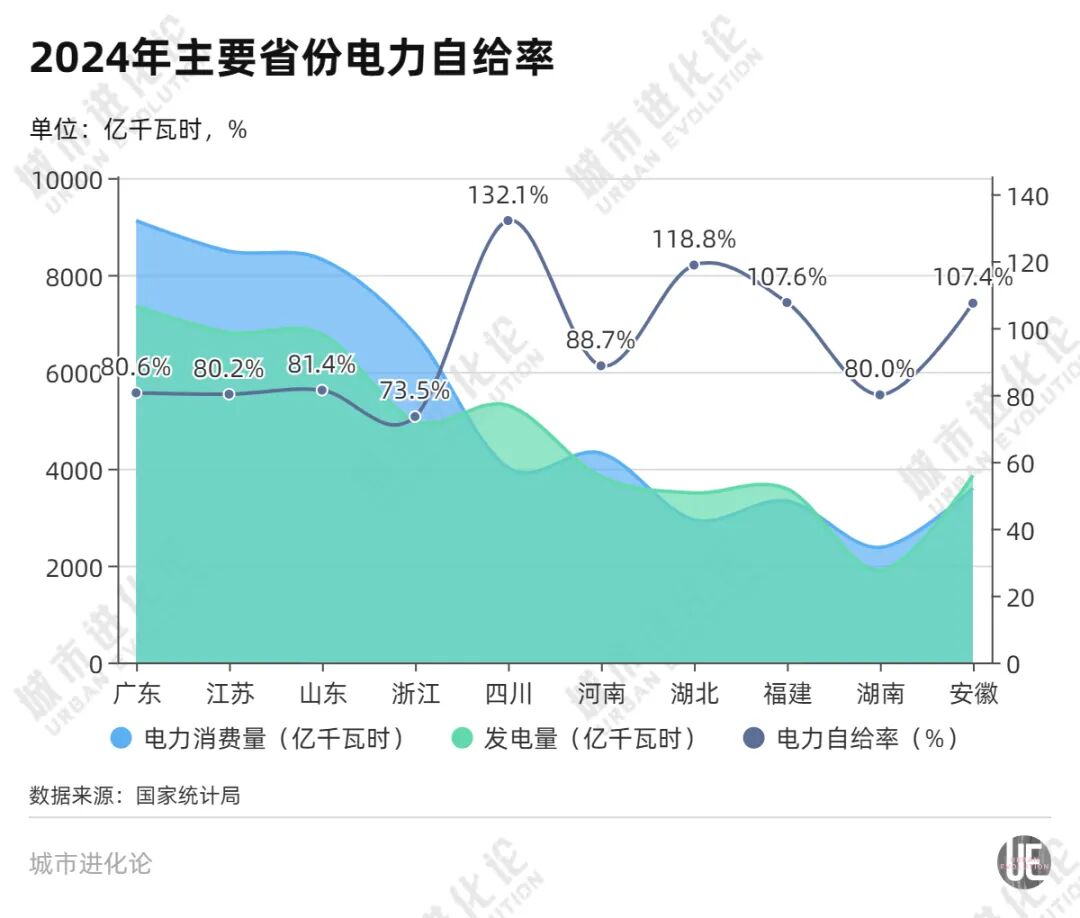
迎峰度冬考验来临 央企能源保供工作全力推进
Jing Ji Ri Bao· 2025-12-29 00:10
入冬以来,全国能源保供工作进入关键期。面对迎峰度冬考验,中央企业积极研究部署,压紧压实 责任,切实发挥好"顶梁柱"和主力军作用,煤炭、天然气等传统能源稳产增供,风电、光伏等可再生能 源项目有序投产,全国电网高效运转,保障群众温暖度冬和经济平稳运行。 面对能源保供重任,国家能源集团将保持煤炭稳产高产作为首要任务,重点强化煤炭资源组织,加 大外采和储备力度,坚决落实"存煤15天以下动态清零"要求。蒙东、东北等关键区域稳步提升库存,全 力保障资源充足。在联动运输环节,以精细化管理深挖运输潜力、筑牢运输保障防线,一体化煤炭出区 装车量持续刷新纪录,依托煤电路一体化协同优势,为迎峰度冬能源保供筑牢坚实根基。 "工程完成增容后,新增变电容量100万千伏安,将提升苏州地区年供电87.6亿千瓦时,相当于近 300万户家庭1年的用电量。"国网苏州供电公司500千伏变电运检中心副主任苏俊霖介绍。当前,随着天 气逐渐转寒,用电负荷持续攀升,工程按期投运将有力缓解苏州及长三角地区冬季保供压力。 2025年,国家电网82项迎峰度冬重点工程覆盖35千伏至750千伏电压等级,涉及江苏、新疆、河南 等20余个省份。这些工程将于近期全部建成, ...
传统能源稳产增供 可再生能源项目有序投产—— 央企能源保供工作全力推进
Jing Ji Ri Bao· 2025-12-28 21:49
Group 1 - The national energy supply work has entered a critical period as winter approaches, with central enterprises actively deploying responsibilities to ensure stable production and supply of traditional energy sources like coal and natural gas, as well as orderly production of renewable energy projects such as wind and solar power [1] - The State Energy Group prioritizes maintaining stable coal production, enhancing resource organization, and increasing external procurement and reserves, with a focus on meeting the requirement of "dynamic clearance of coal storage below 15 days" [1] - Huaren Power has increased its procurement of quality coal and optimized its coal procurement channels, with current coal inventory reaching 11.09 million tons, providing sufficient fuel support for power generation [1] Group 2 - The offshore wind power project in Jiangsu, with a capacity of 800 MW, has achieved full capacity grid connection, expected to meet the daily electricity needs of 1.4 million households and save approximately 860,000 tons of standard coal, reducing CO2 emissions by about 2.37 million tons [2] - The Jiangsu Suzhou 500 kV substation expansion project has successfully commenced operation, enhancing the annual power supply by 8.76 billion kWh, equivalent to the annual electricity consumption of nearly 3 million households [3] - The "Warm Nuclear No. 1" heating project in Rongcheng, implemented by the State Nuclear Power Investment Group, is expected to save 120,000 tons of standard coal annually and significantly improve the regional air quality and marine ecological environment [3] Group 3 - The National Energy Administration reports that the total investment in key energy projects is expected to reach 3.54 trillion yuan, a year-on-year increase of 11%, with strong investments in nuclear power, onshore wind power, distributed solar power, and grid infrastructure [4] - The focus on energy supply and safety production is emphasized during the critical winter period, with a call for enhanced supervision and emergency response measures to ensure the public remains warm during winter [4]
央企能源保供工作全力推进
Jing Ji Ri Bao· 2025-12-28 21:49
Group 1 - The national energy supply work has entered a critical period as winter approaches, with central enterprises actively deploying responsibilities to ensure stable production and supply of traditional energy sources like coal and natural gas, as well as orderly production of renewable energy projects such as wind and solar power [1] - The State Energy Group prioritizes maintaining stable coal production, enhancing resource organization, and increasing external procurement and reserves, with a focus on meeting the requirement of "dynamic clearance of coal storage below 15 days" [1] - Huaren Power has increased its procurement of quality coal and optimized its coal procurement channels, with current coal inventory reaching 11.09 million tons, providing sufficient fuel support for power generation [1] Group 2 - The offshore wind power project in Jiangsu, with a capacity of 800 MW, has achieved full capacity grid connection, expected to meet the daily electricity needs of 1.4 million households and save approximately 860,000 tons of standard coal [2] - The Jiangsu Suzhou 500 kV substation expansion project has successfully commenced operation, enhancing the annual power supply by 8.76 billion kWh, equivalent to the annual electricity consumption of nearly 3 million households [3] - The National Energy Administration reports that investment in key energy projects is expected to reach 3.54 trillion yuan, a year-on-year increase of 11%, with strong investments in nuclear power, onshore wind, distributed solar, and grid infrastructure [4]
从规模扩张到价值创造: 新能源行业迈入高质量发展新阶段
Zheng Quan Ri Bao· 2025-12-27 03:35
Core Insights - The renewable energy sector in China is transitioning from rapid expansion and low-cost competition to a focus on value creation and system integration by 2025 [1][2][5] Group 1: Industry Growth and Investment - By 2025, China's renewable energy development is expected to maintain a rapid pace, with an estimated investment of 3.54 trillion yuan in key energy projects, reflecting an 11% year-on-year increase [2] - In the first three quarters of 2025, the newly installed capacity of renewable energy reached 310 million kilowatts, a 47.7% increase year-on-year, accounting for 84.4% of the total new capacity [2] - Renewable energy generation is projected to reach 2.89 trillion kilowatt-hours, a 15.5% increase year-on-year, making up approximately 40% of total electricity generation [2] Group 2: Energy System Transformation - The energy sector is undergoing a transformation to achieve carbon neutrality, with a focus on increasing the share of renewable energy and making it the primary source of power generation [3] - The National Energy Administration has issued guidelines to promote integrated development of renewable energy, emphasizing system integration and coordinated development [3][4] - Multi-energy integration is becoming a trend, enhancing resource allocation efficiency and reliability of supply while supporting traditional and emerging industries with green power [4] Group 3: Market Dynamics and Competition - The renewable energy industry is experiencing a shift towards "anti-involution," particularly in the photovoltaic sector, where previous price declines are stabilizing due to policy and market interventions [5][6] - By late 2025, prices across the photovoltaic supply chain began to recover, with silicon material prices increasing by 38.9% compared to the beginning of the year [6] - The wind power sector is also seeing a reduction in price competition, with a focus on value-driven strategies and improved product quality [8][9] Group 4: Market Reform and Pricing - The marketization of renewable energy pricing is accelerating, with new policies requiring renewable energy to compete under the same market rules as traditional energy sources [9][10] - The "136 Document" outlines a framework for market-based pricing of renewable energy, moving away from fixed prices to variable pricing based on market transactions [10] - This shift necessitates a change in investment strategies for renewable energy developers, focusing on detailed project development and operational efficiency [10]
从规模扩张到价值创造:新能源行业迈入高质量发展新阶段
Zheng Quan Ri Bao· 2025-12-26 16:46
Core Insights - The renewable energy sector in China is transitioning from rapid expansion and low-cost competition to a focus on value creation and system integration by 2025 [1][2][5] Group 1: Industry Growth and Investment - By 2025, China's renewable energy development is expected to maintain a rapid pace, with an estimated investment of 3.54 trillion yuan in key energy projects, representing an 11% year-on-year increase [2] - In the first three quarters of 2025, the newly installed capacity of renewable energy reached 310 million kilowatts, a 47.7% increase year-on-year, accounting for 84.4% of the total new capacity [2] - Renewable energy generation reached 28.9 trillion kilowatt-hours, a 15.5% increase year-on-year, making up approximately 40% of total electricity generation [2] Group 2: Energy System Transformation - The energy sector is undergoing a transformation to achieve carbon neutrality, with a focus on increasing the share of renewable energy and making it the primary source of power generation [3][4] - The National Energy Administration has issued guidelines to promote integrated development of renewable energy, emphasizing system integration and coordinated development [3] - Successful practices in integrated development are already being implemented in regions like Qinghai and Gansu, where "wind-solar-storage" integration has become standard [3] Group 3: Industry Competition and Pricing - The renewable energy industry is experiencing a shift towards "anti-involution," particularly in the solar sector, where excessive competition has led to price declines [5][8] - As of November 2025, prices across the solar industry chain have stabilized, with silicon material prices increasing by 38.9% since the beginning of the year [5] - The wind power sector is also seeing a recovery in bidding prices, with industry cooperation helping to curb low-price competition [8] Group 4: Market Reforms - The marketization of renewable energy pricing is accelerating, with new policies requiring renewable energy to compete under the same market rules as traditional energy sources [9][10] - The "136 Document" outlines a framework for market-based pricing of renewable energy, moving away from fixed prices to variable pricing based on market transactions [9] - Local governments are implementing plans to ensure that renewable energy pricing is determined through market transactions, with regions like Guangdong already issuing competitive trading bills [9]
城市24小时 | 最“缺电”的经济大省,又放了个大招
Mei Ri Jing Ji Xin Wen· 2025-12-26 14:26
Group 1: Key Developments in Energy Sector - The first unit of the Zhejiang Tiantai Pumped Storage Power Station has achieved grid-connected power generation, marking a significant breakthrough in high-head, large-capacity pumped storage units in China [1] - The total installed capacity of the Tiantai Pumped Storage Power Station is 1.7 million kilowatts, with a single unit capacity of 425,000 kilowatts, the highest in the country, and a rated head of 724 meters, the highest in the world [1] - The power station is expected to generate approximately 1.7 billion kilowatt-hours annually, enough to meet the electricity needs of about 1.6 million people, while saving 520,000 tons of coal and reducing carbon dioxide emissions by 1.04 million tons each year [1] Group 2: Regional Energy Strategy - Zhejiang Province is accelerating the construction of a new energy system, with a focus on clean, low-carbon, and efficient energy production and consumption [2][4] - The total installed capacity of pumped storage in Zhejiang has surpassed 10 million kilowatts, reaching 10.305 million kilowatts, making it the second highest in the country, following Guangdong [2] - The province has plans for nearly 20 million kilowatts of pumped storage capacity under construction and in planning, leading the nation [2] Group 3: Energy Demand and Supply Dynamics - Zhejiang is characterized as a "resource-scarce province with high energy consumption," relying heavily on external energy sources, with one-third of its electricity imported from outside the province [5][6] - The province's electricity consumption reached 608.8 billion kilowatt-hours in the first ten months of the year, a year-on-year increase of 7.8%, the highest growth rate among major economic provinces in the country [9] - To enhance energy supply capabilities, Zhejiang is diversifying its energy sources, including offshore wind power, pumped storage, and nuclear power projects [9]
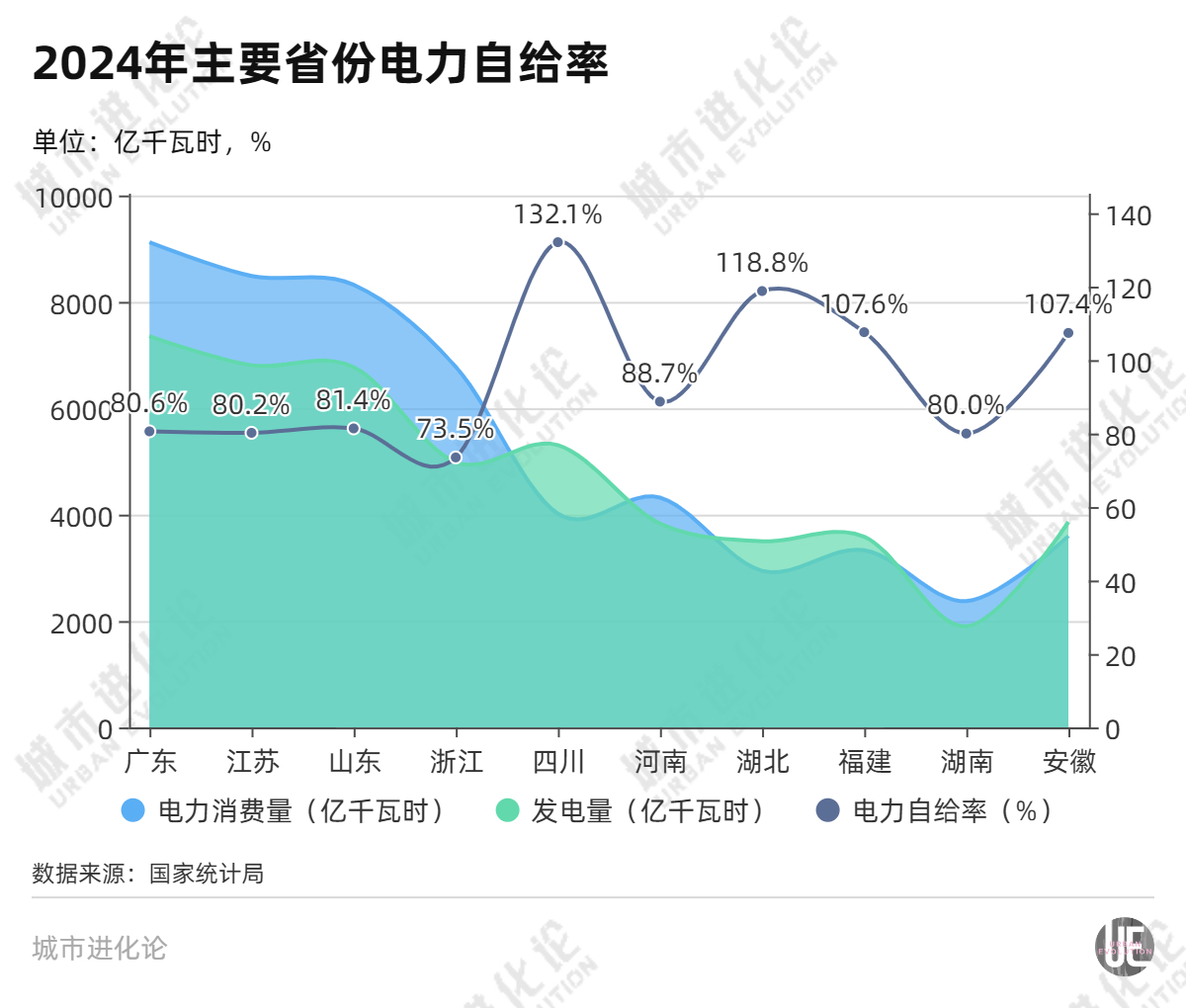
国家发改委、国家能源局重磅发布!
中国能源报· 2025-12-26 12:45
Core Viewpoint - The article discusses the release of the "Basic Rules for the Medium and Long-term Electricity Market" by the National Development and Reform Commission and the National Energy Administration, emphasizing the need for a unified national electricity market and the importance of balancing long-term supply and demand in the electricity sector [1][2]. Group 1: General Principles - The rules aim to accelerate the construction of a unified national electricity market system, standardize medium and long-term trading behaviors, and protect the legitimate rights and interests of market participants [5]. - The medium and long-term electricity market is defined as a market where registered entities conduct electricity trading for future delivery periods, including various time dimensions such as years, months, and weeks [5][6]. Group 2: Overall Requirements - The rules promote the integration of medium and long-term electricity markets with spot markets, ensuring smooth transitions in trading sequences, clearing, and market settlements [8]. - There is a focus on adapting to the volatility of renewable energy output, enabling flexible continuous trading, and promoting long-term power purchase agreements to stabilize consumption [8]. Group 3: Market Participants - Market participants include generation companies, electricity users, and new types of operators, all of whom must adhere to market rules and avoid manipulating prices [12][15]. - Generation companies have rights to participate in the market, sign contracts, and receive fair access to grid services [13]. Group 4: Trading Types and Price Mechanism - Medium and long-term trading includes various delivery periods, with different trading methods such as centralized trading and bilateral negotiations [25][30]. - The pricing mechanism for the medium and long-term market is determined by market forces, with specific provisions for green electricity trading [29][30]. Group 5: Trading Organization - Cross-regional electricity trading will be organized by designated electricity trading centers, with a focus on ensuring continuous operation and timely publication of trading calendars [32][34]. - The rules stipulate that key parameters for trading must be clearly defined before trading begins, and adjustments cannot be made during the trading process [44]. Group 6: Contract Management - All market participants must sign medium and long-term trading contracts, which serve as the basis for execution and help stabilize market expectations [64]. - Green electricity trading contracts must specify the traded electricity volume and pricing, including the environmental value of green electricity [66]. Group 7: Measurement and Settlement - The settlement of the medium and long-term market will generally occur on a monthly basis, with provisions for different types of settlements [72][76]. - Green electricity trading will involve separate settlements for energy and environmental value, ensuring compliance with sustainability pricing mechanisms [78]. Group 8: Information Disclosure - Market information will be disclosed periodically, with a retention period of at least two years, ensuring transparency for all market participants [81][83]. Group 9: Technical Support System - The electricity trading platform must include various functional modules to support market operations, ensuring interoperability and data exchange among different systems [84][88].
关于印发《电力中长期市场基本规则》的通知
国家能源局· 2025-12-26 11:07
Group 1 - The article outlines the issuance of the "Basic Rules for the Long-term Electricity Market" by the National Development and Reform Commission and the National Energy Administration to accelerate the establishment of a unified national electricity market [2][3] - The revised rules aim to deepen the construction of the long-term electricity market and standardize trading behaviors in response to the needs of electricity reform and development [3][4] - Local electricity trading institutions are required to draft implementation details for the long-term electricity market by March 1, 2026, and submit them for record to the National Development and Reform Commission and the National Energy Administration [4]

研报掘金丨申万宏源研究:予金风科技“增持”评级,受益于风电行业需求回暖
Ge Long Hui· 2025-12-26 08:29
Group 1 - The core viewpoint of the article highlights that Goldwind Technology is a leading provider of wind power solutions in China and globally, maintaining the number one market share in China for 14 consecutive years and globally for three years [1] - The company has benefited from a recovery in wind power demand, with stable and rising prices for wind turbines, leading to continuous growth in revenue and net profit attributable to shareholders [1] - In the first three quarters of 2025, the company achieved a revenue of 48.147 billion yuan, representing a year-on-year increase of 34.34%, and a net profit attributable to shareholders of 2.584 billion yuan, reflecting a year-on-year increase of 44.21% [1] Group 2 - The company's performance is supported by improved industry demand, recovering turbine prices, and a high-quality order structure [1] - Comparable companies in the industry include Yunda Co., Sany Renewable Energy, Dongfang Electric, and Three Gorges Energy, with an average industry PE of 15 times expected for 2026 [1] - Considering the company's industry position and a certain margin of safety, a valuation of 15 times the industry average for 2026 is assigned, with a rating of "Accumulate" [1]