
上海家化

Search documents
上海家化联合股份有限公司2025年半年度权益分派实施公告
Shang Hai Zheng Quan Bao· 2025-10-16 21:05
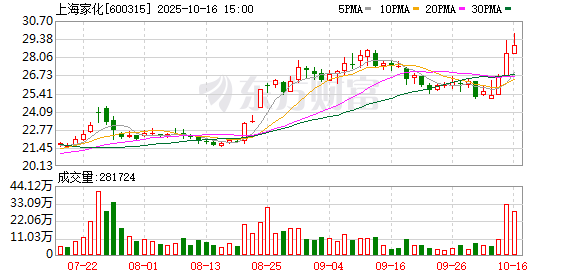
Core Points - Shanghai Jahwa announced a cash dividend of 0.039 CNY per share for the first half of 2025, totaling approximately 26.15 million CNY [2][4] - The dividend distribution plan was approved at the annual shareholders' meeting on June 25, 2025 [2][3] - The dividend will be distributed to all shareholders registered with the China Securities Depository and Clearing Corporation Limited, Shanghai Branch, as of the close of trading on the record date [3] Distribution Plan - The total number of shares eligible for the dividend is 670,621,808 after excluding shares held in the company's repurchase account [4] - The reference price for the ex-dividend calculation is based on the previous closing price minus the virtual cash dividend of approximately 0.03891 CNY per share [5] - The distribution will only involve cash dividends, with no capital reserve conversion or stock issuance, resulting in no change to the circulating shares [5] Implementation Details - Cash dividends for unrestricted circulating shares will be distributed through the clearing system of the China Securities Depository and Clearing Corporation [7] - Shareholders who have not completed designated transactions will have their dividends held by the clearing company until the transactions are completed [7] - The company will directly distribute cash dividends to specific entities, including Shanghai Jahwa (Group) Co., Ltd. and Shanghai Huisheng Industrial Co., Ltd. [8] Taxation Information - Individual shareholders holding unrestricted circulating shares will not have taxes withheld at the time of dividend distribution, with the actual cash dividend being 0.039 CNY per share [8] - For foreign institutional investors (QFII), a 10% withholding tax will apply, resulting in a net cash dividend of 0.0351 CNY per share [9] - Other institutional investors are responsible for their own tax payments, with a gross cash dividend of 0.039 CNY per share [9]

上海家化:2025年半年度权益分派实施公告
Zheng Quan Ri Bao· 2025-10-16 13:40
Core Points - Shanghai Jahwa announced a profit distribution plan for the first half of 2025, proposing a cash dividend of 0.039 yuan per share (tax included) for A-shares [2] Summary by Category Profit Distribution - The cash dividend of 0.039 yuan per share is set to be distributed to A-shareholders [2] - The record date for the dividend is October 22, 2025, and the ex-dividend date is October 23, 2025 [2]

上海家化(600315) - 国浩律师(上海)事务所关于上海家化联合股份有限公司差异化分红事项之专项法律意见书
2025-10-16 10:47
国浩律师(上海)事务所 关于上海家化联合股份有限公司 差异化分红事项之专项法律意见书 致:上海家化联合股份有限公司 根据《中华人民共和国公司法》(以下简称"《公司法》")、《中华人民共和国 证券法》(以下简称"《证券法》")、《上市公司股份回购规则》(以下简称"《回购 规则》")、《上海证券交易所上市公司自律监管指引第 7 号——回购股份》(以下 简称"《回购指引》")、《上海证券交易所股票上市规则》(以下简称"《上市规则》") 以及《上海家化联合股份有限公司公司章程》(以下简称"《公司章程》")等相关 法律、法规及规范性文件的规定,本所律师就上海家化联合股份有限公司(以下 简称"公司")2025 年半年度利润分配涉及的差异化分红特殊除权除息处理(以 下简称"本次差异化分红")相关事项出具本法律意见书。 国浩律师(上海)事务所 法律意见书 按照律师行业公认的业务标准、道德规范和勤勉尽责的精神,依据本法律意 见书出具日以前已发生或存在的事实,本所律师发表法律意见,并声明如下: 4、本所律师仅就公司本次差异化分红的合法性及相关中国法律问题发表意 见,本所律师在出具本法律意见书时,对与法律相关的业务事项已履行法律专 ...
上海家化(600315) - 上海家化2025年半年度权益分派实施公告
2025-10-16 10:45
证券代码:600315 证券简称:上海家化 公告编号:2025-049 上海家化联合股份有限公司 2025年半年度权益分派实施公告 本公司董事会及全体董事保证本公告内容不存在任何虚假记载、误导性陈述或者重大遗 漏,并对其内容的真实性、准确性和完整性承担法律责任。 重要内容提示: 每股分配比例 2. 分派对象: 截至股权登记日下午上海证券交易所收市后,在中国证券登记结算有限责任公司上海分 公司(以下简称"中国结算上海分公司")登记在册的本公司全体股东。 A 股每股现金红利0.039元 相关日期 | 股份类别 | 股权登记日 | 最后交易日 | 除权(息)日 | 现金红利发放日 | | --- | --- | --- | --- | --- | | A股 | 2025/10/22 | - | 2025/10/23 | 2025/10/23 | 差异化分红送转: 是 一、 通过分配方案的股东会届次和日期 本次利润分配方案经公司2025 年 6 月 25 日的2024年年度股东会及公司九届三次董事会审议 通过。 二、 分配方案 1. 发放年度:2025年半年度 3. 差异化分红送转方案: (1)差异化利润分配方案 根 ...
国信证券:予上美股份“优于大市”评级 目标价104.5-120.9港元
Zhi Tong Cai Jing· 2025-10-16 09:23
Core Viewpoint - Guosen Securities has given a "better than market" rating to Shangmei Co., predicting net profit attributable to shareholders of 1.107 billion, 1.388 billion, and 1.702 billion yuan for 2025-2027, with EPS of 2.78, 3.49, and 4.27 yuan per share respectively, and a target price of 104.5-120.9 HKD per share [1] Company Summary - Shangmei Co. is positioned as a leading domestic beauty brand, leveraging inclusive mechanisms, in-depth R&D, and diverse channels to solidify its performance base through its main brand, Han Shu, which has expanded its product categories and achieved significant sales through bundled offerings [1] - The company has developed reusable foundational capabilities in channels, R&D, and marketing, leading to a platform-based development model with multiple categories and brands [2] - The main brand Han Shu has achieved breakthroughs with products like the Hongman Waist Set and X Peptide Cream, while also expanding into hair care, men's products, and cosmetics [2] Industry Summary - The cosmetics industry has entered a stable growth phase post-pandemic, with diminishing channel benefits and increasing competition from new brands, resulting in shorter product growth life cycles [1] - Platform-based operational capabilities are crucial for beauty companies to overcome growth bottlenecks, allowing them to adapt to market changes and build a sustainable multi-brand and multi-category business matrix [1] - Companies like Shanghai Jahwa, Proya, and currently Shangmei have successfully established platform systems to achieve sustainable growth through industry fluctuations [1]
辽宁大爷卖美妆产品:年入46亿,中国第三,港股上市
Sou Hu Cai Jing· 2025-10-16 08:27
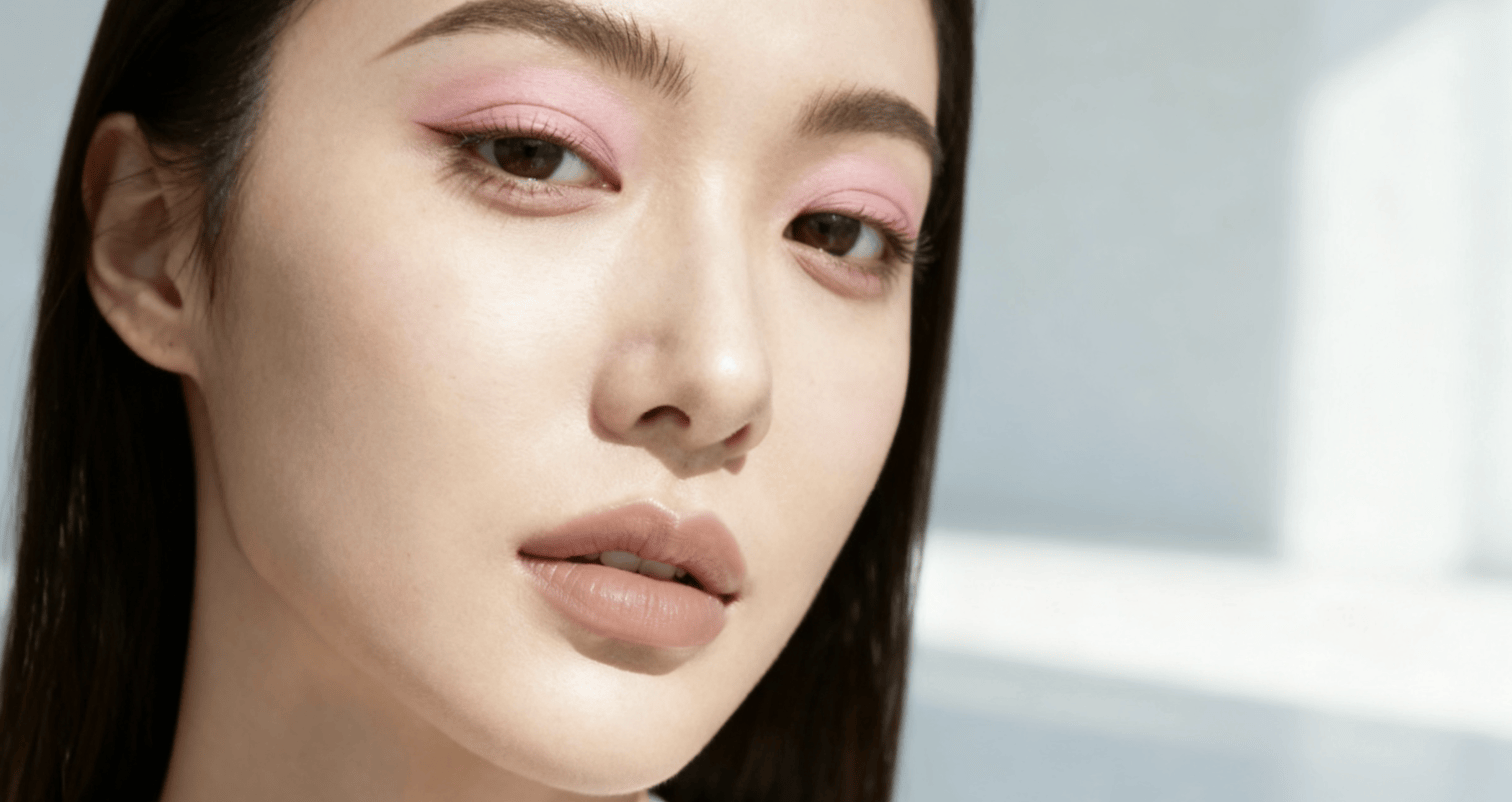
Core Insights - The Chinese domestic beauty market is witnessing a surge of players aiming for capital market entry, with natural brand Chando recently filing for an IPO on the Hong Kong Stock Exchange [2] - Chando has secured significant investments from major players, including a 300 million RMB investment from CVC Capital and a 6.67% stake from L'Oréal, indicating strong confidence in its growth potential [2][3] - The brand has shown impressive revenue growth, with projections indicating an increase from 42.92 billion RMB in 2022 to 46.01 billion RMB in 2024, and a gross margin of 70.07% [2][3] Company Overview - Founded by Zheng Chunying in 2001, Chando has developed a multi-brand strategy encompassing skincare, makeup, and baby care products, with over 522 SKUs [2] - The brand's primary revenue source is skincare products, particularly creams, serums, and lotions, targeting women aged 20 to 40 [3] - Chando has maintained a strong market position, ranking as the third largest domestic cosmetics brand in China, with a market share of 1.7% [4] Market Dynamics - The Chinese cosmetics market is the second largest globally, projected to grow from 779.4 billion RMB in 2019 to 934.6 billion RMB in 2024, with a compound annual growth rate (CAGR) of 3.7% [4] - The mass cosmetics segment, priced below 300 RMB, dominates the market, expected to reach 760.5 billion RMB by 2024, driven by consumer preference for high-cost performance products [4] - The market remains fragmented, with the top five cosmetics groups holding only 21.3% of the market share, indicating opportunities for growth among emerging brands [4] Competitive Landscape - International brands dominate the high-end market, while domestic brands like Chando are rapidly gaining ground in the mid to low-end and efficacy skincare segments [5] - The rise of ingredient-conscious consumers and digital trends is reshaping purchasing behavior, with 70% actively researching ingredient lists [5] - Emerging fields such as men's skincare and scalp anti-aging are identified as high-potential areas, with Chando's scalp anti-aging essence achieving over 100 million RMB in sales within three months of launch [6] Growth Opportunities - International collaborations and overseas expansion are seen as key growth strategies, with Chando leveraging its partnerships to explore markets in Southeast Asia and the Middle East [6] - The brand's focus on high-performance, cost-effective products aligns with the growing demand for sensitive skin care and affordable beauty solutions in international markets [6]
申万宏源:预计25Q3化妆医美整体表现符合预期 Q4持续向上
Zhi Tong Cai Jing· 2025-10-16 06:19
Group 1: Cosmetics and Aesthetic Medicine Sector - The cosmetics retail sales growth in July and August 2025 was 4.5% and 5.1%, outperforming the overall retail market growth of 3.7% and 3.4%, indicating strong demand recovery [1][2] - The Q4 growth is expected to be boosted by the Double Eleven shopping festival and a relatively low base from the previous year, leading to further increases in cosmetics retail sales [1][2] - Domestic brands are leveraging online channels effectively, with notable performances from brands like Mao Geping and others on platforms like Taobao and Douyin [2] Group 2: Company Performance and Trends - Companies like Shuiyang and Beitaini are expected to turn profitable in Q3 2025, showing significant improvement compared to Q3 2024, which was affected by macroeconomic factors [3] - The performance of the aesthetic medicine sector is anticipated to be slightly weak due to macroeconomic influences, with both upstream and downstream segments facing challenges [4] - The mother and baby sector is gaining attention due to government subsidies, with companies like Kid King expected to see substantial profit growth [5] Group 3: Investment Recommendations - Recommended companies in the cosmetics sector include Mao Geping, Shangmei, and Shanghai Jahwa, which have strong growth in GMV [6] - Companies like Aimeike are highlighted for their strong profitability and product pipeline in the aesthetic medicine sector [6] - In the e-commerce and personal care brand space, companies like Ruoyuchen and Shuiyang are suggested for attention [7]

最高暴增229%!男士“美妆”的春天终于来了
Sou Hu Cai Jing· 2025-10-16 02:11
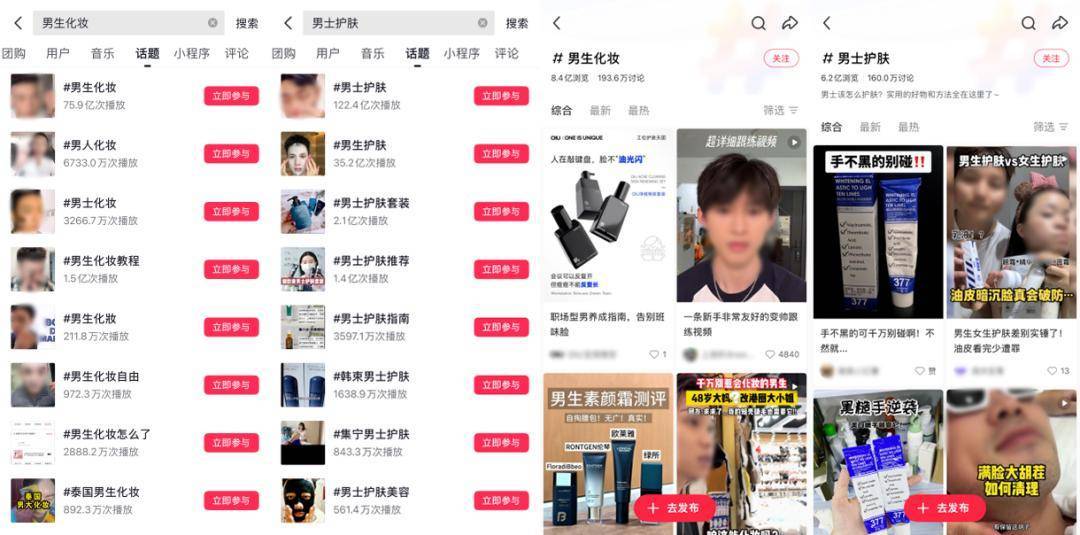
Core Insights - The men's beauty market is experiencing significant growth, with L'Oréal China aiming to reach 150 million consumers by 2030, particularly targeting males aged 15 and above [1][2] - Men's grooming products have shown explosive growth in 2023, with men's hair care sales soaring by 122.75% and men's foundation sales increasing by 228.78% [1][5] - The competitive landscape is shifting, with traditional brands facing challenges while new entrants like KANS and SAZA are achieving substantial growth [1][12] Market Performance - In the first eight months of 2023, the total transaction value for men's beauty products reached 60.35 billion yuan, reflecting a 10.39% year-on-year increase, with transaction volume up by 33.47% [5][6] - The breakdown of key categories shows men's facial care at 47.35 billion yuan (2.05% growth), men's hair care at 6.75 billion yuan (122.75% growth), men's body care at 3.56 billion yuan (1.61% growth), and men's color cosmetics at 2.69 billion yuan (54.88% growth) [6][7] Consumer Trends - The demand for men's beauty products is evolving from basic grooming to more diverse offerings, including anti-aging serums and makeup products [3][18] - Social media engagement around men's beauty topics is surging, with "men's skincare" videos on Douyin reaching 12.24 billion views and "men's makeup" videos hitting 7.59 billion views [3][4] Brand Dynamics - The top 20 brands in the men's beauty sector are experiencing a divide, with 9 brands showing declining sales, while others like KANS and SAZA are achieving exponential growth [12][16] - L'Oréal, Ocean Supreme, and Left and Right Color are leading the market, with L'Oréal's sales declining by 4.16% while KANS saw a 123.79% increase [11][12] Future Outlook - The men's beauty market is projected to reach 170 billion yuan in 2024, with a compound annual growth rate of 11% expected to push the market to 292 billion yuan by 2029 [3][4] - The competition is intensifying, with brands focusing on product diversification and brand building to capture the evolving consumer preferences [28][29]


双十一展望及新消费投资策略
2025-10-15 14:57
Summary of Conference Call Records Industry Overview - The conference call discusses the outlook for the beauty and e-commerce sectors in China, particularly focusing on the upcoming Double Eleven shopping festival in 2025. The overall market sentiment is optimistic, with expectations of accelerated growth across various platforms, especially Taobao and Tmall, which are projected to achieve a growth rate of around 20% during the event [1][3]. Key Companies and Their Performance 1. **Taobao and Tmall** - Taobao and Tmall are expected to see marginal acceleration in growth, benefiting from personnel adjustments, local life integration, instant retail, and the influence of the 88 VIP membership program [1][3]. 2. **Douyin** - Douyin is anticipated to achieve approximately 40% growth, with other platforms also expected to maintain double-digit growth rates [1][3]. 3. **Proya (珀莱雅)** - Proya is currently in a personnel adjustment phase, with GMV growth expectations for Double Eleven projected to be in the single to low double digits. The company plans to launch more new products in 2026 and aims for a listing on the Hong Kong Stock Exchange [1][9]. 4. **Mao Geping (毛戈平)** - Mao Geping is expected to maintain a strong sales performance, with online sales growth projected between 40% to 50% during Double Eleven. The brand has seen significant collaboration with Li Jiaqi, particularly on key products [1][7][8]. 5. **Perfect Diary (完美股份)** - Perfect Diary had a strong online performance in the first half of the year but experienced a slight slowdown in Q3. The brand is expected to achieve over 30% growth during Double Eleven [1][11]. 6. **Shanghai Jahwa (上海家化)** - Shanghai Jahwa has shown accelerated online sales in Q3, with expectations for significant growth during Double Eleven, driven by brands like Bai Cao Ji and Yu Ze [1][10]. 7. **Yixian E-commerce (易鲜电商)** - Yixian's high-end brands, such as Kalanli and Darfu, have seen GMV double in Q2, indicating a strong recovery and potential for further growth [1][12]. 8. **Luyuchen (陆雨辰)** - Luyuchen is expected to see a significant increase in revenue, estimated to double in Q3, benefiting from rapid growth in its Jade Station home and optimized operations on Douyin [1][13]. 9. **Iffidan (伊菲丹)** - Iffidan is focusing on multi-channel operations and product launches, with plans to open 50 offline stores in China over three years [2][16][17]. 10. **Jinbo Biotech (锦波生物)** - Jinbo is strengthening its position in the medical beauty sector with new product approvals and collaborations, aiming for significant market penetration [1][19]. 11. **Meili Tianyuan Group (美丽田园集团)** - The group has made a strategic acquisition of Siyuanli, enhancing its market share and member base significantly [1][21]. 12. **Shangmei Group (上美股份)** - Shangmei is expanding its product range and has achieved significant growth through innovative marketing strategies on Douyin [1][22]. Market Trends and Consumer Behavior - Domestic beauty brands are gaining market share due to better consumer insights and faster product iterations compared to foreign luxury brands, which are struggling with slower product development [2][15]. - The price stability of foreign brands contrasts with the aggressive pricing strategies of domestic brands, indicating a shift in market dynamics [1][4]. Investment Strategies - The new consumption sector is highlighted as a key investment area, with traditional growth stocks also being considered due to their strong fundamentals and lower valuations expected in 2026 [1][6]. Conclusion - The upcoming Double Eleven shopping festival is expected to be a significant growth driver for the beauty and e-commerce sectors, with various companies poised to capitalize on the trends and consumer behavior shifts observed in the market. The overall sentiment is positive, with a focus on innovation, collaboration, and strategic positioning to enhance market share and profitability.

四中全会前,消费买什么?
2025-10-15 14:57
Summary of Key Points from Conference Call Industry Overview - The conference call discusses the consumer sector in China, particularly focusing on the implications of macroeconomic factors such as the narrowing of the China-US interest rate differential and the strengthening of the RMB, which provide a favorable environment for consumer policies and investments in the upcoming quarters [1][4][3]. Key Investment Opportunities - **Consumer Sector**: The fourth quarter is highlighted as a critical time for investing in the consumer sector, driven by events like the Fourth Plenary Session and the Lunar New Year consumption peak [1][4]. - **Specific Sectors**: - **New Consumption, Beauty Care, and Pet Food** are identified as promising investment areas, particularly during the Double Eleven shopping festival [1][5]. - **Cosmetics**: Brands like Han Shu (by Shangmei Group) and Feicui (by Ruoyu Chen) are expected to see rapid growth, while Mao Geping is noted for its long-term growth potential [1][7]. - **Pet Sector**: Leading companies such as Zhongchong Co. and Guai Bao Co. are highlighted, with significant revenue growth and expansion plans [12][13]. - **Sports Sector**: Lisheng Sports is projected to have significant growth potential, benefiting from policy support for domestic demand and sports-related consumption [14][19]. Company Performance Insights - **Shanghai Jahwa and Shuiyang**: These companies are noted for their turnaround success, with Shanghai Jahwa seeing significant growth in brand engagement and sales post-management changes [8][9]. - **Lepu Medical**: The company is experiencing strong demand for its cosmetic products, with projected sales exceeding 200,000 units for its popular product [11]. - **Lisheng Company**: Expected to achieve a profit of approximately 40 million yuan in 2025, with potential for doubling profits in 2026 [19]. Market Dynamics - **Gold and Jewelry Sector**: The industry is experiencing a divergence between average prices and stock prices, with high-margin products and effective expansion strategies being key drivers [20][21]. Brands like Laopai are performing well, but face risks of slowing sales due to rising prices [22][23]. - **Home Appliances**: Midea is highlighted as a defensive investment with a projected compound annual growth rate of 15% for its B2B business [32][33]. The company is also benefiting from overseas market growth, particularly in emerging regions [34]. Future Trends and Expectations - **Consumer Market Trends**: The consumer market is expected to oscillate between strong expectations and weak realities, influenced by policy changes and economic fundamentals [3][4]. - **Investment Strategy**: A rotation strategy is recommended, focusing on different sectors as they peak, with an emphasis on companies with strong data and event-driven catalysts [6]. - **Long-term Outlook**: The upcoming release of the 15th Five-Year Plan details is anticipated to further support the growth of the consumer sector [6]. Conclusion - The conference call emphasizes the importance of strategic investments in the consumer sector, particularly in beauty, pet care, and sports, while also highlighting the challenges and opportunities within the gold and jewelry market. Companies demonstrating strong fundamentals and growth potential are positioned favorably for future investment.