宇树科技

Search documents
美国高院刚宣判,特朗普大怒,美媒发现不对劲:中方根本不在意
Sou Hu Cai Jing· 2026-02-21 16:56
Group 1 - The U.S. Supreme Court ruled that Trump's tariffs imposed under the International Emergency Economic Powers Act (IEEPA) were illegal, requiring congressional authorization for such actions [2][3][5] - The ruling means that hundreds of billions of dollars collected in tariffs over the past year are now considered "illegal gains," leading to potential lawsuits for refunds from U.S. companies [5][6] - The authority of the president to impose tariffs has been significantly weakened, creating uncertainty for U.S. trade policy moving forward [6][21] Group 2 - China's calm reaction to the ruling reflects its prior understanding that the legal basis for Trump's tariff strategy was weak, indicating a long-term strategic outlook rather than a short-term victory [11][19] - Chinese companies are focusing on building a resilient domestic economy, with significant investments in technology and consumer markets, which can withstand external pressures [18][22] - The visit of German Chancellor Merz to China, accompanied by business leaders, highlights the importance of stable supply chains and the attractiveness of the Chinese market for global companies [11][13] Group 3 - The ruling is expected to create more procedural hurdles for future tariff implementations, making it less likely that the U.S. will pursue aggressive tariff policies as it did in the past [21][22] - The focus for China is on enhancing its economic self-sufficiency and technological capabilities, which are seen as critical for navigating future trade challenges [19][23]


知名经济学家杜帅评论:通过春晚广告商矩阵,解码2026中国经济新流向
Sou Hu Cai Jing· 2026-02-21 14:43
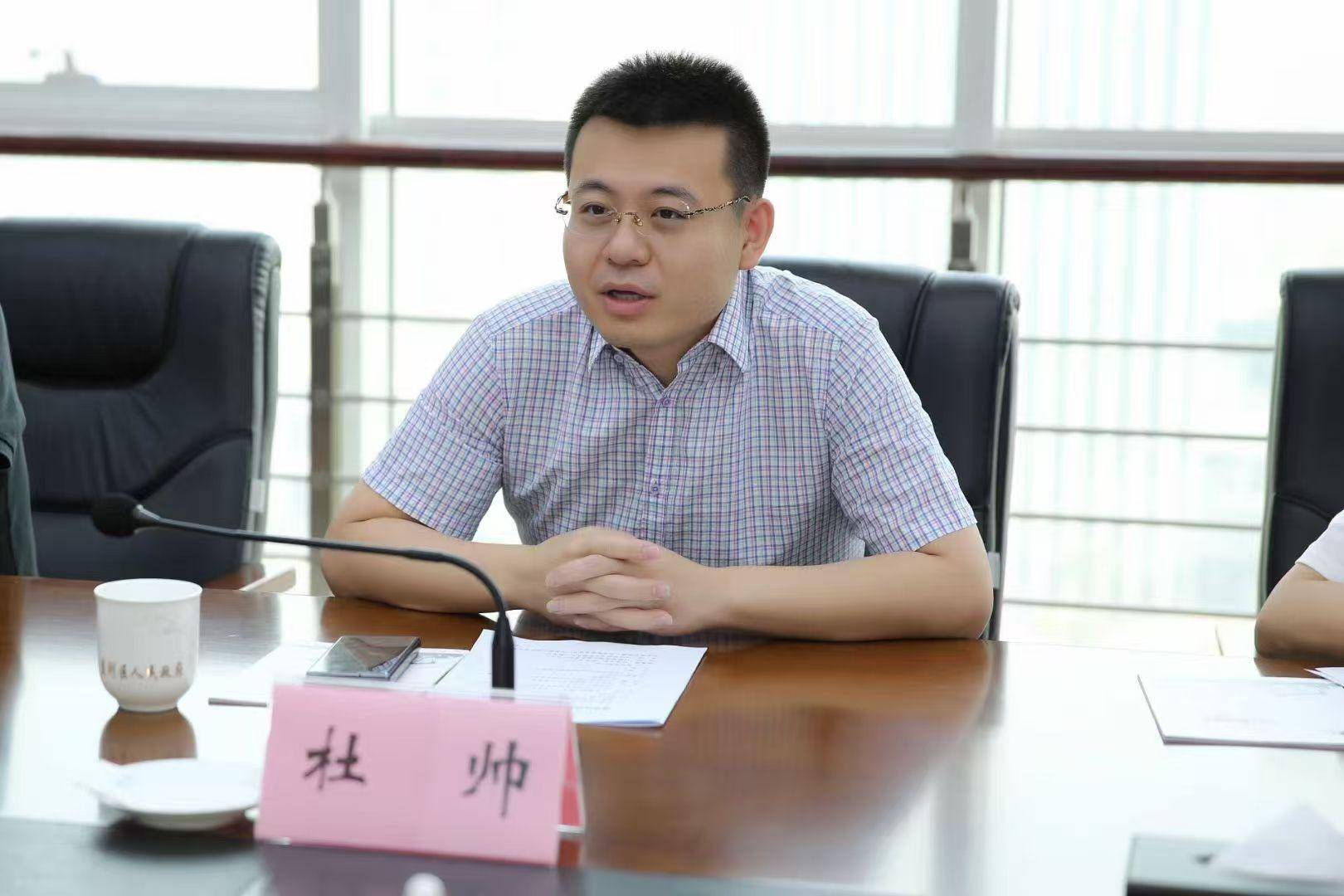
Core Insights - The 2026 Spring Festival Gala serves as a significant indicator of China's economic transformation, showcasing a shift from traditional advertising to a more integrated approach where brands and content coexist harmoniously [3][10] - The sponsorship landscape reflects a trend of "technology taking center stage, traditional industries enhancing quality, and diversified consumption," indicating the current strength and future direction of the Chinese economy [3][5] Group 1: Sponsorship Dynamics - The 2026 Spring Festival Gala achieved a record total reach of 23.063 billion across all media platforms, attracting over 28 brands from various sectors including AI technology, smart transportation, and consumer goods [3][6] - The sponsorship system has become more refined and strategic, with exclusive rights being secured by leading brands, marking a transition from broad naming rights to specialized collaborations [3][5] - Notable participation from robotics companies, such as Yushutech and Magic Atom, transformed the gala into a "hardcore technology show," highlighting the deep integration of technology into mainstream entertainment [3][6] Group 2: Economic Trends - The shift towards "technology taking center stage and consumption upgrading" is a key observation for understanding the economic trends in 2026, with traditional industries optimizing their structures while retaining only top brands [5][6] - The emergence of brands like Miniso and card game companies as official partners signifies a cultural and emotional shift in consumer behavior, moving beyond mere material satisfaction to include cultural identity and emotional connection [6][7] - The automotive sector, represented by Great Wall Motors and the collaboration between JAC and Huawei, underscores the successful transition of the new energy vehicle industry from policy-driven to market-driven dynamics [6][7] Group 3: Capital Flow and Market Sentiment - Eight listed companies participated in the gala, including Wuliangye, Yanghe, and Bilibili, reflecting a shift in investment logic from traditional defensive strategies to technology-driven growth [7][9] - The presence of leading liquor brands demonstrates the resilience of the Chinese economy, while companies in smart transportation and new consumption sectors leverage the gala for brand expansion, indicating a commercial turning point [7][9] - The overall sponsorship landscape encapsulates the confidence in China's economic development, showcasing advancements in AI, high-end manufacturing, and consumer upgrades [9][10]
一同接福!春晚同款机器人、“国民闺女”孙楚泊亮相运河西岸
Xin Lang Cai Jing· 2026-02-21 14:10
文/北京青年报记者 武文娟 摄影/北京青年报记者 武文娟 转自:北京青年报客户端 2月21日(正月初五),通州区运河西岸"马上有福"京津冀文化市集精彩持续。 2026马年央视春晚同款宇树G1机器人空降现场与观众互动,"国民闺女"孙楚泊亮相,以婉转悠扬的笛 箫旋律、娴熟精湛的演奏技艺,为现场观众送上最真挚的新春祝福……"马上有福"京津冀文化市集自腊 月二十八启幕以来,依托大运河文化纽带,深度融合京津冀三地特色,打造"享口福、饱眼福、悦耳 福、润心福"四大沉浸式体验板块,吸引了大批市民游客前来打卡,已成为通州春节期间的热门文旅地 标,持续为副中心文旅消费注入活力。 编辑/汪浩舟 责任编辑:姜泽菲(EK010) ...

宇树CEO王兴兴:当前机器人技术接近10岁孩子水平,大规模应用或需3~5年,最长不超10年
Sou Hu Cai Jing· 2026-02-21 13:57
据东方财经,近日,在@微博科技 官方栏目《科技漫谈》中,联合出品人@卫诗婕SJ_Jelyne 对话 @宇树科技 创始人、CEO @宇树王兴兴 ,拆解宇树机 器人三登春晚的台前幕后。 对话中,对于"现在机器人发展的技术阶段是否就如一个10岁的孩子甚至更小?"王兴兴表示:对,还是非常接近的,目前大家可以看到它每年都有持续的 技术进步,但真正等大规模的应用,确实还需要一些时间,但这个时间如果快的话,可能3至5年,慢的话应该绝对不会超过10年。 谈及去年春晚宇树机器人扭秧歌的服装,王兴兴称:这个是根据节目效果以及导演组大家共同决定的事情。 t a ( IN 03 II 2 Ltd Ask di SENER THE F er 11 1 ♂ ◎宇树王兴兴 2月17日,宇树科技创始人王兴兴发微博称:"有朋友问春晚机器人进化速度有多快,我想说这取决于大家对AI的想象力。感谢所有支持我们的朋友们, 祝每一个人梦想成真!" F I 统筹:岳翔、李昌虎 来源 :橙柿互动·都市快报、东方财经、大河报 -415 S 6 2 字树王兴兴 此前,春晚《武BOT》节目中,一台宇树机器人打着醉拳"摔倒"在地,"是故意的还是不小心的?"网友热议 ...

宇树CEO王兴兴:当前机器人技术接近10岁孩子水平,大规模应用或需3—5年,最长不超10年
Sou Hu Cai Jing· 2026-02-21 11:14
#机器人春节大赏##过个有 AI年##宇树科技##春 晚机器人##武 BOT# 新闻荐读 近日,在@微博科技 官方栏目《科技漫谈》中,联合出品人@卫诗婕SJ_Jelyne 对话 @宇树科技 创始人、CEO @宇树王兴兴 ,拆解宇树机器人三登春晚 的台前幕后。 对话中,对于"现在机器人发展的技术阶段是否就如一个10岁的孩子甚至更小?"王兴兴表示:对,还是非常接近的,目前大家可以看到它每年都有持续的 技术进步,但真正等大规模的应用,确实还需要一些时间,但这个时间如果快的话,可能3至5年,慢的话应该绝对不会超过10年。 谈及去年春晚宇树机器人扭秧歌的服装,王兴兴称:这个是根据节目效果以及导演组大家共同决定的事情。 2月17日,宇树科技创始人王兴兴发微博称:"有朋友问春晚机器人进化速度有多快,我想说这取决于大家对AI的想象力。感谢所有支持我们的朋友们, 祝每一个人梦想成真!" 祝每一个人梦想成真! 和❤️ itree G1 春节联欢晚会 128线3D 激光雷达 预训练全身RL模型 快递走位能力 全身状态 复杂动作组合能力 感知题是 硬件强兼容能力 SENER THE F er 11 1 ♂ ◎宇树王兴兴 -415 S ...

2026,投资人“风水胡诌”指南:马年,你有几个IPO?
凤凰网财经· 2026-02-21 11:04
Core Viewpoint - The CLSA Feng Shui report serves as a unique reference for investors, blending humor with market insights, and emphasizes the importance of respecting market cycles and trends rather than providing precise predictions [4][5][14]. Group 1: Market Insights - The CLSA 2026 report highlights the dual fire energy of the year, indicating a period of heightened emotions and increased volatility in the market, likening it to a chaotic horse race where the ability to control speed and choose the right path is crucial for investors [7]. - The report suggests that the financial and metal sectors may face challenges in the first half of the year due to the overwhelming fire energy, with a potential recovery in the autumn as the market dynamics shift [7]. - The CLSA's metaphor of the Hang Seng Index reflects a market rhythm of advancing and retreating, paralleling the development cycle of the robotics industry, where the excitement of the year corresponds to the last hurrah before a bubble bursts [9]. Group 2: Robotics Industry Analysis - The robotics industry has seen a surge in interest, particularly highlighted by a performance at the 2025 Spring Festival, which ignited capital enthusiasm; however, this excitement has led to a saturation of similar performances, resulting in a loss of competitive edge [10][15]. - In 2025, the humanoid robotics sector experienced 463 rounds of financing with a valuation increase of 300%, yet actual shipment growth was only 17%, indicating a disconnect between technical demonstrations and commercial viability [15]. - As the industry matures in 2026, only those companies that can integrate into real industrial processes and address specific industry pain points will thrive, while those relying on flashy demonstrations may face significant challenges [11][16]. Group 3: Investment Philosophy - The report emphasizes that Feng Shui serves as a psychological tool for investors, providing a sense of certainty rather than being a basis for investment decisions; it encourages a focus on solid industry research and financial analysis [14][18]. - The narrative of successful investors, such as Li Ka-shing, illustrates the importance of adapting to competitive environments and building a robust defense rather than seeking extreme visibility [12][13]. - The CLSA report's insights into industry trends and cycles, such as the rise of growth sectors and the adjustment of overvalued segments, underscore the necessity for investors to remain rational and grounded in value [18].

3000亿,今年新贵诞生了
3 6 Ke· 2026-02-21 09:45
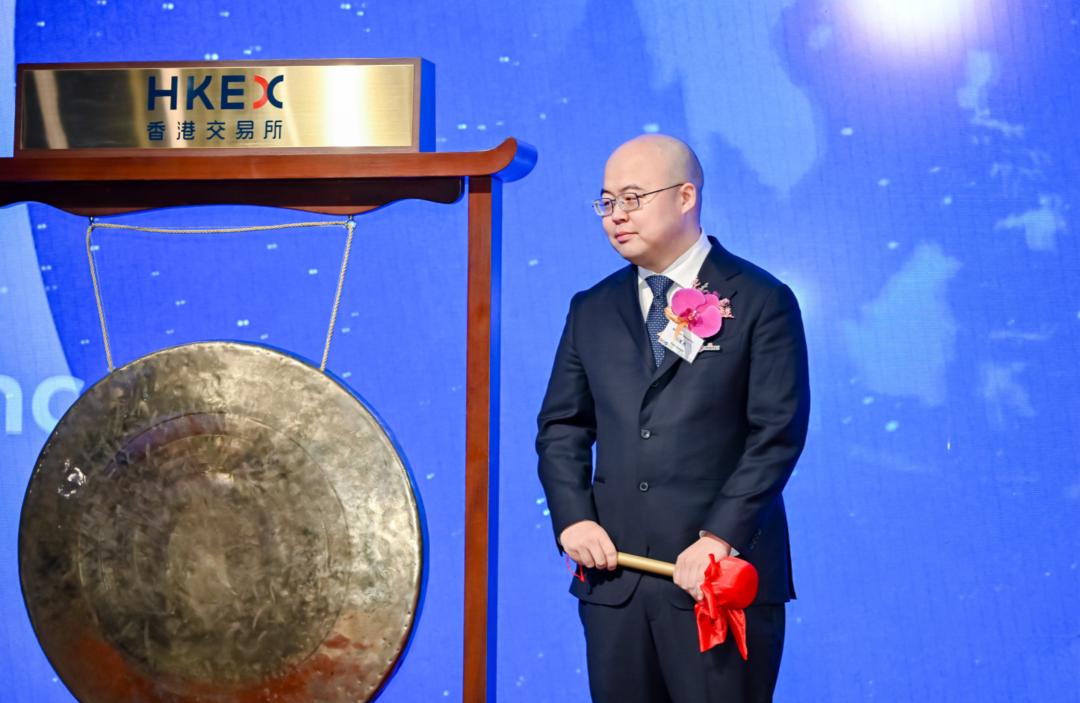
依旧沸腾。 昨日(2月20日),港股马年首个交易日,智谱和MiniMax再次涨疯了。其中,MiniMax收盘股价报涨14.52%,市值一举突破3000亿港元。至此,MiniMax 上市短短两个月内,股价涨幅已超过450%。 始于上海,MiniMax身后掌舵者是一位89年的博士——闫俊杰,他早年任职于商汤科技,后来在2022年投身AGI创业。成长速度惊人,MiniMax仅用4年时 间就实现IPO。闫俊杰也成为中国AI新浪潮的标志性面孔。 短短几天,我们目睹着智谱和MiniMax双双破3000亿市值。此情此景,AI大时代,波澜壮阔。 37岁,他缔造3000亿 闫俊杰,无疑是MiniMax的灵魂人物。 1989年,他出生在河南的一座小县城,本科毕业于东南大学数学专业,后来进入中国科学院自动化研究所攻读博士,继续在清华大学计算机系从事博士后 研究。 博士期间,闫俊杰加入商汤科技,从实习生一路做起,曾任商汤集团副总裁、研究院副院长和智慧城市事业群 CTO。直到2021年底,闫俊杰结束这份工 作,一度做好了去当老师的准备。 但一件事改变了他的想法。闫俊杰曾在MiniMax OpenDay上回忆这段往事:有一天外公告诉他想 ...
MiniMax市值3000亿,今年新贵诞生了
Xin Lang Cai Jing· 2026-02-21 07:58
Core Insights - MiniMax has achieved a remarkable market capitalization of over 300 billion HKD within two months of its IPO, with a stock price increase of over 450% since its listing [6][20][16] - The company is led by Yan Junjie, a 37-year-old PhD who previously worked at SenseTime and founded MiniMax in 2022 with a mission to create artificial general intelligence (AGI) [17][18] - MiniMax's innovative approach includes the development of the M2.5 programming model, which is designed for agent scenarios and supports full-stack development across various platforms [21] Company Overview - MiniMax was founded in early 2022 in Shanghai, initially operating from a small office [4][17] - The company focuses on developing large models and has launched several AI products, including the flagship M2.5 model and the abab 6 series, which utilizes a Mixture of Experts (MoE) architecture [18][20] - The company has experienced rapid growth, achieving an IPO with an initial price of 165 HKD per share, which surged by 109% on its first day [20][6] Investment and Financial Performance - MiniMax's market value has tripled since its IPO, reaching over 300 billion HKD, with significant increases in stock price observed in January and February [20][6] - The company has attracted notable investors, including miHoYo, Hillhouse Capital, and IDG Capital, with an initial valuation of 200 million USD during its angel investment round [22] - Employees at MiniMax have benefited from the company's success, with an average shareholding value of approximately 28 million HKD per employee [23] Industry Context - The rise of MiniMax is part of a broader trend of young entrepreneurs in China's tech sector, particularly in AI, who are leveraging innovative technologies to disrupt traditional industries [29][24] - The success of MiniMax and similar companies reflects a shift towards technology-focused leadership among younger founders, contrasting with previous generations that emphasized business operations [29][28]
烧了540亿,机器人进入“吃鸡游戏”拐点
Xin Lang Cai Jing· 2026-02-21 06:56
Core Insights - The 2026 Spring Festival Gala showcased a strong presence of robots, indicating a shift in the robotics industry towards a survival-of-the-fittest competition, moving from market expansion to a "battle royale" scenario focused on practical applications [1][6][10] Industry Overview - The number of humanoid robot companies in China is projected to increase from over 120 in 2023 to over 320 by 2025, with industry financing exceeding 58 billion yuan [2] - In 2025, the financing amount for robots is expected to reach 38 billion yuan [3] - In January 2026 alone, the financing amount reached 16 billion yuan, indicating a robust investment climate [4] Competitive Landscape - The "Hundred Machines Battle" has transitioned from concept to reality, with notable companies like Yushu Technology and ZhiYuan Robotics leading the charge, while new entrants like UniX AI are rapidly emerging [5] - Major tech firms such as Tencent, Baidu, and JD.com are now investing in the robotics sector, intensifying competition [5] - The Spring Festival Gala served as a platform for companies to gain exposure, with estimates suggesting that each company spent nearly 100 million yuan for a few minutes of airtime [6] Market Dynamics - The global shipment of humanoid robots is expected to reach 18,000 units in 2025, a staggering increase of 508% year-on-year, with Yushu Technology and ZhiYuan Robotics capturing nearly 60% of the market share [7] - The industry is entering a phase of consolidation, with predictions that over 230 companies will significantly reduce in number as competition intensifies [8] Investment Trends - The investment landscape is shifting, with a 31.7% decrease in the number of financing events but a 46.8% increase in average financing amounts, indicating a focus on companies with clear market applications [12] - Companies are increasingly required to demonstrate practical applications of their robots to attract investment [13] Technological Advancements - Companies like UniX AI are innovating with new robot models designed for real-world applications, emphasizing the importance of practical functionality [14] - The cost of humanoid robots currently ranges from 300,000 to 800,000 yuan, posing challenges for widespread adoption [15] - The Chinese robotics industry benefits from a robust supply chain, which is expected to drive down costs significantly in the coming years [16][19] Future Outlook - The integration of advanced manufacturing capabilities and the development of core components are expected to enhance the competitiveness of Chinese robotics firms [17][18] - Predictions suggest that the price of humanoid robots could drop to several thousand yuan within the next few years, facilitating broader market penetration [19] - The industry faces challenges related to data scarcity for training robots, but companies are exploring innovative solutions to overcome these hurdles [20]
人形机器人:是风口还是泡沫?
Xin Lang Cai Jing· 2026-02-21 06:45
Group 1 - The 2026 Spring Festival marks a significant moment in technology history, showcasing the transition of humanoid robots from laboratory demonstrations to commercial competition [2][32] - The Spring Festival Gala featured impressive performances by various companies' robots, indicating a shift towards practical applications in the market [2][32] Group 2 - The Spring Festival Gala demonstrated the immense "traffic" potential for sales, with a 300% increase in robot search volume on JD.com and a 150% increase in order volume within two hours [4][35] - The limited edition "machine panda" from Magic Atom sold out quickly, with one unit fetching a price of 57,000 yuan, highlighting the high-value nature of these products [4][35] Group 3 - Four companies showcased their unique market positions: Yushu Technology as a "kung fu star," Galaxy General focusing on intelligence, Songyan Power on emotional connection, and Magic Atom on versatile capabilities [6][36] - The competition in the humanoid robot industry is intensifying, with companies needing to establish a clear identity in the market to survive [6][36] Group 4 - The humanoid robot industry is seeing significant orders from government and large clients, with notable contracts such as a 250 million yuan order for Ubtech and a 120 million yuan project for China Mobile [8][39] - The rental market for robots is booming, with platforms like "Qingtian Rent" reporting an 80% increase in transaction volume during the Spring Festival [8][40] Group 5 - Predictions indicate that humanoid robot sales in China will reach 28,000 units in 2026, a 133% increase from previous years, with major players like Zhiyuan Robotics and Yushu Technology capturing a significant market share [8][40] - The global humanoid robot shipment volume is projected to grow from 53 billion yuan in 2025 to 103 billion yuan in 2026, indicating a doubling of market size [57][58] Group 6 - A debate is ongoing regarding which company holds the title of "number one" in the humanoid robot market, with various reports showing differing shipment figures and market shares [12][43] - Companies like Zhiyuan Robotics and Yushu Technology are at the forefront, with reported shipments of over 5,500 and 5,200 units respectively for 2025 [12][45] Group 7 - Despite the excitement, the industry faces challenges, with robots still in the early stages of development and often unable to perform reliably in real-world environments [18][49] - Key issues include the high cost of data collection for training robots, hardware limitations, and the trade-off between cost and performance in production [20][52] Group 8 - The humanoid robot industry is expected to undergo a significant shakeout by 2026, with many companies likely to exit the market, similar to trends seen in the electric vehicle sector [25][56] - The current landscape is characterized by over 150 humanoid robot companies, with a majority being startups or companies from other sectors [25][56] Group 9 - The humanoid robot sector is viewed as both a bubble and a genuine opportunity, with the potential for substantial growth despite the risks involved [27][57] - The focus is shifting from storytelling to actual product delivery, with companies needing to prove their capabilities in real-world applications [24][55]