众钠能源

Search documents
电池企业聚焦“末端快充”,意义几何?
高工锂电· 2025-06-01 11:38
Core Viewpoint - The focus of battery companies is shifting towards enhancing the charging experience for electric vehicles, particularly in the "last mile" of charging, which involves reducing the time taken to charge from 80% to 100% [2][5] Group 1: Technological Advancements - Battery companies are improving charging efficiency, with Jiayao Tongxing's new technology reducing the time to charge from 80% to 100% to 11.5 minutes, a 75% improvement over conventional batteries [2] - Honeycomb Energy has optimized its 4C fast charging project to achieve a full charge in 15 minutes, with the time from 80% to 100% reduced to 5 minutes, marking a 30% enhancement [3] - BYD has introduced the end-fast charging technology in its e-platform 3.0 Evo, indicating a trend towards faster charging solutions [4] Group 2: Charging Curve Optimization - The optimization of the constant voltage (CV) phase in traditional charging methods is crucial, as it significantly slows down charging speed to protect the battery [5] - Data from Xiaomi's SU7 Pro shows a dramatic decrease in charging power as the battery approaches full capacity, with reductions of up to 92% at 95% SOC [5] Group 3: Different Approaches to Fast Charging - BYD employs pulse charging to reduce battery polarization and increase end charging current, potentially including negative pulse currents to alleviate lithium ion accumulation [6] - Honeycomb Energy enhances charging capacity through a stacking process and utilizes a dual temperature control monitoring system for efficient end charging [6] - Many companies proposing end-fast charging solutions are those producing blade batteries, likely due to the improved thermal performance of the stacking process [7]


高工固态电池峰会 | 硫化物博弈“白热化”
高工锂电· 2025-05-31 12:06
Group 1 - The 2025 High-Performance Sodium Battery Industry Summit is scheduled for June 9, 2025, at the Shangri-La Hotel in Suzhou [1][2] - The event is organized by GGII and sponsored by Zhongna Energy, focusing on advancements in sodium battery technology [1][2] - The 2025 High-Performance Solid-State Battery Technology and Application Summit will take place on June 10, 2025, at the same venue [3] Group 2 - The Solid-State Battery Summit is organized by GGII and sponsored by Liyuanheng, highlighting developments in solid-state battery applications [3]

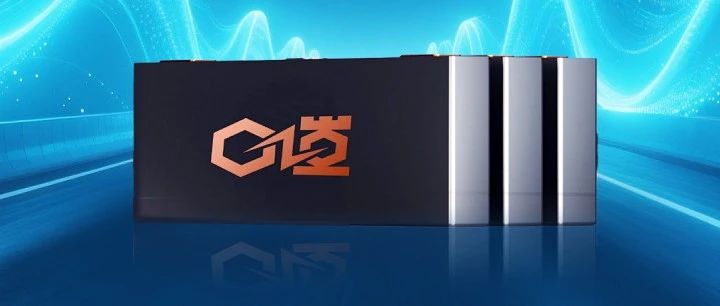
国轩高科G垣准固态电池通过新国标,高安全固态技术迈向市场
高工锂电· 2025-05-30 10:22
6月会议预告 2025高工钠电 产业峰会 主办单位: 高工钠电、高工产业研究院(GGII) 总冠名: 众钠能源 会议时间: 6月9日 会议地点: 苏州香格里拉大酒店(苏州虎丘区塔园路168号) 2025高工固态电池 技术与应用峰会 主办单位: 高工锂电、高工储能、高工产业研究院(GGII) 总冠名: 利元亨 会议时间: 6月10日 中国动力电池新国家标准的出台 、 恰逢固态电池进入量产前夜 , 两股趋势 正引领锂电产业朝更高性能、更严苛安全标准 " 双维度提升 " 的 方向 积极演进。 此 背景下,国轩高科近日宣布, 其今年 5 月推出的 G 垣准固态电池,已顺利通过新国标对极端条件下 " 不起火、不爆炸 " 的强制性测试要求。 据该公司介绍,这一成果的目标是攻克长期以来电动汽车在追求高安全性与长续航里程时面临的平衡挑战。 国轩高科同时透露, 公司 已为 G 垣准固态电池的规模化生产及关键的良品率保障做好了相应准备。 上述系列进展,有望为动力电池产业整体向更高安全与性能层级迈进提供新的 G 垣准固态电池:立足安全,多维创新驱动 备受行业关注的 GB38031-2025 《电动汽车用动力蓄电池安全要求》由中国工 ...

高工独家 | 专访清研电子,10问干法电极必要性
高工锂电· 2025-05-29 10:52
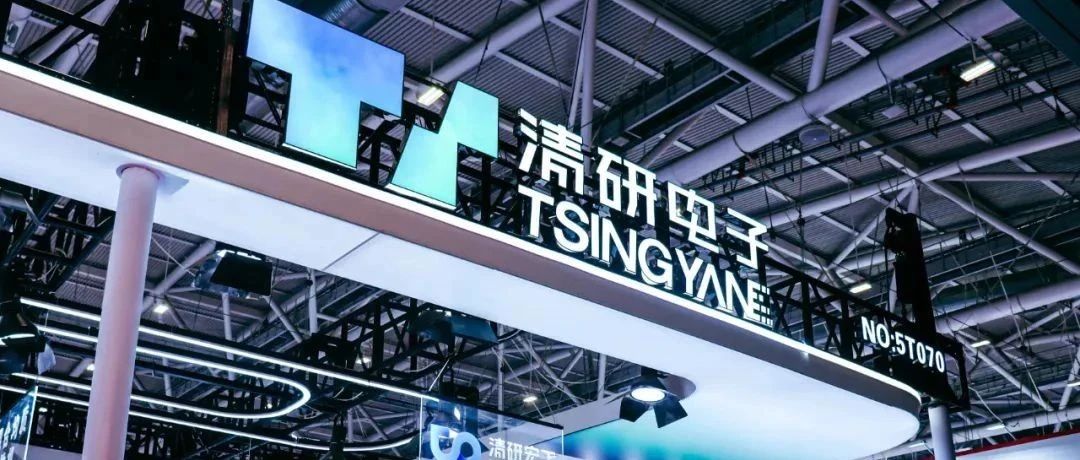
Core Viewpoint - The lithium battery industry is experiencing an urgent demand for innovation in processes and equipment, with companies racing to adopt new technologies like dry electrode processes and solid-state batteries to capture market share and disrupt existing market structures [4][6]. Group 1: Dry Process Technology - The success of dry process technology is not merely about equipment but requires a systemic innovation involving materials, processes, and equipment [5]. - The goal of Qingyan Electronics is to control the density fluctuation of dry film to within 0.3%, matching the top levels of wet coating machines [5]. - By 2027, it is expected that dry electrode technology will enter a phase of industrialization, with more companies investing in production lines [5][24]. Group 2: Industry Challenges and Developments - Companies like Guoxuan High-Tech are facing significant challenges in engineering and scaling up production lines for semi-solid batteries, indicating that adjustments to existing wet production lines are insufficient [6]. - The dry process offers clear advantages, such as eliminating solvents, which leads to cost reductions and environmental benefits, while also improving electrode density and energy density [7]. - The integration of multiple production steps into a streamlined process significantly reduces production and investment costs, as seen in Tesla's adoption of this technology [7]. Group 3: Qingyan Electronics' Position - Qingyan Electronics has demonstrated three core advantages: deep technical roots from Tsinghua University, strong industry collaboration, and leading scale validation with the first fully automated dry electrode production line of 0.1 GWh launched in April 2025 [8]. - The company has achieved a material discharge rate of 99.5%, significantly higher than the industry average of about 95%, which is crucial for batch stability and precision [9]. - Qingyan's second-generation equipment has improved the uniformity of film density, targeting a fluctuation control of 0.3%, which is a leading level compared to wet coating machines [10]. Group 4: Market Trends and Future Outlook - The demand for dry process technology is particularly strong among automotive manufacturers, driven by cost considerations and the influence of companies like Tesla [22]. - The market for dry process technology is expected to grow, with both new production lines and retrofitting of existing wet lines being viable options, although the immediate focus is on new capacity [23]. - The anticipated timeline for large-scale industrialization of dry electrode technology is set for 2027, marking a pivotal year for the industry [24].
稳坐两轮锂电 "顶流" 宝座 星恒破局内卷式竞争
高工锂电· 2025-05-27 12:54
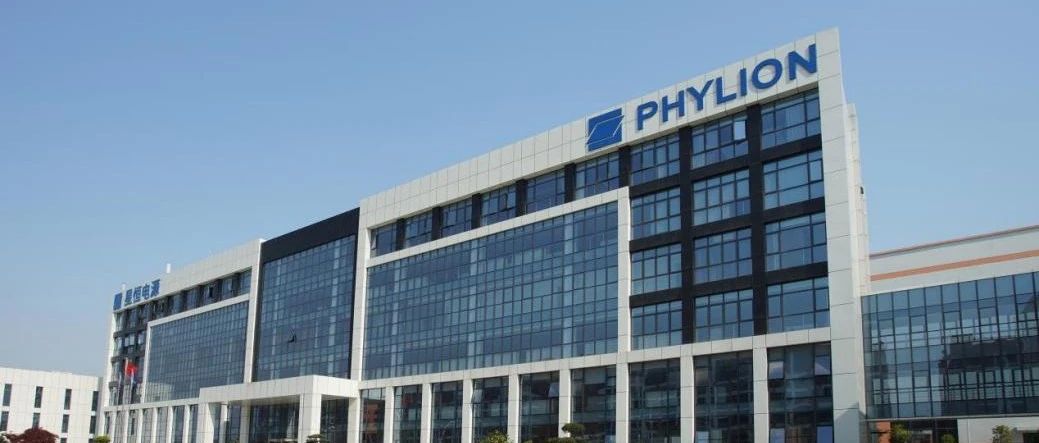
Core Viewpoint - The article discusses the competitive landscape in the lithium battery industry, highlighting the challenges of "involution" and the need for companies to establish strong competitive barriers to thrive in a saturated market [2][3][24]. Group 1: Industry Overview - The competition in the new energy sector has escalated to a national level, with leading companies maintaining growth while many others face stagnation or losses due to established competitive advantages [2]. - The electric two-wheeler lithium battery industry is undergoing significant transformation driven by new national standards, increased demand for lead-acid battery replacements, and a rationalization of lithium battery costs [3]. Group 2: Market Performance - In Q1 of this year, domestic sales of electric two-wheeled vehicles surged by 58% year-on-year, indicating a robust growth trend in the lithium battery sector for this market [4]. - Leading company Xingheng Power has solidified its market position with over 70% sales growth in Q1, despite facing production capacity constraints [4][5]. Group 3: Competitive Strategy - Xingheng Power has focused on refining its operations within the electric two-wheeler lithium battery sector since its establishment in 2003, forming strategic partnerships with major manufacturers [7]. - The company has achieved a supply rate of over 70% with leading vehicle manufacturers, demonstrating its deep understanding of market needs and robust supply chain management [7][9]. Group 4: Technological Innovation - Xingheng Power has developed a unique "golden dual-core" material system that enhances battery cycle life to 3000 times while ensuring safety and performance [11]. - The company has pioneered the manganese-based battery technology, which now holds over 80% market share in the electric two-wheeler sector, and has introduced patented safety features to mitigate fire risks [11][13]. Group 5: Market Positioning - Xingheng Power has strategically positioned itself in the Southeast Asian electric motorcycle market, capturing significant market share and responding quickly to local demands [17][18]. - The company has adopted a strategy of "technology embedded + market positioning," making it difficult for competitors to replicate its advantages [18]. Group 6: Resilience and Growth - During the lithium carbonate price surge in 2022, Xingheng Power did not simply pass on cost pressures but instead focused on technological breakthroughs to stabilize supply chains and market balance [20][21]. - The company has played a pivotal role in setting industry standards and has been a key player in the compliance transition for electric two-wheeled vehicles [21][22].
减补贴、加税负 美国汽车电动化“阴云”
高工锂电· 2025-05-26 11:01
Core Viewpoint - The recent passage of the "Big, Beautiful Budget Bill" by the U.S. House of Representatives introduces new annual taxes on electric vehicles, which could hinder the development of the electric vehicle industry in the U.S. [3][4][5] Group 1: Legislative Changes - The new bill imposes an annual tax of $250 for fully electric vehicle owners and $100 for hybrid vehicle owners, contrasting sharply with previous tax incentives aimed at promoting electric vehicle adoption [3][4]. - The bill eliminates federal tax credits for electric vehicles and introduces new annual fees, increasing the purchase and operating costs for electric vehicles, particularly affecting price-sensitive consumers [5][6]. Group 2: Impact on the Electric Vehicle Market - The increase in tax burden, alongside the loss of tax credits, is expected to lead to a decline in electric vehicle sales, creating uncertainty in demand and prompting manufacturers to reassess production plans [5][6]. - The electric vehicle penetration rate in the U.S. is already low, and the new tax measures could further slow the industry's growth, impacting both domestic and foreign electric vehicle manufacturers [5][6]. Group 3: Comparison with Global Trends - The U.S. tax increases on electric vehicles appear contradictory to global trends promoting zero-carbon transitions, where countries like Norway and Denmark offer significant tax exemptions for electric vehicle purchases [6][7]. - In China, the penetration rate of new energy vehicles is projected to exceed 50% by 2025, with calls for equal tax treatment between electric and fuel vehicles gaining momentum [7].
高工云看展③:产线工艺革新赋能锂电智造升级
高工锂电· 2025-05-26 11:01
Core Insights - The lithium battery industry is undergoing significant technological transformation, characterized by accelerated performance iteration on the demand side and increasingly stringent requirements for cost reduction at scale [2][3]. Group 1: Solid-State Battery Innovations - High Energy Manufacturing has introduced 14 core technologies aimed at the industrialization of solid-state batteries, including integrated preparation technology and high-quality dry electrode technology [4][5]. - The solid-state battery preparation technology utilizes automated equipment for both dry and wet processes, catering to diverse customer needs [5][6]. Group 2: Intelligent Manufacturing Solutions - Sikeqi showcased its complete production line solutions for lithium batteries, emphasizing intelligent manufacturing standards in energy storage [7][9]. - The company highlighted three core technology areas: precision detection systems, advanced laser application processes, and digital solutions that enhance management efficiency [10][11][12]. Group 3: Advanced Detection Technologies - Huashi Group presented innovations in battery detection equipment, focusing on high-speed and high-precision detection systems [13][15]. - The company’s products include a high-precision CT series and a CCD burr detection system, which enhance the quality control process in battery manufacturing [16][20]. Group 4: Equipment and Automation - Yifei Laser introduced a range of products aimed at upgrading lithium battery manufacturing, including intelligent laser processing systems and automated assembly lines [23][25]. - The company emphasized the integration of advanced technologies to improve production efficiency and product quality [26]. Group 5: Comprehensive Testing Solutions - Ruineng Co. showcased a full range of battery testing and automatic detection solutions, supporting various battery types and applications [34][36]. - The company’s innovations include a portable battery testing device designed for health assessment and secondary utilization in the after-market sector [37].

高工评选 | 2025高工钠电市场应用及产业化先锋评选启动
高工锂电· 2025-05-25 09:19
Core Viewpoint - The sodium battery industry is accelerating its development with a focus on application scenarios, scaling production capacity, and building an ecosystem for industrialization [2]. Group 1: Application Scenarios - Exploration of application scenarios is accelerating in the energy storage field, including power storage, commercial and residential storage, data center UPS, and backup power for base stations [2]. - In the transportation sector, various vehicles such as two-wheelers, three-wheelers, starting power sources, engineering machinery, microcars, and passenger cars are beginning to explore sodium battery applications [2]. - Business models for light vehicle battery swapping and secondary dealerships are gradually being developed [2]. Group 2: Production Capacity - Several companies, including Zhongke Haina, Jiana, Huayang, and Zhongna, have launched production lines with a capacity of tens of thousands of tons, promoting the industrialization of core materials such as layered oxide cathodes and hard carbon anodes [2]. Group 3: Industrial Ecosystem - The sodium battery industry is rapidly constructing an ecosystem with companies accelerating their layout in key materials such as cathodes, anodes, electrolytes, separators, and current collectors [2]. - The domestic production rate of key materials has reached 95%, and the specialization of key material segments is gradually being realized [2].

破局行业“浆”心桎梏,红运“智”构锂电未来
高工锂电· 2025-05-25 09:19
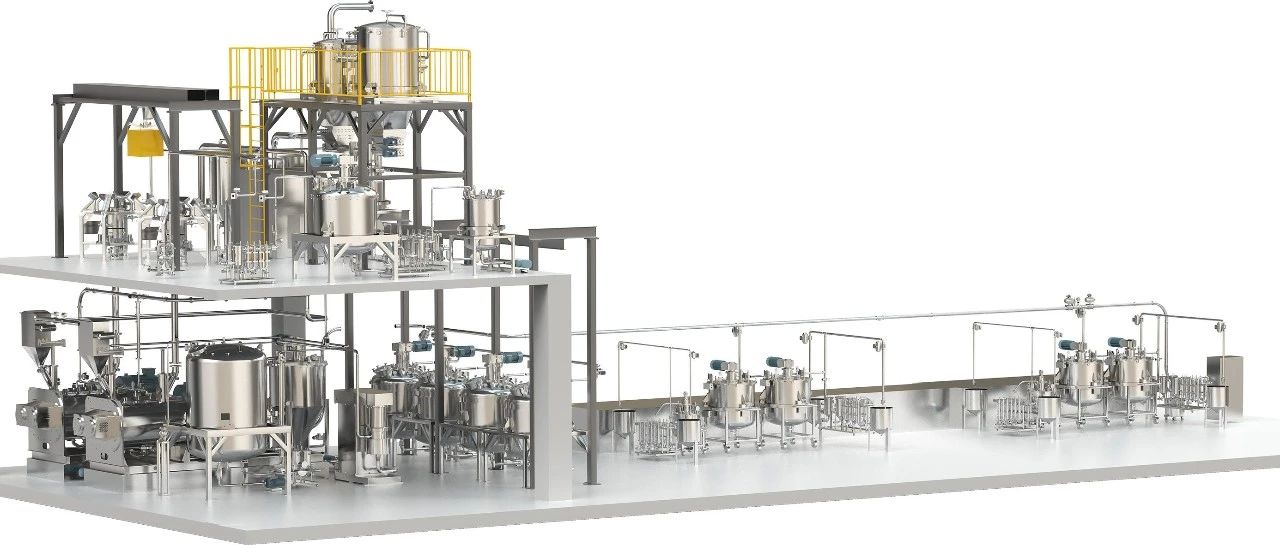
Core Viewpoint - The article highlights the upcoming 2025 High-Performance Sodium Battery Industry Summit and the 2025 High-Performance Solid-State Battery Technology and Application Summit, emphasizing the importance of technological breakthroughs in battery manufacturing processes, particularly in slurry preparation and electrode production [2][3]. Group 1: Event Details - The 2025 High-Performance Sodium Battery Industry Summit will be held on June 9 at the Shangri-La Hotel in Suzhou, organized by GGII and sponsored by Zhongna Energy [2]. - The 2025 High-Performance Solid-State Battery Technology and Application Summit is scheduled for June 10 at the same venue, focusing on the challenges and advancements in slurry preparation and battery manufacturing processes [3]. Group 2: Industry Challenges and Innovations - The lithium battery industry is at a critical stage, requiring advancements in slurry preparation techniques to enhance energy density, reduce costs, and improve longevity [3]. - Current slurry preparation processes face multiple technical challenges, including the need for improved energy efficiency and environmental friendliness in wet processes, as well as breakthroughs in dry electrode material dispersion [3]. - Hongyun Machinery, a leader in the mixing equipment industry, has developed a comprehensive R&D system and quality control standards, holding over 200 patents and 100 research achievements, positioning itself as a top provider of mixing equipment and system integration solutions [4]. Group 3: Product Launch and Solutions - Hongyun Machinery will hold a product launch event on June 25, 2025, at the Marriott Hotel in Changzhou, introducing solutions to address four major pain points in lithium battery slurry preparation [6]. - The solutions include a high-efficiency pipeline slurry system, solid-state battery dry and wet electrode processes, twin-screw continuous slurry systems, and high-speed circulation slurry systems [6]. - The innovations aim to overcome bottlenecks in the lithium battery production process, enhancing energy efficiency and safety in battery cells, thereby supporting the industry's steady development [6].
倒计时17天!2025高工固态电池技术与应用峰会议程公布
高工锂电· 2025-05-24 06:38
Group 1: Solid-State Battery Summit Overview - The summit will focus on the significant advancements in solid-state battery technology, which is expected to revolutionize various sectors including electric vehicles, energy storage, eVTOL, AI, and consumer electronics [3] - Major domestic companies like BYD and FAW have successfully developed large-capacity solid-state battery cells exceeding 60Ah, indicating a shift from research to practical application [3] - The solid-state battery industry is facing challenges in scaling production, with a need for breakthroughs in consistency, yield rates, production efficiency, and cost [3] Group 2: Sodium Battery Summit Overview - The sodium battery market is approaching a critical point, driven by innovations in materials and applications in energy storage and transportation [10] - Leading companies such as CATL and BYD are spearheading technological advancements in sodium batteries, which are expected to accelerate their application [10] - The sodium battery industry is witnessing rapid development in production capacity, with several companies launching large-scale production lines for key materials [10] Group 3: Event Highlights - The solid-state battery summit will gather over 800 industry leaders from more than 300 companies, facilitating technical exchanges and new product showcases [5] - The sodium battery summit will feature over 100 application enterprises and provide a platform for product launches and industry insights [14] - Both summits will leverage high media exposure and online engagement, reaching over 350,000 users [6][14] Group 4: Agenda Highlights - The solid-state battery summit will cover topics such as the application of solid-state batteries in various scenarios, innovations in materials and equipment, and market trends [7] - The sodium battery summit will focus on the commercialization of sodium batteries, exploring applications in energy storage and transportation, and the competitive landscape between sodium and lithium batteries [13]