Stability AI

Search documents
AI算力正被黑产疯狂收割,部分公司已取消免费试用
21世纪经济报道· 2025-10-27 02:13
Core Viewpoint - The article highlights the growing issue of black and gray market activities targeting AI applications, particularly the systematic theft of "new user rewards" which undermines the financial viability of AI companies [1][2]. Group 1: Black and Gray Market Activities - The black market for AI products is thriving on platforms like Taobao and Pinduoduo, where users can purchase "black market computing power" at significantly lower prices compared to official rates [1][3]. - For instance, the "Keling AI" black market offers 26,000 inspiration points for approximately 319 yuan, while the official price is around 916 yuan, indicating a substantial loss for AI companies [1][3]. - Sellers are using advanced methods to bypass platform monitoring, such as selling "Cookie data" for account access and providing tutorials for easy registration [3][4]. Group 2: Financial Impact on AI Companies - AI companies face immense pressure from high computing costs, with a significant portion of expenses attributed to computing power, which can account for up to 95% of total costs [6][7]. - Many AI applications are currently operating at a loss, with reports indicating that a majority of AI unicorns have not achieved positive cash flow [7][10]. - The black market's pricing severely undercuts official pricing, leading to a direct threat to the monetization strategies of AI platforms [10]. Group 3: Challenges in User Growth and Regulation - AI companies are caught in a dilemma between combating black market activities and the pressure to show user growth, often leading to a compromise on regulatory measures [12][14]. - The rise of fake accounts created by black market activities distorts user data and complicates the long-term operation of AI products [10][12]. - Legal experts warn that platforms may face administrative responsibilities if they fail to protect user data and comply with network information security obligations [14][16]. Group 4: Recommendations for Mitigation - Experts suggest that AI platforms should implement stricter controls during the registration and login processes to intercept fraudulent activities at the source [16]. - Legal actions, including civil lawsuits and criminal reports, are recommended for companies suffering losses due to black market activities [16].


AI的算力,正被黑产“批量收割”
2 1 Shi Ji Jing Ji Bao Dao· 2025-10-27 00:20
Core Insights - The article highlights the growing issue of black and gray market activities targeting AI applications, particularly the systematic theft of computing power through the exploitation of user incentives and rewards [1][2][4] Group 1: Black and Gray Market Activities - The black market for AI products is thriving, with platforms like Taobao and Pinduoduo offering discounted "new user" rewards for various AI applications, significantly undercutting official pricing [2][5] - Sellers are using advanced methods to bypass platform monitoring, such as selling "Cookie data" for account access and providing tutorials for easy registration [2][3] - The scale of these operations indicates a well-organized industry, with distinct roles from resource providers to sales platforms [3] Group 2: Financial Implications for AI Companies - AI companies face significant financial pressure due to high computing costs, with a large portion of expenses attributed to computing power [4][5] - Many AI applications are currently unprofitable, with reports indicating that numerous AI unicorns have not achieved positive cash flow [4] - The black market's pricing for computing resources is drastically lower than official rates, leading to substantial revenue losses for AI companies [5][8] Group 3: User Experience and Market Dynamics - The availability of cheap black market accounts undermines the conversion of free users to paying customers, threatening the business model of AI platforms [8][9] - The presence of fake accounts created by black market activities distorts user data and negatively impacts the long-term operation of AI products [8][10] - Companies are caught in a dilemma between enhancing user growth metrics and maintaining compliance with legal standards, risking potential legal repercussions [10][11] Group 4: Mitigation Strategies - Experts suggest that AI platforms need to implement stricter controls at the registration and login stages to prevent bulk fake registrations [11] - Legal actions, including civil lawsuits and criminal reports, are recommended for companies suffering losses due to black market activities [11]

别被骗了,好莱坞抵制AI只是烟雾弹,背后金主竟是他们自己
3 6 Ke· 2025-10-14 13:32
Core Viewpoint - The article discusses the paradox of Hollywood's response to AI technology, highlighting a significant resistance movement against AI while many industry leaders and stars are secretly investing in AI companies, revealing a complex relationship of fear and fascination with AI [1][52]. Group 1: AI Technology and Hollywood's Response - OpenAI launched its new multimodal AI video generation model, Sora 2, which has raised concerns in Hollywood due to its capabilities in creating hyper-realistic videos and integrating celebrity likenesses [3][5]. - Major talent agencies like WME, UTA, and CAA have initiated a boycott against Sora 2, citing risks to their clients' intellectual property and rights [5][6]. - The resistance against AI in Hollywood echoes the sentiments from the historic 2023 Hollywood strike, where "resisting AI invasion" was a core demand [5][6]. Group 2: Investment in AI by Hollywood Stars - Despite public opposition to AI, many Hollywood stars, including James Cameron and Robert Downey Jr., are investing in AI companies, indicating a duality in their stance towards AI [12][15]. - Cameron joined the board of Stability AI, which is known for its open-source AI models, suggesting a shift in his perspective on AI as a tool for creativity rather than a threat [15][17]. - Other stars like Ashton Kutcher and Jared Leto are actively investing in various AI startups, focusing on content generation and video editing technologies [19][24]. Group 3: The AI Investment Landscape - The article outlines the diverse areas of AI investment in Hollywood, including content generation, data analysis, and platform development, with a focus on reducing production costs and enhancing creative processes [31][36]. - Companies like Largo.ai and Qloo are examples of AI firms that provide data-driven insights to help filmmakers make informed decisions, thereby reducing investment risks [30][35]. - The potential for high returns in the AI sector is a significant motivator for these investments, with projections indicating the global AI market could exceed $1.3 trillion by 2025 [39][41]. Group 4: The Future of AI in Hollywood - The article suggests that Hollywood's elite are not just passive users of AI technology but are positioning themselves as stakeholders in shaping the future of the industry [45][47]. - The mixed feelings towards AI—fear of job displacement versus the desire to leverage AI for creative enhancement—reflect a broader industry dilemma [52]. - The ongoing debate about the ethical implications of AI in creative fields continues to provoke strong reactions, as seen in the backlash against AI-generated content that mimics deceased actors [51][52].

马斯克从英伟达挖人做AI游戏!第一步:研发世界模型
具身智能之心· 2025-10-14 00:02
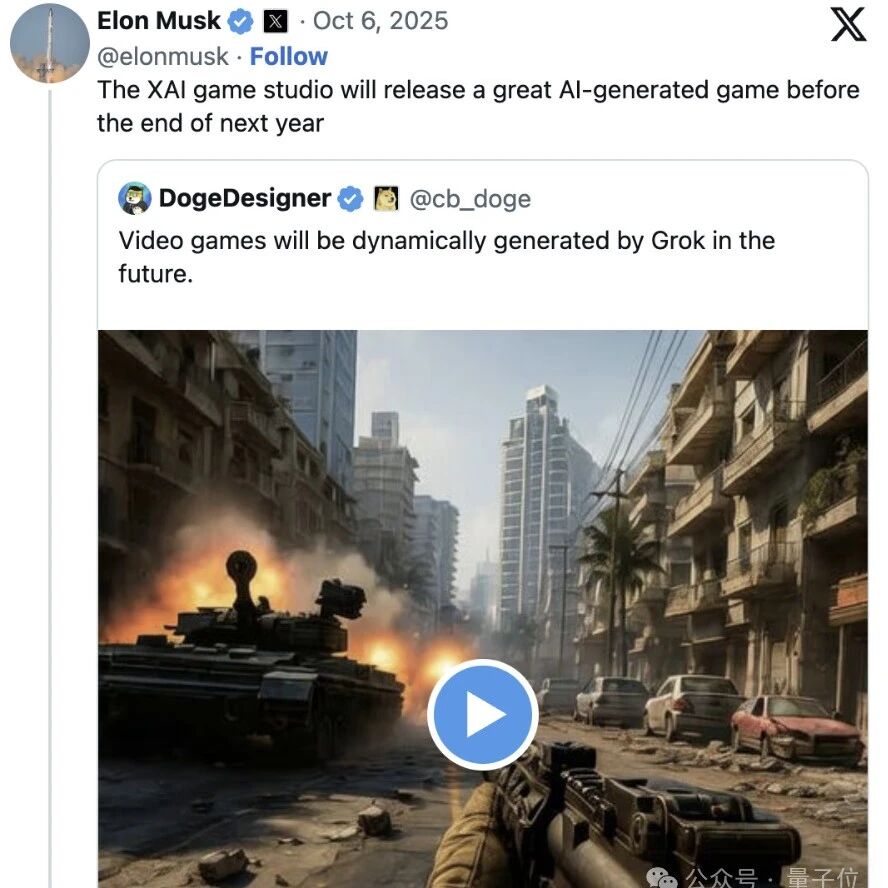
Core Insights - xAI, founded by Elon Musk, is entering the world model arena, a competitive space dominated by AI giants like Meta and Google DeepMind [2][7][8] - The company aims to leverage expertise from NVIDIA, having recruited key researchers to enhance its capabilities in developing world models [9][18] - Musk has set a target for xAI to release a groundbreaking AI-generated game by the end of 2026, aligning with the company's focus on world models [3][32][37] Group 1: xAI's Entry into World Models - xAI has begun its foray into world models, a concept that allows AI to simulate environments and predict outcomes, which is seen as a foundational element for Artificial General Intelligence (AGI) [23][24] - The company has hired researchers from NVIDIA, including Zeeshan Patel and Ethan He, who have experience in developing large-scale multimodal models and world models [9][12][18] - The world model concept is crucial for enabling AI to understand and interact with 3D environments, which can significantly impact various industries, including robotics and gaming [26][29] Group 2: Strategic Goals and Applications - xAI's initial focus within the world model framework is likely to be on video games, aiming to create adaptive and realistic 3D environments that respond to player actions [30][32] - The recruitment of a "Video Games Tutor" indicates a strategy to enhance AI's understanding of game mechanics and narrative design, which could lead to innovative game development [34][36] - Musk's vision for xAI includes a comprehensive understanding of the universe through world models, which could integrate with Tesla's data on robotics and autonomous driving, creating a synergistic ecosystem [40][41]

真正的危机到来,多少人还浑然不知!
Xin Lang Cai Jing· 2025-10-11 14:28
Core Insights - The article discusses the future of AI, predicting that by 2030, AI will surpass human intelligence and handle 30% to 40% of current economic tasks [2][6]. - Despite the optimistic projections, current AI tools are not delivering the expected efficiency gains, with a study showing that using AI tools actually slowed down programming tasks by 19% [7][10]. - The article highlights a significant gap between AI capabilities and the reliability required for real-world business applications, leading to inefficiencies [9][10]. Group 1: AI Development and Predictions - AI is expected to achieve capabilities that allow it to complete a month's worth of human work in just a few hours by 2030 [6]. - The METR report indicates that the capabilities of large language models double every seven months, outpacing Moore's Law [5]. - The article emphasizes that while the future of AI seems promising, the current state of AI tools is far from meeting business needs [21][26]. Group 2: Current AI Performance and Challenges - A recent experiment revealed that programmers using AI tools were 40% faster in information retrieval but overall programming speed decreased by 19% [7][10]. - The concept of "capability-reliability gap" explains that while AI can perform complex tasks, the quality of its output often falls short of business requirements [9]. - Many AI-generated outputs contain errors, requiring human intervention to correct, which negates the expected efficiency benefits [10][24]. Group 3: Market Dynamics and Investment - The AI sector is experiencing rapid growth, with over 4.24 million AI-related companies expected by April 2025, and 286,000 new registrations anticipated [12]. - Despite the hype, most AI companies are struggling to generate profits, with significant investments from major tech firms like Microsoft, Meta, Google, and Amazon projected to reach $300 billion in 2024 [14][15]. - The article notes that the current landscape is characterized by high investment and low returns, with many startups facing financial difficulties [16][18]. Group 4: Future Implications for Industries - The gaming industry is highlighted as a sector where AI can significantly reduce costs and development time, potentially replacing many entry-level roles [30][31]. - The article warns that while AI may enhance productivity in some areas, it could lead to job losses for less skilled workers across various industries [31][32]. - The expectation is that AI will eventually need to reach a level of competency comparable to average human workers to truly transform market dynamics [26][33].

OpenAI:人类只剩最后5年
首席商业评论· 2025-10-05 05:02
Core Viewpoint - The article discusses the current limitations and challenges of AI technology, emphasizing that despite the hype surrounding AI, its practical applications are still far from meeting expectations. The author highlights a significant gap between the capabilities of AI tools and the actual needs of businesses, suggesting that many AI companies are struggling to achieve profitability and sustainability in a highly competitive environment [5][18][27]. Group 1: AI Capabilities and Limitations - A report from the METR think tank indicates that large language models double their capabilities every seven months, predicting that by 2030, AI could complete a month's worth of human work in just a few hours [9]. - However, a recent experiment showed that while AI tools can help software engineers find information faster, they actually slowed down the overall programming process by 19% compared to purely manual work [9][11]. - The concept of "capability-reliability gap" explains that current AI models can perform complex tasks but fail to meet the quality standards required by businesses, leading to inefficiencies [11][21]. Group 2: Market Dynamics and Investment - As of April 2025, there are over 4.243 million AI-related companies in China, with approximately 286,000 new registrations expected that year. Despite this growth, very few companies are currently profitable, with high investment and low returns being the norm [13][16]. - Major tech companies like Microsoft, Meta, Google, and Amazon are projected to invest $300 billion in AI projects in 2024, with global spending on generative AI expected to increase by over 70% from 2023 [13][16]. - The article notes that many AI startups are facing financial difficulties, with over 78,612 new AI companies in China experiencing closure or operational issues between November 2022 and July 2024 [16][18]. Group 3: Future Prospects - The article suggests that for AI to be a truly effective tool, it must reach a level of competency comparable to the average human worker, which would significantly alter market dynamics and reduce labor costs [23][25]. - In the gaming industry, AI is already being utilized to streamline development processes, potentially reducing costs and improving quality, but this trend may lead to job losses for less skilled workers [25][27]. - Despite the potential for future advancements, the current state of AI tools is inadequate for most industries, and many companies are misled by the hype surrounding AI, mistaking superficial investments for genuine digital transformation [27][28].

用2D数据解锁3D世界:首个面向运动学部件分解的多视角视频扩散框架
机器之心· 2025-09-22 10:27
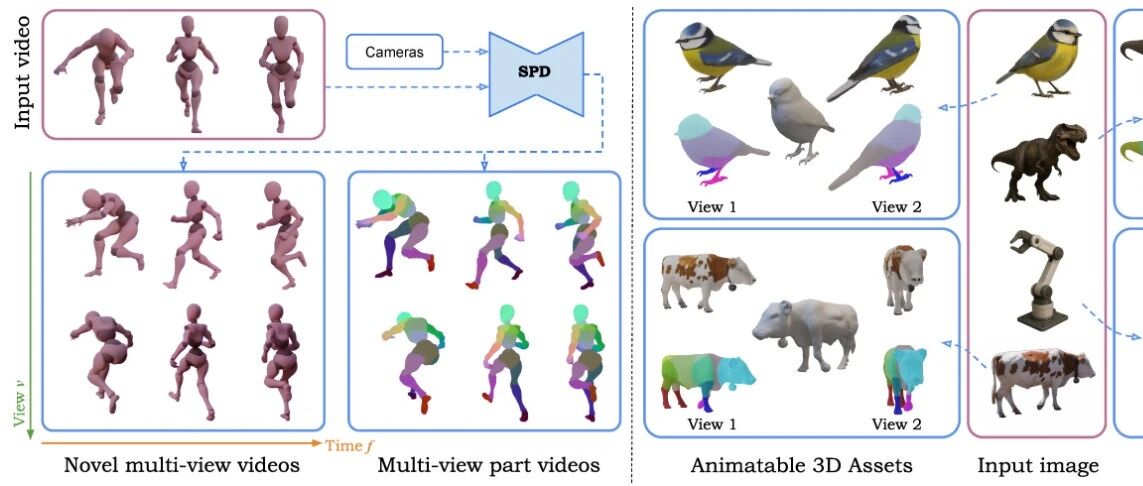
Core Viewpoint - The article discusses the development of Stable Part Diffusion 4D (SP4D), a framework designed to generate multi-view RGB and kinematic parts from monocular video, addressing the limitations of existing methods in 3D content creation and animation [4][16]. Research Background and Motivation - The research is motivated by the need for effective rigging and part decomposition in character animation and 3D content production, highlighting the limitations of current methods that rely heavily on 3D data [4][3]. Research Method and Innovations - SP4D introduces a novel multi-view video diffusion framework aimed at kinematic part decomposition, featuring innovations such as automatic rigging and part decomposition that leverage large-scale 2D data and pre-trained diffusion models [7][8]. Experimental Results - SP4D demonstrated significant improvements over existing methods on the KinematicParts20K validation set, achieving a mean Intersection over Union (mIoU) of 0.68, compared to 0.15 for SAM2 and 0.17 for DeepViT [11]. - The framework also achieved an Adjusted Rand Index (ARI) of 0.60, significantly higher than SAM2's 0.05, indicating better structural consistency [11]. - User studies rated SP4D an average of 4.26/5 on metrics such as part clarity and animation adaptability, outperforming SAM2 (1.96) and DeepViT (1.85) [11]. Automatic Rigging Performance - In automatic rigging tasks, SP4D achieved a Rigging Precision of 72.7, surpassing Magic Articulate (63.7) and UniRig (64.3) [14]. - User evaluations indicated an average score of 4.1/5 for animation naturalness, significantly higher than Magic Articulate (2.7) and UniRig (2.3), showcasing better generalization for unseen categories and complex shapes [14]. Conclusion - SP4D represents a technological breakthrough and a result of interdisciplinary collaboration, accepted as a Spotlight at Neurips 2025, paving the way for automation and intelligence in animation, gaming, AR/VR, and robotic simulation [16].
好莱坞三巨头,起诉MiniMax海螺AI侵权
虎嗅APP· 2025-09-17 10:02
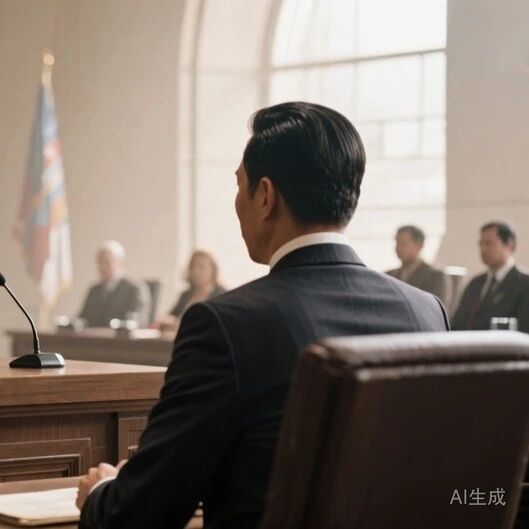
Core Viewpoint - The article discusses a lawsuit filed by major Hollywood studios against the Chinese AI startup MiniMax for alleged copyright infringement through its video generation service "Hailuo AI" [5][6]. Group 1: Lawsuit Details - Disney, Universal Pictures, and Warner Bros. have accused MiniMax of using their well-known IP characters to promote its services, directly challenging Hollywood's core assets [5][6]. - The lawsuit claims that MiniMax has failed to take reasonable measures to avoid infringement, unlike other AI services [13]. - The studios emphasize the importance of responsible AI innovation and their commitment to pursuing those who violate copyright laws [13]. Group 2: MiniMax Overview - MiniMax, founded four years ago, has quickly risen to a valuation of $4 billion, showcasing strong technical capabilities and impressive performance in overseas markets [5][21]. - The company has developed various AI applications, including video and music models, and has seen significant revenue growth, with over $70 million in annual revenue, primarily from its overseas AI application Talkie [19][21]. - MiniMax's products have gained international recognition, with over 157 million users across more than 200 countries, indicating a successful internationalization strategy [21]. Group 3: Industry Context - The article outlines a trend of lawsuits against AI model developers, with no clear judgments in previous cases, highlighting the ongoing legal challenges in the AI industry [16][17]. - MiniMax is categorized among the "six small tigers" of the generative AI wave, all valued over $1 billion, indicating a competitive landscape in the AI sector [17].


主动996,住进「棺材房」,硅谷00后为成下一个奥特曼疯狂「整顿」自己
3 6 Ke· 2025-09-16 12:21
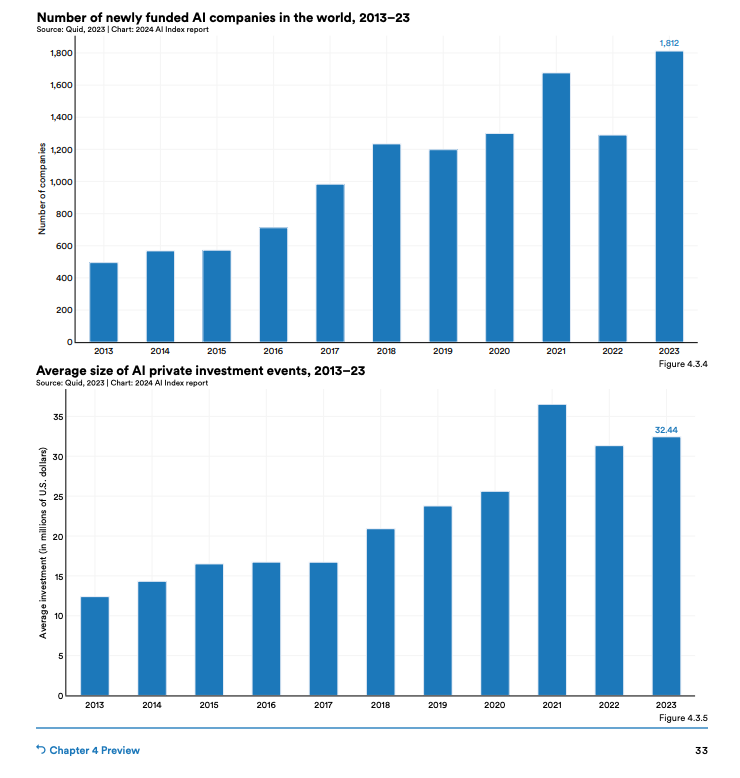
Core Insights - The article highlights the extreme work culture among young AI startup founders in Silicon Valley, where many are sacrificing personal time and well-being for their entrepreneurial ambitions [1][4][6][18]. Group 1: Work Culture and Lifestyle - Many young founders are working excessively long hours, with some reporting 92-hour work weeks, and treating their offices as living spaces [1][4]. - The trend of sleeping in offices and consuming minimal food is prevalent, with some founders opting for shared sleeping pods to save time [6][8]. - Social activities, including parties and alcohol consumption, are largely absent from their lives, reflecting a singular focus on work [8][9]. Group 2: Investment Landscape - The investment landscape for AI startups has seen fluctuations, with global private investment in AI startups dropping to approximately $96 billion in 2023, a nearly 20% decrease from 2022 [9][11]. - Despite the decline in total investment, the number of AI startups receiving funding has increased by 40.6% to 1,812 in 2023, indicating a lower average funding amount per startup [11][13]. - The financial struggles of startups are evident, as seen in the case of Stability AI, which reported revenues of only $11 million against expenses of $153 million [13][15]. Group 3: Competitive Environment - The AI startup landscape is characterized by intense competition and a lack of differentiation, with many startups relying on similar foundational models [15][20]. - Investors are increasingly cautious, preferring to fund established players or those with clear competitive advantages, leading to a "winner-takes-all" scenario [15][20]. Group 4: Motivations and Aspirations - The drive for success among these young entrepreneurs is fueled by a desire for financial freedom and the allure of becoming the next big tech success story [18][20]. - The current AI boom is likened to the late 1990s internet bubble, with many founders viewing it as a once-in-a-lifetime opportunity [18][22]. - There is a pervasive fear of missing out (FOMO) on the rapid advancements in AI technology, pushing founders to work tirelessly to capitalize on fleeting opportunities [20][22]. Group 5: Future Outlook - The article suggests that while the current environment encourages extreme work ethics, the most successful AI companies may emerge from those that balance ambition with sustainability [24][25]. - The ongoing evolution of AI tools may simplify some aspects of entrepreneurship but also exacerbate self-exploitation among founders [24][26].
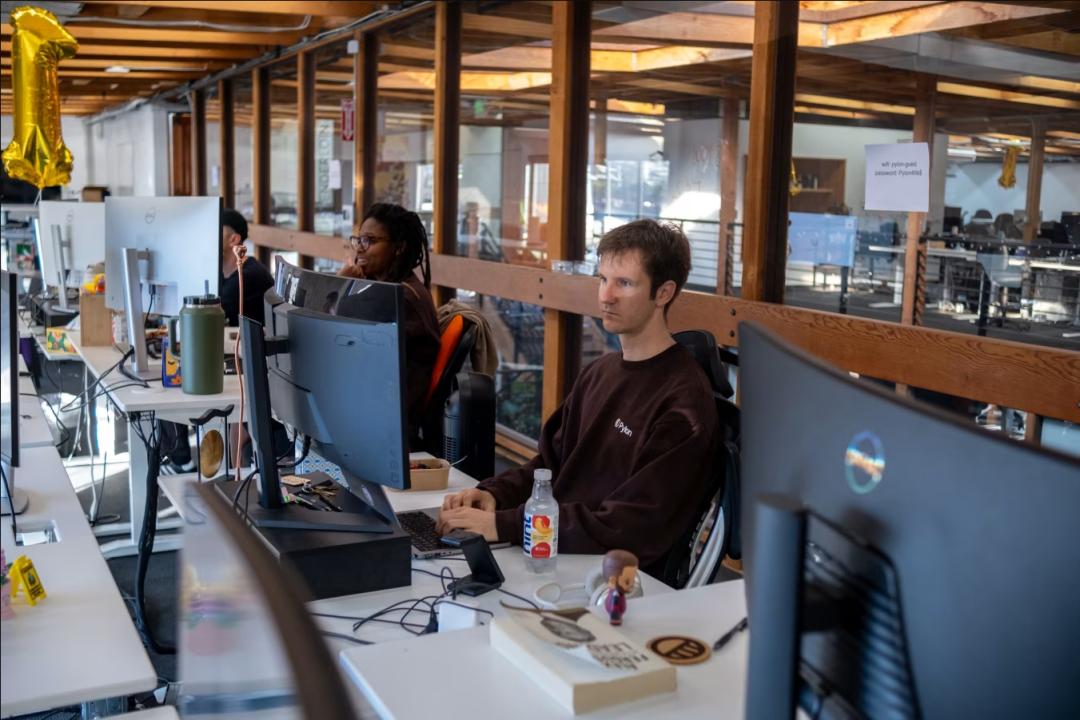
主动996,住进“棺材房”,硅谷00后疯狂“自我整顿”
Hu Xiu· 2025-09-16 11:05
Core Viewpoint - The article discusses the extreme work culture among young AI entrepreneurs in Silicon Valley, highlighting their dedication to work at the expense of personal well-being and social life, driven by the desire for success and financial freedom [2][12][22]. Group 1: Work Culture and Lifestyle - Many young founders in Silicon Valley are adopting an extreme work ethic, often working over 90 hours a week and sacrificing sleep and social activities [2][5][12]. - The office has become a multifunctional space for these entrepreneurs, serving as their workplace, dining area, and even sleeping quarters [6][8]. - The trend of "sleeping in the office" is prevalent, with some entrepreneurs using makeshift sleeping arrangements to maximize work time [6][8]. Group 2: Investment Landscape - The investment landscape for AI startups has seen fluctuations, with global private investment in AI startups totaling approximately $96 billion in 2023, a decrease of nearly 20% from $103.4 billion in 2022 [13][17]. - Despite the decline in total investment, the number of AI startups receiving funding has increased, with 1,812 companies securing financing in 2023, a 40.6% rise from the previous year [17][18]. - The average funding amount per startup has decreased, indicating a more competitive environment where only those with strong capabilities can secure significant investments [18][20]. Group 3: Competitive Environment - The AI startup ecosystem is characterized by intense competition and a lack of differentiation among many new entrants, leading to a reliance on basic models and applications [21]. - Investors are increasingly cautious, preferring to fund established companies or those with clear competitive advantages, which has led to a "winner-takes-all" dynamic in the market [21][22]. - The pressure to succeed is compounded by the rapid pace of technological advancement, with many entrepreneurs feeling a sense of urgency to capitalize on fleeting opportunities [27][28]. Group 4: Motivations and Aspirations - The drive for financial success and the allure of becoming a "unicorn" motivate many young entrepreneurs to endure extreme working conditions [23][25]. - The current AI boom is likened to the internet bubble of the late 1990s, with many seeing it as a chance to achieve life-changing wealth [24][25]. - There is a pervasive fear of missing out (FOMO) among entrepreneurs, pushing them to work tirelessly to secure their place in the rapidly evolving AI landscape [26][27]. Group 5: Future Outlook - The article suggests that the most successful AI companies may not emerge from the most extreme work cultures but rather from teams that balance ambition with sustainability [31][32]. - The ongoing struggle and dedication of these young entrepreneurs are noted as significant contributions to the evolving narrative of the AI industry [32][33].