
WeWork

Search documents
Former AOL CFO on ‘natural’ move to CEO roles
Yahoo Finance· 2025-10-07 09:21
Core Insights - The trend of CFOs transitioning to CEO roles is gradually increasing, with 7.5% of current CEOs in Fortune 500 and S&P 500 companies having previously served as CFOs, up from 7.1% in 2024 and 6.5% in 2015 [2][3] Company Insights - Trullion, an AI-driven accounting software startup, has appointed Artie Minson as CEO, who has a strong background in finance and has been an advisor to the company for over five years [4][5] - The leadership change at Trullion is aimed at capitalizing on rapid growth opportunities in the evolving industry, particularly with the integration of artificial intelligence [4] - Minson's previous experience includes significant revenue growth at LeafLink and WeWork, where he played a crucial role in increasing annual revenue from approximately $100 million to over $3 billion [6][7]
LG Electronics aims to make India its global manufacturing hub with local unit's listing
Yahoo Finance· 2025-09-30 16:34
Core Insights - LG Electronics is positioning India as its global manufacturing hub, reviving its IPO plans with a target valuation of $8.73 billion [1][2] Group 1: IPO Details - LG Electronics India plans to open its initial public offering (IPO) on October 7, with a price band set between 1,080 to 1,140 rupees per share, aiming to raise approximately $1.3 billion [2][4] - The IPO involves an offer-for-sale where the parent company is offloading a 15% stake [2] - The company had initially filed for an IPO in December but delayed the listing due to market volatility [4] Group 2: Manufacturing Strategy - The new factory in Andhra Pradesh, which represents a $600 million investment, will be LG's third in India and is expected to facilitate entry into new markets, including Europe [2][3] - India is favored for its competitive labor costs and strong domestic demand, with LG currently exporting goods worth $160 million, accounting for 6% of its overall revenue [3] Group 3: Market Context - The domestic appliance market in India is valued at $38.2 billion as of 2024, with LG competing against Whirlpool and Samsung [4] - The IPO comes at a time when India has reduced consumption taxes on electronics from 28% to 18%, aiming to boost demand during the festive season [5] - The IPO activity is part of a broader trend, with companies in India raising approximately 909.8 billion rupees through IPOs as of September 30, marking an 18% increase from the previous year [6]
StubHub创始人获得100:1的超级投票权,标志着双重股权结构在IPO市场的回归
Sou Hu Cai Jing· 2025-09-26 08:04
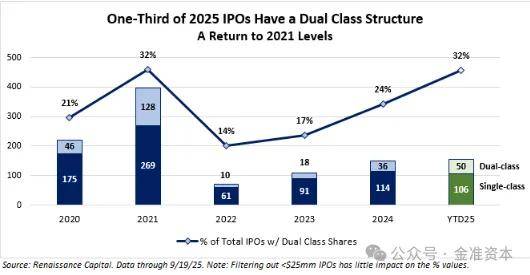
Group 1 - StubHub completed its long-awaited IPO, with CEO Eric Baker retaining nearly 90% of voting rights through a dual-class share structure, despite holding only 11% of the public shares [1] - Each B-class share in StubHub has up to 100 votes, contrasting with the typical 10:1 or 20:1 voting power ratio seen in other dual-class structures [1] - The trend of dual-class share structures has been increasing, with 32% of IPOs in 2023 adopting this model, up from a low of 14% in 2022 [2][4] Group 2 - The dual-class share structure was previously associated mainly with tech disruptors like Google and Facebook, but its acceptance has expanded to other industries [4] - Public investor reactions to dual-class structures can be negative, as seen with StubHub's IPO performance, although this is not solely attributed to the share structure [5] - The S&P Dow Jones Indices previously decided to exclude companies with unequal voting rights from its indices, a decision that was reversed in 2023 [6]

喝点VC|a16z联合创始人Ben Horowitz分享460亿美元风投巨头的创业生存法则
Z Potentials· 2025-09-24 12:43
Core Insights - The essence of leadership is making decisive choices in difficult situations, as hesitation can lead to worse outcomes [3][14][22] - Successful leadership involves making unpopular decisions that create value, rather than conforming to group consensus [7][22] - The journey of entrepreneurship is filled with struggles and pain, which are essential for growth and success [12][33] Leadership and Decision-Making - Leaders must develop the mental strength to make choices in the face of adversity, often opting for the "less bad" option [4][14] - The biggest mistake a CEO can make is to hesitate, especially when both options seem unfavorable [13][14] - Effective leadership is about influencing those who do not report directly to the leader, emphasizing the importance of indirect impact [7][22] Entrepreneurship and Founder Psychology - A non-rational desire to create something meaningful is essential for entrepreneurship; pursuing money alone is insufficient [23][24] - Founders must possess a vision that transcends financial gain, focusing on making a significant impact [24] - The ability to confront fears and make tough decisions is crucial for a CEO's success [13][16] Building Effective Teams - A CEO's role is to assemble a world-class team rather than trying to develop every individual into a top performer [28][29] - The transition from a technical role to a CEO requires a shift in mindset, focusing on high-level decision-making rather than micromanagement [28][29] - Leaders should prioritize finding individuals who can elevate the company rather than attempting to improve underperformers [28][29] Investment and Market Insights - The common wisdom of quickly building a senior management team to achieve product-market fit can lead to chaos if not managed carefully [39][40] - Experienced hires can accelerate business growth, contradicting the notion that startups should avoid seasoned professionals [40] - The perception of a bubble in the AI sector may not reflect reality; often, when everyone believes there is a bubble, it is not the case [50][51][52]

为什么公司业务再好,你买的股票也可能一跌到底?
Hu Xiu· 2025-09-23 12:34
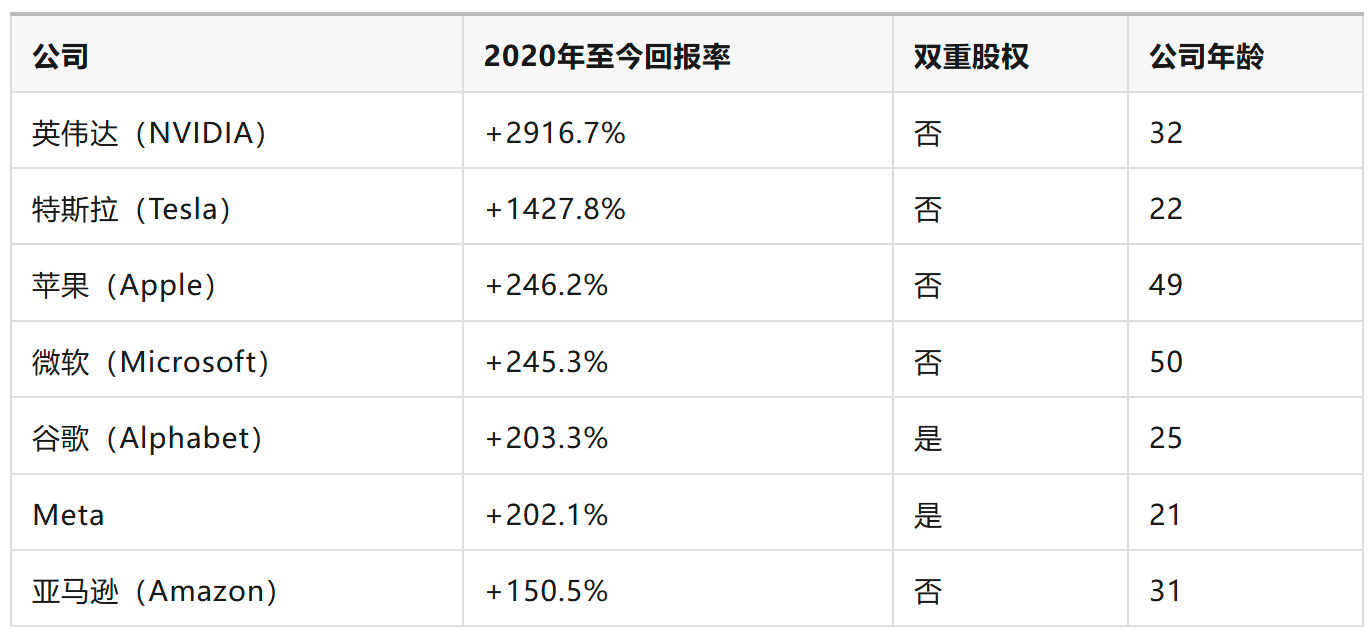
Core Insights - The article discusses the imbalance of power and information between management and shareholders in modern corporations, highlighting the challenges faced by retail investors in influencing corporate governance [3][4][6]. Group 1: Management vs. Shareholders - Middle management in internet companies often prioritizes hiring to increase their influence and job security, while the costs are borne by the company [1][2]. - Shareholders (top management) fund the business but rely on reports from managers to monitor their performance, creating a disconnect in accountability [2][4]. - The separation of ownership and control leads to managers being more informed about the company's operations than shareholders, which can result in misaligned interests [3][4]. Group 2: Governance Structure - The concept of corporate governance structure is crucial for investors to ensure that management does not misuse funds and returns profits to shareholders [4][6]. - Many investors, including professionals, lack knowledge about corporate governance, which is often categorized under management studies rather than investment studies [5][6]. Group 3: Retail Investor Dilemma - Retail investors face a core dilemma as they lack control over companies due to dispersed ownership, becoming passive capital providers [7][8]. - Managers can act in their own interests even with minimal or no equity ownership, often prioritizing personal benefits over shareholder value [8][9]. Group 4: Cash Flow and Decision-Making - There can be a divergence in interests when companies generate free cash flow, with investors wanting dividends while managers may prefer reinvestment to expand their power [13][15]. - The "free cash flow hypothesis" suggests that excess cash can lead to poor investment decisions by management, as seen in historical cases like the oil crisis [17][18]. Group 5: Dual-Class Share Structures - The rise of dual-class share structures in internet companies has concentrated decision-making power among founders and management, often at the expense of shareholder rights [22][23]. - Companies like Snap have issued shares with no voting rights for public investors, limiting their influence over corporate decisions [23][24]. Group 6: Case Studies - Examples like Bilibili and WeWork illustrate how management can prioritize personal gain over shareholder returns, leading to significant losses for investors [27][29]. - The performance of companies with dual-class structures has been poor, with many unable to recover their historical highs, while companies like NetEase and Ctrip, which do not have such structures, have fared better [35][36]. Group 7: Investor Strategies - Investors need to focus on corporate governance and the distribution of power within companies to ensure their interests are protected [42][43]. - Strategies such as avoiding companies with complex governance structures and recognizing the importance of shareholder rights can lead to better investment outcomes [42][45].


Walker & Dunlop CEO says investors need clarity on who decides the fate of Fannie and Freddie
CNBC· 2025-09-16 12:05
Core Insights - The Zelman Housing Summit has evolved from a focus on residential housing to include multifamily, GSEs, labor, and land issues [3] - Interest rates were a major topic, with the 10-year yield dropping unexpectedly, leading to discussions about future rate cuts and their limited impact on long-term rates [4][5][6] - The future of Fannie Mae and Freddie Mac is uncertain, with concerns about their management and potential privatization [7][8][9] - A land crisis is identified as a significant issue for builders, with calls for more land entitlements and easing of zoning restrictions [11][12] - Labor shortages are a pressing concern, exacerbated by fears of ICE raids, highlighting the need for a healthy immigration policy [13][14][15] Interest Rates - The 10-year yield dropped to 4.01%, surprising industry experts [5] - Historical analysis indicates that rate cuts during recessions lower long-term yields, but cuts outside of recessions have little effect [5][6] - Expectations for at least two 25 basis point cuts in the near future, but limited impact on long-term rates anticipated [6] Fannie Mae and Freddie Mac - The future of GSEs is critical for builders, with uncertainty surrounding potential actions from the Trump administration [7] - Fannie and Freddie provided liquidity during periods when banks were less active in lending [7] - Concerns about management and governance of Fannie and Freddie, with comparisons to WeWork's governance issues [8][9] Land Issues - A statement from industry leaders indicates a land crisis rather than a housing crisis, emphasizing the need for more land entitlements [11] - Suggestions for the Trump administration to facilitate land access and ease zoning restrictions [11][12] Labor Challenges - Labor shortages are a significant barrier to construction, with smaller builders particularly affected by fears of ICE raids [13] - Public builders report overall labor shortages, despite not facing major issues with ICE raids [14] - Advocacy for a healthy immigration policy to support labor needs in the construction industry [15]


460 亿美元 a16z 创始人本·霍洛维茨:AI 先别做大,先把这几件事做对
3 6 Ke· 2025-09-15 05:12
Core Insights - a16z manages $46 billion in assets and is one of the most active AI investment firms globally [1] - Ben Horowitz, co-founder of a16z, emphasizes the importance of decision-making and leadership in early-stage AI companies [2][3] Group 1: Decision-Making in Leadership - The next round of competition among AI companies will focus on making the right decisions rather than just growth narratives [4] - CEOs must act decisively and not hesitate, as indecision can lead to worse outcomes [5][10] - Horowitz shares a personal experience of making a controversial decision to go public early, which ultimately saved the company from bankruptcy [6][12] Group 2: Hiring and Team Dynamics - The second common mistake for startups is hiring individuals who cannot create value, rather than those who can be trained [18][19] - Effective leaders should focus on hiring individuals with "managerial leverage," who can drive the organization forward without constant oversight [20][21] - Horowitz stresses the importance of selecting individuals who can contribute immediately to the company's success rather than relying on potential for growth [26] Group 3: Product Development and Integration - AI entrepreneurs should focus on deeply integrating AI into workflows rather than just adding a superficial layer [27][30] - Successful companies like Cursor and Databricks demonstrate the importance of understanding user needs and business processes [33][35] - The real value lies in addressing genuine user requirements rather than merely applying AI models [35][36] Group 4: Evaluating Talent - Horowitz advises investors to focus on what individuals can achieve rather than their past mistakes [37][41] - He highlights the importance of recognizing the strengths of founders, even those with a history of failure, as they may possess unique capabilities [42][50] - The goal is to find individuals who can break through challenges and contribute effectively to the team [50] Conclusion - Horowitz emphasizes that startups should not rush to scale but should first ensure they are making the right foundational decisions [51][52] - The key to long-term success lies in executing the essential, often overlooked tasks correctly [52][53]
突然!全线暴跌,发生了什么?
券商中国· 2025-09-01 11:06
Core Viewpoint - The semiconductor sector in Japan and South Korea has experienced a significant sell-off, primarily influenced by the recent decline in U.S. tech stocks, raising concerns about the future performance of AI chip companies [2][3]. Group 1: Market Reaction - Following the opening of the market, major chip manufacturers in Japan and South Korea saw substantial declines, with Advantest dropping over 9%, Hanmi Semiconductor down over 6%, SK Hynix falling over 5%, and Samsung Electronics decreasing over 3% [2]. - The overall market indices also suffered, with the Nikkei 225 index falling by 1.24% and the KOSPI index declining by 1.35% [3]. Group 2: U.S. Market Influence - The sell-off in Japanese and Korean semiconductor stocks was largely attributed to a more than 3% drop in the Philadelphia Semiconductor Index, with notable declines in companies like Marvell Technology (down over 18%) and Oracle (down 5.9%) [3]. - Concerns were raised regarding the future growth of AI chip companies due to disappointing earnings guidance from some U.S. chip giants [3]. Group 3: Nvidia's Client Dependency - Nvidia's recent disclosures indicated that nearly 40% of its revenue for the second fiscal quarter of 2026 came from just two clients, raising alarms about the company's reliance on a limited customer base [4]. - The two major clients contributed 23% and 16% to Nvidia's total revenue, significantly higher than the previous year's contributions of 14% and 11% [4]. Group 4: Valuation Concerns - Analysts have pointed out that the extreme volatility in U.S. AI chip stocks stems from previously inflated expectations and high valuations, leaving little room for error in earnings reports [5]. - The S&P 500 index's price-to-sales ratio has reached a historic high of 3.23, surpassing levels seen during the dot-com bubble, while the forward P/E ratio stands at 22.5, well above the long-term average of 16.8 since 2000 [6]. Group 5: Market Concentration - The top 10 companies in the S&P 500 now account for 39.5% of the index's total market capitalization, the highest recorded level, primarily driven by tech giants like Nvidia and Microsoft [7]. - Concerns have been raised about the sustainability of these high valuations, with some market participants skeptical about whether fundamentals will support current price levels over time [7]. Group 6: AI Investment Bubble Warnings - Increasing warnings about an "AI investment bubble" have emerged, with industry leaders comparing the current situation to past investment failures, such as SoftBank's investments in WeWork and Zume [8].




AI 圈疯传的新「MBTI 测试」:乔布斯和奥特曼同一档,马斯克小扎直接封神,你是什么段位
3 6 Ke· 2025-09-01 09:09
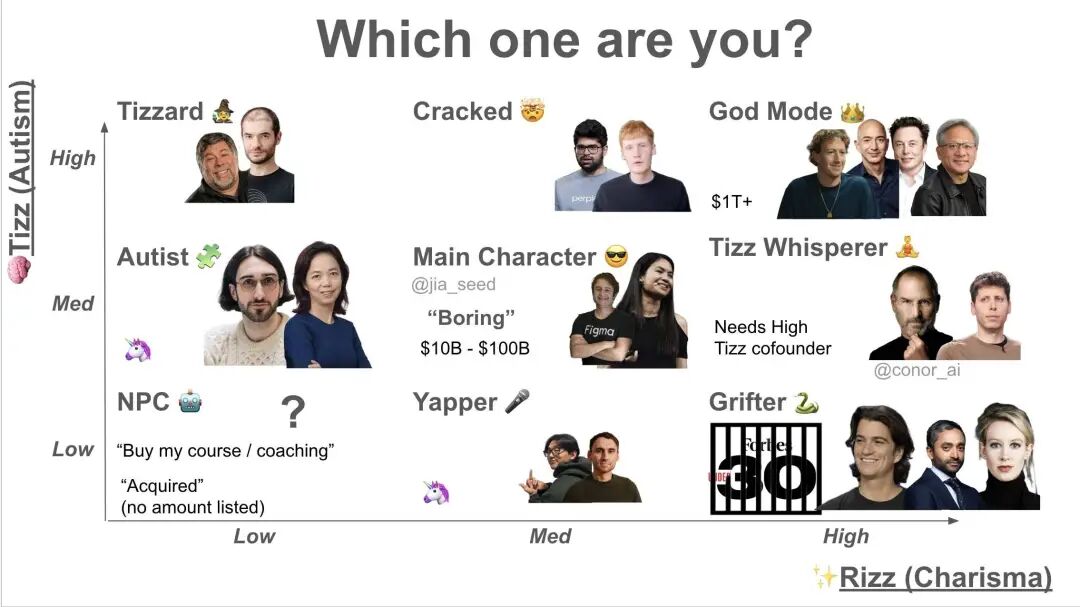
Core Insights - The article discusses the emergence of a new social metric called "Tizz/Rizz matrix" that categorizes individuals based on their social charm (Rizz) and technical expertise (Tizz) [1][3][23] - It highlights the importance of balancing both attributes for success in the tech industry, showcasing various tech leaders and their positions within the matrix [21][22][23] Summary by Categories Rizz (Social Charm) - Rizz is defined as a measure of social prowess, indicating one's ability to persuade and engage others effectively [4] - Individuals with high Rizz can excel in marketing and fundraising, often overshadowing their technical skills [4][7] Tizz (Technical Expertise) - Tizz represents a person's technical inclination or "tech nerd" status, with higher values indicating better communication with machines but difficulty in social interactions [5] - Those with high Tizz are often seen as the creators of technology, while those with low Tizz may struggle to engage in technical discussions [5][19] Matrix Quadrants - The matrix categorizes individuals into various quadrants based on their Rizz and Tizz scores: - **Tizzard (Technical Wizards)**: High Tizz, low Rizz; exemplified by figures like Steve Wozniak and Ilya Sutskever, who are known for their technical contributions but are not prominent public speakers [7][26] - **Grifter (Con Artists)**: High Rizz, low Tizz; represented by individuals like Elizabeth Holmes, who excel in persuasion but lack genuine technical skills [9][26] - **Yapper (Talkative Individuals)**: Low Tizz, high Rizz; characterized by those who are more talkative than productive [11][26] - **Autist (Technical Experts)**: High Tizz, low Rizz; these individuals are often brilliant in their fields but may struggle with social interactions [13][26] - **Main Character (Balanced Individuals)**: Those who have a good balance of both Rizz and Tizz, like Melanie Perkins and Dylan Field, are seen as successful and well-rounded [14][16][26] - **God Mode (Top Performers)**: Individuals like Elon Musk and Jeff Bezos, who excel in both Rizz and Tizz, are positioned as the ultimate achievers in the tech world [21][22][26] Conclusion - The article emphasizes that in today's competitive landscape, both technical skills and social charm are crucial for success, and individuals must navigate their positions within this matrix to maximize their potential [23]


在“范式转移”的时代,如何重塑“职业”的定义
Jing Ji Guan Cha Bao· 2025-09-01 07:33
Core Insights - The article draws a parallel between the advent of AI and the historical "Gutenberg moment," suggesting that AI's widespread application is ushering in a new era of explosive change in business and society [1][4] - It highlights the tendency of established companies to be slow to adapt to transformative changes, often leading to their decline or failure [2][3] Group 1: Historical Context and Paradigm Shifts - The article references historical examples of companies that failed to recognize paradigm shifts, such as Microsoft's initial dismissal of the iPhone and Nokia's misguided acquisition of Navteq [2][3] - It emphasizes that the rapid evolution of AI represents a significant paradigm shift, akin to the changes brought about by the mobile internet [4][5] Group 2: Organizational Changes in the AI Era - Organizations are moving towards a flatter structure with blurred boundaries, emphasizing the need for on-demand staffing and community reliance [6][7] - The concept of "gig economy" is evolving into "flexible economy," where individuals have more agency and can choose their projects based on personal interests and skills [6][7] Group 3: Community and Collaboration - The role of communities and crowdsourcing is becoming crucial in generating ideas and validating them, leading to new business models [8][9] - The article discusses the importance of social technologies in enhancing collaboration within organizations, moving beyond traditional communication tools [10][11] Group 4: Data-Driven Decision Making - The development of exponential organizations is driven by data, emphasizing the need for rapid data flow and decision-making processes [12][13] - Knowledge economy allows for rapid scaling without traditional constraints, creating a positive feedback loop driven by AI [13][14] Group 5: Future Challenges and Considerations - Organizations will face challenges in redefining roles and incentives in a decentralized structure, potentially drawing from decentralized autonomous organizations (DAOs) [16][17] - The article raises questions about the nature of work in the AI era, including whether AI will replace or empower human jobs [17][18] - It also discusses the distinction between genuine exponential growth driven by sound business logic versus growth fueled by speculative capital [18][19]