Shein

Search documents
Alibaba Shares Fall On Report Of U.S. Scrutiny Of Apple AI Deal
Forbes· 2025-05-19 07:20
Core Viewpoint - Alibaba's shares experienced a decline due to concerns over a potential backlash from the U.S. regarding its AI technology collaboration with Apple for iPhones sold in China [1][2]. Group 1: Market Reaction - Alibaba's shares fell by as much as 4.8% in Hong Kong following news of the U.S. government's scrutiny of Apple's plan to utilize Alibaba's AI technology [1][2]. - The New York Times reported that U.S. officials are worried that this collaboration could enhance Alibaba's AI capabilities and increase Apple's vulnerability to China's censorship and data-sharing laws [3]. Group 2: Trade Relations and Concerns - The ongoing U.S.-China trade tensions have made collaborations like that of Alibaba and Apple a source of concern, particularly under the current trade war context [4]. - The Trump administration's imposition of duties on small parcels has added to these concerns, although some duties were reduced after negotiations [5]. Group 3: Financial Performance - Alibaba reported a 7% year-on-year increase in total sales for the quarter ending in March, amounting to 236.4 billion yuan ($32.6 billion), but net income surged by 1,203% to 12 billion yuan due to changes in equity investments [7]. - Despite the sales growth, the results fell short of market expectations, leading to a decline in Alibaba's shares [7]. - Future profitability may be affected as Alibaba invests in on-demand delivery services, which are expected to impact growth in its cloud computing unit, where sales grew 18% year-on-year to 30.1 billion yuan [8].



Temu美国全托管模式回归在望,跨境卖家迎来新机遇!
Sou Hu Cai Jing· 2025-05-19 03:00
Core Insights - Recent easing of China-U.S. trade relations has led to potential recovery of Temu's full-service model for the U.S. market [2][10] - U.S. tariffs on small packages from China have significantly decreased, providing a favorable environment for cross-border e-commerce platforms like Temu [6][10] Tariff Adjustments - U.S. tariffs on Chinese goods have been reduced from 145% to 30%, with small package tariffs dropping from 120% to 54%, and currently, the effective rate is around 30% [2][6][10] - This reduction is expected to alleviate operational pressures on Temu and similar platforms, allowing them to resume direct shipments from China [6][11] Business Strategy Changes - Temu has announced plans to resume its full-service model, encouraging sellers to increase inventory by 30%-40% in anticipation of order growth [3][4] - The platform is also allowing sellers to relist previously delisted products due to cost disadvantages, taking advantage of the new tariff structure [4][5] Compliance and Operational Adjustments - New compliance requirements for Temu's full-service model include providing proof of non-Chinese origin for products, with some flexibility for high-scoring brands [4][11] - The platform is expected to enhance its logistics and supply chain management to adapt to the changing tariff landscape [10][12] Market Impact - Analysts predict an increase in the volume of products shipped from China to the U.S. in the coming weeks, as Temu and competitors like Shein adjust to the new tariff environment [5][11] - Price adjustments on Temu's platform reflect the ongoing adaptation to the new trade policies, with some products seeing price increases while others stabilize [5][10]

关税松绑与供应链暗礁:跨界电商企业的危与机
Sou Hu Cai Jing· 2025-05-15 11:19
Core Viewpoint - The recent US-China trade agreement, which includes a significant reduction in tariffs, is seen as a crucial signal for global economic recovery, particularly benefiting the cross-border e-commerce sector [1][4][16]. Group 1: Trade Agreement and Tariff Changes - The US and China have agreed to cancel 91% of additional tariffs and suspend 24% of "reciprocal tariffs," marking a significant step towards stabilizing trade relations [1][4]. - The US has also reduced the international mail tax rate from 120% to 54% for small packages, which is expected to provide some relief to Chinese e-commerce companies [4][5]. - Despite these positive changes, small package tariffs remain a concern, and the geopolitical landscape continues to pose risks for companies like Shein [1][4][5]. Group 2: Shein's Strategic Positioning - Shein is facing challenges due to geopolitical pressures and supply chain risks, prompting the company to consider relocating some production capacity to Vietnam [1][5][7]. - The company has increased its digital advertising spending in Europe, indicating a strategic shift away from the US market, which has become uncertain due to tariff changes [10][11]. - Shein's potential expansion in Europe may face hurdles, including new regulations on low-value e-commerce packages and the need to adapt to diverse consumer demands across different countries [13][14]. Group 3: Supply Chain and Domestic Focus - China's robust supply chain capabilities provide a significant advantage for Shein, which should focus on strengthening ties with domestic suppliers to enhance efficiency and resilience [8][17]. - The company is encouraged to invest in domestic supply chains and leverage technological innovations to improve product quality and competitiveness in the global market [8][17]. - Shein's long-term success will depend on its ability to navigate the complexities of international trade while maintaining a strong foundation in China [17].

美国对华小包裹关税被曝再次降低:125%至54%,再至30%
Sou Hu Cai Jing· 2025-05-14 14:16
Core Points - The U.S. has significantly reduced tariffs on small packages from China, dropping from 120% to 30%, which is expected to ease trade tensions between the two countries and provide relief for Chinese e-commerce platforms like Temu and Shein [1][9] - Following recent high-level trade talks, both nations agreed to lower tariffs by 115% within 90 days, marking a potential thaw in the ongoing trade standoff [1][9] - The number of small packages entering the U.S. has surged from approximately 140 million a decade ago to over 1 billion last year, with the value of Chinese exports to the U.S. projected to rise from $5.3 billion in 2018 to $66 billion in 2023 [4][9] Tariff Changes - The new tariff structure includes a 54% tax on small packages, while maintaining a $100 de minimis threshold for duty-free items, and reversing plans to increase this threshold to $200 [1][4] - Despite the reduction, experts indicate that a 54% tariff remains high, causing delays in package deliveries and impacting consumer purchasing behavior [1][4] Consumer Impact - U.S. consumers have increasingly turned to Temu and Shein for affordable products, but recent price hikes on these platforms, including a 377% increase on kitchen paper towels, have made these goods less accessible [5][6][9] - Approximately 48% of small packages are sent to the poorest regions in the U.S., indicating a reliance on affordable imports among lower-income consumers [8] Political Context - The trade war initiated by the Trump administration has disrupted decades of international trade norms, leading to concerns about a potential recession in the U.S. economy [9] - Young Americans, who have become accustomed to affordable fast fashion and online shopping, are expressing frustration over the impact of tariffs on their purchasing power [9][10]
美国降低小包裹关税,但红利时代彻底结束了
3 6 Ke· 2025-05-14 11:16
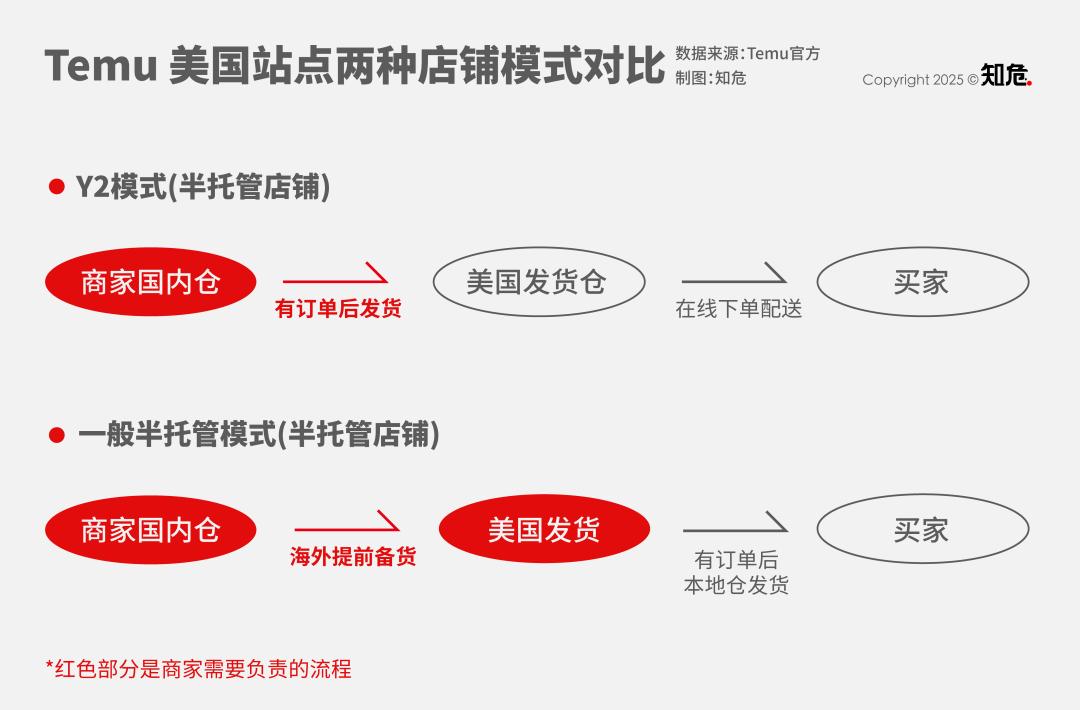
Core Viewpoint - The recent adjustments in U.S. tariff policies, particularly the reduction of small package tariffs from 120% to 54%, represent a significant shift for cross-border e-commerce platforms like Temu and Shein, although they still face increased operational costs and complexities due to ongoing changes in trade regulations [1][2]. Group 1: Tariff Changes and Impact - On May 13, 2023, President Trump revised an executive order, lowering the tariff rate on small packages from China from 120% to 54%, while maintaining a $100 de minimis threshold for customs duties [1]. - The U.S. Customs and Border Protection reported that approximately 1.36 billion packages entered the U.S. in FY 2024, primarily from Chinese e-commerce platforms, highlighting the importance of the small package exemption for these businesses [2]. - The adjustment in tariffs is seen as a positive development for platforms like Temu and Shein, but it still results in increased costs compared to the previous 0% tariff rate [2]. Group 2: Operational Adjustments of E-commerce Platforms - Temu has shifted its operational model from fully managed services to semi-managed and Y2 models, responding to the changing tariff landscape [3][4]. - The Y2 model allows sellers to ship directly from China without pre-stocking in overseas warehouses, which can help mitigate some tariff costs, but it also increases operational complexity and costs for sellers [4][6]. - The transition to the Y2 model is seen as a way for larger sellers with strong supply chains to adapt to the new environment, although it poses challenges for smaller sellers who may struggle with increased costs and operational demands [6][7]. Group 3: Market Dynamics and Seller Strategies - The changes in tariff policies and operational models have created a challenging environment for sellers, particularly smaller ones, who may find it difficult to maintain profitability under the new conditions [7][8]. - Despite the challenges, there remains a significant market demand in North America, which e-commerce platforms and sellers are reluctant to abandon [8]. - Sellers are encouraged to focus on building their brands and enhancing competitiveness to navigate the risks associated with the evolving regulatory landscape [8].
你很难在美国市场击败亚马逊
3 6 Ke· 2025-05-14 10:48
Core Insights - The recent high-level trade talks between China and the U.S. have led to significant progress, resulting in a reduction of tariffs on goods, benefiting Amazon as a major player in the e-commerce sector [1] - Amazon's stock surged by 8.07% on May 12, reaching its highest price since March 2025, reflecting investor optimism following the trade developments [1] Group 1: Amazon's Market Position - Amazon relies heavily on Chinese products, with 60-70% of items on its platform sourced from China, and over 50% of sellers on Amazon being Chinese merchants by 2024 [2] - Despite facing competition from platforms like Temu, which has seen significant growth in downloads and user engagement, Amazon remains a dominant force in the e-commerce market [2][3] - Amazon's first-quarter 2025 financial results show net sales of $155.67 billion, a 9% year-over-year increase, and a net profit of $17.12 billion, up 64% [5][7] Group 2: Competitive Strategies - In response to rising competition, Amazon has adapted its pricing strategies, including the launch of a low-price section called Amazon Haul, which focuses on white-label products priced under $20 [4] - Amazon has shifted its approach to include white-label sellers, indicating a willingness to compete on price while maintaining brand integrity [4] - The company has also removed Temu from its price monitoring system to avoid penalizing sellers, indicating a strategic shift to accommodate competitive pricing [3] Group 3: Economic and Regulatory Environment - The potential impact of tariffs has led to price increases on nearly 1,000 products, with an average increase of about 30% as sellers adjust to new costs [5] - Amazon's CEO expressed uncertainty regarding future tariff determinations, highlighting the unpredictable nature of the regulatory environment [5] - The company is focusing on maintaining consumer trust and stable supply during turbulent economic conditions, emphasizing its scale and operational advantages [7][8] Group 4: Future Outlook - Amazon is investing heavily in AI, with projected capital expenditures reaching $100 billion, aiming to develop over 1,000 generative AI applications [9] - The company believes that while AI costs are currently high, they will decrease over time, leading to long-term value creation [9][10] - AWS continues to be a significant revenue driver, with annual revenues exceeding $117 billion, and the company sees substantial growth potential in cloud migration [10]

关税战暂停,全球化新共识正在形成|出海潜望镜
3 6 Ke· 2025-05-14 08:40
Group 1 - The core viewpoint of the news is that the recent U.S.-China trade negotiations have led to a significant reduction in tariffs, providing temporary relief to businesses engaged in trade between the two countries [1][2] - The U.S. has committed to canceling 91% of tariffs imposed on Chinese goods, while China will reciprocate by canceling the same percentage of its counter-tariffs [1] - The market reacted positively to the announcement, with major U.S. stock indices experiencing their largest single-day percentage gains since April 9, with the Dow Jones up 2.81%, Nasdaq up 4.35%, and S&P 500 up 3.26% [1] Group 2 - The trade agreement is seen as a temporary relief for businesses, but it is acknowledged that the trade landscape is changing, pushing companies to adapt to a new global consensus [2] - The textile industry, particularly those exporting to the U.S., has been significantly impacted, with exports of textile products to the U.S. accounting for 32.2% of total exports in this sector [3] - The hair product industry, especially wigs, is also heavily affected, with over 80% of global wig products sourced from China, and 62.02% of these products exported to the U.S. [4] Group 3 - The electronics sector, particularly AI hardware, faces substantial challenges due to high tariffs, with a 50% increase in tariffs potentially leading to a 10% drop in net profit margins for these companies [5] - The U.S. has shown unexpected flexibility in its tariff policies, which has surprised many businesses that were preparing for a prolonged period of high tariffs [6] - The recent trade developments have allowed some companies, like those in the wig industry, to resume orders from the U.S., although they still face significant losses from the previous tariff increases [7] Group 4 - The trade conflict has prompted a shift in business strategies, with companies considering diversifying their markets beyond the U.S. to mitigate risks associated with reliance on a single market [9] - E-commerce platforms are adapting to these changes, with increased advertising spending in European markets as companies seek to establish a presence outside the U.S. [10] - The resilience of the Chinese economy and its industries is expected to support businesses in navigating the challenges posed by the evolving trade environment [10]
BBMarkets:白宫大幅削减小额包裹关税税率!美业内却有另一番见解
Sou Hu Cai Jing· 2025-05-14 05:10
中美关税互让协议落地后,白宫再度调整跨境贸易政策,试图缓解高关税对微观经济主体的冲击。根据最新行政令,美国将针对小额包裹的从价关税税率从 120%大幅下调至54%,并取消原定于6月上调至200美元的固定费用条款,维持当前100美元标准。这一政策调整距特朗普政府4月宣布取消800美元以下商品 免税政策仅隔月余。 这种矛盾折射出政策目标的内在冲突。数据显示,当前美国日均接收180万个跨境包裹,其中超90%适用最低限度条款,中国商品占比达60%。以Temu、 Shein为代表的跨境电商平台贡献其中六成流量,其低价商品已成为美国中低收入家庭重要消费渠道。加州大学经济学家Pablo Fajgelbaum测算,若完全取消 免税政策,美国家庭年支出将增加109亿美元,低收入群体承受的负担将是高收入家庭的3.2倍。 但实际执行层面呈现更大弹性。两名美国快递业内部人士向媒体披露,海关对华包裹实际征收税率默认为30%,显著低于行政令规定的54%基准。更值得关 注的是,当商品价值低于800美元时,部分包裹仅需支付100美元固定费用,等效税率低至12.5%,形成"名义高关税、实际低征收"的差异化操作空间。 政策反复令跨境贸易商处境艰 ...
澳大利亚真维斯宣告破产关闭所有门店,中国真维斯称不受影响
Nan Fang Du Shi Bao· 2025-05-14 03:42
Core Viewpoint - Jeanswest Australia has entered voluntary liquidation and plans to close over 90 stores in Australia, affecting approximately 600 employees [1][3][5] Group 1: Company Background and Financial Struggles - Jeanswest Australia entered bankruptcy in early 2020 due to debts of approximately $50 million, leading to the closure of 146 stores and nearly 1,000 employees [3] - The brand was acquired by Harbour Guidance in 2020, which attempted to reduce operations but could not reverse the decline [3][5] - The company has struggled for five years, ultimately leading to its current bankruptcy situation, attributed to rising living costs and reduced consumer spending [3][5] Group 2: Market Dynamics and E-commerce Impact - The rise of online shopping platforms has significantly impacted Jeanswest, with Australian online shopping expected to reach $69 billion in 2024, a 12% increase year-on-year [5] - Major players like Amazon, Shein, and Temu have driven this growth, with Temu alone projected to exceed $2 billion in annual sales in Australia [6][5] - Approximately 4 million Australians have shopped on Temu, and around 2 million have used Shein, indicating a shift in consumer behavior towards e-commerce [6] Group 3: Asset Management and Future Plans - The bankruptcy trustee is currently selling the brand's intellectual property, including trademarks, clothing designs, and customer data, with a deadline for potential buyers set for May 29 [6][7] - The success of the intellectual property sale is deemed crucial for the feasibility of a Deed of Company Arrangement (DOCA) that could allow for restructuring [7] - Jeanswest was established in 1972 and became a well-known brand in Australia, but has faced declining competitiveness due to the rise of fast fashion and e-commerce [7][12] Group 4: Distinction Between Australian and Chinese Operations - The parent company, Esprit Group, emphasizes that Jeanswest Australia and Jeanswest China operate as completely independent entities, with no financial interdependence [12] - The success of Jeanswest China in e-commerce, with sales increasing over 13 times from 2020 to 2024, has allowed the Australian branch to focus on transitioning to online sales [12][10]