WeWork

Search documents
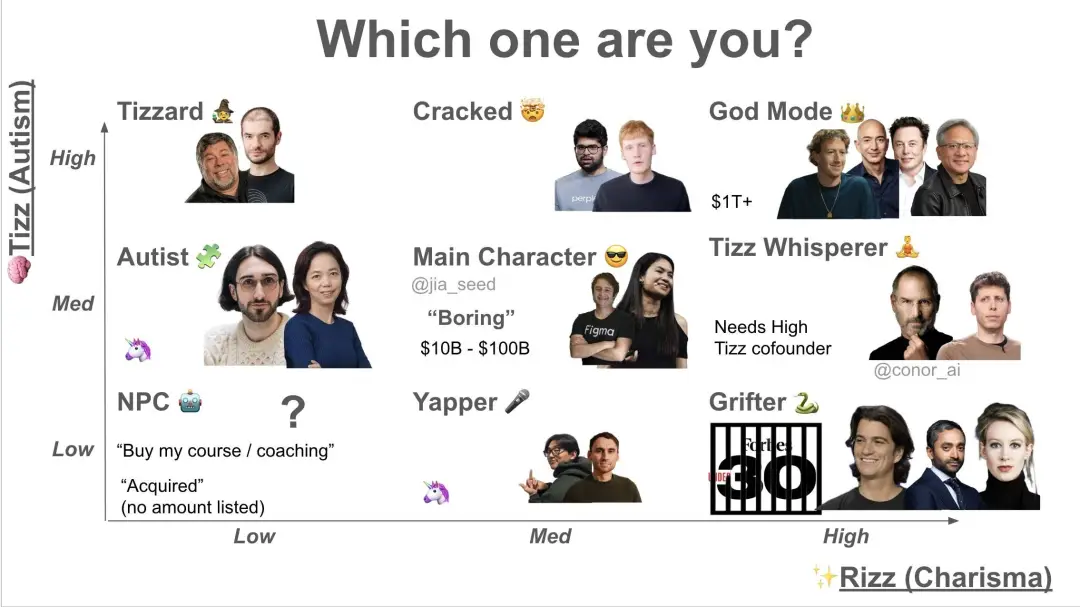
硅谷圈疯传的新“MBTI 测试”,到底是啥?
Hu Xiu· 2025-08-30 06:49
Core Insights - The article discusses the emergence of a new social concept called the "Tizz/Rizz matrix," which categorizes individuals based on their social charm (Rizz) and technical expertise (Tizz) [2][4][33] - It highlights notable figures in the tech industry, such as Steve Jobs, Elon Musk, and Jeff Bezos, positioning them within this matrix to illustrate their unique combinations of social and technical skills [27][30][36] Group 1: Tizz and Rizz Definitions - Rizz is defined as the "social prowess" index, indicating an individual's ability to charm and persuade others, with high Rizz individuals being able to secure significant funding with minimal effort [5][9] - Tizz represents the "tech-savvy" level, where a higher Tizz indicates a greater comfort with technology but potentially less social interaction [6][20] Group 2: Matrix Quadrants - The matrix consists of four quadrants: - Tizzard (top left) represents technical geniuses who may lack social skills [9][10] - Grifter (bottom right) includes individuals who are more deceptive and charismatic but lack substantial technical skills [12][13] - Cracked (bottom left) features those who can deliver products while being socially awkward [25] - God Mode (top right) includes the most successful individuals who excel in both technical and social domains [27][28] Group 3: Notable Figures - Key figures in the Tizzard quadrant include Steve Wozniak and Ilya Sutskever, who are recognized for their technical contributions without being prominent public speakers [10][11] - The God Mode quadrant features influential leaders like Musk, Bezos, Huang, and Zuckerberg, who possess both high Rizz and Tizz, allowing them to significantly impact their industries [27][30] Group 4: Implications for Success - The article suggests that achieving top-tier success in today's world requires a balance of technical skills and social charm, as exemplified by the figures in the God Mode quadrant [31][33] - It emphasizes the importance of both creating value (Tizz) and communicating that value effectively (Rizz) in the business landscape [33]


指数增长时代,如何重新定义职业?
Hu Xiu· 2025-08-28 13:58
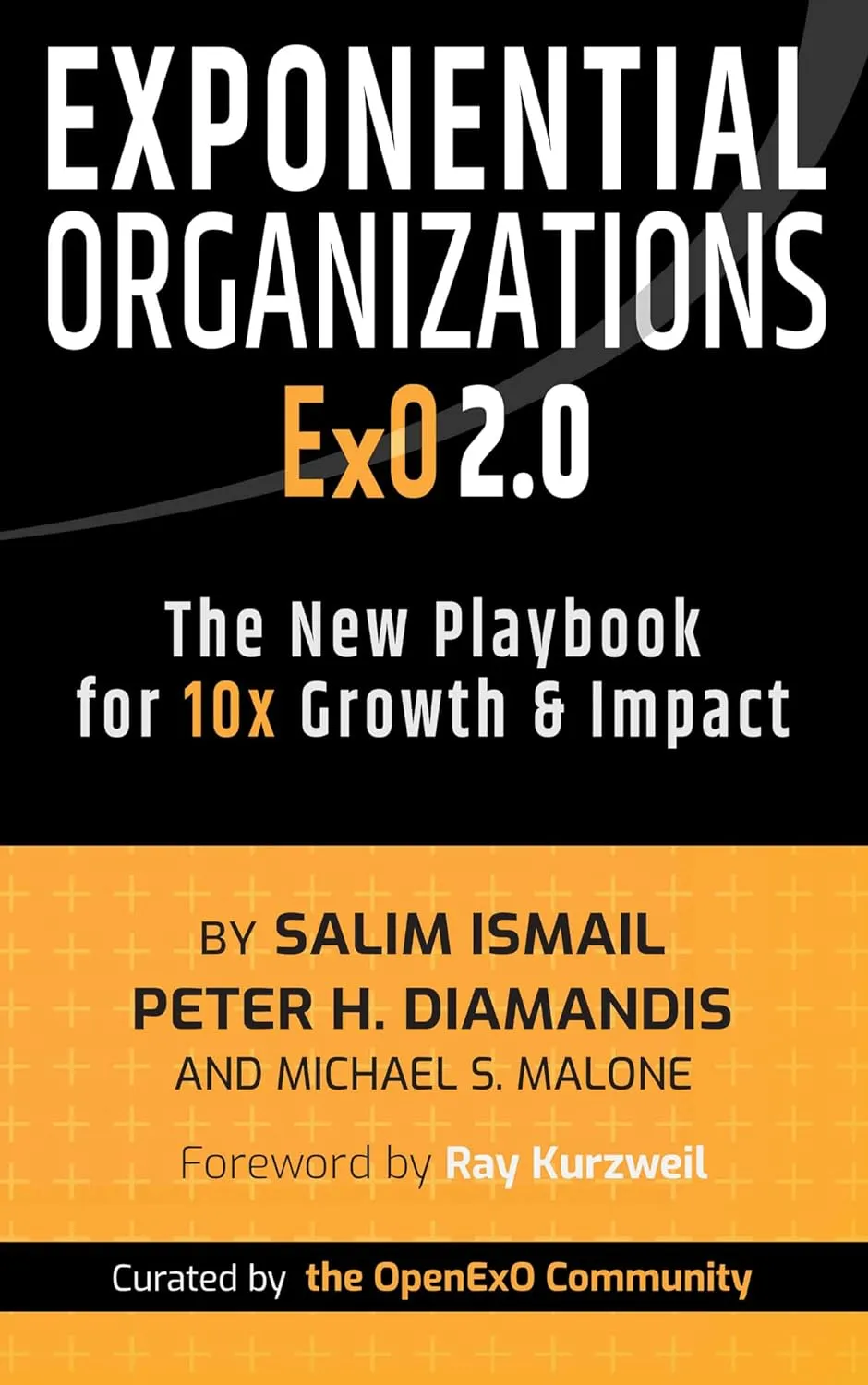
Core Insights - The article discusses the transformative impact of AI, likening it to the historical "Gutenberg moment" that revolutionized knowledge dissemination and societal structures [1][4] - It emphasizes the need for organizations to adapt to the paradigm shift brought about by AI, highlighting the failures of companies like Nokia and Microsoft to recognize and respond to such changes [2][3][5] Group 1: Paradigm Shift and Historical Context - The advent of AI represents a new "Gutenberg moment," prompting a significant shift in how individuals and organizations operate [1] - Historical examples illustrate that many organizations fail to anticipate transformative changes, often leading to their decline [2][3] Group 2: Organizational Response to AI - Companies like Microsoft have quickly adapted by investing heavily in AI, while others like Apple have lagged behind in integrating AI into their products [5][6] - The article notes that the rapid growth of AI challenges traditional business models and necessitates a reevaluation of organizational structures and strategies [6][12] Group 3: Characteristics of Exponential Organizations - Exponential organizations leverage technology to achieve tenfold growth compared to traditional linear organizations, emphasizing agility and scalability [12][25] - The concept of "SCALE" focuses on on-demand staffing, community reliance, and AI empowerment, while "IDEAS" emphasizes data-driven decision-making and rapid experimentation [11][12][29] Group 4: Future of Work and Employment - The shift towards a "gig economy" or "flexible labor economy" necessitates a redefinition of careers and employment structures, emphasizing individual agency and project-based work [14][15][34] - The article raises questions about the implications of AI on job security and the nature of work, suggesting a potential divide between high-skilled AI roles and traditional jobs [36][37] Group 5: Data-Driven Leadership and Decision Making - The importance of data in driving organizational success is highlighted, with a focus on reducing the time between data acquisition and decision-making [28][30] - Organizations must adapt to a more dynamic environment where long-term planning is replaced by flexible, experimental approaches to achieve growth [30][31]
X @Bloomberg
Bloomberg· 2025-08-18 20:34
Real Estate Expansion - Amazon signed a new lease with WeWork to expand its presence in midtown Manhattan [1]

赌徒孙正义,瞄准巴菲特
Sou Hu Cai Jing· 2025-08-14 09:19
Core Insights - The article discusses Masayoshi Son's investment journey, particularly focusing on his past decisions regarding Nvidia and ARM, highlighting both successes and failures in the AI sector [2][9][42]. Investment Decisions - Five years ago, SoftBank sold its 4.9% stake in Nvidia for less than $4 billion, which would now be worth over $223 billion, marking a significant missed opportunity for Son [2]. - In recent quarters, SoftBank has aggressively increased its stake in Nvidia, raising its holdings from $1 billion to approximately $3 billion [5]. - SoftBank reported a net profit of 421.8 billion yen (about $2.9 billion) for the first fiscal quarter, significantly exceeding analyst expectations, largely due to Nvidia's stock surge [7][8]. AI Ecosystem Development - Son aims to create a comprehensive AI ecosystem, integrating ARM with various sectors including semiconductors, software, and cloud services [13][18]. - ARM, acquired for approximately $32 billion in 2016, has seen its valuation rise to $146.7 billion, providing substantial returns for SoftBank [11]. - Son has invested around $2 billion in OpenAI and is leading a $40 billion funding round for the company, indicating a strong focus on AI applications [15][16]. Historical Context and Lessons Learned - Son's previous investment failures, such as WeWork and other startups, have shaped his current investment strategy, leading him to pursue more established companies [24][19]. - The article highlights Son's past mistakes, including a failed attempt to sell ARM and significant losses from various startups, which have influenced his cautious approach in recent investments [20][23][29]. Future Outlook - Despite past failures, Son remains ambitious in the AI sector, seeking to replicate the success of his early investment in Alibaba, which yielded a return of over 1700 times [40][42]. - The article suggests that while Son's vision for an AI platform is grand, the execution may depend heavily on collaboration with larger companies and navigating the risks associated with startup investments [43][44].


豪赌OpenAI,孙正义又“一把翻身”了
Hua Er Jie Jian Wen· 2025-08-13 05:04
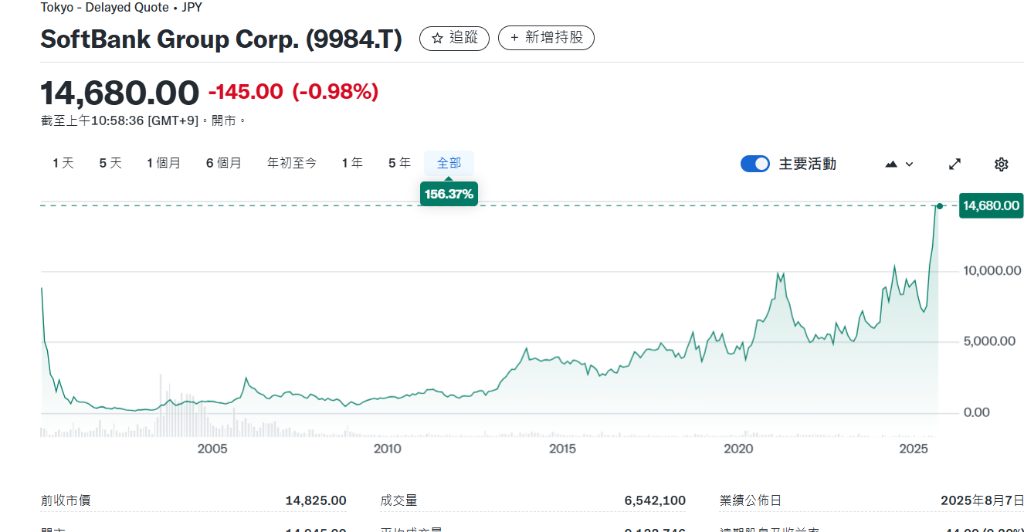
Core Insights - SoftBank's Vision Fund 2 has incurred a staggering loss of $22 billion, yet the soaring valuation of OpenAI has propelled SoftBank's stock to a record high, showcasing Masayoshi Son's ability to recover from crises [1][2][4] Investment Performance - The Vision Fund 2, launched in 2019, has lost $22 billion across investments in 280 companies, representing nearly one-third of its invested capital [4] - OpenAI's valuation has surged to $500 billion, nearly doubling SoftBank's previous investment value of $9.7 billion, which is crucial for offsetting the losses from Vision Fund 2 [2][4] Investment Strategy - SoftBank employed a high-leverage strategy for its investment in OpenAI, borrowing billions from various sources, including Japanese banks and private lenders like Apollo [4] - An additional investment of $22.5 billion in OpenAI is anticipated by the end of the year, potentially increasing SoftBank's stake to 12% if the deal is completed [4] Governance Concerns - Unlike the first Vision Fund, the second fund lacks external investors, leading to Masayoshi Son holding 17.25% of the fund, which ties his personal wealth closely to its performance [5] - Concerns have been raised regarding corporate governance, as Son's personal stake may diminish potential returns for SoftBank's shareholders [5] Concentration Risk - The potential additional investment in OpenAI could account for 34% of the total size of Vision Fund 2, raising alarms about high concentration risk reminiscent of past failures like the WeWork investment [6][7]
SoftBank founder Son makes his biggest bet by staking the Japanese giant's future on AI
CNBC· 2025-08-11 01:29
Core Viewpoint - Masayoshi Son, CEO of SoftBank, is betting on artificial intelligence (AI) to revolutionize technology, predicting the arrival of artificial superintelligence (ASI) within the next decade [2][5]. Group 1: SoftBank's AI Strategy - SoftBank has made significant investments in AI firms, aiming to position itself at the forefront of a technological shift [3][5]. - The company acquired chip designer Arm for approximately $32 billion in 2016, which is now valued at over $145 billion, and is focusing on AI infrastructure [6]. - SoftBank plans to invest around 4.8 trillion Japanese yen (approximately $32.7 billion) in OpenAI, among other AI-related companies [7]. Group 2: Historical Context and Vision - Son's vision for AI dates back over a decade, with early discussions about "brain computers" and robotics [11][12]. - The Vision Fund, launched in 2017 with $100 billion in capital, aimed to capitalize on AI advancements but faced challenges due to investments in companies like Uber and WeWork [13][14]. - Despite setbacks, Son remains committed to establishing a robust AI ecosystem that integrates various components of AI technology [9][10]. Group 3: Market Dynamics and Future Outlook - The AI sector is characterized by rapid advancements and high competition, particularly between U.S. and Chinese firms [21][22]. - SoftBank acknowledges the early stage of AI investment and believes there are still significant opportunities ahead [19][23]. - Son's long-term vision includes positioning SoftBank for sustained success over the next 300 years, reflecting his willingness to take substantial risks in pursuit of AI leadership [24][25].


X @The Wall Street Journal
The Wall Street Journal· 2025-07-30 00:25
Marketing & Branding - WeWork shifts from a "work-to-party" image to a more corporate and professional image in new advertising campaigns [1] - The company aims to evoke a more serious and less frivolous atmosphere, moving away from the "WeCrashed" vibe and towards a more "Office Space" feel [1]
X @The Wall Street Journal
The Wall Street Journal· 2025-07-29 13:42
Marketing & Branding - WeWork is shifting its marketing strategy away from a "work-to-party vibe" reminiscent of "WeCrashed" and towards a more traditional "Office Space" feel [1] Industry Focus - The shared workspace industry is evolving, with companies like WeWork adapting their image to appeal to a broader corporate audience [1]
WeWork上半年业务营运受打击 拟再冲击上市
Bei Jing Shang Bao· 2025-07-28 03:01
Core Viewpoint - WeWork is attempting to go public again through a merger with SPAC BowX Acquisition, aiming for a valuation of $9 billion, including debt, and will begin trading on the NYSE under the ticker WE starting October 21 [1][3]. Group 1: SPAC Merger Details - WeWork's merger partner is BowX Acquisition, which is a special purpose acquisition company (SPAC) that must find a promising company to merge with within a limited timeframe [3]. - Following the merger, global real estate advisor CBRE Group (CWK.US) plans to invest $150 million in WeWork, which is expected to enhance the company's long-term value [3]. - The SPAC route offers a quicker path to public listing compared to traditional IPOs, with the potential to go public in as little as two months [3]. Group 2: Historical Context and Financial Performance - WeWork previously attempted an IPO in August 2019 but withdrew due to a rapid decline in valuation caused by its unsustainable business model [3]. - The company reported a loss of $888 million in Q2 2021, with revenues of $593 million, a slight decrease from the previous quarter [4]. - Despite efforts to recover, including leadership changes and divesting non-core assets, WeWork continues to face significant losses, totaling $3.2 billion in 2020 and $2.1 billion in Q1 2021 [7]. Group 3: Market Trends and Future Outlook - The shared economy is showing signs of recovery post-pandemic, with companies like Airbnb successfully going public and experiencing significant market capitalization increases [6]. - WeWork anticipates a rebound in occupancy rates to 90% by the end of 2022, along with an adjusted EBITDA of $485 million for the same year [6]. - The company has adjusted its strategy by reducing aggressive expansion and focusing on core operations, cutting capital expenditures from $2.2 billion in 2019 to $49 million in 2020 [6].

劝君莫做孙正义
投资界· 2025-07-27 07:44
Core Viewpoint - The article discusses the investment journey of Masayoshi Son, highlighting his significant financial losses and gains, and his unique approach to investment that combines risk-taking with a keen eye for opportunity in technology and innovation [3][4][45]. Group 1: Investment Philosophy - Son's investment strategy is characterized by a willingness to take substantial risks, often leading to significant losses, but also to remarkable gains when successful [4][30]. - The article contrasts Son's approach with that of Warren Buffett, emphasizing that Son is not afraid to invest in innovative technologies, while Buffett prefers more traditional investments [43][45]. Group 2: Key Milestones in Son's Career - Son's career is marked by several pivotal moments, including his early investments in Yahoo and Alibaba, which yielded substantial returns, and his later struggles with WeWork and other ventures [9][23][25]. - The article notes that Son's ability to capitalize on emerging trends, such as the rise of the internet and artificial intelligence, has been a defining feature of his investment success [9][33]. Group 3: Current Challenges and Future Outlook - Despite past successes, Son faces challenges in the current investment landscape, particularly in the AI sector, where he has been criticized for not securing significant stakes in leading companies [34][41]. - The article suggests that Son's future in investment may hinge on his ability to navigate the evolving technology landscape and leverage his past experiences to identify new opportunities [39][46].