Neuralink

Search documents
Who is Neuralink's First Human Trial Patient?
Neura Pod – Neuralink· 2025-12-09 15:01
Who is Neuralink's first human trial patient. You might think it would be Elon's son or maybe even Bill Gates, but you'd be completely wrong. See, it's been nearly 2 years since Neuralink began their first human trial testing.And they just announced a British man had his surgery performed in London, which means 13 people in the world have a Neuralink today. But the first had to lead the way. Before getting this life-changing brain chip, each of these patients suffered through major challenges.The Neuralink ...


马斯克脑机接口公司重大突破,1.5秒快速植入电极,万人等待上脑
Xin Lang Cai Jing· 2025-12-09 13:26
Core Viewpoint - Neuralink is making significant advancements in brain-computer interface (BCI) technology, aiming to enhance the quality of life for patients with paralysis and other neurological conditions through innovative surgical techniques and devices [1][4]. Group 1: Technological Advancements - The speed of the new generation surgical robot for implanting single electrode wires has improved from 17 seconds to 1.5 seconds, making it adaptable for 99% of the global population [2]. - Over a dozen subjects are currently using the device for 8 hours daily, with more than 10,000 patients waiting for treatment [2]. - The new surgical robot has increased the speed of inserting single electrode wires by several times compared to existing robots [2]. - Neuralink is developing a new type of implant needle capable of penetrating over 50mm into the brain's surface to access a richer array of neurons [2][12]. - The manufacturing cost of the needle holder has been reduced by 95% [2]. Group 2: BCI Technology and Applications - BCI technology translates neural signals into output commands, enabling control of external devices, with initial goals focused on improving the lives of millions of paralyzed patients [4]. - The first product, "Telepathy," allows individuals with spinal cord injuries or ALS to control computers and mobile devices through thought [15]. - A subject was able to play the game "Civilization VI" for 9 hours after receiving the BCI implant, showcasing the potential for everyday applications [15]. Group 3: Future Prospects - Neuralink has made continuous technological progress since its establishment in 2016, with the first human brain chip implantation scheduled for 2024 [12]. - The company aims to make surgeries as routine as LASIK eye surgery, potentially completing procedures within an hour and even while patients are awake [6]. - The long-term vision includes achieving a high-density device with thousands of channels to record more neurons and gather more information [12].
AI全面进驻三甲医院精神科,未来2分钟就能生成一份抑郁状态报告
Di Yi Cai Jing· 2025-12-09 08:05
目前,AI在精神健康领域的应用仍处于探索与规范发展阶段,所有技术研发与临床试用均需严格遵循 各项法律法规,坚守医疗安全、数据安全、伦理合规底线。 "我们还在对大模型不断训练的结果加以分析,希望挖掘有临床参考价值的研究发现,为抑郁症辅助诊 疗策略优化提供新思路。"陈剑华对第一财经记者表示。 据第一财经记者了解,此类基于真实世界问诊对话训练的大模型项目在全球范围也不多见,团队前期在 数据采集、隐私保护、合规审核等方面投入大量的时间精力。"很多问诊对话信息当中还有一些涉及个 人隐私的敏感信息,我们需要把这些信息进行系统化脱敏处理,注重伦理保护隐私,确保数据使用全程 合规,才能用作训练AI大模型的语料。"陈剑华说道。 快速生成抑郁风险量化参考报告 抑郁症正在成为现代社会重要的精神疾病,而且年轻化趋势严重,抑郁症患者年龄越来越小。《2022年 国民抑郁症蓝皮书》显示,在中国抑郁症患者中,18岁以下人群占比超过30%;约50%的患病群体为在 校学生,其中41%曾因抑郁而休学。青少年抑郁症已成为我国一个重大的公共卫生问题,需要有效干预 和及时调整。 随着脑机接口、AI大模型等技术的发展,人工智能正在全面进驻三甲医院精神科。 ...
马斯克脑机神秘4号受试者“人间蒸发”?视频里开心说能工作养家糊口,私下却陷入放弃生命状态
Sou Hu Cai Jing· 2025-12-09 07:49
出品|搜狐科技 作者|郑松毅 编辑|杨锦 近日,渐冻症患者、京东前副总裁蔡磊在接受媒体采访时表示,"已做好准备尝试脑机接口"。在他看来,这项技术正在打开一扇新的大门,并相信 在未来人类能直接用思维与世界对话。 这番对技术突破身体禁锢的期待,与全球脑机接口领域的标杆企业——马斯克旗下Neuralink的探索方向不谋而合。也让越来越多的人,开始密切关 注这一领域进展。 马斯克一贯的激进风格,鲜明地体现在Neuralink的技术路线上——直接选择了高风险的侵入式植入方案:通过开颅手术,将微电极阵列植入大脑皮 层,与神经元建立物理连接,从而构建起人脑与外部设备之间的直接通信桥梁。 截止目前,Neuralink已完成13例脑机人体植入手术。在公开的术后视频中,脊髓损伤、渐冻症等患者展示着脑控机械臂进食、意念打字等超常动 作。"从科幻走进现实",成了这家企业最直观的标签。 然而,近日在海内外社媒疯传的一篇披露博文《四号病人到底在哪儿?》,撕开了外界赋予Neuralink的"技术神话"外衣,引发了对手术安全性、伦 理透明度与患者真实状况的质疑。 "消失"的四号受试者:Neuralink光环下的暗影 事件的起因是一名来自海外 ...
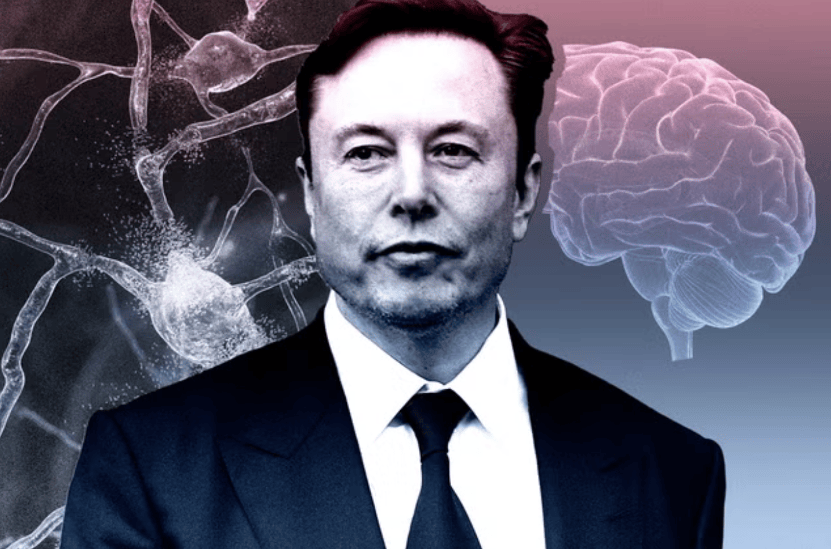
瞭望 | 解码中国侵入式脑机接口崛起
Xin Hua She· 2025-12-08 10:48
Core Viewpoint - The article discusses the advancements in invasive brain-computer interface (BCI) technology in China, highlighting its successful clinical trials and the collaborative ecosystem that supports its development [1][15]. Group 1: Clinical Trial and Technology Breakthrough - China's first invasive BCI clinical trial was successfully conducted, making it the second country after the United States to enter this phase [1][4]. - The trial participant, a male who lost his limbs due to an accident, can control a computer using his thoughts, demonstrating the technology's potential [1][2]. - The invasive BCI system is expected to receive regulatory approval by 2028, aiming to significantly improve the quality of life for patients with severe disabilities [4]. Group 2: Technical Challenges and Solutions - The invasive BCI technology faces three main scientific challenges: signal acquisition hardware, decoding technology, and safety verification [10][11]. - The system utilizes ultra-flexible electrodes to capture high-quality neural signals without damaging brain tissue, achieving a significant reduction in electrode size compared to competitors [11]. - Real-time decoding algorithms enable the system to translate neural signals into computer commands, adapting dynamically to the user's brain activity [12][13]. Group 3: Ecosystem and Collaborative Support - The rapid advancement of China's BCI technology is attributed to a well-structured ecosystem that includes top-level design and collaboration between medical and engineering fields [15][16]. - National initiatives like the "China Brain Project" and local support from Shanghai's government have created a robust framework for BCI research and development [16][18]. - Collaborative efforts among leading hospitals and research institutions have led to numerous clinical trials and the establishment of data-sharing alliances to enhance BCI technology [17][18].
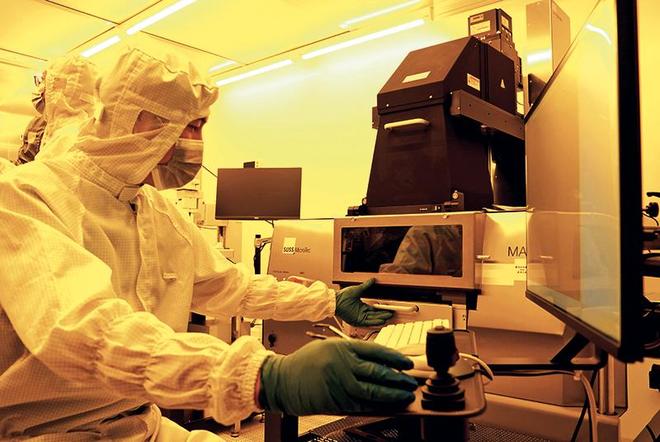
接入人脑,正在中国悄悄爆发
投资界· 2025-12-08 09:44
地球知识局 . 人文+地理+设计,全球视野新三观。 合作请联系:xiaobaibai_9999(注明品牌和需求) 以下文章来源于地球知识局 ,作者地球知识局 爆发元年。 作者/浮森黑子 来源/地球知识局 (ID:diqiuzhishiju) 前几天,马斯克抛出一个极具争议的预测:人类能在2 0年内将意识数字化,并上传到特 斯拉的人形机器人Op t imu s 中,达到类似"赛博克隆"的效果。 马斯克这发言在科学界堪称激进,看来未来数年是要死磕脑机接口。 现如今,AI如日中天,但在2 0 2 0年爆发之前,很少有人能预见它今天的盛况。这种现 象在科技前沿并不罕见,许多技术前景远大,但发展时间难以判断,直到爆发临界点到 来,行业外的人才会突然意识到原来它已经完成了蓄力。 今年,类似的迹象再次出现,又一个前沿领域——脑机接口——正被点燃。 脑机接口的爆发 2 0 2 4年至2 0 2 5年,是脑机接口从实验室走向现实的关键两年。 2 0 2 4年1月,马斯克的Ne u r a l i n k公司完成首例人类脑机植入手术。几个月后,受试者 仅凭意念就能控制电脑。这一成果的出现,让脑机接口首次从学术议题变成了可量化、 ...

修复瘫痪、增强常人,脑机接口会成未来人类「外挂」吗?
3 6 Ke· 2025-12-08 02:30
Core Insights - The brain-computer interface (BCI) sector is experiencing significant advancements and investments, particularly in Silicon Valley, with companies like Neuralink and Merge Labs leading the charge [1][2] - Chinese companies in the BCI space are taking a more pragmatic approach, focusing on clinical trials and product optimization within a regulated medical framework [1][2] Investment and Financing - Neuralink secured $650 million in funding, reaching a valuation of $9 billion, expanding its focus from severe motor function disorders to include conditions like aphasia and blindness [1] - Merge Labs, founded by Sam Altman, aims to raise $250 million to develop ultrasound technology for reading and modulating brain signals [1] - Synchron raised $200 million in Series D funding, while Paradromics received FDA approval for clinical trials in speech function restoration [1] Clinical Applications - The BCI technology is categorized into three main application areas: brain-controlled output, neural modulation, and sensory reconstruction [4] - The first prospective clinical trial of an invasive BCI system in China was completed by Ladder Medical at Huashan Hospital, with the product entering the "green channel" for expedited regulatory approval [2][4] Future Prospects - The next 5-10 years are expected to see BCI technology transition from medical applications to consumer healthcare, enhancing human-machine interaction and efficiency [5][12] - The potential for BCIs to enable users to control devices through thought alone is highlighted, with implications for both medical recovery and enhanced human capabilities [12][13] Technological Development - Ladder Medical's BCI system utilizes ultra-flexible electrodes, allowing for stable signal collection from the brain, with a minimally invasive implantation process [7] - The second-generation BCI system was recently launched, increasing electrode channels to 256 and expanding application scenarios beyond motor control to include language reconstruction [7] Data and AI Integration - The accumulation of single-cell data from BCIs is crucial for advancing neuroscience and improving product design [8][10] - AI and algorithms are expected to play a significant role in enhancing BCI performance, with the potential to create a foundational model for future patients [10][11] Human-Machine Integration - The relationship between BCIs and AI is seen as a dynamic process, where human intent can guide AI actions, leading to a more integrated human-machine experience [11][14] - The concept of BCIs serving as a bridge between carbon-based and silicon-based life forms is discussed, emphasizing the importance of maintaining human agency in the face of advancing AI [14]
怕老怕死卷疯了,科技大佬砸钱“买永生”
3 6 Ke· 2025-12-08 00:55
Core Viewpoint - The article discusses the rising trend of appearance anxiety in Silicon Valley, where tech workers are increasingly turning to cosmetic procedures to maintain a youthful appearance amid job insecurity and competitive work environments [1][3][31]. Group 1: Cosmetic Procedures in Silicon Valley - Appointment volumes at plastic surgery clinics in Silicon Valley have surged by 40% over the past six months, with two-thirds of clients being tech employees, averaging under 35 years old [1]. - The perception that youth equates to creativity has led some investors to openly state a preference for hiring younger individuals, further fueling the trend of cosmetic enhancements among tech workers [3]. Group 2: Wealthy Individuals and Anti-Aging Investments - High-profile Silicon Valley billionaires are investing heavily in anti-aging technologies, with Amazon founder Jeff Bezos investing $3 billion in a cellular rejuvenation company aimed at reversing cellular aging [6]. - Elon Musk has also engaged in various anti-aging treatments while developing technologies like Neuralink, which aims to upload human consciousness to the cloud for digital immortality [10]. Group 3: Extreme Anti-Aging Practices - Entrepreneur Bryan Johnson spends $2 million annually on a medical team for his anti-aging regimen, which includes blood exchanges with his son and father to create a "life perpetual motion machine" [15][17]. - Johnson's extreme practices include strict dietary controls, extensive exercise, and a rigorous skincare routine, reflecting a broader trend of obsessive self-care among the wealthy [21][23]. Group 4: Broader Implications in the Tech Industry - The anti-aging anxiety is not limited to Silicon Valley; it has spread to tech circles in China, with a reported 27% increase in male spending on cosmetic procedures in 2023 [31]. - The pressure to appear youthful is seen as a survival strategy in the tech industry, where layoffs can be influenced by perceived age and vitality [34]. Group 5: Capitalizing on Anti-Aging Trends - Bryan Johnson has turned his anti-aging pursuits into a business, selling supplements at inflated prices and hosting events that attract thousands, despite safety concerns about his products [40][42]. - The trend of wealthy individuals investing in anti-aging technologies is viewed as a form of "life insurance," with many seeking to extend their lives through capital and privilege [47][49].
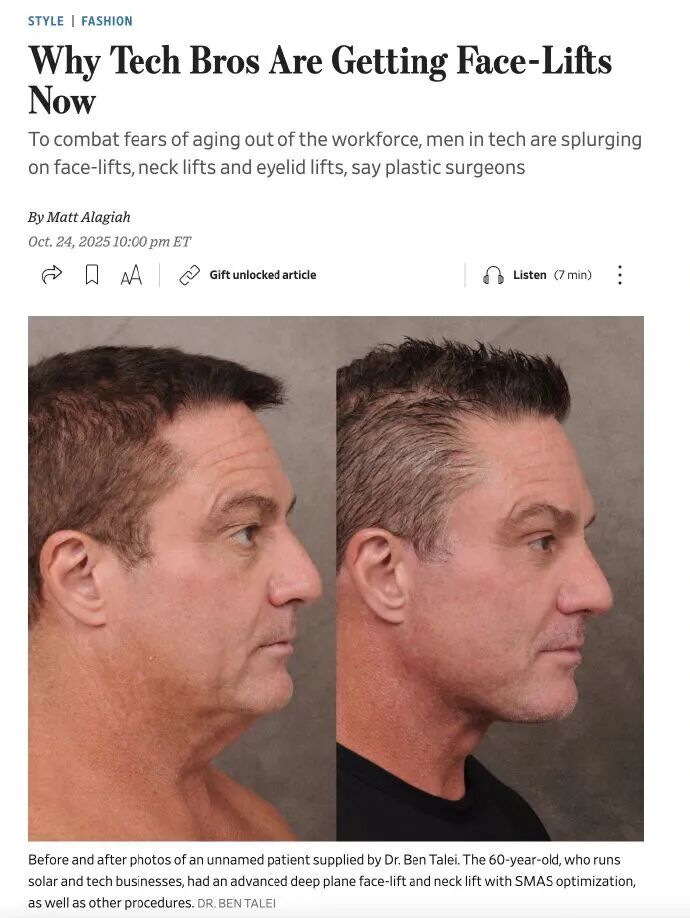
Neuralink Patient Controls a Robotic Arm Telepathically! (Interview w/ Nick Wray)
Neura Pod – Neuralink· 2025-12-07 20:59
Okay. So, this is you can kind of see I've got my wrap on. And then this picture that went everywhere. That picture is about one minute after taking my head wrap off that I had had on for a whole week. That smile is Oh, my head can breathe again. And uh it's not a small surgery like the they drill a hole about the size of a quarter. I think my implant is right about there. >> So Neuralink has now implanted their devices in at least 12 people. And we have the good fortune of talking with the eighth patient, ...

十五五规划十大投资机会:未来产业有哪些?
材料汇· 2025-12-07 15:30
Core Insights - The article emphasizes the development of emerging pillar industries and strategic emerging industry clusters such as new energy, new materials, aerospace, and low-altitude economy, which are expected to create several trillion-yuan markets [1][9]. - It also highlights the forward-looking layout of future industries, promoting quantum technology, biomanufacturing, hydrogen energy, nuclear fusion energy, brain-computer interfaces, embodied intelligence, and sixth-generation mobile communication as new economic growth points, with the potential to recreate a high-tech industry equivalent to another China in the next decade [1][9]. Group 1: Future Industries Overview - Future industries include six major focus areas and ten innovative flagship products, which are crucial for investment direction [2]. - The article outlines four key directions for capital market focus during the 14th Five-Year Plan period: future information, future space and security, future energy, and future health [10]. Group 2: Strategic Emerging Industries - The article discusses the acceleration of strategic emerging industries such as new generation information technology, biotechnology, new energy, new materials, high-end equipment, new energy vehicles, green environmental protection, and aerospace [6]. - It emphasizes the integration of the internet, big data, and artificial intelligence with various industries to foster advanced manufacturing clusters and cultivate new technologies, products, business formats, and models [6]. Group 3: Investment Opportunities - The article identifies ten major investment opportunities, including AI, aerospace, and renewable energy, with specific focus on the development of advanced materials, quantum information, integrated circuits, and intelligent manufacturing technologies [5][14]. - It highlights the importance of the aerospace sector, noting the increasing strategic layout in both China and the US, with initiatives aimed at enhancing commercial aerospace development and reducing regulatory barriers [14][16]. Group 4: Nuclear Fusion and Energy - The article discusses the potential of controlled nuclear fusion as a future energy source, outlining the industry chain that supports its commercialization, including upstream raw materials, midstream equipment manufacturing, and downstream power generation [29][31]. - It contrasts nuclear fusion with nuclear fission, highlighting the safety, sustainability, and environmental advantages of fusion energy [33][35].