Palantir Technologies Inc.

Search documents
美股软件“失火”、芯片“遭殃”、科技“跳水”
华尔街见闻· 2026-02-05 01:16
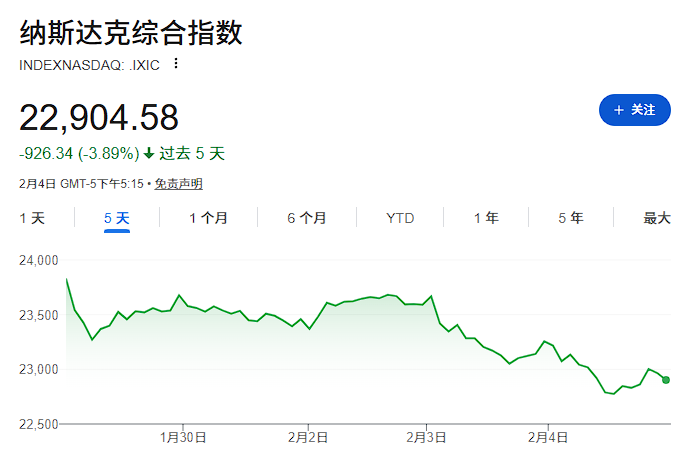
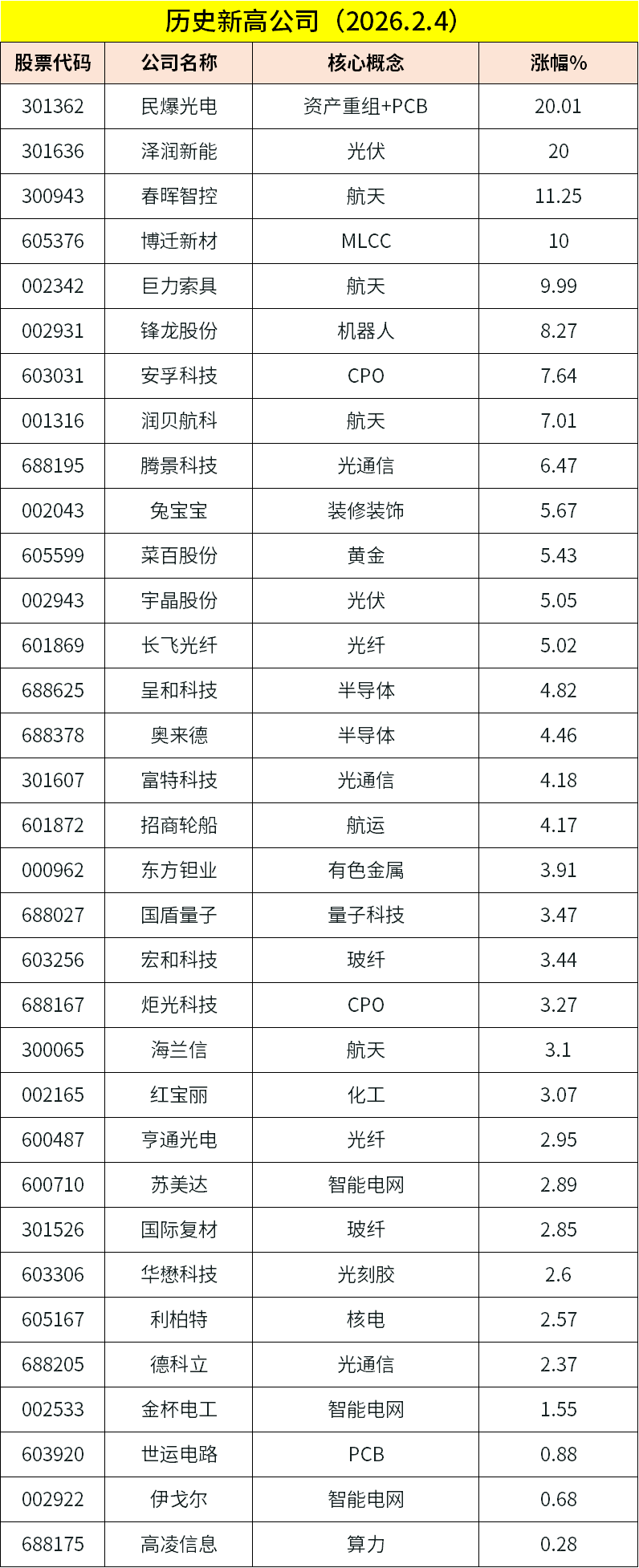
Core Viewpoint - Concerns in the software industry are rapidly evolving into a broader sell-off in the technology sector, with market panic spreading from the SaaS segment to semiconductors and AI infrastructure, significantly increasing pressure on tech stocks [2] Group 1: Market Reactions - The Nasdaq Composite Index experienced a decline, marking its first consecutive two-day drop of 1% since April of the previous year, primarily triggered by shaken investor confidence in the software industry's outlook [2] - Following the release of disappointing earnings, AMD's stock plummeted by 17%, marking its worst single-day performance since 2017 [8] - Palantir's stock fell by 12%, and SanDisk's stock dropped by 16%, with the sell-off also affecting major AI companies like Meta and Nvidia, which saw declines of 6.6% and 8.9% respectively [10] Group 2: Investor Sentiment and Valuation - There is growing concern that AI's impact on existing software business models may exceed expectations, leading to skepticism about whether tech giants can deliver on profit promises under high valuations [5] - High valuations have made the market extremely sensitive to any negative signals, prompting a rapid rotation of funds from tech stocks to traditional sectors [8][17] - The average price of loans for software companies has dropped from 94.71 cents at the end of last year to 91.27 cents, with approximately $25 billion in software loans classified as non-performing, representing nearly one-third of all bad loans [11] Group 3: AI Disruption and Overreaction - The market volatility reflects a reassessment by investors of companies facing potential disruption from AI, with analysts noting that the software industry is in a state of "pre-judgment" regarding AI risks [13] - Some industry executives and strategists argue that the sell-off may be overblown, with Nvidia's CEO stating that the pressure on software stocks is based on an illogical narrative that AI will replace them [14][15] - Baird's Antonelli suggests that enterprises are unlikely to abandon established enterprise software for untested alternatives, indicating that the market often reacts hastily to expensive stocks [16] Group 4: Fund Rotation Trends - Despite the turmoil in tech stocks, the market is not experiencing a broad retreat but rather a clear trend of fund rotation, with investors moving capital from chip stocks and large tech winners to more traditional sectors [17] - On a day when the S&P 500 index fell by 0.5%, 92 stocks reached new 52-week highs, the highest number of new highs in a single day since November 2024 [19] - This trading behavior is seen as a continuation of a trend, with recent news providing a catalyst for accelerating this shift [20]



去年4月以来最大跌幅,纳指“两连跌”:软件“失火”、芯片“遭殃”、科技“跳水”
Hua Er Jie Jian Wen· 2026-02-05 00:32
Core Viewpoint - Concerns in the software industry are rapidly evolving into a broader sell-off in the technology sector, with significant pressure on tech stocks as market panic spreads from the SaaS sector to semiconductors and AI infrastructure [1] Group 1: Market Reactions - The Nasdaq Composite Index experienced a decline, marking its first consecutive two-day drop of 1% since April of the previous year, driven by shaken investor confidence in the software industry's outlook [1] - Following the release of disappointing earnings, AMD's stock plummeted by 17%, marking its worst single-day performance since 2017 [4] - Palantir's stock fell by 12%, and SanDisk's stock dropped by 16%, with major AI companies like Meta and Nvidia also experiencing declines of 6.6% and 8.9%, respectively [7] Group 2: Valuation Concerns - High valuations are exacerbating market reactions, with current expectations being extremely high, leading to severe market responses [10] - The average price of loans for software companies has decreased from 94.71 cents at the end of last year to 91.27 cents, indicating a shift in investor sentiment [10] - Approximately $25 billion in software loans are classified as non-performing, representing nearly one-third of all bad loans [10] Group 3: AI Disruption and Overreaction - The market volatility reflects a reassessment of companies facing potential disruption from AI technologies, with the software industry perceived as having the highest risk exposure [11] - Some industry executives and strategists argue that the sell-off may be overblown, suggesting that fears of AI replacing software companies are unfounded [12] Group 4: Capital Rotation - Despite the turmoil in tech stocks, the market is not experiencing a broad retreat but rather a clear trend of capital rotation from chip stocks and large tech winners to more traditional sectors [13] - On the same day the S&P 500 index fell by 0.5%, 92 stocks reached 52-week highs, the highest number of new highs since November 2024 [13]

2月5日早餐 | 美股科技股继续走弱;谷歌资本开支超预期
Xuan Gu Bao· 2026-02-05 00:12
Market Overview - US economic data shows mixed results, with a strong services PMI and weak ADP employment figures. This has led to a sell-off in software stocks, which has spread to semiconductor and AI sectors. Funds are rotating into energy and materials sectors. The Nasdaq closed down 1.51%, while the Dow Jones rose 0.53% and the S&P 500 fell 0.51% [1] - The semiconductor index dropped 4.4%, with AMD experiencing a post-earnings plunge of 17%, marking its largest single-day drop in eight years. Other notable declines include Nvidia down 3.4% and Tesla down 3.78%, while Apple rose over 2% [1] Semiconductor Industry - Samsung Electronics is considering a price increase of about 10% for 4nm and 8nm processes, while TSMC has also been raising prices due to increased demand from AI. Reports suggest that some processes could see price hikes of up to 20% [10] - TSMC has raised its capital expenditure forecast for capacity expansion from $40.9 billion in 2025 to between $52 billion and $56 billion in 2026, reaching a historical high [10] AI and Technology - Alphabet, Google's parent company, plans to increase capital expenditures to between $175 billion and $185 billion, nearly double the total for 2025 [4] - Tencent has launched its first independent app for AI short dramas, indicating a growing trend in the digital entertainment sector [13][14] Financial Market Developments - The Nasdaq Golden Dragon China Index fell by 1.95%, with notable declines in companies like Kingsoft Cloud down over 7% and Alibaba down about 3%. JinkoSolar saw an increase of over 8% [2] - The US Treasury's quarterly refinancing plan met expectations, with the 30-year Treasury yield rising by 2 basis points to 4.92% [2] Commodities - Bitcoin dropped over 5% to around $72,000, while Ethereum fell more than 5%, reaching a nine-month low. COMEX gold futures rose by 0.98% to $4,984.20 per ounce, and WTI crude oil futures increased by 3.05% to $65.14 per barrel [3]
【环球财经】权重科技股遭抛售 纽约股市三大股指4日涨跌不一
Xin Lang Cai Jing· 2026-02-04 23:51
转自:新华财经 美国自动数据处理公司(ADP)4日盘前发布的数据显示,1月美国私营部门就业岗位增加2.2万个,低 于市场预期的4.5万个,前一月数值则从4.1万个修正为3.7万个。 美国供应管理学会当日上午发布的数据显示,美国1月份服务业采购经理人指数为53.8%,为连续第19 个月处于扩张区间,前月数值则从54.4修订为53.8。 美国劳工部劳工统计局4日表示,受美国联邦政府近日部分停摆影响,原定于6日发布的1月份非农就业 数据将于11日公布。 美国财政部长贝森特4日在出席参议院金融服务委员会听证会时表示,美联储的独立性给予美国人对其 信赖,而美联储因让通胀失控并损害人们的收入已经失去了他们的信赖。 新华财经纽约2月4日电(记者刘亚南)由于投资者抛售权重科技股并转向买入价值股,纽约股市三大股 指4日开盘时涨跌不一,午后有所走高,尾盘回落,收盘时纽约股市三大股指涨跌不一。 截至当天收盘,道琼斯工业平均指数比前一交易日上涨260.31点,收于49501.3点,涨幅为0.53%;标准 普尔500种股票指数下跌35.09点,收于6882.72点,跌幅为0.51%;纳斯达克综合指数下跌350.606点,收 于2290 ...


华尔街见闻早餐FM-Radio | 2026年2月5日
Hua Er Jie Jian Wen· 2026-02-04 23:28
华见早安之声 请各位听众升级为见闻最新版APP,以便成功收听以下音频。 市场概述 美国数据好坏参半,服务业PMI强劲,ADP就业疲软。软件股抛售潮蔓延至半导体、AI等。资金轮动至能源、材料等板块。纳指跌1.51%,道指涨0.53%。 大型科技股再度严重跑输。半导体指数大跌4.4%。AMD绩后暴跌17%,创8年最大日跌幅。Palantir大跌12%。闪迪跌近16%。盘后谷歌跌超2%。 美国财政部公布的季度再融资计划符合预期,30年期美债收益率涨2个基点至4.92%,2年期美债收益率微跌1个基点至3.56%。美元涨0.3%,收复昨日跌幅。 比特币大跌,日内跌逾5%至7.2万美元附近。以太坊跌超5%,创九个月新低。 现货黄金一度重回5000美元上方,但未能守住,最终涨0.3%。现货白银涨3%。 亚洲时段,沪指午后拉升重返4100点,光伏爆发掀涨停潮,科技股全线下跌,恒科指跌超1%,腾讯跌近4%,沪银暴涨11%。 要闻 中国 美国1月ISM服务业PMI创2024年以来新高,就业几乎没扩张,价格指数攀升。 习近平同美国总统特朗普通电话。 习近平同俄罗斯总统普京举行视频会晤。 中国央行:着力支持扩大内需、科技创新、中小微 ...

Thinking of Buying the Dip in Palantir's Stock? Don't Overlook These 2 Red Flags.
Yahoo Finance· 2026-02-04 22:36
Core Viewpoint - Palantir Technologies' stock experienced a brief surge following its earnings report, but has since declined, trading below pre-report levels, despite strong revenue and profit growth [1] Group 1: Financial Performance - Palantir reported a 70% year-over-year revenue growth in Q4, an acceleration from 63% in Q3, with net income rising from $77 million to approximately $612 million [3] - The company's U.S. commercial revenue increased by 137% year-over-year, while U.S. government revenue saw a 66% boost [3] Group 2: Valuation Concerns - Palantir's current valuation stands at about 222 times earnings, suggesting that such growth rates should be anticipated [4] Group 3: Customer Metrics - The customer count grew by 34% year-over-year in Q4, a significant slowdown from 45% in the previous quarter, with sequential growth also decelerating from 7% in Q3 to 5% in Q4 [5] Group 4: Contract Value Metrics - The total contract value (TCV) closed in Q4 was approximately $4.3 billion, reflecting a 138% year-over-year increase, but this was a deceleration from 151% growth in Q3, where TCV was about $2.8 billion [6][7]
Earnings live: Qualcomm stock dives as memory chip shortage weighs on outlook, Alphabet boosts AI spending
Yahoo Finance· 2026-02-04 21:32
Group 1 - The fourth quarter earnings season is ongoing, with major companies like Alphabet, Amazon, AMD, Qualcomm, and Palantir reporting results [1] - As of January 30, 33% of S&P 500 companies have reported their fourth quarter results, with an estimated 11.9% increase in earnings per share, marking the 10th consecutive quarter of annual earnings growth for the index [2][4] - Analysts initially expected an 8.3% increase in earnings per share, which was revised upwards due to strong performance from tech companies [4] Group 2 - Big Tech results are influencing market trends, with ongoing capital expenditures and themes such as artificial intelligence and economic policies continuing to impact investor sentiment [5] - Upcoming earnings reports will include updates from companies like Disney, Chipotle, PepsiCo, Uber, and Snap, indicating a broad interest in various sectors [5]



NVIDIA vs. Palantir: One AI Stock is a Clear Buy Right Now
ZACKS· 2026-02-04 21:06
Core Insights - The rise of artificial intelligence (AI) has significantly boosted the stock performance of NVIDIA Corporation (NVDA) and Palantir Technologies Inc. (PLTR), with Palantir's shares outperforming NVIDIA's over the past year [1] Group 1: NVIDIA Corporation (NVDA) - Eased U.S.-China trade tensions have allowed Chinese tech companies to purchase NVIDIA's H200 AI chips, potentially enhancing NVIDIA's sales [2] - Projected data center spending is expected to reach between $3 trillion and $4 trillion annually by 2030, providing NVIDIA with substantial revenue growth opportunities [3] - NVIDIA anticipates fiscal fourth-quarter 2026 revenues to approach $65 billion, with a year-over-year increase of 62% and a sequential increase of 22% in third-quarter fiscal 2026 revenues, which reached $57 billion [4] - NVIDIA's return on equity (ROE) stands at 103.9%, indicating stronger profitability compared to Palantir [12] - NVIDIA's shares are relatively more affordable, trading at a price/earnings ratio of 38.67 compared to Palantir's 151.81 [13] Group 2: Palantir Technologies Inc. (PLTR) - Palantir has reported strong quarterly results driven by rising demand for its Artificial Intelligence Platform (AIP), which is increasingly adopted by U.S. commercial clients and government [5] - For the fourth quarter of 2025, Palantir's revenues from U.S. commercial clients surged 137% year over year to $507 million, while government revenues increased 66% year over year to $570 million [6] - Palantir's future revenue forecast for full-year 2026 is between $7.182 billion and $7.198 billion, more than double its 2025 revenue of $3.320 billion [7] - Palantir's competitive advantage is supported by its platforms, Gotham and Foundry, which face minimal competition, ensuring predictable cash flows [8] - However, Palantir's reliance on government contracts poses risks, particularly in the event of defense budget cuts [10]

Do Stock Sell-Offs Pay Off? These Experts Warn Not to ‘Bottom Feed' on New Lows
Investopedia· 2026-02-04 19:26
Core Insights - The article discusses the risks associated with buying stocks at new lows, particularly in the technology sector, and emphasizes that beaten-down shares may not be as attractive as they appear [1] Group 1: Market Trends - Recent sell-offs in technology stocks, including companies like Adobe, Salesforce, Intuit, and Workday, have led to many trading around 52-week lows [1] - Analysts warn against the common strategy of "buying the dip," suggesting that stocks making new lows often continue to decline [1] Group 2: Academic Insights - Research from Erasmus University and Northern Trust indicates that stocks with positive price momentum tend to yield better returns, while those with weak momentum continue to underperform [1] - The study analyzed long-short stock portfolios from 1990 to 2024, showing that winners keep winning and losers keep losing [1] Group 3: Market Recovery Patterns - Deutsche Bank's macro strategist notes that the year has seen sharp sell-offs that often recover quickly, with no lasting damage inflicted on the market [1] - Historical patterns suggest that significant market downturns are typically associated with negative macroeconomic reassessments, which have not been observed recently [1]


Here's how to navigate the pullback in software stocks
Youtube· 2026-02-04 18:50
Market Overview - The S&P 500 is down about half a percent, while the Nasdaq has decreased by approximately one and a half percent, and small caps are down over 1%. Conversely, the Dow is up over half a percent [1]. Software Sector Weakness - There is notable weakness in the software sector attributed to concerns over AI disruption, with companies like Palantir experiencing double-digit declines following earnings reports [2][3]. - The investment community appears fatigued with AI narratives, leading to a lack of significant price recovery in the software sector [3]. Market Rotation - The market is undergoing an internal rotation rather than a broad decline, with shifts from software to semiconductors, large caps to small caps, and from tech to industrials, energy, and materials [4]. - Currently, there is a rotation from momentum strategies to quality strategies, with significant declines in momentum ETFs [5][6]. Sentiment and Selling Pressure - The software sector is experiencing indiscriminate selling, which may be overdone, presenting potential buying opportunities despite the ongoing disruption concerns [7][9]. - Earnings in the software sector have been revised higher by 10% since September, yet the group is facing a 30% drawdown, indicating a disconnect between fundamentals and price action [11]. Investment Strategy - Investors are advised to focus on cash-rich companies and quality stocks, as fundamentals are becoming more aligned with price action in various market segments [10]. - The current environment suggests that while there may be opportunities, a cautious approach is warranted, with a preference for individual stock selection over broad ETFs [20][25]. Future Outlook - The software sector is expected to experience continued volatility, particularly with upcoming earnings reports and uncertainty surrounding the new Fed chair [16][17]. - There is a significant multiple compression in the software sector, currently at about 32%, which may eventually stabilize and reverse [18].