TotalEnergies SE

Search documents
石油化工行业周报第416期:海外油气巨头25H1业绩下滑,IEA再度下调25年原油需求预期-20250817
EBSCN· 2025-08-17 13:06
Investment Rating - The report maintains an "Overweight" rating for the oil and gas sector [5] Core Viewpoints - The performance of major international oil companies declined in H1 2025 due to falling oil prices and low refining margins, with net profits for ExxonMobil, Chevron, Shell, Total, and BP showing year-on-year decreases of -15.3%, -39.7%, -22.9%, -31.2%, and -31.8% respectively [1][9][10] - The IEA has revised down its global oil demand growth forecast for 2025 and 2026, primarily due to weaker-than-expected demand from emerging markets like China, India, and Brazil [3][24] - Despite the oversupply pressure on oil prices, geopolitical risks from sanctions on Russia and Iran add uncertainty to the market [3][24] Summary by Sections Section 1: Performance of Major Oil Companies - In H1 2025, the average Brent crude oil price was $70.81 per barrel, a decrease of 15.1% year-on-year, with Q2 averaging $66.71 per barrel, down 21.5% [1][10] - Refining margins for Shell, Total, and BP fell by 24.4%, 44.4%, and 26.2% respectively, indicating a challenging refining market [1][10] - Natural gas prices increased, with Henry Hub and TTF averages rising by 66.8% and 38.9% year-on-year, but major companies like Shell and BP did not achieve year-on-year growth in their gas business due to lagging contract prices and production declines [1][10] Section 2: Oil and Gas Production Growth - The total oil and gas equivalent production of the five major international oil companies grew by 2.96% year-on-year in H1 2025, with ExxonMobil achieving a 15.5% increase in crude oil production due to rapid output from the Guyana block [2][18] - Cost control measures helped mitigate some performance volatility, with ExxonMobil's upstream profit only declining by 4.5% due to effective cost management [2][21] Section 3: IEA Oil Demand Forecast - The IEA has lowered its oil demand growth forecast for 2025 by 20,000 barrels per day, now expecting an increase of 680,000 barrels per day [3][24] - The IEA anticipates that OPEC+ will increase production by 1.2 million barrels per day in 2025, contributing to a total supply increase of 2.5 million barrels per day [3][24] Section 4: Investment Recommendations - The report suggests a continued positive outlook for major Chinese oil companies and oil service sectors, as well as for chemical products in the long term [4] - Specific companies to watch include China National Petroleum Corporation, Sinopec, CNOOC, and various oil service engineering firms [4]


邓正红能源软实力:油价下行压力加大 全球石油供需失衡加剧 石油巨头骤降利润
Sou Hu Cai Jing· 2025-08-17 03:39
Group 1 - The global oil supply-demand imbalance is worsening, with geopolitical turmoil and policy conflicts making oil price forecasts uncertain [1][2] - OPEC's production increase and non-OPEC capacity release are undermining traditional pricing power, leading to a decline in oil giants' profits by an average of 25% [1][4] - The International Energy Agency has raised global oil supply growth forecasts while lowering demand growth, indicating persistent market imbalance risks [1][3] Group 2 - OPEC is attempting to balance regaining market share and avoiding significant price drops to protect profits, amid unpredictable U.S. trade policies and geopolitical tensions [2][3] - Major oil companies have reported significant profit declines, with ExxonMobil down 15%, Chevron down 40%, Shell down 23%, and TotalEnergies down 32% [2][4] - The potential easing of sanctions on Russian oil could increase global supply and exert downward pressure on prices, while a slowdown in European demand is expected [2][3] Group 3 - The soft power dynamics behind supply-demand imbalances are characterized by a decline in policy effectiveness, with OPEC's daily production increase of 547,000 barrels countered by non-OPEC contributions [3][4] - The geopolitical landscape is shifting, with U.S. sanctions on Russia creating "institutional arbitrage," as India engages in trade that could affect Russian oil exports [3][4] - The introduction of new LNG capacities from the U.S. and Qatar is expected to further depress oil prices, particularly as European demand is projected to decline [4]


【财经分析】全球石油市场供需进一步失衡 油价下行压力加大
Xin Hua Cai Jing· 2025-08-14 12:00
Core Viewpoint - The International Energy Agency (IEA) has raised its forecast for global oil supply growth while lowering the demand growth forecast, indicating a persistent risk of market imbalance [1][2]. Supply and Demand Summary - The IEA expects global oil supply to increase by an average of 2.5 million barrels per day in 2025, up by 370,000 barrels from last month's estimate, and 1.9 million barrels per day in 2026, an increase of 620,000 barrels [2]. - Non-OPEC oil-producing countries are projected to be the main contributors to supply growth, contributing 1.3 million barrels per day in 2025 and 1 million barrels per day in 2026 [2]. - Global oil demand growth forecasts have been revised down by a total of 350,000 barrels per day since the beginning of the year, with expectations of 680,000 barrels per day in 2025 and 700,000 barrels per day in 2026, both down by 20,000 barrels from previous estimates [2]. Price Pressure Summary - Oil prices are under increasing downward pressure due to various factors, including geopolitical tensions and economic slowdown, with Brent crude futures hovering around $70 per barrel in July and dropping to approximately $67 per barrel following an August production agreement [3][4]. - Following the IEA's report on August 13, Brent crude futures for October delivery briefly fell to $65.93 per barrel [3]. OPEC Production Decisions - OPEC has been gradually increasing oil production since April, after multiple cuts to address falling prices, with a recent announcement to increase production by 547,000 barrels per day in September [4]. - Analysts suggest that OPEC may need to pause production increases to avoid exacerbating supply surplus, especially as market conditions remain uncertain [4]. Geopolitical and Economic Factors - Analysts believe that the unpredictable U.S. trade policies and global geopolitical instability threaten both supply and demand in the oil market, making future predictions challenging [5]. - The upcoming U.S.-Russia presidential meeting is seen as a critical moment for the market, with potential implications for sanctions on Russian oil [5]. - The decline in global oil prices since spring has significantly impacted the profits of major oil companies, with ExxonMobil's net profit down 15%, Chevron down 40%, Shell down 23%, and TotalEnergies down 32% in the first half of the year [5][6].
石油市场每周宏观观察-Oil Markets Weekly Zugzwang
2025-08-14 02:44
Summary of Key Points from the Conference Call Industry Overview - The conference call primarily discusses the oil market dynamics, particularly in relation to the geopolitical tensions involving Russia and Ukraine, and the implications for global oil prices and supply chains. Core Insights and Arguments 1. **Geopolitical Tensions**: President Trump has shortened the deadline for Russia to cease hostilities in Ukraine from 50 days to 10 days, indicating a more aggressive stance against Russia [2][6][10]. 2. **Potential Sanctions**: Trump has threatened to impose 100% secondary tariffs on countries purchasing Russian oil, including China, India, and Brazil, if Russia does not agree to a ceasefire by September 2 [2][6][10]. 3. **Oil Price Projections**: If both Russia and the US take action, oil prices could spike significantly due to supply restrictions. Conversely, if no action is taken, prices are expected to decline to $60 per barrel by year-end [4][6][10]. 4. **Impact of Sanctions on Oil Exports**: India may comply with US sanctions, risking up to 2.3 million barrels per day (mbd) of Russian oil exports, while China has indicated it will maintain its current purchasing levels [6][10][21]. 5. **OPEC's Capacity**: OPEC's spare capacity is insufficient to offset potential losses from Russian oil exports, which could lead to higher oil prices [6][10][20]. 6. **Caspian Pipeline Consortium (CPC)**: Russia may respond to sanctions by closing the CPC pipeline, which exports 1.5-1.6 mbd of Kazakh crude, significantly impacting global oil supply [12][23][28]. 7. **China's Position**: China has resisted US pressure to reduce its oil purchases from Russia, indicating a strategic alignment with Moscow [21][23]. 8. **India's Oil Imports**: India currently imports around 1.8 mbd of Russian crude, which constitutes about 35% of its total crude imports, a significant increase from 2% pre-war [21][23]. 9. **Global Supply Dynamics**: Global oil supply is expected to rise by about 1 mbd by year-end, but this increase is uncertain due to geopolitical factors and OPEC's relationship with Russia [10][20]. Additional Important Content 1. **Market Volatility**: The current geopolitical landscape suggests that any military escalation could lead to significant volatility in oil prices, with potential spikes if supply is restricted [4][10][11]. 2. **Long-term Supply Outlook**: Projections indicate that while short-term supply may increase, long-term sustainability remains a concern, particularly with geopolitical tensions affecting production decisions [20][22][36]. 3. **US Consumer Prices**: High oil prices could deter Trump from taking drastic actions, as they may adversely affect US consumer prices, which he has promised to lower [10][11][12]. 4. **Regulatory Influence**: Russia's regulatory authority over the CPC has been highlighted as a potential tool for retaliating against Western sanctions, showcasing the geopolitical leverage in oil exports [23][26][28]. This summary encapsulates the critical insights and implications for the oil market as discussed in the conference call, reflecting the interplay between geopolitical actions and market dynamics.
X @Bloomberg
Bloomberg· 2025-08-13 20:22
Regulatory Landscape - A South African court overturned TotalEnergies' environmental authorization for offshore oil exploration [1] Company Impact - TotalEnergies' oil exploration block offshore South Africa's west coast faces regulatory setback [1]
NextDecade's Rio Grande LNG Project Secures Major Funding Boost
ZACKS· 2025-08-13 15:10
Core Insights - NextDecade Corporation has secured a commitment of $1.8 billion for the expansion of the Rio Grande LNG plant, with TotalEnergies and Global Infrastructure Partners contributing to the financing [1][9] - The total funding for the expansion project has reached $3 billion, with NextDecade contributing an additional $1.2 billion for a 40% interest in the fourth liquefaction train [3] - The estimated project costs for Train 4 and related infrastructure are between $6 billion and $6.2 billion, which aligns with previous phases of the project [4] Investment Details - TotalEnergies will invest $300 million for a 10% stake in Train 4, while GIP will invest $1.5 billion for a 50% stake [2][9] - If Train 4 meets specific return on investment targets, NextDecade's ownership stake could increase to 60%, reducing GIP's stake to 30% [2] Capacity and Export Implications - The addition of Train 4 and the proposed Train 5 is expected to increase the total capacity of the Rio Grande LNG facility by 10.8 million tons per annum (mtpa) [4][9] - The Rio Grande project is positioned to enhance U.S. LNG exports, reinforcing the country's status as the largest global exporter of LNG [4]

The Smartest Energy Stocks to Buy With $1,000 Right Now
The Motley Fool· 2025-08-13 11:29
Core Insights - The energy sector is undergoing significant changes, with a clear growth advantage for low- or no-carbon energy sources, positioning companies like NextEra Energy, TotalEnergies, and Enbridge favorably for future investments [2][9] Group 1: NextEra Energy - NextEra Energy operates a regulated utility in Florida, benefiting from in-migration and becoming one of the largest regulated utilities in the U.S. [3] - The company has developed one of the largest wind and solar operations globally, contributing to an average dividend growth of around 10% per year over the past decade, with a current yield of 3.2% [4] - A $1,000 investment in NextEra Energy would yield approximately 14 shares [4] Group 2: TotalEnergies - TotalEnergies is transitioning from oil to cleaner energy sources, focusing on natural gas and expanding its electricity and renewable power business [5][6] - The integrated power business grew by 17% in 2024, contributing about 10% to operating segment income, with a dividend yield of 6.4% [6] - A $1,000 investment in TotalEnergies would result in around 16 shares [6] Group 3: Enbridge - Enbridge operates as a North American pipeline giant, focusing on moving oil and natural gas rather than producing it, providing stable cash flows [7] - The company is shifting towards natural gas and has acquired three regulated natural gas utilities, while also investing in clean energy projects like offshore wind in Europe [8] - Enbridge boasts a dividend yield of 5.8%, with increases over the past 30 years, and a $1,000 investment would yield approximately 21 shares [7][8]


纳米比亚海上石油梦渐成
Zhong Guo Hua Gong Bao· 2025-08-13 06:06
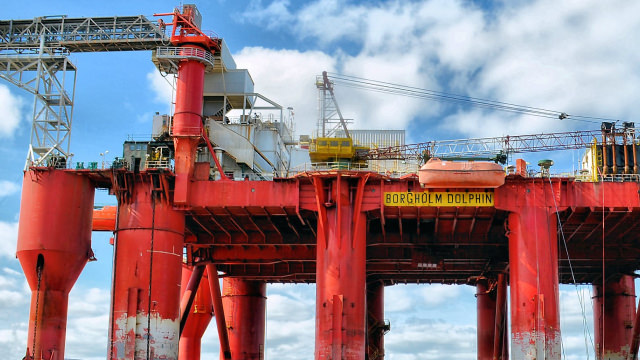
Group 1 - The global oil industry's demand for low-cost, scalable oil and gas reserves is driving a development boom in Namibia, which is becoming an emerging energy investment hotspot due to its business-friendly policies, favorable tax regimes, and political stability [1] - Galp Energy has begun receiving acquisition offers for the giant Mopani oil field off the coast of Namibia, indicating that Africa's most promising new oil and gas frontier is moving towards commercialization [1] - TotalEnergies is advancing its Venus oil field development, with a final investment decision expected in early 2026 and a target to achieve first oil by 2029, despite facing challenges with ultra-deepwater technology [1] Group 2 - If the projects by Shell (Graff/Jonker), Galp (Mopani), and TotalEnergies (Venus) progress smoothly, Namibia could become a medium-sized oil producer by around 2035, with peak production expected to reach 300,000 to 400,000 barrels per day [2] - Namibia currently lacks essential infrastructure such as deepwater pipelines, refineries, and port facilities for offshore oil production, but most operators are opting for Floating Production Storage and Offloading (FPSO) units to circumvent land-based limitations [2] - Despite existing challenges, if the Galp transaction is completed and TotalEnergies proceeds as planned, Namibia is expected to produce its first barrel of oil by 2027, potentially providing a stabilizing factor in a tightening global oil market [2]
桑给巴尔发展体育运动
Shang Wu Bu Wang Zhan· 2025-08-13 04:02
近日,据桑给巴尔《每日新闻》报道,桑给巴尔大力发展体育运动,积极参与举办各 类重大国际体育赛事,道达尔能源非洲国家锦标赛(CHAN)由肯尼亚、坦桑尼亚和乌 干达联合主办,中非共和国、马达加斯加、毛里塔尼亚和布基纳法索等国家参加,8月 2日至30日在达累斯萨拉姆、桑给巴尔、坎帕拉和内罗毕举行。激动人心的比赛、热情 洋溢的观众以及开场便闪耀的精彩竞技,注定将成为最令人难忘的赛事。 (原标题:桑给巴尔发展体育运动) ...
爱尔兰石油巨头突然撤出俄罗斯!20年基业一朝清算,俄石油再迎变局?
Sou Hu Cai Jing· 2025-08-12 22:30
Core Viewpoint - The announcement of PetroNeft's liquidation marks the end of an era for the Russian oil industry, highlighting the significant impact of Western energy companies' withdrawal since the onset of the Russia-Ukraine conflict [1][3][8]. Group 1: Withdrawal of Western Energy Companies - Major Western energy companies, including BP, Shell, and ExxonMobil, have collectively exited the Russian market, resulting in losses exceeding €100 billion for European firms [3][4]. - BP's divestment of its 19.75% stake in Rosneft led to a loss of $25.5 billion, while other companies followed suit within days, abandoning projects like the Nord Stream 2 pipeline [3][4]. Group 2: Reasons for Withdrawal - The withdrawal is driven by three main pressures: severe political conditions due to sanctions, significant economic losses from asset nationalization, and a critical shortage of technology that has crippled Russian oil production [4]. - The Russian government has nationalized foreign assets, leading to ExxonMobil's $4 billion Sakhalin project being seized, and TotalEnergies' $14.8 billion investment becoming worthless overnight [4]. Group 3: Consequences for the Russian Oil Industry - The lack of essential components has led to widespread shutdowns in Russian refineries, with projections indicating a historic low in petrochemical production capacity by 2025 [4]. - Oil production has been severely impacted, with a 30% reduction in output from the Sakhalin-1 project due to the withdrawal of deep-water drilling technology [4]. Group 4: Financial Crisis in Russia - The EU's embargo has resulted in 1.5 million barrels of oil per day being unsold, with India purchasing at discounted rates but complicating repatriation of funds due to currency issues [4][6]. - The Russian central bank has raised interest rates to 20% to stabilize the ruble, which has depreciated to 114 rubles per dollar, with inflation exceeding 15% [4]. Group 5: Limited Support from Other Markets - Attempts to sell overseas assets, such as the $20 billion offer for Nayara Energy, have been met with rejection from Indian firms and caution from Saudi Aramco due to potential secondary sanctions [6]. - Domestic companies are struggling with funding shortages, and even state-owned Rosneft, with over 80% debt, is unable to provide financial support [6]. Group 6: China's Role - China has emerged as a partial lifeline, with PetroChina agreeing to purchase 500,000 barrels of oil daily, but under unfavorable terms for Russia, including a 30% discount on international prices [8]. - Russian upstream exploration projects are stalled due to technology restrictions, with Chinese firms unwilling to invest directly in oil fields [8].