特步国际

Search documents
特步国际(01368) - 截至二零二五年七月三十一日止月份股份发行人的证券变动月报表
2025-08-04 09:31
致:香港交易及結算所有限公司 公司名稱: 特步國際控股有限公司 股份發行人及根據《上市規則》第十九B章上市的香港預託證券發行人的證券變動月報表 截至月份: 2025年7月31日 狀態: 新提交 呈交日期: 2025年8月4日 I. 法定/註冊股本變動 | 1. 股份分類 | 普通股 | 股份類別 | 不適用 | | | 於香港聯交所上市 (註1) | 是 | | | --- | --- | --- | --- | --- | --- | --- | --- | --- | | 證券代號 (如上市) | 01368 | 說明 | 不適用 | | | | | | | | | 法定/註冊股份數目 | | | 面值 | | 法定/註冊股本 | | | 上月底結存 | | | 100,000,000,000 | HKD | | 0.01 HKD | | 1,000,000,000 | | 增加 / 減少 (-) | | | | | | HKD | | | | 本月底結存 | | | 100,000,000,000 | HKD | | 0.01 HKD | | 1,000,000,000 | 本月底法定/註冊股本總額: ...
25家赞助商已入局,成都世运会为何值得品牌关注?
3 6 Ke· 2025-08-04 02:48
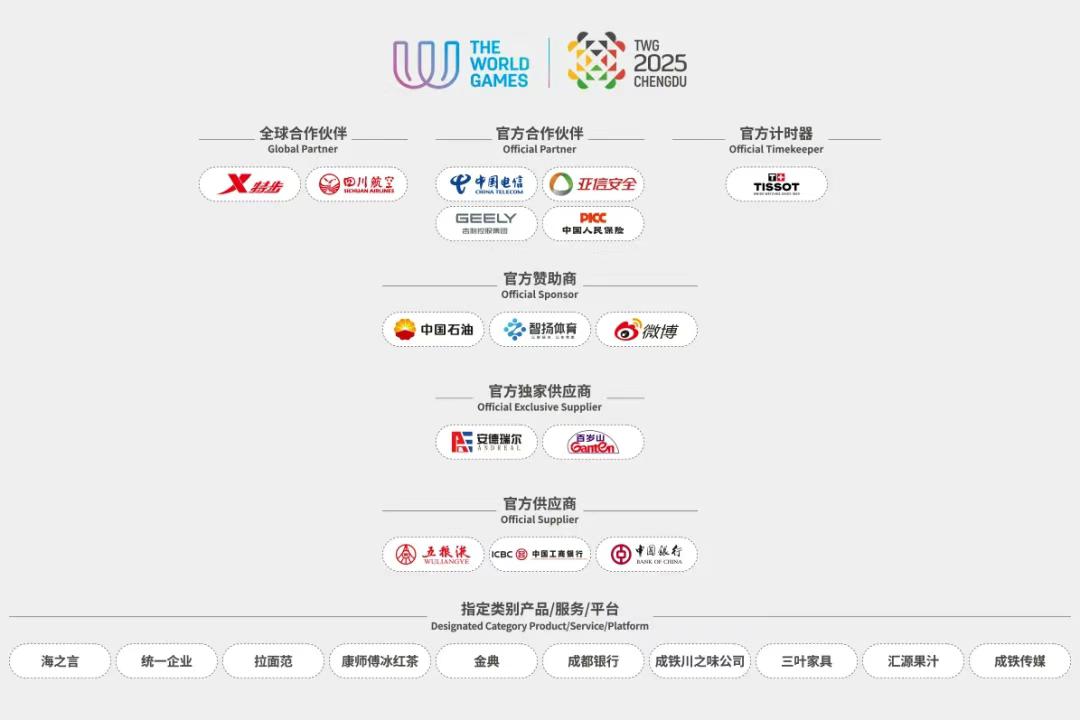
Group 1: Event Overview - The 12th World Games will be held in Chengdu, China from August 7 to 17, marking the first time the event is hosted in mainland China [1] - The event will feature 34 major sports, 60 sub-sports, and 256 events, with a record participation of 489 athletes from China, including 321 athletes competing in 28 major sports and 152 sub-events [1] - This edition will also see the participation of disabled athletes for the first time, with 12 major sports being represented for the first time by the Chinese delegation [1] Group 2: Sponsorship Landscape - The Chengdu World Games has seven sponsorship tiers, including global partners like Xtep and Sichuan Airlines, and official partners such as China Telecom and Geely [2] - The number of sponsors for the World Games is significantly lower than that of the previous Chengdu Universiade, which had over 50 sponsors across five tiers [4] - The difference in sponsorship numbers is attributed to the nature of the events, with the Universiade featuring Olympic sports, while the World Games focuses on non-Olympic sports, making it less appealing to traditional sports audiences [4] Group 3: Marketing Opportunities - The World Games presents unique marketing opportunities for brands, as it features niche sports that can attract different audience segments [5] - Brands can adopt tailored marketing strategies based on the type of sport, such as educational promotions for niche events and broader outreach for emerging sports [5] - The average age of Chinese athletes participating in the World Games is 23.8 years, providing brands with the chance to identify and invest in potential future stars early on [6] Group 4: Strategic Insights - Brands looking to engage in sports marketing at the World Games should move beyond traditional strategies and explore diverse value dimensions [7] - The unique characteristics of the World Games allow brands to connect with younger audiences through emerging sports and differentiate themselves through niche events [7] - The event serves as a platform for brands to strategically position themselves by leveraging potential athletes and new sports trends [7]

纺织服饰周专题:伯希和招股书拆解
GOLDEN SUN SECURITIES· 2025-08-03 10:36
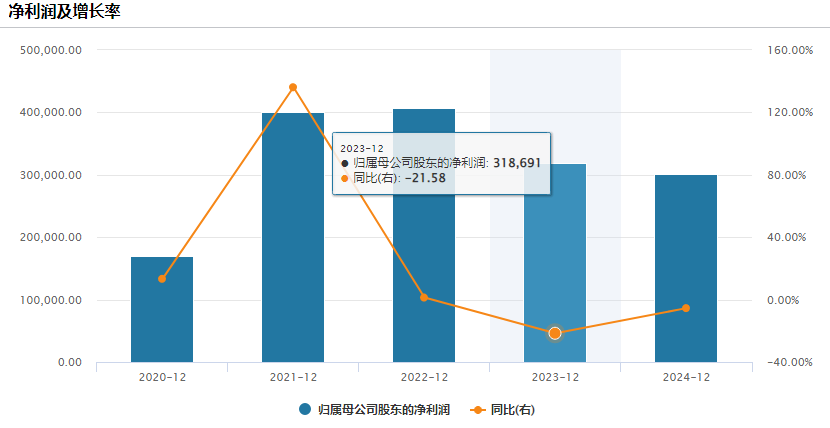
Investment Rating - The report maintains a "Buy" rating for key companies in the textile and apparel sector, including Anta Sports, Xtep International, and Li Ning, among others [12]. Core Insights - The report highlights the rapid expansion of the high-performance outdoor apparel market in China, with a projected market size growth from 53.9 billion yuan in 2019 to 102.7 billion yuan in 2024, representing a CAGR of 13.8% [22][25]. - The company Pelliot, established in 2012, has shown significant revenue growth, achieving 1.77 billion yuan in 2024, a 94% increase year-on-year, with a net profit of 280 million yuan, reflecting an 86% increase [1][17]. - The competitive landscape of the high-performance outdoor apparel market is relatively fragmented, with the top 10 brands holding a combined market share of 27.2% in 2024, and Pelliot being the fastest-growing brand with a retail CAGR of 127.4% from 2022 to 2024 [2][29]. Summary by Sections Company Overview - Pelliot focuses on high-performance outdoor apparel and equipment, offering a wide range of products suitable for various outdoor activities and urban commuting [1][17]. - The brand's revenue from the Pelliot brand accounted for 98% of total revenue in 2024, with the Excelsior brand contributing 33 million yuan [1][17]. Industry Overview - The high-performance outdoor apparel market in mainland China is expected to grow from 539 billion yuan in 2019 to 1,027 billion yuan in 2024, with a forecasted CAGR of 16% from 2024 to 2029 [2][22]. - The apparel segment is the largest within the high-performance outdoor apparel market, projected to reach 712 billion yuan in 2024, accounting for 69% of the total market [25]. Operational Highlights - Pelliot employs a Direct-to-Consumer (DTC) sales model, focusing on enhancing product quality and brand image through targeted marketing strategies [3][4]. - The company has invested significantly in R&D, with expenditures increasing from 13.6 million yuan in 2022 to 31.5 million yuan in 2024, representing a commitment to product innovation [3][30]. Financial Data Analysis - Pelliot's revenue and profit have shown rapid growth, with a projected revenue of 1.77 billion yuan and a net profit of 280 million yuan in 2024, indicating strong financial performance [1][21]. - The report emphasizes the importance of maintaining a healthy inventory turnover ratio, with the overall inventory situation being stable across the sector [5]. Market Trends - The report notes a healthy growth trajectory for the outdoor apparel sector, driven by increasing consumer participation in outdoor activities and a rising demand for multifunctional high-performance apparel [27][28]. - The report recommends focusing on brands with strong fundamentals and growth potential, particularly in the sportswear segment, which is expected to outperform the broader apparel market [5].
李宁还能回到过去吗?
Guan Cha Zhe Wang· 2025-08-02 02:39
Core Insights - The local sports giants are at a critical juncture, with Li Ning showing signs of decline while Anta and Xtep demonstrate resilience and growth through strategic brand management and focus on specific market segments [1][4][6]. Group 1: Company Performance - Li Ning's retail revenue growth is projected to be low single digits by Q2 2025, with offline channels experiencing negative growth [1]. - Li Ning's net profit has declined for two consecutive years, with its market capitalization dropping from over HKD 260 billion in 2021 to around HKD 40 billion currently [1]. - In contrast, Anta's multi-brand strategy has led to significant growth, particularly in high-end brands like Descente and Kolon, which have seen growth rates of 50-55% [1][4]. Group 2: Strategic Moves - Li Ning's strategy of "single brand, multiple categories" is becoming ineffective, as it struggles to replicate the success of Anta's Amer Sports and Xtep's Saucony [4][6]. - The Swedish outdoor brand Haglöfs is entering the Chinese market, which may impact Li Ning's positioning in the outdoor segment [6][7]. - Li Ning is attempting to pivot towards the outdoor market by launching professional and lightweight outdoor product lines, although these currently contribute minimally to total revenue [37][40]. Group 3: Investment and Ownership Structure - LionRock Capital, which recently acquired Haglöfs, has a close relationship with Li Ning, as Li Ning's founder is a non-executive chairman of LionRock [15][11]. - Viva China, now known as Viva Goods, has shifted its focus towards multi-brand operations and has been involved in several acquisitions, including Clarks and Haglöfs [18][19]. - The operational model of Viva Goods under Li Ning's family structure aims to create a synergistic "capital + industry" ecosystem, although its effectiveness remains to be seen [18][19]. Group 4: Market Trends and Challenges - The rise of "Guochao" (national trend) significantly boosted Li Ning's market value until 2021, but the brand's appeal has since diminished as consumer preferences evolve [30][32]. - Li Ning's attempts to diversify with sub-brands like LI-NING 1990 have led to confusion among consumers, resulting in a lack of clear brand identity [32][35]. - The outdoor segment is seen as a growth area, but Li Ning's late entry and previous failures in managing international brands like Aigle and Danskin raise concerns about its future success in this market [37][48].

始祖鸟平替们狂涨价,正在偷偷抛弃“穷鬼”
3 6 Ke· 2025-08-01 03:27
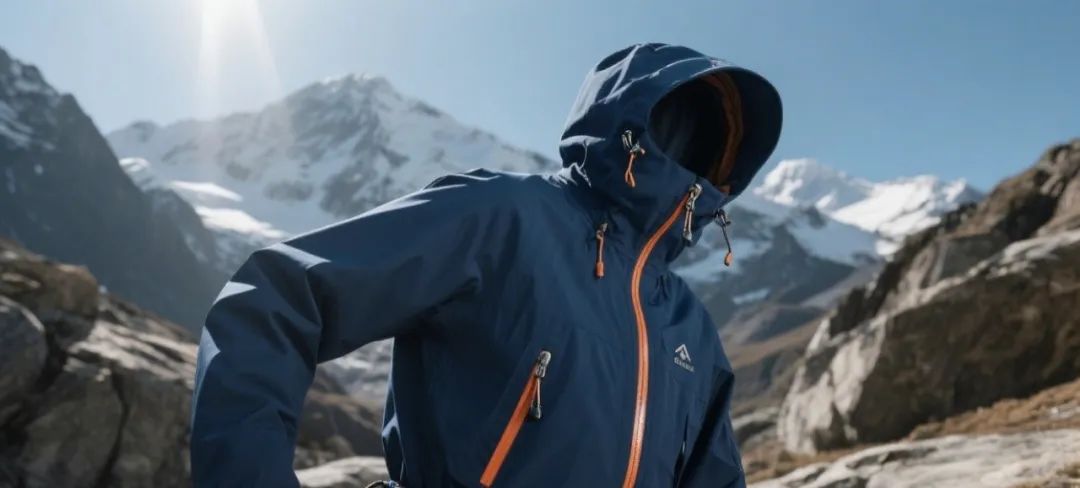
Core Viewpoint - Domestic outdoor brands are rapidly embracing the capital market, shifting from being affordable alternatives to high-end positioning, as evidenced by significant price increases and new product launches [1][10][11]. Group 1: Market Dynamics - In the first half of the year, domestic outdoor brand Berghaus submitted an IPO application, with Tencent investing 300 million yuan for a 10.7% stake, becoming the largest institutional shareholder [1]. - The outdoor equipment market in China has grown from 67.5 billion yuan in 2019 to 87.2 billion yuan in 2023, indicating a robust expansion [8]. - A significant portion of the younger demographic views outdoor activities as social currency, with 43.6% engaging in activities like camping and hiking for social interaction [9]. Group 2: Pricing Trends - Berghaus has seen a 38.59% increase in average product prices, reaching around 500 yuan, and is now launching mid-to-high-end products priced in the thousands [1][10]. - Consumer complaints about price hikes are prevalent, with some products increasing by nearly 1000 yuan within six months [2][4]. - The price of outdoor gear has reportedly risen nearly fivefold over three years, drawing comparisons to gold in terms of price stability [4]. Group 3: Brand Positioning and Strategy - Brands that were once seen as affordable alternatives are now distancing themselves from that image, focusing on high-end features and performance [1][6]. - Berghaus's revenue has surged from 379 million yuan to 1.766 billion yuan from 2022 to 2024, with a compound annual growth rate of 115.86% [12]. - The reliance on a single product category, such as jackets contributing over 80% of revenue, poses risks to brand stability [13]. Group 4: Financial Performance and Challenges - Berghaus's gross margin has increased from 54.3% in 2022 to 59.6% in 2024, reflecting a trend towards higher profitability [11]. - Despite the growth, the brand's high-end product lines are struggling to gain consumer acceptance, with many products frequently discounted [13]. - Marketing expenses for Berghaus have surged from 68.71 million yuan in 2022 to 359 million yuan in 2024, indicating a shift towards aggressive marketing strategies [14]. Group 5: Competitive Landscape - The pursuit of higher margins is evident in the strategies of leading companies, with brands like Anta achieving gross margins over 70% [10]. - Berghaus's patent portfolio is limited compared to competitors, with only 4 invention patents out of 45, highlighting a gap in technological innovation [13]. - The challenge for brands like Berghaus lies in balancing the need for premium pricing with the necessity of maintaining sales volume, as excessive reliance on marketing may undermine product value [16].
中国民营企业接班哲学
投资界· 2025-08-01 03:24
Core Viewpoint - The article discusses the challenges of succession in Chinese family businesses, highlighting the complexities of power transfer and the need for systematic succession planning to ensure long-term stability and growth [1][2][3]. Group 1: Succession Challenges - The average age of first-generation non-public economic individuals in China is 63.5 years, with 80% of businesses expected to enter succession phases in the next five years, predominantly through intergenerational transfer [2]. - A "strongman paradox" is identified, where the more capable the founder, the more difficult the succession process tends to be, as seen in cases like Wahaha and Shuanghui [2][6]. - The lack of institutional mechanisms for succession can lead to crises, as evidenced by the governance turmoil at Wahaha following the founder's death [3][6]. Group 2: Family Dynamics and Governance - Family structure changes, such as multiple marriages and children, complicate succession and can intertwine family conflicts with business challenges [8]. - The article emphasizes that vague succession arrangements act as time bombs, potentially igniting family disputes and corporate crises [8]. Group 3: Successful Succession Models - Some companies adopt a directed training model, where successors are identified early and systematically groomed for leadership roles, as seen in companies like Taikang Insurance and Trina Solar [10][12]. - The "racehorse mechanism" is highlighted, where multiple potential successors compete in different business areas, fostering collaboration and reducing the risks associated with appointing a single heir [20][24]. Group 4: Professional Management - The article discusses the trend of separating ownership and management, with examples like Midea Group, where a professional manager was appointed instead of a family member, leading to significant growth [28][30]. - The importance of viewing the business as a public asset rather than a family possession is emphasized, advocating for governance structures that facilitate multi-tiered succession [30]. Group 5: Conclusion - The article concludes that the next decade will see millions of private enterprises in China facing succession challenges, presenting both risks and opportunities for high-quality development in the transition from an entrepreneurial era to a succession era [34].

运动品牌该如何走出中年危机?
3 6 Ke· 2025-08-01 02:28
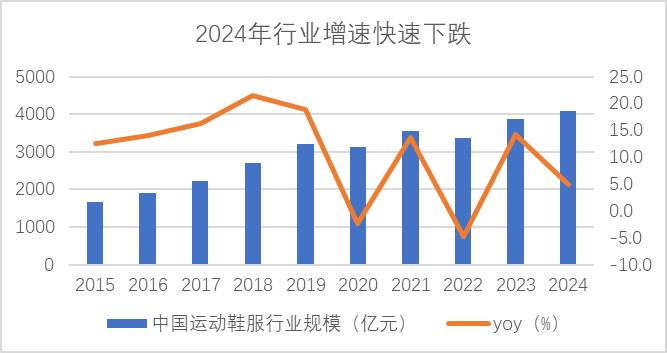
Core Insights - The Chinese sports brand industry is experiencing a collective slowdown, marking the end of the "national sports dividend" period, with market growth projected at only 5.9% in 2024, reaching 410 billion yuan [1][3] - Domestic brands have gained market share due to events like the Xinjiang cotton controversy, with Anta, Li Ning, and other brands collectively surpassing 50% market share, indicating a deepening of domestic replacement [1][3] - The concentration ratio (CR5) of domestic sports brands has reached 53%, making China the most concentrated market globally, leading to a shift where leading brands must transition from offensive to defensive strategies [1][3] Group 1: Industry Challenges - Major brands like Anta, Li Ning, and Xtep are facing a "mid-life crisis," with Anta and FILA experiencing six consecutive quarters of single-digit growth, and Li Ning reporting low single-digit growth for the first half of the year [3][4] - Increased discount rates and return rates have made consumers more price-sensitive, prompting Anta to lower its growth guidance to single digits and reassess its market share goals against Nike [3][4] - The industry is expected to face a turning point in 2024, with Euromonitor predicting a growth rate of only 5.8% over the next five years, indicating a decline in market share for leading brands [3][4] Group 2: Brand Positioning and Strategy - Despite being manufacturing powerhouses, domestic brands struggle with brand positioning and recognition, often relying on price competitiveness rather than brand strength [5][6] - The early success of brands like Anta and Li Ning was driven by domestic sports stars and events, but these strategies are no longer effective as market dynamics change [7][8] - The trend of acquiring overseas brands has been a successful strategy for companies like Anta, which acquired FILA and has since seen significant growth, but this approach may not be sustainable in the long term [10][12] Group 3: Consumer Trends and Market Dynamics - The rise of niche sports and changing consumer preferences present opportunities for domestic brands to strengthen their market position, as seen with successful products like Xtep's marathon shoes [13][14] - The shift towards direct-to-consumer (DTC) models is becoming essential for brands to connect with consumers more effectively and reduce reliance on traditional distribution channels [16][17] - The focus on "value for money" is becoming increasingly important, with brands needing to adapt to consumer demands for better pricing and quality, as evidenced by the success of companies like Uniqlo [21][22]

智通港股通资金流向统计(T+2)|8月1日
智通财经网· 2025-07-31 23:32
Key Points - The top three companies with net inflows from southbound funds are Xiaomi Group-W (01810) with 1.665 billion, Tencent Holdings (00700) with 830 million, and Alibaba-W (09988) with 747 million [1] - The companies with the highest net outflows are Pop Mart (09992) with -354 million, China Life (02628) with -351 million, and Kingsoft Cloud (03896) with -300 million [1] - In terms of net inflow ratio, Qin Port Co. (03369) leads with 78.68%, followed by Reshaping Energy (02570) with 76.94%, and Cang Port Railway (02169) with 65.01% [1] - The companies with the highest net outflow ratios include Chongqing Rural Commercial Bank (03618) at -61.37%, Bank of China Aviation Leasing (02588) at -53.31%, and Swire Properties (01972) at -45.99% [1] Net Inflow Rankings - Xiaomi Group-W (01810) had a net inflow of 1.665 billion, representing a 12.37% increase [2] - Tencent Holdings (00700) saw a net inflow of 830 million, with an 8.94% increase [2] - Alibaba-W (09988) recorded a net inflow of 747 million, reflecting a 10.60% increase [2] - The highest net inflow was observed in CSPC Pharmaceutical Group (01093) with 654 million and a 21.81% increase [2] Net Outflow Rankings - Pop Mart (09992) experienced a net outflow of -354 million, with a -10.47% decrease [2] - China Life (02628) had a net outflow of -351 million, reflecting a -11.90% decrease [2] - Kingsoft Cloud (03896) recorded a net outflow of -300 million, with a -24.18% decrease [2] - Meituan-W (03690) also saw a significant outflow of -291 million, representing a -5.32% decrease [2] Net Inflow Ratio Rankings - Qin Port Co. (03369) leads with a net inflow ratio of 78.68% and a net inflow of 340,000 [3] - Reshaping Energy (02570) follows with a net inflow ratio of 76.94% and a net inflow of 10.53 million [3] - Cang Port Railway (02169) has a net inflow ratio of 65.01% with a net inflow of 4.3967 million [3] - Other notable companies include Meizhong Jiahe (02453) with a 61.71% net inflow ratio [3] Net Outflow Ratio Rankings - Chongqing Rural Commercial Bank (03618) has the highest net outflow ratio at -61.37% with a net outflow of -1.04 billion [3] - Bank of China Aviation Leasing (02588) follows with a net outflow ratio of -53.31% and a net outflow of -15.3728 million [3] - Swire Properties (01972) has a net outflow ratio of -45.99% with a net outflow of -29.4662 million [3]



中国民营企业接班哲学
3 6 Ke· 2025-07-31 09:34
Core Insights - The succession crisis in Chinese family businesses is highlighted by the recent inheritance dispute involving Wahaha's successor, Zong Fuli, and her half-siblings, reflecting broader challenges in business continuity and governance in the context of generational transitions [3][4] - The average age of first-generation private entrepreneurs in China is 63.5 years, with 80% of businesses expected to undergo succession in the next five years, predominantly through intergenerational transfer [3][4] - A paradox emerges where the more capable the founder, the more challenging the succession process becomes, as seen in cases like Wahaha, Shuanghui, and Suning [3][4] Group 1: Succession Challenges - The governance turmoil following the death of Wahaha's founder, Zong Qinghou, illustrates the difficulties successors face when overshadowed by their predecessors' legacies [4] - The case of Wanlong International, where a son accused his father of mismanagement, resulted in a significant loss of market value exceeding 100 billion [4] - The inheritance battle at Suning Group led to severe debt defaults and a significant decline in corporate reputation and stock price during the dispute [4][6] Group 2: Succession Models - Some Chinese private enterprises adopt a systematic training approach for successors, ensuring a smoother transition of power, as exemplified by companies like Taikang Insurance and Trina Solar [7][8] - The "racehorse mechanism" is employed by families with multiple potential successors, allowing them to compete in different business areas, as seen in Anta and Xtep [12][15] - The "professional manager" model, as demonstrated by Midea Group, separates ownership from management, allowing for a more structured and professional governance approach [18][20] Group 3: Philosophical Insights - The philosophy of succession in Chinese private enterprises emphasizes that it is not merely a transfer of power but a gradual integration of the second generation's capabilities with the company's needs [11][20] - The need for clear governance structures and a shared family vision is crucial to avoid conflicts and ensure collaborative goals among siblings [17][20] - The transition from an entrepreneurial era to a "succession era" presents both challenges and opportunities for high-quality development in China's private sector [22]

中国民营企业接班哲学
36氪· 2025-07-31 09:27
Core Viewpoint - The article discusses the challenges of succession in Chinese family businesses, highlighting the complexities of transferring leadership and ownership across generations, particularly in the context of high-profile cases like Wahaha and others [4][5][6]. Group 1: Succession Challenges - The average age of first-generation private entrepreneurs in China is 63.5 years, with 80% of businesses expected to undergo succession in the next five years, 95% of which will choose intergenerational transfer [5]. - A "strongman paradox" is identified, where the more capable the founder, the more difficult the succession process tends to be, as seen in cases like Wahaha and Shuanghui [5][8]. - The lack of a systematic succession mechanism can lead to governance crises, as exemplified by the internal conflicts at Wahaha following the founder's death [6][8]. Group 2: Examples of Succession Conflicts - The case of Wanlong Jian, who was dismissed from Wanlong International, illustrates how unclear power transitions can turn family members into adversaries, resulting in a market value loss exceeding 100 billion [9]. - The inheritance battle at Suning Group following the founder's death led to significant operational instability and stock price volatility [9][11]. - The gambling family of Macau faced similar succession issues, emphasizing the impact of family dynamics on business continuity [11]. Group 3: Successful Succession Models - Some companies adopt a directed training model, where successors are identified early and systematically groomed for leadership roles, as seen in companies like Taikang Insurance and Tianhe Energy [14][15]. - The gradual integration of successors into management roles allows for smoother transitions, as demonstrated by the experiences of Chen Dongsheng and his son [16][17]. - The "racehorse mechanism" is employed by some family businesses, allowing multiple potential successors to compete and collaborate, which can foster a healthy environment for leadership development [23][24]. Group 4: Professional Managerial Succession - The "passing of the baton" to professional managers, as exemplified by Midea Group, represents a shift towards separating ownership and management, which can enhance governance and operational efficiency [30][31]. - The case of Haier illustrates how professional managers can emerge organically from the company's growth, ensuring continuity in management philosophy [31][32]. - The article suggests that viewing the business as a public asset rather than a family possession can facilitate smoother transitions and attract international investment [33]. Group 5: Conclusion on Succession Philosophy - The article concludes that succession is a complex system engineering challenge that goes beyond mere power transfer, requiring careful planning and consideration of various models [34]. - The next decade will see millions of private enterprises in China facing succession challenges, presenting both risks and opportunities for high-quality development [34].