Stellantis N.V.

Search documents
Tesla Superchargers To Open To Stellantis EVs In 2026, Expanding Into Japan, South Korea In 2027 - Stellantis (NYSE:STLA)
Benzinga· 2025-11-19 09:04
Group 1 - Stellantis NV will adopt NACS ports on its EVs, allowing access to Tesla's Supercharger network [1] - Jeep Wagoneer EV and Dodge Charger Daytona customers in North America will have access to the network starting in 2026 [2] - The network will expand to Japan and South Korea in 2027, providing access to over 28,000 Tesla Superchargers across five countries [3] Group 2 - Stellantis issued a recall for over 320,065 units of Grand Cherokee 4Xe and Jeep Wrangler 4Xe due to hybrid battery fire risks [4] - The company plans a $13 billion investment in the U.S. to boost production by 50% and reduce tariff exposure [5] - Stellantis has partnered with Pony AI Inc. to develop level 4 autonomous vans, with initial testing in Luxembourg and expansion planned for 2026 [5]


跨国车企中国“调兵遣将”背后
Zhong Guo Qi Che Bao Wang· 2025-11-19 01:49
Core Viewpoint - The recent wave of executive changes among multinational automotive companies in China reflects a broader transformation in the industry, driven by the urgency to improve performance, strategic shifts, and the need for deeper localization in response to evolving market dynamics [3][7][11]. Group 1: Executive Changes - A significant number of multinational automotive companies, including General Motors, Hyundai, and Volkswagen, have recently announced high-level executive changes in China, indicating a widespread trend across the industry [3][4][5]. - General Motors appointed John Roth as the new head of its China operations, succeeding Steve Hill, who will take on a global role [4][10]. - Ferrari and Volkswagen also made notable leadership changes, with Ferrari appointing Jan Hendrik Voss as the new president for Greater China [4][5]. Group 2: Market Dynamics - The Chinese automotive market has shifted from a phase of rapid growth to intense competition, with domestic brands like BYD and NIO gaining significant market share, leading to pressure on multinational companies [7][8]. - In 2024, sales of Chinese brand passenger vehicles reached 17.97 million, a 23.1% increase year-on-year, while joint venture brands saw their sales drop below 10 million for the first time [7][8]. Group 3: Strategic Shifts - The ongoing executive changes are a response to the need for strategic adjustments in the face of declining sales and increased competition from local brands [7][11]. - Multinational companies are focusing on electric vehicle (EV) transitions, with Volkswagen increasing its investment in local EV production and development to enhance competitiveness in the Chinese market [12][13]. - The trend of appointing local talent to leadership positions is becoming more pronounced, as companies recognize the importance of understanding local consumer preferences and market conditions [14][15]. Group 4: Performance Challenges - General Motors' retail sales in China fell to 1.8 million in 2024, less than half of its peak in 2017, highlighting the challenges faced by multinational companies in maintaining market share [10]. - Nissan's sales in China have also declined significantly, with 2024 figures dropping to 696,600 units from a peak of 1.564 million in 2018 [9][13]. - Ferrari's sales in China have seen a continuous decline, with a 22% drop in 2024, marking it as the worst-performing region globally for the brand [9][10]. Group 5: Localization Efforts - The push for localization is evident as companies like Toyota and Hyundai are transferring more decision-making power to local teams, aiming to better align with the unique characteristics of the Chinese market [15][17]. - The establishment of local engineering teams and the introduction of the "China Chief Engineer" system by Toyota are steps towards enhancing local product development capabilities [15][16]. - The trend of appointing executives with extensive experience in the Chinese market is expected to facilitate better integration of global strategies with local needs [16][17].

Stellantis Expands EV Charging Access with Tesla Supercharger Network Integration
Prnewswire· 2025-11-18 23:25
Core Insights - Stellantis has adopted the North American Charging System (NACS) for select battery-electric vehicles (BEVs) in North America, Japan, and South Korea, allowing access to over 28,000 Tesla Superchargers starting in early 2026 in North America and in 2027 in Japan and South Korea [1][2][3] Group 1: Charging Infrastructure - The collaboration with Tesla enhances fast-charging convenience for Stellantis customers, empowering long-distance travel confidence [1][3] - Existing North American BEVs, including the Jeep Wagoneer S and Dodge Charger Daytona, will be the first to utilize the Tesla Supercharger network, followed by the 2026 Jeep Recon and other future models [2][3] Group 2: Strategic Goals - Stellantis aims to provide customers with more choice, coverage, and control over charging their BEVs, aligning with its strategy to meet consumer demand [3][4] - The company emphasizes its commitment to embracing the latest technologies and creating value for stakeholders through its diverse portfolio of brands [4]

CoreWeave (NasdaqGS:CRWV) FY Conference Transcript
2025-11-18 17:02
CoreWeave FY Conference Summary Company Overview - **Company**: CoreWeave (NasdaqGS:CRWV) - **Industry**: AI Infrastructure and Cloud Computing - **Core Offering**: Custom-built cloud infrastructure specifically designed for AI workloads, focusing on parallelized computing rather than traditional serialized workloads [3][4] Key Financial Highlights - **Revenue Backlog**: Nearly doubled to **$55.6 billion**, adding over **$25 billion** in Q3 alone [8] - **Revenue**: Reported **$1.4 billion** in revenue with an adjusted operating income of **16%** [8] - **Power Capacity**: Increased contracted power portfolio by **600 megawatts**, totaling **2.9 gigawatts** [9][14] Demand and Market Position - **Demand**: Strong and unabated demand from customers, particularly large AI enterprises and hyperscalers [8][9] - **Customer Base**: Includes major players like OpenAI, Microsoft, Google, and Meta, as well as smaller labs [4] - **Capacity Constraints**: Acknowledged ongoing supply constraints, particularly related to power shell capacity, impacting the ability to onboard new customers [11][13][17] Infrastructure Development - **Active Power Capacity**: Increased to **590 megawatts** with plans to exceed **850 megawatts** by year-end [14] - **Self-Build Strategy**: Engaging in self-build projects to diversify data center capabilities and reduce reliance on third-party providers [19][21] Customer Contracts and Relationships - **Customer Concentration**: No single customer accounts for more than **35%** of revenue backlog, down from **85%** earlier in the year [26] - **Long-Term Contracts**: Increasing trend towards longer-duration contracts, with some extending to **five to six years** [42] Technological Differentiation - **Software Stack**: CoreWeave's software stack is a key differentiator, allowing for superior performance of AI workloads compared to competitors [32][37] - **Full-Stack Platform**: Transitioning from a compute platform to a full-stack AI platform, including storage solutions that have achieved **$100 million ARR** [33] Market Trends and Future Outlook - **AI Adoption**: Proliferation of AI use cases across various industries, indicating strong future demand for AI infrastructure [27][58] - **Investment-Grade Customers**: Over **60%** of revenue backlog is associated with investment-grade customers, enhancing financial stability [26] - **Market Dynamics**: The scale of technological innovation in AI is compared to the advent of electricity, suggesting significant long-term growth potential [59] Conclusion - **Strategic Focus**: CoreWeave aims to continue fulfilling customer demand while innovating in technology solutions, positioning itself as a leader in AI infrastructure [60]

欧美汽车加速脱钩中国
3 6 Ke· 2025-11-18 11:36
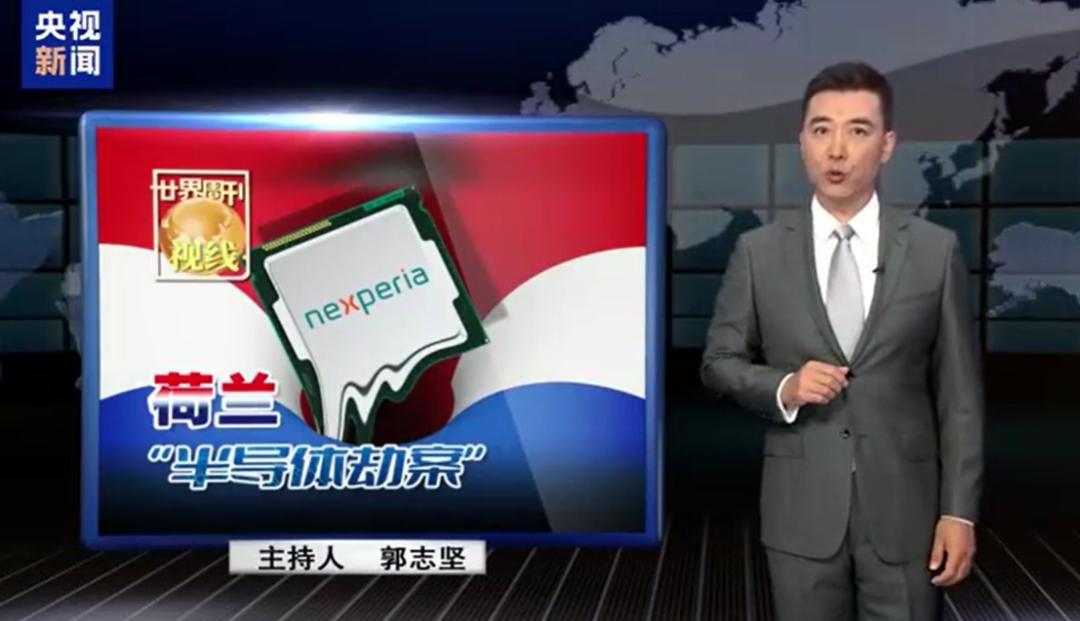
Core Viewpoint - The automotive industry is experiencing heightened tensions in supply chain dynamics, with major companies like General Motors and Tesla taking steps to reduce reliance on Chinese suppliers amid escalating geopolitical tensions and trade disputes [1][2][6]. Supply Chain Dynamics - General Motors has instructed thousands of suppliers to eliminate Chinese components from their supply chains, with some suppliers required to completely sever ties with China by 2027 [1]. - Tesla is also moving to stop using Chinese parts in its U.S. production lines, aiming to fully replace them with components from other countries within 1 to 2 years [1]. - European automakers Stellantis, BMW, and Volkswagen have collectively demanded suppliers to replace all Chinese-made semiconductors within the next 18 months, pushing for a "China-free" supply chain [2]. Geopolitical Context - The push to reduce dependence on Chinese supply chains is part of a broader trend among Western countries to bring manufacturing back home, driven by rising geopolitical tensions and supply chain vulnerabilities highlighted by recent events, such as the disruption caused by Nexperia, a subsidiary of China's Wingtech Technology [4][6]. - The automotive industry is viewed as a strategic sector that must be reclaimed to stabilize the manufacturing base in the U.S. and Europe [9]. Challenges in Supply Chain Rebuilding - The automotive supply chain is deeply globalized and complex, making it difficult for Western countries to quickly establish alternative sources to replace Chinese components [3][10]. - The U.S. automotive industry relies heavily on imports, with approximately 60% of parts sourced from abroad, including over 40% from Mexico and about 11% from China [10]. Economic Importance of the Automotive Sector - The automotive industry is crucial for national economies, contributing significantly to GDP and employment. For instance, it accounts for about 10% of GDP in China and Germany, and 20% in Japan [8]. - The sector's comprehensive nature means that rebuilding the automotive supply chain could stimulate multiple industrial sectors [8]. Future Outlook for Chinese Enterprises - Despite the challenges posed by supply chain restructuring, Chinese automotive companies are expected to leverage their manufacturing efficiency and scale to maintain a competitive edge, particularly in the electric vehicle sector [20]. - The shift in supply chains may compel Chinese firms to enhance their capabilities in higher-value segments, such as automotive chips and electric systems, as they adapt to the changing landscape [20].


财通证券:自动驾驶出租车在全球范围推进 关注已有成熟经验及即将入局标的
Zhi Tong Cai Jing· 2025-11-18 03:09
Group 1 - Domestic companies are continuously advancing in the Robotaxi sector, with new entrants emerging and announcing their future plans, including major manufacturers, ride-hailing platforms, and intelligent driving suppliers [1] - Key players in the domestic Robotaxi market include Luobo Kuaipao, Pony.ai, and WeRide, with significant increases in revenue and orders expected by 2024: Pony.ai's passenger fare revenue is projected to increase by over 300% year-on-year by Q2 2025, while WeRide's Robotaxi-related revenue is expected to rise by 364% in the first half of 2025, and Luobo Kuaipao's order volume is anticipated to exceed 2.2 million by Q2 2025, a year-on-year increase of 148% [1] - New entrants in the domestic market include XPeng, Momenta, Qianli Technology, Didi, Hello, and Cao Cao Mobility, all of which have publicized their future plans [1] Group 2 - In the U.S., Tesla and Waymo are accelerating their progress, with Tesla planning to operate in Austin by June 2025 and expand to Nevada, Florida, and Arizona by the end of 2025, aiming for a fleet of 1,500 vehicles by the end of 2025 and starting mass production of Cybercab in Q2 2026; Waymo's fleet size and weekly order volume are expected to double in 2025, with ongoing updates on city openings for 2026 [2] - Uber has announced its entry into the Robotaxi market, partnering with Lucid, Stellantis, NVIDIA, and Nuro, while U.S. government policies are gradually relaxing, including simplified exemption procedures [2] Group 3 - Robotaxi participants are also accelerating deployments in the Middle East, Europe, and parts of Asia, with specific locations including the UAE, Saudi Arabia, Switzerland, Luxembourg, Germany, the UK, Singapore, Japan, and South Korea; Abu Dhabi has allowed manufacturers to conduct commercial operations without a driver [3] - WeRide plans to increase its fleet in the Middle East to 1,000 vehicles by 2026, with a target of several thousand by 2030 [3]


35万开回家,“跑车皇后”玛莎拉蒂和小米抢客户
阿尔法工场研究院· 2025-11-18 00:07
Core Viewpoint - Maserati's drastic price reduction strategy, termed "fracture-style" pricing, has significantly altered the perception of ultra-luxury brands, making them more accessible to a broader market [3][5]. Price Reduction Impact - Maserati's electric SUV, Grecale Folgore, is now priced at 358,800 yuan, a staggering drop of 540,000 yuan from the official price of 898,800 yuan, effectively a 40% discount [4][5]. - This pricing strategy positions Maserati within the competitive range of domestic brands like Xiaomi, NIO, and Li Auto, which traditionally dominate this price segment [5]. Sales Performance - Maserati's sales in China have plummeted from 14,400 units in 2017 to just 1,228 units in 2024, marking a decline of over 70% [10][11]. - In the first nine months of 2025, Maserati's imported sales in China were only 1,023 units, indicating a continued struggle in the market [11]. Industry Context - The decline in Maserati's sales is reflective of a broader trend among ultra-luxury brands like Bentley and Rolls-Royce, which are also facing challenges in the wake of the electric vehicle transition [12]. Product Competitiveness - The core issue for Maserati is a lack of product competitiveness, particularly in the electric vehicle market where consumers prioritize tangible product features over brand prestige [14]. - The Grecale Folgore, while having a claimed electric range of 533 kilometers, performs closer to 400 kilometers in real-world conditions, which is not competitive against similar-priced new entrants [15]. - Maserati's technology, such as its vehicle control systems, is perceived as outdated compared to competitors, lacking features like online updates and advanced driver assistance systems [15]. Strategic Response - Maserati's management acknowledges the need for transformation, aiming to balance its century-old heritage with local innovation [16]. - The company plans to diversify its product offerings, including electric versions of existing models and leveraging racing technology for new products [16]. - Short-term strategies focus on rebuilding trust with dealers and enhancing customer experience, while long-term goals include improving organizational efficiency and expanding electric vehicle offerings [17]. Industry Implications - Maserati's situation serves as a warning to all traditional luxury car brands, highlighting the necessity for adaptation in the face of the electric vehicle revolution [18]. - The drastic price cut reflects a significant shift in the automotive industry, where brands must either transform or resort to aggressive discounting to survive [19].
TSLA Shift to American Auto & EV's Next Leg for Growth
Youtube· 2025-11-17 18:30
Core Viewpoint - The EV market is experiencing a shift towards American supply chains, with Tesla encouraging suppliers to avoid China-based parts due to national security concerns, which is expected to influence other automakers as well [2][3] Industry Trends - American automakers are focusing on reducing EV costs through improved manufacturing processes, exemplified by the Nissan Leaf priced under $30,000 compared to the average combustion vehicle price of about $50,000 [4] - Leasing options for EVs are becoming more attractive, with monthly payments for models like the Ford Mustang Mach-E and Honda Prologue EV ranging from $200 to $250 [5] Consumer Behavior - There is a growing consumer interest in the total cost of ownership of EVs, beyond just the initial purchase price, as indicated by a Bloomberg report forecasting higher EV sales in 2025 compared to 2024 [6] - Automakers are partnering with utility companies to provide incentives for home charging, such as free charging for 18 hours a day in Texas and cash back offers in New York [7][9] Technological Innovations - The introduction of vehicle-to-grid technology allows EV owners to sell electricity back to the grid, with Nissan offering $4,500 for connecting EV batteries in California [8][9] - Some automakers are enabling their EVs to serve as backup power sources for homes, providing additional value beyond the vehicle's MSRP [17][18] Market Outlook - A rebound in EV adoption is anticipated following the repeal of federal tax credits, with expectations of recovery in sales by 2026 [14][15] - American automakers are positioned advantageously due to their vehicles being designed for the American power grid, optimizing for off-peak electricity rates and offering features that enhance consumer trust and brand loyalty [16][19]


Jeep eyes U.S. comeback following yearslong sales troubles
CNBC· 2025-11-17 12:00
Core Insights - Jeep is attempting a significant comeback after years of declining sales and market share, with a focus on realigning pricing and launching new products [1][2][3] - The brand's sales have seen a slight increase recently, but overall performance remains below expectations, with ongoing quality issues [5][6][17] Sales Performance - Jeep has experienced six consecutive years of sales declines in the U.S., with a 40% drop in sales from a peak of over 973,000 units in 2018 to less than 590,000 units last year [2][17] - Sales through the third quarter of this year were up less than 0.5% compared to the previous year, while market share has decreased from 5.4% in 2019 to 3.7% in 2024 [17] Product Strategy - The company is undergoing its largest product launch in a decade, including the redesigned Jeep Cherokee and the all-electric Recon SUV [3][12] - The new product lineup is designed to be less expensive and simpler, addressing previous confusion among buyers and dealers [5][12] Pricing and Market Position - Jeep has realigned pricing across its lineup, with average transaction prices (ATPs) around $54,000 in 2023-24, which is above the industry average of approximately $48,500 [18] - The brand's ATPs have decreased to less than $49,800 through the third quarter of this year, indicating a shift in pricing strategy [18] Quality and Reliability - Jeep ranked last among 32 major automotive brands in Consumer Reports' annual grading, highlighting ongoing quality and reliability issues [6] - The company is addressing these issues but acknowledges that improvements take time [5][6] Marketing and Brand Image - Jeep's marketing efforts include campaigns featuring LL Cool J, aiming to revitalize the brand's image and connect with consumers [14][15] - The brand's comeback narrative is emphasized by its leadership, focusing on product quality and consumer engagement [20][21] Inventory and Production - Jeep's inventory levels are notably high, with a days' supply of 146 days in October, indicating potential overstocking [19][20] - The production strategy is flexible, allowing for adjustments based on demand for electric vehicles and traditional models [10][11]


“骨折式”降价,35万元可买玛莎拉蒂SUV!该品牌去年在华销量暴跌70%
凤凰网财经· 2025-11-15 12:44
Core Viewpoint - Maserati is attempting to revive its sales in the Chinese market through significant price reductions on its Grecale Folgore SUV, which is now priced at 358,800 yuan, aligning it with new energy vehicle competitors like Xiaomi and NIO [1][2]. Group 1: Pricing and Sales Strategy - The starting price for the Maserati Grecale Folgore is reported to be 358,800 yuan, with additional options bringing the total to around 400,000 yuan [2][4]. - The Grecale Folgore is Maserati's first pure electric mid-size SUV, originally priced at 898,800 yuan, indicating a discount of 540,000 yuan [6][8]. - The dealership has sold about half of the initial stock of 70-80 units, indicating strong demand from both local and out-of-town customers [4][6]. Group 2: Sales Performance and Market Position - Maserati's sales in China have plummeted by over 70%, with only 1,209 units sold in 2024, compared to a peak of 14,400 units in 2017 [8][9]. - The brand's market share has significantly declined since 2018, with a 3% drop in import sales in the first nine months of this year [8][9]. - Maserati's financial struggles have led to speculation about the potential sale of the brand by Stellantis, although such rumors have been denied [9].