华熙生物

Search documents
巨子生物再跌超5% 双十一电商大促提前启动 市场将重点关注可复美销售表现
Zhi Tong Cai Jing· 2025-10-13 07:29
消息面上,2025年双十一电商大促已经提前启动。华泰证券此前指出,在25Q2面临一定外部因素影响 的背景下,巨子生物上半年收入与利润仍能双增,且盈利能力维持相对稳定,彰显品牌定力与业绩韧 性。双11旺季临近,公司品牌宣传/达人推广等活动有望逐步恢复并带动公司H2增长提速。 巨子生物(02367)再跌超5%,截至发稿,跌5.33%,报50.6港元,成交额6.28亿港元。 值得注意的是,华熙生物9月底表示,已联合国家计量院等多家第三方检测机构对相关企业的相关产品 展开检测,结果几十份检测结果均显示,相关产品中的重组胶原蛋白添加量未达标。华熙生物表 示,"已将数十份检测报告提交国家药品监督管理局。"分析人士称,可复美在今年618电商大促中失 意,市场将重点关注双11期间可复美电商销售表现。 ...
港股异动 | 巨子生物(02367)再跌超5% 双十一电商大促提前启动 市场将重点关注可复美销售表现
智通财经网· 2025-10-13 07:25
值得注意的是,华熙生物9月底表示,已联合国家计量院等多家第三方检测机构对相关企业的相关产品 展开检测,结果几十份检测结果均显示,相关产品中的重组胶原蛋白添加量未达标。华熙生物表 示,"已将数十份检测报告提交国家药品监督管理局。"分析人士称,可复美在今年618电商大促中失 意,市场将重点关注双11期间可复美电商销售表现。 智通财经APP获悉,巨子生物(02367)再跌超5%,截至发稿,跌5.33%,报50.6港元,成交额6.28亿港 元。 消息面上,2025年双十一电商大促已经提前启动。华泰证券此前指出,在25Q2面临一定外部因素影响 的背景下,巨子生物上半年收入与利润仍能双增,且盈利能力维持相对稳定,彰显品牌定力与业绩韧 性。双11旺季临近,公司品牌宣传/达人推广等活动有望逐步恢复并带动公司H2增长提速。 ...
加好友,免费领取!《2025中国合成生物制造产业发展白皮书》
synbio新材料· 2025-10-13 03:48
Core Viewpoint - The article emphasizes the rising importance of biomanufacturing as a strategic and innovative field that disrupts traditional production methods, presenting it as a new growth point for optimizing industrial structure and transforming economic models. The release of the "2025 China Synthetic Biomanufacturing Industry Development White Paper" highlights the current state, trends, and challenges of the biomanufacturing industry in China [1]. Group 1: Current State and Trends - The white paper outlines the development status and trends of biomanufacturing, analyzing the global landscape and key platform facilities [5]. - It compares the biomanufacturing sectors of China and the United States, identifying competitive advantages and areas for improvement [5]. - Future development trends in biomanufacturing are discussed, indicating a shift towards more integrated and sustainable practices [5]. Group 2: Policy Landscape - The report reviews major policies affecting biomanufacturing both domestically and internationally, providing insights into regulatory frameworks that shape the industry [5]. - It highlights the importance of supportive policies in fostering innovation and growth within the biomanufacturing sector [5]. Group 3: Industry Map and Applications - A comprehensive map of the Chinese biomanufacturing industry is presented, detailing key players and their roles [5]. - The report identifies critical application areas for biomanufacturing, including pharmaceuticals, food, personal care, agriculture, chemicals, materials, and energy [5]. Group 4: Key Enterprises - The white paper lists the top 10 leading enterprises in China's biomanufacturing industry, showcasing their contributions and market positions [6]. - It also details the strategic directions of 15 publicly listed companies in the field of synthetic biology, summarizing their development strategies [6]. Group 5: Investment and Challenges - The report examines the investment landscape in synthetic biology from 2024 to mid-2025, providing data on funding trends and investor interest [6]. - It discusses the challenges faced by the biomanufacturing industry in China, including technological barriers and market competition, and offers targeted policy recommendations to address these issues [6].

化妆品医美行业周报:天猫双11下周开幕,抖音国货抢跑-20251012
Shenwan Hongyuan Securities· 2025-10-12 13:42
Investment Rating - The report gives a "Buy" rating for the cosmetics and medical beauty industry, particularly highlighting the potential of specific companies like Water Sheep Co., Ltd. [13] Core Insights - The cosmetics and medical beauty sector has underperformed the market recently, with the Shenwan Beauty Care Index rising by 1.3% from September 29 to October 10, 2025, which is lower than the overall market performance [3][4] - The upcoming Tmall Double 11 event is expected to boost sales, with domestic brands actively participating with competitive discounts [8] - Water Sheep Co., Ltd. is identified as a leading technology-driven beauty company, with stable revenue projections and improving profit margins [9][10] Summary by Sections Industry Performance - The cosmetics and medical beauty sector has shown weaker performance compared to the market, with the Shenwan Cosmetics Index increasing by 1.2%, lagging behind the Shenwan A Index by 0.4 percentage points [3][4] - The top-performing stocks in the sector include Jiaheng Home Care (+35.0%), Yiyi Co., Ltd. (+18.6%), and Yanjing Co., Ltd. (+15.6%) [5] Upcoming Events - Tmall's Double 11 sales event is set to begin on October 15, 2025, with major domestic brands like Proya and Maogeping expected to participate actively [8] Company Focus: Water Sheep Co., Ltd. - Water Sheep Co., Ltd. has a dual business model of proprietary and CP agency brands, with projected revenues stabilizing between 4 to 5 billion yuan from 2021 to 2024 [9] - The company is expected to achieve net profits of 258 million, 331 million, and 398 million yuan for the years 2025, 2026, and 2027, respectively, reflecting significant growth [10][13] Market Trends - The overall retail sales of cosmetics in August 2025 grew by 5.1%, indicating a recovery in consumer demand [17] - The domestic market is seeing a shift in market share, with local brands gaining ground against international competitors [25] E-commerce Insights - Data shows that domestic brands are performing well on platforms like Douyin and Tmall, with significant growth in GMV for brands like Proya and Maogeping [14][15] Company Developments - Proya has filed for an IPO in Hong Kong, with stable revenue growth and a strong online presence [19] - The report highlights the strategic moves of various companies, including partnerships and new product launches, to enhance their market positions [24][23]




万亿美妆市场洗牌加速:靠营销的短命品牌退场,研发型公司逆势突围
第一财经· 2025-10-11 12:10
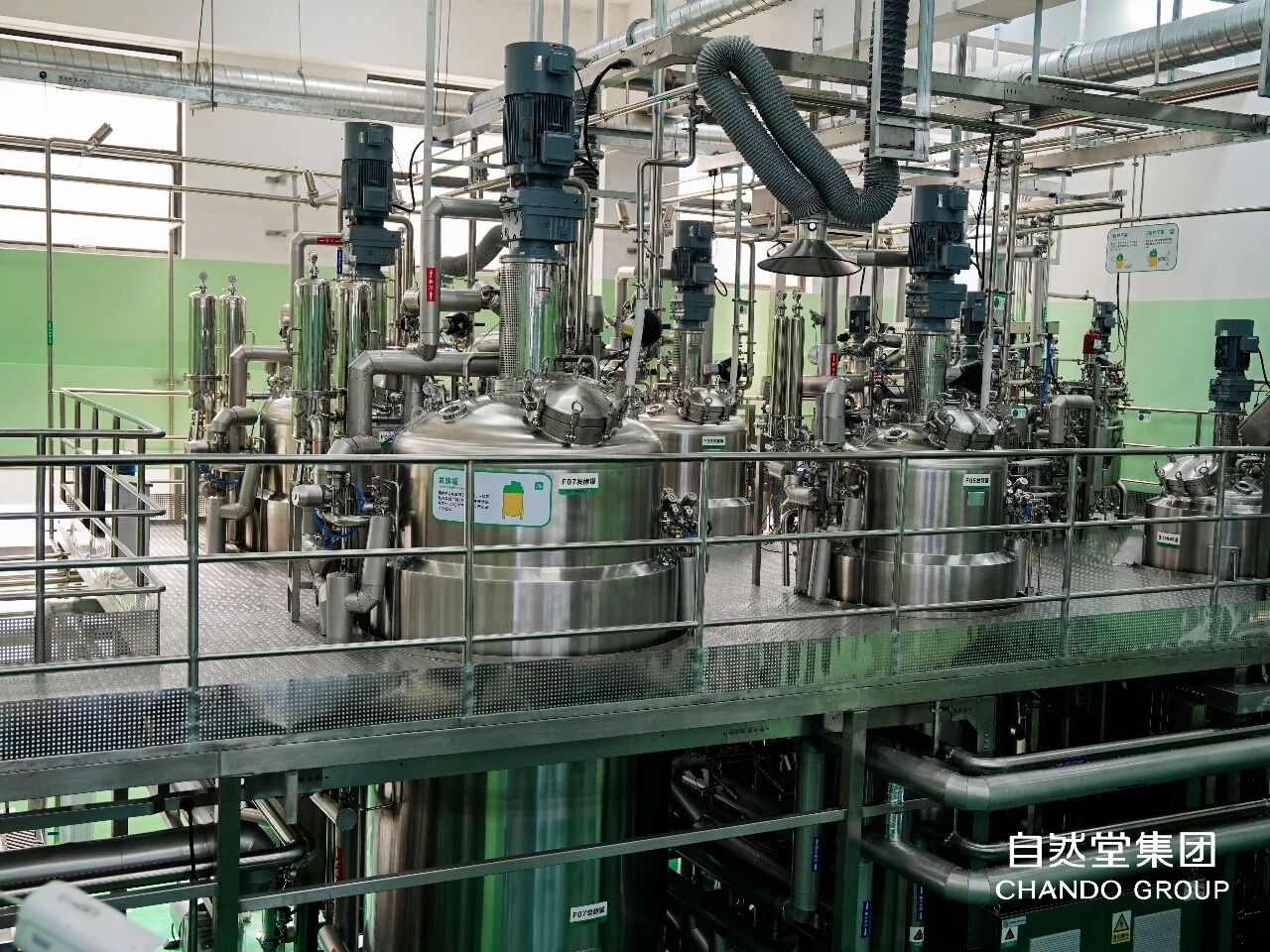
Core Viewpoint - The Chinese beauty and cosmetics industry has transitioned from "incremental competition" to "stock game," shifting from channel-driven to brand-driven strategies, with significant advancements in raw material innovation, efficacy verification, and technology transformation [3]. Group 1: Market Overview - The market size of China's cosmetics industry has exceeded 1 trillion yuan for two consecutive years since 2023, making it the largest cosmetics consumption market globally [3]. - In 2024, the total transaction volume of China's cosmetics market is projected to reach 1,073.82 billion yuan, reflecting a year-on-year growth of 2.8% [6]. Group 2: Industry Challenges - The core driving force of the cosmetics market is the raw materials, with domestic companies primarily focused on mid-to-low-end markets due to insufficient R&D investment and outdated production processes [6][9]. - High-end raw materials are still heavily reliant on imports, highlighting the need for domestic companies to enhance their R&D capabilities [6]. Group 3: Technological Advancements - Many domestic beauty companies are investing in R&D to develop new raw materials, with examples including the establishment of an intelligent bio-fermentation raw material factory by the natural brand Chando [8]. - Companies like Huaxi Biological have achieved breakthroughs in synthetic biology technology, allowing for precise control over hyaluronic acid molecular weight [9]. Group 4: Government Support - The Chinese government is encouraging innovation in upstream raw material development, implementing policies such as "immediate reporting and review" for new cosmetic raw materials [10]. - In September, Shanghai introduced measures to promote high-quality development in the cosmetics industry, offering substantial subsidies for new raw material development [10]. Group 5: Collaboration and Innovation - The industry is focusing on systematic and foundational innovation, with companies like Yunnan Betaini emphasizing the integration of medical research and technological innovation to build strong brand barriers [12]. - Collaborative projects, such as the establishment of a joint laboratory for artemisinin and traditional Chinese medicinal plants by Shanghai Jahwa and the Chinese Academy of Medical Sciences, aim to enhance the application of artemisinin in skincare [17].

华熙生物入选新华社品牌工程:让世界看见中国生物科技
Zhong Guo Jin Rong Xin Xi Wang· 2025-10-11 12:10
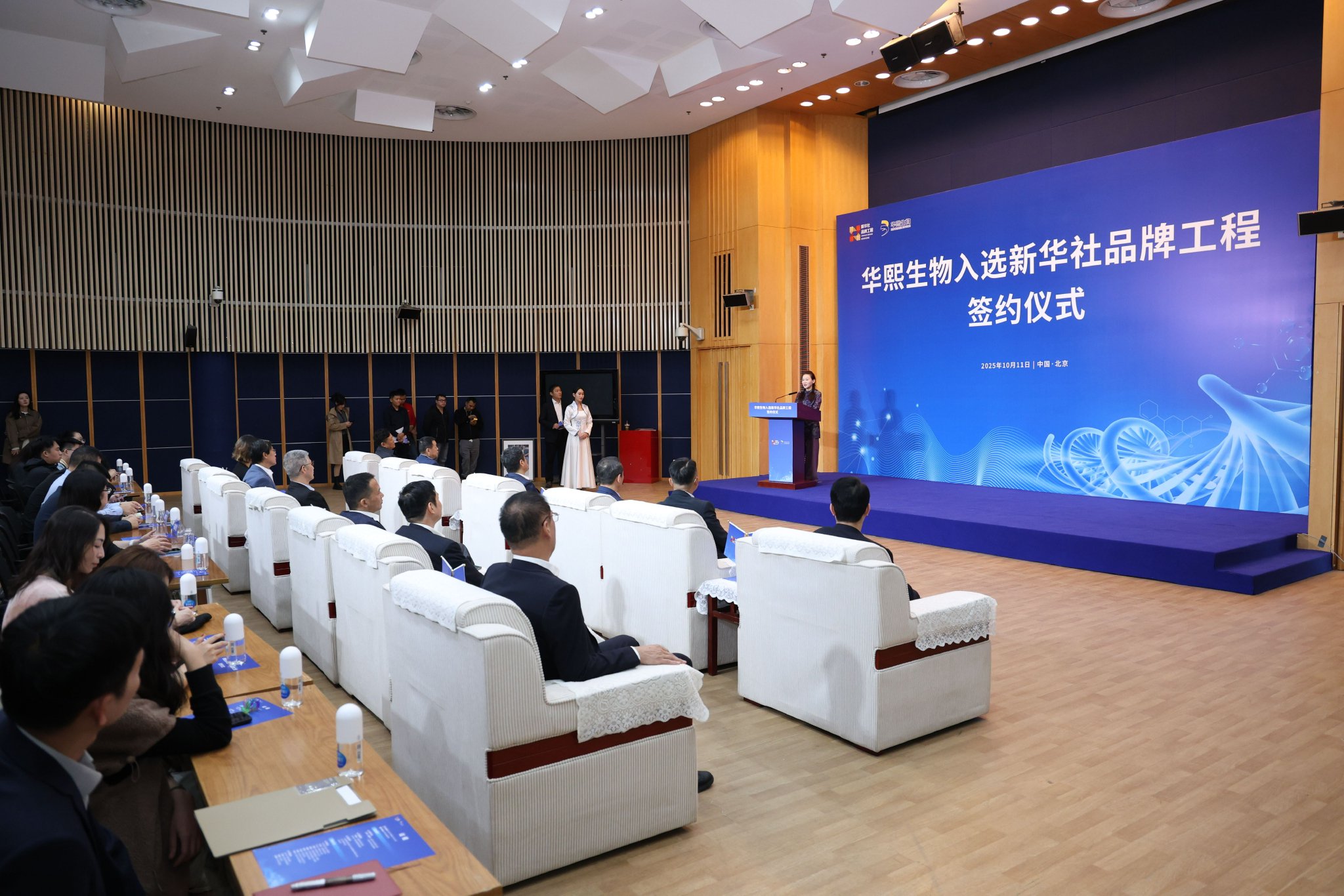
Core Insights - Huaxi Biological has been selected for the Xinhua News Agency's brand project, aiming for deep collaboration in brand communication, think tank research, and resource integration [1][3] - The partnership is expected to enhance the high-quality development of China's biotechnology industry and showcase the innovation and brand strength of Chinese enterprises [3] Company Overview - Huaxi Biological, established in 2000, is a leading global manufacturer of anti-aging substances, particularly hyaluronic acid [4] - The company has developed a complete ecosystem from raw materials to end products, with business operations extending into pharmaceuticals, medical aesthetics, nutritional science, and dermatology [4] - Huaxi Biological has launched several brands, including "Runbaiyan," "Kuaidi," "Mibeier," "Jihuo," and "Huaxi Dangkang" [4] Industry Context - The collaboration comes at a time when the global biotechnology wave intersects with China's "Healthy China" strategy, highlighting significant development opportunities in the biomanufacturing sector [4] - The Xinhua News Agency's brand project has been operational since 2017, providing professional, systematic, and international services to over a hundred Fortune Global 500 companies and leading enterprises in various industries [4]

金镒资本杨燚:助力新时代的中国力量 — 科技+消费双轮驱动
FOFWEEKLY· 2025-10-11 10:05
Core Viewpoint - Technology innovation and domestic consumption are the core engines driving China's economic growth, with a unique dual-driven advantage globally [3][12] Group 1: Company Overview - Jin Yi Capital is a new generation private equity institution focused on investing in China's technological innovation and quality of life, aiming to enhance social efficiency and tap into large terminal markets [5] - The company has a unique gene as a new generation institution, with a team that has invested 60 billion RMB over the past 20 years in representative companies across various eras in China [5] Group 2: Technology Sector Development - China possesses a top-tier talent pool and research capabilities, leading globally in the number of high-level STEM graduates [6] - The manufacturing sector in China accounts for 30% of global manufacturing output, with significant advancements in key technologies over the past decade [7] Group 3: Consumer Market Insights - China has the world's largest consumer market, with a middle-class population of 460 million as of 2022, surpassing the total population of the United States [8] - The disposable income of Chinese residents has increased 46 times over the past 30 years, with a national savings rate above 40%, indicating substantial consumer potential [8] Group 4: Policy Support - The Chinese government has implemented policies to boost income, adjust redistribution, stimulate consumption, and combat excessive competition, laying a foundation for sustainable economic growth [9] Group 5: Long-term Outlook - China is expected to become not only a technological powerhouse but also the largest consumer market globally, with income growth outpacing GDP growth [10][11] - The income distribution is anticipated to become more equitable, with systemic reforms aimed at reducing income disparities and unlocking consumption potential among lower-income groups [11] Group 6: Investment Strategy - Jin Yi Capital actively seeks structural opportunities that combine technological transformation with the vast domestic market, focusing on themes like smart technology, green living, and technology-enabled consumer industries [13] - The company has invested in leading enterprises across various sectors, including AI, new energy vehicles, and biotechnology, which are transforming consumer experiences [15][16]

免费领取!《2025中国合成生物制造产业发展白皮书》
synbio新材料· 2025-10-11 09:35
Core Viewpoint - The article emphasizes the rising importance of biomanufacturing as a strategic and innovative field, which is seen as a new growth point that can drive industrial structure optimization and economic transformation. The release of the "2025 China Synthetic Biomanufacturing Industry Development White Paper" highlights the current state, trends, and challenges of the biomanufacturing industry in China [1]. Group 1: Current State and Trends - The white paper provides an overview of the global biomanufacturing industry, including its development status and trends [5]. - It compares the biomanufacturing sectors of China and the United States, highlighting competitive dynamics [5]. - Future development trends in biomanufacturing are discussed, indicating potential growth areas [5]. Group 2: Policy Landscape - The report outlines major policies affecting biomanufacturing both domestically and internationally for the years 2024-2025 [5]. - It details foreign biomanufacturing industry policies and their implications for the sector [5]. - Domestic policies related to biomanufacturing are also analyzed, providing insights into regulatory frameworks [5]. Group 3: Industry Map and Applications - The white paper presents a comprehensive map of the Chinese biomanufacturing industry, identifying key players and their roles [5]. - It analyzes the biomanufacturing industry chain and key application areas, including pharmaceuticals, food, personal care, agriculture, chemicals, materials, and energy [5][6]. - Specific applications of biomanufacturing in various sectors are highlighted, showcasing its versatility and potential impact [5]. Group 4: Key Enterprises and Investment Landscape - The report identifies ten leading enterprises in the Chinese biomanufacturing industry, providing insights into their operations and market positions [6]. - It summarizes the strategic directions of 15 listed companies in synthetic biology, indicating their focus areas and growth strategies [6]. - The investment landscape for synthetic biology in China is examined, detailing funding trends and opportunities from 2024 to mid-2025 [6]. Group 5: Challenges and Recommendations - The white paper discusses the challenges faced by the biomanufacturing industry in China, including technological, regulatory, and market-related issues [6]. - It offers targeted policy recommendations to address these challenges, aiming to support the sustainable development of the biomanufacturing sector [6].


公司问答丨华熙生物:中试成果转化中心以模块化设计与柔性化生产为核心 可快速实现工艺放大与产业化转移
Ge Long Hui· 2025-10-11 09:31
格隆汇10月11日|有投资者在互动平台向华熙生物提问:请介绍合成生物平台复用性。麦角硫因/红景 天苷等研发中,平台能否快速复制至CDMO代工业务?(如为药企生产核苷酸);或者国际技术授权(类似 Ginkgo的ADEPT模式)? 华熙生物回复称,华熙生物的合成生物平台在基因编辑、菌株高效构建、代谢 路径优化、工艺开发等方面的技术成熟度较高,中试成果转化中心以模块化设计与柔性化生产为核心, 可快速实现工艺放大与产业化转移。华熙生物所积累的平台技术与经验,可赋能应用于功能糖、蛋白 质、多肽、氨基酸、核苷酸、天然活性物类这六大类物质的开发,实现技术模块跨品类复用并延伸至 CDMO代工,以受托生产的业务形式帮助客户降低研发成本,缩短周期。所储备的技术成果,也可以通 过技术授权转让与合作开发的形式,构建公司授权合作生态圈。 ...
万亿美妆市场洗牌加速:靠营销的短命品牌退场,研发型公司逆势突围
Di Yi Cai Jing· 2025-10-11 07:01
Core Insights - The Chinese fragrance and cosmetics industry is transitioning from "incremental competition" to "stock game" dynamics, with a shift from channel-driven to brand-driven competition [1] - The market size of China's cosmetics industry has exceeded 1 trillion yuan for two consecutive years, making it the largest cosmetics consumer market globally [1] - Companies are focusing on technological innovation, brand value reconstruction, and collaborative networks to enhance their competitiveness in the global value chain [1] Industry Trends - The Chinese cosmetics market is projected to reach a total transaction value of 1,073.82 billion yuan in 2024, reflecting a year-on-year growth of 2.8% [3] - The core driving force of the cosmetics market is the innovation in raw materials, with domestic companies primarily concentrated in the mid-to-low-end sectors [3] - Many local beauty companies are investing in R&D to develop proprietary raw materials, moving away from reliance on imports [5][6] Technological Advancements - Companies like Huaxi Biological Technology are emphasizing the importance of core technology and R&D capabilities to survive in a competitive market [2] - Natural堂 has developed over 20 proprietary raw materials, showcasing a shift from dependence on imports to self-sufficiency in high-quality ingredients [6] - The Chinese government is implementing policies to support innovation in cosmetic raw materials, including expedited review processes for new ingredients [7] Collaborative Efforts - The establishment of partnerships between research institutions and cosmetic companies aims to bridge the gap between laboratory innovations and market applications [9][12] - The launch of the "Beautiful Health Medical Research and Enterprise Transformation Center" in Nanjing signifies a commitment to enhancing collaboration in the industry [9] - Shanghai Jahwa's collaboration with the Chinese Academy of Traditional Chinese Medicine highlights the potential of traditional ingredients like artemisinin in skincare applications [11]