
Spotify Technology S.A.

Search documents
腾讯音乐20250721
2025-07-21 14:26
Tencent Music Research Summary Industry and Company Overview - Tencent Music operates in the online music and social entertainment industry, having established itself as a leading player in China since its inception in 2016 through a merger with China Music Corporation [2][3]. Core Insights and Arguments - **Copyright Strategy**: Tencent Music initially secured a large number of exclusive copyrights through strategic partnerships, maintaining over 90% of core copyright resources even after the market opened up [2][3]. - **Revenue Growth**: Online music services are projected to account for 75% of total revenue by 2024, with subscription revenue increasing by 26% year-on-year to reach 15.2 billion yuan, and gross margin improving to 42% [2][7]. - **User Engagement**: The company is expanding its fan economy by launching subscription products like Bubble, enhancing interaction between artists and fans, and leveraging social media platforms like WeChat and QQ [2][6]. - **User Metrics**: By the end of 2024, Tencent Music expects to have 556 million monthly active users and a music library of 260 million songs, with 121 million paying users and a payment rate of 21.8% [2][8][9]. - **Market Position**: Tencent Music holds a 14% share of the global market, compared to Spotify's 32%, indicating significant growth potential [9]. Additional Important Insights - **Long Audio Market Expansion**: Tencent Music is expanding into the long audio market through the acquisition of Ximalaya and leveraging IP resources from the Reading Group [10]. - **Hardware Ecosystem**: The company collaborates with hardware manufacturers to create a "music + social + UGC" ecosystem, enhancing user experience through smart device integration [11][12]. - **ARPU Growth**: The average revenue per user (ARPU) is expected to increase to 11.4 yuan in Q1 2025, with plans to reach 13-15 yuan in the next two to three years [13][14]. - **Technological Innovations**: Tencent Music is investing in AIGC technologies to reduce music production costs and enhance user experience, including virtual idol concerts and AI-driven music recommendations [4][15]. - **Financial Projections**: For 2025, Tencent Music anticipates total revenue of 31 billion yuan, with a gross margin of 45% and a net profit of 8.9 billion yuan, indicating a healthy financial outlook [4][16]. Investment Considerations - **Future Outlook**: Investors are encouraged to monitor Tencent Music's developments, particularly in fan economy initiatives and collaborations in the Korean entertainment sector, as these are expected to drive significant growth [17].

Best Stock to Buy Right Now: SiriusXM vs. Spotify
The Motley Fool· 2025-07-21 08:15
Business Model Comparison - SiriusXM operates primarily through a subscription model, owning both its satellite radio service and Pandora, which offers a music streaming service based on a music genome project [4][6] - SiriusXM's business heavily relies on the automobile industry, with radios pre-installed in most new vehicles sold in the U.S. [5] - Spotify also utilizes a subscription model but differentiates itself with a freemium approach, where most users access a free, ad-supported tier, while the premium tier is growing rapidly [8][7] Financial Performance - SiriusXM faced challenges in expanding its customer base, with self-pay subscribers declining by 330,000 to 33 million and revenue decreasing by 4% to $2.07 billion in the first quarter [9] - Despite these challenges, SiriusXM remains profitable, achieving an adjusted EBITDA margin of 30%, although net income fell from $241 million to $204 million [10] - In contrast, Spotify reported a 15% revenue increase to €4.19 billion, with total monthly active users rising by 10% to 678 million, including 268 million premium subscribers, and net income increasing from €197 million to €225 million [11] Valuation Metrics - SiriusXM trades at a forward P/E ratio of 8 and offers a dividend yield of 4.7%, attracting value and dividend investors [12] - Spotify, however, has a significantly higher forward P/E ratio of around 80 and does not pay a dividend [12] Investment Outlook - Spotify is positioned as the leader in music streaming, showing solid growth in both revenue and user base, with more potential for future expansion [13] - SiriusXM appears to be stagnating, with limited prospects for significant growth, making it less attractive for growth-oriented investors [13]



资讯日报-20250721
Guoxin Securities Hongkong· 2025-07-21 06:23
Market Overview - The Hang Seng Index closed at 24,826, up 1.33% for the day and 23.76% year-to-date[3] - The Hang Seng China Enterprises Index rose 1.51% to 8,986, with a year-to-date increase of 23.27%[3] - The Hang Seng Tech Index increased by 1.65% to 5,539, marking a 23.96% rise year-to-date[3] U.S. Market Performance - The Dow Jones Industrial Average fell by 0.32% to 44,342, with a year-to-date gain of 4.23%[3] - The S&P 500 Index decreased slightly by 0.01% to 6,297, up 7.06% year-to-date[3] - The Nasdaq Composite Index rose by 0.05% to 20,896, reflecting an 8.21% increase year-to-date[3] Sector Highlights - Major tech stocks like JD.com and Alibaba saw gains of approximately 3%[10] - Financial stocks also performed well, with China Merchants Securities rising over 4%[10] - Pharmaceutical stocks experienced significant increases, with Lepu Biopharmaceuticals up over 24%[10] Economic Indicators - Consumer confidence in the U.S. reached a five-month high, with inflation expectations dropping to 4.4%[10] - The Federal Reserve's stance on interest rates remains cautious, with potential rate cuts anticipated in September[10] Investment Insights - The upcoming earnings reports from major tech companies are expected to significantly influence the S&P 500's overall performance, with projected earnings growth of 14.1% for these firms[16] - Analysts caution that high market expectations may lead to volatility if earnings do not meet projections[15]
摩根士丹利:我们学到了什么以及接下来什么最重要为什么扩散模型可能模糊科技vs媒体的时间花费界限
摩根· 2025-07-19 14:02
Investment Rating - The report indicates a positive investment outlook for the media industry, particularly for companies like Netflix and Spotify, projecting revenue growth in the single to double digits over the next five years [1]. Core Insights - The application of generative AI in the media industry is expected to significantly reduce production costs by 10% to 30% for films and TV shows, enhancing profitability [3]. - Companies like Netflix are focusing on cost control and efficiency improvements, while Spotify is expanding its business model to include podcasts and audiobooks, aiming to increase user engagement and revenue [1][5]. - YouTube is experiencing rising user engagement, becoming one of the largest video platforms in the U.S. due to its high-quality content strategy [1][6]. - Meta platforms are leveraging video content, with over 50% of user time spent on videos, enhancing ad personalization and user engagement [2][7][8]. Summary by Sections Netflix and Spotify Growth Strategies - Netflix aims to optimize scriptwriting and visual effects through AI, significantly lowering content production costs and improving profit margins [1][5]. - Spotify is implementing a "single app" strategy to diversify its offerings and enhance user engagement through AI-driven features like playlists and DJ [1][5]. YouTube's Market Position - YouTube's user engagement is steadily increasing, transitioning from user-generated content to high-quality programming, which includes premium shows and sports events [6]. Meta's Video Engagement - Meta is capitalizing on video growth, with over half of user engagement on its platforms dedicated to video content, and is enhancing ad effectiveness through data-driven personalization [2][7][8]. Impact of Generative AI on the Media Industry - Generative AI is democratizing creativity and storytelling, allowing companies to deliver more targeted high-quality content based on viewer preferences, which could lead to new business models and increased profitability [4][9].


从流量到变现:在线音乐平台的商业逻辑
2025-07-16 00:55
Summary of Key Points from the Conference Call Industry Overview - The online music service industry has experienced significant growth over the past 20 years, characterized by streaming and globalization. According to IFPI, the global recorded music industry revenue is projected to reach approximately $30 billion in 2024, with a year-on-year growth of 5%. Streaming revenue accounts for nearly 70% of this total, with paid subscription revenue expected to reach $15.1 billion, growing by 9.5% year-on-year. Advertising revenue is anticipated to grow by 1.2% [2][3]. Key Characteristics of the Online Music Service Industry - The industry has high entry barriers due to high content copyright costs and strong two-sided network effects. High copyright costs make it difficult for new entrants to compete effectively in the short term. The market is dominated by major record labels, which control a significant portion of the content [3][4]. - The upstream of the industry is primarily controlled by record companies, which manage a large number of tracks. The downstream monetization relies on the user base of platforms, generating revenue through subscriptions and advertising. The three major music groups in the U.S. control 85% of the track count and 74% of the global digital music upstream [5][6]. Competitive Landscape - In the overseas market, platforms like Spotify, Apple Music, and Amazon Music dominate, with market shares of 36%, 31%, and 24% respectively. However, their profitability is affected by the monopoly of upstream record companies. In contrast, in the Chinese market, Tencent Music and NetEase Cloud Music hold the majority market share, approximately 70-80% combined, while the emerging platform, Soda Music, poses limited threat due to its recent establishment and lack of quality content [6][7][8]. Trends in the Domestic Online Music Market - The main trends in the domestic online music market focus on increasing the number of paid users and raising the average revenue per user (ARPU). Tencent Music's monthly active users are nearing their peak, with future growth relying on paid user numbers and pricing. NetEase Cloud Music and Soda Music are currently in the phase of expanding their user base [9][10]. - The domestic market has seen significant regulatory changes, such as the strict copyright regulations in 2015 and the administrative penalties against Tencent in 2021, which have allowed competitors like NetEase Cloud Music to accumulate more tracks [10]. Profit Growth Strategies - Online music platforms are achieving profit growth by optimizing content costs, expanding user bases, and increasing subscription revenues. The market is valuing internet companies highly due to their stable business models and favorable competitive landscapes. Tencent Music and NetEase Cloud Music have room for long-term profit margin improvements [11][12]. Valuation and Market Sentiment - The online music sector has seen significant stock price increases this year, driven by favorable policies, market regulatory guidance, and content cost optimization. Despite low double-digit revenue growth, investor confidence remains high due to these factors [13][14]. - In 2025, internet companies are receiving high valuations due to their stable business models and competitive environments. Tencent Music and NetEase Cloud Music are particularly well-positioned, with Tencent Music's non-GAAP P/E ratio around 26-27 times and NetEase Cloud Music's around 31-32 times [15][16]. Future Development Potential - Both Tencent Music and NetEase Cloud Music have significant growth potential, with opportunities to double their paid user bases. They are also actively expanding into long audio, artist management, and fan operations [16][17]. - Tencent Music has made strategic investments, including a $1.26 billion cash acquisition of Himalaya and a stake in South Korea's SM Entertainment, indicating its intent to strengthen its position in the long audio content and fan economy sectors [20]. Notable Developments in NetEase Cloud Music - NetEase Cloud Music is enhancing its social attributes and UGC ecosystem, showing considerable potential for profit improvement. The platform has a high proportion of users born after the 90s, and its recent features, such as "Music Notes," are expected to enhance its financial performance [21].
Sirius, long commercial-free in cars, is betting on advertising to capture new listeners
CNBC· 2025-07-15 13:00
Core Viewpoint - SiriusXM is shifting its business strategy towards an ad-supported subscription model to drive revenue and retain customers in a competitive audio entertainment market [3][12]. Group 1: New Subscription Plan - The company launched its first ad-supported subscription plan, SiriusXM Play, priced at under $7 per month, offering a limited selection of commercials across music, sports, news, and talk shows [2][4]. - This new plan aims to convert free trial users into long-term subscribers, particularly targeting drivers who do not renew after their trial period [6][7]. Group 2: Market Position and Strategy - SiriusXM is focusing on its core in-car radio business, which constitutes 90% of its customer base, while also planning to expand the ad-supported option to nearly 100 million vehicles by the end of 2025 [4][13]. - The company is reallocating resources from high-cost streaming audiences to enhance its in-car offerings and advertising strategy [12][13]. Group 3: Financial Performance - In the most recent quarter, SiriusXM reported $2.07 billion in revenue, a 4% decline year-over-year, with net income falling to $204 million from $241 million [15]. - The company generated approximately $1.8 billion in total ad revenue for 2024, with $394 million reported in the latest quarter, reflecting a decline from the previous year [16]. Group 4: Competitive Landscape - SiriusXM faces increasing competition from streaming services like Spotify and Apple Music, which are gaining traction in the in-car audio space [11]. - The company is drawing parallels to Netflix's previous struggles with subscriber growth and its eventual shift to an ad-supported model [9][10].

视频播客最大的作用,是让付钱的人变多
3 6 Ke· 2025-07-15 09:56
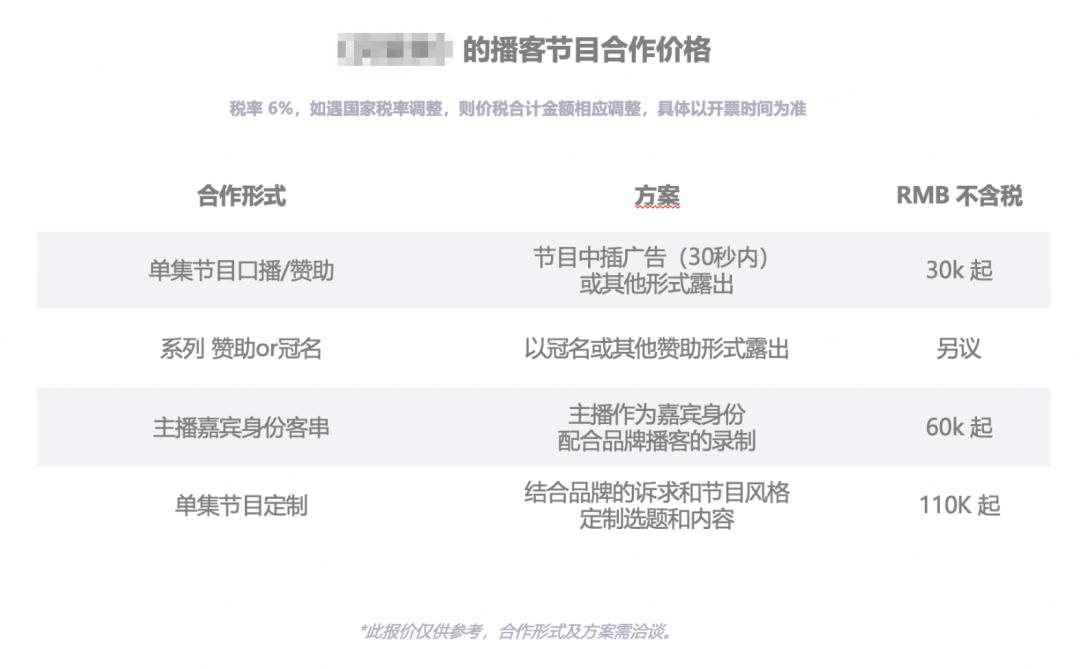
Core Viewpoint - The podcast industry is facing significant internal crises, requiring external investment and innovation to revitalize it [2][3][4] Group 1: Industry Challenges - The podcast industry lacks a robust ecosystem, with resources overly concentrated among a few leading players, leading to a wealth gap within the industry [3][4] - The number of advertisers (clients) is limited, primarily dominated by a few large companies, which exacerbates the disparity in revenue among podcasts [4][6] - Current monetization methods are insufficient, with most podcasts unable to generate significant advertising revenue, and alternative monetization strategies remain underdeveloped [6][7] Group 2: User Engagement and Market Dynamics - Despite reports claiming 150 million users of Chinese podcasts, the medium remains niche and has not achieved widespread popularity [7][8] - The podcast industry has not produced significant viral content or personalities, indicating a lack of mass appeal and engagement [7][8] - The industry is at risk of stagnation without new entrants and innovation, as historical patterns suggest that such industries may either collapse or undergo forced upgrades [7][8] Group 3: Potential Solutions and Innovations - Video podcasts may offer a solution to the industry's challenges, as they can leverage the strengths of video content to enhance user engagement and monetization opportunities [9][15] - The Chinese internet landscape is more video-centric, suggesting that video podcasts could thrive where traditional audio formats struggle [9][15] - The concept of personal branding (personal IP) is crucial for success in video podcasts, as it fosters deeper connections with audiences and enhances monetization potential [11][14][20] Group 4: Case Studies and Examples - Successful examples of personal IP in video content demonstrate the potential for diverse revenue streams, including merchandise sales, live streaming, and subscription models [12][19][20] - Content that addresses user needs and emotional value can significantly enhance audience engagement and revenue generation [20]

Is First Trust Consumer Discretionary AlphaDEX ETF (FXD) a Strong ETF Right Now?
ZACKS· 2025-07-14 11:21
Core Insights - The First Trust Consumer Discretionary AlphaDEX ETF (FXD) is a smart beta ETF launched on May 8, 2007, providing broad exposure to the Consumer Discretionary sector [1] - FXD is managed by First Trust Advisors and has accumulated over $334.25 million in assets, making it one of the larger ETFs in its category [5] - The fund aims to match the performance of the StrataQuant Consumer Discretionary Index using the AlphaDEX stock selection methodology [5] Fund Characteristics - FXD has an annual operating expense ratio of 0.61%, which is competitive within its peer group, and a 12-month trailing dividend yield of 1.10% [6] - The ETF has a significant allocation of approximately 75.6% in the Consumer Discretionary sector, with Telecom and Industrials also represented [7] - The top three holdings include Carvana Co. (CVNA) at 2.07%, Five Below, Inc. (FIVE), and Spotify Technology S.a. (SPOT), with the top 10 holdings comprising about 15.9% of total assets [8] Performance Metrics - As of July 14, 2025, FXD has returned approximately 1.78% year-to-date and 9.79% over the past year, with a trading range between $50.42 and $68.52 in the last 52 weeks [10] - The fund has a beta of 1.20 and a standard deviation of 22.04% over the trailing three-year period, indicating a medium risk profile [10] Alternatives - Investors seeking to outperform the Consumer Discretionary ETFs segment may consider alternatives such as the Vanguard Consumer Discretionary ETF (VCR) and the Consumer Discretionary Select Sector SPDR ETF (XLY), which have significantly larger asset bases of $6.17 billion and $22.66 billion respectively [12] - VCR has a lower expense ratio of 0.09% compared to FXD, while XLY has an expense ratio of 0.08% [12]

奈飞的血泪教训:免费模式可能毁掉你的生意
3 6 Ke· 2025-07-14 04:13
Core Insights - Many organizations fall into the pricing trap of offering free products or services to increase market acceptance, but this often leads to high hidden costs and challenges in charging later [1][9] - Consumer psychology indicates that charging even a nominal fee can enhance perceived value and responsible usage of products [2][3] Pricing Strategies - Charging a nominal fee can foster a sense of responsibility among consumers, as seen in the case of Al-Azhar Park, which thrived after implementing an entry fee, contrasting with the decline of Al-Fustat Gardens due to lack of funding and maintenance [2][3] - Companies should clearly communicate the economic value of their products or services, even if they are currently free, to avoid user resistance to future charges [3][6] - Strategies such as strike-through pricing, bundling, and freemium models can help establish perceived value and encourage users to recognize the worth of services [4][5][6] Timing and Communication - The timing of price adjustments and value communication is crucial; informing users about upcoming price changes can shift their focus from costs to benefits [7][8] - Providing a transition period before implementing charges allows users to prepare and understand the value of the service, making them more likely to accept future fees [7][8] Creating Perceived Value - Limiting free offerings through time constraints or conditions can enhance perceived value, as seen with services like Headspace and The New York Times, which offer limited free trials while establishing a reference price [9][9] - Organizations must recognize that "free" is rarely truly free; it sets expectations and behaviors that can be difficult to reverse, making strategic pricing decisions essential [9]
金十图示:2025年07月14日(周一)全球主要科技与互联网公司市值变化


news flash· 2025-07-14 03:00
Core Insights - The article provides a snapshot of the market capitalization changes of major global technology and internet companies as of July 14, 2025, highlighting both increases and decreases in value across various firms [1]. Market Capitalization Changes - Tesla's market cap increased by 1.17%, reaching $100.98 billion [3]. - Alibaba saw a slight increase of 0.08%, with a market cap of $255.2 billion [3]. - AMD experienced a rise of 1.57%, bringing its market cap to $23.74 billion [3]. - Companies like Oracle and SAP reported declines of 1.89% and 1.75%, respectively, with market caps of $64.76 billion and $35.31 billion [3]. - Notable declines included Adobe, which fell by 2.18%, with a market cap of $15.41 billion [4]. Noteworthy Performers - PayPal showed a significant increase of 5.73%, with a market cap of $6.3 billion [6]. - SMIC reported a rise of 2.07%, reaching a market cap of $607 million [6]. - Circle Internet PNG Group had a notable increase of 7.67%, with a market cap of $463 million [7]. Overall Trends - The overall trend indicates mixed performance among technology companies, with some experiencing growth while others face declines in market capitalization [1][3].
