银河通用

Search documents
390亿美元,全球具身智能第一估值来了!英伟达持续加注中
具身智能之心· 2025-09-19 00:03
Core Insights - Figure has successfully raised over $1 billion in Series C funding, achieving a post-money valuation of $39 billion, setting a record in the field of embodied intelligence [3][33] - The funding round was led by Parkway Venture Capital, with participation from major investors including Nvidia, Brookfield Asset Management, and Intel Capital [5] - The company aims to expand its humanoid robot manufacturing and deployment in both household and commercial settings [10][22] Funding and Valuation - The Series C funding raised over $1 billion, resulting in a valuation of $39 billion, the highest in the current publicly available information on the embodied intelligence sector [3][33] - Previous funding rounds include a $675 million Series B round in February 2024, which valued the company at $2.6 billion [23] Technological Advancements - Figure has developed the Helix architecture, a visual-language-action model that allows robots to perceive, understand, and act like humans [18][22] - The Helix system consists of two components that communicate with each other, enabling the robot to perform various tasks using a unified model [19] - The latest funding will support the development of the Helix system, including building next-generation GPU infrastructure and advanced data collection projects [22][21] Recruitment and Expansion - Figure is actively recruiting across 13 areas, including AI-Helix and BotQ manufacturing, to support its growth and technological advancements [6] - The company is expanding its humanoid robot production capabilities to assist with household chores and commercial labor tasks [10][22] Market Position - Figure has positioned itself as a leading player in the humanoid robotics sector, especially after parting ways with OpenAI and focusing on developing its proprietary AI models [29][31] - The company has quickly gained attention in the market, with significant advancements in technology and funding, making it a notable competitor in the embodied intelligence landscape [32][33]

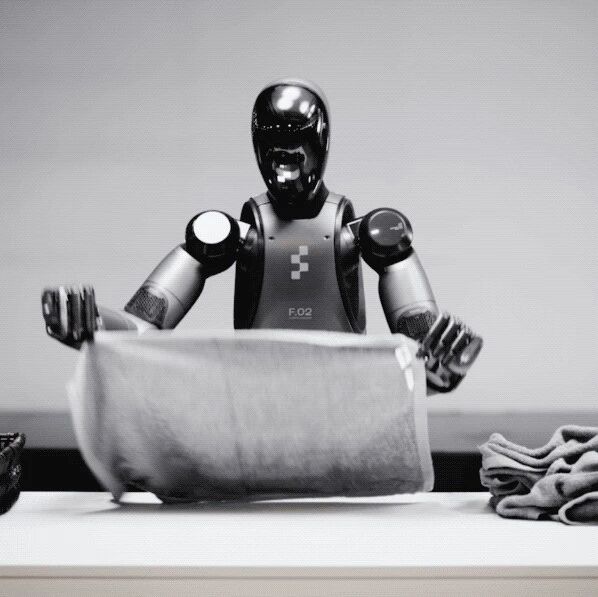
押注零部件总成,均胜电子切入机器人赛道
Di Yi Cai Jing Zi Xun· 2025-09-18 10:32
Core Insights - Junsheng Electronics has launched three integrated robotic products, emphasizing a comprehensive approach rather than single-component supply [1][3] - The company aims to position itself as a "Tier 1" supplier in the automotive and robotics sectors, directly supplying components to manufacturers and engaging deeply in R&D and production processes [1][3] Product Development - The newly launched products include an AI head assembly, a full-domain controller based on NVIDIA's Jetson Thor chip, and a new energy management product for robots [1] - The AI computing power of the new full-domain controller reaches 2070 TOPS, which is 7.5 times that of the previous generation Orin, with CPU performance improved by 3.1 times [3] Strategic Partnerships - Junsheng Electronics will provide customized robotic domain controller solutions and energy management systems to Swiss company RIVR Technologies AG [3] - The company has already sent samples of its energy management products to various enterprises, including Zhiyuan Robotics and Galaxy General [3] Industry Positioning - The robotics business is still in its early development stage, and the future growth potential will depend on the speed of product innovation and the level of technological investment [4]


IASP2025年世界大会观察:“中关村倡议”鸣锣 “北京方案”领航
Bei Jing Shang Bao· 2025-09-17 13:27
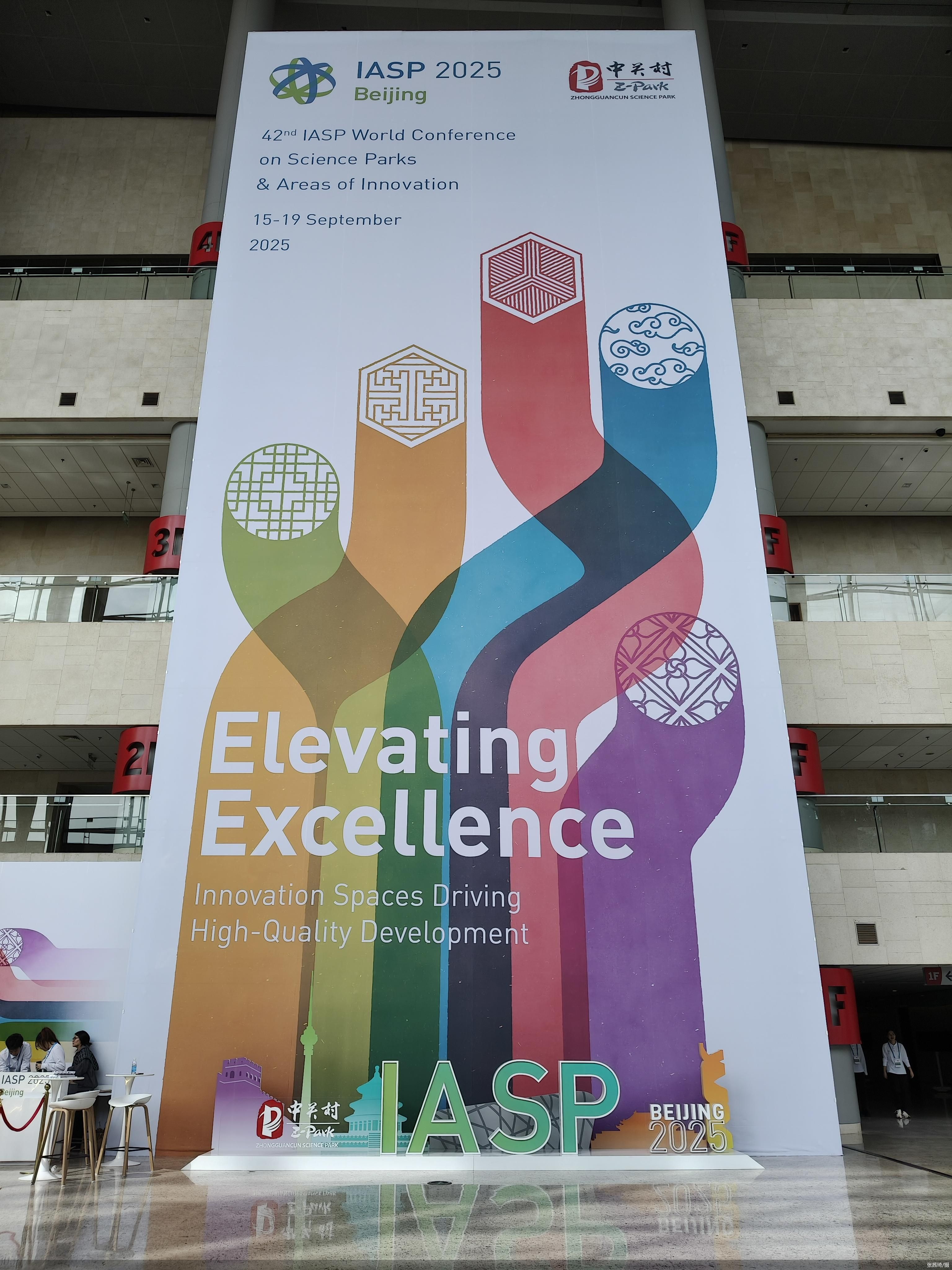
Group 1 - The IASP 2025 World Conference in Beijing highlighted the "Zhongguancun Initiative," which aims to create a vision for global technology parks focusing on innovation, sustainability, intelligence, culture, and openness [1] - The initiative represents a culmination of Zhongguancun's efforts to integrate "going out" and "bringing in," contributing a unique "Beijing solution" to global technology park development [1][12] - The conference featured international guests experiencing Beijing's cutting-edge technology hubs, such as the Daxing International Hydrogen Energy Demonstration Zone and the Zhongguancun (Yizhuang) International Robotics Industrial Park [5][10] Group 2 - The Daxing International Hydrogen Energy Demonstration Zone has over 200 companies and a complete industrial ecosystem from hydrogen production to application, showcasing China's strength in green energy transition [5] - The Zhongguancun (Yizhuang) International Robotics Industrial Park is home to high-growth companies in key technology areas, reflecting China's advancements in artificial intelligence and robotics [10] - In 2024, Zhongguancun's R&D investment is projected to reach 478.5 billion yuan, with a patent authorization rate of 174.7 per 10,000 employees, and a technology contract transaction volume of 646.5 billion yuan [11] Group 3 - Zhongguancun has established over 1,000 overseas R&D centers, covering more than 60 countries, and has attracted nearly 300 multinational company R&D centers [12] - The "Beijing solution" emphasizes a dual empowerment model, combining "going out" and "bringing in" to enhance China's technological innovation and provide new development ideas for global technology parks [12] - The Daxing Hydrogen Energy Demonstration Zone's collaboration with Mexico's Azteca Logistics marks a significant step in internationalizing China's hydrogen technology [15]

谷歌、智元都提前押注,谁能做机器人领域的“安卓”?
Di Yi Cai Jing· 2025-09-17 10:29
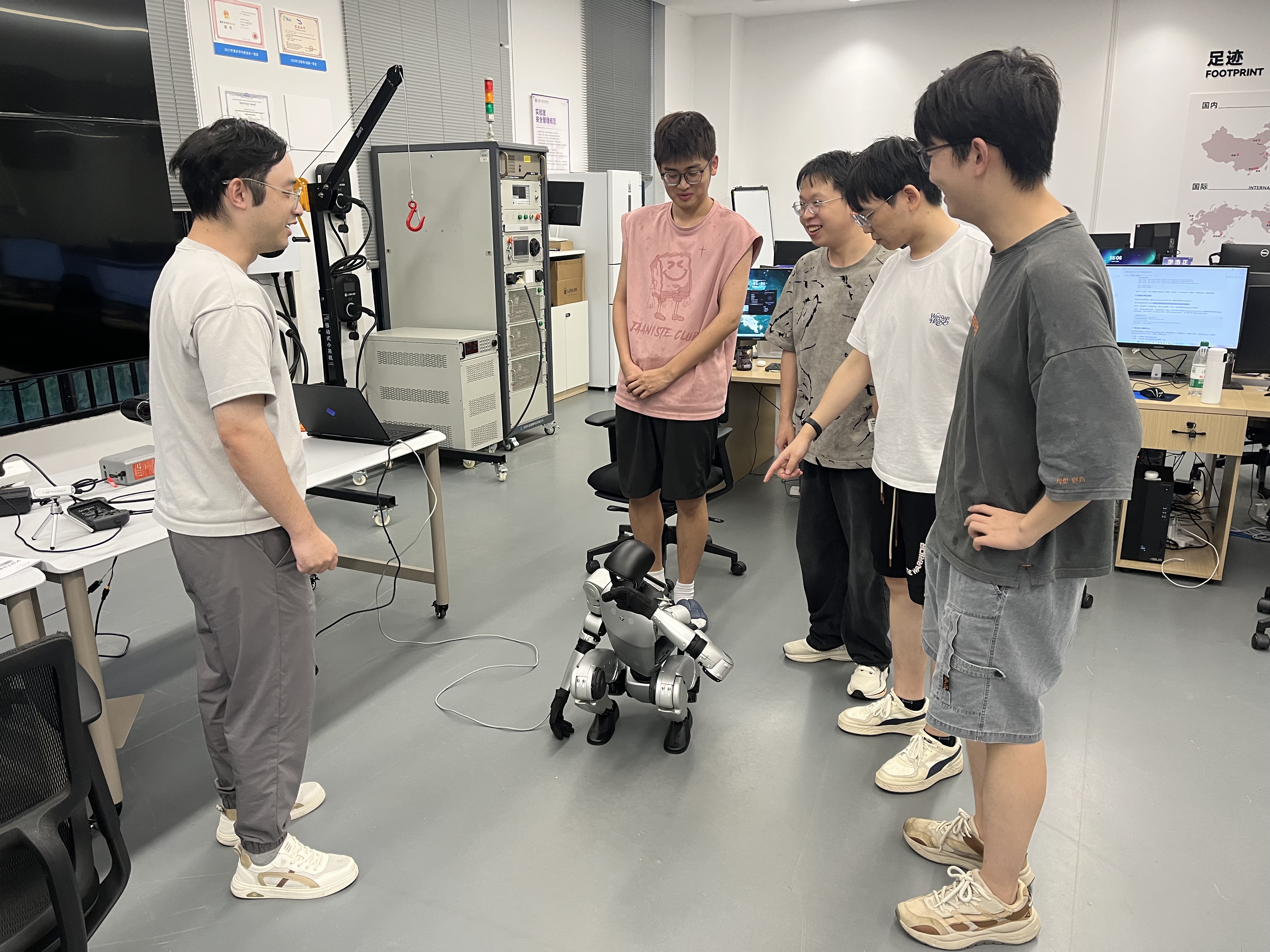
Group 1 - The core idea is that the development of middleware similar to the Android operating system could facilitate the large-scale deployment of robots by enabling compatibility across different hardware and algorithms [1][19]. - A new role in the industry is emerging, where middleware acts as an intermediary layer to mask hardware differences and allow various robot manufacturers to integrate their systems [1][18]. - Major companies such as Google, Zhiyuan, and others are investing in this middleware approach, indicating a growing interest in creating a standardized framework for robot deployment [1][17]. Group 2 - The logistics sector is facing challenges as companies attempt to collaborate with multiple robot manufacturers, leading to increased resource allocation and uncertainty regarding ROI [2][3]. - Compatibility issues among different robot algorithms and hardware are hindering the transfer of successful experiences from one scenario to another, complicating the deployment process [2][8]. - The need for a unified middleware solution is emphasized, as it could streamline the integration of various robots into a cohesive operational framework [3][4]. Group 3 - Real-time online learning algorithms are being explored to allow robots to learn and adapt during actual operations, potentially reducing the time and resources required for training [9][12]. - The integration of physical laws into simulation environments is crucial for improving the accuracy of robot training, as current simulations often lack realistic physical interactions [10][12]. - The ultimate goal is to create a robust middleware that can support the diverse needs of the robot industry, similar to how operating systems function in the software realm [18][19].

圆桌对话:具身智能投资指南:从技术到市场的跨越| 2025年36氪产业未来大会
3 6 Ke· 2025-09-17 08:47
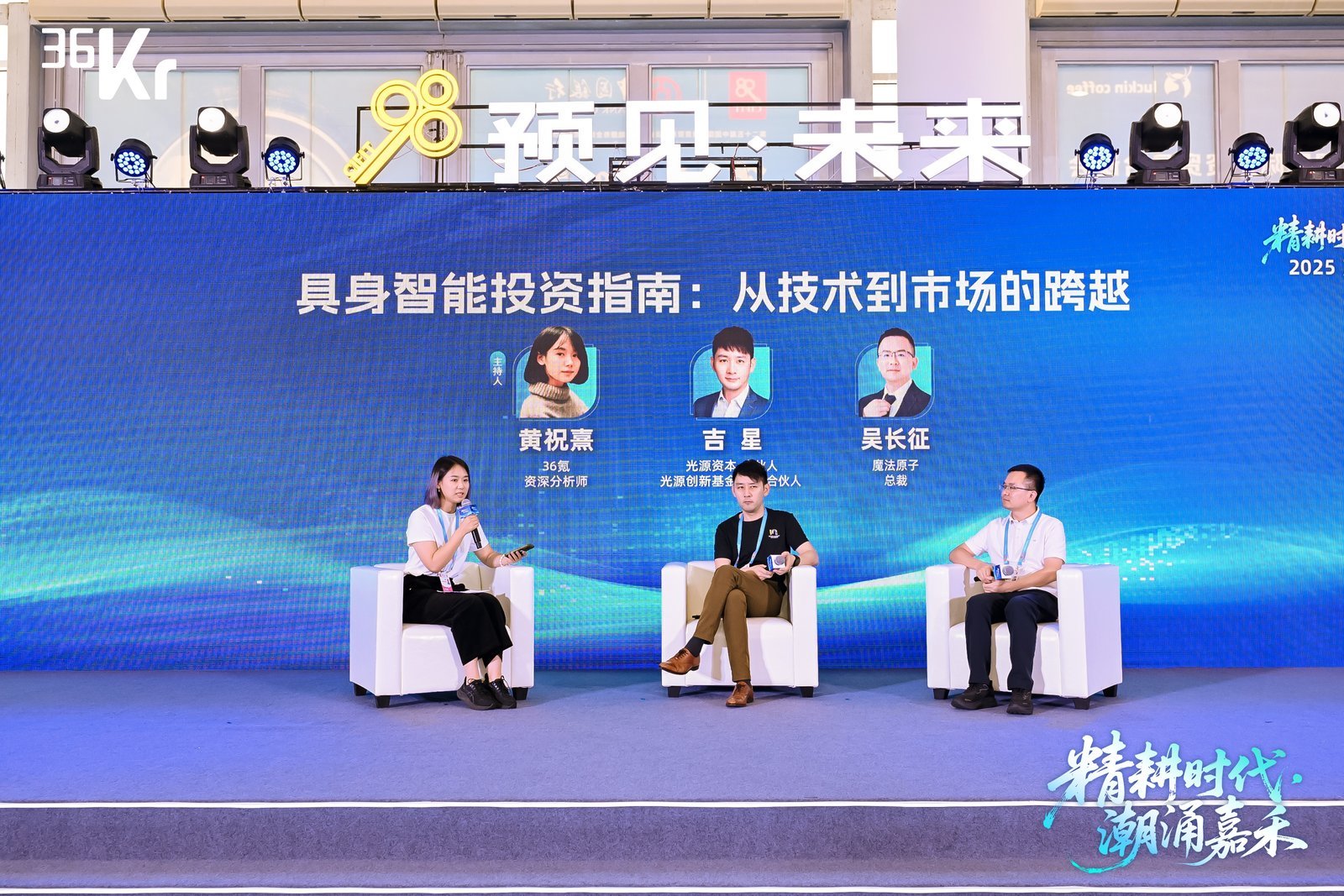
Core Insights - The 2025 36Kr Industry Future Conference in Xiamen, China, focuses on key sectors such as artificial intelligence, low-altitude economy, advanced manufacturing, new energy, and consumer goods, aiming to discuss development paths and industry futures [1] - The conference emphasizes the collaboration between government, capital, and industry to address pain points and bottlenecks in industrial development [1] Investment Trends - In the first half of 2023, China's total financing in AI and embodied intelligence reached approximately $6 billion, while the U.S. exceeded $100 billion, indicating a significant gap in investment levels [4] - Despite the current hype around embodied intelligence, the market's future expectations are rising due to technological maturity and cost reductions, suggesting a potential trillion-dollar market in China [5] Company Insights - Light Source Capital has invested in several prominent projects in the embodied intelligence sector, emphasizing the importance of team capabilities and market fit in early-stage investments [6][7] - Magic Atom, founded in January 2024, has developed a range of robots and is focusing on industrial applications, particularly in the home appliance manufacturing sector [10][11] Commercialization Strategies - The industry consensus is that 2023 marks the beginning of commercialization for embodied intelligence, driven by decreasing costs of core components and technological maturity [12] - Companies are advised to focus on real-world applications and ensure their products meet specific market needs to achieve successful commercialization [13][14] Future Outlook - The next few years may see a significant differentiation in the embodied intelligence sector, with a focus on the integration of technology, industry, and capital [19] - The industry faces challenges in data and model breakthroughs, as well as the need for a collaborative ecosystem involving upstream, midstream, and downstream participants [27]
两地共建团队,这家具身智能机器人创企完成1.2亿美元新一轮融资!
Robot猎场备忘录· 2025-09-17 00:02
Core Insights - Dyna Robotics, a "Silicon Valley" embodied AI robotics startup, has successfully completed a $120 million Series A funding round, led by Robostrategy, CRV, and First Round Capital, with participation from Salesforce Ventures, NVIDIA, Amazon, Samsung Next, and LG Technology Ventures [2][3] - The company's valuation has increased to $600 million following this funding round, marking a significant growth from its previous seed round valuation of approximately $100 million [3][4] Company Overview - Dyna Robotics was established in September 2024 in Redwood City, California, with a hardware R&D center in Shanghai, focusing on creating low-cost, single-task embodied AI robots, ultimately aiming for general-purpose embodied intelligence [8][9] - The founding team consists of experienced entrepreneurs who previously founded Caper AI, which was acquired for $300 million in 2021 [11][18] Team Structure - The company has built a strong team across both the US and China, leveraging the US's strengths in algorithms and talent, and China's advantages in hardware and supply chain [4][14] - The team includes experts from top AI companies and universities, focusing on both hardware design and software algorithms [19] Product Strategy - Dyna Robotics aims to create practical and affordable AI robots, differentiating itself from other humanoid robot companies by focusing on simplified hardware design to reduce complexity and costs [16][20] - The company plans to launch its first model, DYNA-1, by April 2025, which is designed for commercial applications [17] Market Positioning - The company is positioned to address the practical needs of the market, emphasizing the importance of creating robots that can perform specific tasks effectively, rather than just showcasing advanced capabilities [16][20] - Dyna Robotics' approach contrasts with other humanoid robot companies that may focus more on impressive demonstrations rather than practical applications [20][21]

首程控股被投企业宇树科技开源核心模型,生态战略与资本化进程双提速
Ge Long Hui· 2025-09-16 07:38
首程控股作为宇树科技的重要战略投资者,通过旗下北京机器人产业发展投资基金持有宇树科技 4.087%股权,位列第八大单一股东。自2024年首次投资后,首程控股于2025年5月再度追加投资。随着 宇树科技加速IPO进程,首程控股有望成为其上市最大受益方之一。 首程控股的产业赋能价值在此次资本化进程中凸显。公司通过"资本+场景+产业链"模式,为宇树科技 提供销售代理、融资租赁及落地场景等全周期服务。此外,首程控股还系统性投资了银河通用、松延动 力等机器人产业链企业,构建起完整的具身智能生态图谱。随着宇树科技上市进程推进,首程控股将迎 来资本回报与产业协同的双重红利,进一步巩固其在中国机器人产投融合领域的领先地位。 与此同时,宇树科技上市进程取得实质性进展。根据证监会官网披露,公司已于2025年7月18日完成上 市辅导备案,最快将于10月进入关键评估阶段,计划在2025年四季度提交IPO申请文件。作为全球四足 机器人市场占有率超60%、人形机器人出货量第一的企业,宇树科技2024年营收已突破10亿元,较前一 年接近翻倍增长。 近日,人形机器人领军企业宇树科技正式开源其世界模型-动作架构UnifoLM-WMA-0,标志 ...
中国具身智能的技术一号位们
自动驾驶之心· 2025-09-16 03:34
Core Viewpoint - The article highlights the rapid development and commercialization of embodied intelligence, emphasizing the competitive landscape among global teams and the importance of technological breakthroughs in the field [4][5]. Group 1: Industry Overview - The last two years have seen significant advancements in hardware, data collection, and algorithms, leading to the expansion of embodied intelligence beyond laboratory settings [4]. - Embodied intelligence has become a recognized core direction for commercialization globally, with various teams competing intensely in this space [4]. - The next generation of technological breakthroughs will focus on general embodied intelligence and scene-adaptive learning [4]. Group 2: Key Players in Embodied Intelligence - **Yushu Technology**: Founded by Wang Xingxing, the company specializes in quadruped robots and has developed multiple models, including Laikago and AlienGo. Wang has over 10 years of experience in robot development and holds over 100 patents [8]. - **Xinghai Map**: Co-founded by Zhao Xing, the company focuses on embodied intelligence and multimodal learning, contributing to the development of the first mass-produced autonomous driving model based on large models [12][13]. - **Galaxy General**: Founded by Wang He, the company is dedicated to embodied intelligence and humanoid robots, with significant research contributions in 3D vision and robot learning [18]. - **Zhiyuan Robotics**: Led by Luo Jianlan, the company focuses on high-precision assembly tasks using reinforcement learning, achieving a 100% success rate in real-world applications [23]. - **Variable Robotics**: Co-founded by Wang Hao, the company aims to integrate large models with embodied intelligence, launching the WALL-A model, which is the largest operational model globally [26]. - **Zhuji Power**: Founded by Zhang Wei, the company is developing full-size humanoid robots and has launched the W1 commercial robot, with plans for mass production of humanoid robots by 2025 [30]. - **Stardust Intelligence**: Founded by Lai Jie, the company focuses on creating AI robots for household use, achieving breakthroughs in embodied intelligence data acquisition [32]. - **Cloud Deep**: Founded by Zhu Qiuguo, the company specializes in humanoid and quadruped robots, with a strong emphasis on self-research and development of core components [34]. - **Qianxun Intelligence**: Founded by Han Fengtao, the company has developed the Moz1 humanoid robot, which features advanced control capabilities and has raised over 1 billion yuan in funding [38]. - **Physical Intelligence**: Co-founded by Sergey Levine, the company focuses on creating advanced AI models for robots, achieving significant funding milestones and technological advancements [40][41]. - **Figure AI**: Founded by Brett Adcock, the company has developed humanoid robots for commercial applications, with significant advancements in collaborative robot control [44][45]. Group 3: Future Outlook - The article concludes that the vision and persistence of technology leaders are crucial for advancing the industry, with various paths being taken towards a flexible, adaptive, and highly interactive future in embodied intelligence [54][55].
那些敢于破风的具身技术一号位们......
具身智能之心· 2025-09-16 00:03
Core Viewpoint - The article emphasizes the rapid development and commercialization of embodied intelligence, highlighting key figures and companies driving innovation in this field globally [2]. Group 1: Key Figures in Embodied Intelligence - Wang Xingxing, CEO and CTO of Yushu Technology, has over 10 years of experience in quadruped robot development, leading the launch of multiple products and holding over 100 related patents [4]. - Zhao Xing, an assistant professor at Tsinghua University, has made significant contributions to embodied intelligence and multimodal learning, including the development of the first mass-produced autonomous driving large model [6]. - Xu Huazhe, also an assistant professor at Tsinghua University, focuses on visual deep reinforcement learning and has published over 60 papers in top journals and conferences [9][10]. - Wang He, founder of Galaxy General, specializes in embodied intelligence and 3D vision, leading the development of a versatile wheeled robot [12][13]. - Luo Jianlan, chief scientist at Zhiyuan Robotics, has developed a system achieving 100% success in real-world reinforcement learning tasks [16][18]. - Wang Hao, co-founder and CTO of Zihuan Robotics, led the development of the world's largest parameter scale embodied intelligence model, WALL-A [20][21]. Group 2: Companies in Embodied Intelligence - Yushu Technology focuses on high-performance humanoid robot hardware, utilizing advanced motor drives and motion control solutions [46]. - Galaxy General aims to create versatile humanoid robots, with significant data accumulation for simulation and real-world applications [12][13]. - Zhiyuan Robotics is dedicated to solving challenges in reinforcement learning for precise robotic assembly tasks [16][18]. - Zihuan Robotics is working on integrating large models with embodied intelligence, emphasizing cost-effective solutions for advanced capabilities [20][21]. - Physical Intelligence, co-founded by Sergey Levine, has raised significant funding to develop advanced AI models for various robotic applications [36]. Group 3: Trends and Future Directions - The industry is witnessing a shift towards flexible, adaptive, and highly interactive embodied intelligence systems, driven by diverse technological paths [46]. - Companies are focusing on local needs and practical applications, aiming to create systems that are more aligned with everyday life [46]. - The collaboration between academia and industry is crucial for advancing embodied intelligence technologies and achieving commercial viability [46].

90后北大博导造机器人 美团、宁德时代抢着投
经济观察报· 2025-09-15 13:42
Core Viewpoint - The article highlights the advancements and challenges in the Chinese robotics industry, focusing on two prominent figures, Wang Xingxing and Wang He, who are making significant contributions to the field. Wang Xingxing is known for his technical prowess, while Wang He emphasizes the practical application of humanoid robots in real-world scenarios [2][3]. Group 1: Key Figures and Their Contributions - Wang Xingxing, founder of Yushu Technology, gained fame for his robots performing on a national stage, showcasing nine years of technical development [2]. - Wang He, an assistant professor at Peking University and founder of Galaxy General, is recognized for his methodical approach in transitioning humanoid robots from labs to practical applications [2][3]. - Both figures are respected in the industry, with Wang Xingxing noted for his technical breakthroughs and Wang He for his forward-thinking strategies [3]. Group 2: Industry Developments and Innovations - Galaxy General has made significant strides since its establishment in May 2023, completing two rounds of substantial financing, including an 11 billion RMB round led by CATL and Puxuan Capital, marking the largest single financing in the domestic embodied intelligence sector [3]. - The company launched the "Galaxy Space Capsule," a humanoid robot-operated smart retail system, which occupies less than 9 square meters and can serve over a thousand customers daily [5][9]. - Wang He believes that retail is the optimal entry point for robots due to its large market size and diverse tasks, with plans to expand the deployment of the Galaxy Space Capsule across major cities [5][9]. Group 3: Challenges and Solutions in Robotics - Wang He addressed the industry's "three mountains": cost, mass production, and data challenges, emphasizing that the true difficulty lies in delivering economic value rather than merely producing robots [5][6]. - The cost of a Galbot robot is currently lower than hiring a human for three years, making it an attractive option for businesses [10]. - Galaxy General is tackling the data scarcity issue in embodied intelligence by utilizing synthetic data for training, achieving significant efficiency improvements in robot learning processes [14][15].