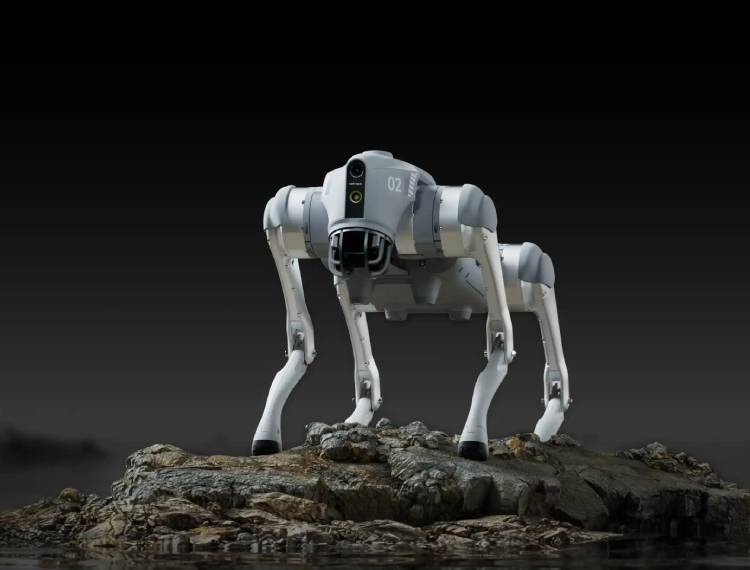
Go1

Search documents
最新!宇树受理了
是说芯语· 2026-03-20 10:13
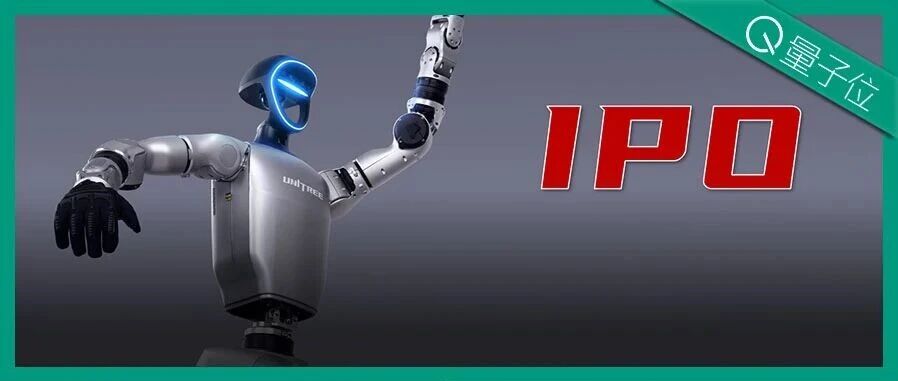
近日,宇树科技股份有限公司(以下简称"宇树科技")披露首次公开发行股票并在科创板上市招股说明书(申报稿),拟公开发行不低于4044.6434万 股,占发行后总股本比例不低于10%,募集资金将用于智能机器人模型研发、机器人本体研发、新型智能机器人产品开发及智能机器人制造基地建设四大 项目,总投资金额42.02亿元。 宇树科技成立于2016年8月26日,注册地址位于浙江省杭州市滨江区,法定代表人为王兴兴,主营业务为高性能通用人形机器人、四足机器人、机器人组 件及具身智能模型的研发、生产和销售。公司在全球率先实现高性能四足机器人公开销售及行业落地,人形机器人与四足机器人近年来全球销量保持领 先,产品被国内外众多知名高校、科研机构、科技企业及全球开发者广泛使用。 产品方面,公司构建了丰富的产品矩阵。人形机器人领域,已推出H1、G1、R1、H2及G1-D等系列产品,其中G1是2024年至2025年全球最畅销的人形机 器人,R1被《时代周刊》评为2025年度最佳发明;四足机器人领域,先后研发量产Laikago、AlienGo、A1、Go1、B1、Go2、B2、B2-W、A2等多款产 品,覆盖消费级与行业级应用场景;机器人 ...

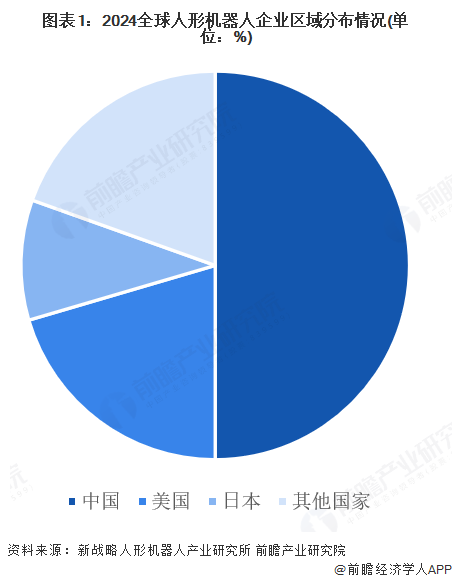
2025年全球人形机器人行业竞争分析 中国领跑硬件与集成端【组图】
Qian Zhan Wang· 2026-02-10 07:12
Core Insights - The global humanoid robot industry is predominantly led by China, which houses over 110 companies, accounting for more than 50% of the total 220 humanoid robot manufacturers worldwide [1] - China excels in hardware and integration segments, while the US leads in the "brain" segment, focusing on AI models and software [4][5] - China has filed approximately five times more humanoid robot patents than the US, with a total of 7,705 patents, indicating a strong emphasis on innovation and technology development [6] - The competition among China, the US, and Japan in the humanoid robot industry is characterized by distinct strategies and market focuses [9] Industry Overview - Major listed companies in China's humanoid robot sector include Huichuan Technology, Sanhua Intelligent Control, Lens Technology, Hengli Hydraulic, Top Group, Linying Intelligent Manufacturing, Zoomlion Heavy Industry, and Jinli Permanent Magnet [1] - The global humanoid robot industry is expected to reach a market size of 861 billion yuan by 2027, with China aiming for a fully controllable supply chain and over 70% localization of core components [9][11] Competitive Landscape - Chinese companies like Zhiyuan Robotics and UTree Technology are rapidly advancing in mass production and cost control, while US firms like Boston Dynamics and Tesla focus on core technology breakthroughs [11][12] - The strategic direction for Chinese firms includes low-cost strategies to expand into consumer and industrial markets, while US companies are investing heavily in AI and technology development [11] - Japan's approach is centered on precision manufacturing and specialized components, targeting healthcare and industrial applications [9][11] Patent and Innovation - China leads in humanoid robot patent applications, with 7,705 patents compared to the US's 1,561 and Japan's 1,102, showcasing its dominance in core technology areas [6] - The focus of Chinese patents includes body structure, intelligent perception, and drive control, indicating a comprehensive approach to technology development [6] Market Projections - By 2027, the humanoid robot market is projected to achieve significant growth, with China aiming for a market scale of 861 billion yuan and the US targeting over 40% of the global market share [9][11]




全球六成市场!宇树CEO自曝:自家机器狗年卖几万台成销冠
Sou Hu Cai Jing· 2026-01-30 09:48
Core Insights - Yushu Technology's quadruped robot has become the global sales champion in its category, accounting for approximately 60% of the global market share with annual sales of around tens of thousands of units [1] Group 1: Company Achievements - The CEO of Yushu Technology, Wang Xingxing, confirmed the company's leading position in the quadruped robot market, highlighting its significant sales volume and market share [1] - Yushu Technology has been involved in the quadruped robot sector since 2013, establishing a first-mover advantage and brand recognition in both domestic and international markets [1] Group 2: Competitive Advantages - The core competitive advantage of the company lies in its complete self-research and development of key robot components, which enhances product performance and retail pricing, effectively controlling costs [1] - Wang Xingxing attributes the company's cost control success to his early hands-on experience in material usage, which has influenced the company's product development and manufacturing philosophy [1] Group 3: Product Offerings and Future Plans - Yushu's quadruped robots are categorized into consumer/research models (A1, Go1, Go2) and industrial models (AlienGo, B1, B2, A2) [1] - The company is set to launch a new product with performance capabilities approximately twice that of its flagship model, Go2, expected to be released this year, which may further solidify its market leadership [1]
宇树上市只差临门一脚:王兴兴和他的“上市大考”
Sou Hu Cai Jing· 2025-11-25 09:27
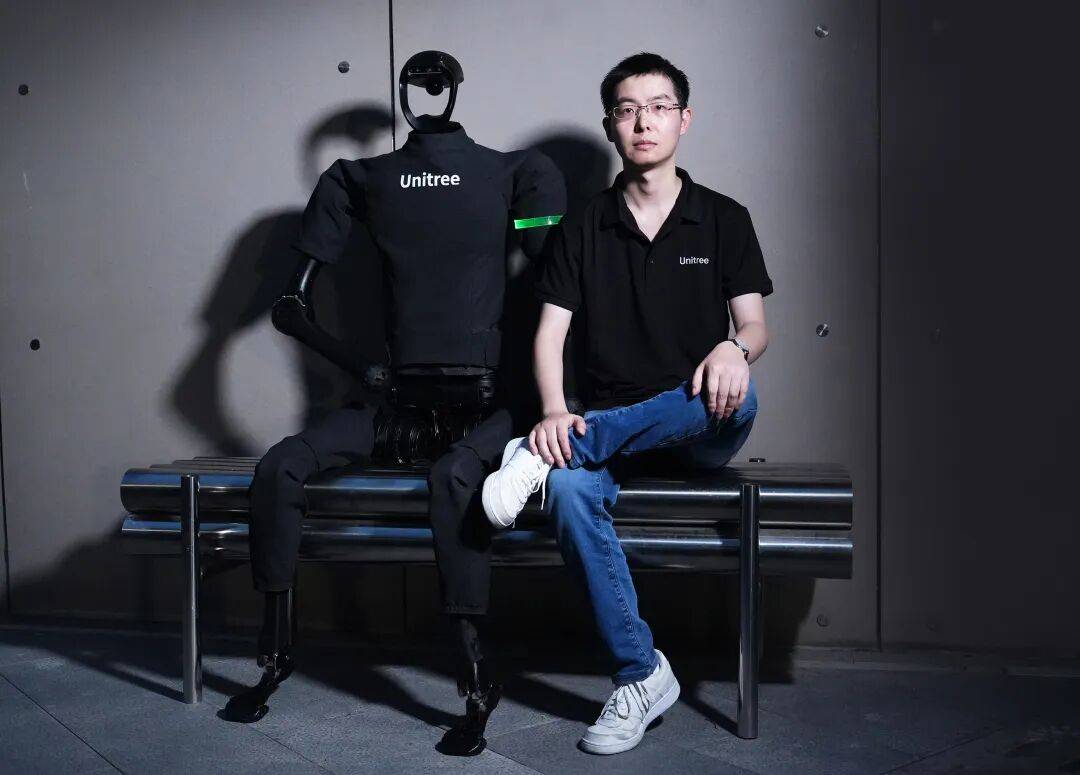
Core Insights - The article highlights the journey of Wang Xingxing and Unitree Technology from a small startup to an industry leader, culminating in the completion of their IPO guidance in November 2025 [2][26]. - The company has evolved from a technology follower to a pioneer in the robotics industry, focusing on cost-effective and high-performance solutions [2][7]. Group 1: Company Development - Wang Xingxing founded Unitree Technology in 2016, initially working with a small team and focusing on innovative direct-drive technology for quadruped robots [5][8]. - The company received angel investment of 2 million yuan, which laid the financial foundation for its growth [5]. - Unitree completed multiple funding rounds, including a C round led by major companies like Tencent and Alibaba, achieving a post-investment valuation of 12 billion yuan [7][8]. Group 2: Product Innovation - Unitree has recently ventured into humanoid robots, establishing itself as a benchmark in the industry within a short span of three years [10]. - The company launched its first wheeled robot, G1-D, which features innovative design elements that enhance stability and operational range [15][17]. - G1-D is capable of performing various household tasks under human remote control, showcasing the practical applications of their technology [19]. Group 3: Technological Advancements - Unitree has initiated the development of a unified large model, UnifoLM, which integrates AI technology with robotics to enhance interaction with the environment [22][23]. - The UnifoLM model is designed to facilitate decision-making and simulation, allowing robots to perform complex tasks beyond simple command execution [23]. - Collaborations with leading tech companies like Tencent and Alibaba have strengthened Unitree's model application capabilities, promoting an open and collaborative approach to innovation [25]. Group 4: Future Outlook - Wang Xingxing envisions the next decade as a pivotal period for robots to become integral household companions, with advancements in AI and robotics nearing a critical threshold [21][27]. - The successful completion of the IPO guidance is seen as a recognition of the company's nine-year journey and a stepping stone towards broader market opportunities [26][27].
定价7499元 当具身智能敲响家门
Bei Jing Shang Bao· 2025-11-03 13:44
Core Insights - The article discusses the evolution of quadruped robots, particularly focusing on the recent launch of the Rover X1 by the company Yuejiang, which aims to penetrate the consumer market with a price point of 7499 yuan, comparable to flagship smartphones [1][2]. Market Overview - The quadruped robot market in China reached a scale of 470 million yuan in 2023, showing a year-on-year growth of 42.68%, with projections to expand to approximately 660 million yuan in 2024 and potentially surpass 850 million yuan by 2025 [2]. - The market has transitioned from early technology exploration to practical applications, indicating a growing consumer demand for functional robots [2]. Competitive Landscape - Yujing Technology holds a leading position in the consumer-grade robot market with a projected market share of 32.4% in 2024, while Yunshenchu ranks second with an 18.9% share. International competitors like Boston Dynamics maintain significant technological advantages but do not dominate the market [3]. Product Applications - The Rover X1 is designed for various household applications, including outdoor exploration, home security, programming education, and daily interactions, enhancing its integration into family life [4]. International Developments - International companies are also exploring the home robotics market, with products like the NEO from Norway's 1X and Figure 03 from the US, although they are still in early stages of development and have higher price points [5]. Future Outlook - The current focus for home robots is on emotional and companionship value rather than complex task execution, with expectations that prices will decrease as technology advances, making robots more accessible to average households [8]. - The industry faces a supply-demand mismatch, with high-end products priced out of reach for most consumers and low-end products lacking practical functionality [8]. - The ability of robots to perform specific tasks autonomously is improving, but challenges remain in their adaptability to varied household tasks [9].
“围剿”宇树
第一财经· 2025-10-29 06:42
Core Viewpoint - Yushu is positioned as a leading player in the humanoid robot market, with plans to submit an IPO application by the end of 2025, setting a benchmark for other companies in the industry [3][16]. Group 1: Yushu's Market Position - Yushu is the closest to IPO among domestic robot companies, becoming a reference point for competitors [3]. - Other companies are either enhancing performance or reducing prices to compete with Yushu, while some are looking forward to the capital amplification effect of Yushu's IPO [3][18]. - The competition is not solely about speed but about sustainability in the market [3]. Group 2: Product Development and Differentiation - Yushu's latest robot, H2, features a unique design that has attracted interest for commercial applications, with rental prices expected to be around 10,000 yuan per day [6][9]. - Competitors like Magic Atom are aligning their product lines with Yushu, focusing on differentiation through AI capabilities rather than just hardware [10][12]. - The market is seeing a trend where companies are either matching Yushu's product offerings or undercutting prices to gain market share [10][12]. Group 3: Performance and Delivery Challenges - Performance testing is crucial for competitors to match Yushu's capabilities, with extreme conditions being used to validate hardware reliability [11][12]. - Yushu's engineering and delivery capabilities are recognized as significant advantages, with competitors acknowledging the need for improved manufacturing processes [13][18]. - The industry is experiencing a disparity in delivery capabilities, which affects the expansion potential of various companies [13]. Group 4: Industry Outlook and Capital Market Impact - Yushu's IPO is seen as a positive signal for the humanoid robot industry, potentially increasing market enthusiasm and driving growth [16][18]. - The market is expected to accommodate multiple companies with diverse technological routes and business models, rather than relying solely on Yushu [18]. - The long-term success in the humanoid robot sector will depend on sustained investment in technology, supply chains, and patience [18].
建议收藏!宇树机器人16家核心供应链企业大揭晓
机器人圈· 2025-10-13 09:51
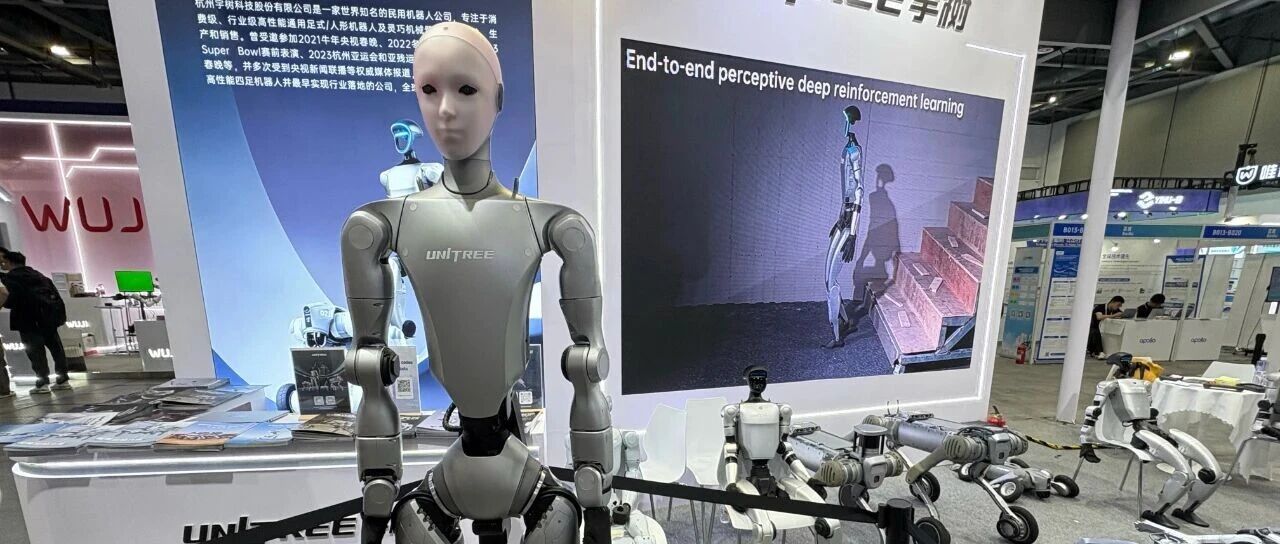
Core Viewpoint - Yushu Technology is actively preparing for its IPO on the Sci-Tech Innovation Board, with plans to submit application materials between October and December 2025, marking a significant milestone for the company and the broader robotics industry in China [3][4]. Company Overview - Yushu Technology, established in August 2016 and headquartered in Hangzhou, specializes in high-performance quadruped robots, humanoid robots, and dexterous robotic arms, positioning itself as a globally recognized civil robotics enterprise [5]. Product Line - The company offers a range of products including: - Consumer-grade quadruped robots (Go1, Go2, A1) designed for home companionship and education [6]. - Industrial-grade quadruped robots (B1, B2) suitable for inspections and emergency rescue [6]. - General-purpose humanoid robots (H1, G1) aimed at developers for further customization [6]. - Derivative consumer products like the PUMP fitness pump [6]. Supply Chain and Partnerships - Yushu Technology has established deep collaborations with various suppliers, including: - Zhongdali De, a key supplier of precision reducers and motors, holding a 10% stake in Yushu Technology [10]. - Changsheng Bearings, providing self-lubricating bearings for humanoid robots [11][13]. - Best, a supplier of high-precision components for both Yushu Technology and Tesla robots [14][16]. - Other notable suppliers include Jiangsu Leili, providing brushless motors and gearboxes [39], and Jinfa Technology, supplying high-performance materials [29][31]. Market Context - The robotics industry is witnessing significant growth, with 75 listed companies reporting a total revenue of 582.1 billion and a profit of 30.1 billion in the first half of 2025, indicating a competitive landscape between traditional giants and AI newcomers [60].






中国具身智能的技术一号位们
自动驾驶之心· 2025-09-16 03:34
Core Viewpoint - The article highlights the rapid development and commercialization of embodied intelligence, emphasizing the competitive landscape among global teams and the importance of technological breakthroughs in the field [4][5]. Group 1: Industry Overview - The last two years have seen significant advancements in hardware, data collection, and algorithms, leading to the expansion of embodied intelligence beyond laboratory settings [4]. - Embodied intelligence has become a recognized core direction for commercialization globally, with various teams competing intensely in this space [4]. - The next generation of technological breakthroughs will focus on general embodied intelligence and scene-adaptive learning [4]. Group 2: Key Players in Embodied Intelligence - **Yushu Technology**: Founded by Wang Xingxing, the company specializes in quadruped robots and has developed multiple models, including Laikago and AlienGo. Wang has over 10 years of experience in robot development and holds over 100 patents [8]. - **Xinghai Map**: Co-founded by Zhao Xing, the company focuses on embodied intelligence and multimodal learning, contributing to the development of the first mass-produced autonomous driving model based on large models [12][13]. - **Galaxy General**: Founded by Wang He, the company is dedicated to embodied intelligence and humanoid robots, with significant research contributions in 3D vision and robot learning [18]. - **Zhiyuan Robotics**: Led by Luo Jianlan, the company focuses on high-precision assembly tasks using reinforcement learning, achieving a 100% success rate in real-world applications [23]. - **Variable Robotics**: Co-founded by Wang Hao, the company aims to integrate large models with embodied intelligence, launching the WALL-A model, which is the largest operational model globally [26]. - **Zhuji Power**: Founded by Zhang Wei, the company is developing full-size humanoid robots and has launched the W1 commercial robot, with plans for mass production of humanoid robots by 2025 [30]. - **Stardust Intelligence**: Founded by Lai Jie, the company focuses on creating AI robots for household use, achieving breakthroughs in embodied intelligence data acquisition [32]. - **Cloud Deep**: Founded by Zhu Qiuguo, the company specializes in humanoid and quadruped robots, with a strong emphasis on self-research and development of core components [34]. - **Qianxun Intelligence**: Founded by Han Fengtao, the company has developed the Moz1 humanoid robot, which features advanced control capabilities and has raised over 1 billion yuan in funding [38]. - **Physical Intelligence**: Co-founded by Sergey Levine, the company focuses on creating advanced AI models for robots, achieving significant funding milestones and technological advancements [40][41]. - **Figure AI**: Founded by Brett Adcock, the company has developed humanoid robots for commercial applications, with significant advancements in collaborative robot control [44][45]. Group 3: Future Outlook - The article concludes that the vision and persistence of technology leaders are crucial for advancing the industry, with various paths being taken towards a flexible, adaptive, and highly interactive future in embodied intelligence [54][55].
刚刚,宇树科技IPO时间定了
3 6 Ke· 2025-09-03 09:00
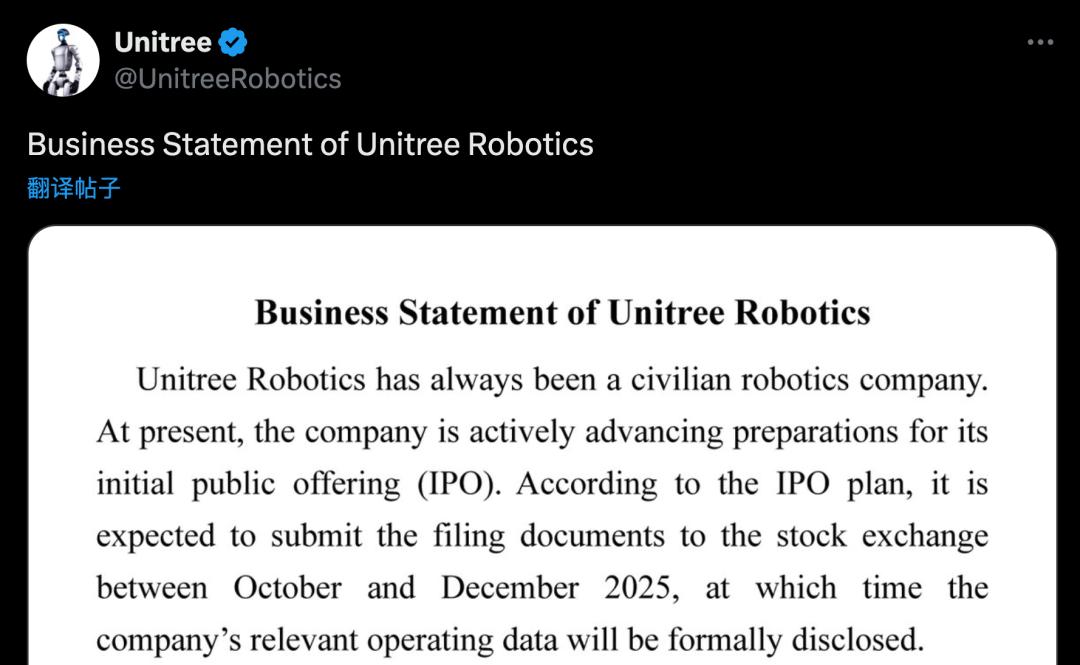
Core Viewpoint - Yushutech has officially set its IPO timeline, planning to submit its application to the stock exchange between October and December 2025, with relevant operational data to be disclosed at that time [1][3]. Group 1: IPO Progress - Yushutech is actively advancing its IPO preparations, having completed a shareholding reform in May 2023, changing its name to "Hangzhou Yushutech Co., Ltd." [5]. - The company's registered capital increased from 2.889 million to 364 million RMB, a 125-fold increase, and it completed a C-round financing in June 2023, achieving a valuation of 10 billion RMB [5][10]. - On July 18, 2023, Yushutech registered for IPO guidance with the Zhejiang Securities Regulatory Bureau, marking the official start of its IPO process [7][10]. Group 2: Revenue Structure - For 2024, Yushutech's revenue structure is expected to consist of approximately 65% from quadruped robots, 30% from humanoid robots, and 5% from component sales [3]. - About 80% of quadruped robots are utilized in research, education, and consumer sectors, while the remaining 20% are used in industrial applications such as inspection and firefighting [3]. Group 3: Financial Performance - Yushutech is one of the few profitable companies in the robotics sector, having achieved profitability for five consecutive years since 2020, with annual revenue surpassing 1 billion RMB [10][14]. - The company has attracted significant investment from top domestic institutions, completing multiple financing rounds, including a recent C-round that raised nearly 700 million RMB and increased its valuation to 12 billion RMB [19][20]. Group 4: Product Development and Market Position - Yushutech has established itself as a key player in the robotics industry, launching several innovative products, including the quadruped robot Laikago and the humanoid robot H1, which has gained significant market attention [19][24]. - The company has successfully transitioned from a technology follower to a market leader, particularly in the quadruped and humanoid robot segments, demonstrating its ability to commercialize advanced robotics technology [24][27].
刚刚,宇树科技IPO时间定了!
量子位· 2025-09-03 05:49
Core Viewpoint - Yushutech's IPO timeline has been officially set, with plans to submit application documents between October and December 2025, marking a significant milestone in the company's growth and attracting attention in the robotics sector [1][2][5]. Group 1: IPO Progress - Yushutech is actively preparing for its IPO, having completed a shareholding reform earlier this year, changing its name to "Hangzhou Yushutech Co., Ltd." [8]. - The company's registered capital increased from 2.889 million to 364 million RMB, a 125-fold increase, and it completed a C-round financing, achieving a valuation of 10 billion RMB [9]. - The company has officially initiated its IPO process by filing for listing guidance with the Zhejiang Securities Regulatory Bureau [11]. Group 2: Revenue Structure - For 2024, Yushutech's revenue structure is expected to consist of approximately 65% from quadruped robots, 30% from humanoid robots, and 5% from component sales [4]. - The quadruped robots are primarily used in research, education, and consumer sectors, while humanoid robots are exclusively utilized in research and education [4]. Group 3: Financial Performance - Yushutech is one of the few profitable companies in the robotics sector, having achieved profitability for five consecutive years since 2020 [16]. - The annual revenue has surpassed 1 billion RMB, reflecting strong market performance and investor interest [17]. Group 4: Product Development - Yushutech has made significant advancements in robotics, launching several key products, including the quadruped robot Laikago and the humanoid robot H1, which showcases the company's technological capabilities [20][29]. - The Go1 quadruped robot has achieved a shipment of over 50,000 units, capturing 60% of the global consumer quadruped robot market [26]. Group 5: Market Position and Recognition - Yushutech has established itself as a leading player in the robotics industry, with its products gaining widespread recognition, including appearances on major platforms like CCTV [36][41]. - The company's innovative approach and successful fundraising efforts have positioned it as a significant contributor to the development of the Chinese robotics industry [47].