
宁波银行

Search documents
新安银行原董事长孙晓:利差收窄、两头夹击下,小银行应深耕细分领域赛道
Jin Rong Jie· 2025-12-28 13:32
Core Viewpoint - The "2025 Banking Industry High-Quality Development Conference" was successfully held, focusing on key issues such as serving the real economy, digital transformation, AI+financial innovation, and risk prevention [1] Group 1: Challenges for Small Banks - Small banks face survival challenges due to market interest rate liberalization, economic cycle fluctuations, and intensified competition [4] - The banking industry has shifted from a "seller's market" to a "buyer's market," leading to a significant decline in credit demand since 2019 [4] - Small banks are experiencing a "double squeeze" from large banks and internet lending companies, resulting in high non-performing loan rates and increased operational costs [5] Group 2: Future Development Strategies for Small Banks - Small banks should focus on controlling the income-cost ratio through technology to reduce operational costs [6] - Emphasizing the "let profit not let loans" strategy, small banks should maintain core customer relationships while managing costs effectively [6] - Small banks are encouraged to pursue differentiated development by focusing on niche markets such as green finance, education finance, and elderly finance, avoiding direct competition with large banks [7]

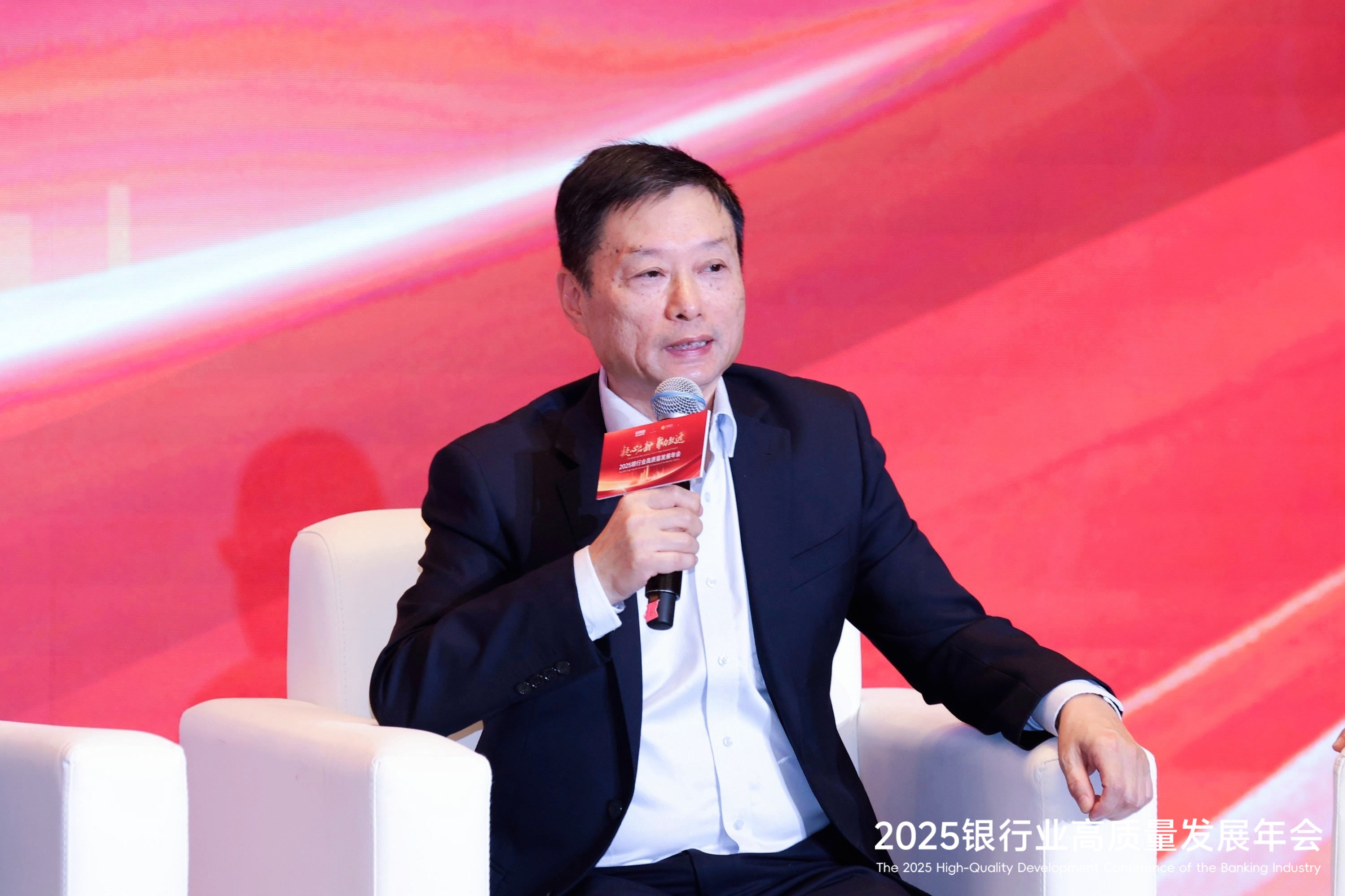
龙腾集团中国区总裁毛君进:金融科技企业与银行,互相滋养共筑共生生态
Jin Rong Jie· 2025-12-28 13:32
对于银企共赢共生的关系,毛君进用一个生动的比喻作出阐释:"如果金融机构是一棵葡萄树,龙腾这样的金融科技企业就是枝叶。"金融企业有强大的客户 资源、客户的信任、强大的资金、强大的系统支持,这是根本,也是金融科技企业发展的根本。作为"枝叶", 龙腾集团则延伸至各类生活场景,深入了解 用户需求、优化用户体验,在场景中收集用户数据与偏好,再将这些 "养分"反馈给银行。 最后,她强调:金融科技企业与银行的合作是互相滋养的过程。 银行频道更多独家策划、专家专栏,免费查阅>> 责任编辑:小讯 12月26日,由金融界主办、宁波银行支持、清华大学经济管理学院中国金融研究中心提供学术支持的"启航·2025银行业高质量发展年会"在北京成功举办。 本次年会以"凝心启新,聚力致远"为主题,汇聚监管专家、学界精英、行业领袖及科技企业代表,围绕服务实体经济、数字化转型、AI+金融创新、风险防 控等议题展开深度讨论,为银行业高质量发展建言献策。 龙腾集团中国区总裁 毛君进在参加圆桌讨论上,从金融科技企业视角分享了生态共建与银企共生的实践与思考。 毛君进表示,龙腾集团的20年发展是从线上化、平台化转型到智能化,大致经历了三个关键阶段。即从"即 ...

金融界银行研究院院长陈国汪:错位发展非离经叛道 找准优势筑就金融竞争力
Jin Rong Jie· 2025-12-28 13:32
12月26日,由金融界主办、宁波银行支持、清华大学经济管理学院中国金融研究中心提供学术支持的"启航·2025银行业高质量发展年会"在北京成功举办。 本次年会以"凝心启新,聚力致远"为主题,汇聚监管专家、学界精英、行业领袖及科技企业代表,围绕服务实体经济、数字化转型、AI+金融创新、风险防 控等议题展开深度讨论,为银行业高质量发展建言献策。 金融界银行研究院院长陈国汪在谈及金融业错位发展时指出,随着经济增速承压、行业竞争加剧、房地产市场深度调整,叠加各类金融机构跨领域业务渗 透,同质化商业模式已难以为继,重构竞争优势、实现高质量发展成为金融业必须破解的核心命题。 在"十五五"期间重构行业竞争优势,打破在以前形成的同质化竞争的商业模式的时代背景下,错位发展绝非选择题,而是金融业立足长远的必答题。他强 调,所谓错位发展,绝非离经叛道、偏离主流,其核心要义在于找准自身优势与定位,立足自身比较优势深耕细作,打造差异化特色竞争力,这是未来五年 乃至更长周期金融业高质量发展的关键路径。 从行业实践来看,不同金融业态的差异化探索,已为错位发展提供了生动范本。以信托行业为例,曾被认为"神秘遥远",如今已深度走入千家万户,尤其是 ...
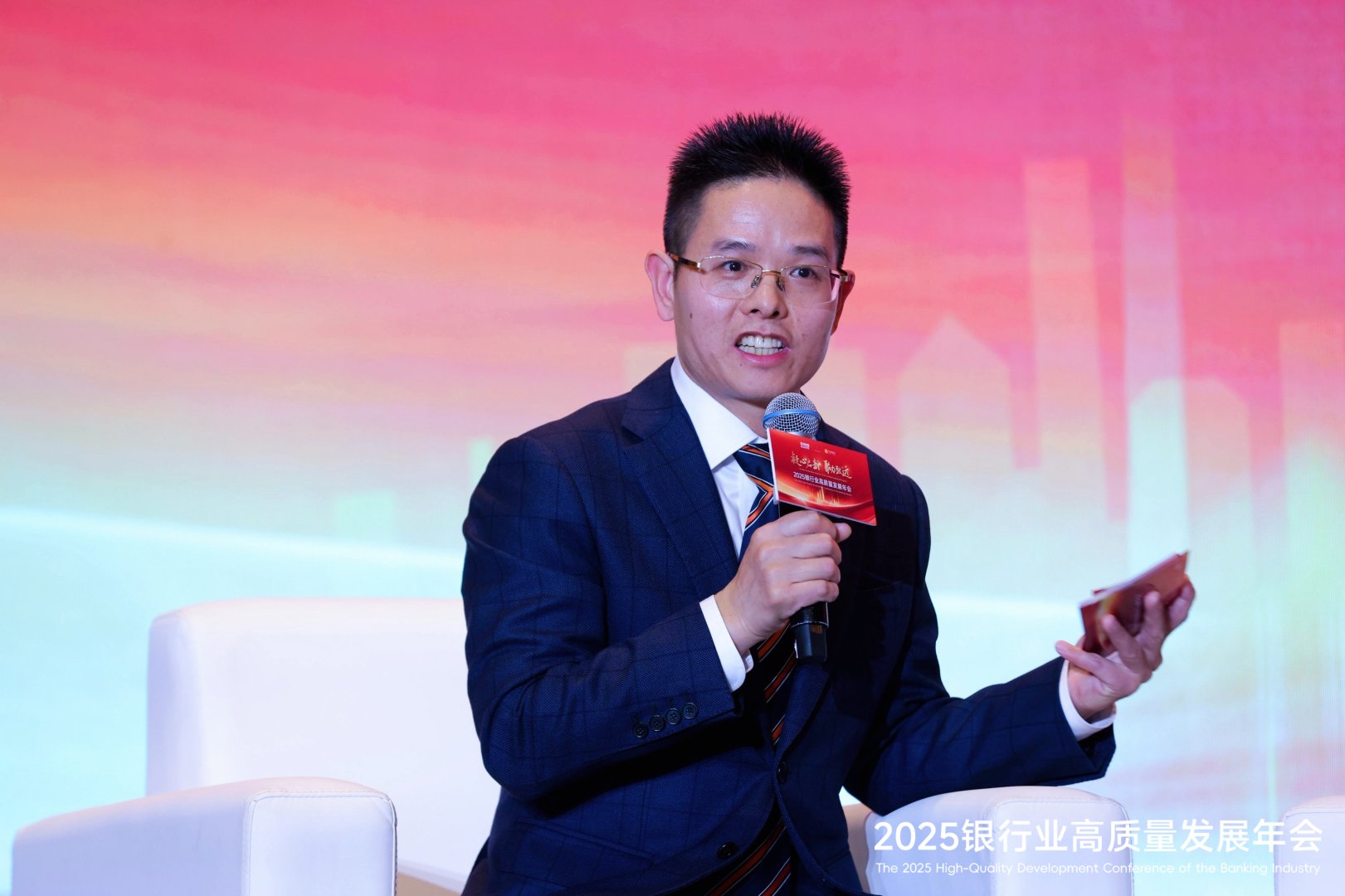
宁波银行荣膺2025证券市场年会“金骏马服务实体卓越机构奖”
Zheng Quan Ri Bao Zhi Sheng· 2025-12-28 11:36
Group 1 - The "2025 Securities Market Annual Conference" was successfully held in Beijing, focusing on the theme of "Reform and Innovation in Capital Markets" [1] - Industry leaders emphasized the need for dual-driven reform and innovation to enhance the capital market's ability to serve the real economy and protect investors [1] - Key areas of focus include technological finance and green finance to achieve a "new start" in the capital market [1] Group 2 - The "2025 Golden Courser Award Ceremony" recognized institutions and individuals for their contributions to the healthy development of the capital market, with 11 significant awards presented [2] - Ningbo Bank won the "Golden Courser Award for Outstanding Service to the Real Economy" due to its excellent operational performance and risk management [2] Group 3 - Ningbo Bank views the award as recognition of its past year's work and an encouragement for future development, aiming to create a competitive commercial bank in China [4] - The bank's strategy focuses on supporting the real economy and small and medium-sized enterprises (SMEs), enhancing its service offerings and operational efficiency [4] Group 4 - Ningbo Bank has implemented a "four-special" model for microfinance services, providing simple, convenient, and efficient financial services to small enterprises [5] - As of June 2025, the bank's inclusive microloans balance reached 214.34 billion yuan, serving 234,400 micro-enterprises [5] Group 5 - On December 17, Ningbo Bank announced its first mid-year dividend distribution plan, distributing a cash dividend of 3 yuan per 10 shares, totaling 1.981 billion yuan [6] - The bank continues to focus on supporting key sectors such as private SMEs, manufacturing, and consumer finance, aiming to enhance financial service quality and support the real economy [6]

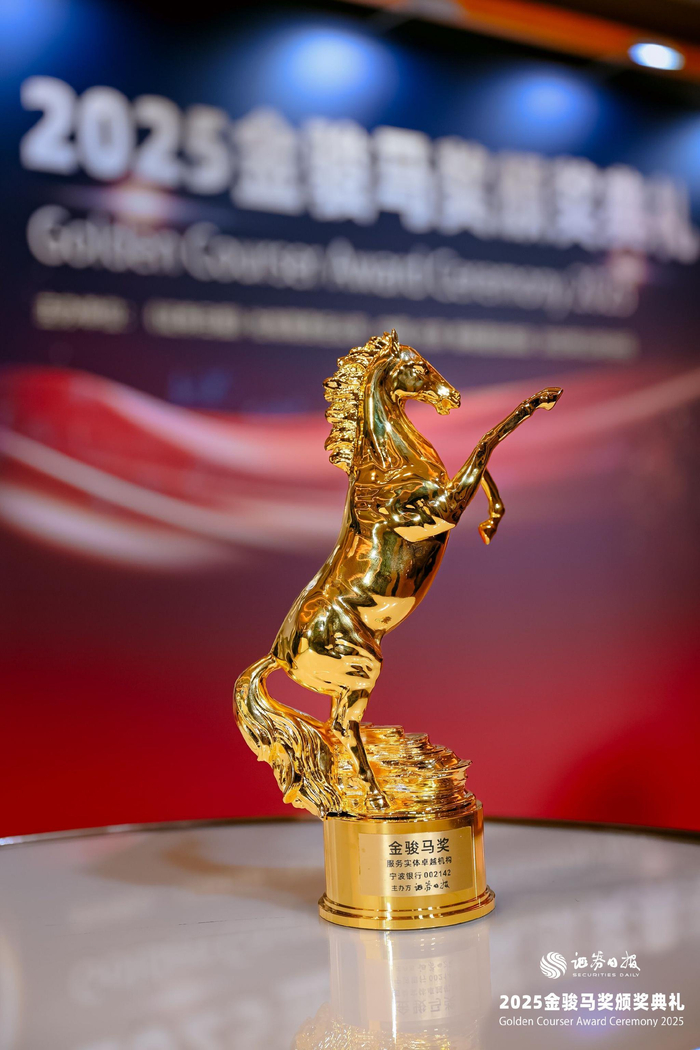
华夏银行信息科技管理部总经理韩波:以全链路智能协同,提升银行效率与客户体验
Jin Rong Jie· 2025-12-28 04:19
Group 1 - The "2025 Banking Industry High-Quality Development Annual Conference" was successfully held in Beijing, focusing on themes such as serving the real economy, digital transformation, AI+financial innovation, and risk prevention [1] - The conference gathered regulatory experts, academic elites, industry leaders, and representatives from technology companies to discuss strategies for high-quality development in the banking sector [1] Group 2 - Huaxia Bank's General Manager of Information Technology Management, Han Bo, shared the bank's practical experiences in the AI+financial sector during a roundtable discussion [3] - Huaxia Bank aims to achieve full-link intelligent collaboration, enhancing both efficiency and customer experience through AI-driven systems that predict customer needs, respond accurately, and provide personalized services [3] - The bank's AI practices focus on three main areas: intelligent customer service, customer analysis, and precision marketing, each designed to improve service quality and customer conversion rates [3]

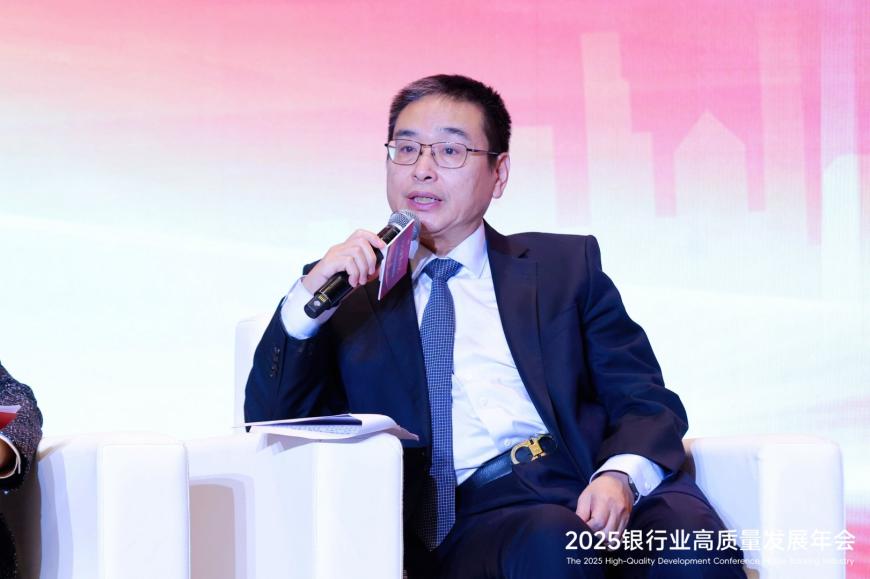
光大银行智能运营中心副总经理黄广明:大模型算力成本会不断下降,这是行业发展的必然趋势
Jin Rong Jie· 2025-12-28 04:19
12月26日,由金融界主办、宁波银行支持、清华大学经济管理学院中国金融研究中心提供学术支持的"启航·2025银行业高质 量发展年会"在北京成功举办。本次年会以"凝心启新,聚力致远"为主题,汇聚监管专家、学界精英、行业领袖及科技企业 代表,围绕服务实体经济、数字化转型、AI+金融创新、风险防控等议题展开深度讨论,为银行业高质量发展建言献策。 光大银行智能运营中心副总经理黄广明在会上分享了该行在AI大模型应用领域的探索与思考。他首先介绍了光大银行科技 板块架构:即包括模型算法部门、算力部门、数据部门、IT开发部门。 黄广明表示,光大银行是业内少数专门成立模型部门的银行,且该部门已成立多年。早期,该行主要布局人工智能小模 型、决策式模型,通过与互联网公司合作,在业务场景中实现了良好应用;近年来,随着大模型兴起,该行将大模型应用 于银行整体经营环节。目前,该行每年模型应用数量以十倍级速度递增。 针对行业普遍关心的算力成本过高问题,黄广明分享了两点看法:一是随着技术持续改进,大模型算力成本会不断下降, 这是行业发展的必然趋势;二是算力未来会像电脑一样成为常态配置,未来算力也不会成为大模型落地的阻碍。 谈及光大银行大模型 ...

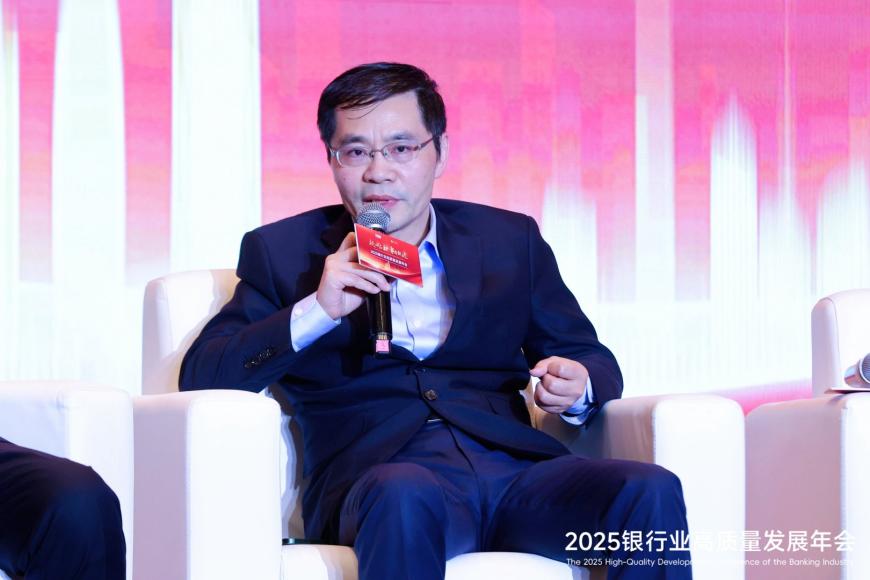
中国有色金属行业AI大模型“坤安”2.0发布,推进建设百余个应用场景
Xin Lang Cai Jing· 2025-12-27 13:29
中国有色金属行业首个人工智能大模型"坤安"发布一年之际,其2.0人工智能大模型于12月26日在北京 发布。发布方中铝集团方面表示,"坤安"2.0不仅是1.0版本的迭代,更是认知的深化、能力的跃升和生 态的拓展。 据智通财经记者了解,2025 年,中铝集团在矿山、冶炼、加工、工程、安全环保、材料研发、供应 链、产业金融、经营管理等领域中,推进建设百余个应用场景,此次从中筛选出52个场景正式发布,建 成8个行业高质量数据集。 值得一提的是,中铝集团党组书记、董事长段向东在发布会上提到,集团专门成立了"数字化转型与人 工智能实施应用指挥部",强化顶层设计、坚持高位推动,连续三年纳入集团年度重点专项。此外还构 建了"CIO+数智化管理部+中铝数为公司"的体系化专业团队,实行"业务主导、技术支撑"双项目经理 制,共同推进场景规划、模型训练与应用落地。 广大企业,特别是中小企业应用人工智能技术的门槛。 二是坚持分类施策。立足不同企业的规模体量、技术储备与发展定位,精准匹配转型路径,通过分层分 类推进,实现全行业转型步调协同、成效显著。 三是强化标准引领。加快核心标准落地见效,研究制定细分领域场景化标准,构建数智化解决方案 ...

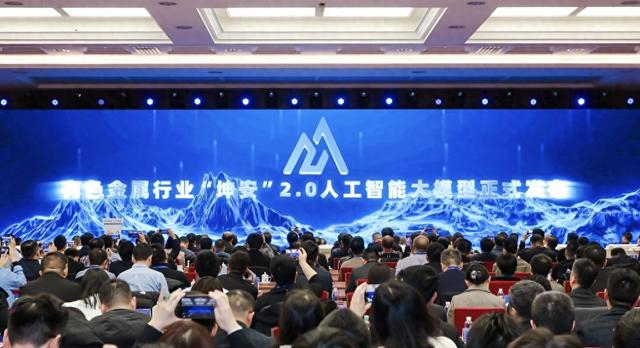
于学军:长期趋势下利差收窄,银行要克服短期思维积极应对
Jin Rong Jie· 2025-12-27 11:46
二是严控成本,夯实资本实力。一方面要大力压缩各类经营成本,提升盈利能力,为资本金补充创造有利条件;另一方面 需积极推进业务创新,重点开拓低资本消耗的资产类业务,通过资本节约型发展模式满足监管要求。于学军特别提醒,随 着适度宽松货币政策持续,商业银行资产负债规模不断扩大,资本补充压力将日益凸显,提前做好相关准备比以往更为关 键。 三是科技立行,抢占转型先机。人工智能掀起的行业变革已成为市场竞争的关键变量,更是银行业系统性提升竞争力的核 心手段。当前各家银行虽已在金融科技领域多有布局与创新,部分领域甚至处于领先水平,但行业内差距依然明显。于学 军呼吁,银行需主动拥抱人工智能,全面重构科技管理、人才结构与业务体系,抢抓金融科技发展风口,以先发优势赢得 未来发展主动权。 银行频道更多独家策划、专家专栏,免费查阅>> 岁末启新,共谋发展。在"十四五"收官与"十五五"开局的关键节点,由金融界主办、宁波银行支持、清华大学经济管理学院 中国金融研究中心提供学术支持的"启航·2025银行业高质量发展年会"于12月26日在北京成功举办。本次年会以"凝心启新, 聚力致远"为主题,汇聚监管专家、学界精英、行业领袖及科技企业代表,围绕 ...
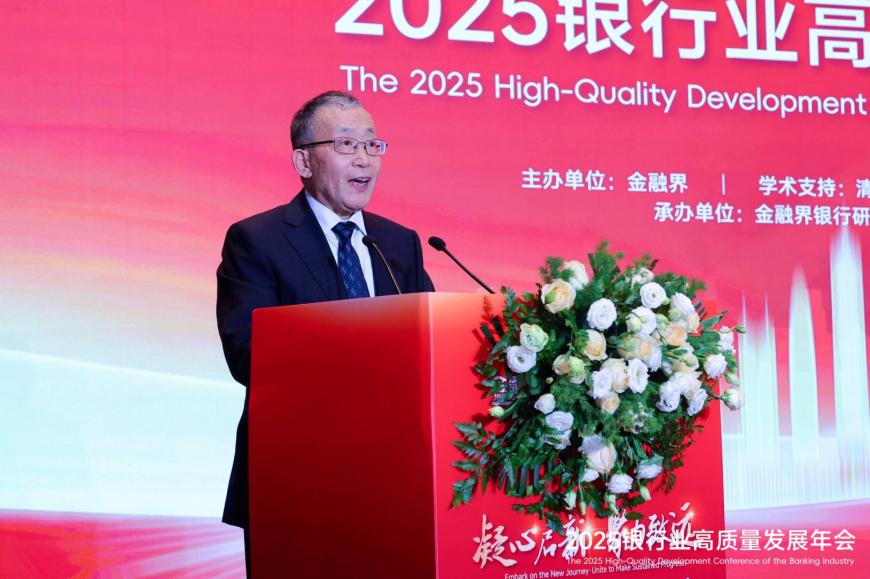
清华大学经济管理学院中国金融研究中心主任陆瑶:技术赋能正为银行业信用体系建设构建完整价值闭环
Jin Rong Jie· 2025-12-27 11:46
Core Insights - The "2025 Banking Industry High-Quality Development Conference" was successfully held, focusing on key themes such as serving the real economy, digital transformation, AI+ financial innovation, and risk prevention [1] Group 1: Challenges in Banking Industry - The application of AI and big data in the banking sector faces four major challenges: 1. Limitations in computing power and platform capabilities, particularly affecting small and medium-sized banks [3] 2. The contradiction between data silos and privacy protection, making it difficult to balance effective data utilization with security [3] 3. A shortage of composite talents who are proficient in both finance and AI technology, hindering the implementation of technological advancements [3] 4. The emergence of new risks related to technology application, including insufficient algorithm disclosure and ethical issues, which raise the bar for risk management [3] Group 2: Proposed Solutions - To address these challenges, the industry should establish a multi-dimensional support system through five key pathways: 1. Develop green AI that aligns technological advancement with energy-saving and emission-reduction principles [4] 2. Strengthen data infrastructure to eliminate data barriers and provide robust support for technology applications [4] 3. Increase the cultivation of composite talents, with institutions like Tsinghua University exploring deep integration of AI and finance in talent training [4] 4. Create effective risk management loops that ensure compliance and ethical review while leveraging technological benefits [4] 5. Build a virtuous cycle ecosystem among technology, industry, and finance to continuously inject momentum into financial resources for innovation and social development [4]
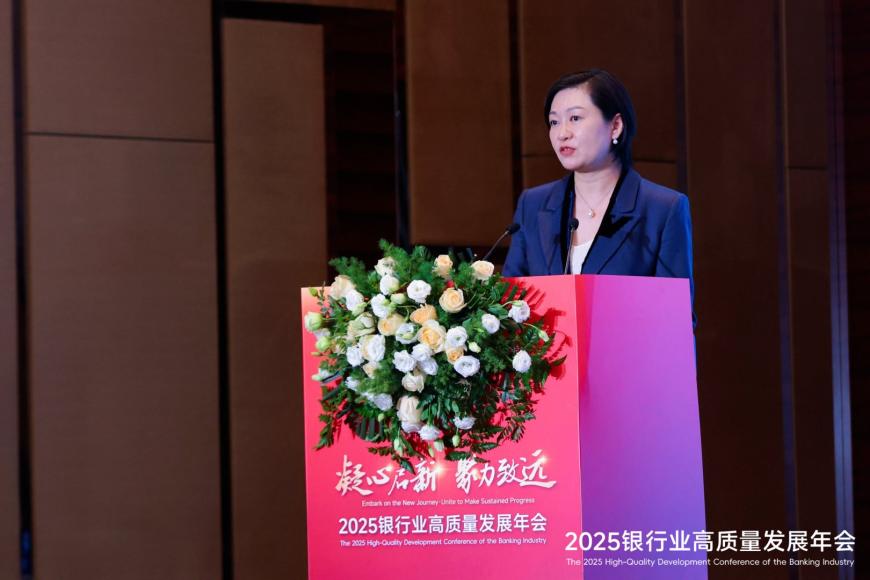
光大信托普惠金融部副总经理祝世虎:中小金融机构的 AI 转型应聚焦 “轻量化” 路径
Sou Hu Cai Jing· 2025-12-27 11:33
Group 1 - The "2025 Banking Industry High-Quality Development Annual Conference" was successfully held in Beijing, focusing on themes such as serving the real economy, digital transformation, AI+financial innovation, and risk prevention [1] - The conference gathered regulatory experts, academic elites, industry leaders, and representatives from technology companies to discuss strategies for high-quality development in the banking sector [1] Group 2 - In a roundtable discussion, the Deputy General Manager of the Inclusive Finance Department at Everbright Trust emphasized that small and medium-sized financial institutions should focus on a "lightweight" approach to AI transformation, rather than pursuing grand blueprints [3] - Three specific areas for advancement were highlighted: lightweight big data focusing on precise and efficient data analysis applications, lightweight large models tailored to institutional needs, and simplifying operational processes for employees to facilitate quick adoption of technology [3]
