L'Oreal

Search documents
中国线上品牌追踪_2025 年 10 月_多数板块增长乏力;乳制品改善;啤酒、美妆板块表现滞后-China Consumer Connection_ Online Brand Tracker_ Oct-25_ Muted growth across most sectors; Diary improved; Beer_Beauty lagged
2025-11-14 05:14
Summary of Key Points from the Conference Call Industry Overview - The conference call discusses the performance of various sectors in the Chinese consumer market, particularly focusing on e-commerce platforms like Tmall, Taobao, and JD. The overall growth across most sectors is described as muted, with specific categories showing significant declines in year-over-year (YoY) growth rates [1][12]. Category Performance - **Supplements/Infant Milk Formula/Dairy**: - Supplements grew by 9% YoY, Infant Milk Formula (IMF) by 2%, and Dairy by 1% [1][12]. - **Declining Categories**: - Beer saw a decline of 19%, Beauty products declined by 9%, Small kitchen appliances by 7%, Sportswear by 6%, and Sports shoes by 4% YoY [1][12]. - **Flat Performance**: - Pet foods and Women's clothing remained flat YoY [1][12]. Brand Performance - **Domestic vs. MNC Brands in Cosmetics**: - Multinational Corporations (MNCs) outperformed local brands in October, attributed to easier bases and favorable platform support. Estee Lauder and Kose led with 33% and 32% YoY growth, respectively [2][29]. - Local brands like Mao Geping and Botanee grew by 33% and 11% YoY, while Proya and Giant saw declines of 24% and 25% YoY [2][28][29]. Sportswear Insights - Niche MNC brands continued to outperform larger brands, with product cycles playing a significant role in performance disparities. For instance, Adidas showed solid momentum, while Nike did not perform as well [3]. - Weather-sensitive brands like Bosideng and Uniqlo experienced growth due to colder weather in Northern China [3]. Sales Recognition Practices - The growth rates for October may be distorted due to sales recognition practices related to pre-sales and returns during the Double-11 shopping festival. A combined analysis of October and November data is recommended for a clearer picture [7]. Notable Brand Performers - **Outperforming Brands**: Lululemon, Adidas, Roborock, Pop Mart, and Maogeping [8]. - **Underperforming Brands**: QuadHA, Nutrilon, Fancl, Carlsberg, and Comfy [8]. Additional Insights - The report highlights the importance of omni-channel strategies being executed by brands, indicating that online sales may not fully reflect overall performance due to offline sales channels [3]. - The performance of various categories is further detailed in the exhibits, showing YoY trends and market share changes for key brands in the infant milk formula and supplements sectors [19][20][22][25]. Conclusion - The overall consumer market in China is experiencing stagnant growth with significant variances across categories and brands. MNCs are generally outperforming local brands, particularly in cosmetics, while certain sectors like sportswear are seeing a bifurcation in performance based on brand strategies and external factors like weather.
《美之道》中国首发:欧莱雅用“美丽经济学”重塑消费产业价值链
Sou Hu Cai Jing· 2025-11-13 04:18
Core Insights - The launch of "The Way of Beauty: Decoding the Essence of Beauty" by L'Oréal China at the China International Import Expo represents a significant milestone in the company's 28-year journey in the Chinese market, showcasing a methodology for understanding beauty as a driving economic force [1][6][10]. Group 1: Background and Market Context - L'Oréal's history in China reflects the evolution of the cosmetics industry, with the market size surpassing 1 trillion yuan in 2024, making it the largest cosmetics consumer market globally, driven by rising incomes and changing consumer demands [6][7]. - The shift in consumer preferences from mere product efficacy to a focus on safety, cultural significance, and brand values has created new challenges for the industry and laid the groundwork for the book's development [6][7]. Group 2: The Concept of Beauty Economics - "The Way of Beauty" aims to transform the perception of beauty from a subjective concept into a quantifiable economic model, demonstrating that beauty can generate profits, create jobs, drive innovation, and open new markets [10][11]. - The book highlights that L'Oréal China has created over 330,000 direct or indirect jobs, with each job generating an average of 20 additional jobs in related sectors, significantly exceeding the industry average [11]. Group 3: Industry Trends and New Markets - The book identifies emerging consumer segments, including male consumers and the elderly, indicating a broadening market for beauty products, with male consumers spending over 1,000 yuan annually on cosmetics [12]. - The "silver economy" is also highlighted, with a 14.41% year-on-year growth in beauty and personal care products for older consumers, reaching 44.138 billion yuan in 2024 [12]. Group 4: Global Perspective and Value Chain Reconstruction - "The Way of Beauty" serves as a model for multinational companies on how to localize their business strategies in China, emphasizing the importance of integrating into the national economic framework for sustainable development [16][17]. - The book illustrates how L'Oréal aligns its business practices with China's goals of high-quality development and common prosperity, thereby reinforcing its commercial foundation through social value creation [17]. Group 5: Insights from Influential Figures - The book has received endorsements from prominent figures, emphasizing its role in enhancing Sino-French economic ties and showcasing the vitality and innovation of the cosmetics industry [22][23]. - The perspectives shared by industry leaders highlight the book's comprehensive analysis of the beauty industry, its achievements, and the challenges it faces, providing valuable insights for both practitioners and consumers [23].


X @Bloomberg
Bloomberg· 2025-11-12 11:20
Microsoft, Airbus, L’Oreal, Siemens all borrow more cheaply than their countries of origin. https://t.co/1lL7BYKY55 ...

欧莱雅中国于进博会发布PDRN白皮书,探索更高效、更成熟护肤解决方案
Cai Jing Wang· 2025-11-10 06:59
Core Insights - L'Oréal China released a white paper on PDRN skincare applications during the 8th China International Import Expo, outlining the scientific and application landscape of PDRN in the beauty sector [1][2] - The white paper serves as a guide for the future development of PDRN, showcasing L'Oréal's 20 years of expertise in skin science and consumer insights [1][2] Group 1: PDRN Research and Development - L'Oréal has established a comprehensive innovation system in China since 2005, focusing on consumer insights, scientific research, and product development [2] - The white paper consolidates L'Oréal's latest research on PDRN, detailing its scientific mechanisms, clinical evidence, and application prospects while identifying knowledge gaps and potential risks [2][3] Group 2: Expert Discussions and Applications - Experts discussed PDRN's applications and future prospects at the release event, highlighting L'Oréal's advantages in R&D, including a rich pipeline of biological materials and collaborations with leading companies in fermentation [3] - Lancôme, as the first brand to apply PDRN within the group, shared strategic considerations and consumer insights regarding its application in beauty products [3] Group 3: Product Launches and Future Plans - L'Oréal has already integrated PDRN into its brands, with Lancôme's "Rejuvenating" cream inspired by advanced PDRN skin technology from South Korea [4] - The company plans to continue exploring PDRN's potential in the beauty sector, launching more products and promoting industry collaboration to advance skin science [4]
欧莱雅全勤全力八赴进博,全心全新共赢未来
Jing Ji Wang· 2025-11-10 03:15
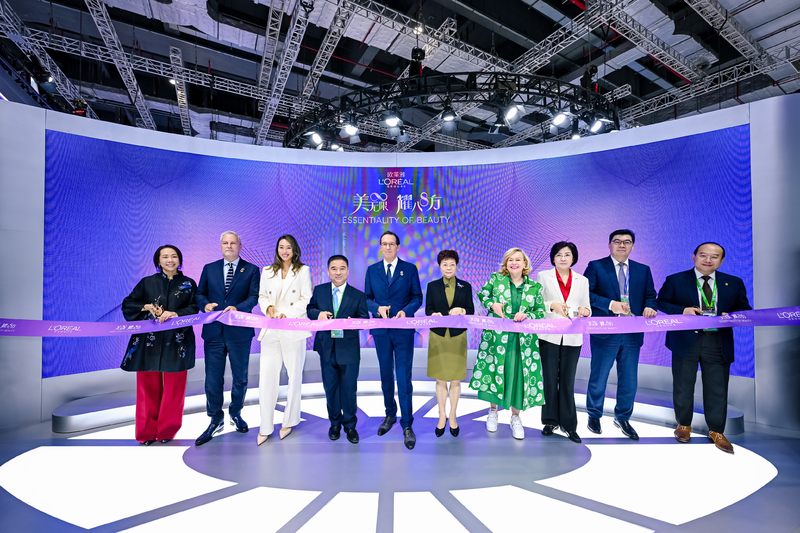
Core Insights - The 8th China International Import Expo (CIIE) opened in Shanghai on November 5, with L'Oréal showcasing its presence for the eighth consecutive year, featuring three major exhibition areas: consumer goods, French pavilion, and innovation incubation zone [2] Group 1: L'Oréal's Strategic Importance in China - L'Oréal's CEO emphasized that the CIIE is more than an annual event; it is a significant global platform that aligns with the company's vision for development and innovation, highlighting China's critical role in L'Oréal's global strategy as its second-largest market and a key source of innovation [3] - The year marks the 20th anniversary of L'Oréal's R&D center in China, which has been pivotal in driving insights, digital innovation, and a vibrant innovation ecosystem [3] Group 2: Key Announcements and Collaborations - L'Oréal launched its first sociological book titled "The Way of Beauty - Decoding the Essence of Beauty," which discusses the multifaceted value of beauty in economic and social development, noting that one job at L'Oréal in China can create 20 additional jobs in related fields, significantly higher than the national average [5] - The company initiated the "New Age Beauty China Action" in collaboration with various partners, including the Shanghai Consumer Rights Protection Foundation and Fudan University, to promote research and discussions on beauty for the aging population [5] - L'Oréal announced a partnership with Fudan University Huashan Hospital to establish a skin science laboratory aimed at advancing scientific research and technology transfer in dermatology [6] Group 3: Innovation and Future Trends - During the innovation incubation zone, L'Oréal revealed 19 winning companies from the North Asia BIG BANG beauty technology co-creation program, fostering discussions on cross-industry opportunities and future trends in beauty and technology [6] - The company collaborated with Xinhua News Information Center to launch the "Way of Beauty - CIIE 'Seek Beauty'" activity, promoting engagement and storytelling around the expo [7]
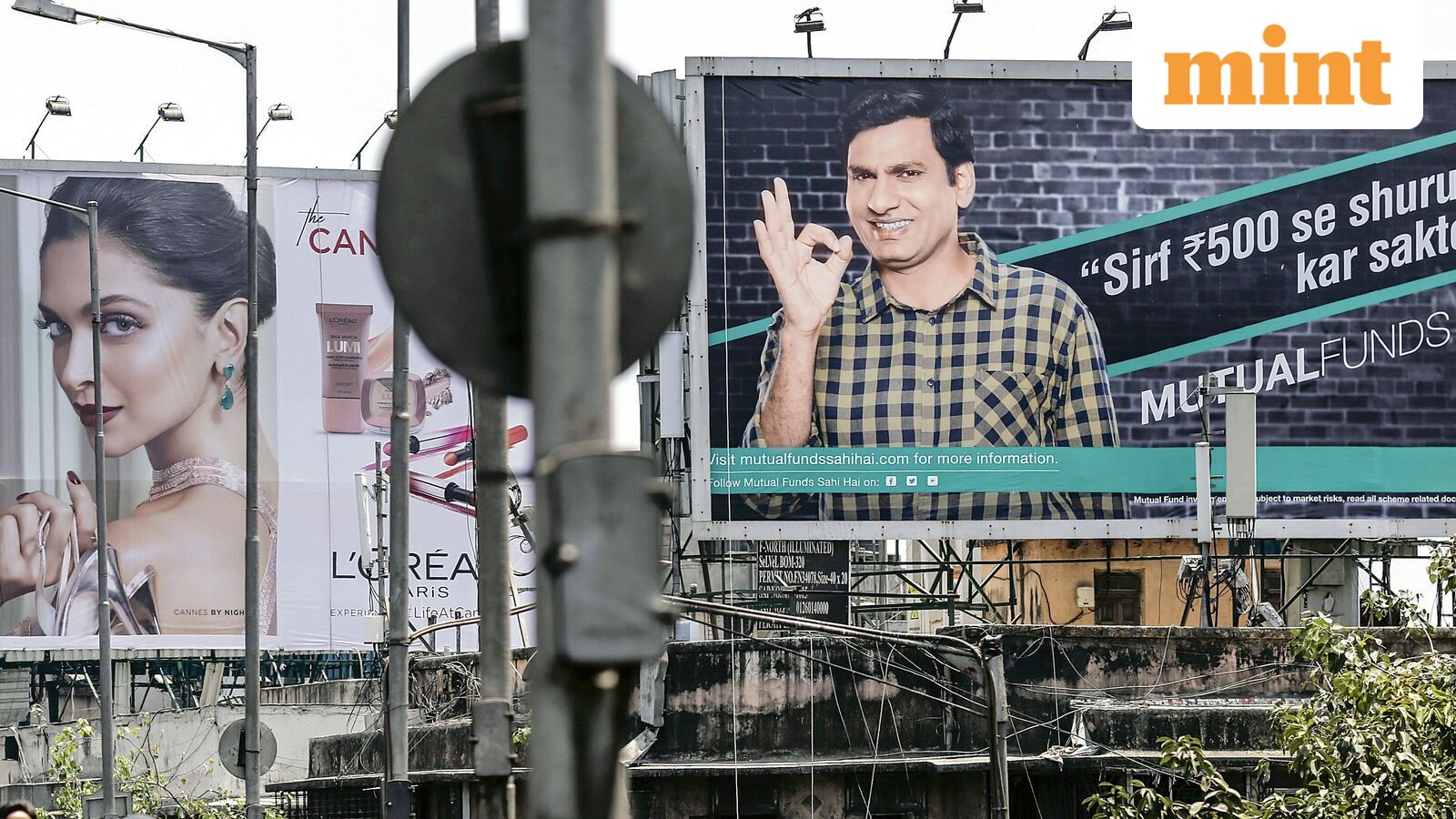
What’s holding back Indian brands from going global?
MINT· 2025-11-10 00:30
Core Perspective - The article discusses the perceived lack of global consumer brands from India, attributing this to a lack of ambition among Indian entrepreneurs and systemic issues within the business environment [2][4]. Group 1: Entrepreneurial Attitudes - Indian entrepreneurs are criticized for being risk-averse and lacking ambition, which has hindered the creation of globally recognized brands [2][3]. - Corporate leaders like Uday Kotak and Harsh Goenka highlight the tendency of Indian entrepreneurs to rely on the domestic market and avoid investing in R&D and branding [3][4]. Group 2: Market Competition - The absence of Indian brands in global consumer goods is partly due to the dominance of established international brands like Unilever and P&G, which have extensive resources and market presence [7]. - Historical Indian brands like Onida and BPL struggled to compete against larger global companies that had already established significant market reach [8]. Group 3: Trust and Quality - Global brands have built consumer trust through consistent product quality, which is a critical factor for success in international markets [9]. - The article suggests that the cultural environment and governance models play a role in fostering these intangible attributes [9]. Group 4: Systemic Challenges - Eric Schmidt's insights indicate that India's potential to innovate is limited by regulatory and systemic issues rather than a lack of talent among entrepreneurs [10][11]. - The article emphasizes the need for a strategic political vision to support entrepreneurial growth, similar to the development seen in South Korea and China [13]. Group 5: Collaborative Efforts - A successful entrepreneurial ecosystem requires collaboration between ambitious entrepreneurs and supportive government policies to address issues like labor laws and bureaucratic hurdles [14]. - The article concludes that a meaningful engagement among all stakeholders is essential for improving Brand India on the global stage [14][15].

对话欧莱雅集团CEO叶鸿慕:从“在中国制造”到“为中国创造”
Guan Cha Zhe Wang· 2025-11-09 14:47
Core Insights - L'Oréal is shifting its strategy in China from "localization" to "global innovation engine," indicating a significant evolution in its approach to the Chinese market [1][3] - The company reported a return to growth in the Chinese market in Q3, driven by its high-end beauty segment, which accounts for 30% of its global market share [1][9] - L'Oréal's innovation is increasingly rooted in China, with local teams developing proprietary technologies like the PDRN technology for its products, marking China as a key source of global innovation [3][4] Group 1: Strategic Evolution - L'Oréal's strategy has evolved to reflect a deeper understanding of China's unique market characteristics, including diverse climates and cultural nuances, which are essential for product development [3][4] - The company has invested in local laboratories for 20 years, which is now yielding commercial returns, as evidenced by the introduction of the "New Age Beauty" concept based on 15 years of research in skin longevity science [4][6] - The partnership with Kering Group's beauty division is a strategic move to enhance L'Oréal's position in the high-end beauty market, leveraging Kering's luxury brand portfolio [2][9] Group 2: Market Dynamics - The collaboration with Kering includes brands like Creed, Balenciaga, Bottega Veneta, and Gucci, which allows L'Oréal to strengthen its control in the luxury beauty segment [9][10] - Despite overall pressure in the Chinese beauty market, L'Oréal's growth in the high-end segment demonstrates resilience and aligns with the trend of consumer upgrading [10][11] - The partnership is seen as a strategic positioning move in a competitive market, enabling L'Oréal to cover a broader price range from "affordable luxury" to "ultra-luxury" [10][11] Group 3: Long-term Commitment - L'Oréal's success in China is not just about market gains but is integral to its global strategy, emphasizing the importance of long-term commitment to local market dynamics [11] - The company's ability to adapt to changing consumer demands and maintain a long-term perspective is crucial for sustaining its growth trajectory in China [11]

对话欧莱雅集团首席执行官叶鸿慕:中国市场是全球最具竞争力的市场之一
Guo Ji Jin Rong Bao· 2025-11-09 13:23
Core Insights - The eighth China International Import Expo (CIIE) was held from November 5 to 10, showcasing L'Oréal's commitment to the Chinese market and its innovative products [1][2] - L'Oréal participated with 25 brands, marking its strongest debut lineup at the expo, emphasizing the company's leadership in the beauty industry [2][4] - L'Oréal's CEO highlighted the significance of the number "8" in Chinese culture, symbolizing luck and infinity, reflecting the company's long-term commitment to innovation in China [3] Company Strategy - L'Oréal has launched over 10 new brands and hundreds of new products in the past seven years at the CIIE, leveraging the event's spillover effects to transform exhibits into successful products [3] - The company has established laboratories and studios in China, collaborating with local biotech partners to develop products with global potential [3][6] - L'Oréal's recent strategic alliance with Kering Group in the beauty and health sectors is seen as a valuable opportunity, enhancing its position as a leading global beauty group [6] Market Performance - The Chinese market is recovering, with L'Oréal reporting positive growth in the third quarter, particularly in the high-end segment [5] - L'Oréal holds a 30% market share in the global high-end beauty market and is optimistic about its performance by the end of the year, with plans already in place for 2026 [6]
欧莱雅集团CEO叶鸿慕进博会主展台开幕式演讲
Sou Hu Cai Jing· 2025-11-08 01:39
Core Viewpoint - L'Oréal's CEO emphasizes that investing in China equates to investing in the future, highlighting the importance of the Chinese market in the company's global strategy [1][5]. Group 1: Importance of China in L'Oréal's Strategy - China is L'Oréal's second-largest market globally and a key source of innovation for the group [3]. - The establishment of L'Oréal's China R&D center marks its 20th anniversary, showcasing the significant insights and digital innovations emerging from China [3]. Group 2: Economic Contribution and Employment - L'Oréal has created over 330,000 direct or indirect jobs in China, indicating that for every job created by L'Oréal, an additional 20 jobs are generated in other sectors [4]. - The company's contributions align with China's socio-economic development and reflect its commitment to the local market [4]. Group 3: Innovation and Collaboration - L'Oréal's collaboration with local institutions and startups fosters a vibrant innovation ecosystem, which is crucial for the company's growth [4]. - Three of L'Oréal's innovations were recognized in TIME magazine's "Best Inventions of 2025," all of which have strong ties to China [4]. Group 4: Vision for the Future - The company believes in the power of beauty to drive societal progress and prosperity, aligning with the vision of shared future at the expo [4]. - L'Oréal invites attendees to explore its innovations and share in the vision of a beautiful future [5].

刘小涛会见欧莱雅集团首席执行官叶鸿慕、力拓集团首席创新官段巍
Xin Hua Ri Bao· 2025-11-07 23:20
Group 1 - The meeting with L'Oréal's CEO highlighted the company's nearly 30-year presence in Jiangsu, contributing to high-quality employment and products, and emphasized the state's commitment to providing a stable and transparent environment for foreign investment [1] - L'Oréal plans to deepen cooperation with Jiangsu in design, research and development, and e-commerce to better meet diverse consumer needs and expand market opportunities [1] - L'Oréal's first self-built smart operation center globally has been established in Jiangsu, significantly enhancing supply chain efficiency, with intentions to increase investment and launch more quality projects in the region [1] Group 2 - The establishment of a technology innovation industry fund was witnessed by the provincial governor, aiming to enhance collaboration between Rio Tinto, CITIC Investment Holdings, and Suzhou Industrial Park [2] - Rio Tinto is recognized as a long-term partner in Jiangsu, with a focus on leveraging low-carbon technology innovation for sustainable development and enhancing resource sharing and information exchange [2] - The new fund aims to accelerate breakthrough technology research and application, linking quality financial and industrial resources to support Jiangsu's technological innovation and industrial upgrading [2]