
lululemon athletica inc.

Search documents
留给耐克的时间不多了
3 6 Ke· 2026-02-03 11:46
Core Viewpoint - Nike is facing significant challenges in the Chinese market, with a recent leadership change attributed to a 17% decline in revenue and a 49% drop in profit, resulting in a loss of $10 billion in market value [2][3]. Group 1: Company Performance - Nike's revenue in the Greater China region has decreased by 17%, and profits have fallen by 49% in the last quarter [2]. - The company has lost its presence on social media, lacking popular products or events, leading to a significant drop in sales [3]. - Competitors like Anta and other emerging brands have gained market share, with Anta reportedly surpassing Nike in the Chinese market [5][6]. Group 2: Market Dynamics - The Chinese sports industry is thriving, with brands like Aonrun, Camel, Lululemon, and HOKA gaining popularity, while Nike struggles to maintain relevance [4][5]. - Nike's historical reliance on distributors has become a liability as the market matures and local brands rise, leading to issues such as price undercutting and inconsistent brand management [29][30]. Group 3: Strategic Challenges - Nike's extensive reliance on distributors has hindered direct consumer engagement, limiting the brand's ability to respond to market trends and consumer feedback [29][30]. - The company's strategy of maintaining a strong brand presence has resulted in it being perceived as an entry-level brand, pushing consumers towards specialized brands as they become more knowledgeable about sports [20][22]. - Despite recent advertising efforts that received positive feedback, the company lacks independent product capabilities and strategic decision-making power, raising questions about its future direction [39][40].

X @TylerD 🧙♂️
TylerD 🧙♂️· 2026-02-02 16:40
Crypto majors have some companyBen Carlson (@awealthofcs):Some notable drawdowns:Oracle -49%Coinbase -55%Robinhood -41%Lululemon -65%Target -42%Nike -52%Adobe -53%All while the S&P 500 is w/in spitting distance from all-time highs ...
Wall Street Breakfast Podcast: Cautious Start For Wall Street
Seeking Alpha· 2026-02-02 11:54
Market Overview - Wall Street is expected to experience another decline, with Nasdaq 100 futures down 0.8%, S&P 500 futures down 0.5%, and Dow futures down 0.2% [3] - Oil prices have dropped over 5%, marking the largest single-session decline in over six months, influenced by President Trump's comments on potential de-escalation with Iran [5] - Spot gold has decreased by 3.6% to $4,710, following a nearly 10% crash on Friday when prices fell below $5,000 an ounce [3] Government Shutdown - A partial government shutdown began early Saturday, despite the Senate passing a funding package. House Speaker Mike Johnson expressed confidence that the shutdown will end by Tuesday [4] Oil Market - Brent crude and U.S. West Texas Intermediate crude prices are both down in the 5% range due to eased military strike fears following Trump's remarks [5] - Analysts noted that the shift in messaging has reduced concerns about supply disruptions, although tensions remain high with Iran's warnings of a potential "regional war" [6] Cryptocurrency Market - Bitcoin briefly dipped below support but recovered to around $75,000, with over $850 million in bullish bets liquidated in a few hours, totaling nearly $2.5 billion in losses [7][8] - The crypto market experienced forced selling, with $510 million in leveraged positions wiped out, primarily affecting long trades [9] - Major tokens like Ether fell over 8%, while BNB, XRP, and Solana dropped between 4% and 6% [9]


Wall Street Breakfast Podcast: Cautious Start On Wall Street
Seeking Alpha· 2026-02-02 11:54
Market Overview - Wall Street is expected to experience another decline, with Nasdaq 100 futures down 0.8%, S&P 500 futures down 0.5%, and Dow futures down 0.2% [3] - Spot gold prices have decreased by 3.6% to $4,710, following a nearly 10% drop on Friday when prices fell below $5,000 per ounce [3] - Silver prices are down 4% at $81 [3] Government Shutdown - A partial government shutdown began early Saturday, despite the Senate passing a funding package. House Speaker Mike Johnson expressed confidence that the shutdown will end by Tuesday [4] Oil Market - Oil prices have dropped over 5%, marking the largest single-session decline in over six months, following President Trump's comments indicating potential de-escalation in talks with Iran [5] - Brent crude and U.S. West Texas Intermediate crude are both down in the 5% range, retreating from multi-month highs [5][6] Cryptocurrency Market - Bitcoin briefly fell below support but recovered to around $75,000, with over $850 million in bullish bets liquidated in a few hours, totaling nearly $2.5 billion in losses [7][8] - The crypto market experienced forced selling, with $510 million in leveraged positions wiped out, primarily affecting long trades [9]


“查无此店!”中产新贵Alo北京首店“消失”,全是营销噱头?
新浪财经· 2026-02-02 09:30
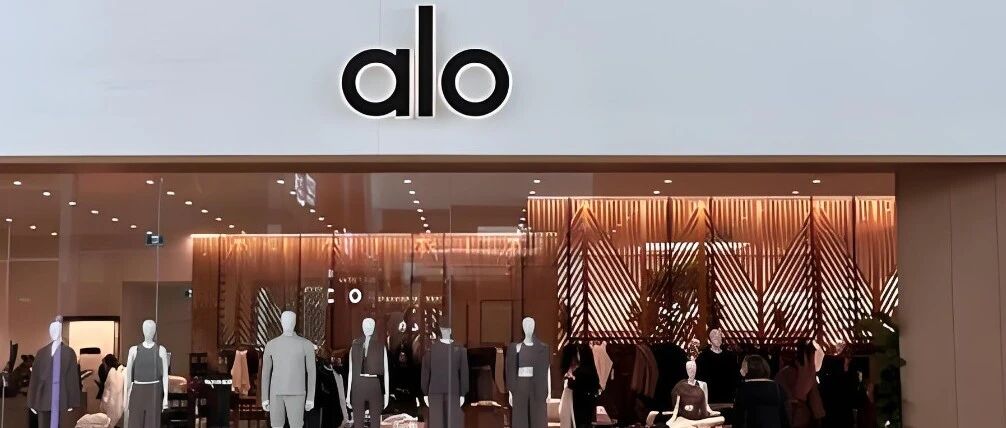
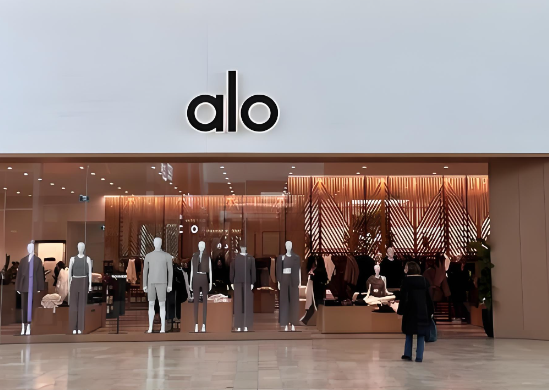
Core Viewpoint - Alo Yoga is reportedly preparing to open its first stores in China, specifically in high-end shopping districts in Beijing and Shanghai, but there is uncertainty regarding the actual status of these openings [3][5][12] Group 1: Store Opening Developments - Multiple sources indicate that Alo Yoga's first stores in China are expected to open in the second quarter of this year, with locations in Shanghai and Beijing [3][5] - Despite rumors, an on-site investigation at the proposed Beijing location found no evidence of Alo Yoga's presence, and mall staff confirmed that there is no official information regarding the brand's entry [4][11] - The slow progress of Alo Yoga's entry into the Chinese market is attributed to various factors, including the need for local team building and the challenges of securing prime retail locations [12][14] Group 2: Market Strategy and Positioning - Alo Yoga has been expanding internationally but has not yet entered the Chinese market, with its strategy focusing on high-end positioning and targeting affluent consumers [12][14] - The brand's marketing approach may involve creating anticipation through strategic leaks about its entry, a common tactic among Western brands [14] - Industry experts suggest that Alo Yoga's delayed entry may be due to uncertainties about its performance in a competitive market and its choice to pursue a premium strategy [13][14] Group 3: Competitive Landscape - Alo Yoga will face significant competition from lululemon, which has established a strong presence in China with around 200 stores and a loyal customer base [20] - The brand's focus on fashion over functionality may create challenges in appealing to core fitness consumers who prioritize performance [20][21] - The Chinese market is increasingly crowded, with local and international brands competing for market share, complicating Alo Yoga's entry strategy [21]
“查无此店!”中产新贵Alo北京首店“消失”,全是营销噱头?
Xin Lang Cai Jing· 2026-02-02 09:03
Core Insights - Alo Yoga is reportedly nearing the opening of its first stores in China, with two locations expected to debut in the second quarter of this year in prime shopping districts in Beijing and Shanghai [2][20][25] - Despite the buzz, there is no official confirmation from Alo Yoga regarding the store openings, and investigations reveal a lack of evidence for the brand's presence at the rumored locations [4][8][24] - Industry insiders suggest that the ongoing speculation may be a marketing strategy to build anticipation for the brand's entry into the Chinese market [2][10][26] Company Background - Founded in 2007, Alo Yoga specializes in high-quality yoga and activewear and has expanded its international presence to 128 countries, operating over 100 stores in 26 countries [4][20] - The brand has yet to establish a foothold in the Chinese market, despite multiple rumors about its entry over the past year [25][26] Market Positioning and Strategy - Alo Yoga's entry into China is characterized by a focus on high-end positioning, targeting affluent consumers in major urban centers [10][26] - The brand aims to differentiate itself from competitors like Lululemon by emphasizing fashion over functionality, appealing to younger consumers through celebrity endorsements [12][28] - Alo Yoga has been actively recruiting local talent in China, focusing on students from English-speaking countries to build a localized operational team [8][24] Challenges and Competition - Alo Yoga faces significant challenges in entering the Chinese market, including established competitors like Lululemon, which has a strong market presence with around 200 stores and a loyal customer base [15][31] - The brand's slower entry is attributed to uncertainties about its performance in a competitive landscape and the difficulty of securing prime retail locations in high-demand areas [10][26] - The proliferation of counterfeit products and the reliance on unofficial channels for market entry have complicated Alo Yoga's brand positioning and market penetration efforts [16][32] Future Outlook - The success of Alo Yoga in China will depend on its ability to navigate the complexities of the local market, including consumer preferences and competitive dynamics [31][32] - The brand's strategy of creating buzz before its official launch may help generate initial interest, but long-term success will require effective execution and adaptation to local market conditions [10][26]

盘点丨2025运动服饰本土化与场景延伸双重竞速
Xin Lang Cai Jing· 2026-01-30 06:12
Core Insights - The sports fashion apparel industry in 2025 is undergoing significant transformation, with opportunities and risks intertwined, as international giants seek new growth points while local brands innovate and niche players achieve breakthroughs [2][29] Event Summaries Event 1: Li Ning Sponsors the Chinese Olympic Committee - In May 2025, Li Ning became the sports apparel partner for the Chinese Olympic Committee for 2025-2028, enhancing brand value [18] - The brand launched the "Milan Shining" event in October, showcasing the Chinese sports delegation's award outfits and a new lifestyle series, reinforcing its cultural and technological integration [18][3] Event 2: Anta Group's Brand Matrix Growth - Anta achieved low double-digit growth in retail sales, stabilizing total revenue at 70 billion, with a notable performance in the fourth quarter despite market pressures [19] - The main brand saw low single-digit growth, while FILA and other brands like Descente experienced higher growth rates, indicating a diversified brand strategy [19][4] Event 3: Controversy Surrounding 361° Brand Image - In September 2025, 361° terminated its endorsement with Zhang Shuihua due to a scandal, which negatively impacted the brand's image and performance [20] - Despite maintaining growth, 361° faced its lowest growth rates in five years, highlighting systemic flaws in brand endorsement risk management [20][5] Event 4: Lululemon's Growth in China - Lululemon's comparable sales in China surged by 25% in Q3 2025, becoming a key growth driver despite previous downward adjustments in performance guidance [21][22] - The brand's strategic focus on core athletic categories and product line optimization contributed to its success in the Chinese market [21][22] Event 5: Xtep's Strong Profit Growth - Xtep reported a revenue of 6.838 billion yuan in the first half of 2025, with a 7.1% year-on-year increase, and a net profit of 914 million yuan, reflecting strong profitability [22] - The brand's focus on marathon sponsorships and product innovation has solidified its position in the professional running segment [22][6] Event 6: Nike's Return to Innovation - Facing declining profits, Nike restructured its innovation teams to focus on athlete-centered product development, unveiling several new technologies in 2025 [23] - This strategic shift aims to enhance product performance and address market demands for innovation [23][9] Event 7: Puma's Crisis Due to Tariffs and Performance Decline - Puma faced a 10.4% decline in global sales and significant losses due to increased production costs from tariffs, leading to layoffs and a drop in stock price [24] - The company's strategic missteps in supply chain management have exacerbated its challenges in a competitive market [24][10] Event 8: Clarks' Channel Transformation Failure - Clarks experienced a 10% revenue decline in the UK due to over-reliance on physical stores and a lack of digital strategy, resulting in significant layoffs [25] - The brand's failure to adapt to changing consumer habits highlights the necessity for channel transformation in the retail sector [25][11] Event 9: Under Armour's Struggles with Growth - Under Armour's brand image suffered as it faced challenges from previous expansion efforts, leading to high inventory turnover and financial losses [26] - The company's restructuring efforts focus on core business areas but have yet to yield positive results [26][12] Event 10: HOKA's Growth Slowdown - HOKA's growth rate significantly decreased, with a mere 11.1% increase in net sales for Q2 2026, prompting concerns about its long-term sustainability [27] - The brand's reliance on high growth without establishing strong technical barriers has led to vulnerabilities in a competitive landscape [27][13] Event 11: IPO Aspirations of BERSHKA and Tamboor - BERSHKA filed for an IPO aiming to become a leading player in high-performance outdoor apparel, while Tamboor also submitted documents for public listing [28] - These moves reflect the growing trend of local brands capitalizing on market opportunities in the outdoor segment [28][14] Conclusion - The sports fashion apparel industry in 2025 has undergone a profound value reconstruction, with brands like Lululemon and Nike achieving breakthroughs through precise positioning and local adaptation [29] - The shift from scale expansion to quality growth emphasizes the importance of innovation and risk management for sustained success in the evolving market landscape [29]


安踏95后“少帅”,开战lululemon
3 6 Ke· 2026-01-30 00:31
Core Insights - The article discusses the strategic expansion of Anta Group, particularly focusing on the appointment of Ding Shaoxiang to oversee both DESCENTE and MAIA ACTIVE, highlighting the growing importance of the high-end women's sports market in China [1][3][20]. Group 1: Company Strategy and Leadership - Ding Shaoxiang, the son of Anta's founder, has been given expanded responsibilities, including overseeing MAIA ACTIVE, which targets the high-end women's sportswear segment [3][4]. - MAIA ACTIVE has seen significant growth, with store numbers increasing from 36 to 56 and a revenue growth of approximately 30% year-on-year in 2024 [4][17]. - The strategic shift in reporting lines to Ding Shaoxiang indicates Anta's renewed focus on the high-end women's sports market, which is seen as a segment with structural growth potential [4][20]. Group 2: Market Context and Competition - The overall sports consumption market in China is entering a phase of stock competition, with Anta aiming to enhance its position in the high-end sports and "sports luxury" segments [20]. - Competitors like Lululemon are expanding aggressively in China, with a reported 46 new stores planned for 2025, indicating a competitive landscape for MAIA ACTIVE [5][20]. - The female fitness demographic is growing, with a 20.5% increase in female members reported by a fitness chain, highlighting the potential for brands targeting this market [4][20]. Group 3: Financial Performance and Goals - DESCENTE's revenue in China surpassed 5 billion yuan for the first time in 2023, with a target of achieving a compound annual growth rate of 20%-25% from 2024 to 2026 [14][15]. - Anta's acquisition of a 29.06% stake in Puma for 1.5 billion euros positions it as the largest shareholder, complementing its existing brand portfolio [20][24]. - The anticipated acquisition of Mammut, a Swiss outdoor brand, could further enhance Anta's presence in the high-end outdoor segment, broadening its market reach [24].

穿越“K型”周期,解码运动户外品牌的增长密码
Di Yi Cai Jing Zi Xun· 2026-01-29 13:07
Core Insights - The outdoor sports industry is demonstrating strong growth potential despite macroeconomic challenges, driven by a shift towards health economy, emotional connections, and technological innovation [1][5][36] Group 1: Industry Trends - The industry is transitioning from traditional retail to a new paradigm focused on health, emotional connections, and technology [1] - The growth of the outdoor sports sector is supported by favorable policies and urban development strategies, with cities increasingly branding themselves around sports and outdoor activities [5][6] - The industry is characterized by a strong external influence, with products like camping gear creating a complete camping economy [6] Group 2: Consumer Behavior - The outdoor sports market has a user base of 400 million, with a penetration rate of one-third of the national population, indicating significant growth potential compared to developed countries [7] - The industry is expected to achieve a compound annual growth rate (CAGR) of 15.5% over the next five years, driven by increased penetration among existing users rather than population growth [7] - Consumer demand is evolving towards specialization, technology integration, and quality, with a notable rise in high-end and value-for-money products [8] Group 3: Market Segmentation - The current consumer market is experiencing a K-shaped differentiation, where the upper segment continues to thrive while the lower segment faces challenges [11] - Growth in the outdoor sports sector is primarily driven by three demographic groups: women, middle-aged and elderly consumers, and youth, each with distinct consumption patterns and preferences [11][12] - The market is witnessing a dual trend where luxury brands are shifting online while maintaining a strong offline presence, indicating a complex consumer landscape [12][13] Group 4: Investment Insights - The valuation logic of the outdoor sports industry is shifting from traditional retail metrics to a focus on health economy factors, emphasizing direct-to-consumer sales, supply chain technology, and community building [14][16] - Investors are increasingly interested in brands that demonstrate resilience, community engagement, and a clear product philosophy, as these factors contribute to long-term growth [19][18] - The integration of AI and technology is becoming essential for brands to enhance operational efficiency and consumer engagement [32][34] Group 5: Marketing Strategies - Successful brands in the future will focus on niche markets, innovation, and creating strong mental associations with their products [29] - Brands should prioritize user engagement and community building over sheer scale, focusing on enhancing customer lifetime value [30] - The marketing approach must adapt to dynamic consumer profiles and leverage multiple channels for effective communication [31]


1 Fintech Stock Set to Rebound in 2026
Yahoo Finance· 2026-01-28 17:05
Core Viewpoint - Shift4 Payments is positioned as a potential rebound stock in 2026 after experiencing a significant decline of nearly 42% in 2025, with a recent gain of almost 6% since the start of the year [2][3]. Company Overview - Shift4 Payments, a 27-year-old fintech company, integrates over 1,200 software solutions into its payment platform, showcasing a high level of technological flexibility that is beneficial for its business model [4]. - The company is recognized as the No. 2 player in the restaurant sector and leads in hospitality, luxury retail, and sports stadiums [5]. Competitive Positioning - Shift4's customer acquisition costs are significantly lower, spending only a third of what its largest competitor does to attract restaurant industry clients [5]. - The company serves notable clients in the luxury retail space, including major European department store chains, Tapestry, and Lululemon Athletica [6]. Growth Potential - A new stablecoin settlement platform announced by Shift4 could enhance payment speed and flexibility for clients, potentially driving a rebound in the company's stock [6]. - The current short interest in Shift4 shares stands at 20.7%, indicating that a positive shift in stock performance could lead to traders covering their bearish positions [3].
