
奥飞娱乐

Search documents
“死了么”App估值上亿,照见“孤独经济”万亿新蓝海
Sou Hu Cai Jing· 2026-01-14 14:50
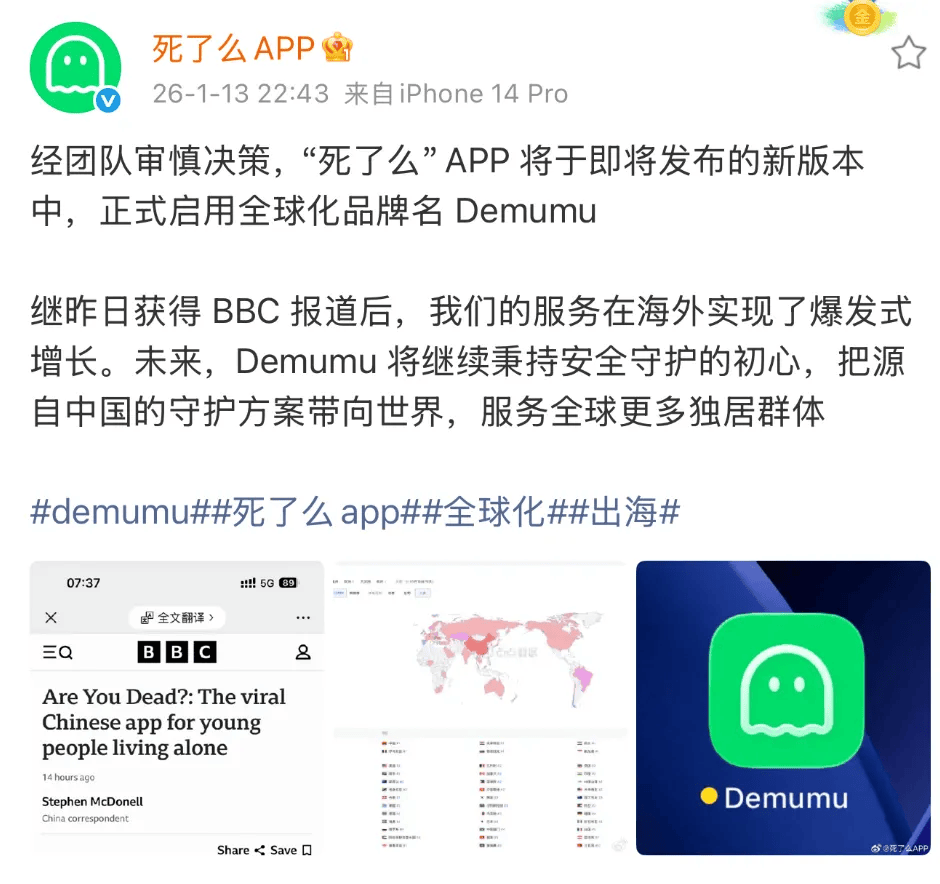
Group 1: App and Company Overview - The "Are You Dead?" app has gained significant popularity, with a rapid increase in downloads by 100 times since its launch, which had an initial investment of just over 1,000 yuan and was developed in less than a month [1] - The app's daily new user count has surged by 500-800 times compared to its initial phase, leading to a company valuation increase to approximately 100 million yuan from 10 million yuan within two days [1] - The app's founder plans to sell 10% of the company's equity for a financing amount in the tens of millions, despite the name "Are You Dead?" being criticized for its negative connotation, prompting a rebranding to "Demumu" for the upcoming version [1] Group 2: Societal Trends and Market Potential - The emergence of the "Are You Dead?" app reflects a growing trend in the "loneliness economy," which is a response to the increasing number of individuals living alone, particularly among urban youth [2][3] - By 2030, it is projected that the number of people living alone in China could reach 150-200 million, with the solo living rate exceeding 30%, driven by factors such as urban migration and changing marriage views [3] - The "loneliness economy" is expected to grow rapidly, with a focus on products that provide emotional value and cater to the needs of individuals living alone, indicating a significant market opportunity [3][5] Group 3: Emotional and Material Needs - The loneliness economy encompasses both emotional and material needs, with young individuals seeking emotional release and social interaction while feeling fatigued by interpersonal relationships [5][7] - The market for companionship services is expanding, with offerings ranging from online companionship to in-person activities, reflecting a growing demand for emotional fulfillment [7] - The rise of AI products and pets as alternatives for companionship is notable, with AI companionship market revenues projected to soar from $30 million to between $70 billion and $150 billion by 2030 [12][16] Group 4: Industry Developments and Consumer Behavior - Major companies are entering the AI companionship and pet markets, with significant investments and product launches aimed at meeting the emotional needs of consumers [15][16] - The pet industry is also experiencing rapid growth, with a projected market size of 312.6 billion yuan by 2025, driven by younger generations who view pets as family members [16][19] - The food and beverage industry is adapting to the needs of solo diners, with businesses like Haidilao innovating their offerings to cater to individual consumption patterns [20][22]

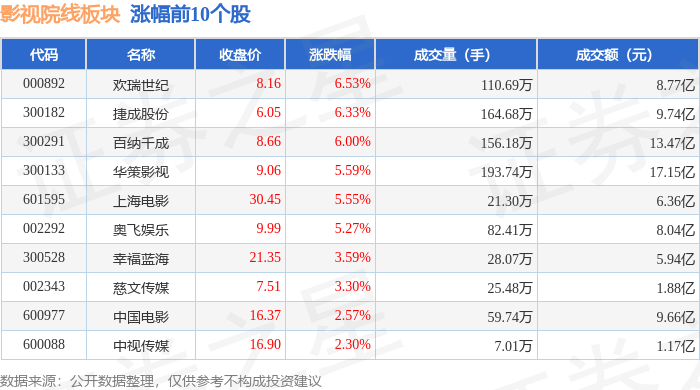
影视院线板块1月14日涨1.01%,博纳影业领涨,主力资金净流出5.3亿元
Zheng Xing Xing Ye Ri Bao· 2026-01-14 08:58
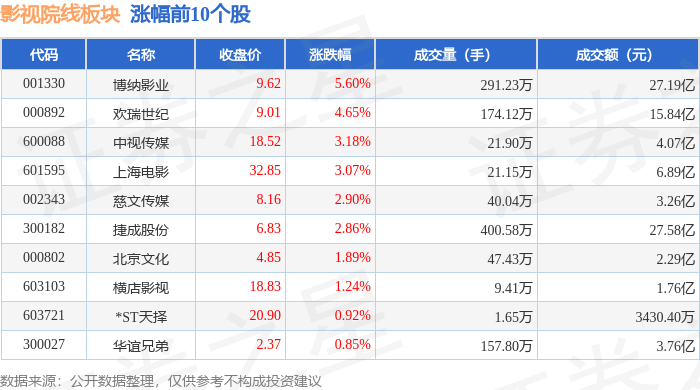
Market Performance - The film and cinema sector increased by 1.01% compared to the previous trading day, with Bona Film Group leading the gains [1] - The Shanghai Composite Index closed at 4126.09, down 0.31%, while the Shenzhen Component Index closed at 14248.6, up 0.56% [1] Individual Stock Performance - Bona Film Group (001330) closed at 9.62, up 5.60%, with a trading volume of 2.91 million shares and a transaction value of 2.719 billion [1] - Huanrui Century (000892) closed at 9.01, up 4.65%, with a trading volume of 1.74 million shares and a transaction value of 1.584 billion [1] - Other notable performers include: - China Vision Media (600088) at 18.52, up 3.18% [1] - Shanghai Film (601595) at 32.85, up 3.07% [1] - Zhengwen Media (002343) at 8.16, up 2.90% [1] Capital Flow Analysis - The film and cinema sector experienced a net outflow of 530 million from institutional investors, while retail investors saw a net inflow of 881 million [2] - The main capital flow for individual stocks shows: - Huanrui Century had a net inflow of 150 million from main investors [3] - Shanghai Film had a net inflow of approximately 28.69 million [3] - Light Media (300251) had a net inflow of about 19.82 million [3] Summary of Stock Flows - The overall trend indicates that while institutional and speculative funds are withdrawing, retail investors are actively buying into the sector [2][3] - Notable stocks with significant retail inflows include: - Huanrui Century with a retail net inflow of 10 million [3] - ST Tianze (603721) with a retail net inflow of 188.16 million [3]


AI玩具赛道能否跑出下一个LABUBU?
Zheng Quan Ri Bao· 2026-01-13 16:49
Core Insights - The AI toy market is experiencing unprecedented growth, with sales in the first half of 2025 increasing by 600% quarter-on-quarter and over 200% year-on-year, driven by consumer demand and significant investment activity [1][2] - The industry is characterized by a diverse range of players, including tech startups, traditional toy manufacturers, and internet giants, all vying for a share of the AI toy market [2][4] - The pursuit of "realistic emotional interaction" has become a consensus among AI toy manufacturers, with competition shifting towards enhancing user experience [4][7] Market Dynamics - As of June 2025, there are 1,766 active companies in the AI toy sector, indicating a robust entry of various enterprises into this market [2] - The average return rate for AI toys is reported to be between 30% and 40%, significantly higher than the 15% for traditional toys, highlighting challenges in consumer acceptance [7] - AI toys generally have a higher profit margin compared to traditional toys, with prices ranging from 200 to 700 yuan, and some products priced significantly higher due to advanced features [5][6] Technological Integration - Companies are integrating advanced AI technologies into toys, enabling features such as memory retention and interactive dialogue, which enhance the emotional connection with users [2][3] - The development of multi-modal large models is a focus for traditional hardware companies, aiming to create more engaging AI toy experiences [3][4] - The industry is leveraging China's robust manufacturing capabilities, with domestic chips expected to account for 82% of AI toy components by 2025, providing a cost advantage [6] Commercial Strategies - AI toys are adopting a business model that combines one-time hardware sales with ongoing software subscription fees, extending product lifecycles [6] - Companies are exploring B2B solutions, offering comprehensive AI toy packages to small and medium enterprises, thereby creating additional revenue streams [6] - The industry is encouraged to maintain originality and avoid imitation, as suggested by industry leaders, to foster innovation and long-term growth [7] Regulatory Environment - The Ministry of Industry and Information Technology is working on revising national standards for toy safety, particularly concerning privacy and data security for AI toys that interact frequently with children [8] - The government aims to guide toy companies in applying AI technology to create new consumer demands, indicating a supportive regulatory framework for the industry [8]
流金科技涨24.61%,股价创历史新高
Zheng Quan Shi Bao Wang· 2026-01-13 02:15
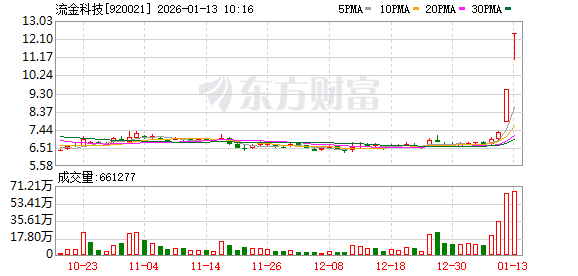
证券时报·数据宝统计显示,流金科技所属的传媒行业,目前整体跌幅为0.08%,行业内,目前股价上涨 的有28只,涨停的有人民网、新华网等5只。股价下跌的有101只,跌幅居前的有蓝色光标、荣信文化、 奥飞娱乐等,跌幅分别为6.26%、5.99%、5.53%。 流金科技股价创出历史新高,截至9:35,该股上涨24.61%,股价报11.85元,成交量3719.37万股,成交 金额4.49亿元,换手率15.97%,该股最新A股总市值达36.62亿元,该股A股流通市值27.59亿元。 (文章来源:证券时报网) 两融数据显示,该股最新(1月12日)两融余额为4092.68万元,其中,融资余额为4092.68万元,近10日 增加1045.31万元,环比增长34.30%。 公司发布的三季报数据显示,前三季度公司共实现营业收入2.02亿元,同比下降51.64%,实现净利 润-1222.03万元,同比下降123.01%,基本每股收益为-0.0400元。(数据宝) ...

值得买涨8.68%,股价创历史新高
Zheng Quan Shi Bao Wang· 2026-01-13 02:05
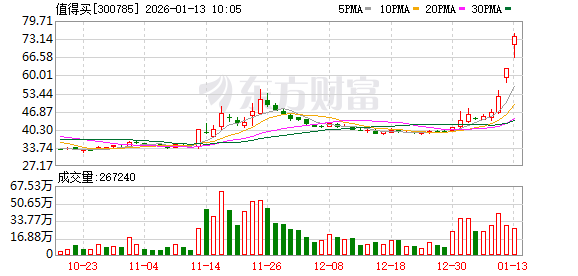
值得买股价创出历史新高,截至9:36,该股上涨8.68%,股价报68.08元,成交量1321.21万股,成交金额 9.29亿元,换手率10.80%,该股最新A股总市值达135.38亿元,该股A股流通市值83.29亿元。 证券时报·数据宝统计显示,值得买所属的传媒行业,目前整体跌幅为0.08%,行业内,目前股价上涨的 有28只,涨停的有人民网、新华网等5只。股价下跌的有101只,跌幅居前的有蓝色光标、荣信文化、奥 飞娱乐等,跌幅分别为6.26%、5.99%、5.53%。 (文章来源:证券时报网) 公司发布的三季报数据显示,前三季度公司共实现营业收入8.06亿元,同比下降20.37%,实现净利润 1344.86万元,同比增长253.49%,基本每股收益为0.0700元,加权平均净资产收益率0.71%。(数据 宝) ...

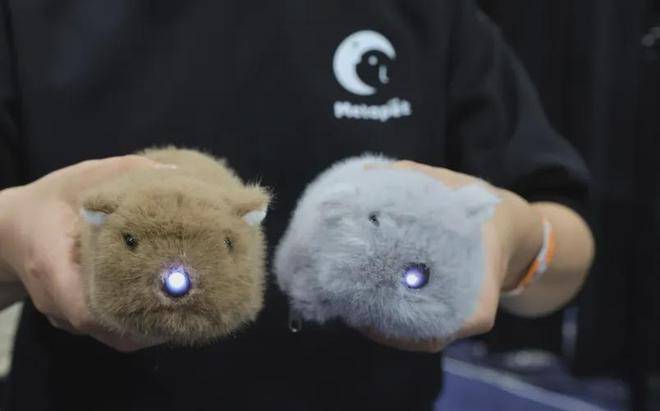
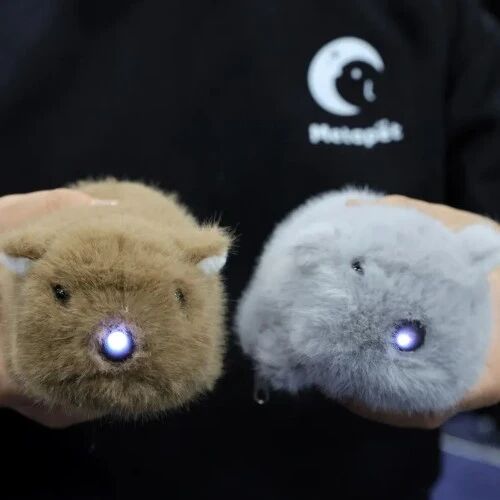
陪伴机器人,正在改写9亿人的孤独经济
Sou Hu Cai Jing· 2026-01-11 16:16
Core Insights - The rise of companion robots is driven by the dual forces of emotional consumption and AI technology, transitioning from toys to essential life companions [1][3] - The demand for companionship is fueled by a significant loneliness economy, with 900 million people in need of emotional support [4][6] Group 1: Market Dynamics - The online market for AI toys in China is projected to surge by 394.9% by 2025, with emotional companionship products growing from 7.0% to 15.7% market share [4] - The global AI companionship market is expected to grow from $30 million to between $70 billion and $150 billion by 2030, with the domestic market reaching approximately $3.86 billion by 2030 [8] - The demand for companionship robots is particularly strong among young adults aged 18-35, with over 120 million living alone in China [6] Group 2: Technological Advancements - New-generation companion robots have evolved from passive responders to active empathizers, utilizing advanced AI technologies to understand user emotions and context [9][11] - Multi-modal sensors enable these robots to perceive voice, visual, tactile, and environmental cues, enhancing user interaction [11] - The integration of large models and low-cost API calls facilitates the widespread adoption of companion robots [9] Group 3: Competitive Landscape - The market is characterized by three main player categories: traditional toy manufacturers, tech startups, and cross-industry players [14] - Traditional toy companies leverage established IPs and supply chains to transition into the AI space, while tech startups focus on high-end, differentiated products [16][18] - Cross-industry players innovate by extending scenarios, such as Sony's Aibo and Panasonic's interactive robots, to create new market opportunities [20][22] Group 4: Product Evolution - Companion robots are segmented into three price tiers: entry-level (100-500 RMB), mid-range (500-3000 RMB), and high-end (over 3000 RMB), catering to diverse user needs [23][25][27] - Entry-level products focus on basic interactions, while mid-range products emphasize emotional recognition and advanced features [24][25] - High-end products offer multi-modal interactions and medical-grade companionship, primarily targeting affluent families and healthcare institutions [27] Group 5: Future Trends - The market for companion robots is expected to transition from concept-driven to demand-driven growth, with four key trends emerging: emotional computing precision, deeper IP integration, diversified scenario expansion, and service-oriented monetization models [28][29][31] - Emotional computing will enhance robots' ability to respond to user emotions accurately, while IP collaborations will deepen user engagement [29] - The expansion into adult emotional therapy, elderly care, and educational settings will broaden the market scope [31] Group 6: Opportunities and Challenges - Despite the promising market outlook, challenges such as technology integration and safety risks remain prevalent [32][33] - The industry faces potential issues with data privacy, especially concerning sensitive user information, necessitating careful market education and product adaptation [33] - The competitive landscape is intensifying, with a risk of commoditization in the entry-level segment, highlighting the need for differentiation [35]

陪伴机器人,正在改写9亿人的孤独经济
机器人大讲堂· 2026-01-11 09:39
Core Insights - The article discusses the rise of companion robots, driven by the dual forces of emotional consumption and AI technology, transforming from toys to essential companions in various life scenarios [1][3]. Group 1: Market Demand - The "loneliness economy" is emerging, with 900 million people creating a strong demand for companionship. As basic needs are met, higher-level needs such as belonging and self-actualization are becoming central to consumption, with "emotional value" being key to product pricing [4][5]. - By 2025, the online market for AI toys in China is expected to surge by 394.9%, with emotional companionship products growing the fastest, increasing their market share from 7.0% to 15.7% [4]. Group 2: Target Demographics - Over 120 million young adults aged 18-35 live alone, showing a strong demand for anthropomorphic interaction products. Women aged 25-30 represent 72% of the consumer base for companion robots, willing to pay for aesthetics and empathy [7]. - The elderly population in China has reached 280 million, with over 50% being empty nesters. High-end companion robots are becoming essential in the elderly care market, despite their higher price points [7]. Group 3: Market Growth Projections - The global AI companionship market is projected to grow from $30 million to between $70 billion and $150 billion by 2030. The domestic market is expected to reach approximately $1 billion in 2024 and $3.86 billion by 2030, with a compound annual growth rate of 75% [9]. Group 4: Technological Advancements - The rise of companion robots is attributed to advancements in AI technology, enabling a shift from passive responses to active empathy. New generation robots can understand context, emotions, and subtleties in conversation, providing personalized interactions [10][11]. - Multi-modal sensors are being integrated into companion robots, allowing them to perceive voice, visual, tactile, and environmental cues, enhancing user interaction [14]. Group 5: Market Structure - The companion robot market is attracting three types of players: traditional toy manufacturers, tech startups, and IP holders, leading to differentiated competition [17]. - Traditional toy companies leverage established supply chains and IPs to transition into the AI space, while tech firms focus on high-end markets with advanced emotional interaction capabilities [19][21]. Group 6: Product Evolution - Companion robots are categorized into three price tiers: entry-level (100-500 RMB), mid-range (500-3000 RMB), and high-end (over 3000 RMB), catering to different user needs [26][28][30]. - Entry-level products focus on basic interactions and are popular among cost-conscious parents, while mid-range products are favored by urban professionals seeking emotional support [27][29]. Group 7: Future Trends - The market for companion robots is expected to transition from "conceptual popularity" to "demand-driven" growth, with four key trends: precision in emotional computing, deeper IP integration, diversified scene expansion, and service-oriented monetization models [31][34][35]. - Companies are exploring subscription services and dual revenue models to enhance profitability beyond single sales [36]. Group 8: Challenges and Opportunities - Despite the promising market outlook, challenges such as technology integration and safety risks remain prevalent. The industry must address issues related to data privacy and user dependency on technology [37][39]. - The reduction in computing costs and advancements in AI capabilities present significant opportunities for improving the cost-effectiveness of companion robots [40].
影视院线板块1月9日涨2.93%,欢瑞世纪领涨,主力资金净流入3.44亿元
Zheng Xing Xing Ye Ri Bao· 2026-01-09 09:00
证券之星消息,1月9日影视院线板块较上一交易日上涨2.93%,欢瑞世纪领涨。当日上证指数报收于 4120.43,上涨0.92%。深证成指报收于14120.15,上涨1.15%。影视院线板块个股涨跌见下表: 从资金流向上来看,当日影视院线板块主力资金净流入3.44亿元,游资资金净流出3.46亿元,散户资金净 流入213.33万元。影视院线板块个股资金流向见下表: | 代码 | 名称 | 主力净流入(元) | 主力净占比 游资净流入(元) | | 游资净占比 散户净流入 (元) | | 散户净占比 | | --- | --- | --- | --- | --- | --- | --- | --- | | 000892 欢瑞世纪 | | 6798.32万 | 7.75% | 2071.97万 | 2.36% | -8870.29万 | -10.11% | | 002292 | 奥飞娱乐 | 6402.60万 | 7.96% | -4243.76万 | -5.28% | -2158.84万 | -2.68% | | 300133 | 华策影视 | 5933.73万 | 3.46% | -7520.76万 | -4.3 ...
奥飞娱乐股价涨5.06%,国泰基金旗下1只基金位居十大流通股东,持有714.1万股浮盈赚取342.77万元
Xin Lang Cai Jing· 2026-01-09 07:24
Group 1 - The core viewpoint of the news is that Aofei Entertainment's stock has seen a significant increase, rising 5.06% on January 9, reaching a price of 9.97 yuan per share, with a total market capitalization of 14.743 billion yuan [1] - Aofei Entertainment has experienced a continuous stock price increase for six consecutive days, with a cumulative increase of 9.33% during this period [1] - The company, founded on July 31, 1997, and listed on September 10, 2009, operates in various sectors including animation and film, toy development and sales, and mobile game design and publishing [1] Group 2 - Aofei Entertainment's main business revenue composition includes 49.00% from baby products, 38.30% from toy sales, 11.80% from film and television, 0.68% from other categories, and 0.22% from games [1] - Among the top ten circulating shareholders, Guotai Fund's Guotai Zhongzheng Animation Game ETF (516010) increased its holdings by 745,000 shares, now holding 7.141 million shares, which is 0.7% of the circulating shares [2] - The Guotai Zhongzheng Animation Game ETF has achieved a year-to-date return of 6.41% and a one-year return of 62.53%, ranking 883 out of 5509 and 702 out of 4198 respectively [2]
半日,2万亿!狂掀涨停潮!
天天基金网· 2026-01-09 05:24
Market Overview - The A-share market saw all three major indices rise, with the Shanghai Composite Index up by 0.3%, the Shenzhen Component Index up by 0.57%, and the ChiNext Index up by 0.1% [3] - The market experienced significant trading volume, with a turnover of 20,614 billion yuan, an increase of 2,963 billion yuan compared to the previous day [3] Sector Performance - Various sectors showed positive performance, including non-ferrous metals, AI applications, commercial aerospace, computing power, consumer electronics, and diversified finance [5] - The commercial aerospace sector experienced a strong rally, leading to a surge in related stocks and positively impacting military stocks and other sectors such as diversified finance, wind power, photovoltaic, carbon fiber, and engineering machinery [7] Notable Stocks - Leading consumer electronics stock Lens Technology rose over 12%, reaching a historical high with a market capitalization of 200.9 billion yuan [5] - Multiple stocks in the commercial aerospace sector hit their historical highs, including Xinyuan Technology and Guokai Biological Engineering, with significant percentage increases [8][10] Investment Insights - The commercial aerospace sector is gaining attention, with companies like Luxin Venture Capital and Yuexiu Capital seeing stock price increases due to their investments in the sector [10] - The wind power sector also saw gains, with companies like Taisheng Wind Energy and Goldwind Technology experiencing significant stock price increases [10] - The carbon fiber sector is benefiting from its applications in commercial aerospace, with companies like Huayin Technology and Guangqi Technology seeing substantial stock price increases [10] Consumer Sector Recovery - The consumer sector rebounded, with increases in stocks related to duty-free shops, retail, and film and television [13] - The film industry is showing signs of recovery, with the box office for 2025 projected to reach 531 billion yuan, driven by strong demand during key holiday periods and the release of quality content [15]
