大疆

Search documents
两份研报下的“全景相机”之争,大疆单季全景销量破30万台榜首60天 | 电厂
Xin Lang Cai Jing· 2025-11-07 11:20
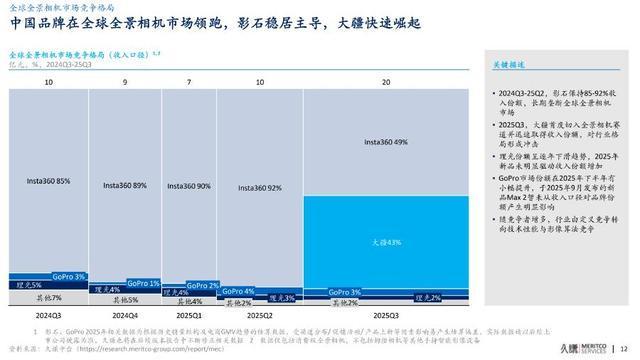
Core Insights - The competition between DJI and Insta360 has become prominent, with conflicting market share data reported by different research institutions [1][3] - DJI claims a 49% market share in China's e-commerce panoramic camera market, while Insta360 asserts a 75% global market share according to a different report [1][4] - The discrepancies in data highlight the ongoing battle for market dominance between the two companies [3][4] Market Share and Sales Data - According to the report by Jiuxian Zhongtai, DJI's panoramic camera sales volume in Q3 was approximately 290,000 units, generating sales of 860 million yuan, while Insta360 sold around 360,000 units for 980 million yuan [5][11] - The contrasting figures from Frost & Sullivan suggest that by Q3 2025, DJI's global market share would be 17.1%, while Insta360's would be over 75% [1][11] Financial Performance and Strategy - Insta360's revenue for Q3 2025 was reported at 2.94 billion yuan, a year-on-year increase of 92.64%, but its net profit decreased by 15.9% to 272 million yuan [15] - The company has significantly increased its sales expenses, with a 102.5% year-on-year rise, reflecting a strategic shift to broaden its market reach beyond core user groups [13][15] - R&D investment for Insta360 reached 524 million yuan in Q3, a 164.81% increase, indicating a focus on developing new technologies [14][15] Competitive Landscape - The competition extends beyond just sales figures, encompassing R&D capabilities, marketing strategies, and overall market positioning [16] - Both companies are vying for dominance in the emerging markets of panoramic cameras and drones, with DJI's rapid entry into the panoramic camera space putting pressure on Insta360 [13][16] - The outcome of this competition will ultimately depend on consumer preferences and market responses [16]



东方富海陈玮:现在才是一、二级市场投资的最好时代
21世纪经济报道· 2025-11-07 10:30
Core Viewpoint - Shenzhen's venture capital industry has evolved significantly over 25 years, with nearly 1.8 trillion yuan invested in projects, and early-stage investments accounting for almost half of this total [1][3][4] - The current market conditions are seen as the best time for both primary and secondary market investments, driven by technological innovation and a supportive capital market [1][6][7] Group 1: Shenzhen's Venture Capital Ecosystem - Shenzhen has developed a "government-guided, market-oriented" venture capital ecosystem, characterized by a mix of angel funds, seed funds, and state-owned as well as private investment institutions [4] - The city is home to major tech companies like Huawei, BYD, DJI, and Tencent, indicating a strong innovation environment [3][4] - Despite challenges such as fundraising difficulties, there are signs of recovery in the venture capital industry, with increased attention from banks and insurance institutions [4][5] Group 2: Future Market Predictions - The prediction is that an additional 100 trillion yuan in stock market value will be generated, primarily from technology companies, especially in the artificial intelligence sector [1][7] - The capital market's development is expected to enhance direct financing opportunities, benefiting the primary market and encouraging investments in tech enterprises [7][8] Group 3: Focus on Artificial Intelligence - Artificial intelligence is viewed as a fundamental technological transformation that can enhance productivity and alter industry ecosystems, making it a focal point for investment [9][10] - The competitive landscape in AI is characterized by the U.S. leading in infrastructure while China excels in application scenarios [9] - Investment institutions are particularly interested in AI's foundational aspects, such as computing power and energy, as well as application areas like embodied robotics and large models [10]

“百川归旅”汇聚世界目光——专访中国驻伦敦旅游办主任张力
人民网-国际频道 原创稿· 2025-11-07 09:30
Core Insights - The 2025 London World Travel Market concluded successfully, focusing on the theme "Travel Empowers the World," attracting participants from over 180 countries and regions [1] - The Chinese exhibition area won the "Best Exhibition Design Award," being the only Asian country to receive this honor, highlighting the integration of cultural heritage and green design [1][4] Group 1: Recognition and Innovation - The award reflects international recognition of China's cultural tourism design innovation and acknowledges the high-quality, green development of the Chinese tourism industry [2] - The concept "Bai Chuan Gui Lv" (百川归旅) symbolizes the gathering of diverse cultures for a beautiful journey, aligning with the event's theme [2] Group 2: Business Opportunities and Market Potential - Chinese exhibitors reported exceeding expectations, with higher quality and more serious business engagements compared to previous years [3] - The Chinese tourism market is seen as a significant opportunity for global partnerships, with companies like Chongqing Century Cruises establishing joint ventures in Europe [3][5] Group 3: Policy Impact and Market Recovery - Recent Chinese policies, including visa facilitation and improved payment environments, have accelerated the recovery of the inbound tourism market [5] - Feedback indicates that foreign tourists find it easier to visit China now, with fewer complaints and more positive experiences reported [5] Group 4: Future Prospects and Collaboration - There is strong confidence in the potential for Sino-British tourism cooperation, with ongoing efforts to enhance bilateral exchanges [6] - The number of direct flights between China and the UK has increased by 35% since 2019, indicating a growing connectivity [6] - The rising interest in educational travel from the UK to China is noted, with students engaging in experiences related to technology and innovation [6]

超万家企业集聚 深圳抢占全球消费电子话语权
2 1 Shi Ji Jing Ji Bao Dao· 2025-11-07 07:52
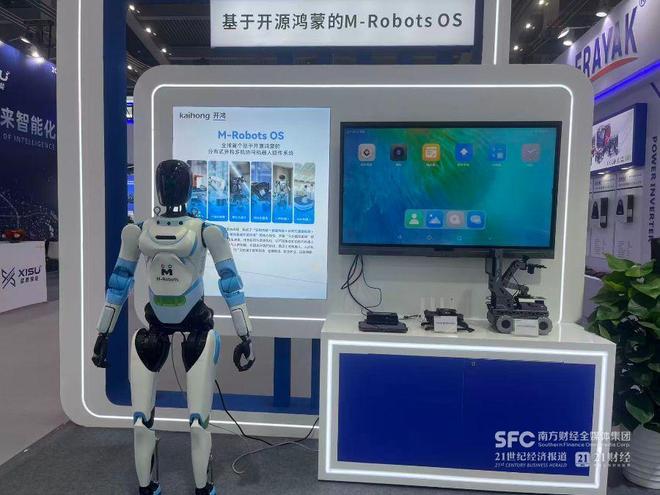
Core Insights - Shenzhen is positioning itself as a global hub for consumer electronics, with over 10,000 related companies and notable brands like Huawei and DJI emerging from the region [1] - The first Global Consumer Electronics Innovation Conference showcased various innovative products, attracting over 18,000 attendees and featuring over 2,000 tech innovations [1][2] - The integration of AI and open-source operating systems like HarmonyOS is driving a new phase in smart device development, enhancing user experience through personalized services [3][5] Industry Overview - Shenzhen's smart terminal industry cluster is projected to exceed 200 billion yuan in added value by 2024, with smartphone production accounting for over 20% of national output [8] - The city is expected to export 2 trillion yuan in electromechanical products in 2024, representing a 12.1% growth, with traditional electronics like smartphones and computers contributing significantly [8] - Shenzhen has established a complete supply chain from chip design to global sales, enhancing innovation efficiency and creating a robust ecosystem in areas like Huaqiangbei [9] Technological Advancements - The HarmonyOS ecosystem is expanding, with Huawei announcing over 10 million devices running HarmonyOS 5, indicating a shift towards a more interconnected digital environment [1][2] - Companies like Honor are leveraging AI to enhance device capabilities, with the latest Magic8 smartphone series supporting over 3,000 automated scenarios, a 15-fold increase from previous models [5] - Shenzhen's innovation landscape is reflected in its annual generation of over 50,000 consumer electronics patents, with a significant portion being invention patents [9] Policy Support - Shenzhen has implemented targeted policies to accelerate the development of the AI terminal industry, including a 5 billion yuan investment fund focused on key product categories [10] - The city's comprehensive innovation ecosystem, including capital and global market connections, is fostering growth in the smart terminal sector [10]
21专访|东方富海陈玮:现在才是一、二级市场投资的最好时代
2 1 Shi Ji Jing Ji Bao Dao· 2025-11-07 07:47
Core Insights - Shenzhen's venture capital industry has reached a cumulative investment of nearly 1.8 trillion yuan, with early-stage investments accounting for almost half [1] - By the end of 2024, Shenzhen is expected to have supported 14,000 enterprises, with small and medium-sized enterprises making up nearly 70% [1] - The development of Shenzhen's venture capital is closely linked to the growth of its technology innovation ecosystem, characterized by a "government-led, market-oriented" approach [2][3] - Current market conditions are viewed as the best time for both primary and secondary market investments, with a projected increase of 100 trillion yuan in stock market value, primarily directed towards technology companies [1][6] Venture Capital Ecosystem - Shenzhen is recognized as the birthplace of China's venture capital, with a strong market-oriented and professional approach [2] - The city has a diverse venture capital ecosystem, including angel funds, seed funds, government-guided funds, and both state-owned and private investment institutions [3] - Despite challenges such as fundraising difficulties, there are signs of recovery in the venture capital industry, with increased attention from banks and insurance institutions [4][5] Technology and AI Focus - The core of China's economic growth is shifting towards technology innovation, with a strong emphasis on increasing direct financing through both stock market expansion and venture capital growth [6] - Artificial intelligence is identified as a fundamental technological transformation, with significant investment opportunities in this sector [7] - The competitive landscape in AI is characterized by the U.S. leading in infrastructure while China excels in application scenarios [7]
独家丨前大疆核心研发 Goding 创业,瞄准户外智能载具
雷峰网· 2025-11-07 06:31
Core Insights - A new entrepreneur from the DJI ecosystem, Goding, has founded a company named "Kongye Innovation" focusing on outdoor smart vehicles [3] - Kongye Innovation has completed its seed round financing, with initial investors including Shunwei Capital and Yuanjing Capital, achieving a valuation exceeding 100 million RMB [3] - The company aims to develop electric and intelligent outdoor sports products, integrating AI features to enhance technology and user experience [3][4] Market Positioning - Kongye Innovation is targeting the overseas market, intending to leverage technology to establish a presence in the smart outdoor tools sector [4]

最新:大疆全景相机市占近半,沙利文报告两度下架数据成谜
Huan Qiu Wang Zi Xun· 2025-11-07 06:10
Core Viewpoint - The conflicting reports on the global panoramic camera market share have raised significant attention, with one report indicating a dominant position for Yingshi while the other suggests a much lower share for the same company [1][9]. Group 1: Market Share Data - According to Jiuqian's report, as of Q3 2025, Yingshi holds a 49% market share while DJI has 43% [1]. - In contrast, the Sullivan report claims Yingshi has a 75% market share and DJI only 17.1% [1][6]. - The discrepancies between these reports have led to confusion and uncertainty in the market regarding the actual standings of these companies [9][16]. Group 2: Data Verification Issues - The Sullivan report has been taken down twice due to "internal data verification" issues, making it unavailable for public access and raising questions about its data integrity [9]. - Jiuqian's report is based on publicly disclosed data from listed companies, actual sales data from major e-commerce platforms, and extensive social media listening [12]. - The lack of verifiable data from the Sullivan report contrasts with Jiuqian's reliance on official financial documents and confirmations from companies, leading to a more credible stance [16]. Group 3: Financial Performance Insights - Jiuqian estimates that Yingshi's revenue from panoramic cameras in the second half of 2024 will be approximately 1.65 billion yuan, with sales reaching 610,000 units [14]. - DJI's third-quarter sales volume is reported to be 290,000 units, with a revenue of 860 million yuan, which aligns with the company's own confirmations [16]. - If the Sullivan report were accurate, the total market size for panoramic cameras in Q3 would be around 5.03 billion yuan, with Yingshi's share being nearly 3.77 billion yuan, which contradicts Yingshi's reported revenue of 2.94 billion yuan for the same period [16].
大疆、影石还没争出第一,大批友商已经赶在路上|知料
3 6 Ke· 2025-11-07 02:05
Core Insights - The competition for market share in the panoramic camera sector has intensified, with conflicting reports on the market shares of companies like Insta360 and DJI, highlighting the volatility of the market [1][2][6] - The entry of new players, including hardware companies and internet giants, into the smart imaging sector is reshaping the landscape, with significant investments and innovations being made [4][12][20] - The global user base for vlogging and outdoor activities presents a substantial opportunity for growth in smart imaging devices, with current penetration rates being low [6][18] Market Share Discrepancies - A report from Jiucheng Consulting indicated that Insta360's market share dropped from 92% to 49%, while DJI captured 43% in the third quarter [1] - Conversely, Frost & Sullivan reported that Insta360 held a 75% market share compared to DJI's 17.1%, suggesting significant discrepancies in market analysis [1][2] Competitive Landscape - The launch of DJI's Osmo360 has disrupted Insta360's dominance, showcasing strong market performance within just 90 days of release [2] - New entrants are focusing on niche markets and differentiated product offerings to avoid direct competition with established players like DJI and Insta360 [7][10] Emerging Trends - Companies like Looki and XbotGo are innovating by targeting specific user needs, such as AI-driven features and sports event recording, which are not directly competing with traditional action cameras [9][10][11] - The rise of smartphone manufacturers entering the smart imaging space is seen as a defensive move to protect their market share against emerging competitors [12][19] Industry Dynamics - The smart imaging market is characterized by low barriers to entry, with many startups able to develop products quickly due to a robust supply chain in regions like the Pearl River Delta [21][23] - However, achieving brand recognition and competitive pricing on a global scale remains a challenge for new entrants, as established companies like DJI and Insta360 have significant advantages in technology and market presence [23][25]

大疆全景相机被指市占近半,两份报告陷数据疑云
36氪· 2025-11-06 13:45
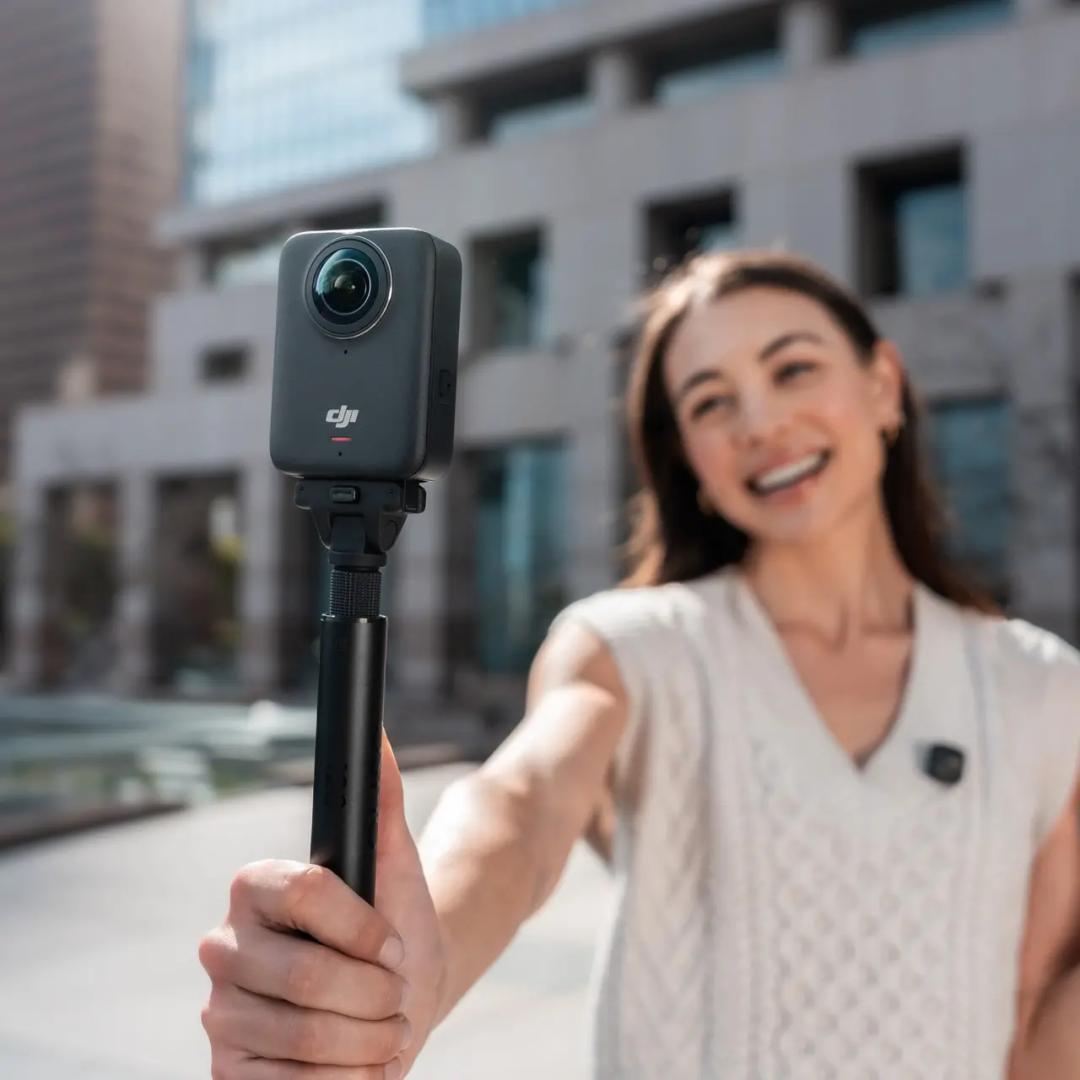
Core Insights - The article discusses the competitive landscape of the panoramic camera market, highlighting a significant discrepancy in market share data reported by different research firms, with DJI claiming a 43% share while another report suggests only 17.1% [1][2][3] - DJI's rapid success in the panoramic camera segment is attributed to its extensive experience and technological advancements in the action camera market, showcasing a strategic transition from challenger to market leader [5][10][23] Market Share Discrepancies - A report by Jiuqian Consulting indicates DJI holds a 66% share in the action camera market and 43% in the panoramic camera market [1] - In contrast, a report from Sullivan claims DJI's share in the panoramic camera market is only 17.1%, leading to confusion and controversy [1][2] - DJI's internal data confirms a shipment of over 300,000 panoramic cameras in Q3, aligning more closely with Jiuqian's findings [1] Product Development and Innovation - DJI's journey in the action camera sector involved a six-year process of technological iteration and market expansion, culminating in a robust product ecosystem [5][14] - The introduction of the Osmo 360 and Osmo Nano reflects a culmination of years of research and development, emphasizing a systematic approach to innovation rather than sporadic breakthroughs [8][9][19] - The Osmo 360 utilizes a custom square CMOS sensor, enhancing sensor efficiency by 25% and enabling native 8K video output, addressing traditional panoramic camera limitations [19][21] Ecosystem and User Experience - DJI's product strategy extends beyond individual devices, focusing on creating a cohesive ecosystem that enhances user experience across different product lines [16][17] - The integration of features from various products, such as shared batteries and accessories, fosters a seamless user experience and reduces barriers to entry for new users [16][17] - The company's approach to innovation emphasizes long-term growth and user-centric design, moving away from mere hardware competition to a more holistic ecosystem development [23][24] Competitive Landscape - The article highlights the ongoing battle for market dominance between DJI and established players like GoPro, with DJI's innovative strategies positioning it favorably in the market [5][21] - DJI's ability to leverage its technological advancements and supply chain efficiencies has created a competitive edge, allowing it to offer high-quality products at lower prices [17][21] - The emergence of new product categories, such as the anticipated Avata 360 drone, illustrates DJI's commitment to redefining market boundaries and addressing evolving consumer needs [21][23]

大疆全景相机被指市占近半,两份报告陷数据疑云
3 6 Ke· 2025-11-06 13:44
Core Insights - The panoramic camera market is experiencing significant competition, highlighted by conflicting market share reports from different research firms [2][5] - DJI has achieved a 66% market share in the action camera sector and a 43% share in the panoramic camera market according to one report, while another report claims only a 17.1% share for DJI in the panoramic segment [2][5] - The discrepancies in data have raised questions about the reliability of third-party reports and the ongoing battle for industry influence [5][6] Market Dynamics - DJI's Osmo 360 and Osmo Nano have rapidly gained market traction, reflecting a long-term strategy of technological accumulation and iterative product development [7][9] - The company has transitioned from being a challenger to a market leader in the action camera space after six years of technological evolution [5][12] - The competitive landscape is shifting as companies not only compete on product features but also on setting industry standards and consumer perceptions [5][20] Product Development - The success of the Osmo 360 and Osmo Nano is attributed to DJI's methodical approach to product iteration and addressing user pain points over time [9][10] - DJI's innovative designs, such as the modular structure of the Osmo Action 2, have expanded the application scenarios for action cameras [10][12] - The introduction of a square CMOS sensor in the Osmo 360 has improved sensor efficiency and video quality, addressing traditional limitations in the panoramic camera market [16][18] Ecosystem Integration - DJI's product ecosystem supports seamless user experiences across different devices, enhancing usability and creative potential [13][15] - The company's ability to leverage its supply chain and manufacturing capabilities has created cost advantages, allowing for lower entry barriers for consumers [15][20] - The integration of technologies from different product lines, such as the upcoming Avata 360 drone, indicates a strategy of cross-dimensional innovation [18][20] Industry Implications - The evolving landscape of the imaging industry is characterized by a shift towards user-centric design and ecosystem-based competition [19][20] - DJI's approach exemplifies a long-term vision that prioritizes technological integration and user experience over short-term gains [20] - The company's journey reflects a broader trend of redefining industry norms and creating new market opportunities through innovation [20]