赛诺菲

Search documents
Elocta和Eloctate行业分析报告:市场规模、细分数据及竞争情况
Sou Hu Cai Jing· 2025-08-02 08:21
第一章 中国Elocta和Eloctate行业基本概述 1.1 Elocta和Eloctate行业定义概述 1.1.1 Elocta和Eloctate行业定义 1.1.2 Elocta和Eloctate行业发展历史 1.2 Elocta和Eloctate行业市场总体分析 1.2.1 Elocta和Eloctate行业市场研发投入 1.2.2 中国Elocta和Eloctate行业市场规模(2019年-2029年) 1.3 Elocta和Eloctate行业产业链分析 1.3.1 上游供给对Elocta和Eloctate行业的影响 1.3.2 下游需求对Elocta和Eloctate行业的影响 1.4 Elocta和Eloctate行业产品种类细分 1.4.1 Elocta和Eloctate行业4000国际单位介绍 1.4.2 Elocta和Eloctate行业1000国际单位介绍 1.4.3 Elocta和Eloctate行业其他介绍 1.5 Elocta和Eloctate行业下游应用领域介绍 1.5.1 Elocta和Eloctate行业儿童介绍 1.5.2 Elocta和Eloctate行业成人介绍 第二 ...

瞭望·治国理政纪事|示范先行开创服务贸易新局
Sou Hu Cai Jing· 2025-08-02 02:57
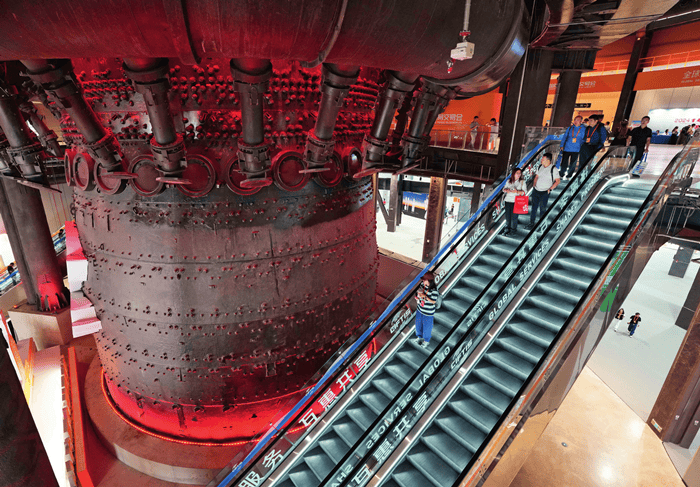
Core Viewpoint - Beijing is positioned as a national leader in the service industry opening up, with a focus on creating a comprehensive demonstration zone for expanding service industry openness and establishing a free trade pilot zone characterized by technological innovation, service industry openness, and digital economy [1][3][4]. Group 1: Economic Performance - Over the past five years, Beijing's open economy has shown resilience and vitality, with actual foreign investment reaching $66.18 billion, accounting for 8.4% of the national total, and over 90% of this investment coming from the service sector [5]. - The import and export volume is expected to exceed 3.6 trillion yuan for three consecutive years from 2022 to 2024, with the service trade scale ranking among the top three in the country, achieving an average annual growth rate of 9.4% since 2021 [5]. - The proportion of actual foreign investment in free trade pilot zones has increased from less than 10% to over 20% [5]. Group 2: Policy and Institutional Innovation - Beijing has implemented over 70 national breakthrough policies and promoted more than 80 innovative achievements, forming a virtuous cycle of pilot—breakthrough—promotion [2][15]. - The city is planning to deepen systematic and integrated institutional innovation, focusing on key areas to strive for early trials and promote international cooperation in industrial and supply chains [2][16]. - The service industry accounts for over 85% of Beijing's economy, with a focus on transforming abstract concepts of "institutional openness" into tangible, replicable institutional results [15][18]. Group 3: Infrastructure and Ecosystem Development - Beijing has constructed a multi-dimensional matrix connecting exhibition economy, high-end manufacturing, digital trade, and biomedicine, creating a three-dimensional open ecosystem [11][20]. - The city has established a permanent venue for the China International Fair for Trade in Services (CIFTIS) at Shougang Park, which has attracted over 1.2 million visitors and facilitated nearly a thousand cooperation agreements in various fields [8][9]. - The comprehensive bonded zones have expanded from 1 to 4, focusing on core industries and achieving significant growth in import and export values [10][11]. Group 4: Foreign Investment Attraction - In the past five years, nearly 7,900 new foreign-funded enterprises have been established in Beijing, reflecting the success of the "two zones" initiative [20][21]. - The city has optimized its business environment, focusing on the core demands of foreign enterprises to ensure they are willing to come, stay, and develop [20][21]. - The stable policy environment has significantly enhanced foreign investment confidence, with 2,012 new foreign-funded enterprises established in 2024, a year-on-year increase of 16.4% [21][22].
Regeneron Stock Rises on Q2 Earnings and Sales Beat, Eylea HD Sales Up
ZACKS· 2025-08-01 16:11
Core Insights - Regeneron Pharmaceuticals reported second-quarter 2025 adjusted earnings per share (EPS) of $12.89, significantly surpassing the Zacks Consensus Estimate of $8.03, marking a 12% increase from $11.56 in the same quarter last year [1][7] - Total revenues grew by 4% year over year to $3.7 billion, driven by higher sales of Eylea HD and increased profits from Dupixent, exceeding the Zacks Consensus Estimate of $3.3 billion [2][7] Revenue Breakdown - Eylea's sales in the U.S. decreased by 39% year over year to $754 million, primarily due to increased competition and market share loss, although it still beat the Zacks Consensus Estimate of $686 million [3][5] - Eylea HD generated revenues of $393 million in the U.S., up 29% year over year, driven by higher sales volumes, surpassing the Zacks Consensus Estimate of $320 million [5][7] - Dupixent sales rose by 22% year over year to $4.3 billion globally, contributing significantly to collaboration revenues of $1.9 billion, which increased by 22.1% from the previous year [8][9] Collaboration Revenues - Sanofi's collaboration revenues increased by 26% to $1.44 billion, driven by higher Dupixent sales, exceeding the Zacks Consensus Estimate of $1.36 billion [9] - Bayer's collaboration revenues totaled $415 million, reflecting an 11% year-over-year increase [9] Product Performance - Total Libtayo sales reached $376.5 million, up 27% year over year, beating the Zacks Consensus Estimate of $322 million [10] - Praluent's net sales in the U.S. were $65.8 million, while Kevzara recorded global sales of $152.2 million, up 39% from the previous year [11] Expense Management - Adjusted R&D expenses increased by 20% year over year to $1.3 billion, reflecting advancements in the company's pipeline, while adjusted SG&A expenses decreased by 19% to $542 million [12] Regulatory Updates - The FDA approved a label expansion of Dupixent for treating adults with bullous pemphigoid, with additional applications under review in the EU and Japan [13] - The FDA granted accelerated approval to Lynozyfic for treating adults with relapsed or refractory multiple myeloma [15] - A complete response letter was issued for the BLA for odronextamab due to site inspection issues [16] Strategic Developments - Regeneron entered into an in-licensing agreement with Hansoh Pharmaceuticals for an obesity drug, HS-20094, expanding its clinical-stage obesity portfolio [17] - The company has initiated a share repurchase program, repurchasing shares worth $1.07 billion in Q2 2025 [12]


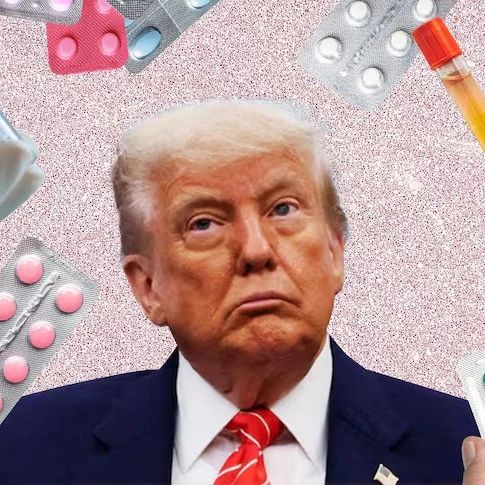
特朗普再挥“降价大棒”:辉瑞、诺和诺德、默沙东、强生等17家药企被下通牒,美国药价博弈白热化
Hua Xia Shi Bao· 2025-08-01 13:30
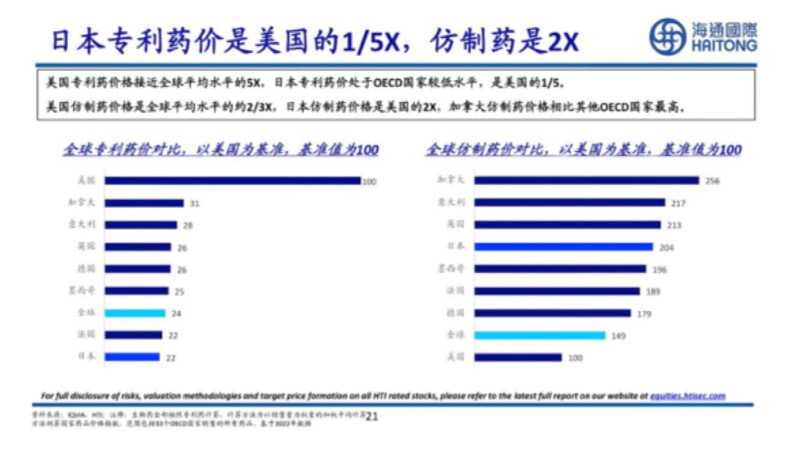
Group 1: Core Message - Trump issued a "last ultimatum" to 17 major pharmaceutical companies, demanding written commitments for verifiable and quantifiable price reductions within 60 days, or the government will take necessary actions to protect American families from high drug prices [1][2][3] Group 2: Pharmaceutical Companies' Responses - Pfizer emphasized its patient assistance programs and mentioned limited discounts on specific insulin products but did not commit to broad price reductions [2] - Merck reiterated its commitment to accessibility but avoided discussing price reductions for mature drugs [2] - Eli Lilly announced a significant price cut of 70% for its insulin products, positioning itself as an industry leader in this regard [2] Group 3: Historical Context and Implications - Trump's actions are a continuation of his previous efforts to reform drug pricing during his presidency, including attempts to implement the Most Favored Nation (MFN) pricing model [3] - The current political pressure on pharmaceutical companies may lead to limited price reductions, but systemic reforms are necessary for lasting change in drug pricing [8][9] Group 4: Drug Pricing Trends - The median launch price of drugs in the U.S. has increased dramatically, from $2,115 in 2008 to $180,007 in 2021, indicating a nearly 90-fold increase [4] - The average price of prescription drugs in the U.S. is approximately 2.56 times higher than in other OECD countries, with some innovative drugs priced up to 10 times higher [7] Group 5: Industry Dynamics and Challenges - The complexity of the U.S. drug pricing system, including the roles of Pharmacy Benefit Managers (PBMs) and insurance companies, contributes to high out-of-pocket costs for patients [7][8] - The pharmaceutical industry faces a delicate balance between incentivizing innovation and ensuring drug accessibility for patients, with potential negative impacts on future research and development funding if prices are forced down [10]
迈威生物接待127家机构调研,包括安信基金、岙夏投资、保银投资等
Jin Rong Jie· 2025-08-01 11:27
Core Viewpoint - Maiwei Biotech is actively advancing multiple innovative drug candidates, with significant clinical developments and partnerships expected in the coming years, particularly in the fields of oncology and fibrosis treatment [1][2][3]. Group 1: Clinical Development Progress - The IL-11 monoclonal antibody 9MW3811 has completed Phase I clinical trials in China and Australia, and has received approval to initiate Phase I trials in the U.S. It is expected to start Phase II trials for hypertrophic scars and keloids by the end of this year [1][3]. - The anti-ST2 monoclonal antibody 9MW1911 is currently in Phase II clinical trials, with 80 patients enrolled, aiming to complete follow-ups by the second half of 2025 [6]. - The CDH17 ADC innovative drug 7MW4911 has had its clinical trial application accepted by both NMPA and FDA, with preclinical studies showing significant advantages in terms of efficacy and safety [6][7]. Group 2: Market Opportunities and Strategic Focus - The company is focusing on the TNBC indication for its 9MW2821 ADC, targeting a large patient population with limited treatment options, and plans to initiate small-sample clinical trials in the U.S. by 2025 [2][9]. - The TCE platform aims to develop multiple innovative pipelines by 2026, leveraging differentiated features of modified CD3 antibodies to enhance T-cell activation and specificity against tumor antigens [10]. - The company has identified significant unmet clinical needs in the treatment of hypertrophic scars and keloids, positioning MW38 as a potential first-in-class therapy in this area [3][4]. Group 3: Business Development and Collaborations - 2025 is deemed a critical year for the company's business development (BD) efforts, with ongoing collaborations for several pipelines including Nectin-4 ADC, B7-H3 ADC, and ST2 monoclonal antibody [10][11]. - The company has successfully established a partnership for IL-11 monoclonal antibody, with plans to advance other pipelines in the near future [2][10]. - The BD strategy will increasingly focus on pipelines developed from the new generation TCE platform starting in 2026, reflecting the company's commitment to innovation and market differentiation [10].

特朗普要求降价,欧洲制药商领跌股市
Ge Long Hui A P P· 2025-08-01 10:00
格隆汇8月1日|周五欧洲股市下跌,在特朗普总统加大力度施压企业降低美国市场价格后,制药商受到 的冲击最为严重。斯托克欧洲 600 指数下跌 1.2%,多数板块走低。诺和诺德股价跌幅高达 6%,本周累 计跌幅约达 33%,失去了欧洲市值前十公司的地位。阿斯利康股价下跌逾 4%,赛诺菲和葛兰素史克也 出现下滑。 此前,特朗普向包括礼来公司、诺和诺德公司和辉瑞公司在内的 17 家全球最大制药商发出信函,要求 它们立即降低向医疗补助计划提供现有药物的收费,并给它们 60 天时间主动遵守。他还推出了新一轮 关税举措,对来自瑞士的进口商品征收 39% 的关税。瑞士 SMI 指数周五因节假日休市,但该指数下周 重新开盘时可能会遭受打击 —— 今年以来,该指数的表现已经落后于欧洲基准指数。 ...
美股异动丨医药股盘前集体下跌,诺和诺德跌超2%,特朗普要求降低药品价格
Ge Long Hui· 2025-08-01 08:55
Core Viewpoint - The U.S. pharmaceutical stocks are experiencing declines following President Trump's letter urging major drug companies to reduce their prices to match those in other countries [1] Group 1: Stock Performance - GlaxoSmithKline is down 0.4% [1] - Eli Lilly and Novartis are both down 0.5% [1] - Pfizer has decreased by 0.7% [1] - AstraZeneca is down 1.6% [1] - Sanofi has dropped 1.7% [1] - Novo Nordisk is down 2.3% [1] Group 2: Government Action - President Trump sent letters to 17 major pharmaceutical companies, including Eli Lilly, Novo Nordisk, and Pfizer [1] - The letters urge these companies to immediately lower the prices they charge for drugs under the Medicaid program [1] - Trump demands that future drug prices be aligned with those in other countries [1]
速递|特朗普施压17家药企CEO:限期降低美国药价
GLP1减重宝典· 2025-08-01 08:32
Core Viewpoint - The article discusses President Trump's public letter to 17 major pharmaceutical companies, demanding that they align U.S. prescription drug prices with international markets, particularly those of other developed countries [3][4]. Group 1: Government Actions - Trump signed an executive order in May requiring drug companies to align their prices with international minimums or face government intervention, including the possibility of importing cheaper drugs [4]. - The letter specifies that all drug companies must provide "most favored nation pricing" to Medicaid patients, meaning the lowest price available in OECD countries [6]. - Companies are also required to return excess profits gained from higher prices abroad to U.S. patients and taxpayers [6]. Group 2: Industry Response - Following the announcement, stock prices of several pharmaceutical companies, including Pfizer and Eli Lilly, fell by approximately 2%, with the NYSE Arca Pharmaceutical Index dropping by 3% [6]. - Some companies, like Pfizer and Novartis, expressed willingness to cooperate with the government to improve drug affordability [7]. - Industry experts have raised doubts about the feasibility of implementing these price reductions, suggesting that while some companies may attempt direct sales to patients, comprehensive execution remains challenging [6][7]. Group 3: Market Context - U.S. patients currently pay significantly higher prescription drug costs compared to other developed nations, with some drug prices being three times higher than in other countries [7]. - Pharmaceutical companies argue that high U.S. prices are necessary to fund extensive research and development for new drugs, warning that enforced price reductions could hinder innovation [7].


华创证券:自免疗法迈向双抗/多抗时代 国内市场空间提升潜力大
智通财经网· 2025-08-01 08:12
Core Insights - The autoimmune disease treatment market is the second largest pharmaceutical market globally, with significant growth potential in China [1][2] - The global autoimmune market reached $132.3 billion in 2022 and is expected to grow to $176.7 billion by 2030, with a compound annual growth rate (CAGR) of 3.68% from 2022 to 2030 [1] - China's autoimmune market is only 8% of its oncology market, indicating substantial room for growth compared to the global ratio of 64.5% [1] Group 1: Market Overview - The autoimmune disease market is the second largest after oncology, with a global market size of $132.3 billion in 2022 [1] - The market is projected to grow to $176.7 billion by 2030, reflecting a CAGR of 3.68% [1] - In China, the autoimmune market was valued at $2.9 billion in 2022, significantly lower than the oncology market at $34.7 billion [1] Group 2: Drug Development - The autoimmune sector has seen the emergence of several blockbuster monoclonal antibody drugs [2] - Three monoclonal antibodies are expected to be among the top 10 global drug sales in 2024, each exceeding $10 billion in sales [2] - These include Dupilumab by Sanofi/Regeneron, Risankizumab by AbbVie/BI, and Ustekinumab by Johnson & Johnson [2] Group 3: Disease Complexity - There are approximately 150 known autoimmune diseases, which can be categorized into systemic and organ-specific autoimmune diseases [3] - A study published in 2023 indicated a prevalence rate of about 10% for autoimmune diseases among a cohort of 22 million individuals in the UK, with 63.9% of new cases being female [3] - Autoimmune diseases exhibit seasonal and regional variations in prevalence [3]
特朗普:要求欧洲降低药品价格,将美国消费者的药品价格降至其他发达国家最低水平!葛兰素史克、阿斯利康、诺和诺德等欧洲制药股集体下跌
Ge Long Hui· 2025-08-01 08:07
格隆汇8月1日|美国总统特朗普周四致函欧洲制药公司,要求其将美国消费者的药品价格降至其他发达 国家的最低水平,导致欧洲制药公司股价早盘下跌。葛兰素史克、阿斯利康、诺和诺德和赛诺菲的股价 分别下跌1.7%、2.8%、4.2%和1.2%,诺和诺德股价跌至四年低点。斯托克欧洲600医疗保健指数下跌 1.8%。 【免责声明】本文仅代表作者本人观点,与和讯网无关。和讯网站对文中陈述、观点判断保持中立,不对所包含内容 的准确性、可靠性或完整性提供任何明示或暗示的保证。请读者仅作参考,并请自行承担全部责任。邮箱: news_center@staff.hexun.com (责任编辑:宋政 HN002) ...