
药价调控

Search documents
速递|美国350种药物将继续涨价,特朗普政府施压未能阻止
GLP1减重宝典· 2026-01-08 15:41
Core Viewpoint - The article discusses the planned price increases of prescription drugs by U.S. pharmaceutical companies in 2026, despite ongoing pressure from the Trump administration to lower drug prices. The number of drugs set for price increases has risen compared to the previous year, indicating a persistent issue with high drug costs in the U.S. [5][7] Price Increases - U.S. pharmaceutical companies plan to raise prices on at least 350 prescription drugs in 2026, including vaccines for COVID-19, respiratory syncytial virus (RSV), and shingles, as well as the cancer drug Ibrance [5] - The median price increase for these drugs is approximately 4%, consistent with the increase seen in 2025 [5] - In contrast, around 9 drugs will see price reductions, with the diabetes drug Jardiance and its related medications experiencing a price drop of over 40% [5] Comparison with Other Countries - Patients in the U.S. pay significantly higher prescription drug costs compared to other developed countries, often nearly three times as much [7] - Despite agreements reached by Trump with 14 pharmaceutical companies to lower some drug prices, companies still plan to increase prices starting January 1 [7] Specific Company Actions - Pfizer plans to adjust prices for about 80 drugs, including Ibrance, Nurtec, and Paxlovid, with most increases below 10%. However, the price of the COVID-19 vaccine Comirnaty will rise by 15%, and some hospital drugs will see increases exceeding four times their previous prices [7] - European pharmaceutical company GSK intends to raise prices on approximately 20 drugs and vaccines, with increases ranging from 2% to 8.9% [8] Legislative and Market Context - U.S. pharmaceutical companies have been reducing significant price hikes in recent years due to legislative scrutiny and government policies that penalize drug prices exceeding inflation rates [8] - More price adjustments are expected to be announced in early January, a traditional peak period for pharmaceutical price changes [8]


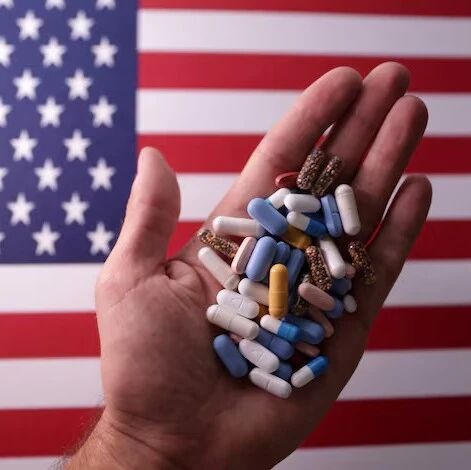
特朗普放话将把热门减肥药价格压至每月150美元 Hims & Hers Health(HIMS.US)股价大跌超15%
智通财经网· 2025-10-17 23:25
Core Viewpoint - The recent statements from former President Trump regarding the pricing of GLP-1 weight loss drugs have led to a significant decline in stock prices for companies like Eli Lilly and Hims & Hers Health, indicating potential pressure on drug pricing in the U.S. market [1][2]. Group 1: Market Impact - Eli Lilly's stock fell approximately 2%, while Hims & Hers Health experienced a more substantial drop of over 15% following Trump's comments [1]. - The U.S. government aims to reduce the price of popular GLP-1 drugs to $150 per month, significantly lower than current prices that can exceed $1,000 [1][2]. Group 2: Government Negotiations - The Centers for Medicare & Medicaid Services (CMS) director clarified that no agreements have been reached with pharmaceutical companies regarding GLP-1 pricing, despite ongoing negotiations [1]. - Eli Lilly and Novo Nordisk are among the 17 major pharmaceutical companies that received letters from the Trump administration requesting alignment of U.S. drug prices with those in other developed countries [1]. Group 3: Market Dynamics - A recent survey by the Kaiser Family Foundation revealed that only about 20% of large employers offer benefits for weight loss medications, with two-thirds reporting significant increases in prescription costs [2]. - Eli Lilly and Novo Nordisk are currently offering discounted versions of their drugs at around $500 per month, while Hims & Hers provides compounded versions priced between $130 and $200 [2]. - If the government successfully reduces the cash price of drugs like Zepbound and Wegovy to $150, it would directly compete with the current pricing of compounded medications, potentially disrupting the cash market landscape [2].


美国拟对印度加征50%关税 印股相对表现20年最差
Jin Tou Wang· 2025-08-26 03:24
Group 1 - The U.S. Department of Homeland Security announced a 50% tariff on all Indian goods starting from August 27, applicable to imports for consumption or storage for consumption [1][2] - This tariff follows an earlier executive order by President Trump on August 6, which imposed an additional 25% tariff on Indian products due to India's indirect import of Russian oil, resulting in a total tariff rate of 50% on Indian goods [1][2] - The Indian government criticized the U.S. tariff measures as "unfair, unjust, and unreasonable," indicating that it would take necessary actions to protect national interests [2] Group 2 - The tariff threat has significantly impacted the Indian stock market, with the MSCI India Index underperforming the MSCI Emerging Markets Index for four consecutive months, lagging by over 15 percentage points this year, heading towards its worst annual performance in over two decades [2] - President Trump also announced plans to reduce drug prices by 1400% to 1500%, emphasizing a strong stance on lowering medication costs and indicating potential tariffs on pharmaceuticals [2][3] - Major pharmaceutical companies, including Johnson & Johnson, Pfizer, and AstraZeneca, received formal letters from Trump demanding price reductions by September 29, with an extension of "most favored nation" pricing to all Medicaid patients [3]
刚刚!特朗普动手了,免职,立即生效!
Zhong Guo Ji Jin Bao· 2025-08-26 01:07
Group 1: Market Reaction - The U.S. stock market experienced a decline, with the Dow Jones falling by 0.77% to 45,282.47 points, the S&P 500 down by 0.43% to 6,439.32 points, and the Nasdaq decreasing by 0.22% to 21,449.29 points [1] - The Nasdaq Healthcare Index dropped by 1.85% following Trump's announcement regarding drug price cuts [4] - The U.S. Innovation Drug Index fell by 1.74%, with individual stocks like Moderna down by 6.53% and Pfizer, Regeneron, and Merck all declining over 2% [5] Group 2: Drug Pricing Announcement - President Trump announced a plan to reduce drug prices by 1400% to 1500%, which was perceived as a strong stance on drug pricing by the White House [3] - Market analysts criticized Trump's claim as unrealistic, stating that a price reduction exceeding 100% would imply consumers would be paid to purchase drugs [5] Group 3: Federal Reserve Changes - Trump signed a document removing Federal Reserve Governor Cook from his position, citing a lack of confidence in Cook's integrity and potential criminal behavior [7] - This decision reflects ongoing tensions between the Trump administration and the Federal Reserve, impacting market sentiment [7] Group 4: Cryptocurrency Market Impact - Cryptocurrency stocks collectively fell, with DeFi Development dropping over 22% and other notable declines in companies like Circle and Coinbase [8][9] - Bitcoin's price fell below $110,000, with a 24-hour decline of over 3.3%, and the total liquidation in the cryptocurrency market exceeding $900 million [9]
股价暴涨37.27%!诺和诺德的合作方GoodRx是司美格鲁肽美国月费下降到499美元的最大受益者?
美股IPO· 2025-08-19 00:31
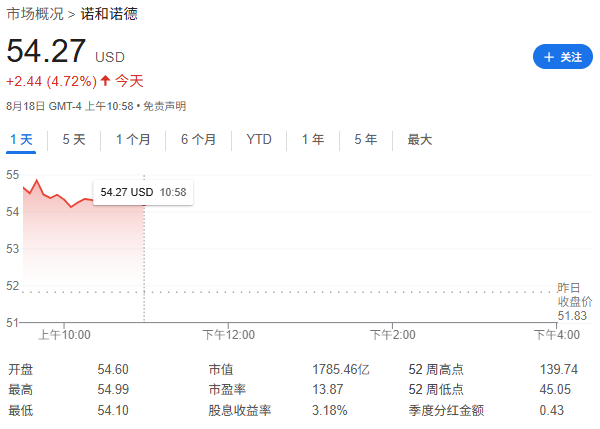
Core Viewpoint - Novo Nordisk announced a significant price reduction for Ozempic, bringing the monthly cost down to $499, approximately half of the original price, aimed at improving accessibility for uninsured patients [1][3][10] Pricing Strategy - The new price of $499 per month for Ozempic is available through NovoCare, the company's self-pay pharmacy platform, and is also accessible via GoodRx, a drug discount platform [3][9] - This price reduction comes in response to competitive pressure from lower-priced generic alternatives and aims to address the high drug price issue in the U.S. [4][10] Market Reaction - Following the announcement, Novo Nordisk's stock rose over 6% during intraday trading, closing up 3.71% [1][5] - GoodRx's stock surged by more than 37% as a result of the partnership with Novo Nordisk [1] Government Pressure - The price reduction follows previous pressures from U.S. Presidents Trump and Biden for pharmaceutical companies to lower drug prices, although Novo Nordisk stated that this decision was not directly related to government discussions [3][10] Competitive Landscape - The timing of the price cut is notable as it follows Eli Lilly's recent price increase for its weight loss drug, indicating a competitive response in the market [3] - The rise in popularity of cheaper generic injection alternatives has created additional competition for both Novo Nordisk and Eli Lilly [4][9] Patient Accessibility - Novo Nordisk emphasized the importance of this price reduction for uninsured patients who previously faced high out-of-pocket costs for Ozempic [10] - The company aims to prevent patients from turning to potentially unsafe and unapproved generic alternatives due to high prices [10]
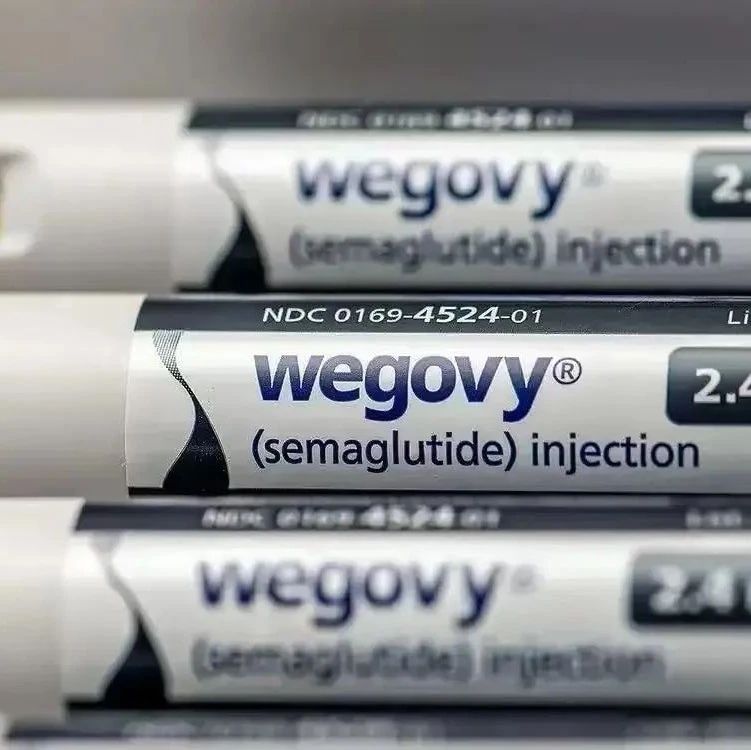
诺和诺德推现金支付优惠,Ozempic美国月费从千元降至499美元
Hua Er Jie Jian Wen· 2025-08-18 15:11
Core Viewpoint - Novo Nordisk has announced a significant price reduction for Ozempic, targeting patients who pay out-of-pocket, as the drug has become a symbol of high drug prices in the U.S. [1] Group 1: Price Reduction Details - Patients can now purchase Ozempic through NovoCare for $499 per month, approximately half of the market price in the U.S. [1] - Novo Nordisk has partnered with GoodRx to offer the reduced price of $499 per month for both Ozempic and Wegovy across the U.S. [1] Group 2: Target Audience and Accessibility - The price reduction specifically targets patients without insurance or those whose insurance does not cover Ozempic, aiming to improve medication accessibility [2] - Ozempic is widely covered by insurance for diabetes treatment, meaning most patients do not pay the original price [2] Group 3: Market Context and Competition - The price cut comes amid competition pressure due to a shortage of supply, leading many patients to use cheaper generic alternatives [3] - Prior to the price reduction announcement, Eli Lilly, a major competitor, raised the price of its weight loss drug by up to 170% in the UK [2]
速递|特朗普施压17家药企CEO:限期降低美国药价
GLP1减重宝典· 2025-08-01 08:32
Core Viewpoint - The article discusses President Trump's public letter to 17 major pharmaceutical companies, demanding that they align U.S. prescription drug prices with international markets, particularly those of other developed countries [3][4]. Group 1: Government Actions - Trump signed an executive order in May requiring drug companies to align their prices with international minimums or face government intervention, including the possibility of importing cheaper drugs [4]. - The letter specifies that all drug companies must provide "most favored nation pricing" to Medicaid patients, meaning the lowest price available in OECD countries [6]. - Companies are also required to return excess profits gained from higher prices abroad to U.S. patients and taxpayers [6]. Group 2: Industry Response - Following the announcement, stock prices of several pharmaceutical companies, including Pfizer and Eli Lilly, fell by approximately 2%, with the NYSE Arca Pharmaceutical Index dropping by 3% [6]. - Some companies, like Pfizer and Novartis, expressed willingness to cooperate with the government to improve drug affordability [7]. - Industry experts have raised doubts about the feasibility of implementing these price reductions, suggesting that while some companies may attempt direct sales to patients, comprehensive execution remains challenging [6][7]. Group 3: Market Context - U.S. patients currently pay significantly higher prescription drug costs compared to other developed nations, with some drug prices being three times higher than in other countries [7]. - Pharmaceutical companies argue that high U.S. prices are necessary to fund extensive research and development for new drugs, warning that enforced price reductions could hinder innovation [7].

特朗普将令美国药品降价,对中国公司影响几何?
Xin Lang Cai Jing· 2025-05-12 07:38
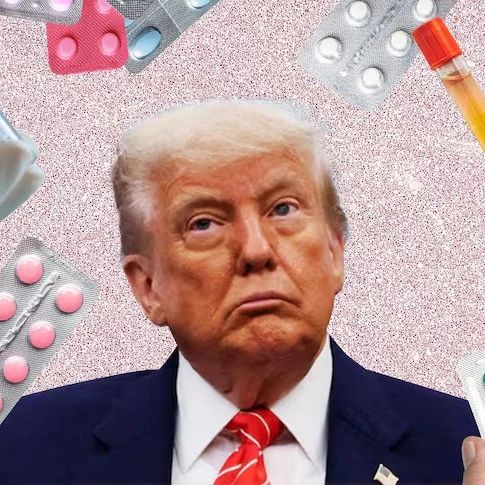
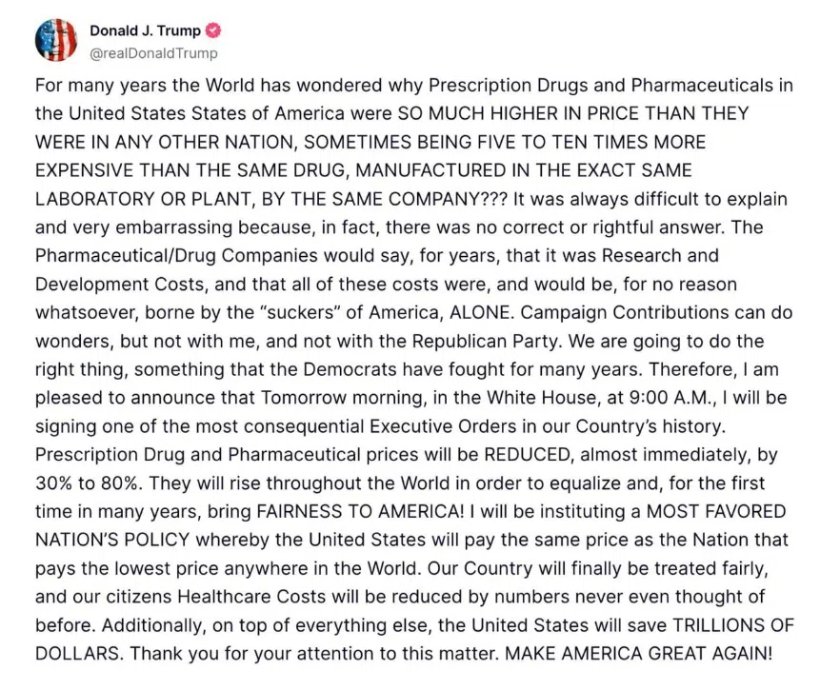
Core Viewpoint - The U.S. government, under President Trump, announced a significant reduction in prescription drug prices, aiming for a decrease of 30% to 80%, while implementing a "most-favored-nation" policy to align U.S. drug prices with those of the lowest-priced countries [1][2]. Group 1: Impact on U.S. Drug Market - The U.S. has the highest prescription drug prices globally, with generic drugs accounting for 90% of prescriptions but only contributing about 20% of sales [4]. - Innovative drugs, which represent only 10% of prescriptions, contribute approximately 80% of sales, highlighting the unique pricing structure in the U.S. where companies set their own prices without direct government intervention [4]. - The U.S. market is crucial for global pharmaceutical companies, contributing over 60% of revenue and 70% of profits for innovative drugs [4]. Group 2: Domestic Companies and Market Trends - Domestic innovative drug companies have begun to enter the U.S. market, with a few achieving commercial sales, such as BeiGene's Zanubrutinib and Legend Biotech's Carvykti, indicating the importance of the U.S. market for their revenue [5]. - The sales forecast for Zanubrutinib in the U.S. is projected to be $2 billion in 2024, representing over half of BeiGene's total revenue for that year [5]. - The trend of domestic companies seeking to enter the U.S. market is driven by lower revenue and profit potential in China, where the innovative drug market only accounts for 3% of the global market [4]. Group 3: Regulatory Environment and Future Considerations - The recent executive order by President Trump primarily affects drug prices for federal healthcare programs and does not directly enforce price reductions for commercial insurance [2]. - The ongoing changes in the U.S. drug pricing landscape may impact existing and potential licensing agreements for domestic companies, as seen with Eli Lilly's decision to halt development on a drug from Fosun Pharma due to pricing policy concerns [6][7]. - The Inflation Reduction Act, which began regulating drug prices in 2022, is expected to gradually initiate price negotiations for high-cost drugs [7].

重大利好!中美经贸高层会谈达成重要共识,早盘三大指数齐涨
Nan Fang Du Shi Bao· 2025-05-12 04:21
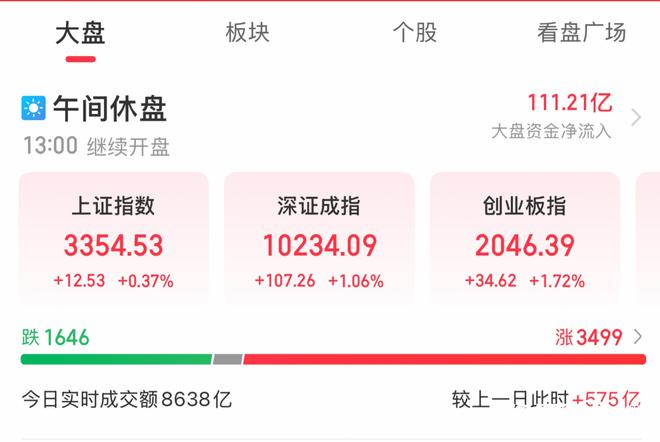
Group 1 - The A-share market showed positive performance on May 12, with major indices rising: Shanghai Composite Index up 0.37% to 3354.53, Shenzhen Component Index up 1.06% to 10234.09, ChiNext Index up 1.72% to 2046.39, and North Star 50 Index up 2.27% to 1410.60 [1] - The total market turnover reached 863.8 billion yuan, an increase of 57.5 billion yuan from the previous day, with nearly 3500 stocks rising [2] Group 2 - The military industry, commercial aerospace, robotics, solid-state batteries, and consumer electronics sectors saw significant gains, while precious metals, seed industry, innovative drugs, and electric power sectors experienced declines [4] - The military sector continued to strengthen, with multiple stocks hitting the daily limit, including Qifeng Precision and others [4] - Consumer electronics rebounded collectively due to positive news from US-China negotiations, with stocks like Dongni Electronics and Chaoyang Technology hitting the daily limit [4] - Solid-state battery concept stocks also performed well, with Longpan Technology hitting the daily limit [4] - The innovative drug sector faced a collective adjustment, with major declines in stocks like Maiwei Biotech and Baiji Shenzhou [4] Group 3 - The high-level US-China economic talks held in Geneva on May 10-11 resulted in important consensus and substantial progress, with both sides agreeing to establish a consultation mechanism [5] - The talks were characterized as candid, in-depth, and constructive, laying the groundwork for further cooperation and resolution of differences [5][6] - The economic relationship between the US and China is significant for both countries and has a crucial impact on global economic stability and development [6]
特朗普打压药价,印度制药股下跌
news flash· 2025-05-12 04:08
Core Viewpoint - The announcement by U.S. President Trump to sign an executive order aimed at reducing prescription drug prices to levels comparable to other high-income countries has led to a decline in Indian pharmaceutical stocks, despite a rise in the broader market [1] Group 1: Market Reaction - Indian pharmaceutical stocks fell by 1.3% on the day, while the NIFTY index increased by 2.4% [1] - Among the 20 components of the pharmaceutical index, 8 stocks experienced declines, indicating a negative market sentiment towards the sector [1] Group 2: Company Performance - Sun Pharmaceutical, the highest revenue-generating pharmaceutical company in India, saw its stock price drop by 5.4%, making it the largest decliner in both the Nifty 50 index and the pharmaceutical index [1] - Glenmark Pharma and Cipla also reported stock price declines of 0.4% and 1.5%, respectively [1] Group 3: Export Data - The U.S. imports nearly one-third of the pharmaceutical products exported from India, highlighting the significance of the U.S. market for Indian pharmaceutical companies [1] - According to Pharmexcil, a trade body supported by the Indian government, pharmaceutical exports to the U.S. grew by 16% in the last fiscal year, reaching approximately $9 billion [1]