甫康药业

Search documents
外企高管转型中国创新药“推销员”,黄仁勋也来共享顶级资本盛宴
第一财经· 2026-01-17 17:47
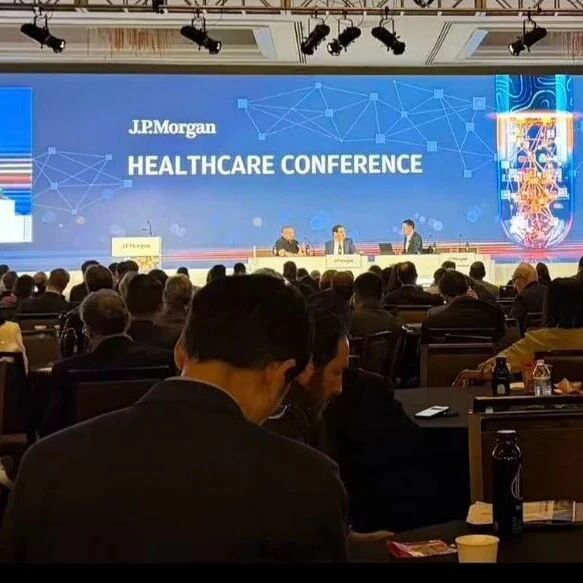
Core Insights - The JPMorgan Healthcare Conference, known as the "Spring Festival of the Pharmaceutical Industry," has increasingly highlighted the role of Chinese biopharmaceutical companies and investors, indicating a shift towards recognizing China's innovation capabilities in drug development [3][11]. Group 1: Conference Highlights - The conference showcased a growing interest in Chinese innovation, with discussions frequently focusing on collaboration opportunities and the competitive landscape involving China [3][11]. - Many multinational pharmaceutical companies organized closed-door sessions specifically for Chinese innovation, reflecting a significant engagement with Chinese projects [10][11]. - The overall sentiment towards Chinese biopharmaceutical companies has improved, with global capital increasingly viewing them as equal partners in technology output rather than just recipients of foreign investment [13][14]. Group 2: Industry Trends - The trend of multinational pharmaceutical executives transitioning to roles in Chinese biopharmaceutical firms is notable, as they bring valuable experience and networks to the industry [8][10]. - The urgency for multinational companies to acquire innovative assets from China is driven by the impending patent cliffs for blockbuster drugs, creating a historical opportunity for Chinese innovations to enter global markets [14]. - The number of licensing agreements for innovative drugs from China is expected to rise, with over one-third of such agreements in 2025 already coming from Chinese companies [14][15]. Group 3: AI in Biopharmaceuticals - The integration of AI in drug discovery is becoming a focal point, with predictions that AI could significantly reduce the time and cost of early drug development [19][24]. - Major pharmaceutical companies are increasingly collaborating with AI firms to enhance their drug development processes, as seen in partnerships announced during the conference [21][23]. - The AI pharmaceutical market is projected to grow from over $1 billion in 2022 to nearly $3 billion by 2026, indicating a robust future for AI-driven drug discovery [24].

外企高管转型中国创新药“推销员”,黄仁勋也来共享顶级资本盛宴
Di Yi Cai Jing· 2026-01-17 12:16
Group 1 - The core message of the news is that Chinese innovative drugs are transitioning from dawn to a breakthrough moment, with the development cycle of drug research expected to be significantly shortened due to advancements in AI and other technologies [1][21] - The JPMorgan Healthcare Conference, known as the "Spring Festival of the Pharmaceutical Industry," has increasingly featured Chinese investors and biopharmaceutical companies, indicating a growing focus on China in global discussions [1][6] - Many discussions at the conference highlighted the speed and efficiency of Chinese biotechnology companies in advancing projects, positioning them as equal technology exporters in global competition [29][30] Group 2 - Josh Smiley, president of Zai Lab, emphasized the need for more effort in promoting their story to investors, reflecting the increased intensity of the conference compared to a decade ago [23][26] - Chen Feng, CEO of Bole Capital, noted that many multinational pharmaceutical companies arranged closed-door meetings specifically for Chinese innovation, indicating a strong interest in collaboration [5][27] - The conference showcased a significant presence of Chinese companies, with over 100 CEOs from domestic biotech firms attending, highlighting the active engagement of Chinese enterprises on the international stage [5][27] Group 3 - The acquisition of a new dual-antibody drug by AbbVie for up to $5.6 billion from Rongchang Biotech marked a significant transaction, indicating a robust trend in Chinese innovative drug licensing expected to continue through 2026 [30] - The global pharmaceutical market is increasingly recognizing Chinese innovation as a vital source for their pipelines, with a notable shift in attitudes towards collaboration with Chinese firms [29][30] - The AI pharmaceutical market is projected to grow from over $1 billion in 2022 to nearly $3 billion by 2026, reflecting the industry's increasing reliance on AI technologies for drug discovery [41] Group 4 - AI technologies for drug discovery have become a major focus in the investment community, with significant collaborations announced at the conference, such as the $1 billion partnership between NVIDIA and Eli Lilly [37][40] - The success rate of AI-generated drug molecules in Phase I clinical trials is expected to reach 80-90% by 2025, surpassing historical averages, indicating a breakthrough in the clinical validation of AI-driven drug development [41][42] - The shift in AI pharmaceutical competition is moving from models and algorithms to data quality and generation, emphasizing the importance of high-quality data in drug development [40]


深度|外企高管转型中国创新药“推销员”,黄仁勋也来共享顶级资本盛宴
Di Yi Cai Jing· 2026-01-17 12:12
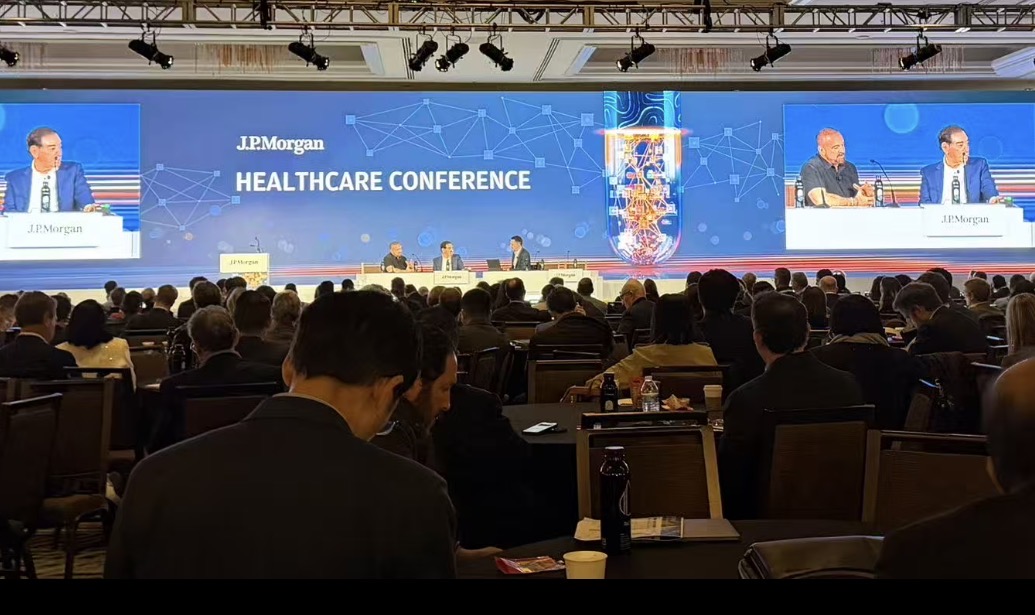
Group 1: JPM Conference Overview - The JPMorgan Healthcare Conference, known as the "Spring Festival of the Pharmaceutical Industry," concluded this weekend, highlighting its status as a premier global healthcare investment event and a barometer for investment trends [1] - This year's conference saw a significant presence of Chinese investors and biopharmaceutical companies, with discussions frequently focusing on China, covering innovation pipelines, collaboration opportunities, and global competition [1][8] - The conference signaled a positive outlook for Chinese innovative drugs, indicating a transition from dawn to dawn, with advancements in AI technology expected to significantly shorten drug development cycles [1] Group 2: Executive Insights - Josh Smiley, President of Zai Lab, participated in the JPM conference, emphasizing the increased effort required to keep pace with the event's demands, having held 14 meetings in one day [3][4] - Smiley noted the shift from a multinational pharmaceutical executive to leading a smaller Chinese company, highlighting the need for more effort in "selling" the company's story to investors [6] - Chen Feng, CEO of Boying Capital, also attended the conference, bringing nearly 20 projects from Chinese companies to connect with multinational pharmaceutical firms and global capital [7] Group 3: Chinese Innovation and Global Perception - The term "China" emerged as a key theme at the conference, with major pharmaceutical companies actively seeking to incorporate Chinese innovative assets into their research pipelines [8][9] - There is a growing recognition of Chinese biotechnology companies as equal partners in global competition, with many multinational firms viewing Chinese innovation as a vital source for their pipelines [9] - The conference featured closed-door sessions specifically for Chinese innovation, organized by companies like Pfizer and Roche, indicating a strong interest in Chinese projects [7] Group 4: Market Dynamics and Opportunities - The acquisition of a new dual-antibody drug by AbbVie for up to $5.6 billion from Rongchang Biotech marked a significant transaction, reflecting the increasing momentum of Chinese innovative drugs in global markets [10] - Over one-third of the announced innovative drug licensing agreements in 2025 are expected to originate from China, indicating a robust trend in international collaborations [10] - Despite the enthusiasm in the biopharmaceutical capital market, challenges remain, particularly regarding geopolitical risks and regulatory uncertainties that could impact investment decisions [12] Group 5: AI in Drug Development - AI technology has become a focal point at the conference, with companies increasingly leveraging AI to enhance drug discovery and development processes [17] - A partnership between Nvidia and Eli Lilly was announced, involving a $1 billion investment to establish a joint research lab aimed at accelerating AI-driven drug development [17][18] - The global AI pharmaceutical market exceeded $1 billion in 2022 and is projected to approach $3 billion by 2026, highlighting the rapid growth and potential of AI in the industry [21] Group 6: Future Trends and Challenges - The success rate of AI-generated drug molecules in Phase I clinical trials is projected to reach 80-90% by 2025, surpassing historical averages, indicating a significant breakthrough in drug development [21] - The transition of AI pharmaceutical development from early research to clinical validation is seen as a critical milestone for the industry [22] - Companies are increasingly focused on generating high-quality data and building robust AI models to maintain a competitive edge in drug development [20]
一家烟台公司卖了「抗癌新药」,落袋6.5亿美金
Xin Lang Cai Jing· 2026-01-15 14:14
Core Insights - Rongchang Biopharmaceutical has authorized all overseas rights of its PD-1/VEGF dual antibody RC148 to AbbVie, with an upfront payment of $650 million, potentially reaching a total of $5.6 billion, approximately 4 billion RMB [3][21][28] - The transaction marks a significant turnaround for Rongchang Biopharmaceutical, which had faced skepticism regarding its aggressive strategy due to slow commercialization and substantial losses in recent years [5][22][28] Company Overview - Founded in 2008 by Wang Weidong and Harvard-returned scientist Fang Jianmin, Rongchang Biopharmaceutical is one of the early innovators in China's pharmaceutical industry, focusing on ADC (antibody-drug conjugate) products [3][21] - The company has a total market capitalization exceeding 100 billion RMB across its A and H shares [21] Financial Impact - The $650 million upfront payment from AbbVie is nearly three times Rongchang Biopharmaceutical's revenue for the first three quarters of the previous year [20][28] - This deal injects substantial funds into the company, which had reported losses exceeding 500 million RMB and had only 1.07 billion RMB in cash reserves as of the third quarter of last year [5][22] Market Position and Strategy - Rongchang Biopharmaceutical has historically adopted a "high-risk, high-reward" strategy, with a large sales team and extensive R&D pipeline [4][22] - The company has been proactive in signaling potential new business development (BD) deals, although it took until 2025 to confirm two significant collaborations [24][28] Product Development - RC148 is the first product from Rongchang's dual antibody platform to enter clinical trials, focusing on solid tumors [10][27] - The clinical data for RC148 shows promising results, with objective response rates of 61.9% for monotherapy and 66.7% when combined with chemotherapy, indicating potential to surpass standard treatments [31] Competitive Landscape - The competition in the PD-1/VEGF dual antibody market is intensifying, with other companies like Kangfang Biopharmaceutical and Sanofi entering advanced clinical stages [29][31] - The ability to conduct global clinical trials and explore multiple indications is becoming a key competitive factor in this space [30][31]

IPO一周资讯|纳斯达克提交代币化证券交易提案
Sou Hu Cai Jing· 2025-09-15 07:39
Group 1: Recent IPOs - Daoyuan Group, a diversified consulting and fintech solutions provider from Macau, successfully listed on NASDAQ, raising $6 million by issuing 1.5 million shares, with a market capitalization of $32.09 million [1] - Dahon Technology, a folding bicycle company from Shenzhen, successfully listed on the Hong Kong Stock Exchange, raising HKD 392 million by issuing 7.92 million shares, with a market capitalization of HKD 1.57 billion [2] Group 2: Companies Filing for IPO - Banjet Electronics, an automotive wireless sensor SoC company from Shanghai, filed for an IPO on the Hong Kong Stock Exchange, recognized as the third-largest globally and the largest in China in its sector [3] - Sige New Energy, a renewable energy solutions provider from Shanghai, refiled for an IPO on the Hong Kong Stock Exchange after a previous application expired, aiming to lead in distributed energy storage systems with a projected market share of 28.6% in 2024 [4] - Fokang Pharmaceutical, a biopharmaceutical company from Shanghai focused on breakthrough therapies for cancer and viral diseases, filed for an IPO on the Hong Kong Stock Exchange [5] - Shengwei Times, a city road passenger transport information service provider from Shanghai, refiled for an IPO on the Hong Kong Stock Exchange, aiming to enhance digital solutions in the transport sector [6] - Barentsz, a management and technology consulting firm from Hong Kong, submitted an IPO application to the SEC for a NASDAQ listing, planning to raise approximately $5 million [7] - EvoNexus, a mobile application developer from Hong Kong, filed for an IPO on NASDAQ, aiming to raise $8 million by issuing 2 million shares [8] Group 3: Upcoming IPOs - Hesai Technology, a lidar research and manufacturing company, is set to offer 2.55 million shares from September 8 to September 11, aiming to raise approximately HKD 4.16 billion, with a listing expected on September 16 [9] - Health 160, a digital healthcare service provider, plans to offer 33.6455 million shares from September 9 to September 12, targeting a maximum fundraising of HKD 500 million, with a listing expected on September 17 [10] - Jinfang Pharmaceutical, a biopharmaceutical company, will offer 77.6 million shares from September 11 to September 16, aiming to raise approximately HKD 1.582 billion, with a listing expected on September 19 [11] Group 4: Market Developments - NASDAQ submitted a proposal to the SEC to allow trading of tokenized securities, which would integrate traditional and blockchain finance, potentially implemented by Q3 2026 [12] - The upcoming Hong Kong Policy Address is expected to propose a phased reduction or elimination of stock stamp duty and reforms to the Growth Enterprise Market, aimed at enhancing market vitality [13]

甫康药业招股书解读:净利率 -418.1% 背后,营收增长与风险并存
Xin Lang Cai Jing· 2025-09-01 06:31
Core Viewpoint - The company focuses on cancer treatment and has developed a diverse product portfolio, including one commercial product and multiple candidates in various stages of development [1][2]. Business Model - The company's business model is based on the Right-6D principle, enhancing R&D efficiency through partnerships with leading firms and utilizing a "one drug, multiple indications" approach [2]. Financial Performance - Revenue is primarily generated from the commercial product Han Naijia®, with projected revenues of approximately 17.8 million RMB in 2024 and 34.7 million RMB in the first half of 2025, indicating significant growth [3][4]. - The company has faced continuous losses, with losses of about 94.7 million RMB in 2023, 74.5 million RMB in 2024, and 35.9 million RMB in the first half of 2025, primarily due to high R&D and administrative costs [4][5]. - Gross margin is improving, projected at 58.4% in 2024 and 61.1% in the first half of 2025, but net margins remain negative at -418.1% and -103.6% respectively [5][6]. Market and Competitive Landscape - The global innovative drug market, particularly in oncology, is highly competitive, with the company facing challenges from both similar products and traditional cancer treatments [7]. - The company relies heavily on a few key customers, with revenue from the largest customer accounting for 97.6% in 2024 and 98.9% in the first half of 2025, posing a significant risk to revenue stability [9]. Intellectual Property Risks - The company's success is contingent on intellectual property protection, with risks associated with patent approvals and potential infringement lawsuits that could incur high costs [10]. Management and Incentives - The management team possesses extensive industry experience, led by a CEO with over 10 years in the pharmaceutical sector, providing strong support for the company's development [11]. - However, the lack of detailed disclosure regarding management compensation raises concerns about alignment with company performance and industry standards [12].
甫康药业递表港交所 农银国际、民银资本等为保荐人
Zheng Quan Shi Bao Wang· 2025-09-01 00:19
Group 1 - The company has submitted a listing application to the Hong Kong Stock Exchange, with Agricultural Bank of China International, Minyin Capital, and Fosun International Capital as joint sponsors [1] - The company focuses on developing breakthrough therapies for cancer-related diseases, while also innovating drugs for viral and age-related diseases [1] - The product portfolio includes one commercialized product, Hanai Jia, two core products (CVL009 and CVL218), and a total of 16 drug candidates in development [1] Group 2 - Hanai Jia was commercialized on June 28, 2024, generating approximately RMB 34.7 million in sales during the first half of 2024 [1] - The company has established partnerships with leading pharmaceutical companies and employs a "one drug, multiple indications" research and development model [2]
百度曾花19亿美元买的“91助手”将停服;阿里否认采购寒武纪15万片GPU;禾赛科技拟赴港上市;微软回应工程师凌晨去世丨邦早报
创业邦· 2025-09-01 00:09
Group 1 - WeChat platform is implementing explicit and implicit labeling for AI-generated content to enhance transparency and credibility for users [2] - Meta is temporarily adjusting its AI chatbot policies for teenagers to avoid generating responses related to self-harm and inappropriate emotional dialogues [6] - The classic iPhone/iPad management tool "91 Assistant" will cease all services on September 28 due to business adjustments and product iteration needs [6][7] Group 2 - Baidu's acquisition of 91 Wireless for $1.9 billion in 2013 aimed to enhance its app distribution platform, but the mobile gaming business faced challenges leading to its sale in 2017 [8][9] - Xiaomi Auto added 18 new stores in August and plans to open 32 more in September, expanding its presence across 105 cities [20] - Hesai Technology has passed the Hong Kong Stock Exchange hearing and plans to go public, with projected revenues of RMB 12.03 billion, RMB 18.77 billion, and RMB 20.77 billion for 2022, 2023, and 2024 respectively [23] Group 3 - The total box office for Chinese films in 2025 exceeded RMB 40 billion, with domestic box office reaching RMB 39.23 billion and over 909 million viewers [28] - The new national standard for electric bicycles will be implemented in September, regulating maximum speed and weight to enhance safety [28] - The first half of 2025 saw Country Garden report a net loss of RMB 6.521 billion, representing 9.37% of its net assets as of June 30, 2025 [22]

新股消息 | 甫康药业递表港交所 公司截至目前尚未盈利
智通财经网· 2025-08-31 23:07
Core Viewpoint - Fokang Biotech (Shanghai) Co., Ltd. has submitted a listing application to the Hong Kong Stock Exchange, with Agricultural Bank International, Minyin Capital, and Fosun International Capital as joint sponsors [1] Company Overview - Founded in November 2015, Fokang Biotech is a commercial-stage biopharmaceutical company focused on developing breakthrough therapies, particularly in cancer treatment, while also addressing viral and age-related diseases [4] - The company employs a dual-track strategy that balances commercialization and clinical development, rather than solely focusing on research and development [4] Product Pipeline - Fokang Biotech's core products include: - CVL009, classified as a Class 2.4 modified new drug, currently undergoing Phase II clinical trials for specific cancer patient groups [4] - CVL218, a second-generation highly selective PARP inhibitor for treating advanced solid tumors [4] - The company has a diversified product portfolio consisting of one commercialized product, two core products, two key products, and twelve other candidates in development [4] - Among the sixteen candidates, five are in clinical phases I/II, seven are in preclinical development, and four are generic drug candidates [4] Commercialization Strategy - The company successfully commercialized Han Naijia on June 28, 2024, achieving nationwide coverage within three months, with projected sales of approximately RMB 17.8 million for the year ending December 31, 2024, and RMB 34.7 million for the six months ending June 30, 2025 [5] - Fokang Biotech aims to establish partnerships with leading international and domestic pharmaceutical companies to expand its geographic reach [5] - The company utilizes a "one drug, multiple indications" (PIP) model to integrate its product pipeline into single products, with examples including CVL009 and other candidates [5] Financial Performance - Revenue during the reporting period primarily came from the sales of Han Naijia, with recorded revenues of RMB 0, RMB 17.825 million, and RMB 34.675 million for the years ending December 31, 2023, 2024, and the six months ending June 30, 2025, respectively [6][8] - The company reported operating losses of RMB 94.655 million, RMB 74.525 million, and RMB 35.934 million for the same periods, primarily due to R&D expenses, financial costs, and administrative expenses [6][8]
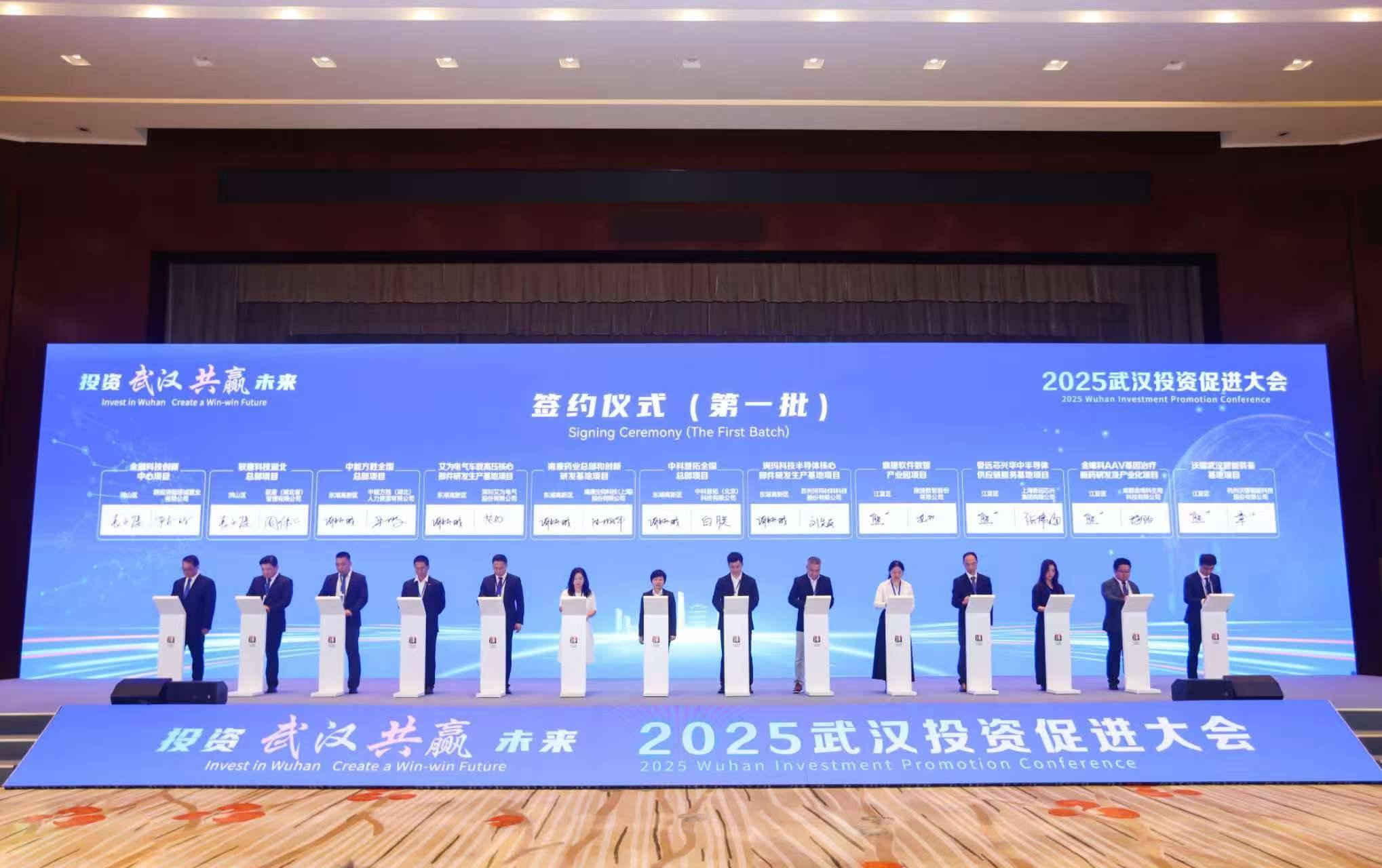
2025武汉投资促进大会开幕,现场签约148个重点项目金额近千亿元
Sou Hu Cai Jing· 2025-06-26 15:11
Core Insights - The 2025 Wuhan Investment Promotion Conference was held, resulting in the signing of 148 key projects with a total investment of 984.9 billion yuan, covering various industries such as artificial intelligence, new generation information technology, automotive manufacturing, new energy, new materials, biomedicine, high-end equipment manufacturing, and cultural tourism [1][6]. Group 1: Project Signings - A total of 77 industrial projects were signed with an investment of 542.9 billion yuan, while 70 service projects accounted for 440.7 billion yuan, and 1 agricultural project was signed for 1.3 billion yuan [6]. - Among the signed projects, 30 projects exceeded 1 billion yuan, totaling 581.6 billion yuan [6]. Group 2: Key Participants and Statements - The conference attracted around 200 representatives from global investors, including executives from Fortune 500 companies and large multinational corporations such as Garrett, Mitsubishi UFJ, Qualcomm, and AMD [3]. - Garrett's CFO highlighted Wuhan as a core part of their strategic layout in China, noting a 30% average annual capacity increase over the past decade at their Wuhan factory [3][4]. Group 3: Industry Focus and Future Plans - Companies like Zhongke Huituo and CloudWalk Technology are making significant investments in Wuhan, focusing on AI and cybersecurity, with plans to establish headquarters and R&D centers in the region [4][5]. - The biopharmaceutical company Fukan Pharmaceutical plans to invest over 2 billion yuan in Wuhan to establish production lines for innovative cancer drugs, collaborating with local hospitals and universities [5]. Group 4: Economic Outlook - Wuhan aims to achieve a GDP of 2.1 trillion yuan in 2024, reflecting a year-on-year growth of 5.2%, indicating a trend towards high-quality development [6]. - The city is committed to creating a first-class business environment to attract global enterprises, ensuring they can invest, develop, and live comfortably in Wuhan [6].