
中华文化国际传播

Search documents
“秦时明月汉时关”信达雅翻译与中华文化国际传播
Xin Lang Cai Jing· 2026-02-21 02:48
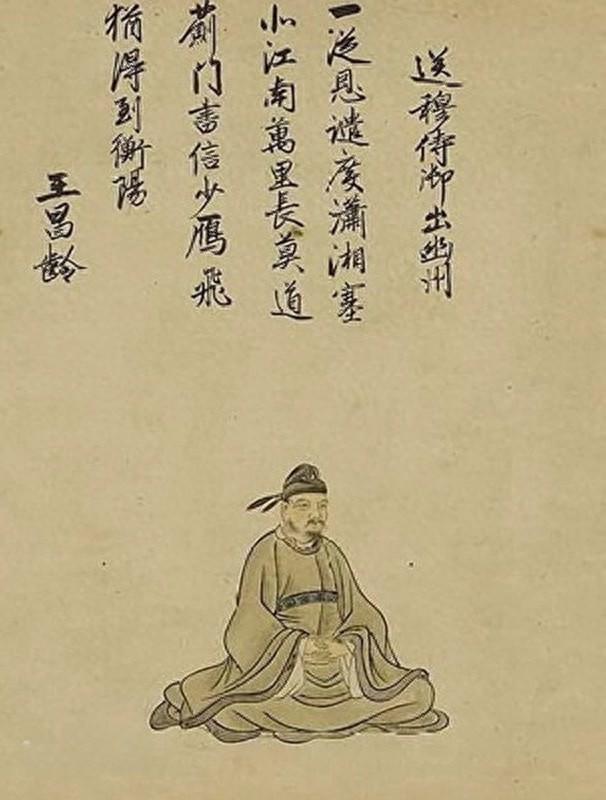
Core Viewpoint - The article discusses the translation of the classical Chinese poem "On the Frontier" by Wang Changling, highlighting the importance of cultural nuances and the challenges faced in conveying the original poem's essence in English translations [2][3][6][10][12]. Translation Analysis Dai Qingyi's Translation - The translation captures the essence of the original poem with concise imagery, effectively using the phrase "The Moon of Qin shines on the Pass of Han" to maintain the temporal connection [3]. - Cultural terms are handled well, with "Dragon Town" and "General Flying" preserving the original meaning while avoiding excessive explanation [3]. - The attempt at rhyme enhances the poetic quality, making the translation more engaging [3]. Burton Watson's Translation - Watson's version maintains high fidelity to cultural imagery, using "The moon still shines on the passes as it shone in Qin and Han times" to convey the poem's historical depth [6]. - The translation effectively balances readability and cultural depth, with "barbarian steed" retaining the original's ethnic connotation [7]. - Although the rhythm is natural, some phrases may feel lengthy compared to the original's brevity [8]. Xu Yuanchong's Translation - Xu's translation is noted for its strict adherence to rhyme and rhythm, employing an AABB rhyme scheme that enhances the musicality of the poem [10]. - The use of "as of yore" simplifies the historical context but conveys a sense of time passing, making it more accessible to English readers [11]. - However, the omission of specific cultural references like "Qin" and "Han" diminishes the historical depth of the original poem [12]. Wang Yongli's Translation - Wang's translation aims to preserve the original poem's grandeur and melancholy, achieving a consistent AABB rhyme scheme [15]. - The translation emphasizes the core themes of national pride and historical significance, although it acknowledges the potential shortcomings in capturing all cultural nuances [15][16]. Conclusion - The article emphasizes the importance of achieving a balance between fidelity to the original text and accessibility for modern readers in translating classical Chinese poetry [16].

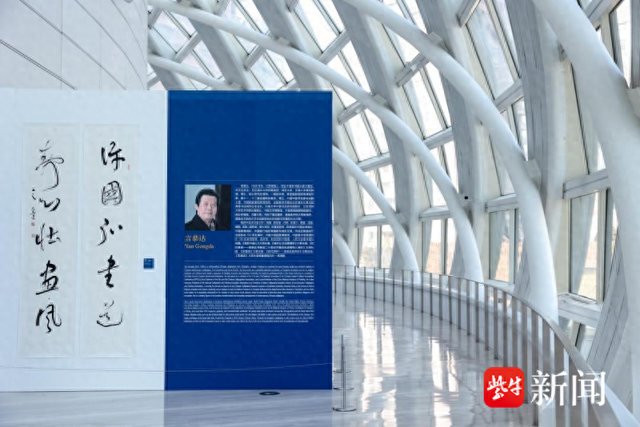
言恭达《文明互鉴赋》亮相太空艺术计划,书写中外文明对话新篇
Xin Lang Cai Jing· 2026-01-31 04:03
Core Viewpoint - The "Starry Galaxy, Artistic Voyage - The First Art Space Program for Calligraphy, Painting, and Porcelain" was launched in Beijing, showcasing the integration of traditional Chinese culture with modern technology through the exhibition of the scroll "Civilization Dialogue" and its journey into space [1][10]. Group 1: Event Overview - The event features a significant artwork, the scroll "Civilization Dialogue," which is 20 meters long and reflects China's commitment to world peace, inspired by the establishment of June 10 as "International Day of Civilization Dialogue" by the UN [3]. - The artwork combines classical literary elegance with calligraphic artistry, drawing connections between ancient civilizations and contemporary philosophical thoughts [5][6]. Group 2: Artistic Significance - The calligraphy piece embodies the spirit of cultural exchange and emphasizes the importance of shared human destiny, advocating for mutual benefits and coexistence [6]. - The artist, Yan Gongda, emphasizes that calligraphy serves as a cultural language that transcends borders, aiming to convey the essence of Chinese culture rather than merely its form [8]. Group 3: Innovative Presentation - The digital version of "Civilization Dialogue" will be launched into space aboard the "Youxi" satellite, representing a novel "satellite + art" dissemination model [10]. - This initiative aims to expand the boundaries of cultural exchange, allowing Eastern artistic expressions to engage in dialogue with the world [10].
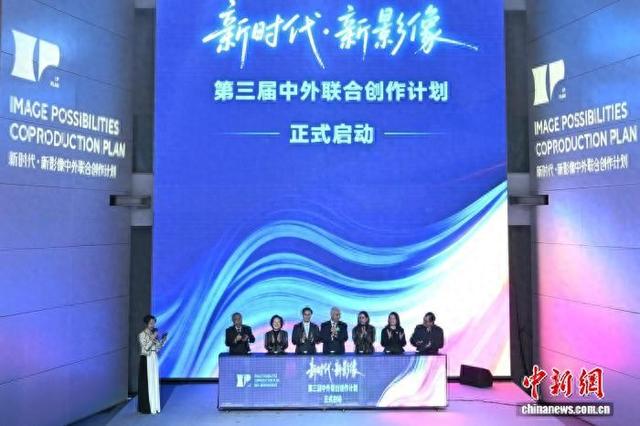
第三届“新时代·新影像”中外联合创作计划在京启动 将首次引入国际网红
Zhong Guo Xin Wen Wang· 2026-01-15 14:26
Core Viewpoint - The "New Era, New Images" Sino-foreign Joint Creation Program has launched its third edition, which will introduce international influencers to collaborate with Chinese creators for content co-creation [1][3]. Group 1: Program Overview - The second edition of the program, guided by various Chinese governmental bodies, aimed to collect documentary and short video proposals globally, receiving 7,180 submissions and supporting 100 projects [3]. - The program emphasizes the importance of cultural exchange and aims to deepen Sino-foreign communication through visual storytelling [3][4]. Group 2: Key Participants and Contributions - The program is supported by the China Foreign Languages Publishing Administration, the Central Radio and Television Station, and Discovery Channel, highlighting its broad institutional backing [3]. - Notable figures, including the vice president of the China Foreign Languages Publishing Administration and the director of CCTV-9, have expressed the program's role in promoting cultural diplomacy through documentaries [4]. Group 3: Third Edition Features - The third edition will focus on themes such as "China's Development, Global Opportunities" and will introduce special units on cultural exchange, cooperation with neighboring countries, technological innovation, and humanitarian actions [5]. - The program will also include initiatives for international influencers to engage in creative actions in China and for Chinese directors to showcase their work abroad [5].
外语学科服务中华文化国际传播要避免三大误区
Xin Lang Cai Jing· 2025-12-31 04:31
Core Viewpoint - The article emphasizes the transformation of foreign language education in China from a focus on language skills to an emphasis on international communication, aiming to effectively convey Chinese culture and narratives to the world [1][2]. Group 1: Importance of International Communication - Foreign language disciplines are crucial for international communication and should evolve to actively tell China's stories and explain its path, moving from being mere language tools to constructing narratives [1][2]. - The shift towards international communication is not only a necessity for building an independent knowledge system but also a proactive choice for China's participation in global knowledge reconstruction [1][2]. Group 2: Current Limitations in Foreign Language Education - Traditional foreign language education has overly focused on language skills, grammar, and Western theories, leading to a lack of emphasis on output and self-identity, which hinders the depth and effectiveness of Chinese cultural dissemination [2][3]. - There is a tendency to produce individuals who can speak foreign languages rather than those who can narrate Chinese stories, limiting the ideological representation of Chinese values [2][3]. Group 3: Misconceptions to Avoid - Misconception 1: Using foreign narrative frameworks to tell Chinese stories can dilute cultural authenticity and effectiveness, necessitating the construction of a narrative system rooted in Chinese practices [3][4]. - Misconception 2: Relying on foreign theoretical frameworks weakens the subjectivity and cultural sovereignty of the foreign language discipline, highlighting the need for an independent Chinese knowledge system [3][4]. - Misconception 3: Dominating Chinese cultural dissemination with foreign communication logic can lead to the dilution of Chinese cultural essence, emphasizing the importance of maintaining the integrity of Chinese culture while adapting to international audiences [4]. Group 4: Strategic Recommendations - The foreign language discipline should leverage its multilingual and multicultural capabilities to enhance the international dissemination of Chinese culture, establishing a "Chinese language-led + multilingual support" communication system [4]. - There is a call for the integration of digital technology and multimodal expressions in international communication, ensuring that Chinese cultural narratives are presented authentically while being accessible to global audiences [4].
外语赋能中华文化国际传播的四维向度
Xin Lang Cai Jing· 2025-12-29 00:38
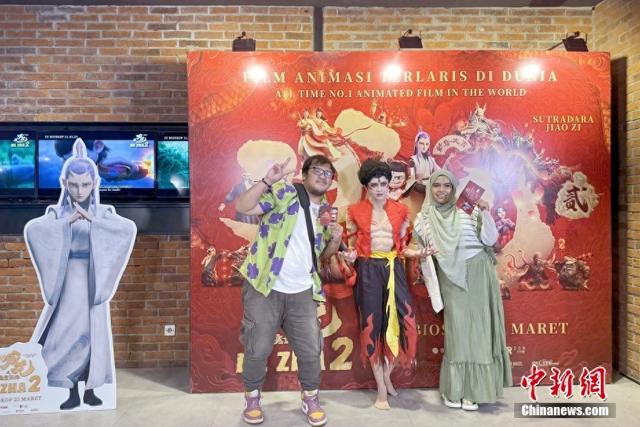
Group 1: Promotion of Chinese Culture - The 20th Central Committee of the Communist Party of China emphasizes enhancing the influence of Chinese civilization and international discourse power, encouraging cultural enterprises to promote Chinese culture globally [1] - The recent World Chinese Conference in Beijing highlighted the importance of young sinologists as cultural ambassadors to foster understanding and cooperation among civilizations [1] - The presence of over 500 Confucius Institutes in more than 160 countries serves as a vital bridge for cultural exchange and understanding [1] Group 2: Traditional Chinese Culture - Traditional Chinese culture is described as the cultural root of the Chinese nation, containing valuable ideas and moral standards that are significant for addressing global issues [2] - The essence of traditional Chinese culture, such as concepts like "Tao follows nature" and "the world is for all," provides rich material for enhancing the international reputation of Chinese civilization [2] Group 3: Cultural Products and Media - The success of the domestic game "Black Myth: Wukong" and the animated film "Ne Zha" demonstrates the global interest in Chinese cultural elements, with "Ne Zha" achieving record-breaking box office success [3] - The international release of "Ne Zha" included local voice actors and English annotations for Chinese cultural elements, making it more relatable to foreign audiences [3] Group 4: Revolutionary Culture - Revolutionary culture, created during the revolutionary, construction, and reform periods, is a significant part of Chinese culture that needs to be promoted both domestically and internationally [4] - Historical examples, such as Edgar Snow's reporting on the Chinese Communist Party, illustrate the effective international communication of Chinese revolutionary stories [4] Group 5: Advanced Socialist Culture - Advanced socialist culture, which integrates traditional and revolutionary cultures, is essential for a nation's standing in the world and requires innovative international communication strategies [7] - The use of new media and AI technology is encouraged to enhance the dissemination of socialist culture and foster emotional connections in cultural exchanges [7] Group 6: Maritime Culture - China has a rich maritime culture, with historical practices and achievements, such as Zheng He's voyages, showcasing its peaceful and inclusive nature [9] - The 21st century is identified as the "ocean century," emphasizing the importance of maritime culture as a component of national soft power [9] Group 7: Belt and Road Initiative - The promotion of Chinese maritime culture should leverage the Belt and Road Initiative to enhance international communication and collaboration [10] - There is a call for innovative expressions of Chinese maritime culture to improve its global dissemination and contribute to building a maritime community [10]
从8大热点事件,看2025年中华文化如何联通世界
Zhong Guo Xin Wen Wang· 2025-12-23 10:17
Core Insights - In 2025, the international dissemination of Chinese culture is thriving, marked by significant events such as the migration of American users to Xiaohongshu and the global success of the animated film "Ne Zha" [1][3][5] Group 1: Key Events in Cultural Dissemination - The report highlights eight significant events that illustrate the new landscape of Chinese cultural dissemination, including Xiaohongshu facilitating cross-cultural connections between China and the U.S., and the global success of "Ne Zha" [3][5] - The animated film "Ne Zha" achieved a global box office of over 15.9 billion, breaking 113 records and receiving an IMDb rating of 8.1, showcasing the successful modernization and globalization of Chinese storytelling [5][11] - The success of international influencers visiting China, such as "Kakang Ge" and "Wuyuge," has created a strong cross-cultural trust chain through immersive storytelling and real-time sharing [7][9] Group 2: Technological and Policy Contributions - Technological advancements, particularly the AI model DeepSeek, have empowered cultural dissemination by enhancing real-time translation and cultural context understanding, leading to increased engagement [5][11] - The implementation of a 240-hour visa-free transit policy has significantly boosted inbound tourism, with a 230% year-on-year increase in international visitors, contributing to the popularity of "China Travel" [7][9] Group 3: Trends in Cultural Communication - The dissemination of Chinese culture is characterized by multi-faceted collaboration among various stakeholders, including state institutions, internet platforms, and ordinary citizens, leading to a synergistic effect [9][11] - The narrative approach has evolved from mere representation to deeper storytelling that resonates with global audiences, integrating modern technology and addressing global issues [11][13] - The shift in communication channels towards smart dissemination and audience-centric strategies reflects a growing emphasis on mutual understanding and shared experiences in cultural exchange [11][13]
2025中华文化国际传播论坛举行
Ren Min Ri Bao· 2025-12-20 22:22
Core Viewpoint - The 2025 China Cultural International Communication Forum was held in Beijing, focusing on enhancing the influence of Chinese civilization through confidence, inclusivity, and innovation [1] Group 1: Forum Highlights - The forum featured discussions among experts from various fields, including ideological theory, cultural arts, and international communication, on the pathways and innovative practices for promoting Chinese culture globally [1] - A report titled "Research Report on International Communication of Chinese Culture (2025)" was released, compiled by the China Foreign Languages Publishing Administration and Beijing Normal University [1] - The "Air-Ground Integrated Interactive Cultural Communication Platform" was launched, utilizing China's first cultural communication satellite "Youxi" to merge aerospace technology with cultural dissemination [1] Group 2: Parallel Sessions - The forum included parallel sessions on music and cultural communication, poetry and cultural communication, and intangible cultural heritage and cultural communication, exploring practical experiences in international dissemination of Chinese culture from different fields [1]
在“文韵中国”中 探索培养跨文化传播新生力量
Xin Lang Cai Jing· 2025-12-20 12:56
Core Viewpoint - The forum emphasizes the integration of Chinese traditional culture into university English education to enhance cultural confidence and effectively communicate Chinese stories to the world [2]. Group 1: Forum Overview - The "2025 Chinese Culture International Communication Forum" was held at Communication University of China, co-hosted by multiple educational and cultural organizations [1]. - Experts, scholars, and representatives from various universities attended the forum to discuss the role of English education in cultural dissemination [1]. Group 2: Key Discussions - The president of the Chinese Language Teaching Press, Wang Tao, highlighted the need for university English education to incorporate excellent traditional Chinese culture into its teaching framework [2]. - Presentations by experts included discussions on how to embed cultural roots in English classrooms and the construction of English teaching materials focused on local cultures [2]. - The forum addressed the importance of selecting representative cultural elements and utilizing modern communication methods to enhance the engagement and interactivity of teaching materials [2]. Group 3: Cultural Exchange - Participants emphasized the need to consider cultural differences in cross-cultural communication, enabling students to better convey Chinese culture through an understanding of diverse cultural contexts [2]. - The forum aimed to gather insights for optimizing the "Cultural English Series Textbooks," contributing to the development of talents capable of undertaking cross-cultural communication missions [2].

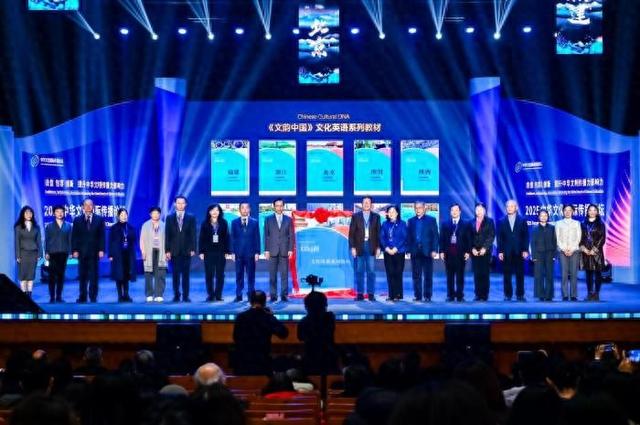
“文韵中国”文化英语教材亮相2025中华文化国际传播论坛
Xin Lang Cai Jing· 2025-12-19 13:18
Core Viewpoint - The 2025 China Cultural International Communication Forum emphasizes the theme of "Confidence, Inclusiveness, Innovation, Enhancing the Influence of Chinese Civilization" and showcases the launch of the "Wen Yun China" cultural English series textbooks by the Chinese Language Teaching Press, aiming to promote Chinese culture globally [1][3]. Group 1: Event Overview - The forum was held at Communication University of China, attended by experts, scholars, and representatives from various educational institutions [1]. - The "Wen Yun China" series was unveiled by notable figures including the Deputy Director of the China Foreign Languages Publishing Administration and the President of the Chinese Language Teaching Press [1][3]. Group 2: Educational Framework - The "Wen Yun China" project adopts a "1+34+N" framework, featuring one overarching cultural understanding guideline, 34 independent modules representing provincial cultures, and multiple cultural themes to create a comprehensive network showcasing regional cultural diversity [3]. - The initiative aims to integrate traditional Chinese culture into language education, fostering cultural ambassadors with a sense of national pride and international perspective [3][6]. Group 3: Cultural Communication Strategy - Experts at the forum highlighted the need for innovative discourse systems, expanded communication channels, and diverse forms of media in the international dissemination of Chinese culture, particularly focusing on the youth's role in cultural communication [3]. - The successful hosting of the forum and the publication of the "Wen Yun China" series are seen as vital steps in revitalizing university English curriculum reform and merging English teaching with cultural dissemination [6].
加快服务贸易创新发展
Sou Hu Cai Jing· 2025-09-21 21:41
Core Viewpoint - The significant changes in China's international trade environment, particularly due to the U.S. tariffs, have led to a notable increase in service trade growth, which is expected to provide more certainty to overall trade dynamics [1] Group 1: Service Trade Growth - From 2022 to 2024, China's service trade import and export total is projected to grow at rates of 12.9%, 10%, and 14.4% respectively, while goods trade growth rates are significantly lower at 7.6%, 0.2%, and 5.0% [1] - The proportion of knowledge-intensive service trade is expected to rise from 34.68% in 2019 to 38.5% in 2024, indicating a structural optimization in service trade [1] Group 2: Economic Development and Service Trade - China's economy, with a total GDP of nearly $19 trillion and a per capita GDP of $13,500, has the potential to attract global resources, enhancing domestic economic circulation and high-quality development through service trade [2] - Service trade can facilitate the cross-border flow of production factors, enhancing domestic service efficiency and supporting the transformation of manufacturing through services like brand management and market marketing [2] Group 3: Cross-Border E-commerce - Cross-border e-commerce in China has grown from 1.06 trillion yuan in 2018 to 2.71 trillion yuan by 2024, increasing its share of total goods imports and exports from 3.46% to 6.2% [3] - The growth of cross-border e-commerce exemplifies how service exports can drive goods trade exports, showcasing a new model of service export [3][4] Group 4: Cultural Exchange through Service Trade - Service trade is increasingly playing a role in the international dissemination of Chinese culture, with inbound tourism and media content creation gaining traction [5] - The overseas box office for "Nezha 2" has surpassed $55 million, and the revenue from Chinese online literature in overseas markets is expected to reach nearly 5 billion yuan in 2024, reflecting the growing international competitiveness of Chinese cultural services [5] Group 5: Innovation and Future Development - There is a need to expand service trade through institutional openness and align with international trade standards, particularly in sectors like health, tourism, and culture [6] - The integration of digital technology with various industries is essential for developing new forms of service trade, focusing on digital service exports to create a vibrant and efficient service trade landscape [6]