
分子育种

Search documents
果蔬也会七十二变?
Qi Lu Wan Bao· 2026-02-13 16:50
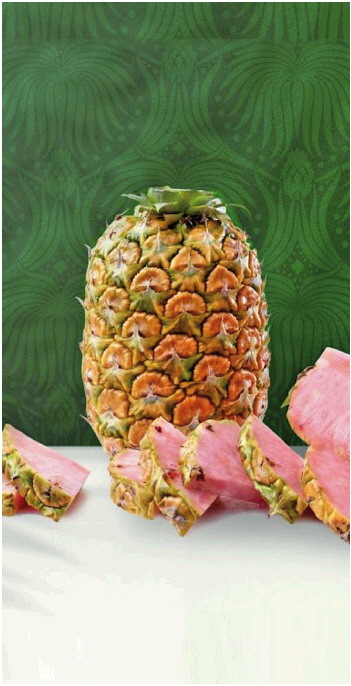
粉红色的菠萝 爆米花味番茄口感和普通番茄差不多,只是香味更浓郁。 主笔:于梅君 你见过果肉粉嫩的菠萝、闻起来像爆米花的番茄吗?一系列特色新品种,正刷新人们对果蔬的固有印象。 其中,果肉粉嫩清甜的粉色菠萝,凭借高颜值与独特风味,在春节前夕备受青睐,成为年货选购新热点。 如今,科研人员运用基因编辑、分子育种等前沿技术,正将寻常果盘升级为充满创意的"风味实验室"。 粉色菠萝亮相高颜值如何得来 2026年1月,来自哥斯达黎加的"Pinkglow粉色光芒"菠萝,凭借梦幻粉红色果肉走红社交媒体,成为水果界新 晋顶流,更在春节前凭借高颜值与稀缺属性,成为高端年货市场的"抢手货"。 尽管单颗售价高达800-1000元、礼盒装突破2000元,但其粉嫩果肉切开瞬间的视觉冲击(网友评价"整个厨 房都亮了")与独特口感,仍让它成为一些年轻消费者送礼首选,有高端西餐厅将其切成爱心形状,打造网红 打卡菜品。 原本金黄色的菠萝为何会变粉嫩?变色秘诀藏在基因里:普通菠萝成熟时,番茄红素会在转化酶作用下变成 β-胡萝卜素,呈现黄色。而科学家通过生物技术,抑制了转化酶活性,让番茄红素大量留存,最终将果肉染成 诱人的粉红色。 这款粉菠萝的番茄红素 ...

揭秘“吃鸡自由”背后的科技力量
Zhong Guo Jing Ji Wang· 2026-02-05 08:01
Group 1 - Chicken is the second largest meat consumption product in China, with broiler chickens accounting for over 70% of chicken production [1] - By 2025, China is expected to consume over 9 billion broiler chickens, with domestic varieties holding over 30% market share and exports to countries like Tajikistan, Pakistan, and Tanzania [1] - The average weight of broiler chickens at market age exceeds 3 kg, requiring only 1.5 to 1.6 kg of feed for each additional kg of meat [1] Group 2 - Fujian Shengze Biotechnology Development Co., Ltd. is the birthplace of the "Shengze 901" breed, which has expanded its market share by promoting 47 million parent stock sets across 15 provinces [2] - "Shengze 901" has also begun exporting to Belt and Road countries, with nearly 10,000 parent stock sets and over 270,000 eggs exported, marking a significant entry into African and Central Asian markets [2] - The national breeding joint task force has accelerated research and development in molecular breeding and disease prevention technologies during the 14th Five-Year Plan period [2] Group 3 - The "Guangming 2" breed, supported by the Chinese Academy of Agricultural Sciences, has made progress in genomic breeding technology, reducing breeding cycles by 2 to 3 generations [3] - The "Wode 188" breed has also emerged in the market, with over 633,000 parent stock sets promoted and a complete disease purification barrier established [3] Group 4 - The broiler chicken industry has entered an intelligent farming phase, utilizing IoT, cloud computing, big data, and blockchain for management [4] - The "Shengze 901" breed employs advanced computational capabilities for genomic selection analysis and bioinformatics, maximizing social, economic, and ecological benefits [4]
“聪明”种子背后的科技密码
Xin Lang Cai Jing· 2026-01-05 18:44
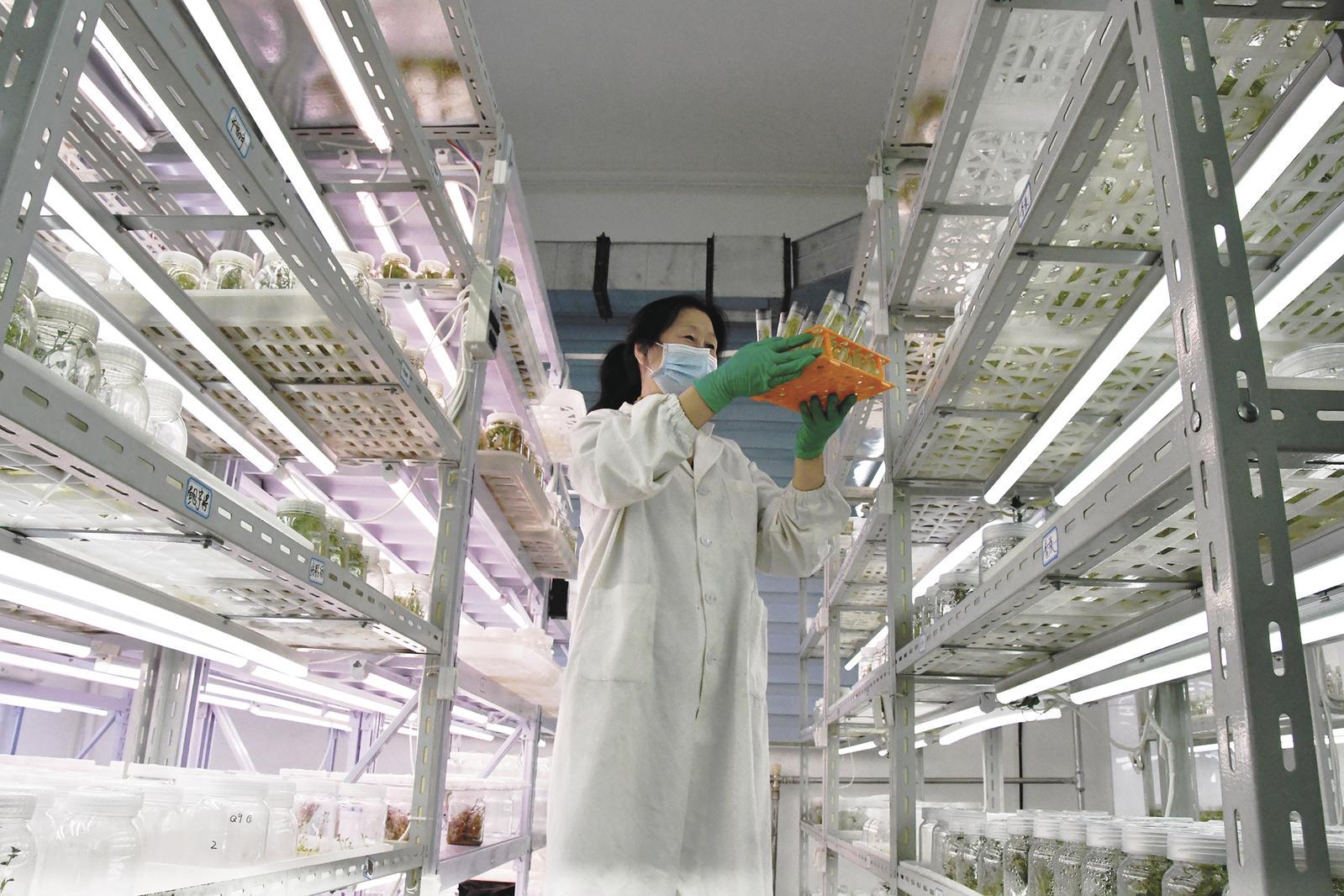
Core Insights - The article highlights the advancements in potato seed technology, particularly focusing on the development of virus-free potato seedlings through tissue culture techniques, which is seen as a significant step in agricultural innovation [2][6][16]. Group 1: Research and Development - Researchers at Qinghai University are engaged in creating virus-free potato seedlings, utilizing advanced techniques such as "stem tip culture" to ensure the health and quality of the seeds [3][6]. - The process involves meticulous steps including isolation, cultivation, and disease resistance testing, which are crucial for producing high-quality seed potatoes [3][4][6]. - The team has established a four-tier seed breeding system that includes laboratory seedling production, greenhouse cultivation, and field planting, demonstrating a comprehensive approach to seed development [7][16]. Group 2: Technological Innovations - The introduction of gene editing technology has allowed researchers to reduce natural toxins in potato leaves while increasing protein content, potentially transforming both the above-ground and underground parts of the plant into food sources [14][16]. - New potato varieties, such as "Qing Shu 9," have been developed and are now widely cultivated across China, with a planting area of 498,000 hectares, making it the most widely planted potato variety in the country [10][11][12]. Group 3: Economic Impact - The advancements in potato seed technology are contributing significantly to national food security and increasing farmers' incomes, with the new varieties playing a crucial role in agricultural productivity [12][17]. - The coverage rate of quality crop seeds in Qinghai Province has reached 98.2%, reflecting a shift from a weak foundation to self-sufficiency in seed sources, which is vital for ensuring food security [17]. Group 4: Future Prospects - The research team continues to explore new applications for potatoes, including their use in cosmetics and biodegradable materials, indicating a potential expansion of the market for potato-based products [14][16]. - The ongoing innovations in potato cultivation and processing are expected to enhance the efficiency of land use and contribute to sustainable agricultural practices in high-altitude regions [14][16].
一鸣食品:公司在核心业务发展上锚定国家种业振兴战略
Zheng Quan Ri Bao Zhi Sheng· 2026-01-05 14:12
Core Viewpoint - Yiming Foods is leveraging molecular breeding and AI breeding technologies through Zhejiang Zhongxing Animal Husbandry Technology Co., Ltd. to cultivate specialized dairy cow breeds, aiming to meet consumer demand for high-quality, high-immunity, and high-activity functional dairy products [1] Group 1: Business Development - The company is aligning its core business development with the national seed industry revitalization strategy, focusing on breeding dairy cow populations that are highly adapted to the subtropical climate of southern China [1] - This initiative aims to fill the structural gap in China's dairy cow breeding industry and fundamentally change the reliance on foreign sources for high-quality dairy breeds in southern China [1] Group 2: Technological and Market Challenges - The breeding cycle for new dairy cow strains is long, and core traits require multi-generational validation, which presents challenges for industrial promotion and market recognition [1] - The transformation of related technological achievements into cost advantages or quality premiums is not yet fully clear at the current time [1]

国家牧草产业技术体系种质资源国际合作成效斐然
Xin Lang Cai Jing· 2025-12-29 14:07
Core Insights - The article highlights the efforts of the Chinese Academy of Agricultural Sciences in enhancing the genetic diversity of grass species through international collaboration and resource collection [1][2][3] Group 1: Resource Collection and Collaboration - The research team has introduced over 7,442 grass germplasm resources, primarily sourced from abroad, significantly enriching China's grass germplasm repository [1] - A collaboration with the Vavilov Institute in Russia began in 2004, focusing on the introduction of high-biomass grass species [1] - The team has also imported over 2,000 grass resources from the USDA Plant Germplasm Resources, which are essential for molecular breeding [2] Group 2: Evaluation and Testing - Each new germplasm undergoes a rigorous three-year evaluation process, including greenhouse seedling growth observation, field trials in different ecological zones, and assessments of drought resistance and biomass [2] - A comprehensive evaluation report for each germplasm requires the accumulation of over 70 data points [2] Group 3: Application and Impact - The team has shared over 2,000 superior germplasm resources with more than ten domestic breeding teams, leading to the development of 12 new grass varieties [3] - These new varieties have been successfully promoted in major pastoral areas such as Inner Mongolia, Shandong, and Qinghai, enhancing local grassland productivity and livestock economic benefits [3] Group 4: Future Directions - The team aims to deepen international cooperation and innovation, focusing on the integration of germplasm resources with molecular breeding and information technology [3] - The initiative is expected to strengthen the core competitiveness of China's grass industry and support high-quality development in the livestock sector and national food security [3]
浮萍什么来头?
Xin Lang Cai Jing· 2025-12-21 17:38
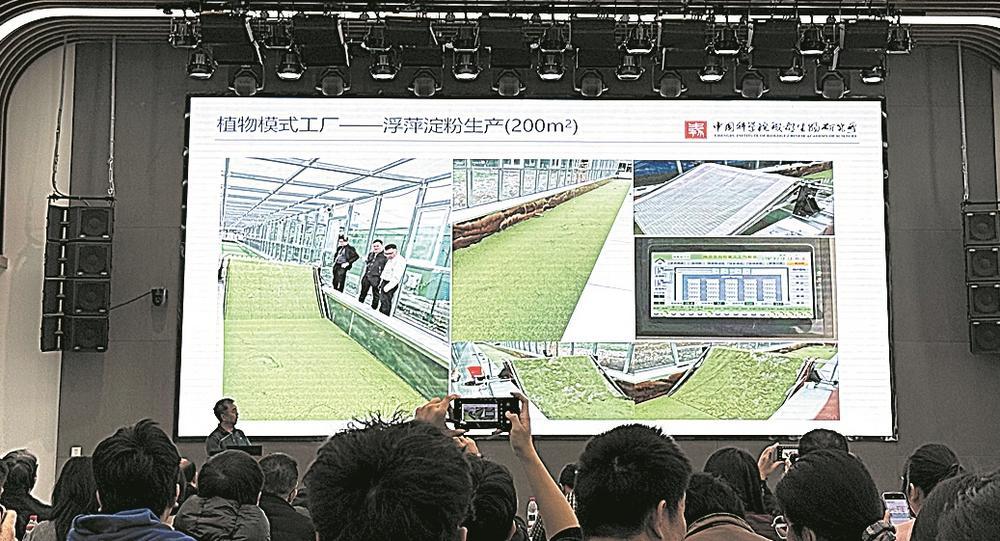
Core Insights - The article discusses the increasing recognition and potential applications of duckweed as a sustainable food source and resource for biomanufacturing, particularly in addressing food security challenges and environmental sustainability [3][5][6]. Group 1: Duckweed's Nutritional and Agricultural Advantages - Duckweed has a higher starch content than rice and a protein content comparable to soybeans, making it a promising alternative food source [4][6]. - Research indicates that duckweed can achieve a starch accumulation rate of 8.55g/㎡/d, which is five times higher than traditional crops, with potential annual starch production exceeding 2 tons per acre, significantly surpassing rice [6]. - The protein yield from various duckweed strains can exceed 1,000 kg/acre annually, with some strains reaching up to 1,567 kg/acre and protein content as high as 50%, indicating its potential as a substitute for soybeans [6]. Group 2: Environmental and Economic Benefits - Duckweed can be cultivated in wastewater, effectively removing nitrogen and phosphorus while sequestering carbon dioxide, thus enhancing wastewater treatment processes [7]. - In specific projects, duckweed cultivation has demonstrated the ability to produce protein yields of 850 kg/acre/year from nutrient-rich wastewater, which is over ten times the protein yield of soybeans, with low production costs [7]. - The cultivation of duckweed offers a sustainable agricultural model that does not compete for arable land, supporting the development of a new food production system that is both economically viable and environmentally friendly [7]. Group 3: Research and Development Initiatives - The third Duckweed Resource Development and Utilization Seminar highlighted ongoing research into duckweed's applications in food security and biomanufacturing [3][5]. - Researchers are actively promoting small-scale duckweed cultivation in regions like Yunnan and Sichuan to explore its practical applications and benefits [7].
为百姓餐桌培育更好的越冬甘蓝(迈向“十五五”的创新图景)
Ren Min Ri Bao· 2025-12-10 22:30
Core Viewpoint - The article highlights the significant progress in the domestic breeding of winter cabbage in Hubei Province, transitioning from over 90% reliance on imported varieties to approximately 70% of the main variety being domestically developed, showcasing a breakthrough in vegetable breeding in China [2][5]. Group 1: Breeding Development - The breeding team in Hubei has successfully developed a new winter cabbage variety, "Zhonggan 1305," which surpasses imported varieties in traits such as cold resistance and disease resistance, while also reducing seed costs to half that of imports [3][4]. - The breeding process involved extensive collection of cold-resistant germplasm resources and innovative techniques like molecular marker methods, which allowed for the creation of hybrid combinations that enhance breeding efficiency [3][4]. Group 2: Market Impact - The domestically bred winter cabbage not only enriches the local diet but also increases farmers' income, reflecting a broader trend towards self-sufficiency in vegetable seed production [2][6]. - The article emphasizes the importance of developing domestic varieties to ensure food security and meet diverse consumer demands for high-quality vegetables [6][7]. Group 3: Future Prospects - Looking ahead, the breeding efforts will continue to focus on meeting market demands for various taste and nutritional profiles, as well as improving mechanization for harvesting [4][8]. - The integration of advanced technologies such as artificial intelligence and molecular breeding is expected to further enhance the efficiency and success rate of vegetable breeding, leading to a richer variety of vegetables available to consumers [8].
研判2025!中国分子育种行业发展背景、发展历程、市场现状及未来趋势分析:受益于政策、技术等多重利好因素,市场规模大幅增长,行业发展前景广阔[图]
Chan Ye Xin Xi Wang· 2025-11-07 01:13
Core Insights - China is the world's second-largest seed demand country, but the trend of de-globalization is shifting global industrial chain layouts from "efficiency first" to "safety first," creating uncertainty in international trade [1][8] - The Chinese government places high importance on seed industry development, emphasizing the need for self-sufficiency in seed sources and technological independence [1][8] - Molecular breeding technology is seen as a key solution to address challenges in the seed industry and promote rural revitalization [1][8] Molecular Breeding Industry Overview - Molecular breeding, also known as gene engineering breeding, involves manipulating DNA at the molecular level to create new varieties with desired traits [2][3] - The industry is supported by various government policies, including the "14th Five-Year Plan for Bioeconomic Development" and the "Plan for Accelerating the Construction of an Agricultural Power" [9][10] Market Status - The market size of China's molecular breeding industry is projected to grow from 700 million yuan in 2020 to 3 billion yuan in 2024, with a compound annual growth rate (CAGR) of 43.9% [11] - By 2024, molecular marker-assisted breeding is expected to dominate the market with a 70% share, followed by transgenic technology at 20% and gene editing technology at approximately 10% [11][12] Development Background - China's seed industry faces significant challenges, including reliance on foreign sources for high-end seed varieties and competition from multinational seed companies [7][8] - The government has intensified support for breeding work, focusing on developing original breeding technologies and improving research and commercialization integration [9][10] Future Trends - The molecular breeding industry is expected to reach a market size of 20 billion yuan by 2029, driven by advancements in gene editing and sequencing technologies [15][16] - The integration of molecular breeding with big data and artificial intelligence is anticipated to enhance breeding precision and efficiency [15][16]

中国科研团队再获突破!解锁小麦抗旱新机制,为粮食稳产提供新方向
仪器信息网· 2025-10-23 08:06
Core Insights - The article highlights a significant research breakthrough in wheat drought resistance, revealing the role of the "TaBZR2-TaPPR13-TaAOR1/TaSIG5" regulatory module, which provides new theoretical support and breeding targets for addressing drought-related yield constraints in wheat [2][3]. Research Findings - The research utilized Genome-Wide Association Studies (GWAS) to identify the core transcription factor TaBZR2, which is significantly associated with drought resistance in wheat [3]. - TaBZR2 activates the downstream PPR protein gene TaPPR13, which acts as a positive regulator under drought stress, enhancing the plant's antioxidant defense system and regulating gene expression related to ROS scavenging and ABA signaling pathways [3]. - The collaboration between TaPPR13 and TaAOR1 facilitates stomatal closure, reducing water loss while maintaining photosynthetic capacity, thus allowing wheat to sustain yield advantages under drought stress [3]. Application and Implications - The findings fill a gap in the research on the drought resistance function of PPR proteins in wheat, paving the way for the development of new high drought-resistant and high-yield wheat varieties [3][12]. - The article emphasizes the importance of molecular breeding technologies as a core engine driving innovation in the seed industry, particularly in the context of global food security and sustainable agricultural development [5]. Conference Details - A webinar titled "Molecular Breeding and Seed Industry Innovation" is scheduled for October 24, 2025, featuring prominent experts discussing the latest breakthroughs in molecular breeding [5][6]. - The conference will cover various topics, including the molecular mechanisms of drought resistance in wheat and the application of epigenetic methods to improve crop adaptability [11][14].

36氪首发|「新果农业Singrow」完成数百万美元A轮融资,青山资本、Finc International领投
3 6 Ke· 2025-10-15 08:15
Core Insights - Singrow has recently completed a multi-million dollar Series A funding round led by Qingshan Capital and Finc International, with existing investors AgFunder and Ritz Venture Partners participating [1] - The funding will primarily be used for technology research and market expansion [1] - Singrow focuses on developing climate-resilient crop varieties, particularly strawberries, which have been commercialized in multiple regions including Singapore, China, Indonesia, and Thailand [1] Company Overview - Founded in 2019 in Singapore, Singrow leverages molecular breeding technology to develop crop varieties that can thrive under challenging climate conditions [1] - The company’s business model encompasses the entire agricultural value chain, from seedling production to planting solutions and sales management [1] - The founder, Dr. Bao Shengjie, has over 10 years of experience in plant physiology, molecular biology, and crop breeding [1] Market Demand and Product Development - There is a significant demand for high-quality strawberries globally, but many regions lack the necessary growing conditions [3] - Singrow aims to address this gap by developing heat-tolerant strawberry varieties that mimic the flavor and texture of Japanese strawberries while being easier to cultivate [3] - The company has successfully developed eight different strawberry varieties, with some able to flower in temperatures as high as 20 degrees Celsius, compared to the traditional requirement of 8-10 degrees Celsius [3] Business Expansion Strategies - In 2023, Singrow plans to expand its market presence in China by introducing summer strawberry cultivation and offering comprehensive plant factory solutions [4] - The company has achieved an average yield of approximately 3,000 pounds per acre in Shaanxi after one and a half years of cultivation [4] - Singrow aims to form a coalition for summer strawberry cultivation in Northwest China, targeting both domestic and export markets [4] Key Business Segments - Singrow's operations can be categorized into three main areas: climate-resilient strawberry cultivation, comprehensive plant factory solutions, and agricultural service offerings [5] - The plant factory solutions include providing clients with a complete set of services, from seedlings to operational management, allowing clients to focus on initial infrastructure investment [5] - The company is also developing a circular plant factory model in Singapore and Houston, integrating mushroom production with strawberry cultivation to enhance sustainability and reduce costs [5][6] Future Market Focus - The domestic market is currently the primary revenue source for Singrow, but the company plans to expand into the Middle East and Southeast Asia [7] - The Middle East presents a unique opportunity due to its low supply of high-end fruits and vegetables, which Singrow's resilient varieties can help address [8] - The commercial viability of plant factories in these regions is expected to improve as electricity costs decrease, making it an attractive solution for local agricultural production [8]