
勤俭节约

Search documents
五世同堂庆佳节
Xin Lang Cai Jing· 2026-02-19 23:03
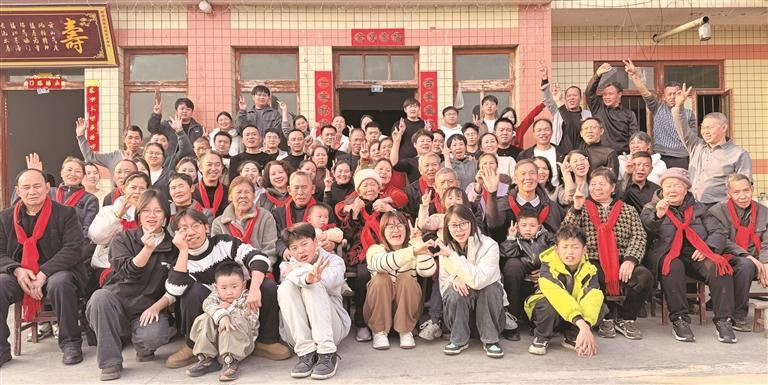
贵州日报天眼新闻记者 蒋洪飞 2月19日,农历正月初三,遵义市播州区鸭溪镇金钟村,熊正碧家的小院里,大红灯笼高挂,新贴的春联喜庆 吉祥。102岁的她和100多位儿孙欢聚一堂,五代人共度新春,笑声不断,满室温馨。 厨房里,家中小辈们衣袖高挽,围着围裙站在水池和灶台边洗菜、切肉,熊正碧的侄儿媳妇陈佳英将火烧 旺,熊正碧的孙媳妇王敏趁着火候倒油下锅,待油滚烫之时,把切成薄片的腊肉混着姜蒜翻炒,伴随着锅铲 搅动,鲜香四溢。 转自:贵州日报 熊正碧一大家人合照。 农家腊味、蒜泥时蔬、麻婆豆腐、土鸡汤……在大家的通力合作下,一道道美食被端上餐桌,熊正碧在儿孙 的搀扶下入座。餐桌上,熊正碧的孙子林文举举杯向众人道:"按照奶奶的叮嘱,自家家宴不讲排场、不摆阔 气,都是大家爱吃的家常菜,咱得把'光盘行动'进行到底。" 林文举话音一落,家中众人纷纷举杯回应,"够吃就行,铺张浪费没必要。""太奶奶总教我们要惜福,过年团 圆图的是热闹,不搞攀比。""吃好多煮好多,不然再厚的家底也经不起挥霍。"你一言我一语中,年味渐浓, 餐桌上的文明之花也开得更绚烂。 过过苦日子的熊正碧,深知一粒米、一滴油有多么的来之不易,孩子们以浪费为耻、节约为荣 ...

新四军第三师珍惜民力厉行节约
Xin Lang Cai Jing· 2025-12-22 17:14
Core Viewpoint - The New Fourth Army's Third Division, under the leadership of Huang Kecheng, effectively developed the anti-Japanese base in northern Jiangsu during the War of Resistance against Japan, emphasizing self-sufficiency, production movements, and the importance of saving resources to alleviate the burdens on the local population [1][2][3]. Group 1: Production Movement - In 1942, the Third Division initiated a production movement to counteract the difficulties caused by Japanese raids and Nationalist blockades, promoting self-sufficiency and assisting local farmers [1][2]. - The division's efforts led to significant agricultural contributions, with reports indicating the production of 176,190 pounds of vegetables over six months, improving the living conditions of the troops [2]. - The division's commitment to production was recognized by local communities, with praise for their efforts to work alongside the populace [2]. Group 2: Thrift and Resource Management - The Third Division advocated for thriftiness and opposed waste, with Huang Kecheng emphasizing the need to combine production and savings to alleviate supply difficulties [3][4]. - Specific measures were implemented to control food rations and military supplies, with leaders setting examples by personally engaging in resource-saving practices [4][5]. - The division's thrift initiatives included modifying military uniforms to save fabric, demonstrating a commitment to resource efficiency [4]. Group 3: Caring for the Local Population - In January 1944, the Third Division issued directives to cherish local labor and minimize the burden on civilians, emphasizing self-sufficiency in logistics [6][7]. - The division took steps to ensure that local interests were protected during production activities, including careful management of labor and resources [6][7]. - Huang Kecheng's reports highlighted the importance of protecting local property and ensuring that the army's actions did not harm the civilian population [7].
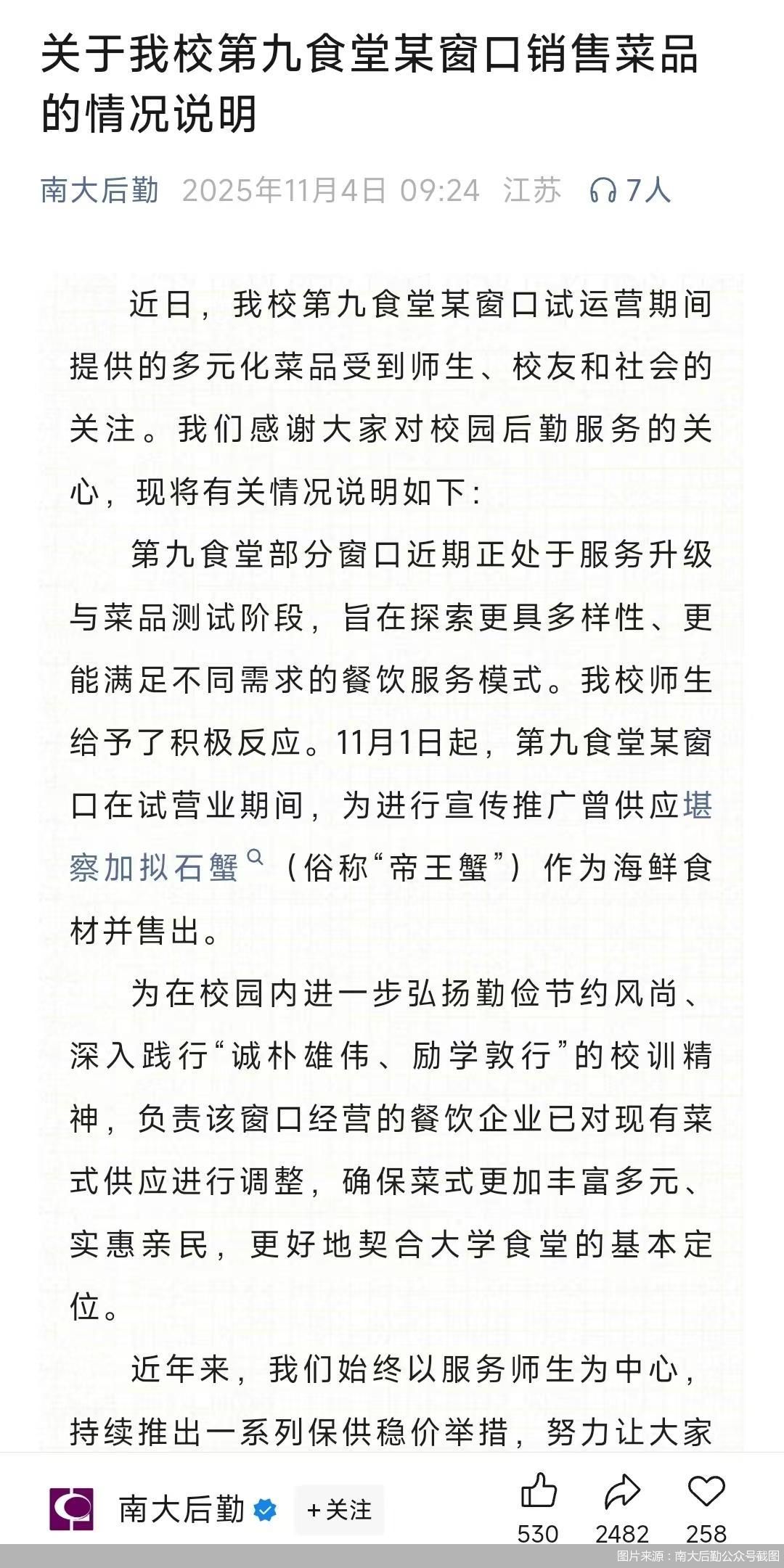
南京大学后勤通报食堂供应“999元帝王蟹”
Mei Ri Jing Ji Xin Wen· 2025-11-04 04:19
Core Points - Nanjing University Logistics Service Group has announced the trial operation of diverse dishes at the Ninth Canteen, which has garnered attention from students, alumni, and the public [1] - The canteen aims to enhance service and diversify food offerings to meet various needs, with positive feedback from the university community [1][2] - The introduction of high-end seafood, specifically Kamchatka crab priced at 999 yuan, sparked discussions about the appropriateness of such offerings in a university canteen [3] Summary by Sections Service Upgrade and Menu Diversification - The Ninth Canteen is currently in a service upgrade and menu testing phase to explore a more diverse dining service model [1] - The canteen has adjusted its menu to ensure a richer and more affordable selection that aligns with the university's basic positioning [1] Pricing and Value Initiatives - The university has implemented various initiatives to ensure affordable dining options, including a 1-cent breakfast, student meal sets priced at 7/8/10 yuan, and low-cost vegetarian dishes [1] - The canteen has received recognition for its value offerings and themed food events, such as "Late Night Canteen" and "You Order, I Cook" [1] Future Plans - The university plans to further enrich the variety of dishes and improve food quality to provide better value and service to students [2] - There is an emphasis on enhancing the educational role of the canteen as part of a comprehensive educational system [2]

南京大学回应食堂供应“999元帝王蟹”:已调整菜式
Bei Jing Shang Bao· 2025-11-04 03:51
Core Viewpoint - Nanjing University is testing a new dining service model in its cafeteria, which includes high-priced seafood items like the 999 yuan King Crab, aiming to diversify offerings and meet various student needs [1][3] Group 1: Service Upgrade and Menu Diversification - The ninth cafeteria at Nanjing University is undergoing a service upgrade and menu testing phase to explore a more diverse dining service model [1] - The cafeteria has received positive feedback from students regarding the new offerings [1] - The introduction of high-priced items is part of a promotional effort during the trial operation [1] Group 2: Commitment to Affordability and Variety - Nanjing University has adjusted its menu to ensure a richer and more affordable selection, aligning with the basic positioning of university cafeterias [3] - The university has implemented various initiatives to maintain supply and stabilize prices, including low-cost meal options such as 1 yuan breakfast and 7-10 yuan student meal sets [3] - The cafeteria has also introduced popular themed food events, which have been well-received by students [3] Group 3: Public Reaction - The introduction of the 999 yuan King Crab and 158 yuan Boston Lobster has sparked significant discussion online [3]
用“带头过紧日子”滋养民生沃土
Ren Min Ri Bao· 2025-10-09 02:17
Core Points - The core message emphasizes the importance of frugality and resource optimization in government operations to enhance public welfare and support high-quality development [1][2][3][4] Group 1: Government Policy and Actions - The revised regulations stress that government agencies must lead by example in frugality, reducing costs associated with public activities to allocate more funds for development and public needs [1][2] - Since the 18th National Congress, the central government has elevated the concept of "living frugally" as a significant governance strategy, focusing on reducing unnecessary expenditures and reallocating saved funds to social welfare projects [2][3] - Government agencies are actively cutting down on non-essential spending, particularly in areas like "three public expenses," to enhance the financial resources available for public welfare [3][4] Group 2: Cultural and Historical Context - The tradition of frugality is deeply rooted in Chinese culture and has been a consistent theme throughout the history of the Communist Party, reflecting a commitment to serving the people [1][2] - The historical perspective shows that the practice of frugality has been a successful strategy for the Party's growth and resilience, reinforcing the connection between governance and public service [4] Group 3: Societal Impact - The initiative to lead by example in frugality is not merely about cutting costs but is aimed at optimizing resource allocation to improve the quality of life for citizens [2][3] - The reduction of unnecessary administrative expenses is intended to expand the welfare benefits available to the public, thereby enhancing overall happiness and satisfaction [3][4]
用“带头过紧日子”滋养民生沃土(思想纵横)
Ren Min Ri Bao· 2025-10-08 22:11
Core Points - The core message emphasizes the importance of frugality and resource optimization in government operations to enhance public welfare and support high-quality development [1][2][3][4] Group 1: Government's Role in Frugality - The government is urged to lead by example in frugality, which is seen as a fundamental requirement for improving the party's work style and aligning with the people's needs [1][2] - The revised regulations stress the need for government agencies to reduce costs associated with public activities, thereby freeing up more funds for development and public welfare [1][2] - Historical context shows that the commitment to frugality has been a longstanding tradition within the party, linking it to the party's foundational values of serving the public [1][3] Group 2: Implementation and Impact - The concept of "living frugally" is not merely about cutting expenses but involves optimizing resource allocation to foster reform and development [2][3] - Government agencies are actively reducing unnecessary expenditures, particularly in administrative costs, to enhance the welfare of the populace [3][4] - The focus on frugality is positioned as a political responsibility and a commitment to improving the lives of citizens, demonstrating a direct correlation between reduced government spending and increased public benefits [3][4]
免费校服循环穿,节约环保刻心间
Chang Sha Wan Bao· 2025-09-01 02:51
Group 1 - The article highlights the initiative in Zhengzhou, where a primary school is providing free school uniforms to new students, promoting resource conservation and reducing financial burdens on families [1][2] - The scale of the issue is significant, with nearly 1.6 billion students in compulsory education in China, leading to an estimated 28.8 billion school uniforms over nine years if each student receives two sets per year [1] - A concerning trend is noted where a majority of discarded school uniforms are either kept as mementos or thrown away, indicating a waste of usable resources [1] Group 2 - The Ministry of Education has encouraged the recycling of school uniforms since 2015, with many schools implementing programs for graduates to donate uniforms, which are then cleaned and redistributed to those in need [2] - The benefits of this recycling initiative include reducing economic burdens on parents, fostering a sense of thriftiness in children, and decreasing resource consumption in society [2] - Two key principles for recycling are emphasized: voluntary participation and ensuring safety and hygiene through thorough cleaning and disinfection of returned items [2]
堵住身边“小口子”认真过好“紧日子”
Xin Lang Cai Jing· 2025-08-22 03:33
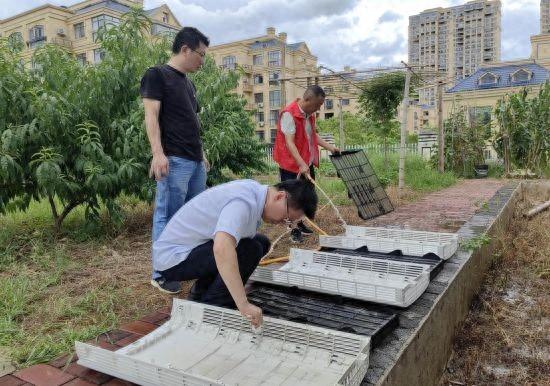
Group 1 - The core viewpoint of the articles emphasizes the importance of frugality and efficiency in operations, particularly in the context of the Jiangxi Province Fenyi County Tobacco Monopoly Bureau's initiatives to reduce waste and promote energy conservation [1][2][4][5] Group 2 - The bureau has implemented measures to optimize the operation of its data center, which accounts for over 15% of the total electricity consumption, resulting in annual savings of 28,000 yuan in maintenance costs and 15,000 yuan in electricity costs [1] - A campaign encouraging employees to turn off power sources when leaving the office has been initiated, leading to a significant reduction in energy waste and enhancing safety by minimizing fire and network attack risks [1] - The bureau organized a community cleaning event where party members cleaned air conditioning units, saving approximately 5,000 yuan in external service fees while fostering a culture of resourcefulness among employees [2][4][5] - The cafeteria has adopted a "clean plate" initiative, implementing precise food procurement strategies to minimize waste, which has resulted in a noticeable decrease in leftover food [5]
过好“紧日子” 用好每分钱
Liao Ning Ri Bao· 2025-08-20 01:17
Core Viewpoint - The Liaoning Provincial Federation of Trade Unions is implementing a "tighten the belt" approach to enhance service efficiency and reduce costs through digitalization and strict financial management [1][2] Group 1: Digital Transformation - The Federation has adopted the "Union Communication" digital platform to streamline document circulation and meeting management, significantly improving work efficiency and reducing office supply costs [1] - The shift to paperless operations is part of a broader initiative to integrate the "tighten the belt" philosophy into daily practices, promoting a culture of thrift and efficiency [1] Group 2: Financial Management - The Federation emphasizes meticulous management of union funds, utilizing a provincial financial integration platform for detailed budget preparation and execution, ensuring strict monitoring of fund usage [1][2] - By implementing a tiered approval system and optimizing fund allocation, the Federation ensures that financial resources are directed towards the most critical needs of workers, maximizing the impact of limited funds [2] Group 3: Service Enhancement - The Federation's initiatives focus on supporting the revitalization of industries and providing essential services to workers, including assistance for vulnerable workers and enhancing labor rights protection [2] - These efforts have not only improved internal management but also significantly enhanced the Federation's ability to serve workers, transforming the "tight days" into "good days" for employees [2]
日子好好过,该省的省、该花的花
Ren Min Ri Bao· 2025-07-27 05:46
Group 1 - The core idea emphasizes that advocating frugality and encouraging consumption are not contradictory but mutually reinforcing, aimed at better meeting the people's aspirations for a better life [1][2] - Frugality is a traditional virtue in Chinese culture, and the government promotes it to ensure resources are used efficiently, allowing savings to be redirected to social welfare [1][2] - Consumption is a crucial driver of China's economic growth, contributing 68.8% to GDP growth in the first half of the year, with final consumption expenditure accounting for 52% [2] Group 2 - The government is actively implementing measures to boost consumption, such as issuing consumption vouchers and promoting trade-in programs, to address barriers to consumer spending [2] - Encouraging consumption is essential for expanding domestic demand and enhancing the domestic economic cycle, which in turn supports production, industry upgrades, and job creation [2][3] - The relationship between frugality and consumption is framed as a means to allow citizens to obtain higher quality goods and services at lower costs while contributing to sustainable development [3]