房地产救市

Search documents
救市!上海楼市,亮剑了
Sou Hu Cai Jing· 2026-02-25 08:27
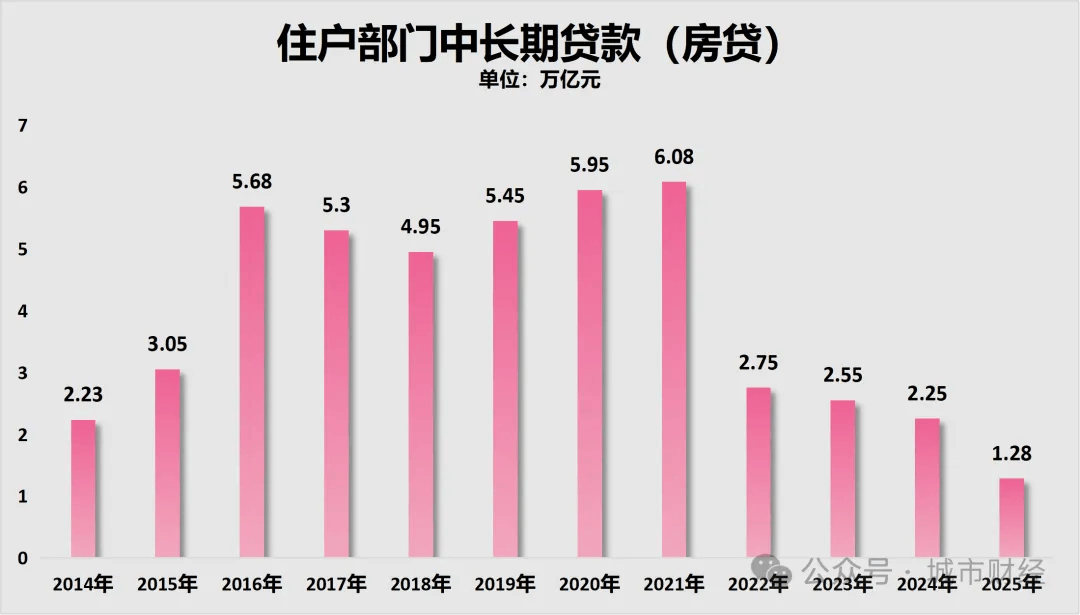
Group 1 - Shanghai has introduced new real estate policies to stimulate the housing market, allowing non-residents with one year of social security or tax payments to purchase homes in the outer ring, down from three years [3][4] - The maximum housing provident fund loan limit for families has been increased from 1.6 million to 2.4 million, with potential increases up to 3.24 million for families with multiple children or purchasing green buildings [5] - The policies signal a significant shift in the real estate market, indicating that 2026 may be a year of substantial market recovery [6][7] Group 2 - In 2025, mortgage loans and property sales hit record lows, with household loans increasing by 441.7 billion yuan, but short-term loans decreasing by 835.1 billion yuan [9][11] - The total sales area of new residential properties fell by 9.2%, with sales revenue dropping by 13.0%, indicating a weak market sentiment [14][16] - The overall real estate market is expected to undergo significant changes in 2026, with indicators suggesting a potential bottoming out of the market [19][31] Group 3 - Key indicators for assessing the real estate market include rental yield, price-to-income ratio, and new housing absorption cycles, which must improve simultaneously for a true market bottom to be established [30] - The rental yield in major cities is currently around 2.3%, significantly lower than in developed cities, indicating a lack of attractiveness for long-term investment [21] - The price-to-income ratio remains high, with an average of around 10 times, suggesting that housing affordability is still a concern for residents [24] Group 4 - The new housing absorption cycle remains lengthy, indicating ongoing supply pressures, with a healthy cycle typically being 12 to 18 months [29] - The market is expected to stabilize if the current policies continue and sales gradually recover, with a realistic expectation of the new housing absorption cycle returning to 18 months or less by 2026 [29] - The recovery of the real estate market will not be uniform across all cities, with significant variations expected based on local demographics and economic conditions [33]

不是迷信!一旦房地产救不起来,明年楼市或有4个大难题?
Sou Hu Cai Jing· 2026-02-22 12:28
Group 1 - The recent housing market data shows a complete decline in new home prices across 70 major cities, indicating a severe downturn in the real estate sector [2] - The government's attempts to stabilize the housing market through various policies have not been effective, as the overall trend remains downward [2] - The real estate market's decline is critical as it impacts not only individual households but also the broader economic framework [2] Group 2 - Local governments are facing financial strain, with some unable to pay public employees due to reduced revenue from land sales and real estate taxes [4] - The previous boom period (2010-2015) saw robust real estate activity, which has drastically changed in the last two years, leading to a significant downturn [4][6] - The real estate sector is interconnected with over 60 related industries, meaning its decline could have widespread economic repercussions [6] Group 3 - There is a growing concern that high-rise buildings may become undesirable, with issues related to living conditions, safety, and maintenance costs [8][10] - The fear of high-rise properties becoming "worthless" is prevalent, especially if the market continues to decline [10][11] - Many owners of high-rise apartments are advised to sell their properties while they still have value, as the market outlook remains bleak [11] Group 4 - An increase in second-hand homes being listed for sale has been observed, but many are struggling to find buyers, even with significant price reductions [13] - The phenomenon of unfinished new developments is rising, with many projects halted due to developers' financial difficulties, leading to increased cases of mortgage defaults [15] - The current market is characterized by an oversupply of properties and a lack of potential buyers, contributing to a sense of uncertainty [15][16] Group 5 - The real estate market is at a critical turning point, necessitating a cautious approach from all participants [18] - The value fluctuations in real estate directly affect the quality of life and future planning for families, highlighting the importance of rational financial management during this period [18] - A balanced and healthy real estate environment is essential for long-term stability, requiring collective efforts from all stakeholders [18]
房地产已经悄悄开始救市了
Sou Hu Cai Jing· 2026-02-18 01:06
Group 1 - The real estate market is experiencing a quiet recovery rather than a dramatic rebound, characterized by steady improvements rather than explosive growth [2][10] - New policies have been implemented across various cities, with significant measures taken in first-tier cities like Guangzhou, Shanghai, and Shenzhen, including relaxed social security requirements and increased benefits for multi-child families [3][4] - Second and third-tier cities have gone further by canceling restrictions on sales and purchases, offering cash subsidies and incentives for homebuyers [3][4] Group 2 - The second-hand housing market is showing signs of activity, with transaction volumes in core cities like Beijing and Shanghai increasing over several months [6][8] - Improved buyer sentiment, particularly among those looking to upgrade their homes, is driving new home sales and revitalizing the market ecosystem [7][8] - Real estate companies are adapting their strategies, with over 20 firms completing debt restructuring and some shifting focus to selling completed homes and enhancing service quality [9][10] Group 3 - The market is witnessing structural differentiation, where properties in prime locations or with desirable features are in high demand, while less attractive properties struggle to sell [11][12][13] - The trend indicates that while speculation in real estate remains discouraged, high-quality properties continue to hold significant value [15][16] Group 4 - The current market dynamics suggest that waiting for a clear signal of recovery may lead to missed opportunities, as those who act promptly may benefit from the ongoing recovery [17][18][21] - The focus has shifted from broad market recovery to identifying which entities can successfully navigate the current landscape [24][25]
2026房地产,已开始悄悄救市了!
Sou Hu Cai Jing· 2026-02-15 12:47
Core Viewpoint - The article discusses the ongoing recovery efforts in China's real estate market, particularly focusing on targeted measures in major cities to stabilize housing prices and restore market confidence [2][12]. Group 1: Policy Initiatives - A significant rescue operation for the real estate market has been initiated, characterized by precise interventions rather than broad measures [3][6]. - Shanghai has taken the lead with initiatives such as the acquisition of second-hand homes for affordable rental housing, which aims to alleviate inventory issues and set a price floor in the market [5][4]. - Other cities like Beijing, Zhengzhou, Nanjing, and Qingdao are also implementing similar strategies to stimulate the housing market [5]. Group 2: Market Dynamics - The real estate market is experiencing a "K-shaped recovery," where major cities see increased activity while smaller cities remain stagnant [21][20]. - In January 2026, major cities like Beijing and Shanghai reported high transaction volumes, with Beijing at 14,000 and Shanghai at 22,000 units, indicating a surge in demand [15]. - However, the recovery is limited to specific segments, particularly in core urban areas and affordable housing, while broader market conditions remain weak [18][19]. Group 3: Economic and Political Context - The motivation behind the rescue measures is not solely economic but also political, as the stability of the real estate sector is crucial for local government finances and overall economic health [10][12]. - A collapse in the real estate market could lead to systemic social risks, prompting the government to act decisively to maintain market confidence and prevent a downward spiral [11][12]. Group 4: Consumer Guidance - Potential homebuyers are advised to be cautious and not be swayed by short-term data or market hype, as the market may still be in a downward trend [25][30]. - It is recommended to monitor sustained market performance and price stability before making purchasing decisions, rather than reacting to temporary spikes in transaction volumes [26][28].

2026,房地产要下猛药了!
Sou Hu Cai Jing· 2026-01-03 16:40
Core Viewpoint - The article emphasizes the need for a significant and decisive policy shift in the real estate sector, moving away from incremental measures to a more robust approach to stabilize the market [1][15][21]. Group 1: Policy Shift - The article highlights a call for a comprehensive and immediate policy response to the real estate market, indicating that previous "drip-feed" strategies have been ineffective [1][14][16]. - It suggests that the government should eliminate restrictive measures in one go, rather than making gradual adjustments that fail to engage the market [18][19]. Group 2: Economic Importance of Real Estate - The commentary underscores the financial attributes of real estate, asserting that it is a significant financial asset with broad societal implications [6]. - It notes that real estate is a crucial component of national economic stability and a primary source of wealth for households, with real estate accounting for 59.1%-77.2% of household wealth compared to only 20% in financial assets [7][12]. Group 3: Impact of Housing Prices - The article states that a 1% decline in housing prices results in a wealth loss of approximately 3 trillion yuan, with a 10% drop leading to an average household wealth reduction of 500,000 yuan [8]. - It points out that in major cities like Beijing, Shanghai, and Shenzhen, housing prices have decreased by nearly 40%, resulting in significant financial losses for households [9]. Group 4: Future Expectations - The article anticipates a more aggressive policy approach in 2026, with expectations of reduced tax burdens and lower mortgage rates to stimulate the housing market [22][23]. - It mentions that the Loan Prime Rate (LPR) has already seen a reduction, and further cuts are expected, potentially lowering mortgage rates significantly [24][25][26].
风向标突变!这次救市,为何是北京打响了“第一枪”?
Sou Hu Cai Jing· 2025-12-24 14:54
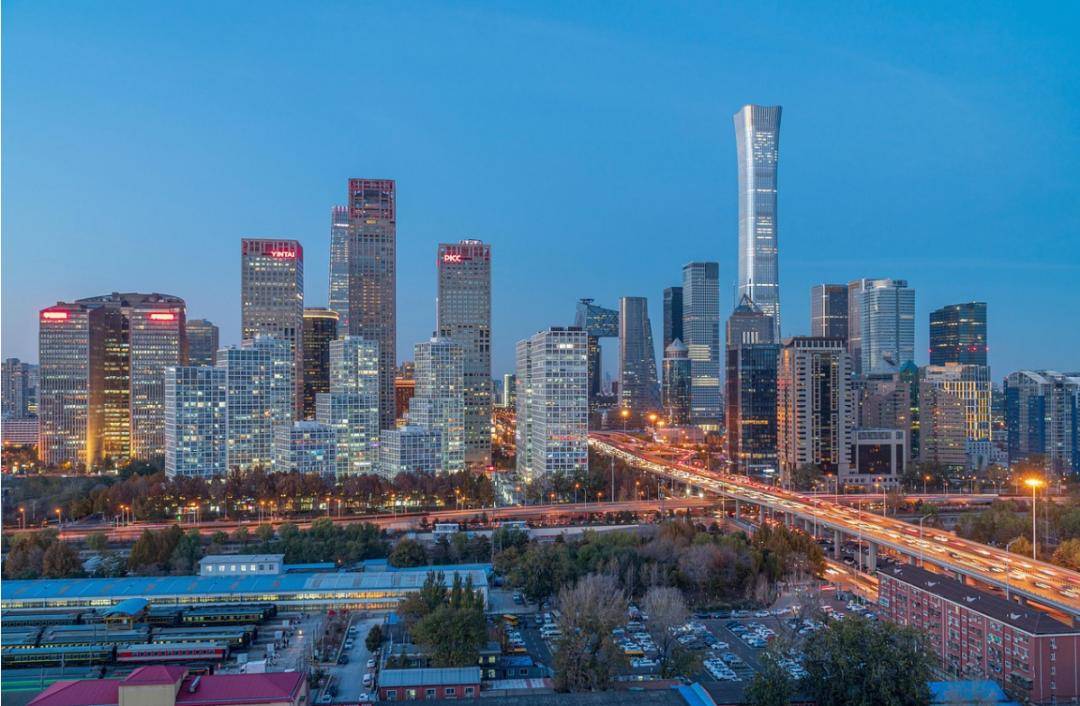
Group 1 - The first city to relax housing purchase restrictions is Beijing, which is unexpected as Guangzhou has historically led such initiatives [2][4] - The political and economic significance of who initiates these changes is substantial, with Beijing's actions potentially signaling economic distress [4][5] - Recent policy changes include a reduction in down payment requirements for second homes and adjustments to mortgage rates, which are seen as beneficial for homebuyers [7][8] Group 2 - The policy is perceived as favorable for ordinary people, but its impact may be limited as many potential buyers lack confidence and financial resources [9][11] - The market is expected to see a 10% increase due to these favorable policies, although significant price drops have occurred in certain areas [10][11] - The approach to policy changes reflects a gradual and cautious strategy, avoiding drastic measures that could lead to market instability [15][18] Group 3 - The relaxation of restrictions is part of a broader trend where different cities implement tailored policies based on local market conditions [21][18] - The overall market dynamics indicate that buyers are increasingly selective, favoring high-quality areas over less desirable ones [9][11] - The long-term implications of these policies suggest a shift in the housing market, with potential benefits for those with stable cash flow and a need for housing [23][24]
曹德旺预言?现在买房的人究竟是“赢家”还是“被套牢”的那一群?
Sou Hu Cai Jing· 2025-12-08 13:40
Core Viewpoint - The real estate market in China has been in a long-term adjustment since the second half of 2021, with average national housing prices dropping over 30%, and certain areas experiencing declines exceeding 60% [1][3] Group 1: Market Trends - Housing prices in first-tier cities like Shanghai and Shenzhen have also begun to adjust in 2023, following declines in second and third-tier cities [1] - Various real estate stimulus policies have been introduced since 2024, including the lifting of purchase restrictions in most cities and reductions in mortgage rates and down payment ratios to historical lows [3] Group 2: Investment Outlook - Current speculation in the housing market is likely to result in investors becoming "trapped" in the future, while those who refrain from buying may emerge as "winners" [6] - There remains significant adjustment space in housing prices, with price-to-income ratios in second and third-tier cities reaching 20-25 and over 40 in first-tier cities, indicating a disconnect between housing prices and local income levels [6][10] - The oversupply of housing is evident, with 600 million units available, enough to accommodate 3 billion people, while urbanization is nearing its peak and demographic trends indicate a decline in housing demand [9] - Current high housing prices are unsustainable as residents' incomes are not keeping pace, leading to a likelihood of further price adjustments [10] - The previous "profitability" of real estate investments has diminished, with many speculators either selling off properties or holding cash, increasing downward pressure on prices [12]
楼市要放大招了?
Sou Hu Cai Jing· 2025-11-21 08:16
Core Viewpoint - The Chinese government is reportedly considering an unprecedented real estate stimulus plan, which includes nationwide mortgage subsidies for new home buyers, increased income tax refunds for mortgage borrowers, and reduced housing transaction costs [1][4]. Group 1: Government Measures - The proposed measures include mortgage subsidies and tax refunds aimed at alleviating the financial burden on new home buyers [1]. - The government is expected to provide direct financial assistance to help cover part of the monthly mortgage payments for new home purchases [1]. - Other potential measures being discussed include increasing the income tax refund limits for mortgage borrowers and lowering transaction costs associated with housing purchases [1]. Group 2: Market Reaction - A significant positive reaction was observed in the A-share and Hong Kong stock markets, with real estate stocks experiencing a sharp rise following the news [1]. - The real estate sector had previously faced a 12-day decline, indicating that market participants are sensitive to the news of potential government intervention [3]. Group 3: Current Market Conditions - Data from the National Bureau of Statistics indicates that real estate development investment in China fell by 14.7% year-on-year to 73,563 billion yuan in the first ten months of the year, with residential development investment down by 13.8% to 56,595 billion yuan [4][6]. - In October, new residential prices in 70 major cities decreased by 0.45%, marking the largest month-on-month decline in a year, while second-hand home prices fell by 0.66%, the largest drop in 13 months [6]. Group 4: Societal Implications - The real estate market's downturn has broader implications for social stability, as housing assets account for nearly 70% of urban residents' family wealth in China [10]. - The decline in housing prices not only affects macroeconomic indicators but also leads to significant personal financial distress for families, impacting consumer spending [11]. - The government’s intervention is seen as crucial to prevent a potential crisis that could lead to widespread economic repercussions, including increased poverty and social instability [14].
如果房地产“救不起来”,明年或将面临这5个“大麻烦”
Sou Hu Cai Jing· 2025-10-07 11:15
Core Insights - The real estate market continues to experience a downward trend into 2025, with a significant increase in second-hand housing listings, surpassing 7.3 million units by September 2025, and a year-on-year price drop of 7.38% in major cities [1][3] Group 1: Market Conditions - The number of second-hand housing listings has surged, particularly in major cities like Beijing, Shanghai, and Hangzhou, each exceeding 140,000 listings [1][3] - The average price of second-hand residential properties in 100 cities was 13,381 yuan per square meter in September, marking a continuous decline for 41 months [1] Group 2: Government Policies - Various stimulus policies have been introduced to revive the real estate market, including the cancellation of purchase restrictions in most cities and a reduction in mortgage rates to historical lows [3] - Tax reductions on transaction fees for homebuyers have also been implemented, but the effectiveness of these measures remains limited [3] Group 3: Economic Implications - A prolonged downturn in the real estate market could lead to reduced land sales for local governments, negatively impacting fiscal revenues and essential public services [5] - The low performance of the real estate sector is expected to affect over 60 related industries, including construction materials and home furnishings, potentially leading to layoffs and business closures [5] Group 4: Consumer Behavior - The increasing number of households opting for mortgage defaults is concerning, with over 300,000 new defaults recorded in the first half of 2025, a 40% increase year-on-year [9] - The decline in property values is expected to lead to a significant reduction in consumer spending, as real estate constitutes 77% of household assets [11] Group 5: Industry Restructuring - The real estate sector may face a major restructuring in 2026, with weaker private developers at risk of bankruptcy or acquisition by state-owned enterprises due to financial distress [12] - The potential for unfinished projects could further undermine confidence in the real estate market [12]
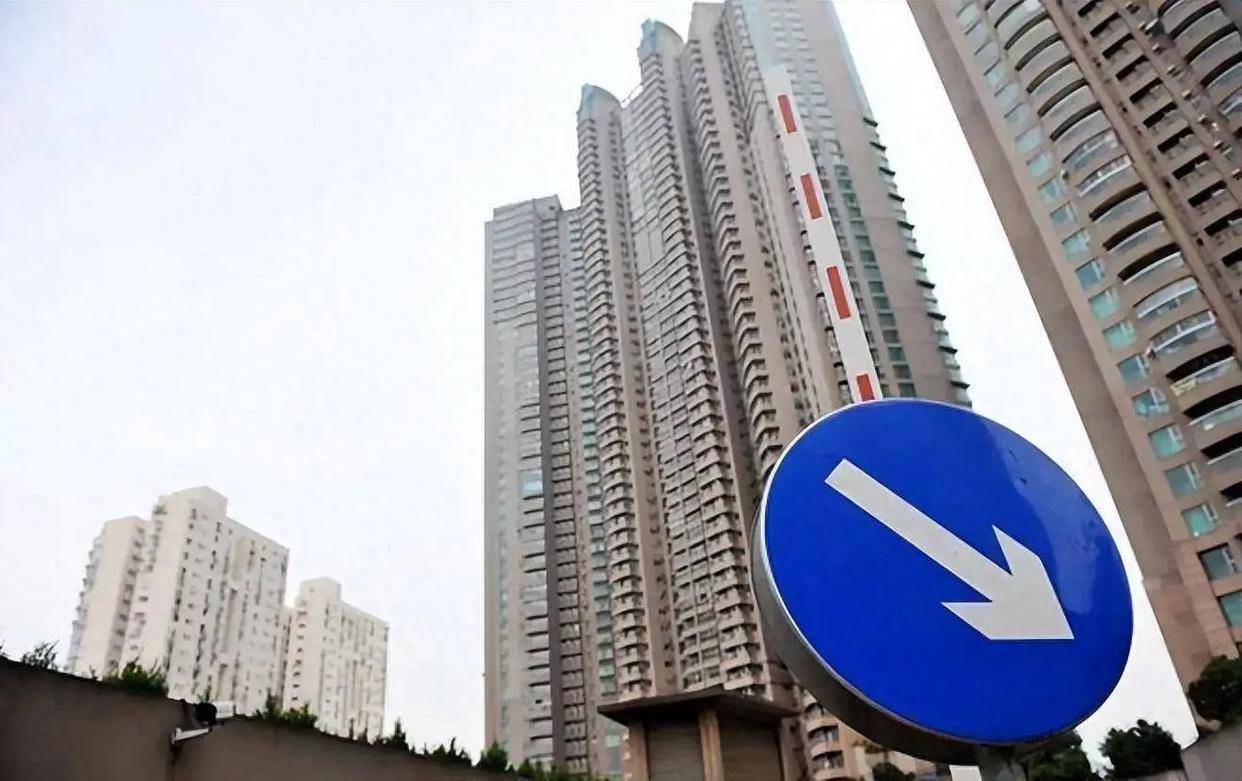
不是迷信!一旦房地产救不起来,明年楼市或有“5个”大难题?
Sou Hu Cai Jing· 2025-10-06 12:15
Core Insights - The real estate market continues to experience a downward trend into 2025, with a significant increase in second-hand housing listings, surpassing 7.3 million units by September 2025, and a year-on-year price drop of 7.38% in major cities [1][3] Group 1: Market Conditions - The number of second-hand housing listings has surged, particularly in major cities like Beijing, Shanghai, and Hangzhou, each exceeding 140,000 units [1][3] - The average price of second-hand residential properties in 100 cities was 13,381 yuan per square meter in September, marking a continuous decline for 41 months [1] Group 2: Policy Responses - Various stimulus policies have been introduced to revive the real estate market, including the cancellation of purchase restrictions in most cities and reductions in mortgage rates to historical lows [3] - Tax reductions on transaction fees for homebuyers have also been implemented, but the effectiveness of these measures remains limited [3] Group 3: Challenges Ahead - A potential decline in local government revenue due to reduced land sales could impact infrastructure investment, debt repayment, and social welfare spending [5] - The increasing number of second-hand homes may lead to greater difficulty in selling properties, particularly if the market does not recover [7] - The trend of homeowners defaulting on mortgages is rising, with over 300,000 new defaults in the first half of 2025, driven by falling property values and reduced household incomes [9] - A significant portion of household wealth is tied up in real estate, with properties accounting for 77% of total household assets, leading to reduced consumer spending as asset values decline [11] - The real estate sector may face a major shakeout in 2026, with weaker developers at risk of bankruptcy or restructuring, potentially leading to unfinished projects and further eroding market confidence [12]