
二手住房

Search documents
2026房地产,已开始悄悄救市了!
Sou Hu Cai Jing· 2026-02-15 12:47
Core Viewpoint - The article discusses the ongoing recovery efforts in China's real estate market, particularly focusing on targeted measures in major cities to stabilize housing prices and restore market confidence [2][12]. Group 1: Policy Initiatives - A significant rescue operation for the real estate market has been initiated, characterized by precise interventions rather than broad measures [3][6]. - Shanghai has taken the lead with initiatives such as the acquisition of second-hand homes for affordable rental housing, which aims to alleviate inventory issues and set a price floor in the market [5][4]. - Other cities like Beijing, Zhengzhou, Nanjing, and Qingdao are also implementing similar strategies to stimulate the housing market [5]. Group 2: Market Dynamics - The real estate market is experiencing a "K-shaped recovery," where major cities see increased activity while smaller cities remain stagnant [21][20]. - In January 2026, major cities like Beijing and Shanghai reported high transaction volumes, with Beijing at 14,000 and Shanghai at 22,000 units, indicating a surge in demand [15]. - However, the recovery is limited to specific segments, particularly in core urban areas and affordable housing, while broader market conditions remain weak [18][19]. Group 3: Economic and Political Context - The motivation behind the rescue measures is not solely economic but also political, as the stability of the real estate sector is crucial for local government finances and overall economic health [10][12]. - A collapse in the real estate market could lead to systemic social risks, prompting the government to act decisively to maintain market confidence and prevent a downward spiral [11][12]. Group 4: Consumer Guidance - Potential homebuyers are advised to be cautious and not be swayed by short-term data or market hype, as the market may still be in a downward trend [25][30]. - It is recommended to monitor sustained market performance and price stability before making purchasing decisions, rather than reacting to temporary spikes in transaction volumes [26][28].


房地产开发2026W5:如何理解上海收储新政?
GOLDEN SUN SECURITIES· 2026-02-08 11:40
Investment Rating - The report maintains an "Overweight" rating for the real estate industry [4] Core Insights - The report highlights the significance of Shanghai's new policy to acquire second-hand housing for affordable rental housing, indicating a strong signal in a declining market. The policy aims to link demand for affordable housing with improvement needs, potentially activating the market by directing purchasing power to higher-priced new and second-hand homes [11][12] - The report emphasizes that the real estate sector serves as an early economic indicator, suggesting that investing in real estate is akin to investing in economic trends. The competitive landscape is expected to improve, benefiting leading state-owned enterprises and quality developers [4] - The report suggests focusing on first-tier cities and select second- and third-tier cities, as this combination has shown better performance during market rebounds [4] Summary by Sections 1. Shanghai's Housing Acquisition Policy - Shanghai has initiated a program to acquire second-hand housing for affordable rental purposes, with pilot areas including Pudong, Jing'an, and Xuhui, each having distinct acquisition criteria and models [11] - The policy aims to match housing types with talent needs, focusing on low-priced, small-sized properties to stimulate market activity [12] 2. Market Review - The report notes that the real estate index has shown minimal change, outperforming the CSI 300 index by 1.34 percentage points. A total of 73 stocks in the real estate sector increased in value, while 40 stocks decreased [15] - The top-performing stocks included Jinglan Technology and Qianjing Garden, with significant weekly gains [21] 3. New and Second-Hand Housing Transactions - In the week leading up to February 6, new housing transactions in 30 cities totaled 131.2 million square meters, a 5.2% decrease from the previous week but a 138.2% increase year-on-year. First-tier cities saw a 4.0% increase week-on-week [26] - Second-hand housing transactions in 15 sample cities totaled 204.5 million square meters, reflecting a 3.5% decrease week-on-week but a 717.5% increase year-on-year [35]



上海试点收购二手住房做保租房 专家:稳定二手房价带动新房去化 其他城市或将跟进
Sou Hu Cai Jing· 2026-02-03 16:35
Core Viewpoint - Shanghai has initiated a substantial program to acquire second-hand housing for the purpose of developing affordable rental housing, with the first pilot areas being Pudong New District, Jing'an District, and Xuhui District [1][2]. Group 1: Program Details - The first batch of acquired housing will focus on properties that are reasonably sized, well-equipped, and conveniently located, aiming to meet the "work-live balance" needs of various talents, particularly young people [2]. - The initiative is part of a broader strategy to innovate the funding model for affordable rental housing and to explore the acquisition of existing residential properties in the second-hand market [2][6]. - The program aims to shorten construction cycles, optimize regional layouts, and improve housing structure, thereby increasing effective supply [2]. Group 2: Previous Attempts and Comparisons - Other cities such as Zhengzhou, Nanjing, and Hangzhou have previously attempted similar programs, primarily focusing on "old-for-new" exchanges rather than explicitly acquiring second-hand homes for affordable housing [2][4][5]. - Zhengzhou's 2024 initiative specifies that acquired second-hand homes must be no more than 15 years old and not exceed 120 square meters, with location restrictions [4]. Group 3: Expert Opinions - Experts believe that this acquisition model will help stabilize second-hand housing prices and support the de-inventory of new homes, thus benefiting the overall housing market [6][7]. - The program is expected to transform local governments and state-owned enterprises from mere land suppliers to market stabilizers and housing resource operators [6]. - The initiative is anticipated to activate the "sell one buy one" chain, addressing the recent surge in second-hand housing listings in major cities [6][7].

新华视点丨多地优化购房政策,能否释放住房消费潜力?
Xin Hua Wang· 2026-02-03 11:39
Core Viewpoint - Recent policy optimizations in various regions aim to stimulate housing consumption and release potential in the real estate market, aligning with national economic strategies to enhance consumer spending [1][2]. Group 1: Policy Adjustments - Many first-tier cities have relaxed purchase restrictions, injecting vitality into housing consumption. For instance, Beijing allows multi-child families to purchase multiple homes within certain areas, while Shanghai has lifted restrictions on the number of homes that can be bought in specific zones [2][3]. - Financial policies have also been adjusted, such as lowering mortgage rates and down payment ratios, which have reduced barriers for consumers. For example, Beijing has unified mortgage rates for first and second homes, and the minimum down payment for second homes has been reduced to 25% [3][4]. Group 2: Market Response - Following the implementation of new policies, there has been a noticeable increase in market activity and consumer sentiment. In Shanghai, for example, a specific project has seen an average of 300 customer visits per day since the policy changes [4][5]. - The financial benefits from policies, including lower mortgage rates and increased loan limits, have directly alleviated financial pressures on buyers, as evidenced by a case in Jinan where a buyer saved nearly 200,000 yuan due to reduced down payment requirements [5][6]. Group 3: Demand Release - The removal of unreasonable restrictions is expected to unlock three core demands: the rigid needs of new citizens and talent, improved housing conditions through reduced down payment ratios, and reasonable cross-regional purchasing demands [6][7]. - The ongoing adjustments in housing policies are seen as crucial for the recovery of the real estate market, with a focus on enhancing the accessibility of housing for various demographics [6][8]. Group 4: Future Policy Considerations - There remains potential for further policy relaxation, particularly regarding the use of housing provident funds and transaction processes, which could enhance market expectations and consumer confidence [7][8]. - Experts suggest that housing provident funds could be utilized for a broader range of housing-related expenses, such as property fees and renovations, to further stimulate housing consumption [7][8].
2026年1月全国房地产市场研究报告
克而瑞地产研究· 2026-02-02 09:54
Core Viewpoint - The central government continues to strengthen financial support for the real estate sector and accelerates urban renewal efforts [2][3] Policy Environment - In January 2026, multiple central departments collaborated to clarify the development framework, with over 40 provinces and cities implementing detailed measures, creating a "central decision, local precise policy" linkage [3] - The policy focuses on four main areas: urban renewal, housing security, "good housing" construction, and financing optimization [3] - The Ministry of Natural Resources and the Ministry of Housing and Urban-Rural Development jointly issued documents to support urban renewal, encouraging the use of existing land and property resources [3] - The People's Bank of China implemented a moderately loose monetary policy, reducing the re-lending rate by 0.25 percentage points to 1.25% and lowering the minimum down payment ratio for commercial properties to 30% [3] - Tax incentives for residents purchasing new homes have been extended until the end of 2027, covering various tax types [3] New Home Transactions - In January 2026, the transaction area of new residential properties in 50 key cities nationwide was approximately 8.1 million square meters, a month-on-month decrease of 32% and a year-on-year decrease of 20% [8][9] - Among first-tier cities, the transaction area was about 1.32 million square meters, with month-on-month and year-on-year declines of 36% and 28%, respectively [9][11] Second-Hand Housing Transactions - In January 2026, the transaction area of second-hand houses in 13 key cities was approximately 8.1 million square meters, with a month-on-month increase of 16% and a year-on-year increase of 33% [14][17] - Chengdu led with a transaction area of 2.18 million square meters, showing a month-on-month growth of 18% and a year-on-year surge of 63% [17][18] Land Transactions - In January 2026, land transaction areas and amounts both fell by 90% month-on-month, with year-on-year declines of 48% and 59%, respectively [21] - The supply of land was 33.6 million square meters, an 8% year-on-year decrease [21] - The market heat remained low, with many land parcels sold at base prices, indicating a lack of competitive bidding [24][25]

多维施策齐发力 房地产政策组合拳释放需求潜力
Xin Lang Cai Jing· 2026-01-27 21:04
Core Viewpoint - The recent supportive policies in the real estate sector have led to a noticeable recovery in market activity across several cities, with significant increases in transaction volumes and buyer confidence observed in both first-tier and some hot cities [1][2][3][4] Group 1: Market Activity - In Beijing, the transaction volume for second-hand properties increased by 33% from December 24, 2025, to January 25, 2026, compared to the previous month [1] - In Shanghai, the second-hand housing transaction volume rose by 15% as of January 20, 2026, indicating a stabilization in prices and a recovery in market confidence [2] - Other cities, such as Wuhan, Dalian, and Qingdao, also reported increases in average second-hand housing prices, with Wuhan at 10,763 yuan/sqm (up 0.74%), Dalian at 10,835 yuan/sqm (up 1.84%), and Qingdao at 11,876 yuan/sqm (up 0.51%) [2] Group 2: Policy Support - Various cities have implemented measures to optimize the real estate market, including extending the maximum term for public housing loans to 30 years and allowing direct relatives to withdraw public funds for home purchases [4] - The central government and local authorities have introduced multiple supportive measures, including credit support and tax incentives, to stabilize the housing market [3][4] - The expectation is that the policy environment will remain accommodative, with potential adjustments in purchasing qualifications and financial support in major cities [4] Group 3: Market Outlook - The real estate market is expected to continue its gradual recovery, supported by favorable policies and a decrease in buyer costs, with a shift from browsing to action among potential buyers [3][4] - The market is anticipated to experience a mild recovery post-holiday, as the effects of policies take time to manifest in actual transactions [4]
“人房地钱”联动,关键是实现住房精准投放丨李宇嘉专栏
2 1 Shi Ji Jing Ji Bao Dao· 2025-11-14 23:17
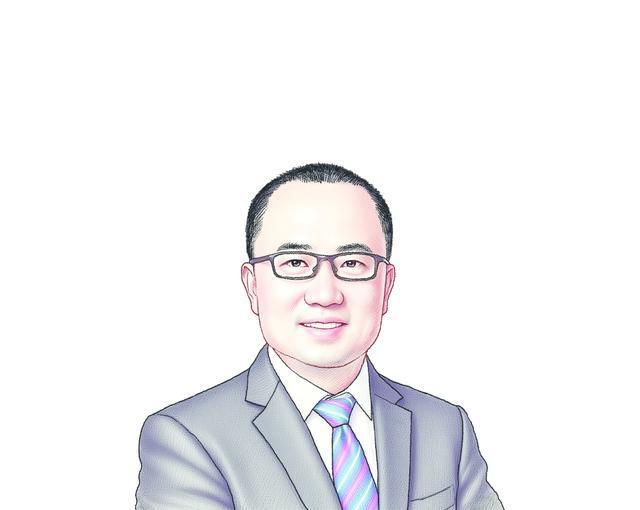
Core Insights - The real estate market in China is transitioning into a "stock era," with significant changes in supply and demand dynamics, primarily driven by young people and new urban residents [2][3] - The sales area of newly built commercial housing has decreased by 6.8% from January to October this year, but the decline is less severe compared to the same period last year [2] - The transaction volume of second-hand housing is increasing, with a notable rise in its market share, as it offers advantages such as lower total price and better location [2][3] Group 1: Market Trends - From January to October 2023, the transaction area of both new and second-hand housing in 30 key cities remained stable at 27,443 million square meters compared to the same period in 2024 [3] - The new housing market is increasingly catering to improvement needs, while the demand from young and new urban residents is shifting towards the second-hand housing market [2][3] - The Ministry of Housing and Urban-Rural Development reports that 15 provinces have seen second-hand housing transactions surpass new housing sales [2] Group 2: Policy and Supply Management - The Central Political Bureau meeting on September 26, 2024, emphasized the need to control new housing supply, optimize existing stock, and improve quality as part of a new phase in housing supply-side management [3][4] - The strategy of controlling new supply aims to alleviate inventory pressure and stabilize housing prices, with new construction area declines narrowing to below 20% this year [4] - The focus on understanding housing demand changes across different demographics and regions is crucial for effective supply management, including the types of housing needed [4][5] Group 3: Quality and Demand Activation - High-quality housing supply is essential to stimulate demand, with a focus on improving not just new homes but also old and affordable housing [5] - The concept of "good housing" should be applied across various housing types, not limited to high-end properties, to encourage consumption and upgrade [5] - Efforts to enhance employment and income are necessary to boost consumer willingness and ability to invest in quality housing, creating a positive feedback loop between supply and demand [5]
“人房地钱”联动,关键是实现住房精准投放
2 1 Shi Ji Jing Ji Bao Dao· 2025-11-14 22:59
Core Insights - The real estate market in China is transitioning into a "stock era," with a significant shift in demand primarily driven by young people and new urban residents, leading to an increase in second-hand housing transactions [2][3] - The total transaction area for both new and second-hand housing in 30 key cities remained stable at 27,443 million square meters from January to October 2024, indicating a stabilization in the market [3] - The central government's policy emphasizes controlling new housing supply while optimizing existing stock to balance supply and demand, reflecting a strategic shift in urban development [4][5] Market Trends - From January to October 2023, the sales area of new commercial housing decreased by 6.8%, a reduction compared to the previous year's 12.9% decline, indicating a gradual recovery in the market [2][4] - The transaction volume of second-hand housing in 30 key cities is projected to grow by 33% in 2023, followed by 6% and 9% in 2024 and 2025 respectively, highlighting a shift towards second-hand housing as the primary market [2][3] - The Ministry of Housing and Urban-Rural Development reports that 15 provinces have seen second-hand housing transactions surpass new housing, further emphasizing the changing dynamics in housing demand [2] Policy Implications - The central government's directive to control new housing supply aims to alleviate inventory pressure and stabilize housing prices, with a focus on understanding diverse housing needs across different demographics [4][5] - The strategy includes a detailed analysis of housing demand changes, considering various factors such as product types, location preferences, and price sensitivity to ensure a balanced supply [4][5] - The emphasis on high-quality housing supply aims to stimulate demand and create a virtuous cycle between new and existing housing markets, promoting a more sustainable real estate environment [5]

上海楼市冲刺“金九银十”:沪六条政策效应显现,九月成交量延续增长态势
Sou Hu Cai Jing· 2025-10-01 14:37
Core Insights - The implementation of the "Shanghai Six Policies" has significantly boosted the housing market activity in Shanghai, leading to increased transaction volumes in both new and second-hand housing sectors during September [1][5]. Group 1: Market Activity - The "golden September" period has seen a peak in property viewings and consultations, with real estate agents actively engaging with potential buyers [1]. - In September, the total transaction volume for first and second-hand housing reached 2.07 million square meters, representing an 8% month-on-month increase and a 24% year-on-year increase [1][3]. Group 2: New Housing Market - The number of new housing projects launched in September was 43, with an average subscription rate of 0.75, up from 0.71 earlier in the year [3]. - The daily average transaction area for new housing projects increased by 33% compared to August, with a total of 550,000 square meters sold in September, marking a 28% month-on-month increase and a 14% year-on-year increase [3]. Group 3: Second-Hand Housing Market - The average daily transaction volume for second-hand housing showed a weekly increase, with September weekends averaging 891 transactions per day, a 22% increase from August [4]. - The total number of second-hand housing transactions in September was 18,000, reflecting a 3% month-on-month increase and a 27% year-on-year increase [4]. Group 4: Outer Ring Market Dynamics - The outer ring market has seen a notable increase in activity, with daily average transactions for new housing projects rising by 40% compared to August [5]. - Second-hand housing transactions in the outer ring accounted for 57% of the total market, with a 6% month-on-month increase and a 34% year-on-year increase [5].
9月份北京新建商品住房网签2837套,环比增22.3%
Xin Jing Bao· 2025-09-28 10:58
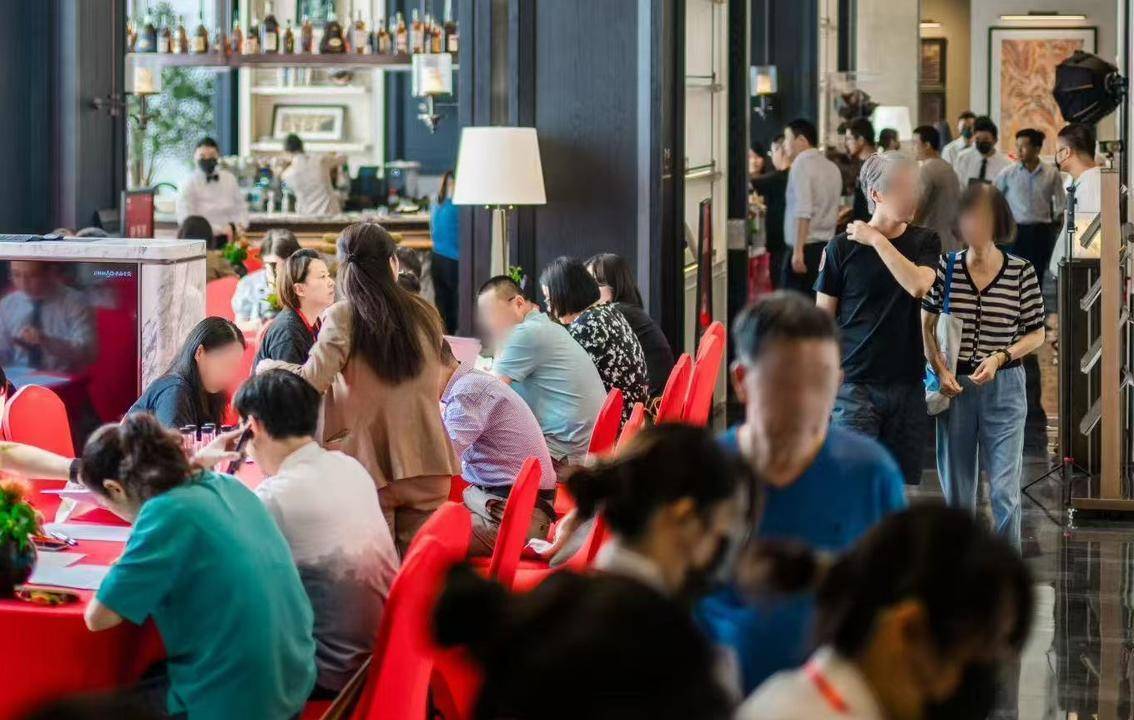
Core Insights - The real estate market in Beijing has seen significant growth in September, driven by new policies aimed at boosting housing sales [1] Group 1: New Housing Transactions - From September 1 to September 27, Beijing recorded 2,837 new housing transactions, representing a month-on-month increase of 22.3% and a year-on-year increase of 11.4% [1] - The total area of new housing transactions reached 367,100 square meters, with a month-on-month increase of 28.1% and a year-on-year increase of 24.2% [1] Group 2: Second-Hand Housing Transactions - Second-hand housing transactions totaled 13,200 units, showing a month-on-month increase of 18.3% and a year-on-year increase of 24.1% [1] - The area for second-hand housing transactions was 1,191,300 square meters, with a month-on-month increase of 16.1% and a year-on-year increase of 23.1% [1] Group 3: Policy Impact - The surge in transaction volume is largely attributed to a significant policy change announced on August 9, which allows eligible families to purchase an unlimited number of new homes outside the Fifth Ring Road [1] - The new policy also enhances support for housing provident fund loans, increasing the loan limit from 1 million yuan to 1.5 million yuan for each year of contribution, and raising the maximum loan amount for second homes from 600,000 yuan to 1 million yuan [1] - Additionally, the minimum down payment ratio for second homes has been standardized to no less than 30%, eliminating distinctions based on location [1]