
投资于物和投资于人紧密结合

Search documents
等你来投!《清华金融评论》2026年5月刊“坚持投资于物和投资于人紧密结合”小专题征稿
清华金融评论· 2026-03-30 09:11
Group 1 - The core viewpoint emphasizes the importance of integrating investment in physical assets and human capital to drive economic growth and modernization in China [3][4]. - The article outlines the significance of this integration as a key measure to implement Xi Jinping's thought on socialism with Chinese characteristics for a new era, reflecting a profound shift in investment logic and development paradigms [3][4]. - The upcoming special issue of "Tsinghua Financial Review" aims to explore how the synergy between "material" and "human" investments can construct a high-quality investment system, facilitating China's transition towards an innovation-driven and people-centered modernization path [3][4]. Group 2 - The article invites contributions on various topics, including the theoretical, experiential, and path-related aspects of balancing investments in physical and human capital [5]. - It also seeks to discuss the development of new financial service models that emphasize both types of investments [5]. - The focus includes examining the transformation of economic growth paradigms under the framework of closely integrating investments in material and human resources [5].

等你来投!《清华金融评论》2026年5月刊“坚持投资于物和投资于人紧密结合”小专题征稿
清华金融评论· 2026-03-26 09:14
Group 1 - The core viewpoint of the article emphasizes the importance of integrating investment in physical assets and human capital to drive economic growth and modernization in China [3][4]. - The article highlights that this integration is a key measure to implement Xi Jinping's thought on socialism with Chinese characteristics for a new era, marking a significant shift in investment logic and development paradigms [3][4]. - The upcoming special issue of "Tsinghua Financial Review" aims to explore how to synergize investments in "things" and "people" to build a high-quality investment system that supports China's transition to an innovation-driven and people-centered modernization path [3][4]. Group 2 - The article outlines several submission topics for the special issue, including the theoretical, experiential, and path integration of "investment in things" and "investment in people" [5]. - It also discusses the construction of new financial service models that balance investments in both physical and human capital [5]. - The article addresses the transformation of economic growth paradigms under the framework of closely integrating investments in physical and human resources, aiming to expand domestic demand and enhance effective investment [5].
更好理解投资于物和投资于人紧密结合
Sou Hu Cai Jing· 2026-02-09 05:42
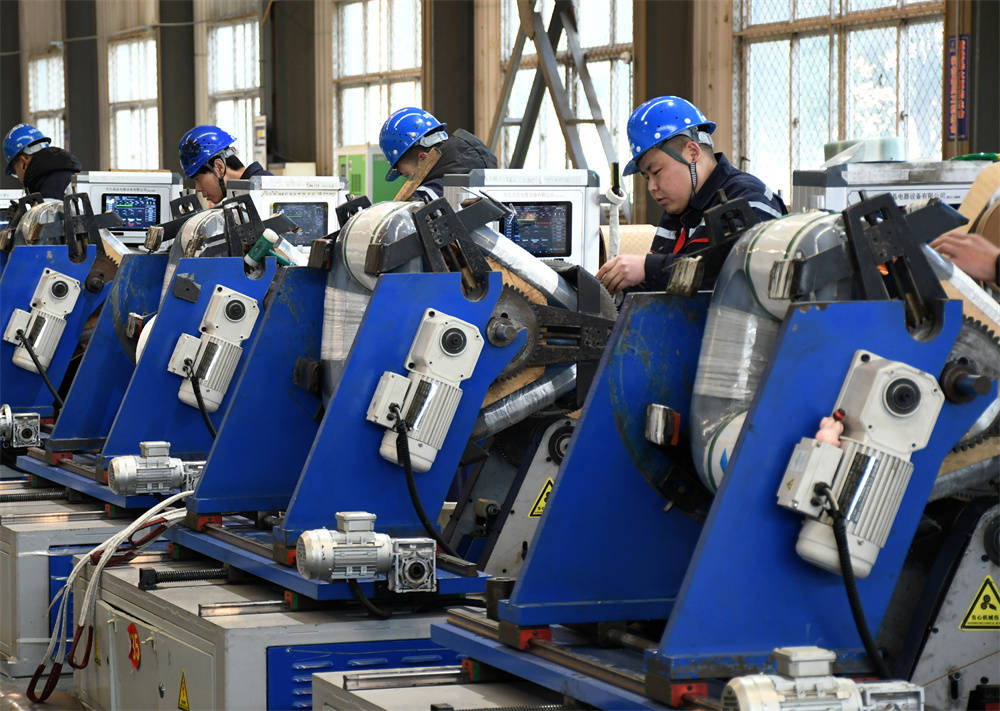
Core Viewpoint - The development of fixed asset investment in China has reached an advanced stage, leading to an urgent demand for high-level human capital, emphasizing the need for a synergy between investment in physical and human capital to overcome current investment growth bottlenecks [1] Group 1: Constraints on Investment Growth - Insufficient accumulation of human capital has become a significant bottleneck for enhancing the effectiveness of fixed asset investment, as the increasing technological and knowledge intensity of investments requires high-quality human capital [2] - The technical content of assets formed by fixed asset investment has significantly increased, necessitating higher professional capabilities from users, which is evident in advanced projects like the Shanghai Tesla Gigafactory [2] - The demand for professional talent is critical in maintaining the operational efficiency of high-tech assets, as a lack of skilled personnel can lead to resource wastage and hinder investment effectiveness [2] Group 2: Consumer Technology Literacy - The technological attributes of end products and services from fixed asset investments are increasing, which raises the requirement for consumer technology literacy [3] - In 2025, China's sales of new energy vehicles reached 14.78 million units, indicating that consumer understanding of smart technologies is essential for fully realizing the benefits of high-tech products [3] - Insufficient consumer technology literacy can suppress demand for high-tech products, affecting the efficiency of fixed asset investment cycles and limiting domestic demand potential [3] Group 3: Human Capital Demand in Investment Activities - Investment activities, especially in emerging and future industries, require deep involvement from specialized technical talent at every stage, from planning to operation management [4] - New fixed assets that incorporate new technologies have a higher relative demand for skilled labor, and a lack of high-quality professionals can significantly reduce the quality and long-term returns of fixed asset investments [4] Group 4: Pathways to Overcome Human Capital Constraints - The synergy between investment in physical and human capital is essential for breaking through development bottlenecks and maximizing investment effectiveness [5] - Investment in human capital should focus on enhancing professional capabilities to match the high demands of technological assets, ensuring that labor force skills align with investment needs [5] Group 5: Key Tasks for Investing in Human Capital - The strategy for investing in human capital should focus on education, employment, and industrial policies to promote deep integration between human and physical capital [9] - In the education sector, fostering cultural and scientific literacy among youth is crucial, with initiatives like industry-education integration proving effective in addressing human capital gaps [9] - In the employment sector, reforming research systems to release innovation potential and aligning talent with industry needs is vital for enhancing investment quality [10] - Industrial policies should facilitate the alignment of human capital supply with industry demand, promoting a virtuous cycle of investment in human capital leading to industrial upgrades and enhanced investment returns [10]
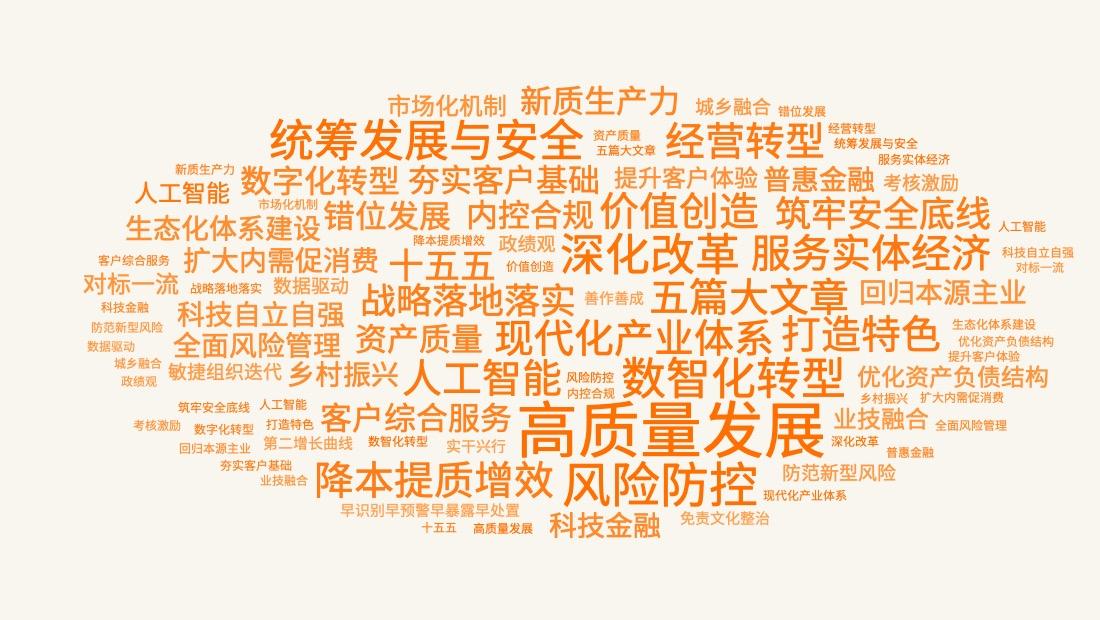
今年银行怎么干?12家银行年度工作会议高频词透露重要信息
Nan Fang Du Shi Bao· 2026-02-02 07:05
Core Insights - The banking industry is focusing on "digital transformation," "high-quality development," "risk prevention," and "artificial intelligence" as key themes for 2026, reflecting a shift towards more specialized and refined development paths [1][2][4] Group 1: Key Themes from Annual Meetings - "Digital transformation" and "risk prevention" are highlighted as primary focuses, with nine banks mentioning these themes in their annual meetings [4] - The term "high-quality development" appears frequently, indicating a collective industry goal towards sustainable growth [2][4] - "Cost reduction and efficiency enhancement" is emphasized by multiple banks, reflecting a strategic shift from scale expansion to more efficient operations in response to narrowing interest margins [6][7] Group 2: Specific Strategies and Initiatives - Banks are adopting "differentiated development" strategies to avoid internal competition, with seven banks mentioning this approach [6] - Several banks are actively working on reducing operational costs, with examples including the reduction of high-cost deposits and operational expenditures [7] - The concept of "investing in both tangible and human capital" is emerging, with two banks explicitly stating this in their annual meetings, indicating a shift in focus towards human capital and future value creation [8][9] Group 3: Risk Management and Performance - Banks are implementing comprehensive risk management systems, with proactive measures for early identification and handling of risks [4][5] - Some banks reported a decrease in non-performing loans, showcasing effective risk management practices [5] - Overall, banks are experiencing positive growth in revenue and net profit, indicating a recovery in performance amidst cost-cutting measures [7]
胡衡华参加讨论并讲话
Xin Lang Cai Jing· 2026-01-29 18:46
Core Viewpoint - The government emphasizes the integration of investment in physical infrastructure and human capital to boost consumption and adapt to changing economic conditions [3]. Group 1: Investment Strategy - The government aims to address the contradiction between strong supply and weak demand by focusing on both physical and human investments [3]. - There is a need to shift investment priorities to improve infrastructure and public services, aligning with urban renewal and demographic trends [3]. Group 2: Consumption Enhancement - The strategy includes optimizing consumer supply to reflect the shift from goods consumption to service consumption and from uniform to diverse consumption [3]. - The government plans to create comprehensive scenarios that leverage local strengths and enhance innovation and service support [3]. Group 3: Employment and Policy Support - Efforts will be made to increase employment, reduce burdens, and improve policies to stimulate consumer spending [3]. - The government encourages committee members to actively contribute ideas and facilitate cooperation to promote consumption, investment, and stable growth [3].
让投资于物和投资于人紧密结合
Xin Lang Cai Jing· 2026-01-25 18:15
Core Viewpoint - The article emphasizes the importance of integrating investments in physical infrastructure and human development to enhance overall economic and social progress in China, particularly in Chengdu [1]. Group 1: Investment in Physical Infrastructure - The 2025 Central Economic Work Conference highlighted the need for a close relationship between investments in physical assets and human capital [1]. - Chengdu is set to accelerate investments in key projects across various sectors, including advanced technology and cultural facilities, with significant projects like the completion of the Chengdu Grand Theatre and the approval of the "Electromagnetic Drive Fusion Large Scientific Device" [1]. - In 2026, Chengdu aims to enhance its industrial framework by adding 22 new provincial headquarters, which will account for 70% of the province's total [1]. Group 2: Investment in Human Development - Recent initiatives have extended benefits to critical areas such as healthcare, education, and elderly care, with reforms like "one registration covers three days" benefiting over 3.31 million patients and saving them more than 46.47 million yuan [2]. - The "three years to enter kindergarten" policy has allowed 1,660 children to enroll immediately upon reaching the appropriate age in 2025 [2]. - Chengdu plans to continue enhancing public cultural services and educational infrastructure, including the construction of 40 new schools and the addition of 58,000 new student places [2]. Group 3: Overall Development Strategy - The integration of investments in both physical and human aspects is seen as essential for achieving a high quality of life and economic growth, fostering a vibrant urban environment [3]. - The article suggests that a successful blend of industrial development and community engagement will lead to a more fulfilling urban experience, enhancing the city's competitiveness [3].
浙江省人大代表眼里,投资于物和投资于人如何紧密结合?
Xin Lang Cai Jing· 2026-01-17 12:35
Group 1 - The core viewpoint emphasizes the integration of investments in material and human resources to achieve high-quality development and common prosperity in Zhejiang province [1][3] - The "15th Five-Year Plan" aims to address the "three major gaps" in development, focusing on the integration of urban and rural areas, with a specific emphasis on the "35910" work system in cities like Quzhou [3][4] - Quzhou has successfully relocated nearly 100,000 farmers and urbanized 22,000 industrial workers since 2022, leading to the highest annual income growth rate among all residents in Zhejiang [3] Group 2 - The proposal for a "Ten Thousand Talent Training Project" aims to cultivate high-quality local professionals in ten key livelihood areas over five years, addressing talent shortages in island and mountainous regions [4][5] - The integration of external support and internal cultivation is highlighted as an effective approach to resolve grassroots talent challenges [7] - The focus on human-centered investment is crucial for addressing employment and talent mismatches in the context of industrial upgrades [9][12] Group 3 - The shift in investment focus from infrastructure to areas such as education, health, and emotional well-being reflects a deeper societal transformation [11] - Recommendations include establishing a performance evaluation system centered on human development and creating a special plan for human investment [12] - The call for a legal framework to solidify the results of reforms indicates a significant change in development models, moving beyond mere expenditure adjustments [12]

中小银行防爆雷!金融监管总局开年新提法释放哪些重要信息?
Nan Fang Du Shi Bao· 2026-01-16 06:49
Core Viewpoint - The 2026 financial regulatory work meeting emphasizes six key tasks, reflecting a shift in regulatory focus towards risk prevention and high-quality development in the financial sector, particularly concerning small and medium-sized financial institutions [1][2]. Group 1: Focus on Risk Mitigation - The meeting highlights the importance of addressing risks in small and medium-sized financial institutions, with a new emphasis on "firmly maintaining the bottom line of not having any defaults" [1][2]. - The regulatory approach has evolved from "accelerating reform and risk mitigation" to "effectively and orderly advancing risk resolution," indicating a shift from reactive to proactive risk management [2][3]. - The focus on "resolving existing risks and firmly curbing new risks" signifies a transition from emergency measures to systematic prevention, requiring financial institutions to establish comprehensive risk management mechanisms [2][3]. Group 2: Addressing Disorderly Competition - The meeting reiterates the need to "deeply rectify disorderly competition," marking a shift from spontaneous industry responses to regulatory-led governance [4][6]. - The emphasis on "encouraging banks and insurance institutions to focus on their main businesses and develop in a differentiated manner" aims to break the cycle of unhealthy competition and foster a healthier financial ecosystem [6][5]. - The regulatory logic has shifted from compliance oversight to behavioral regulation, indicating a more mature and confident regulatory framework [6]. Group 3: Investment in People and Material - The meeting stresses the importance of integrating investments in both material and human capital, aiming to enhance financial services' effectiveness in supporting economic and social development [7][8]. - Financial institutions are urged to make fundamental adjustments to their business logic, moving from a focus on tangible assets to valuing human capital and future potential [8][9]. - The transition from "investment in material" to "investment in people" represents a profound revolution in financial value concepts, marking a shift from being mere financial intermediaries to becoming value creators [9].
深刻把握“五个必须” 推动“十五五”良好开局
Ren Min Ri Bao· 2026-01-13 00:35
Group 1 - The core viewpoint emphasizes the necessity of fully tapping into economic potential, combining policy support with reform innovation, ensuring effective governance while allowing market flexibility, integrating investments in both physical and human capital, and honing internal capabilities to face external challenges [1][6][20]. Group 2 - Fully tapping into economic potential is crucial for solidifying the material foundation of Chinese-style modernization, leveraging the country's multiple advantages to foster new growth points and high-quality development [2][3]. - China, as the world's second-largest economy, benefits from a vast market that ensures internal circulation, a robust innovation ecosystem, and a strong industrial supply chain, positioning it as a key player in the global economic landscape [3][4]. - The Chinese economy has shown resilience against external shocks, maintaining its status as a major contributor to global economic growth, supported by a large consumer market and a complete industrial system [4][21]. Group 3 - The approach of combining policy support with reform innovation is essential for addressing the intertwined cyclical, structural, and institutional issues in the economy, ensuring effective macroeconomic governance [7][9]. - This dual approach has been proven effective in navigating complex domestic and international environments, enhancing macroeconomic stability while promoting structural reforms [8][10]. Group 4 - Achieving a balance between market freedom and government regulation is vital for enhancing economic governance and ensuring high-quality development [12][13]. - The focus should be on creating a fair competitive environment while allowing market forces to allocate resources efficiently, thus fostering a dynamic economic order [14][15]. Group 5 - Investments should be closely integrated between physical assets and human capital, with a shift towards enhancing human development as the economy matures [16][18]. - There is significant room for improvement in both physical and human capital investments, with current levels lagging behind developed countries, indicating potential growth areas [17][19]. Group 6 - The emphasis on internal capabilities is crucial for responding to external challenges, with a focus on maintaining strategic determination and leveraging the advantages of a large economy [20][22]. - Historical resilience against external shocks has been demonstrated, with strategies to shift towards domestic demand and innovation driving economic stability and growth [21][23].
必须坚持投资于物和 投资于人紧密结合
Xin Lang Cai Jing· 2025-12-21 11:27
Core Viewpoint - The recent Central Economic Work Conference emphasizes the necessity of integrating investments in material and human resources as a new approach to economic work in the current context [1] Investment Perspective - Investment in material and human resources is not mutually exclusive; both are essential for promoting comprehensive human development [1] - Investment in material focuses on building the physical infrastructure necessary for economic and social development, while investment in human resources targets education, employment, healthcare, and social security to enhance human capital [1][2] Development Dynamics - The development of new productive forces relies on both solid material foundations and high-quality talent resources, highlighting the interdependence of investments in material and human resources [2][3] - Investment in material aims to improve production efficiency and supply capacity, while investment in human resources enhances the quality of the workforce and stimulates demand [3] Systematic Approach - A systematic view is essential in addressing the significant changes in population structure and the diverse social demands, necessitating a coordinated approach to investments in both material and human resources [4] - The focus should be on modernizing the industrial system, directing material investments towards high-end, intelligent, and green initiatives, while optimizing human capital investments to meet the public's aspirations for a better life [4] Policy Coordination - Strengthening policy coordination is crucial for integrating human capital and material capital investments, ensuring a comprehensive approach to national development and human progress [4][5] - Establishing a comprehensive evaluation system for major construction projects that includes education, training, and social improvement metrics will provide a solid institutional guarantee for the integration of investments in material and human resources [5]