
物流数字化

Search documents
2025-2026年物流业全景纵览:在变局中淬炼韧性,在重构中定位新价值
Xin Lang Cai Jing· 2026-02-26 10:22
Core Insights - The Chinese logistics industry is experiencing resilience and differentiation amid global economic adjustments and domestic industrial transformations, with a focus on value creation driven by technological empowerment and policy guidance by 2026 [1][35]. Market Overview - In 2025, the total social logistics volume in China exceeded 360 trillion yuan, growing by 5.8%, while express delivery volume reached 1.82 billion pieces, maintaining a global leadership position for over a decade [2][35]. - The logistics industry is transitioning from scale expansion to value creation, with significant changes in operational capabilities across various segments [2][35]. Market Size and Growth - The logistics industry maintained steady growth in 2025, with the total logistics cost as a percentage of GDP decreasing to 14.1%, down 0.3 percentage points from 2024, indicating improved operational efficiency [36]. - The express delivery market showed a year-on-year growth of 11.2%, but the growth rate significantly slowed compared to over 20% in 2023, reflecting a shift from "traffic thinking" to "value thinking" [36][38]. Digital Transformation - 2025 marked a pivotal year for logistics digitalization, with technologies like IoT, big data, and AI becoming standard for small and medium enterprises [39]. - The number of automated storage systems (AS/RS) exceeded 9,000, growing by 18% from 2024, and the penetration rate of micro-automation solutions reached 43% in small e-commerce warehouses [39]. Intelligent Equipment - The intelligent logistics equipment market reached a tipping point for scale replication, with significant cost reductions driving further adoption [41]. - The deployment of L4 autonomous delivery vehicles in urban areas achieved daily delivery volumes of 80-120 orders, reducing operational costs to 60% of manual delivery [41]. Cost and Efficiency - The logistics industry faced pressures from rising oil, labor, and capital costs, while freight rates, warehouse rents, and equipment utilization remained under pressure, prompting innovation in operational models [44]. - Shared warehousing models emerged as effective responses to rising warehouse rents, improving overall space efficiency by 40%-60% [44]. Policy Environment - The regulatory landscape for the logistics industry in 2025 featured a balance of support and regulation, with stricter safety standards and increased focus on green logistics [12][26]. - The introduction of the "National Logistics Hub 2.0" plan emphasized the need for logistics hubs to attract supply chain headquarters and build unified information platforms [12]. Future Outlook - By 2026, the logistics industry is expected to shift from a focus on growth speed to value creation, with an anticipated growth rate of 5.2%-5.5% for total social logistics volume, while logistics value-added growth may reach 6.5% [19]. - The industry will increasingly adopt the concept of "Logistics as a Service (LaaS)," providing data-driven supply chain optimization solutions [19].

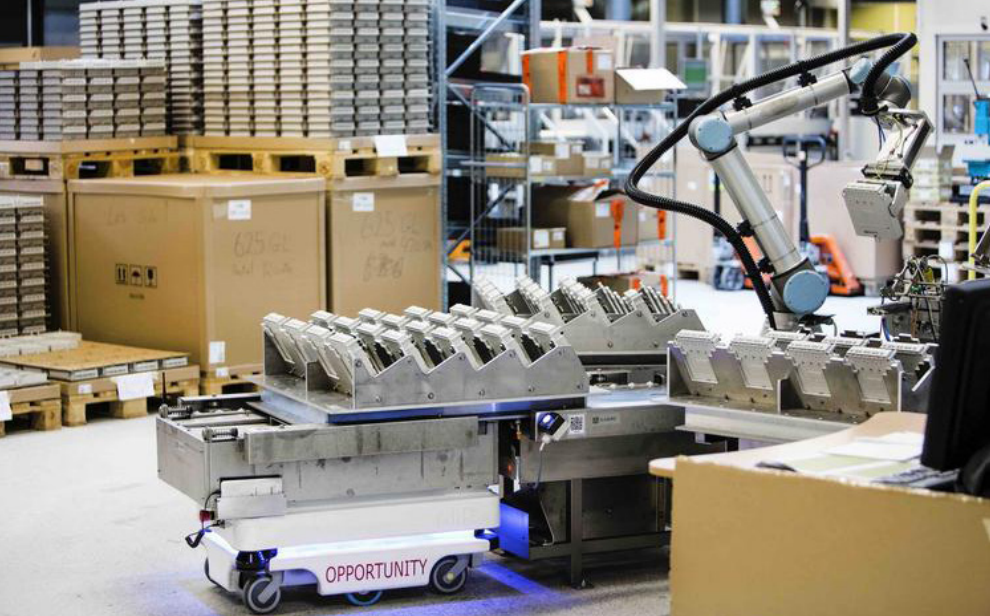
省政协委员王历彩:发展多式联运,打造现代物流体系|两会财经访谈
Sou Hu Cai Jing· 2026-01-28 11:47
【编者按】河南省十四届人大四次会议、河南省政协十三届四次会议分别于1月26日、1月25日在郑州开 幕。为充分展现代表委员履职风采,今年省两会期间,大河财立方继续推出"两会财经访谈"系列报道, 邀请代表委员分享履职故事,讲述对"十五五"开局之年经济社会发展的新期盼,奏响奋力谱写中原大地 推进中国式现代化新篇章的时代强音。 【大河财立方 记者 程帅星】"我服务过的一家物流企业曾谈及一个变化,他们的货物发往四川,过去全 靠汽车运输,不仅成本高,而且风险大。自从实现了公铁联运,新乡到郑州用新能源车辆短驳,郑州到 成都走铁路的图定班列,安全性和运输效率都大幅提升,物流成本也明显降低。" 今年河南省两会期间,省政协委员、新乡市新联会会长、河南众盈律师事务所主任王历彩在接受大河财 立方记者采访时说,这是她对多式联运最直观的感受。今年省两会上,她提出加快发展现代化物流业, 重点构建多式联运体系。 王历彩在调研中发现,河南物流企业普遍呈现"满天星"分布状态,缺乏集约化布局。"政府工作报告中 提到了建设物流枢纽,但要真正调动盘活物流资源,必须在全省范围内进行有效布局。"她希望强化基 础设施协同,提升国际陆港、航空港等国家级枢纽的 ...

共商现代物流与供应链产业升级
Xin Lang Cai Jing· 2026-01-10 20:33
Core Insights - The eighth Logistics and Supply Chain Platform Annual Conference and the Dongjiang New-Type Logistics Industry High-Quality Development Conference were held in Tianjin, attracting over 600 representatives from various sectors to discuss the transformation and upgrading of the logistics and supply chain industry [1] Group 1: Industry Development - Tianjin Dongjiang Comprehensive Bonded Zone has established a diverse ecological pattern led by key players and collaborative chains, positioning itself as an innovation hub for the national network freight industry [1] - The zone has launched a comprehensive service platform to address challenges in compliance and data authenticity, enabling unified regulatory oversight of critical data such as business, contracts, funds, and tracking [1] - The "Several Opinions on Accelerating the High-Quality Development of the New-Type Logistics Industry in Tianjin Dongjiang Comprehensive Bonded Zone" was officially issued last year, aiming to strengthen policy and resource support while creating a sustainable development environment [1] Group 2: Conference Activities - The conference featured in-depth discussions among participants focusing on the standardized development of the network freight industry, providing professional references for enhancing compliance capabilities and mitigating business risks [1] - A standard seminar was also held, where representatives from various sectors explored paths for quality improvement and upgrading in logistics digitalization and service quality management [2] - The "2025 China Logistics Platform Development Report" was released during the conference, highlighting themes such as digital transformation in network freight and the collaboration of digital supply chains with multimodal transport [2]
中国数联物流重塑现代物流新范式
Xin Hua Wang· 2025-12-24 02:45
Core Insights - China Data Logistics aims to reshape modern logistics by leveraging data technology to enhance efficiency and resilience in supply chains, addressing long-standing industry challenges [1][3][6] Group 1: Industry Challenges - The logistics industry faces a "multi-scattered" problem characterized by fragmented transportation modes and dispersed operational entities, leading to inefficiencies and high empty running rates [2][3] - Traditional data processing methods are inadequate for real-time analysis, hindering the industry's development [2][3] Group 2: Digital Transformation Initiatives - China Data Logistics is focused on reducing logistics costs through digital means, creating a national logistics big data platform that extends beyond logistics information to encompass the entire supply chain [3][4] - The company has introduced products like "Enterprise ERP + Logistics Data" to facilitate the digital integration of logistics and manufacturing sectors, helping businesses optimize production plans and market strategies [4][5] Group 3: Open Data Ecosystem - The "Five Open" system has been established to break down data barriers in the logistics industry, promoting data sharing and collaboration across various transportation modes [6][7] - This system includes open access to digital infrastructure, advanced technologies, and a wealth of data resources, enabling small and medium-sized logistics enterprises to enhance their digital capabilities without significant investment [7][8] Group 4: Efficiency Improvements - The integration of data and process optimization has significantly reduced the time for customs declarations and international settlements, showcasing the tangible benefits of data-driven logistics [8][9] - The company has successfully connected over 3,000 data products across various logistics sectors, enhancing the efficiency and safety of data flow [9][10] Group 5: Regional and Cross-Border Logistics - China Data Logistics is actively involved in regional collaboration and cross-border logistics, exemplified by its partnership with Chongqing to establish a digital logistics operation focused on enhancing trade routes [11] - The company’s initiatives aim to facilitate smoother trade between regions, breaking down logistical barriers and improving market access for local products [11]
全社会物流成本有效降低
Jing Ji Ri Bao· 2025-11-29 00:17
Core Insights - The logistics sector is crucial for the real economy, with a significant reduction in logistics costs supporting economic development and enhancing resource allocation efficiency [1][2][3] - In the first three quarters, China's total social logistics costs reached 14.2 trillion yuan, with a GDP ratio of 14%, marking the lowest level since records began [1][2][3] Group 1: Logistics Cost Reduction - The "linkage unloading" model implemented between Yangshan Port and Lusi Port has successfully reduced logistics costs, saving approximately 200 yuan for imports and 400 yuan for exports per container [2] - The ratio of social logistics costs to GDP has decreased from 18% in 2012 to 14% in 2024, with the current figure at 14% as of Q3 this year [2][3] Group 2: Structural Improvements - The reduction in logistics costs is attributed to the optimization and innovation within the logistics industry, as well as the deep integration of logistics with supply chains [3][4] - The logistics system is being enhanced through the construction of major logistics hubs and the establishment of a "channel + hub + network" operational framework [3][4] Group 3: Technological Advancements - The logistics sector is experiencing significant advancements in digitalization and automation, with the number of automated container terminals and bulk cargo terminals leading globally [4][5] - The application of technologies such as big data, cloud computing, and artificial intelligence is transforming logistics into a new productive force [5][6] Group 4: Policy and Reform - The "Action Plan" issued by the central government aims to reduce the logistics cost-to-GDP ratio to around 13.5% by 2027, focusing on key areas like railway and road freight [7][8] - The logistics cost structure consists of transportation (57%), warehousing (31.6%), and management costs (11.4%), indicating potential areas for further cost reduction [7][8]
软硬兼施力促物流降本增效
Jing Ji Ri Bao· 2025-11-25 04:40
Core Viewpoint - The modern logistics system is increasingly recognized as a crucial factor influencing the overall efficiency of the national economy, with a focus on improving operational efficiency and reducing logistics costs through policy guidance and infrastructure development [1][2]. Group 1: Logistics Infrastructure Development - The central government has prioritized the construction of logistics infrastructure, resulting in the establishment of 229 national logistics hubs covering 152 cities, achieving comprehensive coverage of the national integrated transportation network [1]. - Innovative models such as multimodal transport and unified documentation systems are being promoted to enhance transportation organization efficiency [1]. Group 2: Comparison with International Practices - International experience shows that logistics cost advantages stem not only from hardware but also from the integration of "soft rules," such as standardized electronic documentation and supply chain finance, which enhance overall efficiency [2]. - China's logistics system has made rapid advancements in hardware and digital applications, but there are still shortcomings in rule integration, standard coordination, and data interoperability [2]. Group 3: Recommendations for Improvement - To enhance "soft connections," it is recommended to establish logistics integration demonstration zones in mature regions like the Yangtze River Delta and the Guangdong-Hong Kong-Macao Greater Bay Area, focusing on mutual recognition of standards and reducing cross-regional operational costs [3]. - For "hard connections," efforts should be directed towards improving weak links in the logistics network, such as connecting hubs and enhancing rural logistics infrastructure [3]. Group 4: Supply Chain Collaboration - Improving supply chain collaboration is essential for stimulating the vitality of business entities, with a focus on cultivating innovative demonstration enterprises in key industries like automotive and electronics [4]. - The adoption of collaborative logistics models and the integration of resources are encouraged to reduce costs and improve operational efficiency [4].
打通物流业降本增效“经络”
Jing Ji Ri Bao· 2025-11-15 00:39
Core Viewpoint - During the "14th Five-Year Plan" period, China's logistics industry is experiencing a new pattern of simultaneous quantity and quality improvement, with a focus on internal connectivity and external collaboration. The need for structural optimization and institutional breakthroughs is emphasized to enhance efficiency and reduce costs in the logistics sector [1][2]. Group 1: Industry Development - The logistics scale is continuously increasing, with an expected average daily cargo transport volume of 160 million tons and express delivery volume reaching 175 billion pieces by 2024 [1]. - The logistics industry is witnessing improvements in operational efficiency and structural adjustments, with significant progress in multi-modal transport and hub transfer efficiency [1][2]. Group 2: Regional Initiatives - Various regions are leveraging their unique geographical advantages to enhance logistics capabilities through resource integration and digital transformation. For instance, Hebei and Shandong are integrating port resources through state-owned enterprises, while Jiangsu is establishing a mechanism for data sharing and collaborative scheduling across provinces [2][3]. - Despite advancements, there remains a gap in logistics efficiency compared to developed countries, with uneven regional development and a lack of coordinated mechanisms hindering high-efficiency industry chain interactions [2]. Group 3: Governance and Infrastructure - A modern logistics governance system is being established, focusing on intelligent, green, and safe logistics infrastructure planning, as well as aligning logistics facility standards with international norms [3]. - The promotion of multi-modal transport and innovative data-sharing mechanisms is crucial for enhancing the collaborative innovation capabilities of the logistics system [3]. Group 4: Service Quality Enhancement - Improving the logistics service quality, particularly in the "last mile," is essential. This includes integrating new business models and technologies to create a regional logistics service network that enhances efficiency [4]. - Establishing a modern logistics service standard system and a multi-dimensional evaluation framework is necessary to promote high-quality development in the logistics industry [4].
找钢集团胖猫联盟携手百家伙伴共筑钢贸物流新生态
Zhong Guo Jing Ji Wang· 2025-11-03 09:24
Group 1 - The "Fat Cat Logistics 2025 Annual Partner Conference" was held with the theme "Linking the Future, Coexisting and Winning," focusing on digitalization and green transformation in the steel trade logistics industry [1] - Find Steel Group aims to enhance operational efficiency and reduce costs for steel trading enterprises through upgraded digital products and a comprehensive service platform [1][2] - The launch of the "Fat Cat Alliance" marks a significant milestone for Fat Cat Logistics in establishing standardized operating systems and supporting small logistics enterprises and individual operators [1][2] Group 2 - The Fat Cat Alliance has surpassed 100 members, covering over 50 cities nationwide, indicating strong collaboration among logistics partners [2] - Remote New Energy Commercial Vehicle Company is focusing on a "Methanol + Electric" new energy route, aiming to assist steel trade logistics companies in green transformation and cost reduction [2] - The Fat Cat Alliance integrates Find Steel Group's core digital service capabilities to create industry-level infrastructure, promoting real-time logistics information management and intelligent scheduling [2]
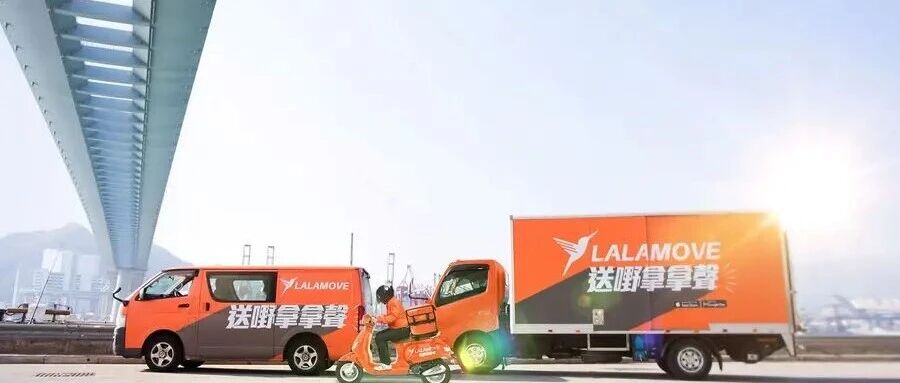
新闻概要:拉拉科技实现两位数增长 海外业务保持高速增长
BambooWorks· 2025-10-30 05:21
Core Viewpoint - Lalatech is resuming its IPO in Hong Kong while expanding its domestic and global logistics markets, showing strong growth in revenue and operational metrics in the first half of the year [1][3]. Group 1: Financial Performance - Lalatech reported a 31.8% year-on-year increase in revenue, reaching $934.6 million, with adjusted profits of $271.6 million [3]. - The company's Gross Transaction Value (GTV) grew by 17.7% year-on-year, from approximately $5.07 billion to about $5.97 billion [1]. - Global fulfillment order volume reached 455 million, a 34.3% increase from 339 million in the same period last year [1]. Group 2: Market Expansion - Lalatech operates two major logistics brands: Lalamove for Hong Kong and overseas markets, and Huo Lala for mainland China [1]. - The company has expanded its operations to cover over 400 cities across 14 major markets globally, including Southeast Asia, Latin America, Europe, the Middle East, and Africa [3]. - The overseas same-city road freight market is projected to be approximately three times the size of the Chinese market by 2024, with a combined GTV of $124.3 billion for Southeast Asia and Latin America [3]. Group 3: Business Model and Strategy - Lalatech utilizes a platform model that connects merchants and drivers, managing the entire transaction process from order placement to payment and tracking [1]. - Over 70% of first-time users of intercity freight services are existing customers of its same-city freight services, indicating a strong customer retention and cross-selling potential [4].
中欧班列已开行1000列——山西:产品走出去 资源引进来
Jing Ji Ri Bao· 2025-09-30 22:04
Group 1 - The core point of the news is the significant development of the China-Europe (Asia) freight train service from Shanxi, marking the 1000th train departure, which enhances logistics efficiency and connectivity for local products [1][2][3] - Shanxi has established a comprehensive service network for the China-Europe (Asia) freight trains, with 26 main routes connecting to 48 major cities across 17 countries in Asia and Europe [2][3] - The freight train service has evolved to include a wider variety of goods, transitioning from industrial equipment to consumer products, thereby facilitating the export of Shanxi's unique products and the import of foreign goods [3] Group 2 - The logistics optimization efforts include the establishment of a digital booking platform that integrates various logistics functions, improving efficiency and customer service [2] - The continuous improvement of the management and operational service system for the freight trains is expected to enhance Shanxi's integration into global supply chains and promote industrial upgrades [3]