
睡眠障碍

Search documents
广州医科大学附属脑科医院刘亚平课题组招聘
生物世界· 2026-03-02 10:30
Core Viewpoint - The article announces recruitment opportunities in the research team led by Professor Liu Yaping at the Guangzhou Medical University Affiliated Brain Hospital, focusing on sleep disorders and neurodegenerative diseases [2][4]. Recruitment Positions - **Postdoctoral Researchers (2-3 positions)**: Candidates should be under 35 years old, have obtained a PhD from a reputable institution within the last three years, and have published as first or corresponding authors in SCI journals. A strong background in neuroimaging, basic neuroscience, bioinformatics, or medical engineering is required [5][6]. - **Research Assistants (2-3 positions)**: Responsibilities include assisting in molecular biology experiments, clinical research projects, and the development of digital assessment tools. Candidates should have a bachelor's degree or higher in relevant fields and possess strong communication and teamwork skills [11][12]. Compensation and Benefits - **Postdoctoral Researchers**: The annual salary ranges from 300,000 to 400,000 CNY, with additional living allowances of 50,000 to 100,000 CNY based on qualifications. Support for various funding applications and research expenses is also provided [8][10]. - **Research Assistants**: Compensation is negotiable based on the assistant's qualifications, with benefits including social insurance and accident insurance [13]. Research Focus - The team aims to explore the biological mechanisms of REM sleep behavior disorder progressing to alpha-synucleinopathies through large population cohorts and animal experiments, investigating potential intervention targets [3].


郑州大学研究论文登上Cell头条:于政权团队等揭示睡眠障碍通过“脑-肠轴”影响肠道健康的新机制
生物世界· 2026-02-11 04:05
Core Findings - A new study from Zhengzhou University reveals a novel neuroendocrine regulatory pathway in response to sleep disturbances, specifically a "brain-gut dialogue" that affects intestinal stem cell function [4][11] - The study indicates that sleep deprivation directly regulates intestinal stem cells through the "dorsal motor nucleus of vagus (DMV) - vagus nerve - gut" signaling axis [4][12] Impact of Sleep Deprivation - Sleep deprivation is a widespread public health issue, affecting approximately 10% of adults, and is linked to increased all-cause mortality and various chronic diseases, including inflammatory bowel disease, diabetes, hypertension, and severe depression [7] - Recent studies have begun to uncover the cellular and molecular mechanisms connecting sleep deprivation to disease, highlighting the gut as a critical target organ for sleep disturbances [7][9] Mechanism of Action - Acute sleep deprivation impairs intestinal stem cell (ISC) function, leading to shortened crypt-villus structures and loss of Paneth cells, which are essential for gut defense [7][9] - The DMV is identified as a central nervous system hub sensitive to sleep deprivation, which transmits the effects of sleep to the gut by excessively activating DMV neurons and causing over-release of acetylcholine to the gut [8][11] Consequences of Elevated Serotonin - Excessive acetylcholine stimulates the release of serotonin (5-HT) from enterochromaffin cells in the gut, leading to a significant increase in local 5-HT levels [8][9] - Elevated 5-HT levels induce oxidative stress and integrated stress responses in intestinal stem cells, weakening their regenerative capacity and promoting gut pathology [9][11] Conclusion - The study establishes a neural circuit responsive to sleep deprivation that controls intestinal stem cells and identifies potential therapeutic strategies to mitigate sleep disorder-related gut diseases [12]

Cell Stem Cell:郑州大学于政权团队等揭示睡眠障碍影响肠道干细胞的“脑-肠神经内分泌通路”
生物世界· 2026-02-06 00:18
Core Viewpoint - Sleep disorders are increasingly recognized as a global public health challenge, significantly increasing the risk of various chronic diseases, particularly those related to the gut, such as inflammatory bowel disease and colorectal cancer [3][4]. Group 1: Research Findings - A new "brain-gut dialogue" neuroendocrine regulatory pathway has been revealed, showing that sleep disorders can directly regulate intestinal stem cell function through the "dorsal motor nucleus of the vagus (DMV) - vagus nerve - gut" axis [4]. - The research team constructed a mouse model of sleep deprivation and found that the DMV is a key neural cluster highly sensitive to sleep deprivation, with sleep loss leading to abnormal activation of DMV neurons and increased acetylcholine release to the gut [7]. - Excessive serotonin (5-HT) levels in the gut, resulting from sleep deprivation, significantly impair the regenerative capacity of intestinal stem cells, with a notable decrease in their numbers and epithelial renewal ability observed after just two days of sleep deprivation [7][8]. Group 2: Implications and Interventions - Approximately 95% of the body's serotonin originates from the gut, and its imbalance due to sleep disorders may not only damage the gut barrier but also affect other organs like the liver, pancreas, and cardiovascular system, potentially driving multi-organ dysfunction [8]. - Various intervention strategies targeting this pathway have shown protective effects, including atropine to block muscarinic receptor signaling, the specific HTR4 antagonist GR113808, and the antioxidant vitamin C, which can alleviate gut damage caused by sleep disorders [8][10].

专家支招 让您睡个好觉
Xin Lang Cai Jing· 2026-01-20 21:54
Core Viewpoint - Sleep disorders, particularly difficulties in falling asleep and declining sleep quality, have become a significant public health issue, affecting both physical and mental well-being [4][5]. Group 1: Sleep Disorders Overview - Sleep disorders are linked to reduced quality of life and work efficiency, as well as increased risks of various health issues such as anxiety, depression, hypertension, and diabetes [4]. - Many individuals resort to self-medicating with sleep aids, which poses potential health risks [3][4]. Group 2: Medical Response and Treatment - Several hospitals in Liaoning Province, including the First Psychological Clinic of Shengjing Hospital, have established sleep medicine centers to provide scientific assessments and interventions for sleep issues [4][5]. - A structured assessment process is employed, utilizing internationally recognized scales to quantify the nature and severity of sleep problems [4]. - Polysomnography is highlighted as the gold standard for diagnosing various sleep disorders, including sleep apnea, which can lead to significant daytime fatigue and other symptoms [4]. Group 3: Treatment Approaches - Treatment plans are based on precise evaluations and include a "stepwise, personalized, and integrated" approach to help patients restore healthy sleep patterns [5]. - Cognitive-behavioral therapy for insomnia (CBT-I) is recommended, focusing on correcting poor sleep habits and reducing anxiety related to sleep [5]. - Medication, if necessary, should follow principles of minimal effective dosage, short-term use, regular evaluation, and gradual tapering [5]. Group 4: Lifestyle Recommendations - Establishing a regular sleep schedule by going to bed and waking up at the same time daily can help stabilize the body's sleep rhythm [6]. - Optimizing the sleep environment by ensuring a quiet, dark room with a comfortable mattress and pillow is essential for better sleep quality [7]. - Engaging in relaxing activities before bed, such as avoiding screens and practicing deep breathing, can facilitate easier sleep onset [8]. - Dietary choices, such as avoiding spicy or caffeinated foods before bedtime, can also support better sleep [9]. - Daytime activities, including aerobic exercise and exposure to natural light, contribute positively to nighttime sleep quality [10]. - Managing pre-sleep anxiety through journaling or relaxation techniques can help clear mental obstacles to sleep [11].
明明累到散架,躺下却很清醒!最近接连有人中招,医生提醒冬季高发
Xin Lang Cai Jing· 2026-01-10 07:06
Core Insights - The article discusses the increasing prevalence of sleep disorders among professionals, particularly in high-pressure jobs, as exemplified by a case study of a financial worker experiencing severe sleep issues due to work-related stress [2][3]. Group 1: Patient Case Study - A 42-year-old woman, referred to as Ms. Sun, reports severe fatigue and inability to sleep, attributed to high work pressure and stress since December of the previous year [2]. - Ms. Sun's symptoms include poor sleep quality and cognitive difficulties, which are linked to chronic stress and brain function disruption [2]. Group 2: Medical Insights - The attending physician, Dr. Wang Yubo, identifies that Ms. Sun's condition is related to prolonged high-stress levels leading to brain function disorders and autonomic nervous system dysregulation [2][3]. - A comprehensive treatment plan was proposed, including medication, lifestyle adjustments, and hyperbaric oxygen therapy, aimed at restoring brain regulation and improving sleep quality [3]. Group 3: Recommendations - Dr. Wang emphasizes the importance of seeking medical advice for persistent fatigue and sleep issues, especially during high-stress periods, to prevent chronic health problems [3].
白天忙得连轴转,晚上却翻来覆去睡不着?最近被这种烦恼盯上的人真不少
Huan Qiu Wang· 2026-01-09 13:35
Core Viewpoint - The article highlights the increasing prevalence of sleep disorders among professionals, particularly during high-stress periods such as year-end financial reporting, emphasizing the need for effective treatment and lifestyle adjustments to improve sleep quality and overall well-being [1][3]. Group 1: Patient Case Study - A 42-year-old woman, referred to as Ms. Sun, has been experiencing severe sleep disturbances linked to her high-pressure job in finance, which has led to chronic stress and cognitive dysfunction [3]. - Ms. Sun reports feeling physically exhausted yet unable to sleep, with her mind racing through work-related details, resulting in poor sleep quality and daytime fatigue [1][3]. Group 2: Medical Insights - Dr. Wang Yubo, a deputy chief physician, attributes Ms. Sun's symptoms to prolonged high-pressure conditions causing brain function disruption and autonomic nervous system imbalance, indicating a need for both medical and lifestyle interventions [3][5]. - A comprehensive treatment plan was proposed for Ms. Sun, including medication, lifestyle changes, and hyperbaric oxygen therapy, which aims to enhance brain recovery and restore normal sleep-wake cycles [3][5]. Group 3: General Recommendations - The article notes that winter is a peak season for sleep and emotional issues, particularly under significant work stress, which is common among modern professionals [5]. - Dr. Wang recommends that individuals experiencing similar issues seek professional evaluation and consider hyperbaric oxygen therapy as a beneficial physical treatment to improve brain oxygenation and overall mental health [5].

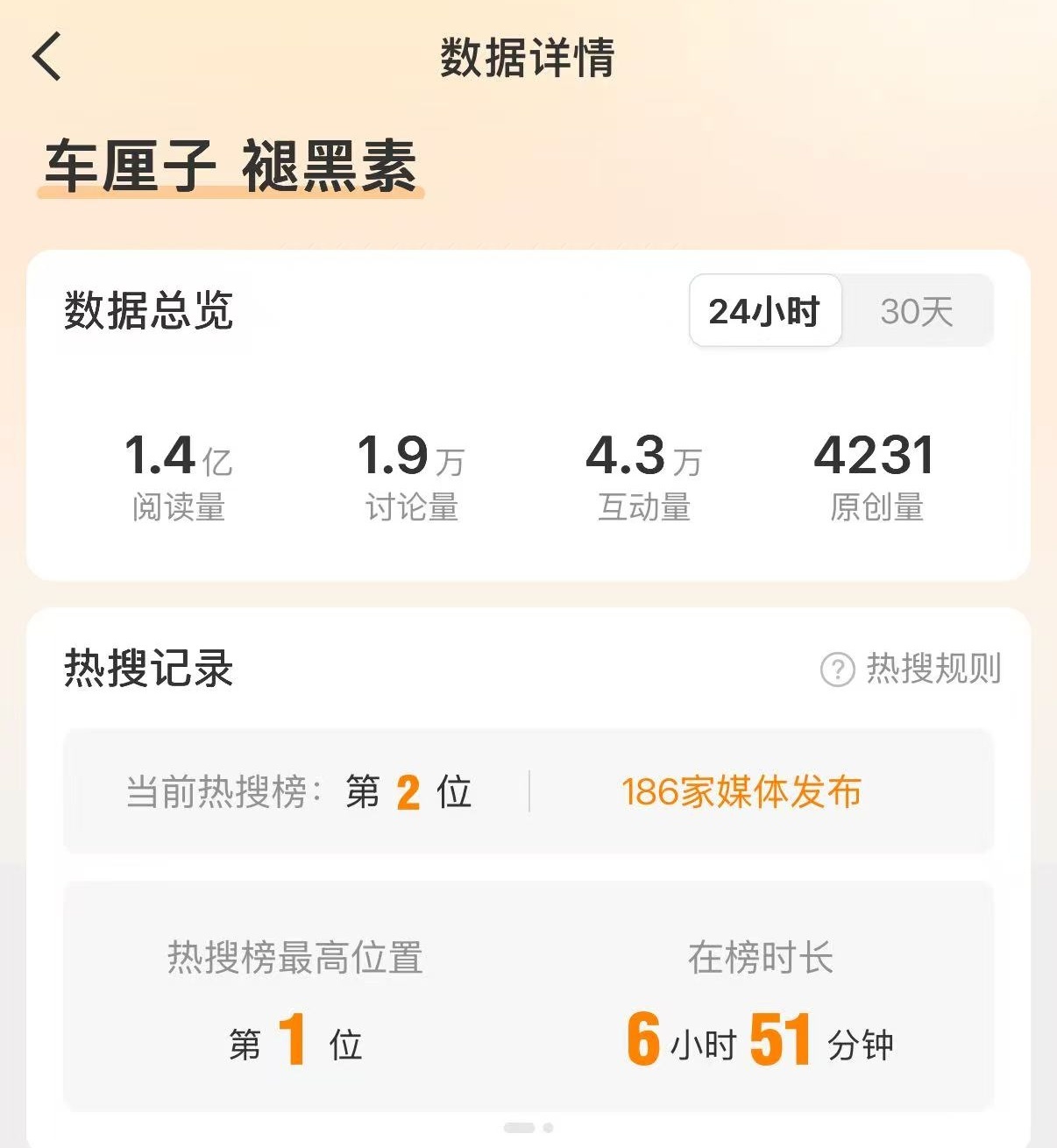
热搜第一!车厘子含褪黑素能助眠?医生提醒丨健康科代表
Xin Lang Cai Jing· 2026-01-04 11:44
Group 1 - The discussion around cherries containing melatonin and its potential to aid sleep has gained significant attention [1] - Melatonin is a hormone that regulates the sleep-wake cycle, primarily secreted by the pineal gland, and is referred to as the "night hormone" [1] - Cherries do contain natural melatonin, but in very low amounts, serving only as a mild aid for sleep rather than a treatment for insomnia [5] Group 2 - The response to melatonin varies among individuals, making it difficult to determine the exact amount of cherries needed to aid sleep [5] - The glycemic index of cherries ranges from 22 to 29, indicating they are blood sugar friendly, although darker cherries may have a higher glycemic index [5] - The recommended daily intake of cherries for an average person is between 100 to 150 grams, or about 10 to 15 cherries, according to the 2022 Dietary Guidelines for Chinese Residents [5]
从“三甲”到“社区”,江苏163家医院开设睡眠门诊
Xin Hua Ri Bao· 2025-12-09 23:34
Core Insights - The article highlights the increasing prevalence of sleep disorders in modern society, attributing it to various factors including psychological issues, physical health problems, and lifestyle changes influenced by digital devices [2][3] Group 1: Sleep Disorders and Their Causes - A significant number of individuals across all age groups are experiencing sleep issues, with common problems including insomnia, anxiety, and sleep-related breathing disorders [2] - Modern sleep medicine categorizes sleep disorders into seven major types, including insomnia, sleep-related breathing disorders, and circadian rhythm disorders, indicating the complexity of the issue [2] - The rise of digital devices, with over 80% penetration, has disrupted sleep patterns, leading to a widespread phenomenon of sleep-wake rhythm disturbances [2][3] Group 2: Treatment Approaches - Treatment for insomnia is evolving beyond reliance on sleeping pills, with cognitive behavioral therapy for insomnia (CBT-I) emerging as a preferred method, focusing on retraining patients to sleep better [4] - Various treatment modalities are being employed in sleep clinics, including physical therapy, psychological therapy, and integrative approaches that combine traditional and modern medicine [5][6] - Community sleep clinics are being established to provide accessible care, reducing the burden on larger hospitals and offering tailored treatments for common sleep issues [8][9] Group 3: Sleep Monitoring and Diagnosis - Polysomnography (PSG) is recognized as the gold standard for diagnosing sleep-related breathing disorders, allowing for comprehensive monitoring of various physiological parameters during sleep [5] - The integration of multiple medical disciplines in sleep clinics enhances the ability to address complex sleep issues, ensuring a holistic approach to treatment [9]
一篇文看懂儿童心理学,这4个管教技巧让你受用终生
Jing Ji Guan Cha Bao· 2025-10-13 02:14
Group 1 - The article discusses the application of psychological principles in child education, emphasizing that there are systematic methods to educate children effectively [1] - It highlights the "forbidden fruit effect," where children are more curious about things that are prohibited, suggesting that this can be used positively in parenting [2][4] - An experiment illustrates that telling children not to touch something can increase their curiosity, leading them to explore more [3] Group 2 - The importance of a sense of security in childhood is emphasized, stating that it significantly impacts a child's happiness and development throughout life [5] - Parents play a crucial role in providing this sense of security, which can influence a child's willingness to face challenges and explore new experiences [6] - The article notes that children's expressions of affection, such as seeking closeness to parents, are often rooted in their need for security [7] Group 3 - Sleep is identified as a critical factor in a child's development, with adequate sleep being essential for physical growth and cognitive development [8] - The article warns that parents may inadvertently harm their child's sleep by not addressing underlying fears, such as fear of the dark [9][10] - Recommendations for establishing healthy sleep habits include maintaining a consistent sleep schedule and creating a conducive sleep environment [10] Group 4 - The "overload effect" is introduced, explaining that excessive criticism can lead to increased resistance and negative feelings in children [11][12] - It suggests that parents should avoid repetitive nagging, as it can trigger adverse reactions in children and diminish the effectiveness of their guidance [12]
掌握光的规律,实现好的睡眠(服务窗)
Ren Min Ri Bao· 2025-08-27 22:19
Core Viewpoint - Sleep disorders are increasingly affecting modern individuals, and light plays a crucial role in regulating human sleep patterns [1][2]. Group 1: Importance of Light in Sleep Regulation - The Nobel Prize in Physiology or Medicine in 2017 was awarded to scientists who studied biological clock gene expression, highlighting how living organisms, including humans, adjust their circadian rhythms to the Earth's rotation [1]. - Human biological clocks are slightly longer than 24 hours, and the brain's suprachiasmatic nucleus helps correct these discrepancies, primarily through light exposure [1]. Group 2: Biological Rhythm and Health - Daylight triggers the peak of cortisol and the secretion of morning hormones, while darkness promotes melatonin production, which is essential for sleep and metabolic regulation [2]. - A well-regulated biological rhythm not only improves sleep quality but also serves as a foundation for better health [2]. Group 3: Practical Recommendations for Light Exposure - To establish a good biological rhythm, individuals should expose themselves to specific light sources, particularly morning sunlight between 6 AM and 9 AM, for 15-30 minutes [2]. - Avoiding blue light from electronic devices at night and dimming household lights after 8 PM can help maintain a healthy sleep cycle [3]. Group 4: Adjusting Sleep Patterns for Shift Workers - For night shift workers, maintaining bright lighting in the work area can enhance alertness, while wearing sunglasses when leaving work in daylight can help trick the brain into thinking it is still night [3]. - Creating a dark sleeping environment at home and taking a 90-minute nap before starting a night shift can improve work performance and subsequent sleep quality [3][4]. Group 5: Consistency in Sleep Schedule - Waking up at the same time before 9 AM daily and getting sunlight exposure shortly after sunrise can help recalibrate the biological clock [4].