
科技养老

Search documents
西湖区银龄集市解锁“享老”新体验
Hang Zhou Ri Bao· 2026-02-13 03:25
作为西湖区2026年首场银龄集市,活动以"政银携手、银企协作、多方联动"模式打破传统养老服务 边界,8大展区、30余个展位有序排布,让长者们一站式解锁多元福利。科技养老政策区内,西湖区民 政局与古荡街道工作人员细致解读"五大幸福行动"、长护险等利好政策,助力长者吃透养老红利;科技 金融便民区里,杭州银行西湖支行工作人员现场普及防诈骗知识、推介养老金融产品,筑牢长者"钱袋 子"安全防线;"乐活空间"人气爆棚,下棋机器人与银发棋友对弈切磋,可穿戴设备、防跌倒装置等智 能养老产品让长者亲身感受科技便捷;智慧医疗体验区内,医护人员提供专业义诊与智能检测服务,89 岁的苏大爷完成眼部检查后点赞:"真正懂我们老年人的需求!" "这机器狗真乖,还会给我们拜年呢!"2月11日,天目里国际街区北园广场上,"赶科技'吉'市,做 潮酷银龄"——2026年西湖区首场"老有意思了"银龄集市在此温情上演。这场集科技体验、便民服务、 文化娱乐、年货采购于一体的沉浸式活动,吸引了200余名辖区长者参与,为新春注入浓厚的敬老暖 意。 活动现场,古荡街道同步发布2026年"孝老之星"评选方案,以榜样力量引领孝老爱亲新风尚。下一 步,古荡街道将持 ...
鹿客科技递表港交所 2024年静脉智能锁出货量位居全球第一
Zhi Tong Cai Jing· 2026-02-09 02:39
Company Overview - LuKe Technology is a pioneer in AI home security management systems, providing integrated solutions centered around smart locks for home and community safety [3] - The company is the first globally to achieve mass production of vein recognition smart locks, with a market share of 10.5% in 2024 [3] - In 2024, LuKe Technology's smart lock shipments reached 1.2 million units in mainland China, ranking third with a market share of 5.8% [3] Product Innovation - The company launched the first mass-produced finger vein smart lock in 2021, followed by the first mass-produced palm vein smart lock in 2023, enhancing security and accuracy in biometric authentication [4] - LuKe Technology's proprietary AI image algorithms significantly improve security performance compared to traditional fingerprint and facial recognition solutions [4] Revenue Generation - LuKe Technology generates revenue through three main channels: sales of its own consumer products, providing ODM services for brand companies, and offering integrated software and hardware solutions under the "Yunding" brand [4] Industry Trends - The global home security management solutions market is rapidly growing, projected to increase from $25.5 billion in 2020 to $37.8 billion in 2024, with a CAGR of 10.4% [9] - The aging global population is driving demand for "tech-enabled elderly care" solutions, positioning LuKe Technology to benefit from market growth [5] Financial Performance - In the fiscal years 2023 and 2024, LuKe Technology reported revenues of approximately RMB 1.015 billion and RMB 1.086 billion, respectively [6] - The company's profit for the fiscal year 2023 was RMB 14.03 million, increasing to RMB 53.11 million in 2024 [6][8] Market Outlook - The global smart lock shipment volume is expected to grow from 37 million units in 2020 to 50 million units in 2024, with a CAGR of 7.8% [13] - By 2029, the global smart lock shipment volume is projected to reach 89.9 million units, driven by technological advancements and expanding application scenarios [13] Competitive Landscape - In the smart lock market, fingerprint recognition locks remain dominant, but palm vein and facial recognition locks are gaining traction due to improved security features [16] - The palm vein smart lock market is expected to grow significantly, with shipments projected to increase from 1.9 million units in 2025 to 6.3 million units by 2029, reflecting a CAGR of 35.6% [16]


物产中大:公司控股子公司物产中大金石集团有限公司积极开展科技养老探索
Zheng Quan Ri Bao Zhi Sheng· 2026-01-23 13:39
Group 1 - The core viewpoint of the article is that the company, Wuchan Zhongda, is actively exploring technology in the elderly care sector through collaboration with Strong Brain Technology, applying brain-computer interface technology to its elderly care business [1] Group 2 - Wuchan Zhongda's subsidiary, Wuchan Zhongda Jinshi Group Co., Ltd., is leading the initiative in technological advancements for elderly care [1] - The partnership with Strong Brain Technology signifies a strategic move towards integrating advanced technology into the company's services [1] - The focus on brain-computer interface technology indicates a commitment to enhancing the quality of elderly care through innovative solutions [1]

八部门发文!银发福利再升级 养老服务更优质
Yang Guang Wang· 2026-01-18 01:56
Core Insights - The article discusses the recent measures introduced by the Ministry of Civil Affairs and other departments to enhance elderly care services and promote the silver economy, focusing on meeting the diverse needs of the elderly population [1][2]. Group 1: Policy Measures - The "Several Measures" aim to cultivate and expand elderly service providers, promoting high-quality development of the silver economy by addressing core needs such as food, clothing, housing, and transportation for the elderly [1][2]. - The initiative encourages the establishment of specialized shopping streets for the elderly, integrating various consumption scenarios to enhance their shopping experience [1][2]. - Support will be provided for optimizing e-commerce platforms to create dedicated channels for elderly consumers, simplifying the shopping process [2]. Group 2: Community and Service Integration - The measures emphasize the importance of resource activation and multi-faceted supply to ensure accessibility for the elderly, including the establishment of elderly dining halls that serve a diverse range of meals for all age groups [2][3]. - Community-based elderly care services will be enhanced through the integration of various resources, promoting chain operations of care institutions [3]. - The policy supports the development of specialized medical accompaniment services to assist elderly individuals during medical visits, addressing the challenges faced by families with busy schedules [3]. Group 3: Technological Integration - The article highlights the role of technology in improving elderly care, with plans to develop elderly care robots and smart monitoring devices to enhance safety and health monitoring for seniors [4]. - Community initiatives will include smart elderly product experience zones, allowing seniors to familiarize themselves with new technologies [4]. - The importance of familial companionship is emphasized, indicating that technology should complement, not replace, the emotional support provided by family members [4].
八部门发文促进银发经济发展 这些赛道迎来风口
Mei Ri Jing Ji Xin Wen· 2026-01-13 16:17
Core Viewpoint - The Ministry of Civil Affairs and eight other departments have jointly issued measures to stimulate the vitality of various elderly care service providers, create a favorable investment environment, and promote the development of the silver economy to better meet the diverse needs of the elderly [1][3] Group 1: Policy Measures - The measures aim to optimize the supply of elderly care services and age-friendly products, encouraging community-based operations and integration of resources to enhance service delivery [4] - The initiative supports the development of home care services for the elderly, including professional medical accompaniment and mobile bathing services [4] - There is a focus on promoting smart rehabilitation aids and age-appropriate food and clothing products, enhancing the living environment for the elderly [4] Group 2: Market Dynamics - By the end of 2025, there will be 41,700 elderly care institutions in China, with 722,000 employees, reflecting a 12.2% year-on-year increase, and 52.2% of these institutions will be privately owned [5] - Social forces are becoming the main contributors to the diversified supply of elderly care services, indicating a shift in the service landscape [5] Group 3: Technological Support - The measures encourage technological advancements in elderly care, integrating big data, AI, and other technologies for health monitoring and personalized services [6] - There is a push for the development of elderly care robots and smart home technologies to meet the daily care and emotional support needs of the elderly [6] - The market is expected to see new opportunities driven by the integration of technology in elderly care, with a focus on smart home products and AI solutions [7]
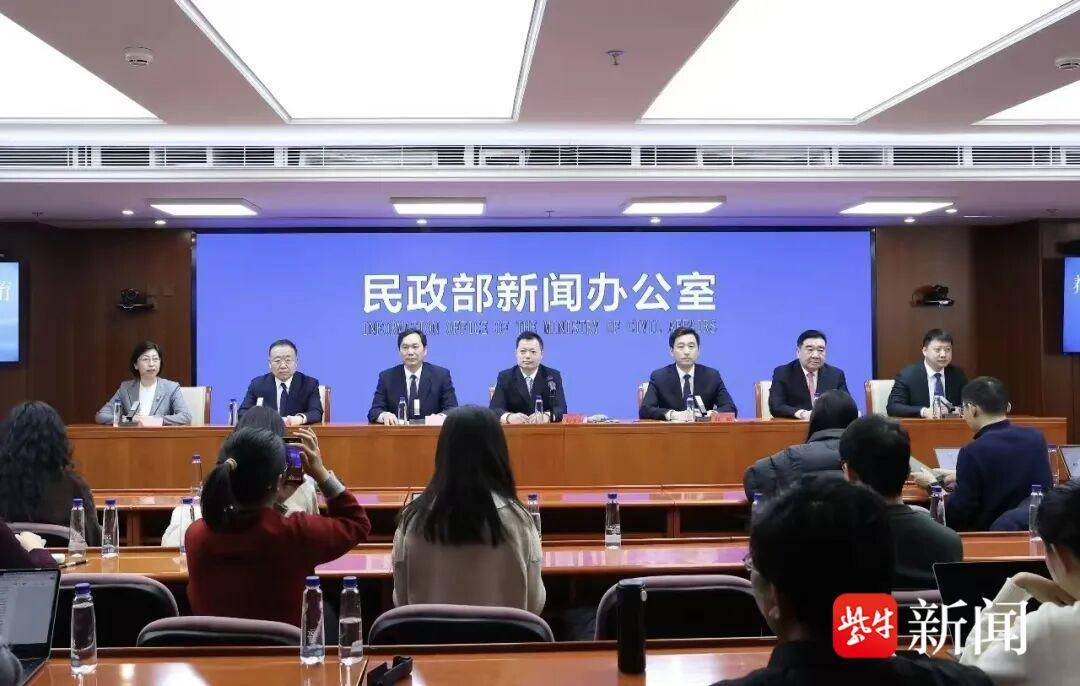
苏州参加民政部《关于培育养老服务经营主体 促进银发经济发展的若干措施》专题新闻发布会
Yang Zi Wan Bao Wang· 2026-01-13 13:44
Core Viewpoint - The Ministry of Civil Affairs has introduced measures to cultivate elderly care service operators and promote the silver economy, aiming for high-quality development in this sector by optimizing the development environment and stimulating operational vitality [3]. Group 1: Policy Measures - The measures consist of 14 specific initiatives across five areas: promoting brand development, facilitating market supply-demand matching, supporting technology in elderly care, optimizing the development environment, and increasing resource support [3]. - The implementation of these measures is set to begin on December 29, 2025, following extensive research and consultation with various stakeholders [3]. Group 2: Technological Integration in Elderly Care - Suzhou has been actively integrating technology with elderly care services, focusing on four key areas: platform, scenario, product, and talent [4]. - A comprehensive smart elderly care system has been established in Suzhou, which integrates public data to enhance service efficiency, achieving 472,000 home care service orders in 2025 with 100% coverage for vulnerable elderly individuals [5]. Group 3: Service Scenarios - Suzhou has developed three main scenarios for smart elderly care: demonstration centers, smart institutions, and community-based services, allowing for practical application of technology in real-life settings [6]. - The city has created a "Silver Technology and Humanistic Care Demonstration Center" to facilitate product testing and data collection, with nearly 20 smart care and rehabilitation technology products currently in use [6]. Group 4: Product Development - Suzhou promotes a closed-loop model of "Suzhou manufacturing—Suzhou branding—Suzhou standards" to ensure that quality elderly care technology products reach the elderly population [7]. - The city has integrated resources from nearly 20,000 key enterprises and established nine silver technology laboratories, while also launching various consumer promotion activities to enhance product accessibility [7]. Group 5: Talent Development - The city emphasizes the cultivation of composite talents who understand both elderly care and technology, establishing a collaborative mechanism among 27 departments and creating a 1 billion yuan elderly care industry fund [8]. - Suzhou has initiated a talent recruitment platform specifically for elderly care, facilitating a comprehensive human resource management system for care institutions [8]. Group 6: Future Directions - Suzhou aims to deepen the integration of elderly care services with digital and intelligent technologies, providing robust technological support for the elderly to enjoy a happy and secure later life [9][10].
八部门发文促进银发经济发展
Mei Ri Jing Ji Xin Wen· 2026-01-13 12:33
Core Viewpoint - The Ministry of Civil Affairs and eight other departments have jointly issued measures to stimulate the vitality of various elderly care service providers, promote the development of the silver economy, and better meet the diverse needs of the elderly population [1] Group 1: Policy Measures - The measures aim to create a favorable environment for investment and entrepreneurship in the elderly care sector, encouraging the development of community-based services through chain operations [1][2] - The initiative emphasizes the importance of home care services for the elderly, promoting the integration of resources within communities to enhance service delivery [2] Group 2: Market Dynamics - By the end of 2025, there will be approximately 41,700 elderly care institutions in China, with 722,000 employees, reflecting a year-on-year growth of 12.2% [3] - Private elderly care institutions account for 52.2% of the total, indicating that social forces are becoming the mainstay of diversified elderly care service supply [3] Group 3: Technological Support - The measures encourage technological advancements in elderly care, including the application of big data, cloud computing, and artificial intelligence for health monitoring and personalized services [4] - There is a focus on developing smart elderly care products and robotics to meet the daily care and emotional support needs of the elderly [4] Group 4: Investment Opportunities - The push for technology-enabled elderly care services is expected to create new investment opportunities in the capital market [5] - Research indicates that the demand for smart elderly care products is increasing, driven by policy support and the advancement of AI technology [6]
当科技养老成为新趋势,中国如何书写本土答案?
3 6 Ke· 2025-12-31 12:09
Core Insights - The article discusses the emerging trend of technology in elder care, highlighting the integration of AI and robotics to address key challenges in the industry [1][2][3] Group 1: Technology in Elder Care - Inspiren, a startup in the U.S., has developed an integrated solution that addresses core pain points in elder communities using AI predictive engines [1][2] - The company has rapidly expanded, entering 150 regular elder care communities and 33 dementia care communities within 18 months, raising over $155 million in funding [2] - Japan is also leveraging technology in elder care, with significant government investment in robotic care solutions, including over $300 million by 2018 [2] Group 2: Aging Population in China - By the end of 2024, China's population aged 60 and above is projected to reach 310 million, accounting for 22% of the total population [4] - The proportion of empty-nest elderly individuals has reached 54%, with over 12 million living alone [4] Group 3: Challenges in Healthcare System - China's healthcare system faces challenges such as fragmentation, low chronic disease control rates, and high risks associated with polypharmacy [5] - The need for a comprehensive primary care system is emphasized as a key solution to address aging-related healthcare demands [5] Group 4: Integration of Medical and Elder Care - The concept of "medical-elderly integration" is proposed as a new approach, with high-quality elder care communities increasingly incorporating professional rehabilitation and general hospitals [6] - This integration aims to provide timely medical support within elder care facilities, enhancing overall care quality [6] Group 5: Innovative Payment Models - The "Happiness Appointment" product by Taikang links insurance with elder care community services, allowing seniors to secure long-term care while managing financial pressures [19][24] - This model has seen significant market acceptance, with over 300,000 units sold, addressing the financial concerns of families seeking quality elder care [19] Group 6: Industry Dynamics and Sustainability - The elder care industry is characterized by a disparity between high demand and insufficient quality services, with many institutions struggling financially [21][22] - The article highlights the importance of sustainable business models that balance profitability with social responsibility, particularly in the context of aging populations [25]

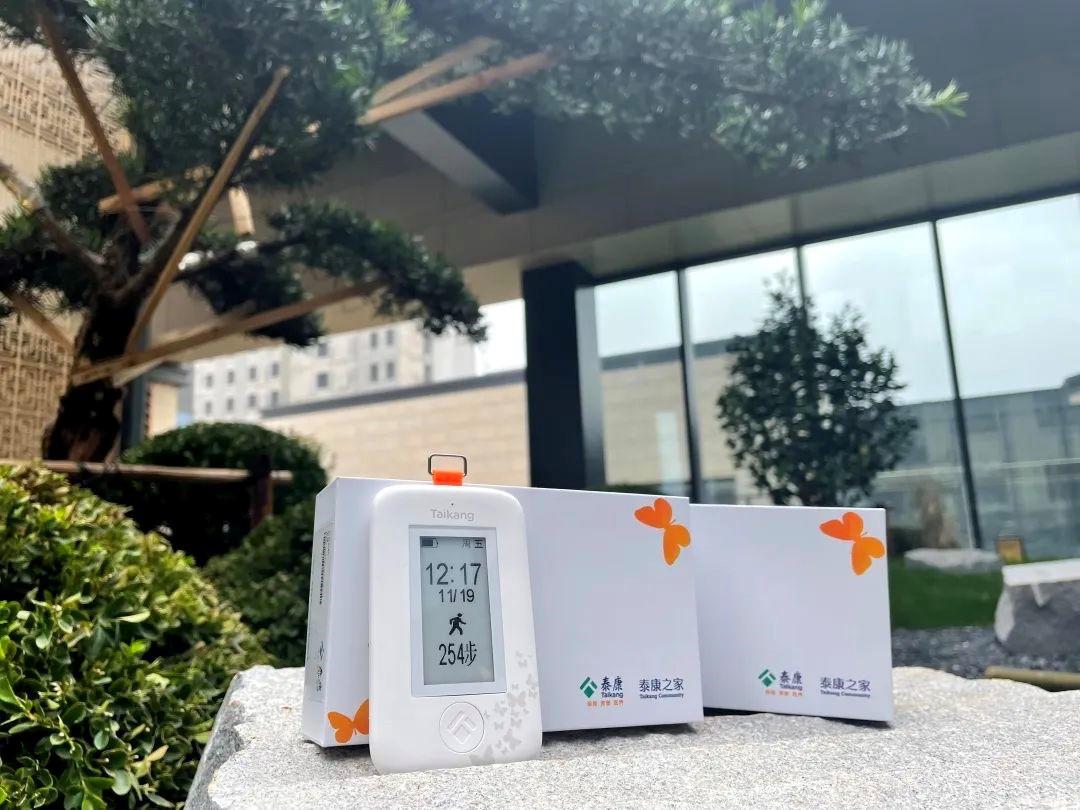
当科技养老成为新趋势,中国如何书写本土答案?
36氪· 2025-12-31 09:20
Core Viewpoint - The article discusses the emerging trend of technology-driven elderly care, highlighting innovative solutions that address the core pain points in elderly communities, and emphasizes the need for a differentiated approach in China's aging care industry [3][6]. Group 1: Technology in Elderly Care - Inspiren, a startup in the U.S., has developed an integrated solution that uses AI to predict risks for the elderly, focusing on real-time data analysis rather than historical records [3]. - The company has rapidly expanded, entering 150 regular elderly care communities and 33 dementia care communities within 18 months, raising over $155 million in funding [4]. - Japan has also invested heavily in care robotics, with over $300 million allocated by the government for research and development by 2018, showcasing a global trend towards technology in elderly care [4]. Group 2: Challenges in China's Elderly Care - By the end of 2024, China's population aged 60 and above is projected to reach 310 million, accounting for 22% of the total population, with a significant portion living alone [9][10]. - The current fragmented healthcare system in China struggles to meet the needs of the aging population, highlighting the necessity for a more integrated approach to healthcare and elderly care [10][11]. - The article emphasizes the importance of "predictive" care models that can preemptively address health issues, as seen in innovative practices like those at TaiKang [12]. Group 3: Innovative Solutions and Models - TaiKang has integrated AI, IoT, and big data into its elderly care services, creating a smart healthcare system that includes emergency response features and personalized health management [12][14]. - The introduction of emotional support robots and AI companions is seen as a growing market, with predictions of significant revenue growth in the "AI + emotional companionship" sector [17]. - TaiKang's "Happiness Appointment" product links insurance with elderly care services, allowing seniors to secure future care while managing current financial pressures [25]. Group 4: Economic and Service Accessibility - The current elderly care landscape in China shows a disparity where approximately 90% of seniors rely on home care, while only 3% reside in care facilities, primarily due to cost and service accessibility issues [23]. - The average monthly fees for private elderly care institutions range from 4,000 to 8,000 yuan, which is often beyond the financial reach of many seniors [23]. - The article suggests that technological innovations and strategic partnerships can help reduce costs and improve service quality, making high-quality care more accessible [24][27]. Group 5: Sustainable Business Models - The article argues for a shift in the elderly care industry from a profit-driven model to one that balances social responsibility and commercial viability [29]. - TaiKang's approach combines insurance, service, and investment to create a self-sustaining ecosystem that addresses the long-term needs of the elderly [32]. - The exploration of new insurance models demonstrates that commercial value and social significance can coexist, providing a framework for sustainable elderly care solutions [33].


小小一键呼 满满安稳感 截至11月底全市3467户特殊困难老年人家庭完成终端设备安装
Su Zhou Ri Bao· 2025-12-19 00:29
Core Viewpoint - The "One-Click Call" emergency rescue system in Suzhou aims to enhance the safety and well-being of elderly individuals living alone, providing a reliable means of communication with a 24-hour service center [1][4]. Group 1: Project Implementation - The "One-Click Call" system is part of the 2025 Suzhou municipal livelihood project, implemented by the Civil Affairs Bureau and Suzhou Kangyang Group, and has entered a normalized operational phase [1]. - As of the end of November, 3,467 households of special difficulty elderly individuals have completed the installation of the terminal devices [1][3]. - The project targets various groups of elderly individuals, including those living alone in low-income households and those with disabilities, ensuring comprehensive coverage [2]. Group 2: Emergency Response Mechanism - The project features a four-level emergency response mechanism: "Call - Response - Handling - Feedback," ensuring timely assistance for elderly individuals in emergencies [4]. - The service center operates 24/7, with an average response time of under 50 seconds, allowing for immediate action in critical situations [4]. - The system can automatically record information and locate addresses when an emergency call is made, facilitating quick contact with emergency contacts and relevant departments [4]. Group 3: Service Expansion and Future Plans - The "One-Click Call" system is envisioned as a hub linking various elderly care services, with plans to integrate its functionalities with a broader range of home care services [6]. - The project will enhance promotional efforts to increase awareness and usage of the "One-Click Call" system among elderly individuals and their families [6]. - Future initiatives will focus on improving operational systems and ensuring the project becomes a key component of elderly care services in Suzhou, enhancing the safety and happiness of vulnerable elderly populations [6].