西方制裁

Search documents
印度退场,中国成唯一买家!俄伊石油价格战,谁在偷笑谁在哭?
Sou Hu Cai Jing· 2026-02-26 23:42
Group 1 - The article discusses a fierce price war for oil between Russia and Iran, both targeting China as the largest crude oil importer in the world [2][12] - Russia's Ural crude oil is being sold at a discount of $12 per barrel compared to the Brent benchmark, which has increased from $10 in January 2026 [2][3] - Iran's light crude oil discount has risen from $8-9 per barrel in December 2025 to $11 per barrel in February 2026, indicating pressure from Russian pricing [2][3] Group 2 - The price war is primarily affecting China's independent refineries, known as "teapot refineries," which have limited processing capacity and are subject to strict import quotas [3][11] - In February 2026, Russian oil exports to China reached an average of 2.09 million barrels per day, a 20% increase from January, making China the largest recipient of Russian sea-borne oil [3][5] - In contrast, Iran's oil exports to China have decreased to an average of 1.2 million barrels per day, down 12% from the previous year, with significant inventory buildup at sea [5][8] Group 3 - The economic situations of both Russia and Iran are dire, with Russia facing declining oil and gas revenues due to Western sanctions and military conflicts [5][6] - India's reduced oil purchases from Russia, influenced by U.S. sanctions, have forced Russia to offer deeper discounts to China to maintain cash flow [6][9] - Iran's economy is heavily reliant on oil exports to China, which account for over 90% of its maritime oil exports, making it vulnerable to price competition from Russia [8][11] Group 4 - The ongoing price war is reshaping global oil trade dynamics, with both countries competing primarily on price due to the structural decline in Indian oil purchases [12] - Despite the aggressive pricing strategies, both Russia and Iran face challenges in maintaining fiscal stability as deeper discounts erode their already strained revenues [12] - The competition is exacerbated by the limited absorption capacity of China's independent refineries, leading to significant floating oil inventories in Asian waters [11][12]

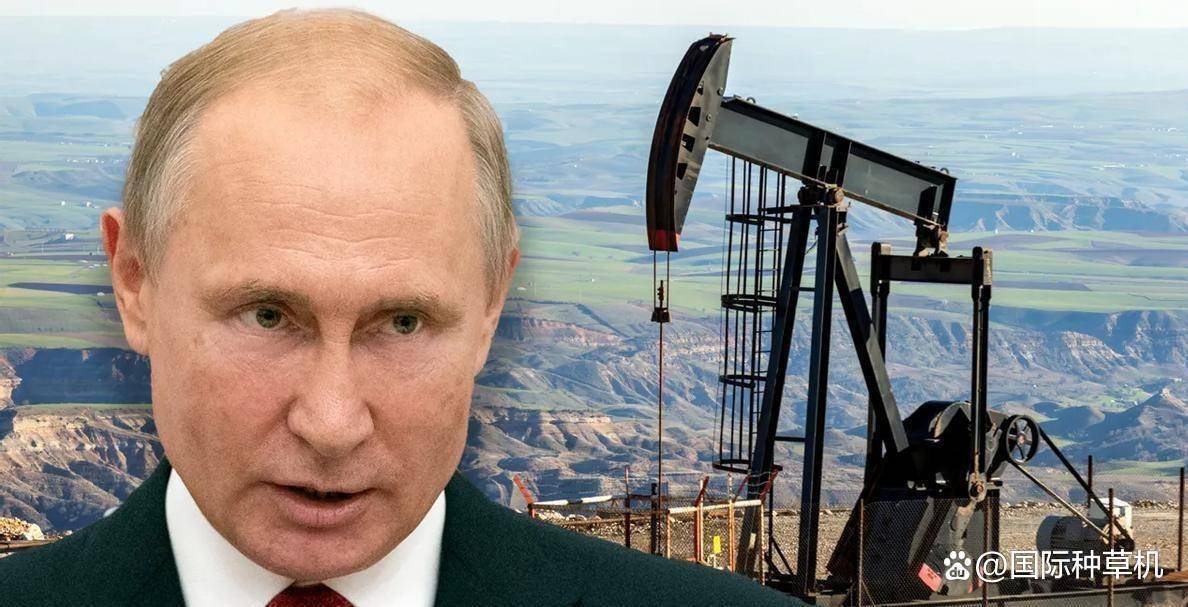
Russian oil tankers list Singapore as destination amid sanctions and shift to China, LSEG data shows
Reuters· 2026-02-09 15:59
Core Insights - Russian oil tankers are increasingly listing Singapore as their official destination, indicating a shift in export flows from India to China due to growing concerns over Western sanctions [1] Group 1 - The trend of Russian oil tankers changing their destination to Singapore suggests a strategic pivot in export routes [1] - This shift reflects the impact of Western sanctions on Russian oil exports, prompting traders to adapt to new market dynamics [1] - The movement of oil exports from India to China highlights the changing landscape of global oil trade influenced by geopolitical factors [1]
Russia's fuel oil exports to Asia slow in early 2026 as sanctions hamper trade
Reuters· 2026-01-26 06:22
Core Insights - Russian fuel oil exports to Asia have slowed down in early 2026 due to increased scrutiny from tighter Western sanctions impacting trade [1] - Ukrainian drone attacks on Russian refining facilities have led to a reduction in output, further contributing to the decline in exports [1] Industry Impact - The combination of Western sanctions and military actions has created significant challenges for the Russian fuel oil export sector, particularly in its ability to maintain trade levels with Asian markets [1] - The ongoing geopolitical tensions are likely to continue affecting the supply chain and operational capabilities of Russian oil producers [1]
伊朗指责美以策划动乱,哈梅内伊呼吁伊朗人民保持团结
Huan Qiu Shi Bao· 2026-01-09 22:42
Core Viewpoint - Iran's Supreme National Security Council accuses the US and Israel of orchestrating unrest in Iran, while the Supreme Leader calls for national unity and warns against those seeking to damage public property for foreign interests [1][2] Group 1: Unrest and Government Response - Internet disruptions occurred in Tehran on the evening of the 8th, affecting banking and mobile payment services [1] - Iranian Foreign Minister Zarif stated that Iran is prepared for any potential situation but does not seek war, emphasizing a willingness to negotiate based on mutual respect [1][2] - Protests have been fueled by public concerns over rising living costs and currency devaluation, leading to violent incidents and the arrest of several individuals linked to foreign-backed organizations [2] Group 2: Economic Context - Since the US unilaterally withdrew from the Iran nuclear deal in 2018, Iran has faced multiple rounds of severe sanctions, resulting in currency devaluation and rising prices [2] - The Iranian government is holding emergency meetings to address recent issues related to exchange rates, trade, and public welfare, with some citizens expressing dissatisfaction with a newly introduced monthly subsidy of $7 [2]
据报Telegram价值5亿美元债券遭冻结
Ge Long Hui· 2026-01-07 02:17
Group 1 - The core point of the article is that $500 million worth of Russian Telegram bonds have been frozen due to Western sanctions [1] - Telegram has issued a series of bonds in recent years, including a $1.7 billion issuance in May this year aimed at repurchasing existing debt [1] - The report indicates that the company has repurchased most of the bonds maturing in 2026, but $500 million of the outstanding bonds are frozen at the Russian Central Securities Depository [1] Group 2 - The European Union, the United States, and the United Kingdom have implemented asset freezes and other restrictions on the Russian National Settlement Depository (NSD), which may affect any Western organizations holding Russian bonds [1]
俄开启黄金大甩卖!普京掏空2300吨家底填战争窟窿,财政要崩盘?
Sou Hu Cai Jing· 2025-12-07 14:53
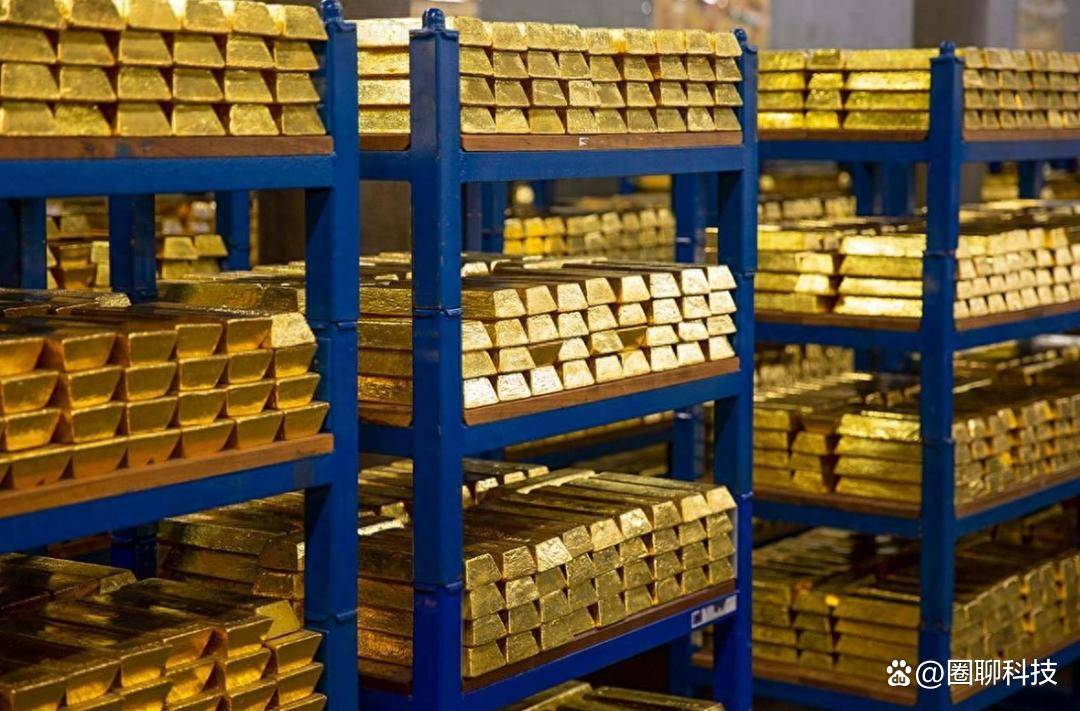
Core Viewpoint - The Russian Central Bank has begun selling its gold reserves to address a significant budget deficit, indicating a severe financial crisis exacerbated by ongoing military expenditures and Western sanctions [1][3]. Group 1: Financial Crisis - The Russian Central Bank confirmed the sale of gold to "fill the budget gap," highlighting the urgency of the situation as the country faces a budget deficit of 3.7 trillion rubles in 2025, several times higher than the previous year [3][5]. - Western sanctions have frozen approximately 300 billion euros of Russia's foreign exchange reserves, nearly half of its total reserves, forcing the country to liquidate its gold reserves [3][5]. Group 2: Military Expenditures - Russia's military spending is projected to reach 15.5 trillion rubles for the year, averaging 45.3 billion rubles per day, which translates to approximately 3.15 million rubles per minute [5][9]. - Local governments are experiencing financial collapse, with regions like Yakutia announcing budget exhaustion and drastically cutting recruitment bonuses by over 75% [5][9]. Group 3: Gold Reserves and Economic Impact - The National Wealth Fund's gold holdings have plummeted from 405.7 tons pre-war to 173.1 tons, with liquid assets halved to 51.6 billion USD, indicating a severe depletion of strategic reserves [7][9]. - The inability to sell gold internationally due to sanctions has led to a situation where domestic gold sales are insufficient to cover daily military expenses, with inflation rising to 8% and the central bank's interest rate reaching 16.5% [9][11]. Group 4: Long-term Consequences - The act of selling gold reserves is likened to a desperate measure, akin to selling organs for money, suggesting that while it may provide temporary relief, it signals a deeper systemic crisis with no clear winners in the ongoing conflict [11][12].
克宫派定心丸:印度进口俄油下滑只是暂时的,俄方有“黑科技”
Jin Shi Shu Ju· 2025-12-02 14:33
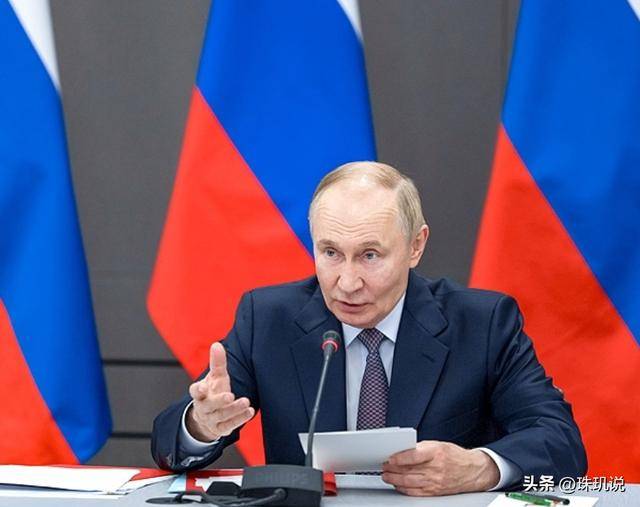
Group 1 - The Kremlin spokesperson, Peskov, stated that India's imports of Russian oil may only decline for a "very short time" as Moscow plans to use "advanced technology" to circumvent Western sanctions and increase supply [1] - India is set to reduce its Russian oil purchases to a three-year low this month due to Western sanctions, particularly those imposed by Washington on major Russian oil producers like Rosneft and Lukoil [1] - Peskov emphasized that Russia is working to create a "necessary environment" for buyers seeking to purchase its oil, asserting that the oil trade volume may experience a negligible decline in the short term [1] Group 2 - Indian refiners, including Mangalore Refinery and Petrochemicals Ltd, Hindustan Petroleum Corporation, and HPCL-Mittal Energy Ltd, have ceased purchasing Russian oil [2] - State-owned Indian Oil Corporation has ordered Russian oil from non-sanctioned entities, while Bharat Petroleum Corporation is in advanced negotiations for imports [2] - Nayara Energy, backed by Russia and partially owned by Rosneft, is currently processing Russian oil, as other suppliers have withdrawn due to UK and EU sanctions [2]

俄出售2300吨实物黄金!只为救急军工,印度417亿逆差成冤大头?
Sou Hu Cai Jing· 2025-11-25 13:55
Core Viewpoint - Russia is aggressively selling its gold reserves due to economic pressures and the impact of Western sanctions, which has significant implications for the global gold market and countries like India that have invested heavily in gold [1][10]. Group 1: Russia's Gold Sales - Russia, holding over 2300 tons of gold, is forced to sell its reserves to address a budget deficit exacerbated by the ongoing conflict and sanctions [6][10]. - The gold being sold is considered "non-standard" due to sanctions, leading to a discount of $50 per ounce compared to market prices, indicating a fire sale [7][9]. - Countries like the UAE and Turkey are capitalizing on this situation, purchasing gold at discounted rates [7]. Group 2: Impact on India - India's trade deficit surged to $41.7 billion last month as it sought to acquire gold, expecting to profit from leasing it to mining companies or Wall Street firms [9]. - The sudden drop in global gold prices due to Russia's sales has resulted in significant paper losses for India, which is now unable to liquidate its gold easily due to existing leasing agreements [9]. Group 3: Economic Pressures on Russia - The economic strain on Russia is primarily due to the costs of the ongoing conflict, which has proven to be financially burdensome, contradicting earlier claims of becoming wealthier through warfare [10][16]. - Western sanctions have severely restricted Russia's access to foreign exchange reserves and traditional energy export revenues, leading to a cash flow crisis in its military-industrial complex [12][14]. - The inability to fulfill military contracts and the reduction in foreign orders have further compounded the financial difficulties faced by Russian military manufacturers [14]. Group 4: Future Strategies - Russia is looking towards Eastern markets for energy exports as a potential solution to its economic woes, indicating a strategic pivot away from reliance on Western markets [17]. - While selling gold is a temporary measure, it does not address the underlying economic issues, and the depletion of gold reserves could lead to increased dependence on Eastern markets in the future [19]. - The ongoing geopolitical tensions and sanctions are expected to prolong Russia's economic challenges, making it crucial for the country to stabilize its economy and military supply chains [21].
俄罗斯天然气亏本出售!中国捡到大便宜,每月怒省14亿
Sou Hu Cai Jing· 2025-11-21 09:49
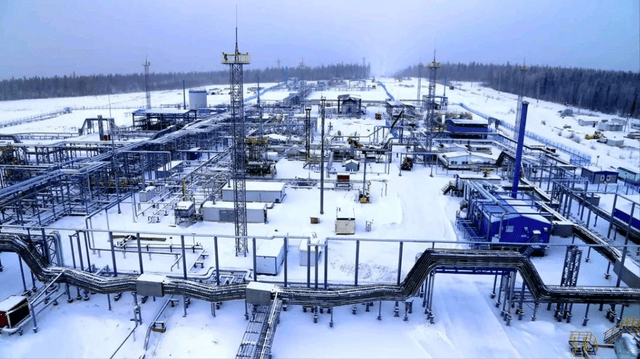
Core Viewpoint - Russia is selling natural gas to China at a significant discount, nearly at cost price, which raises questions about the motivations behind such a decision [1][3]. Group 1: Pricing and Economic Impact - The price of natural gas exported from Russia to China is between $28 million to $32 million per shipment, which is approximately 40% cheaper than international prices [3][10]. - China saves about $1.4 billion monthly due to these discounted prices [3]. - The cost of a conventional natural gas transport ship is around $44 million, indicating that Russia is incurring losses by selling below this cost [1]. Group 2: Russia's Economic Situation - The sanctions imposed by the U.S. have led to a halt in natural gas purchases from Russia by other countries, forcing Russia to sell at a loss to maintain operations [5]. - Stopping production is not feasible for Russia due to the risk of damaging expensive industrial equipment, which requires continuous operation [6][8]. - If production stops, the costs associated with unsold gas and storage become unsustainable, compelling Russia to sell even at a loss [8]. Group 3: China's Position and Risks - China does not lack alternative natural gas sources, primarily importing from Australia and Qatar, but the geopolitical landscape has limited Russia's buyers to mainly China [10]. - Accepting discounted Russian gas carries potential commercial and political risks for China, as it may affect its international standing [12]. - The cooperation between China and Russia in the natural gas sector is expected to strengthen with the upcoming "Power of Siberia 2" pipeline project, which aims to enhance energy collaboration [12][14]. Group 4: Future Outlook - The current trend of discounted gas exports from Russia to China is likely to continue as long as Western sanctions remain in place [14]. - The focus of energy cooperation between the two countries is expected to shift towards the "Power of Siberia 2" pipeline project, which could significantly deepen their energy relationship by around 2030 [14].
Oil slips as loadings resume at Russian hub; markets weigh sanctions impact
Reuters· 2025-11-18 01:38
Core Viewpoint - Oil prices decreased as supply concerns diminished due to the resumption of loadings at a Russian export hub, which had been temporarily halted by a Ukrainian drone and missile strike, while traders are evaluating the effects of Western sanctions on Russian oil flows [1] Group 1 - Oil prices dipped on Tuesday [1] - Resumption of loadings at a Russian export hub eased supply concerns [1] - The loading halt was caused by a Ukrainian drone and missile strike [1] Group 2 - Traders are assessing the impact of Western sanctions on Russian oil flows [1]