酒店投资

Search documents
重庆酒店市场,杀疯了
3 6 Ke· 2026-01-28 03:19
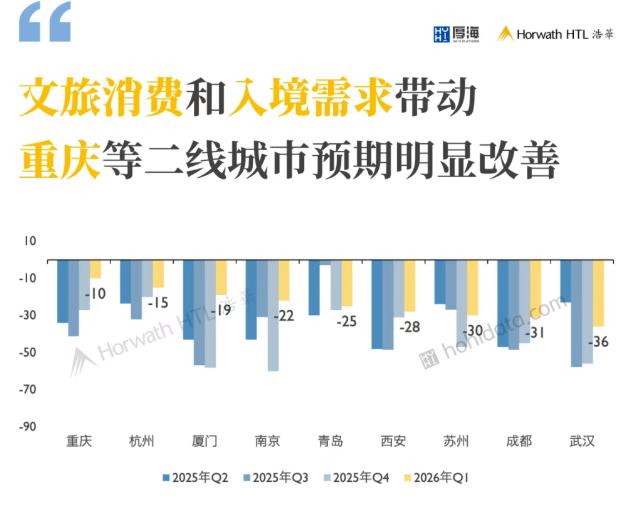
从数据看,重庆的酒店市场,似乎正在开启新的一轮爆发潮。 但这繁华表象之下,藏着的是重庆近万家酒店陷入贴身肉搏红海竞争的真相。 一边是旅游业火爆和政策利好推动经济发展的双重推动下酒店市场繁荣; 另一边却是热门区域酒店扎堆布局,价格战愈演愈烈,行业的整体盈利能力承压的现状。 作为投资人重点关注的酒店市场,很多人都很关心的一个问题是:现在入局重庆做酒店,还能赚到钱吗? 重庆酒店业红海厮杀 近日,厚海发布2026年一季度中国酒店市场景气调查报告,重庆酒店景气指数位列二线城市首位。 2025年旅游业的爆发式增长是重庆酒店景气指数回暖最直接的动力。 重庆更火了——这也是过去一年里许多重庆人的真实感受。 作为初代网红城市,重庆凭借无可替代的山城、轻轨穿楼、赛博朋克、8D城市等标签,已经长红了7年。 到了2025年,央视春晚分会场、外网爆火带来的境外游客翻番式增长,又给重庆旅游添了一把火。 图源:厚海数据平台 旅游业的持续火热,为重庆酒店市场带来了持续的、强劲的住宿需求。 携程去哪儿旅行发布的数据:2026年春节重庆跻身全国入境游目的地前十、酒店预订量前十双榜单。 2025年重庆以接待国内游客突破5亿人次的数量连续三年居全国 ...

锦江酒店股价涨5.21%,湘财基金旗下1只基金重仓,持有2.24万股浮盈赚取2.87万元
Xin Lang Cai Jing· 2026-01-07 03:13
Group 1 - The core point of the news is that Jin Jiang Hotels experienced a stock price increase of 5.21%, reaching 25.84 CNY per share, with a trading volume of 295 million CNY and a turnover rate of 1.30%, resulting in a total market capitalization of 27.553 billion CNY [1] - Jin Jiang International Hotel Co., Ltd. was established on December 13, 1994, and listed on October 11, 1996. The company primarily operates limited-service hotel management and food and beverage businesses [1] - The revenue composition of Jin Jiang Hotels includes 68.22% from limited-service hotel operations and management in mainland China, 28.32% from limited-service hotel operations and management outside mainland China, 1.87% from full-service hotel operations and management in mainland China, and 1.59% from food and beverage operations [1] Group 2 - From the perspective of fund holdings, one fund under Xiangcai Fund has Jin Jiang Hotels as a top ten holding. The Xiangcai Balanced Selection Mixed A Fund (018930) held 22,400 shares in the third quarter, accounting for 2.84% of the fund's net value, ranking as the tenth largest holding [2] - The Xiangcai Balanced Selection Mixed A Fund (018930) was established on September 21, 2023, with a latest scale of 15.1256 million CNY. Year-to-date returns are 1.31%, ranking 6732 out of 8823 in its category, while the one-year return is 0.99%, ranking 7890 out of 8083. Since inception, the fund has experienced a loss of 13.07% [2] - The fund manager of Xiangcai Balanced Selection Mixed A is Bao Jiamin, who has been in the position for 1 year and 310 days. The total asset scale of the fund is 509 million CNY, with the best return during the tenure being 47.98% and the worst return being -4.08% [3]

开启“卡位战”的酒店市场中,谁能帮投资人抢得战略高地?
Jin Tou Wang· 2025-12-18 04:36
Core Insights - The hotel industry is transitioning from a "land grab" era to a "positioning war," where brands must focus on strategic differentiation to capture market share [1][2] - Investors are seeking reliable partners that can provide consistent returns through economic cycles, moving away from the "easy money" era of hotel investments [1] Group 1: Investment Trends - Trend One: Investment is shifting towards higher-end hotels as consumers demand better experiences and services, leading investors to seek brands with strong premium pricing and brand recognition [3][4] - Trend Two: Investors are increasingly focused on deepening their understanding of investment returns, analyzing costs and revenue sources more meticulously than ever before [5] - Trend Three: Investors are expanding their focus to encompass a broader market, including emerging markets and diverse consumer segments, as opportunities in first-tier cities become limited [6][7] Group 2: Holiday Inn's Strategic Position - Holiday Inn, with a 50-year presence in the Greater China market, is positioned as a reliable brand for investors seeking certainty in an uncertain environment [8][9] - The brand's resilience is demonstrated through its ability to adapt and evolve over decades, making it a valuable asset for investors [10] - Holiday Inn's recent 3.0 upgrade reflects its commitment to innovation while maintaining core brand values, ensuring relevance in the local market [11][12] Group 3: Product Innovations - The 3.0 upgrade aims to maximize investment value through systematic innovations, transforming traditional hotel spaces into vibrant social hubs [17][18] - The new design includes a multifunctional lobby that encourages social interaction, enhancing the overall guest experience [18][19] - The upgraded guest rooms are designed to cater to diverse customer needs, providing flexibility for business, family, and leisure travelers [20] Group 4: Investment Model - Holiday Inn's investment model is characterized by high efficiency and cost control, with a competitive room construction cost starting at 190,000 yuan [21][22] - The brand's long-term value proposition is rooted in its ability to deliver consistent returns, making it an attractive option for investors in the current market landscape [22]
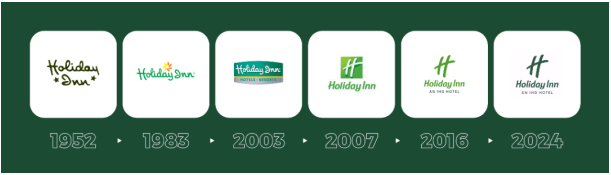
酒店接下来的日子会好么?
3 6 Ke· 2025-11-26 02:26
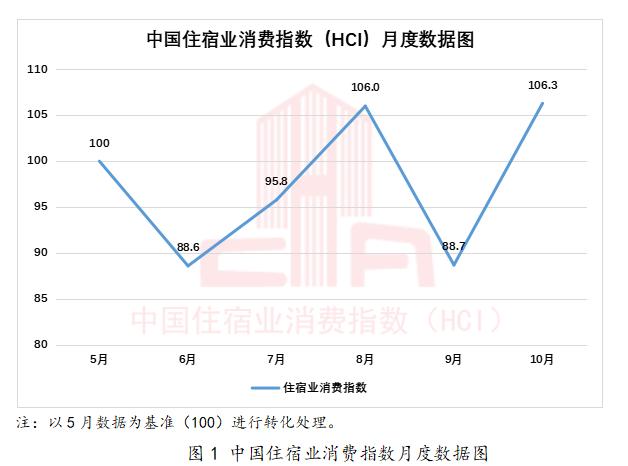
Core Viewpoint - The hotel industry's core operating indicators are recovering, and positive growth is likely in the fourth quarter of this year. High-quality and affordable properties are increasing, making hotel projects one of the investment opportunities with high return certainty [1]. Group 1: Hotel Group Performance - The operating data of leading hotel groups is gradually improving, and investors should focus on core operating data rather than revenue and net profit changes, which can be misleading due to variations in direct store numbers and non-core business fluctuations [3]. - Huazhu Group reported a Q3 RevPAR of 256 RMB, a slight year-on-year decline of 0.1%, with occupancy (OCC) down 0.8 percentage points to 84.1% and average daily rate (ADR) up 0.9% to 304 RMB. This indicates a turnaround from Q2, where RevPAR fell by 3.8% [4]. - Jinjiang Hotel Group's Q3 RevPAR was 170.9 RMB, with a year-on-year decline of 1.99%, improving from Q2's decline of 5.0%. The ADR for limited-service hotels was 245.0 RMB, showing a year-on-year increase of 3.06 percentage points [5][6]. - Shoulv Hotel's Q3 RevPAR was 165 RMB, down 2.8% year-on-year, an improvement from Q2's 5.7% decline. The ADR was 259 RMB, also showing a smaller decline compared to Q2 [7]. - Atour Hotel's Q3 RevPAR was 371 RMB, down 2.2% year-on-year, with ADR at 447 RMB, reflecting a similar trend of narrowing declines [8]. - Overall, the core operating indicators of major domestic hotel chains are showing signs of narrowing declines and potential recovery, with some metrics like ADR already on the rise [9]. Group 2: Market Trends and Economic Factors - STR data indicates that the Chinese hotel market is showing positive signals, with an average room rate increase of 3.6% in October, leading to a 2.2% year-on-year increase in RevPAR [11]. - The China Hotel Association reported a hospitality consumption index (HCI) of 106.3 in October, reflecting a strong V-shaped recovery with a 19.8% month-on-month increase, the highest since May [12][14]. - The overall economic growth is supportive, with a retail sales total of 365,877 billion RMB and a growth rate of 4.46% from January to September 2025. Domestic travel during the National Day holiday saw 8.88 billion trips, an increase of 1.23 billion from the previous year [16]. - The rental market is favorable for hotel investments, with significant declines in rental prices, particularly in major cities, creating opportunities for high-quality, low-cost properties [20]. Group 3: Investment Opportunities - Future hotel investments should focus on the mid-range and economy segments, with an emphasis on finding competitive chain brands. The industry is witnessing a split in the economy hotel market, with some brands moving towards mid-range offerings [21][22]. - The demand for culturally enriched hotel brands is increasing, as they can command higher premiums. Flexible long-stay brands are also gaining popularity, appealing to both short and long-stay markets [23]. - Soft brands are becoming more attractive for investment, as they offer flexibility in construction, design, and operations, which can better adapt to market changes [24].
一大波酒店投资人,开始组团“西南飞”
3 6 Ke· 2025-11-14 09:50
Core Insights - The hotel investment trend is shifting towards Guiyang, the capital of Guizhou province, as investors are increasingly attracted to its growing market potential [2][4][5] Market Performance - Guiyang's hotel market is showing strong performance with a 40% year-on-year increase in accommodation demand during the summer of 2025, and an average occupancy rate exceeding 85% [3][7] - The core area of Guiyang has seen hotel occupancy rates consistently surpassing 90% [6][8] Supply and Demand Dynamics - Despite the surge in demand, the supply of hotels in Guiyang remains limited, with only 2,922 hotels available as of August this year, and a low chain hotel penetration rate of 3.58% for economy hotels [11][10] - The market is experiencing a structural opportunity with demand outpacing supply, particularly in the mid-to-high-end hotel segment [15][12] Market Structure and Trends - The hotel market in Guiyang is transitioning from economy to mid-to-high-end offerings, with approximately 25% of hotels classified as high-end and 60% as mid-range [12][14] - In the past three years, 1,262 new hotels have opened, with a significant number being economy hotels, indicating a shift in market dynamics [13][14] Investment Opportunities - The local government has implemented supportive policies to boost the development of mid-to-high-end hotels, including financial incentives and land use innovations [18][19] - International hotel brands such as Hilton and Marriott have accelerated their entry into the Guiyang market, indicating strong investor interest [20][21] Competitive Landscape - The competitive environment is intensifying as new entrants may resort to price cuts and promotions to attract customers, which could pressure existing hotels [28] - The overall hotel operating data in the Southwest region is below the national average, highlighting the need for improved operational efficiency [28] Future Outlook - Guiyang's hotel market is poised for growth, but investors must adopt a long-term perspective and focus on creating differentiated offerings to achieve sustainable returns [30][31]

在不确定时代寻找确定回报,华住创始人季琦给了一份酒店投资指南
Tai Mei Ti A P P· 2025-11-10 00:24
Core Insights - The hotel industry in China, backed by a population of 1.4 billion, is seen as a promising investment opportunity despite current market challenges, including oversupply and increased competition [2][3] - The focus has shifted from "whether to invest" to "how to invest," emphasizing the need for systematic methodologies and clear transformation paths in hotel models [2][5] - The supply-side reform in China presents a significant opportunity for the hotel industry, with potential for brand standardization and operational efficiency improvements [5][6] Market Demand and Segmentation - The core logic of hotel investment is supported by a robust market demand driven by the 1.4 billion population, leading to increased travel and consumption [3][4] - The market can be segmented into three dimensions: geographical (first-tier, second-tier, and county-level markets), income (luxury, middle-class, and budget consumers), and age demographics (youth, middle-aged, and seniors) [3][4] Supply-Side Reform Opportunities - Supply-side reform is viewed as a critical driver for investment opportunities, with significant room for improvement in hotel scale and chain rates compared to the U.S. [5][6] - The potential for transforming underperforming hotels into branded, standardized operations is substantial, particularly in lower-tier cities [5][6] - Current economic conditions provide a "cost dividend," reducing property rental and construction costs, thus facilitating market entry for investors [6] Investment Criteria: Two "Three Goods" - Successful hotel investment hinges on two sets of "three goods": good location, good rent, and good product, where "good product" encompasses brand, property, and quality [7][8] - A strong brand is identified as a key variable for enhancing asset value, with emphasis on brand effect, membership systems, and technological capabilities [8][10] Competitive Landscape and Brand Strategy - The hotel market is characterized by increasing brand proliferation and homogenization, necessitating distinct positioning and unique value propositions for brands to stand out [10][11] - Leading brands within the industry, such as Huazhu, have demonstrated resilience and rapid recovery capabilities, supported by robust membership systems and technological advancements [10][11] - The head brand's competitive advantages have been validated, with Huazhu ranking fourth globally and its HanTing brand recognized as the largest single hotel brand worldwide [10][11]

国际连锁酒店品牌排行揭晓,锦江旗下丽芮、凯里亚德、康铂如何突围?
Sou Hu Cai Jing· 2025-09-22 19:48
Core Insights - The global hotel industry is witnessing significant changes, with Jin Jiang International Group ranking second globally and first in China according to the 2024 "Top 205 Global Hotel Groups" list by HOTELS magazine [1] - Jin Jiang Hotels (China) is leveraging a refined brand matrix to cater to diverse market needs and investment preferences, focusing on three key brands: Radisson RED, Kyriad, and Campanile [1] Radisson RED - Radisson RED targets the high-end lifestyle segment, appealing to Gen Z and emerging middle-class consumers who seek emotional value, design, and immersive cultural experiences [2][3] - The brand emphasizes a unique positioning as a lifestyle destination, integrating local culture into modern design, with each hotel reflecting its locality [3] - The product concept "Room + X" enhances the traditional lodging experience by offering a multifaceted space that includes social, artistic, dining, and fitness elements [5] - Investment potential is strong, with a room cost of 180,000 to 200,000 RMB and an average room rate of 800 to 1,000 RMB in prime locations, with a payback period of 4 to 5 years [5] Kyriad - Kyriad is positioned as an international mid-range business hotel brand, focusing on local market needs while maintaining international standards [6][7] - The brand has rapidly expanded in China, with over 560 locations expected by the end of 2024, indicating strong market acceptance [7] - The V3.0 product version offers five core experiences: sleep quality, health, intelligence, environmental sustainability, and exploration, enhancing guest engagement [9][10][11][12] - The investment model is characterized by stability and efficiency, with a total cost of 95,000 to 100,000 RMB per room and a payback period of approximately 3.4 years [13] Campanile - Campanile, also from the Louvre Hotels Group, targets the mid-range market with a focus on flexibility, style, and operational efficiency [17][18] - The brand is designed as a "city living room," appealing to young business travelers who value quality and cost-effectiveness [18] - The product design is adaptable, offering various investment models to suit different property conditions, enhancing operational viability [24] - The investment cost is approximately 85,000 RMB per room, with a payback period of around 3 years, making it attractive for investors seeking quick returns [24] Conclusion - Jin Jiang Hotels (China) has established a comprehensive brand pyramid with Radisson RED for high-end markets, Kyriad for mid-range business travelers, and Campanile for flexible mid-range solutions [25] - Each brand benefits from Jin Jiang International Group's robust platform, including a vast membership base, supply chain management, operational expertise, and financial support, making them viable options for hotel investors [26]
世邦魏理仕:香港酒店整体入住率升至约85% 料供应将持续紧张
智通财经网· 2025-07-28 13:24
Group 1 - Hong Kong welcomed over 20 million international visitors in the first five months of this year, with expectations to surpass last year's total of 44.5 million, reflecting an 11.9% year-on-year growth but still 22% lower than the peak in 2018 [1] - The recovery is primarily driven by short-haul leisure travel, particularly from Mainland China, Thailand, and Taiwan, benefiting from promotional activities like "Hong Kong Night Vibrancy" [1] - Hotel performance in Hong Kong is mixed, with an overall occupancy rate rebounding to approximately 85%, just 4 percentage points lower than the average from 2018 to 2023, while the average daily rate (ADR) decreased by 4.3% [1] Group 2 - The average revenue per available room (RevPAR) stands at 1,132 HKD, which is 9.6% lower than the pre-pandemic peak in 2018, indicating a focus on short to medium-term occupancy improvement and price stabilization [1] - High-end hotels have fully recovered, with ADR reaching 2,145 HKD in the first five months of this year, nearly matching the 2,149 HKD from 2018, while mid-range and budget hotels are attracting a broader traveler base with competitive pricing [1] - Over the next five years, despite an increase in tourist arrivals, hotel supply is expected to grow at a compound annual growth rate of only 0.1%, with new supply mainly in the high-end market, leading to a continued tight overall supply [2] Group 3 - The transformation of some mid-range and budget hotels into student dormitories or labor accommodations will further tighten supply, making hotels an attractive investment option for both seasonal operations and stable income assets [2] - The outlook for Hong Kong hotels is cautiously optimistic for the second half of 2025, driven by cultural events, infrastructure upgrades, and international events [2] - Hotel operators need to adapt to changing traveler expectations and rising operational costs, focusing on enhancing guest experiences and attracting high-spending travelers for long-term growth [2]

酒店交易进入活跃期,一线城市酒店资产最受青睐
3 6 Ke· 2025-05-28 03:28
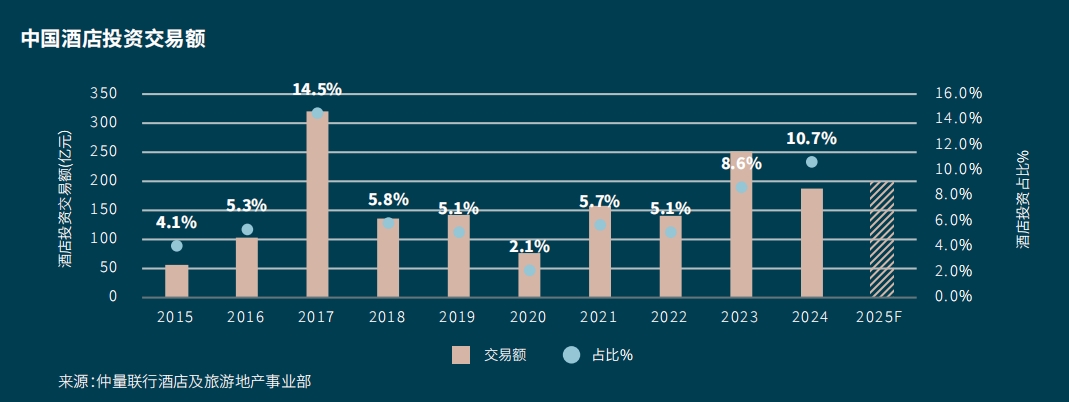
Core Insights - The Chinese hotel market has entered an active investment phase, with a projected investment transaction volume of approximately 168.54 billion yuan from 2015 to 2024, averaging about 13.94 billion yuan annually [1] - There is a contrast between the active hotel asset transactions and the increasing operational pressures faced by hotels [3] Group 1: Investment Trends - The increase in hotel transactions is driven by optimistic long-term expectations, with international hotel groups expanding their presence in the mainland market [4] - In April, 313 new hotels opened in China, representing a month-on-month growth of 41.6%, with mid-to-high-end hotels making up the majority [4] - Major hotel brands like Marriott and Hilton are experiencing stable expansion, with Marriott signing multiple contracts in key urban areas [4] Group 2: Market Dynamics - Over 60% of hotel transactions in the past decade occurred in first-tier cities, with Shanghai accounting for one-third of the national transaction volume in 2023-2024 [6] - Due to macroeconomic fluctuations and real estate policies, many hotel asset holders are facing cash flow pressures, leading to the sale of non-core assets, which attracts domestic and foreign investors [7] - The market is transitioning to a focus on existing stock, particularly in first-tier cities, as new supply declines [7] Group 3: Emerging Opportunities - New first-tier cities are becoming a new investment hotspot, with their share of hotel investment transactions increasing by 6 percentage points from 2015-2019 to 2020-2024 [9] - First-time investors in Chinese hotel assets now account for over 50% of the market, indicating a rapid increase in new players [9] - High-net-worth individuals and state-owned enterprises are becoming the main investment entities, with high-net-worth individuals making up 76.4% of hotel investment buyers in Shanghai during 2023-2024 [9] Group 4: Investment Strategies - Investors are increasingly focused on the entire lifecycle of hotel operations, including investment, financing, construction, management, and exit strategies, with a high demand for financial innovation and secure transaction structures [12]
投资占比创近年来新高 商业地产投资或步入活跃期
Zhong Guo Jing Ying Bao· 2025-04-29 21:57
Core Insights - The hotel investment market in China is transitioning from incremental expansion to stock optimization due to macroeconomic fluctuations and real estate policy impacts [1][6] - The total hotel investment transaction amount in mainland China from 2015 to 2024 is approximately 168.54 billion, with an average annual transaction amount of about 13.94 billion [1] - In 2024, hotel investments accounted for 10.7% of the overall investment market, reaching a recent high [1] Investment Trends - First-tier cities are the focal point for capital due to their anti-cyclical capabilities and composite value, with over 60% of hotel transactions occurring in these areas over the past decade [1][2] - New first-tier cities are emerging as new investment hotspots, with their hotel investment transaction share increasing by 6 percentage points from 2015-2019 to 2020-2024 [1][2] - The demand for hotel investments is driven by the dual effects of business and cultural tourism, particularly in first-tier cities, which host about 40% of national conference and exhibition activities [3] Market Dynamics - The hotel investment market has seen a rise in bulk transaction amounts, with 2023 marking a historical high for hotel investment transactions in mainland China [2] - The performance of hotels in new first-tier cities like Hangzhou, Chengdu, Chongqing, and Xi'an has improved significantly, attracting investor interest [3] - Urban hotels account for over 70% of total transaction amounts, driven by stable market demand and advantageous geographic locations [3] Risk Management - The growth of the hotel investment market brings associated risks, including legal issues related to property rights and compliance [4][5] - Investors need to enhance their asset selection and risk management capabilities due to market differentiation and valuation discrepancies [2][6] - Innovative exit strategies, such as public REITs, are being explored to improve liquidity and value of hotel assets, although they are not yet included in the underlying asset category for public REITs [5][6]