
阿米巴经营模式

Search documents
海南政协委员谈打造“一流国企”:稳投资、提质效、促改革
Zhong Guo Xin Wen Wang· 2026-01-28 09:51
Core Viewpoint - The article discusses the development opportunities and challenges faced by state-owned enterprises (SOEs) in Hainan as the Hainan Free Trade Port begins operations, emphasizing the need for market-oriented reforms and the goal of building world-class enterprises to support economic growth [1]. Group 1: Investment Stability - Hainan Development Holding Co., Ltd. (referred to as "Hainan Holding") will focus on stabilizing investments, particularly in airport investment and operations, by advancing the construction of the Hainan Free Trade Port airport cluster [3]. - The company plans to collaborate with Singapore's Changi Airport to invest in the construction of a one-stop commercial center at Meilan Airport, aiming to establish an internationally influential transit hub [3]. Group 2: Quality and Efficiency Improvement - To ensure sustainable growth, Hainan Holding aims to adhere to the operational principles of "two profits and three fasts," which include having profitable revenue and positive cash flow, as well as ensuring that revenue growth outpaces asset growth, profit growth outpaces revenue growth, and cash flow growth outpaces profit growth [5]. - The company believes that achieving these metrics is essential for becoming a first-class enterprise [5]. Group 3: Reform Promotion - Hainan Holding will implement the "Amoeba Management Model" during the 14th Five-Year Plan period, transforming every unit and employee into a profit and cost center, with performance indicators assigned to each individual [5]. - The company will also promote the "Three Capitalizations" reform (resource assetization, asset capitalization, and capital securitization) to create a virtuous cycle among resources, assets, and capital [5]. Group 4: Future Goals - Hainan Holding aims for significant growth by 2025, targeting an asset scale of 227 billion yuan and an operating income exceeding 80 billion yuan, with a cumulative contribution to fiscal revenue of 17 billion yuan over five years [6].

明朝打倭寇,能给企业组织带来什么借鉴?
经济观察报· 2025-11-26 15:16
Core Insights - The article emphasizes the importance of small operational units in enhancing organizational agility and responsiveness to market changes, drawing parallels between historical military strategies and modern business practices [2][20][22] Historical Context - During the Jiajing period, the Ming Dynasty faced frequent invasions by Japanese pirates, which highlighted the inefficiencies of large military formations. General Qi Jiguang developed the "Yuan Yang Formation," which divided troops into smaller units to maximize command efficiency [1][2][3] Organizational Structure - The concept of dividing large groups into smaller, flexible units is not only applicable in military contexts but also in modern business. Companies can benefit from adopting similar strategies to maintain competitiveness and adaptability [2][4][20] - The "Yuan Yang Formation" allowed for quick adjustments in tactics based on battlefield conditions, which can be mirrored in business by creating cross-functional teams that can respond rapidly to market demands [3][9] Talent Management - Effective talent allocation is crucial. Companies can learn from Qi Jiguang's approach of placing individuals in roles that match their strengths, which aligns with contemporary talent management practices [3][10] - A company in Guangxi has implemented a classification system for employees, categorizing them into three types (A, B, C) to optimize their contributions based on their skills [3][10] Modern Applications - The article discusses how companies like Huawei and KaiGe Precision Machinery have successfully implemented small unit strategies, enhancing decision-making speed and project delivery times [7][18] - Huawei's "Iron Triangle" model exemplifies how empowering frontline teams with decision-making authority can lead to improved customer responsiveness and satisfaction [7][9] Challenges and Solutions - While the small unit approach offers numerous advantages, it also presents challenges such as balancing power delegation and maintaining oversight. Companies can adopt leadership roles similar to military captains to ensure effective coordination [17][18] - The need for a well-designed incentive system is highlighted, as seen in KaiGe Precision Machinery's diverse reward mechanisms that foster employee engagement and innovation [18] Strategic Alignment - The success of small operational units hinges on the alignment of strategy, organization, and culture. Historical examples demonstrate that organizations must adapt their structures and collaboration methods to meet external demands [20][22] - The article concludes that organizations should embrace a hybrid approach, combining the discipline of traditional structures with the flexibility of small units to thrive in a rapidly changing business environment [20][22]


现代企业组织变革的“鸳鸯阵” | 微观视界
Jing Ji Guan Cha Wang· 2025-11-23 03:23
Core Insights - The article emphasizes the importance of small operational units in organizations to enhance agility and responsiveness to market changes [2][4][14] - It draws parallels between military strategies, particularly the "Yuan Yang Formation" created by General Qi Jiguang, and modern business practices, advocating for a shift from centralized decision-making to empowered, decentralized teams [3][10][15] Decision-Making and Organizational Structure - Many medium-sized enterprises exhibit decision-making processes similar to large corporations, leading to slow responses to market dynamics [2][4] - The concept of dividing larger teams into smaller, flexible units is proposed as a solution to restore agility and competitiveness [2][5] Historical Context and Military Strategy - The "Yuan Yang Formation" was designed to enhance command efficiency by creating small combat units that could adapt to battlefield conditions [3][5] - Historical military strategies, such as those employed by the Chinese Communist Party and during the Korean War, demonstrate the effectiveness of small, agile units in achieving operational success [5][14] Talent Management and Team Dynamics - The article highlights the importance of placing the right individuals in suitable roles, akin to Qi Jiguang's recruitment strategies, which align with modern talent management practices [3][8] - A case study from a Guangxi company illustrates a classification system for talent that maximizes individual strengths and contributions [3][8] Implementation in Modern Enterprises - Companies like Huawei and KaiGe Precision Machinery have adopted similar small unit strategies, enhancing decision-making speed and project success rates [6][7][14] - The "Iron Triangle" model at Huawei exemplifies how cross-functional teams can improve customer responsiveness and project delivery times [6][7] Cultural and Strategic Alignment - The success of small operational units relies on the alignment of strategy, organization, and culture, allowing for flexibility and responsiveness in a rapidly changing business environment [14][16] - The article argues that organizations should prioritize establishing clear core objectives and empowering frontline teams to make decisions based on localized market conditions [10][14] Challenges and Solutions - Implementing small operational units presents challenges, particularly in balancing decentralization with oversight [12][13] - Effective communication and support systems, as demonstrated by Huawei's model, are essential for maintaining coordination while empowering teams [13][14]

日本战略经营溯源:京瓷阿米巴经营哲学与文化创新典范(三)
Sou Hu Cai Jing· 2025-11-21 08:12
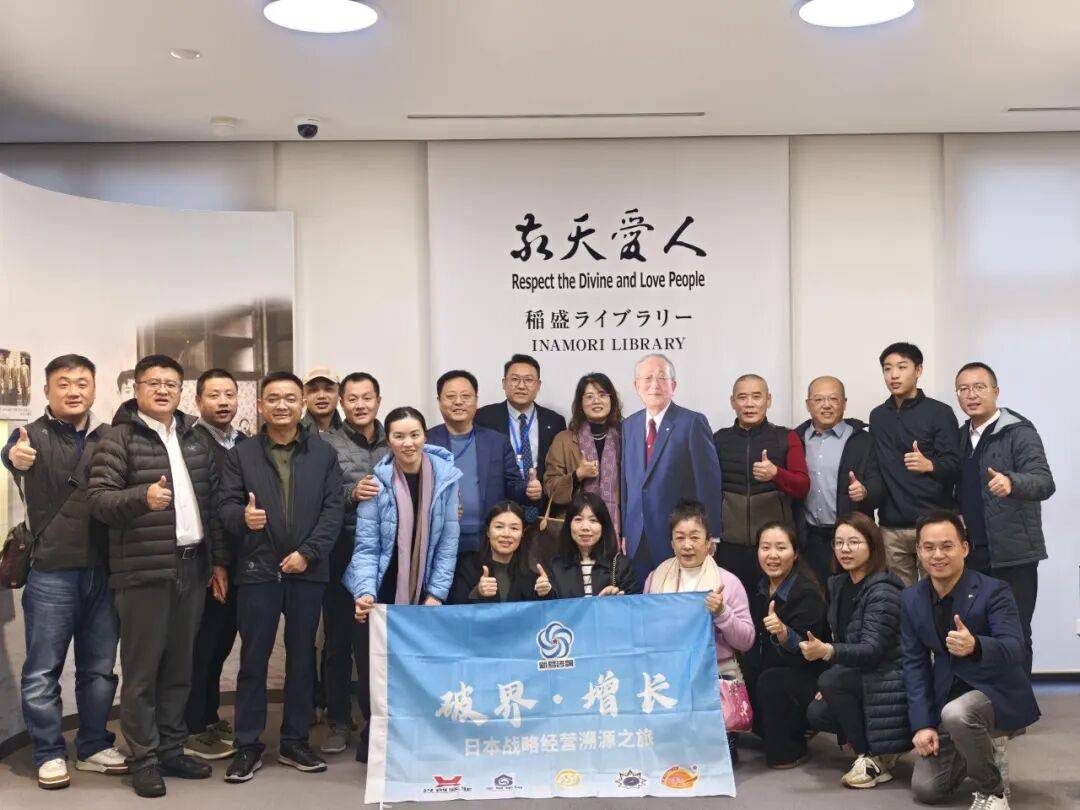
Core Insights - The article discusses the "Amoeba Management" model developed by Kyocera, emphasizing its role in enhancing organizational vitality and sustainability in business practices [4][7][16] - It highlights the importance of a philosophy that prioritizes mutual benefit among stakeholders, fostering trust and long-term relationships within the organization [4][17] Group 1: Key Features of Japanese Long-Lived Enterprises - Three key characteristics of successful Japanese companies include: a focus on mutual benefits for sellers, buyers, and society; strong interpersonal relationships; and clear management principles that are integrated into daily operations [4] - The "Amoeba Management" model is not merely an accounting system but a mechanism that empowers all employees to take ownership of their roles within small units [7] Group 2: Implementation of Philosophy in Business - Kyocera's philosophy of "Respect for the Divine and Love for People" has been effectively translated into 65 years of continuous profitability [11][14] - The company's strength lies not in technology or scale, but in its systems and the human element within the organization [14] Group 3: Lessons from the Kyocera Experience - The journey through Kyocera illustrates that while the "Amoeba" structure is a technique for operational efficiency, the underlying philosophy is crucial for achieving ultimate business goals [16][17] - Many companies fail to replicate the success of the "Amoeba Management" model because they focus solely on the structural aspect without embracing the core philosophy of altruism and win-win outcomes [17]
青海盐湖工业股份有限公司 2025年第三季度报告
Zheng Quan Ri Bao· 2025-10-24 23:10
Core Viewpoint - The company, Qinghai Salt Lake Industry Co., Ltd., has reported stable production and sales of its core products, including potassium chloride and lithium carbonate, while implementing effective cost control and operational efficiency measures to enhance its competitive edge and resilience against risks [6][7]. Financial Data - The company confirmed that its quarterly report is accurate and complete, with no need for restatement of previous financial data [2][4]. - The third-quarter financial report has not been audited [9]. Production and Sales Performance - In the reporting period, the company produced 3.2662 million tons of potassium chloride and sold 2.8609 million tons, while lithium carbonate production reached 31,600 tons with sales of 31,500 tons, indicating efficient production and sales alignment [6]. - The company has adopted an "Amoeba" management model to enhance cost control, optimizing logistics and warehousing to significantly reduce logistics costs [6]. Strategic Initiatives - The company’s actual controller, China Minmetals, has initiated a share buyback plan, acquiring 248 million shares (4.69% of total shares), increasing its total control to 1.587 billion shares (29.99% of total shares) [7]. - A new integrated lithium salt project with an annual capacity of 40,000 tons has successfully entered the trial production phase, enhancing the company's lithium salt production capacity and market competitiveness [7].

盛和塾是个什么组织?合法吗?一文带你深入了解盛和塾!
Sou Hu Cai Jing· 2025-10-24 04:35
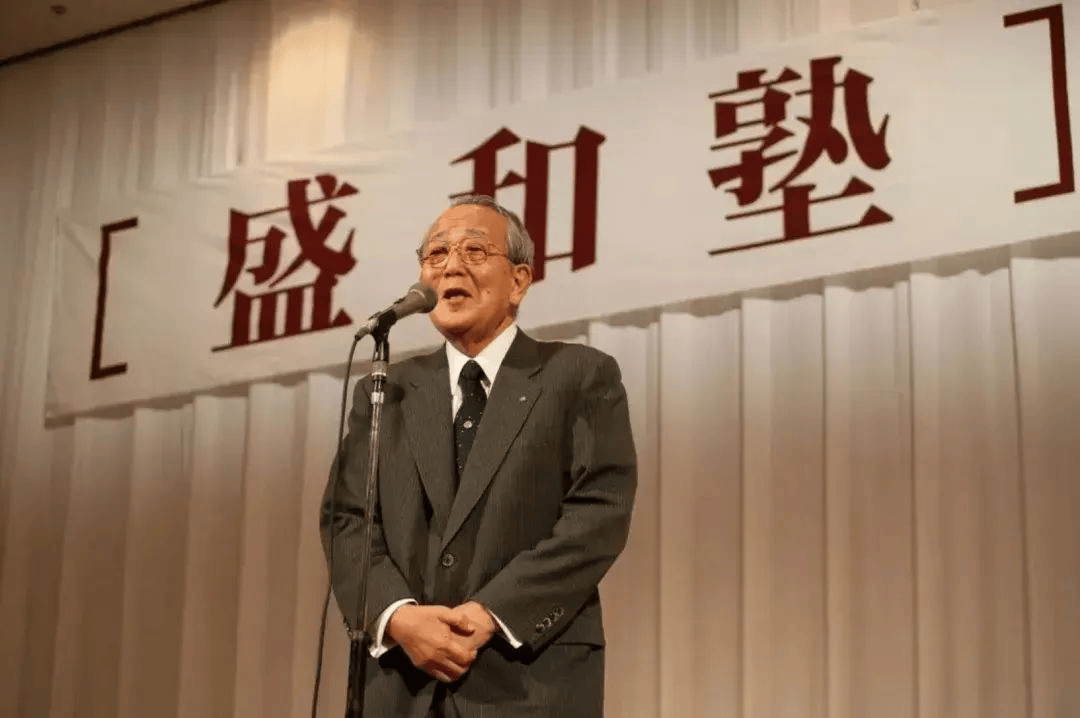
Group 1 - The core concept of "盛和塾" is to provide a platform for entrepreneurs to learn and practice the management philosophy of Inamori Kazuo, focusing on sustainable business growth [1][2] - "盛和塾" originated in 1983, initially named "盛友塾," and was renamed in 1989, symbolizing the integration of business prosperity and human virtue [2] - Inamori Kazuo, the founder of Kyocera and KDDI, is recognized as a significant figure in management philosophy, having successfully rebuilt a bankrupt airline at the age of 78 [2] Group 2 - "盛和塾" operates legally in China, with a structured corporate governance model and independent legal entities managing its operations [4] - The organization adheres to national market regulations and has a clear decision-making process involving a board of directors [4] - In January 2019, Inamori announced the continuation of "盛和塾" in China, ensuring compliance with corporate decision-making protocols [4] Group 3 - The learning content at "盛和塾" includes three main areas: life philosophy, management philosophy, and practical management skills [6] - Life philosophy emphasizes values such as "respect for heaven and love for people," while management philosophy focuses on contributing to societal progress alongside employee well-being [6] - Practical management skills provide actionable methodologies, including the Amoeba Management model and accounting principles [6] Group 4 - Entrepreneurs interested in "盛和塾" should choose legitimate learning channels to engage in activities organized by the platform [7] - The learning approach emphasizes the combination of theoretical knowledge and practical application through experience sharing among entrepreneurs [7] - "盛和塾" aims to be a trustworthy platform for those seeking to deepen their management knowledge and exchange practical experiences [9]
如何破解中小企业经营难题?
Sou Hu Cai Jing· 2025-09-04 12:53
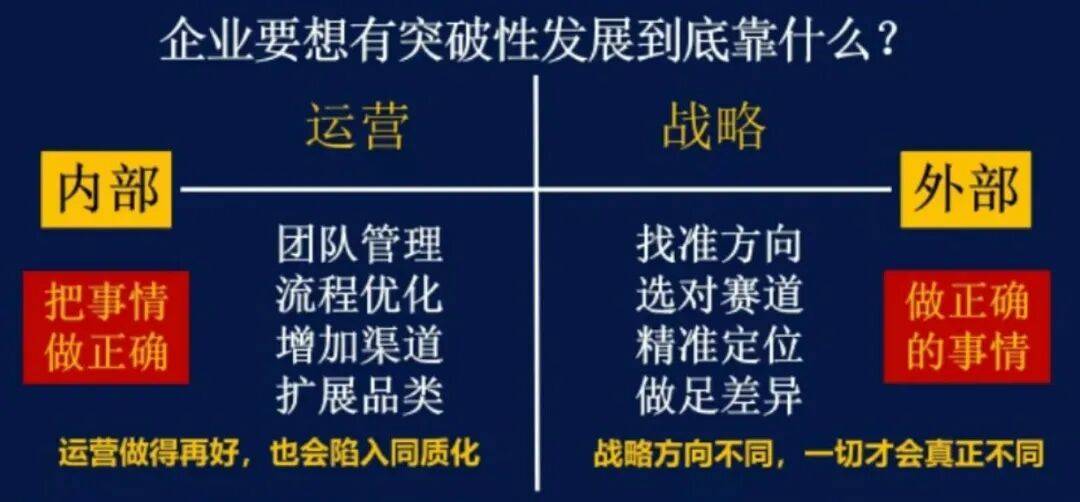
Group 1 - The core issue for many entrepreneurs is the lack of effective management methods, leading to difficulties in profitability despite increased scale [1] - Many entrepreneurs face challenges due to a family-style and loose management approach, which becomes less effective as the business grows [1] - The mindset and vision of entrepreneurs are crucial for success, as seen in the case of Yu Minhong from New Oriental, who adapted innovative management practices to scale his business [3][4] Group 2 - Companies need to cultivate talent that understands business operations to enhance overall organizational capability [8] - Organizational capability is defined as the ability to convert various inputs into products or services with higher efficiency or quality compared to competitors [10] - The successful e-commerce company, Handu Yishe, exemplifies effective organizational capability through its independent operational model [10] Group 3 - Establishing a scientific and effective incentive mechanism is essential for motivating employees and enhancing performance [11][12] - The Amiba management model promotes high profits by encouraging employees to take ownership of their work and results, leading to precise performance assessments [14] - Many companies struggle with data management, resulting in isolated data systems that do not provide actionable insights; the Amiba accounting reports can integrate these data for better decision-making [15]
宝石管业合同管产量超前破百万吨
Zhong Guo Chan Ye Jing Ji Xin Xi Wang· 2025-08-10 22:07
Core Insights - The company has achieved a contract pipe production of 1 million tons by July 24, marking the fastest record in the past 12 years and surpassing last year's milestone by 73 days [1] - This achievement continues a trend of exceeding 1 million tons in contract pipe production for nine consecutive years since 2016 [1] Group 1: Production and Management - The company has implemented a "1+N" management system to enhance coordination across production, supply, sales, storage, and transportation [1] - Regular coordination meetings are held to focus on key projects and customer supply demands, improving the efficiency of order execution [1] - The company has adopted a "production is efficient" organizational model, with leadership conducting over 10 grassroots investigations to support production supply [1] Group 2: Performance Metrics - The company has supplied over 200,000 tons to the national pipeline network and nearly 400,000 tons to major domestic oil fields [2] - Internationally, the company has provided over 60,000 tons to projects in Saudi Arabia and the UAE [2] - Year-on-year production growth includes a 37.7% increase in transmission pipe output, a 22.9% increase in specialized pipe output, and a 6.8% increase in continuous pipe output, with the latter surpassing 10,000 tons [2]
宝石管业达产百万吨纪录刷新
Zhong Guo Hua Gong Bao· 2025-08-06 02:51
Core Insights - China National Petroleum Corporation's Baoshi Pipe Industry Co., Ltd. has achieved a contract pipe production of 1 million tons by July 24, 2023, setting a record for the fastest time to reach this milestone in nearly 12 years [1] Production and Supply - As of July 24, 2023, Baoshi Pipe Industry has supplied over 200,000 tons of steel pipes for the national pipeline network and nearly 400,000 tons of oil casing for major domestic oil fields such as Changqing and Xinjiang [1] - The company has also provided over 60,000 tons for international projects in Saudi Arabia and the UAE [1] Product Performance - The production of transportation pipes has increased by 37.7% year-on-year, specialized pipes by 22.9%, and continuous pipes by 6.8% [1] Operational Efficiency - The company's steady production growth is attributed to the flexible application of lean production strategies [1] - Baoshi Pipe Industry implements a "1+N" management system to enhance coordination across production, supply, sales, and storage, ensuring efficient execution of orders [1] - The company has adopted a "production is efficient" organizational model, establishing a production service supply model that is led by management, flexible in organization, and accountable [1] Internal Management - Each production unit follows the Amoeba management model to refine internal accounting units, which has led to improved production efficiency, enhanced quality control, and significant cost savings through positive employee incentives [1]
量化赋权激活力——中国石油长庆油田采气三厂“阿米巴”经营模式深化实践综述
Zhong Guo Fa Zhan Wang· 2025-07-25 08:46
Core Insights - The implementation of the "Amoeba" management model at China Petroleum's Changqing Oilfield has led to increased productivity, reduced costs, and improved efficiency among the teams involved [1][3][7] Group 1: Operational Efficiency - The "Amoeba" model encourages proactive management and accountability, transforming traditional roles into innovative and efficient practices [3][6] - The first team developed a "Multi-Dimensional Matrix Gas Well Management Method" to enhance efficiency and address operational challenges, demonstrating a culture of continuous improvement [2][3] - Daily inspections and maintenance have resulted in a nearly 10% decrease in equipment failure rates compared to the previous year [4] Group 2: Resource Management - The team has successfully eliminated 142 outdated instruments and valves, saving 773,000 yuan, while optimizing inventory management through a systematic approach [5] - The integration of equipment management responsibilities has led to the establishment of 17 major repair technical documents, aiding in maintenance and reducing inventory costs [4][5] Group 3: Employee Engagement and Development - The "Amoeba" model fosters a culture of shared responsibility and collaboration, enhancing employees' sense of ownership and awareness of efficiency [6][7] - The implementation of the "Four Consistent Actions" framework integrates party-building efforts with operational goals, promoting a culture of continuous improvement and innovation [7]
