农业新质生产力

Search documents
一号文件从“三向”部署农业创新,合成生物赛道火热
合成生物学与绿色生物制造· 2026-02-04 10:55
Core Viewpoint - The article discusses the key deployments in the 2023 Central Document No. 1, focusing on agricultural modernization through technological innovation and the development of new productive forces in agriculture [5][6][7]. Group 1: Key Deployments in Agricultural Technology Innovation - The document emphasizes strengthening integrated innovation by enhancing the overall effectiveness of the agricultural technology innovation system, promoting enterprise-led innovation, and focusing on key areas such as seeds and agricultural machinery [5]. - It highlights the expansion of application scenarios through modern information technology and biotechnology, showcasing the significant role of agricultural drones and artificial intelligence in transforming agricultural practices [6]. - The document stresses the importance of promoting the transformation of agricultural technology achievements to address practical issues faced by farmers, ensuring that innovations reach rural areas effectively [7]. Group 2: Agricultural Bio-Manufacturing Paths Worth Noting - The article identifies high-value utilization of agricultural by-products, such as straw, as a key focus, indicating a shift from mere utilization to profitable applications [8]. - It discusses the potential of synthetic biology to enhance agricultural productivity by producing essential proteins and bio-fertilizers, thereby reducing reliance on chemical fertilizers [10]. - The development of new agricultural applications, including biodegradable materials and bio-pesticides, is highlighted as a means to promote green transformation in agriculture [11]. Group 3: Market Overview of Agricultural Bio-Manufacturing - As of February 9, 2025, there are 161 companies in the A-share market related to the "synthetic biology" concept, with a total market value of approximately 1.69 trillion yuan, averaging 10.5 billion yuan per company [15]. - The agricultural bio-manufacturing sector includes around 20 companies focusing on areas such as animal vaccines and feed additives, indicating a gradual industrial application of synthetic biology in agriculture [17]. - Key companies in this sector are noted for their focus on replacing feed, plant breeding, bio-pesticides, and precision farming, showcasing the diverse applications of synthetic biology in agriculture [17].




【敦煌风】奋进希望田野 擘画“三农”蓝图
Xin Lang Cai Jing· 2026-02-04 10:17
Core Viewpoint - The 2026 Central No. 1 Document emphasizes agricultural modernization and rural revitalization as essential components for building a strong agricultural nation and ensuring the foundation of Chinese-style modernization [1] Group 1: Agricultural Modernization - The document identifies agricultural modernization as a fundamental requirement and a critical aspect of building a socialist modern country, highlighting historical achievements in agricultural productivity and rural development since the 18th National Congress [1] - It sets a target for stabilizing grain production at approximately 1.4 trillion jin, with initiatives to enhance grain capacity through new actions and strict land protection measures [2] Group 2: Technological Innovation - The document stresses the importance of technological progress and innovation in achieving agricultural modernization, proposing reforms to cultivate new productive forces in agriculture [2] - It outlines measures such as implementing seed industry revitalization actions, accelerating the industrialization of biotechnology, and expanding the application of high-end agricultural machinery and smart technologies [2] Group 3: Rural Revitalization and Farmers' Income - The document places a strong emphasis on increasing farmers' income, proposing a comprehensive policy approach that includes price support, subsidies, and insurance mechanisms [3] - It encourages the development of county-level industries, deep processing of agricultural products, and vocational training to enhance employment opportunities for rural residents [3] Group 4: Urban-Rural Integration and Governance - The document outlines a complete policy framework focusing on safeguarding bottom lines, promoting development, benefiting livelihoods, and strengthening governance [4] - It calls for prioritizing agricultural and rural development, integrating urban and rural areas, and mobilizing farmers' initiative and creativity to ensure effective implementation of rural revitalization strategies [4]
中央一号文件三个方面部署农业科技创新、发展农业新质生产力
Zheng Quan Ri Bao Wang· 2026-02-04 07:26
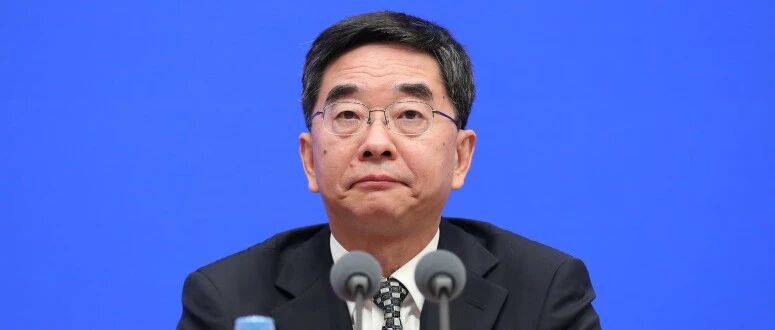
本报记者 刘萌 2月4日,国务院新闻办公室举行新闻发布会,介绍锚定农业农村现代化、扎实推进乡村全面振兴有关情况,并答记者问。 (编辑 才山丹) 一是强化集成创新。重点是提升农业科技创新体系的整体效能。在创新机制上,强调统筹科技创新平台基地建设,深化农 业科研院所改革,整合各级各类优势科研资源,解决各自为战、低水平重复等问题。在创新主体上,更加强调企业主体地位, 培育壮大农业领域科技领军企业,促进创新资源向企业集聚,推进产学研融合。在创新领域上,聚焦种子、农机等关键领域攻 关,加快选育和推广突破性品种,加快补上高端智能、丘陵山区适用农机装备短板。 二是拓展应用场景。随着现代信息技术、生物技术等创新应用,发展农业新质生产力展现出广阔前景。比如,我国已成为 农用无人机保有量第一大国,全球约有50万台农用无人机,我国就超过了30万台。现在的无人机,就像过去的镰刀、锄头一 样,成为一些农民必不可少的"新农具",从植保作业、播种施肥、农田监测到农用物资和农产品运输,应用场景不断丰富拓 展。再比如,人工智能在农业育种、现代种养等领域落地应用,从靠经验种地,到靠数据经营、靠算法增效,加快赋能农业数 智化转型。要抓住这一轮科技 ...
三个“更” 提升农业全产业链发展
Zhong Guo Jing Ji Wang· 2026-02-04 06:43
Core Viewpoint - The central government of China is focusing on agricultural modernization and rural revitalization, emphasizing the importance of technology and innovation in agriculture to enhance production capacity and quality efficiency [1][2]. Group 1: Agricultural Modernization - The new round of technological revolution and industrial transformation presents significant opportunities for agricultural development, with a focus on modernizing agriculture through technological progress and innovation [2]. - Key tasks outlined in the central document include strengthening integrated innovation in agricultural technology, enhancing the overall effectiveness of the agricultural innovation system, and promoting the role of enterprises in innovation [2][3]. - The document emphasizes the need to expand application scenarios for modern technologies, such as artificial intelligence and drones, to enhance agricultural productivity [2]. Group 2: Agricultural Industry Development - The definition of agriculture is evolving, with a focus on diverse functions and the integration of various agricultural sectors, including forestry, animal husbandry, and fishery [4]. - The goal is to build agriculture into a modernized large industry, emphasizing richer connotations, a more complete industrial system, and higher product added value [4]. - The integration of agriculture with tourism and cultural experiences is highlighted as a new trend, promoting rural tourism and leisure agriculture to meet changing consumer demands [5]. Group 3: Agricultural Trade Coordination - In 2025, China's agricultural product imports reached $207.4 billion, ranking second globally, which helps to fill structural supply gaps in the domestic market [6]. - The central document calls for promoting coordination between agricultural trade and production, aiming for a sustainable development of agricultural trade while ensuring domestic supply [7]. - The strategy includes stabilizing domestic agricultural production, enhancing quality and competitiveness, and expanding imports of essential agricultural products to ensure food security [7].
田丽粉:筑强惠州农业芯片,保障湾区粮食安全
Nan Fang Du Shi Bao· 2026-02-04 06:04
Core Viewpoint - The construction of a germplasm resource cultivation demonstration base in Huizhou is essential for enhancing agricultural productivity and ensuring food security in the Guangdong-Hong Kong-Macao Greater Bay Area [1] Group 1: Current Challenges in Seed Industry - Huizhou's seed industry faces three major challenges: weak research support, severe variety degradation, and insufficient promotion of quality seeds [2] - The city has only three breeding laboratories and less than 300 acres of large-scale bases, with only eight key research team members [2] - Traditional seedling methods are inefficient and risky, failing to meet modern agricultural demands [2] Group 2: Key Projects and Initiatives - The Tianhe Agricultural Seed Headquarters Base project has been introduced, with a total investment of 100 million yuan and a planned area of 1,396.5 acres [3] - The project aims to establish an innovation research institute and an intelligent seed production and processing center, enhancing research capabilities through collaboration with local agricultural universities [3] - Upon completion, the facility will have the capacity to supply seeds for 2.5 million acres, addressing local seed supply needs [3] Group 3: Strategic Recommendations - The establishment of the demonstration base is crucial for positioning Huizhou as a hub for seed industry innovation in South China [5] - Specific measures proposed include allocating 3 million yuan in special funds for the base's construction and developing a collaborative system among local educational institutions and agricultural organizations [5][6] - The plan emphasizes the importance of ensuring effective fund management and aligning provincial resources with the base's development [6]
中央农办:围绕农业科技创新、发展农业新质生产力 中央一号文件作出三方面部署
Xin Hua Cai Jing· 2026-02-04 05:37
新华财经北京2月4日电(记者王小璐)中央财经委员会办公室副主任、中央农村工作领导小组办公室副 主任祝卫东4日在国新办新闻发布会上表示,农业的出路在现代化,农业现代化的关键在科技进步和创 新。今年中央一号文件围绕农业科技创新、发展农业新质生产力,主要从三个方面进行了部署。 一是强化集成创新。重点是提升农业科技创新体系的整体效能。在创新机制上,强调统筹科技创新平台 基地建设,深化农业科研院所改革,整合各级各类优势科研资源,解决各自为战、低水平重复等问题。 在创新主体上,更加强调企业主体地位,培育壮大农业领域科技领军企业,促进创新资源向企业集聚, 推进产学研融合。在创新领域上,聚焦种子、农机等关键领域攻关,加快选育和推广突破性品种,加快 补上高端智能、丘陵山区适用农机装备短板。 二是拓展应用场景。随着现代信息技术、生物技术等创新应用,发展农业新质生产力展现出广阔前景。 比如,我国已成为农用无人机保有量第一大国,全球约有50万台农用无人机,我国就超过了30万台。祝 卫东表示,现在的无人机,就像过去的镰刀、锄头一样,成为一些农民必不可少的"新农具",从植保作 业、播种施肥、农田监测到农用物资和农产品运输,应用场景不断丰 ...
2026年中央一号文件权威解读来了!
券商中国· 2026-02-04 05:16
3. 促进良田良种良机良法集成增效,推进粮油作物大面积提单产,确保粮食产量稳定在1.4万亿斤左右。 4. 今年中央一号文件把促进农民增收摆在重要位置,提出了一揽子增收措施,打出一套政策"组合拳"。 5. 发展壮大县域富民产业要强化产业项目统筹规划,防止陷入同质化、"内卷式"竞争。 2月3日,《中共中央、国务院关于锚定农业农村现代化、扎实推进乡村全面振兴的意见》,也即今年的中 央一号文件正式对外公布。 2月4日,国新办举行新闻发布会,中央财办分管日常工作的副主任、中央农办主任韩文秀,中央财办副主任、 中央农办副主任祝卫东出席会议并对今年中央一号文件重点内容做出解读。来看会上表述: 1. 文件明确了"四项重点任务":提升农业综合生产能力和质量效益、实施常态化精准帮扶、积极促进农 民稳定增收、因地制宜推进宜居宜业和美乡村建设。 2. 中央一号文件坚持立足当前和着眼长远相结合,既突出年度性,部署2026年必须完成的任务,又明 确"十五五"乃至更长一个时期的战略性、方向性要求。 韩文秀表示,今年的中央一号文件,着眼于守牢国家粮食安全底线,强调要坚持产量产能、生产生态、增产增 收三个一起抓,对提升农业综合生产能力和质量效 ...

锚定农业农村现代化!这场发布会信息量大
Zhong Guo Zheng Quan Bao - Zhong Zheng Wang· 2026-02-04 05:03
Core Viewpoint - The central government emphasizes the modernization of agriculture and rural areas, focusing on enhancing agricultural productivity, implementing targeted support for farmers, and promoting rural revitalization through various initiatives [1][4]. Group 1: Agricultural Modernization - The central document outlines four key tasks: improving agricultural production capacity and quality, implementing regular targeted assistance, promoting stable income growth for farmers, and advancing the construction of livable and workable beautiful villages [1][4]. - The goal is to transform agriculture into a modernized large industry, emphasizing a richer agricultural connotation, a more complete industrial system, and higher product added value [5][6]. Group 2: Technological Innovation - The focus is on strengthening integrated innovation in agricultural technology, enhancing the overall effectiveness of the agricultural innovation system, and promoting the role of enterprises in agricultural technology [2][3]. - The application of modern information technology and biotechnology is expected to expand, with significant advancements in areas such as drones, artificial intelligence, and smart agriculture [2][3]. Group 3: Agricultural Trade and Production Coordination - The document highlights the need to promote coordination between agricultural trade and production, ensuring food security while actively importing agricultural products to meet domestic demand [7][8]. - China aims to deepen participation in international agricultural trade, leveraging its large market size to enhance the export of its advantageous agricultural products [7][8].
提升农业科技创新效能 中央一号文件从三个方面部署→
Jing Ji Guan Cha Wang· 2026-02-04 04:24
Core Viewpoint - The modernization of agriculture is essential for its future, with a focus on technological advancement and innovation as key drivers [1][2]. Group 1: Agricultural Technology Innovation - The central government emphasizes the importance of integrated innovation to enhance the overall effectiveness of the agricultural technology innovation system [1]. - There is a call to expand application scenarios by leveraging the current technological revolution, particularly through the integration of artificial intelligence with agriculture, and the use of drones, IoT, and robotics as new engines for modern agricultural development [2]. Group 2: Results Transformation and Mechanism Innovation - The government aims to accelerate the transformation of agricultural technology achievements to address urgent industry needs and practical issues faced by farmers [2]. - There is a focus on coordinating the construction of technology innovation platforms to avoid fragmented efforts and low-level duplication [3]. - The cultivation of leading technology enterprises in the agricultural sector is encouraged, along with promoting the integration of production, education, and research [3].
中央一号文件权威解读来了!
证券时报· 2026-02-04 04:19
Core Viewpoint - The article discusses the release of the Central Document No. 1 for 2023, which outlines key tasks and strategies for agricultural modernization and rural revitalization in China. Group 1: Key Tasks and Strategies - The document identifies "four key tasks": enhancing agricultural production capacity and quality, implementing regular targeted assistance, promoting stable income growth for farmers, and advancing the construction of livable and workable beautiful villages [1]. - It emphasizes a combination of immediate and long-term strategies, highlighting annual tasks while also setting strategic requirements for the 14th Five-Year Plan and beyond [2]. - The goal for grain production is set to stabilize at around 1.4 trillion jin (approximately 700 million tons) this year, with a focus on improving production efficiency through integrated advancements in land, seeds, machinery, and methods [3][4]. Group 2: Income Growth for Farmers - The document places significant importance on increasing farmers' income, proposing a comprehensive set of measures to achieve this goal [4]. - Specific initiatives include enhancing the appeal of farming, fostering county-level industries, ensuring stable employment for migrant workers, and expanding rural consumption [7]. - By 2025, the per capita disposable income for rural residents is projected to reach 24,456 yuan, reflecting a growth of 5.8% [8]. Group 3: Land and Property Rights - The document advocates for the orderly market entry of rural collective operating construction land, granting farmers more substantial property rights and creating conditions for increasing their property income [9]. - It stresses the importance of maintaining strict regulations against the use of rural collective land for commercial housing and emphasizes the need for proper management of rural housing rentals [9]. Group 4: Agricultural Technology and Innovation - The document highlights the necessity for agricultural technology achievements to be practically applied in rural areas, rather than merely being academic [10][11]. - It calls for the integration of artificial intelligence and modern technologies in agriculture, promoting the use of drones, IoT, and robotics to enhance productivity [12]. - The aim is to ensure that agricultural technology effectively addresses the real challenges faced by farmers, facilitating the transfer of innovations to practical applications in the field [12].