
新一代信息技术

Search documents
江苏举办人才创新创业大赛 42个优质项目获奖
Zhong Guo Xin Wen Wang· 2025-11-17 06:57
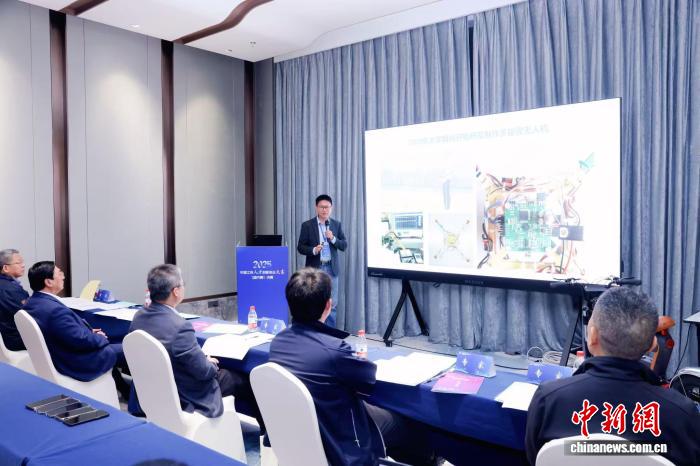
Group 1 - The 2025 Jiangsu Talent Innovation and Entrepreneurship Competition awarded 42 high-quality projects from 78 finalists, highlighting the competitive nature of the event [1][2] - The competition focused on key sectors such as new generation information technology, biomedicine, high-end medical devices, artificial intelligence, and robotics [1][2] - A total of nearly 700 talents from both domestic and international backgrounds participated, with 60 projects from within the province and 18 from outside [2] Group 2 - The evaluation process was rigorous, with final scores based on a weighted system: 20% from basic materials, 20% from preliminary rounds, and 60% from the finals [2] - Projects that received first and second prizes and meet certain criteria will have no limit on the number of applications for the provincial "Double Innovation Plan" and will be prioritized for national-level projects [2] - The Jiangsu Talent Innovation and Entrepreneurship Competition has evolved over more than a decade into a significant brand event for innovation and entrepreneurship in Jiangsu, providing strong talent support for high-quality development in the province [2]


茅台,股权投资大动作!
Zheng Quan Shi Bao Wang· 2025-11-15 12:47
Core Viewpoint - Guizhou Moutai is exploring new growth avenues through equity investments amid structural adjustments in the liquor industry [1][3] Group 1: Fund Establishment - On November 12, 2023, the Jinshi Shenhe (Guizhou) Digital Technology Equity Investment Partnership was officially registered with a capital contribution of 2 billion yuan [1] - The fund is established with contributions from Moutai Jinshi (Guizhou) Industrial Development Fund, Moutai (Guizhou) Private Fund Management Co., CITIC Securities' subsidiary CITIC Jinshi Investment Co., Hengqin Shenhe Industrial Investment Co., and Jinshi Runze (Zibo) Management Consulting Co. [1][2] - CITIC Jinshi serves as the executive partner of the fund, which is a well-established player in the equity investment field with a history of successful investments in various sectors [2] Group 2: Investment Strategy - Guizhou Moutai aims to enhance fund returns and create value for shareholders by participating in the establishment of two industrial development funds [3] - The company emphasizes a market-driven, professional operation, and efficiency-focused investment approach [3] - Moutai's brand premium and cash flow advantages provide strong financial support for the funds, while collaboration with professional institutions helps mitigate investment risks and improve decision-making efficiency [3] Group 3: Focus on Technology Sector - Previously, Moutai's equity investments were primarily managed by its wholly-owned subsidiary, focusing on consumer-related industries [4] - Recently, Moutai has increased its investments in the technology sector, including a 201 million yuan fund registered in early November 2023, with Moutai's fund contributing 200 million yuan [4] - Moutai's investments in artificial intelligence and other emerging technologies reflect traditional industry capital's keen interest in the AI revolution [4] - The funds established in 2023 primarily target opportunities in new-generation information technology, biotechnology, new energy, new materials, high-end equipment, and large consumption sectors [4]

首次亮相债券市场!华通创投成功发行3亿元科创债
Sou Hu Cai Jing· 2025-11-15 10:38
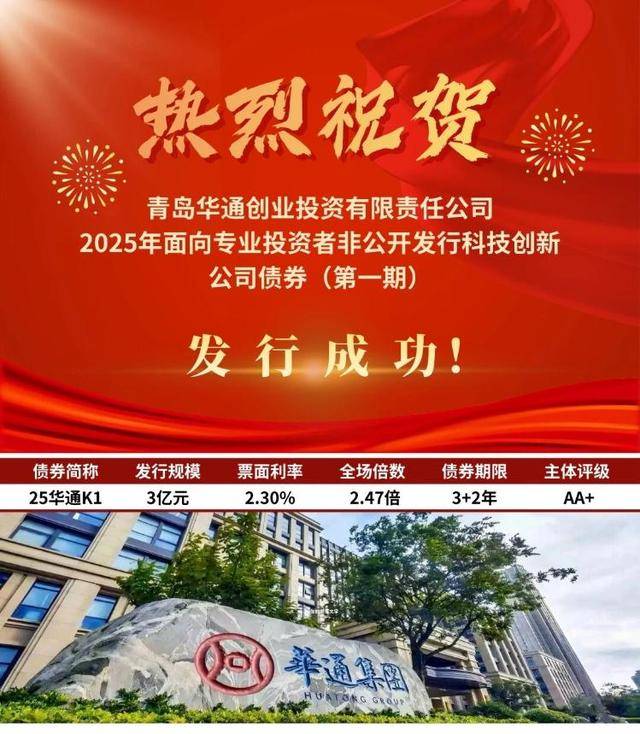
为积极响应并落实国家支持投资机构发行债券助力科技创新的政策,11月11日,华通集团所属青岛华通创 业投资有限责任公司(以下简称"华通创投")把握时机、稳健推进,成功发行3亿元科技创新公司债券, 期限为3+2年,票面利率为2.30%。 本次债券发行募集资金将围绕华通集团整体战略规划,重点投向新一代信息技术、人工智能等战略新兴产 业,强化产业协同,为华通集团实现"十五五"高质量发展目标贡献力量。 来源:华通集团 作为华通创投在债券市场的首次亮相,本次科创债发行充分反映出资本市场对华通创投经营能力、风控体 系和发展前景的广泛认可,彰显了公司在创业投资与科技创新领域的战略定位,有力提升了公司在资本市 场中的品牌形象与行业影响力,也进一步优化了公司资产负债结构,开拓了中长期资金来源,为长期稳健 发展夯实基础。 ...
科技点亮十五运会 智能技术赛后将加速商用
Shang Hai Zheng Quan Bao· 2025-11-13 17:55
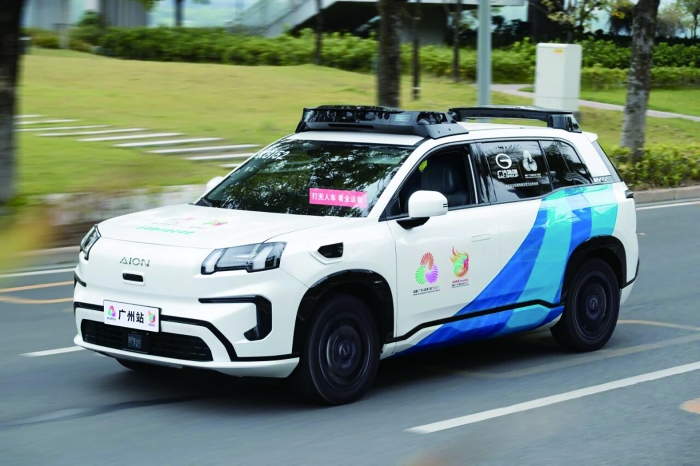
Group 1: Technological Innovations at the Event - The 15th National Games showcased over 130 high-tech products focusing on artificial intelligence and new-generation information technology to enhance event operations and spectator experience [5][11] - The event featured the first-ever collection of the Olympic flame from combustible ice at a depth of 1522 meters in the South China Sea, marking a historic achievement in sports [6][9] - A humanoid robot named "Kua Fu" participated in the torch relay, utilizing a 5G-A network for real-time interaction, demonstrating advancements in robotics and communication technology [7][10] Group 2: Autonomous Vehicles and Robotics - Over 300 autonomous vehicles were deployed in Guangzhou for the event, operating on five bus routes and 11 support lines, showcasing the city's commitment to smart transportation [11][13] - AI-powered patrol robots were utilized for security and order maintenance during the event, with seven units deployed for practical testing and demonstration [11][13] - The event served as a testing ground for various intelligent technologies, including autonomous driving and security robots, with plans for post-event applications in urban transportation and public safety [13] Group 3: Enhanced Spectator Experience - The "Event Freedom Perspective System" provided multi-angle video capture of various sports, enhancing viewer engagement and aiding athletes in performance analysis [12] - An AI-powered assistant was developed to provide real-time information about the event schedule and venues, improving visitor experience [12] - A cultural AR digital RMB wallet was introduced, allowing cashless payments and interactive experiences with event mascots, integrating technology with cultural elements [12]



面朝蓝海绘蓝图
Ren Min Ri Bao Hai Wai Ban· 2025-11-13 00:54
Core Points - The 2025 Qingdao International Talent Innovation and Entrepreneurship Week, also known as the 25th Qingdao Blue Economy International Talent and Industry-Academia-Research Cooperation Fair, was held in Qingdao, Shandong Province, focusing on attracting global talent and innovation [1][2] - The event attracted over 640 participants, including more than 80 high-level overseas talents from 24 countries and regions, showcasing 6,380 quality job demands, thereby gathering global intellectual resources to inject new momentum into innovation and development [1] - The conference featured a diverse array of attendees, including overseas high-level talents, award winners from the "Innovation and Entrepreneurship Competition," foreign experts, international students, and returnees, emphasizing the construction of Qingdao's "10+1" innovative industrial system [1] Summary by Sections Event Overview - The "Blue Fair" has evolved from a regional exchange event into a global "International Intelligence Fair" over 25 years, having released over 31,000 overseas talent job positions and attracted more than 16,000 high-level overseas talents to settle in Qingdao [2] - The platform has supported the establishment and growth of over 590 high-tech enterprises in the region [2] Participation and Focus Areas - The event included exhibitions from 24 innovation enterprises and key units, showcasing innovations in fields such as new-generation information technology, artificial intelligence, low-altitude economy, and intelligent equipment [1] - A special session for project negotiations featured overseas talents from 78 top global universities, including Oxford, Yale, and Imperial College, who presented their projects for collaboration with Qingdao's research institutions and enterprises [1]
山东前10月进出口2.89万亿元 电动汽车出口同比增长117.4%
Zheng Quan Shi Bao Wang· 2025-11-12 11:23
Core Insights - Shandong's import and export value reached 2.89 trillion yuan in the first ten months of the year, marking a year-on-year increase of 4.7% [1] - Exports totaled 1.76 trillion yuan, growing by 4.0%, while imports were 1.13 trillion yuan, with a growth of 5.7% [1] Export Performance - Mechanical and electrical products exports grew by 8.1% to 858.37 billion yuan, accounting for 48.8% of total exports [2] - Notable export categories include: - Automotive parts: 116.76 billion yuan, down 2.1% - Game consoles: 58.75 billion yuan, up 36% - Electronic components: 53.9 billion yuan, up 20.1% - Automobiles: 53.22 billion yuan, up 13.5% [1][2] Electric Vehicle Market - Global electric vehicle sales are projected to exceed 20 million units by 2025, representing over 25% of total new car sales [1] - Shandong's automobile exports reached 53.22 billion yuan, with electric vehicle exports surging by 117.4% [1] Commercial Vehicle Exports - Commercial vehicle exports from Shandong amounted to 43.85 billion yuan, reflecting a year-on-year increase of 30.8% [2] - Breakdown of commercial vehicle exports: - Trucks: 18.6 billion yuan, up 43.2% - Buses: 3.99 billion yuan, up 42.3% - Special vehicles: 3.67 billion yuan, up 35.7% [2] Electronic Components Industry - The electronic components manufacturing sector is a core pillar of modern industry, evolving rapidly due to advancements in 5G, AI, and new energy vehicles [2] - Shandong has integrated its industrial chain to foster influential new-generation information technology enterprises [2] Belt and Road Initiative - Shandong's trade with Belt and Road countries reached 1.85 trillion yuan, growing by 8.4% and accounting for 64.2% of the province's foreign trade [2] Trade with Africa - Yantai Port has established a robust shipping network with Africa, with an average of 2-3 cargo ships weekly, leading to a 117% annual growth rate in cargo volume over the past three years [3] - Exports to Africa include wind power equipment, construction materials, and machinery [3] Trade with Other Regions - Shandong's trade with the EU, Russia, Japan, and Brazil has shown growth: - EU: 271.74 billion yuan, up 6% - Russia: 197.57 billion yuan, up 3.8% - Japan: 145.42 billion yuan, up 3.5% - Brazil: 137.33 billion yuan, up 3.3% [3]
用科技打造“好房子”
Jing Ji Ri Bao· 2025-11-11 22:04
Core Insights - The construction industry is increasingly integrating advanced technology, transforming the perception of building homes from a labor-intensive process to a tech-driven one [1][4] - The implementation of new national standards for residential projects aims to enhance housing quality, with a focus on sound insulation and innovative building materials [2][3] Group 1: Technological Integration in Housing - The recent exhibitions showcased various technological applications in housing, indicating that technology is making "good houses" more accessible [1] - New standards, effective from May 1, include 14 items aimed at improving housing quality, particularly in sound insulation [2] - Innovative designs in model homes demonstrate efficient use of space and adaptability to family needs, highlighting the importance of good design in both new and renovated homes [2] Group 2: Advancements in Building Materials - The development of new building materials, such as light-responsive concrete and self-healing concrete, is enhancing energy efficiency and durability [3] - The introduction of advanced materials like photovoltaic glass and aerogel insulation is expected to significantly improve building performance and reduce carbon emissions [3] Group 3: Construction Equipment and Techniques - New construction equipment, such as an advanced building machine developed in China, showcases integration, lightweight design, and smart monitoring capabilities, positioning it at a global leading level [3] - The emphasis on "good construction" is crucial for establishing a solid foundation for high-quality housing [3] Group 4: Maintenance and Smart Technologies - The introduction of integrated housing inspection platforms allows for comprehensive assessments of building health, including air quality and structural integrity [4] - The convergence of AI, big data, IoT, and cloud computing with the housing industry is set to enhance living conditions and overall residential experiences [4]
音频 | 格隆汇11.10盘前要点—港A美股你需要关注的大事都在这
Ge Long Hui A P P· 2025-11-09 23:15
Group 1 - Major events reminder for the week of November 10-14 includes earnings reports from Chinese tech stocks and economic data releases from China [1] - U.S. stock indices showed mixed results last Friday, with Tesla dropping over 3% and Microsoft experiencing an 8-day decline [2] - NAND flash memory prices surged significantly, with some manufacturers seeing profits increase by 334%, leading to Japan imposing comprehensive restrictions on memory, SSDs, and hard drives [4] Group 2 - China's October CPI increased by 0.2% year-on-year, exceeding expectations [1] - China's October PPI turned positive month-on-month for the first time this year [2] - The Ministry of Finance announced subsidies for elderly individuals with moderate to severe disabilities and plans for free preschool education [3] - The Ministry of Finance emphasized strict adherence to budgetary constraints to ensure fiscal funds are directed towards development and public welfare [4] - The Ministry of Finance will continue to implement special actions to boost consumption, providing fiscal subsidies for personal consumption loans in key sectors [5] - The National Energy Administration is accelerating the development of photovoltaic and wind energy industries in mining areas [6] - The State Council is promoting the integration of new-generation information technologies, including big data and medical robotics [7] - The People's Bank of China has increased its gold reserves for the 12th consecutive month [8] - Chinese automobile sales in the UK surged by 235% [9] - Taiwan's October exports saw a year-on-year increase of 49.7%, marking the largest growth in over 15 years [10] - Flu medication manufacturers are operating 24/7, with sales of various flu medications increasing [11] - The National Radio and Television Administration has initiated a special governance program for substandard animated short films and videos [13] - Hong Kong stock market welcomed the listing of LeShuShi today [14] - Huadian Energy plans to invest 12.043 billion yuan in a new integrated heat and power generation project [15] - DeguTech intends to terminate a major asset restructuring [16] - *ST Changyao is under investigation by the Securities Regulatory Commission for alleged false reporting of financial data [16]
粤港澳三地赛区准备就绪 十五运会今日开幕
Nan Fang Ri Bao Wang Luo Ban· 2025-11-09 01:25
Group 1: Event Overview - The 15th National Games features 34 major competitive events and 23 mass participation events, with a total of 419 sub-events, hosted by 17 cities in Guangdong, Hong Kong, and Macau [1] - A total of 14,252 athletes, 8,491 team officials, and 6,565 technical officials are participating, along with 3,235 registered journalists [1] - As of November 7, 72 competitive events and 145 mass participation events have successfully concluded [1] Group 2: Sustainability Efforts - The carbon emissions from venue renovations in Guangdong are approximately 132,500 tons, accounting for 17% of the total emissions for the event, significantly lower than the 30%-50% range typical for large-scale sports events [2] - Overall carbon emissions for the National Games are expected to be reduced to 750,000 to 800,000 tons through various energy-saving and emission-reduction measures [2] Group 3: Participation from Hong Kong and Macau - Hong Kong is sending its largest delegation ever, with over 600 athletes and around 270 accompanying staff, participating in 28 competitive events and 23 mass participation events, totaling over 1,800 participants [3] - Macau has completed operational tests for all sports events and has a delegation of 400 athletes ready to compete [3] - Macau's ticketing system allows for cross-region purchases, with over 350,000 tickets available, some of which are already sold out [3] Group 4: Technological Integration - The event emphasizes the use of cutting-edge technologies, selecting over 130 high-tech products to enhance operational efficiency and spectator experience [4] - A "smart operation management cloud platform" utilizes digital twin technology for real-time monitoring and management of venue conditions [4] - The event will offer immersive viewing experiences through a multi-angle video collection system [4] Group 5: Unique Features - The torch for the National Games is sourced from combustible ice at a depth of 1,522 meters in the South China Sea, marking a historic first in deep-sea fire collection [5] - The event includes 23 city-specific tourism routes showcasing local culture and cuisine, enhancing the visitor experience in the Guangdong-Hong Kong-Macau Greater Bay Area [5]
前沿技术让十五运会尽显“科技范儿”
Ke Ji Ri Bao· 2025-11-09 01:11
Group 1 - The 15th National Games (referred to as "15th Games") focuses on integrating advanced technologies such as artificial intelligence and new-generation information technology to enhance event organization and spectator experience [1][2] - Over 130 high-tech products have been selected to improve event operations, training, and viewing experiences, emphasizing smart management and immersive spectator engagement [1] - The event features a "Smart Operation Management Cloud Platform" utilizing digital twin technology for real-time monitoring and analysis of venue conditions, ensuring efficient crowd management and communication [1] Group 2 - The 15th Games incorporates a "green" initiative, with over 90% of venues being renovated rather than newly constructed, promoting sustainability and low carbon emissions [2] - The carbon emissions from venue renovations are estimated at approximately 132,500 tons, significantly lower than the typical 30% to 50% emissions seen in large-scale sporting events [2] - The event's torch is sourced from combustible ice at a depth of 1,522 meters in the South China Sea, marking a historic first in deep-sea fire collection for sports [2] Group 3 - The opening ceremony of the 15th Games will take place in Guangzhou, featuring a minimalist stage design without mechanical installations, showcasing a blend of traditional culture and modern technology [3] - Highlights of the ceremony include the use of robotics, virtual reality, and augmented reality to present traditional performances in a contemporary manner, enhancing the cultural experience for spectators [3] - The event aims to create a visual and emotional resonance by combining elements of technology, culture, and sports, reflecting the identity of Guangdong as a "Flower City" [3]