
双碳战略

Search documents
同济科技:绿色科技驱动综合服务转型 聚焦房地产去化、碳中和布局、产学研融合及战略升级
Quan Jing Wang· 2025-09-19 10:19
Group 1 - Company is currently selling two real estate projects, with the Tongji Panlongli project nearly sold out and expected to deliver by the end of 2025, while the Tongji Bay Jingting project is still in the sales process [1] - The company aims to maintain quality, safety, and delivery while controlling costs and improving sales performance in its real estate business [1] - Future direction of the real estate business will be determined based on market trends, company strategy, and financial situation [1] Group 2 - Company actively implements the national dual carbon development strategy, participating in sustainable development projects and promoting green building technologies [2] - The Tongji Panlongli project is developed as a super low-energy building, and the company has undertaken a demonstration project for ultra-low energy consumption in Yangpu District [2] - The company has developed a carbon management system to assist clients in effective carbon data management and analysis [2] Group 3 - Company focuses on the "District-School Technology Achievement Application Strategic Platform" and leverages partnerships with Tongji University for technology transfer and innovation [3] - The company has established the Tongyang Incubation Fund to support technology commercialization and high-quality incubators [3] - The company is constructing the Tongji Technology Future Center as part of a collaborative project with Tongji University, focusing on smart construction and transportation [3] Group 4 - The board of directors has defined the company's development strategy to build a new framework led by "dual carbon," centered on technological innovation, and supported by digitalization and intelligence [4] - The company aims to become a comprehensive service provider for value enhancement in urban construction and development [4] - The board will continuously review strategic direction, optimize resource allocation, and manage risks effectively [4]

宝色股份(300402) - 300402宝色股份投资者关系管理信息20250919
2025-09-19 09:24
Group 1: Company Overview and Market Position - The company has successfully expanded its overseas market presence, with foreign trade orders increasing, particularly in energy and chemical sectors [4] - The company is positioned as a leading manufacturer in the special material non-standard equipment sector, with a strong technical foundation and project experience [5][8] - The company aims to leverage its advantages in special materials and non-standard equipment manufacturing to capture new business opportunities in emerging markets [6][12] Group 2: Strategic Development and Future Growth - The company plans to focus on three main market segments: domestic market, foreign trade market, and marine engineering equipment market [7] - It aims to enhance its capabilities in traditional sectors while actively exploring new strategic areas such as clean energy and environmental protection [12] - The company is committed to transforming its business model from a manufacturing-centric approach to a dual-driven model of "manufacturing + services" [12] Group 3: Technological and Market Challenges - The company faces challenges due to low investment levels in traditional energy and chemical sectors, impacting order acquisition and operational performance [6] - Fluctuations in raw material prices, particularly for titanium, nickel, and zirconium, are managed through an "order-based procurement" model to stabilize profit margins [9] - The company recognizes the importance of technological barriers and core competencies in product design and material application to maintain competitive advantage [8] Group 4: Policy and Industry Impact - The inclusion of deep-sea technology in emerging industries by the government presents new opportunities for the company in high-performance equipment manufacturing [5] - The company is strategically aligned with national policies aimed at promoting industrial upgrades and sustainable development [12] - The company is positioned to benefit from the growing demand for specialized equipment driven by advancements in deep-sea technology and related sectors [5][12]

能源金融协同创新 渤海银行“电费票”为实体经济注入“电动力”
Zhong Jin Zai Xian· 2025-09-19 07:57
Core Viewpoint - Bohai Bank has launched the "Electricity Fee Ticket" product to innovate the financial services ecosystem for electricity payments, addressing issues such as high-frequency purchasing, fluctuating pricing, time-consuming reconciliation, and inefficient capital flow for electricity-consuming enterprises [1][2]. Group 1: Product Features - The "Electricity Fee Ticket" is based on the policy from the National Energy Administration and is tailored for the characteristics of the three major power grids: State Grid, Southern Grid, and Inner Mongolia Power [2]. - The product includes a five-step closed loop: electricity agreement, bill issuance, discount financing, electricity payment, and maturity payment, allowing for a seamless online process [2][3]. - The Southern Grid version of the product enables "second-level" fund arrival, enhancing efficiency for enterprises in sectors like renewable energy and manufacturing [2]. Group 2: Financial Benefits - The financing cost for enterprises using the Southern Grid Electricity Fee Ticket is only 1.2%, highlighting the product's advantages of ease of processing, low costs, flexible payment terms, and quick fund arrival [3]. - The product aims to reduce costs through models like "buyer pays interest discount" and "automatic discount," facilitating automatic clearing at maturity for a "frictionless payment" experience [2][3]. Group 3: Strategic Alignment - The "Electricity Fee Ticket" aligns with the dual carbon strategy and electricity market reforms, focusing on the electricity needs of green and manufacturing enterprises, such as those in battery and photovoltaic manufacturing [3]. - The initiative promotes precise allocation of electricity resources and creates an interconnected ecosystem among electricity-consuming enterprises, power grid companies, and financial institutions, driving the green transformation of the energy industry [3].
对话李萍丰院士:过去扛炸药现在“玩”算法,攻坚智能爆破产业化
2 1 Shi Ji Jing Ji Bao Dao· 2025-09-19 07:16
Core Viewpoint - The article highlights the advancements in blasting technology led by Hongda Blasting Engineering Group, particularly focusing on precision blasting and the integration of artificial intelligence in mining operations. The company aims to transform traditional blasting methods into intelligent systems that enhance safety, efficiency, and environmental sustainability [1][2][3]. Group 1: Precision Blasting Technology - Hongda Blasting has developed the "Open-pit Mine Precision Step Blasting Technology," recognized as the only blasting technology in the Ministry of Natural Resources' directory for advanced applicable technologies [1]. - Over 30 years, the team has completed over 300 billion tons of mining and stripping rock projects, contributing significantly to national infrastructure and resource extraction [1]. Group 2: Intelligent Blasting Innovations - The company is working on second-generation intelligent blasting equipment and an AI model named "Wukong Blasting," aiming to create a fully integrated intelligent mining production chain [2][3]. - The establishment of China's first "Intelligent Blasting Research Center" and the world's first intelligent demonstration project for mining production chains showcases the company's leadership in the field [2]. Group 3: Technological Trends and Industry Advantages - The focus of technological innovation in the blasting industry is shifting towards intelligent, safe, efficient, and green practices, with an emphasis on AI and big data applications [3]. - Guangdong province's advantages in AI and robotics are highlighted as key to supporting the development of intelligent mining and low-carbon strategies [3]. Group 4: Safety and Efficiency Improvements - Intelligent equipment such as smart loading and filling vehicles enhances operational safety and efficiency by allowing for real-time parameter adjustments and automated processes [5]. - The development of the "Wukong Blasting" model leverages extensive data to improve the transparency and predictability of blasting operations, transitioning from "blind box blasting" to "transparent blasting" [5]. Group 5: Challenges and Recommendations for Industry - The article discusses challenges in standardizing industry practices, including the need for unified platforms and legal frameworks for intelligent blasting [7]. - Recommendations include establishing industry standards, enhancing collaboration between academia and industry, and creating a supportive environment for innovation [8][9]. Group 6: Future Aspirations - The vision for the future includes a scenario where mining operations can be conducted remotely and efficiently, with minimal human intervention [6]. - The company aims to foster a culture of innovation among its employees, encouraging them to transition from users of technology to active participants in the innovation process [14].

中国有色金属工业协会党委书记、会长葛红林:我国锂电原料面临三大挑战
Guo Ji Jin Rong Bao· 2025-09-19 04:12
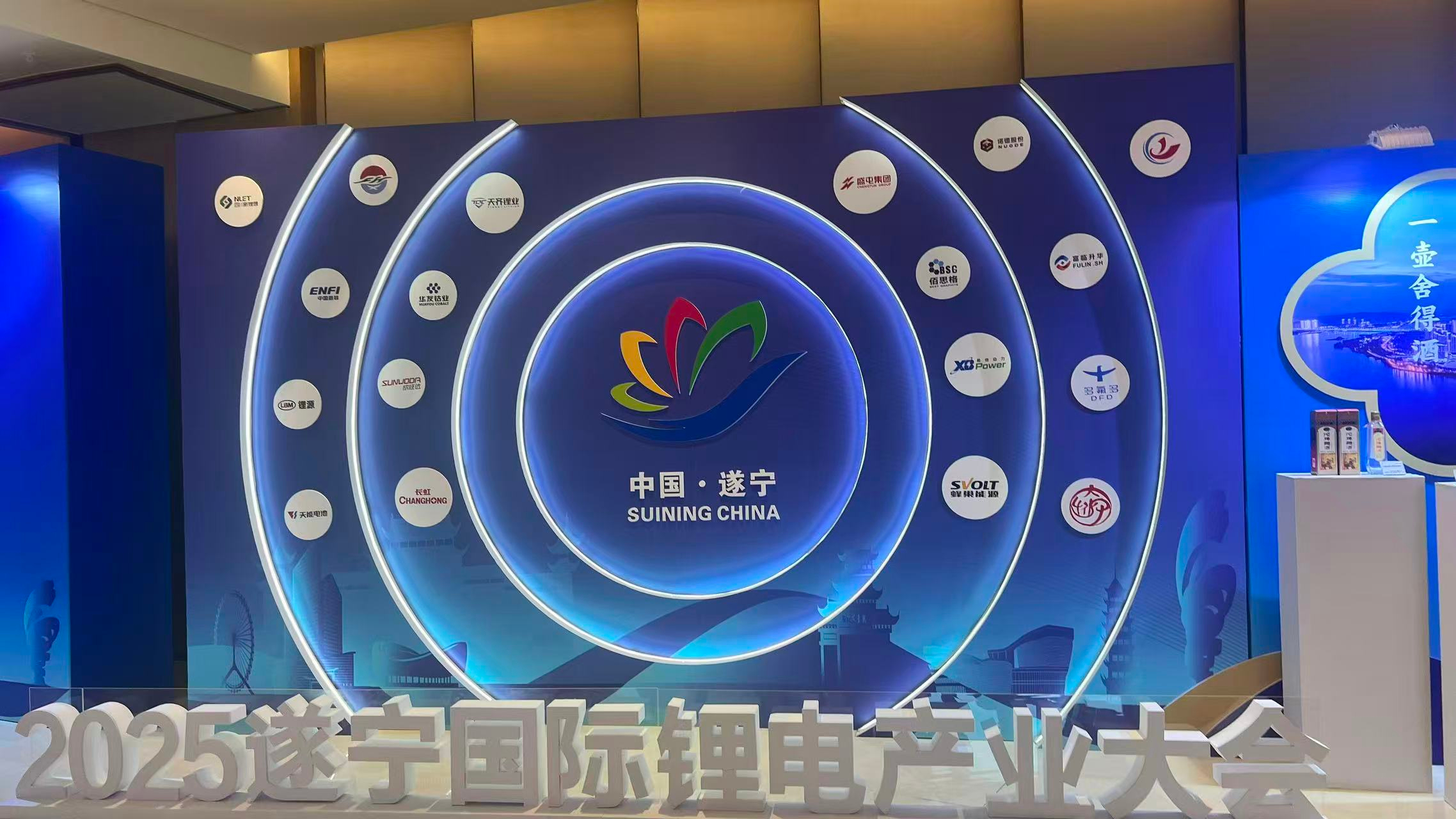
Group 1 - The 2025 Suining International Lithium Battery Industry Conference was held in Suining, Sichuan, focusing on lithium resources, liquid lithium batteries, solid-state batteries, sodium batteries, and energy storage [1] - The theme of the conference was "Lithium Towards New Quality, Intelligent Victory in the Future," attracting over 300 industry experts and representatives from various countries [1] Group 2 - China's lithium battery industry has transitioned from "industrial advantage" to "strategic advantage" under the dual carbon strategy, supporting the development of new energy systems [3] - In the first half of this year, China's new energy vehicle production and sales reached 6.968 million units and 6.937 million tons, respectively, with year-on-year growth exceeding 40% [3] - Lithium carbonate production in China reached 389,000 tons in the first half of the year, marking a 29% year-on-year increase, indicating a positive development trend in the industry [3] Group 3 - The lithium raw material industry in China faces three structural challenges: insufficient domestic resource development, complex overseas resource development risks, and price fluctuations in the industry chain [4][5] - Domestic lithium resource development has not kept pace with demand, leading to a "hard gap" in supply security [4] - The "Asian Lithium Belt" has been discovered, spanning 2,800 kilometers across four provinces, which may enhance domestic lithium supply through technological breakthroughs and policy support [4] Group 4 - The global trend of resource nationalism and tightening policies in Latin America pose challenges for Chinese enterprises in overseas investments [5] - The lithium industry has experienced significant price fluctuations over the past decade, with prices peaking at 600,000 yuan per ton in November 2022 before dropping below 60,000 yuan [5] - The current lithium industry chain is in a recovery phase, with upstream, midstream, and downstream sectors facing various challenges [5] Group 5 - The lithium raw material industry must focus on "safety, innovation, green, and collaboration" to align with national strategies and plan for the 14th and 15th Five-Year Plans [6] - The year 2025 is seen as a critical transition year for the lithium raw material industry, moving from "scale leadership" to "quality leadership" [6] - Industry enterprises are encouraged to integrate their development with national dual carbon goals and new industrialization layouts [6]

华蓝集团(301027) - 301027华蓝集团投资者关系管理信息20250918
2025-09-18 10:26
Group 1: Financial Overview - The main financial costs in the 2025 semi-annual report are primarily related to bank loan interest expenses incurred from investments in energy projects [2] Group 2: Business Opportunities - The company focuses on exploring existing markets, particularly in urban renewal projects, such as the historical district renovation in Nanning [2] - In 2023, the company acquired Guangxi Hualan Hydropower Engineering Design Co., Ltd., expanding into water-related construction design and consulting [3] - The company has a Grade B qualification in water conservancy engineering design and is involved in projects like the "Left River System Chongzuo Urban Section River Governance Project" [3] Group 3: New Business Development - The company is developing distributed photovoltaic power generation and energy management services, establishing Guangdong Hualan Energy Development Co., Ltd. and Guangxi Hualan Smart Technology Co., Ltd. [3] - In the first half of 2025, the company signed contracts worth approximately 15.854 million yuan for new EPC projects in distributed photovoltaic power generation [3] - The cumulative contract signing amount for energy management services reached about 20.7 million yuan in the first half of 2025 [3] Group 4: Digital Transformation - The company has developed digital products and services using AI and BIM technology, enhancing its competitive advantage in architectural design and engineering [3] Group 5: International Expansion - The company has established an international business department and opened an office in Cambodia, focusing on markets in Southeast Asia [3] - The company successfully undertook the "Aid Tunisia Gabes Tumor Center Project," marking a breakthrough in foreign aid projects [3] Group 6: Mergers and Acquisitions - The company plans to conduct mergers and acquisitions in a steady manner, aligned with its strategic planning [3] Group 7: Investor Relations - The investor relations activity did not involve any undisclosed significant information [3]

“山东制造”迈向高端:绿色转型中的产业突围
Qi Lu Wan Bao Wang· 2025-09-18 08:49
Group 1 - The core viewpoint is that Shandong Innovation Group is transforming the perception of "Shandong manufacturing" from traditional heavy industry to a focus on green and high-end manufacturing through innovative recycling technology [1][2]. - Shandong Innovation Group has developed a groundbreaking "full-process waste aluminum preservation and recycling technology," achieving aluminum purity of 99.8%, which meets the stringent requirements of 3C products and new energy vehicles [1]. - This technology not only resolves the long-standing issue of "downgrade recycling" in the recycled aluminum industry but also provides 100,000 tons of high-quality aluminum alloy profiles annually for the 3C sector, demonstrating a win-win in economic and environmental benefits [1]. Group 2 - The innovation aligns with the national "dual carbon" strategy, significantly reducing energy consumption and carbon emissions in the aluminum industry, with recycled aluminum production energy consumption being only about 5% of that of primary aluminum [1][2]. - Shandong's manufacturing sector is undergoing a transformation towards high-end, intelligent, and green development, as evidenced by various successful projects across different industries, indicating a shift away from the traditional heavy industry label [2]. - The success of Shandong Innovation Group illustrates that traditional industries can achieve economic and ecological benefits through technological innovation, providing a reference for the transformation of other old industrial bases in the country [2]. Group 3 - Looking ahead, "Shandong manufacturing" should continue to drive technological innovation and focus on green and low-carbon development while consolidating traditional industries and fostering emerging sectors [3]. - The practices of Shandong Innovation Group indicate that with the right direction and continuous innovation, "Shandong manufacturing" can occupy a more significant position in the global industrial chain, transitioning from a manufacturing province to a manufacturing powerhouse [3].
深化应用新技术 吉大通信赋能新兴产业创新发展
Xin Hua Wang· 2025-09-18 07:15
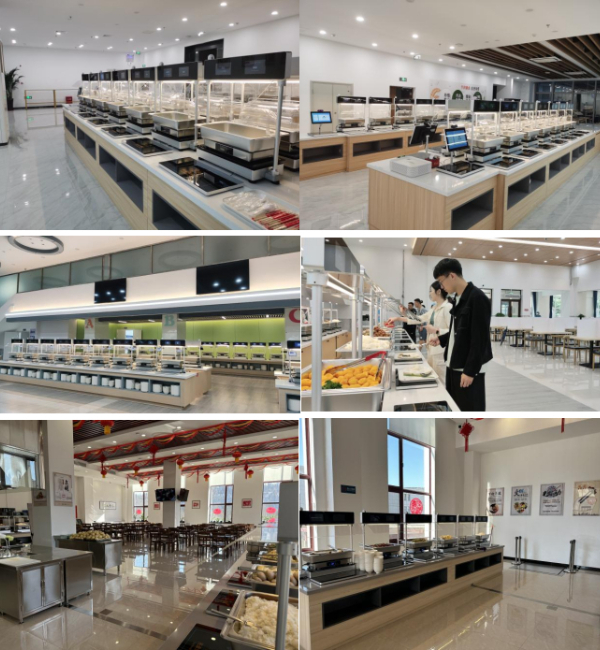
Core Viewpoint - The company, Jilin Jida Communication Design Institute Co., Ltd. (referred to as "Jida Communication"), is actively integrating into China's digital economy strategy and leveraging advanced technologies like 5G, big data, and artificial intelligence to enhance its service offerings across various sectors, including industrial internet and smart cities [1][2]. Group 1: Business Strategy and Development - Jida Communication has established a "four-wheel drive" business model encompassing communication technology services, information product integration, investment, and international business, while continuously exploring new strategic directions such as smart canteens and data asset operations [1]. - The company is committed to high-quality sustainable development, aligning its business strategies with environmental, social, and governance (ESG) principles, and actively supports government initiatives in smart governance and eco-friendly urban development [2]. Group 2: Technological Innovation and Impact - The company has developed a smart canteen solution that significantly reduces food waste, with Jilin University achieving full campus coverage, serving over 20,000 people daily and saving approximately 4 tons of food waste each day [4]. - If implemented nationwide in higher education institutions, this solution could save millions of tons of food annually, while also incorporating health monitoring technologies to enhance the dining experience [4]. Group 3: Social Responsibility and Community Engagement - Jida Communication is dedicated to social responsibility, engaging in charitable donations and volunteer services, and has been recognized for its contributions to rural revitalization efforts [5]. - In response to severe flooding in 2024, the company mobilized emergency repair teams and resources to ensure communication network stability in affected areas [5].
港股异动 | 京城机电股份(00187)涨超5% 所属北京巴威助力全球首个超稠油开采塔式光热替...
Xin Lang Cai Jing· 2025-09-18 06:47
Core Viewpoint - 京城机电股份 has seen a significant stock price increase, attributed to its involvement in a groundbreaking project in the field of thermal energy technology for heavy oil extraction [1] Company Summary - 京城机电股份 (00187) experienced a stock price increase of over 5%, reaching a peak of 6.27 HKD during trading, and currently stands at 5.23 HKD with a trading volume of 446 million HKD [1] - The company’s subsidiary, 北京巴威, played a crucial role as the overall solution provider for the first global thermal energy replacement project for heavy oil extraction, which commenced operations on September 12 in Xinjiang [1] - The project features a core device, the high-temperature heat absorber, developed and designed by 北京巴威, which is installed at the top of the heat-absorbing tower, ensuring stable supply to meet design targets [1] Industry Summary - The project represents a significant breakthrough in China's thermal energy technology and green development of heavy oil [1] - 京城机电 is transitioning from traditional manufacturing to emerging industries such as hydrogen energy, digital hydraulics, and robotics, aligning with the dual carbon strategy and the wave of intelligent manufacturing [1] - According to Guojin Securities, 2025 is projected to be a critical point for the hydrogen energy sector, with expectations for rapid growth in hydrogen and fuel cell industries, particularly in fuel cell vehicles and green hydrogen projects [1]
京城机电股份涨超5% 所属北京巴威助力全球首个超稠油开采塔式光热替代项目投运
Zhi Tong Cai Jing· 2025-09-18 06:41
Core Viewpoint - The stock of Jingcheng Machinery Electric Co., Ltd. (00187) has seen a significant increase, rising over 8% following the operational launch of the world's first heavy oil extraction solar thermal replacement project in Xinjiang, marking a major breakthrough in solar thermal technology and green development of heavy oil in China [1] Company Summary - Jingcheng Machinery Electric's subsidiary, Beijing Bawen, is the key equipment solution provider for the project, having successfully developed and designed the core device, a high-temperature heat absorber installed at the top of the heat-absorbing tower [1] - The company is transitioning from traditional manufacturing to emerging industries such as hydrogen energy, digital hydraulics, and robotics in response to the dual carbon strategy and the wave of intelligent manufacturing [1] Industry Summary - According to Guojin Securities, 2025 is a critical milestone for the medium to long-term planning of hydrogen energy, with the hydrogen and fuel cell industry expected to enter a rapid growth phase [1] - The rollout of fuel cell vehicles and green hydrogen projects is anticipated to accelerate, with hydrogen energy and fuel cell manufacturing identified as the two main lines of focus for the industry [1]