
多边主义

Search documents
中方代表观点相近国家发言 呼吁国际社会坚决遏止单边强制措施
Xin Hua She· 2025-10-03 23:42
傅聪指出,2030年可持续发展议程强调各国平等享受发展红利,强烈敦促各国不颁布、不实施任何不符 合国际法和《联合国宪章》的单边经济、金融或贸易措施。令人遗憾的是,尽管国际社会呼吁立即取消 单边强制措施,但这些非法举措继续对目标国家及其人民造成破坏性甚至致命后果,甚至危及生命。单 边强制措施以及次级制裁和过度遵守加剧当前人道和经济挑战,严重影响全球生产和供应链稳定,以及 粮食、能源和金融安全,严重破坏了全球经济秩序和有关国家为实现可持续发展目标所做的努力。此 外,单边强制措施严重违反了包括生命权、健康权、发展权、受教育权在内的基本人权,阻碍了目标国 家实现上述人权的能力。 傅聪强调,我们关切单边强制措施及过度遵守限制了受影响国家获得外国投资和技术的能力,阻碍了文 化、艺术、体育、旅游、人员交流以及包括民用航空在内的交通运输领域的国际合作。我们欢迎"77国 集团和中国"2025年部长级宣言,其中重申了对发展中国家实施单边强制措施,包括单方面制裁,无助 于经济和社会发展,以及国家间对话和理解。我们强调不结盟运动关于谴责颁布和实施单边强制措施的 宣言和公报,包括被用作针对任何国家,特别是发展中国家施加政治或经济和金融 ...
为完善全球治理提供合作框架(国际论坛)
Ren Min Ri Bao· 2025-10-03 22:02
Core Viewpoint - The global governance initiative proposed by President Xi Jinping aims to create a fair, mutually beneficial, and sustainable framework for governance cooperation, particularly benefiting developing countries [2][3]. Group 1: Global Governance Initiative - The initiative responds to current global challenges by promoting five core principles: equality of sovereignty, adherence to international law, multilateralism, a people-centered approach, and action-oriented outcomes [2]. - It emphasizes the importance of multilateralism and the role of the United Nations as a core platform for effective global governance [3]. Group 2: Importance for Developing Countries - The initiative enhances the representation and voice of developing countries in the global governance system, countering unilateralism [3]. - China's cooperation initiatives, such as the Belt and Road Initiative, have led to significant progress in infrastructure, energy, and technology for many developing countries [3]. Group 3: Alignment with Cuba's Interests - The global governance initiative aligns with Cuba's long-standing opposition to unilateralism and strongman politics, providing new opportunities for cooperation with China [4]. - Under the Belt and Road framework, Cuba has engaged in collaboration with China in various sectors, including infrastructure and biotechnology [4].


全球贸易体系受到冲击?美国采取单边行动,众国合体抗议提起投诉
Sou Hu Cai Jing· 2025-10-03 06:23
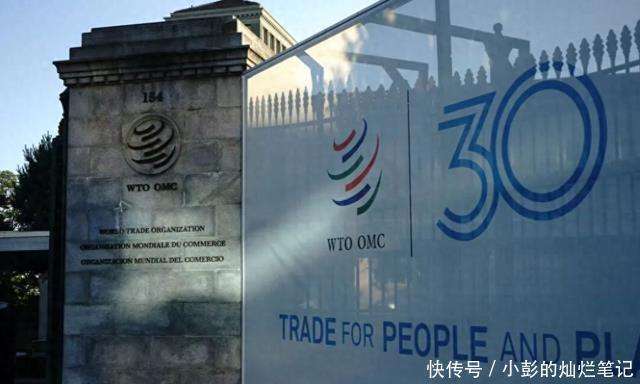
Group 1 - The WTO has become a focal point due to the challenges posed by the unilateral tariff policies of the United States, as emphasized by the newly re-elected Director-General Ngozi Okonjo-Iweala, who noted that "unilateralism has not disappeared" [1] - The Fisheries Subsidies Agreement, which took 21 years to negotiate, is highlighted as a testament to the resilience of multilateralism, marking it as the second new multilateral agreement in 30 years of the WTO [3] - Despite criticisms that the multilateral system is failing, 72% of global trade still adheres to WTO rules, indicating a significant level of compliance amidst challenges [5][7] Group 2 - The WTO's forecast for global goods trade volume in 2023 is expected to grow by 0.9%, a recovery from earlier predictions of negative growth, showcasing the system's resilience [7] - The WTO's appellate body has been non-functional since 2019 due to the U.S. refusal to appoint new judges, which has paralyzed this critical mechanism [8] - In response, Okonjo-Iweala has initiated a temporary arbitration mechanism involving 57 member countries, covering over half of global trade, with 16 disputes currently being resolved through consultations [10] Group 3 - The Investment Facilitation Agreement is currently stalled due to opposition from India, South Africa, and Turkey, with a deadline set for resolution at the 2026 ministerial meeting in Cameroon [10] - Okonjo-Iweala is committed to leading the WTO through these challenging times, emphasizing the necessity of multilateralism for issues like trade fairness and ocean protection, and viewing her re-election as an opportunity to complete unfinished business [10]
全国人大常委会副委员长郑建邦率团出席第十一届二十国集团议长会议
Ren Min Ri Bao· 2025-10-02 22:13
Core Viewpoint - The current global landscape is marked by rising hegemonism, unilateralism, and protectionism, which hinder the global development agenda. The G20 should demonstrate responsibility and strengthen cooperation to address common challenges and promote world economic growth [1] Group 1 - Zheng Jianbang, Vice Chairman of the Standing Committee of the National People's Congress, led a delegation to the 11th G20 Speakers' Meeting held in Cape Town, South Africa [1] - The Chinese side calls for unity, cooperation, equal consultation, and prioritizing development in global governance initiatives, advocating for a more inclusive, resilient global development [1] - The National People's Congress of China is willing to enhance communication and cooperation with legislative bodies of other countries to jointly build a community with a shared future for mankind [1] Group 2 - During the meeting, Zheng Jianbang held discussions with leaders of legislative bodies from South Africa, Russia, Singapore, Mozambique, and Germany to exchange views on deepening legislative cooperation [1]
全国人大常委会副委员长郑建邦率团出席第11届二十国集团议长会议
Xin Hua She· 2025-10-02 14:13
Core Viewpoint - The 11th G20 Speakers' Meeting in Cape Town highlighted the need for unity and cooperation among nations to address global challenges, emphasizing the importance of multilateralism and inclusive development [1] Group 1: Global Challenges - The rise of hegemonism, unilateralism, and protectionism is obstructing the global development agenda [1] - The G20 should demonstrate responsibility and strengthen cooperation to promote world economic growth and historical progress [1] Group 2: China's Position - China calls for adherence to principles of unity, equal consultation, and prioritization of development in global governance initiatives [1] - The National People's Congress of China is willing to enhance communication and cooperation with legislative bodies of other countries to build a community with a shared future for mankind [1] Group 3: Diplomatic Engagements - During the meeting, the Chinese delegation, led by Zheng Jianbang, held discussions with parliamentary leaders from South Africa, Russia, Singapore, Mozambique, and Germany to exchange views on deepening legislative cooperation [1]
“韩中两国应进行面向未来的合作”
Ren Min Ri Bao· 2025-10-01 22:11
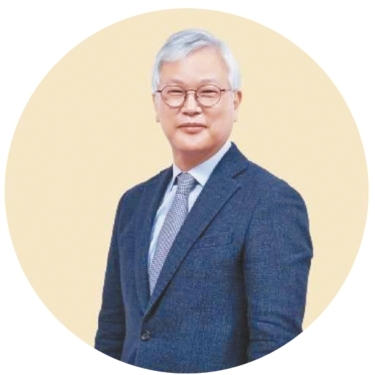
Group 1 - The core viewpoint emphasizes the necessity of understanding China for making accurate judgments, as articulated by Lee Hee-yul, the honorary director of the Sungkyun Institute of Chinese Studies in South Korea [2] - Lee Hee-yul founded the Sungkyun Institute of Chinese Studies in 2012 to broaden the understanding of China among the South Korean public, with publications like "Sungkyun China Observation" serving as important resources [2] - Over the past 30 years, Lee has visited China hundreds of times and believes that China can achieve development results in 2-3 years that other countries may take around 10 years to accomplish, attributing this to China's "condensed growth" [2] Group 2 - Lee has published numerous works on China, including the "China Handbook," which is used as a textbook in several prestigious South Korean universities for Chinese regional studies, earning him the 15th Special Contribution Award from the Chinese Book Awards [3] - The latest revision of the "China Handbook" systematically outlines China's developments in political, economic, diplomatic, and social fields [3] - Lee noted that China has become one of the largest consumer markets globally, with robots gradually replacing human labor in many factories, indicating a significant shift from the past "world factory" image [3] Group 3 - The South Korean government aims to rank among the top three AI powerhouses globally by 2030, highlighting the importance of future-oriented cooperation between South Korea and China [4] - Lee emphasizes the growing importance of free trade, multilateralism, and regional cooperation, advocating for an updated understanding of China among South Korean policymakers [4]
“韩中两国应进行面向未来的合作” ——访韩国成均中国研究所名誉所长李熙玉
Ren Min Ri Bao· 2025-10-01 22:03
Group 1 - The core viewpoint emphasizes the necessity of understanding China for making accurate judgments, as stated by Lee Hee-yul, honorary director of the Sungkyun Institute of Chinese Studies in South Korea [1] - Lee Hee-yul founded the Sungkyun Institute of Chinese Studies in 2012 to broaden the understanding of China among the South Korean public, publishing materials like "Sungkyun China Observations" [1][2] - Over the past 30 years, Lee has visited China hundreds of times and believes that China can achieve development results in 2-3 years that other countries may take around 10 years to accomplish, attributing this to China's unique development path [1] Group 2 - Lee has published numerous works on China, including the "China Handbook," which is used as a textbook in several prestigious South Korean universities, and recently released its third revised edition, detailing China's political, economic, diplomatic, and social developments [2] - Lee noted that China has become one of the largest consumer markets globally and highlighted the rapid advancements in high-tech industries such as communication, big data, and artificial intelligence, driven by the Chinese government's long-term strategic planning [2] - The South Korean government aims to rank among the top three AI powerhouses by 2030, and Lee advocates for future-oriented cooperation between South Korea and China, emphasizing the importance of updating perceptions of China [3]
和平、发展、进步的中国力量——解读中国全球好感度持续提升
Xin Hua Wang· 2025-10-01 11:01
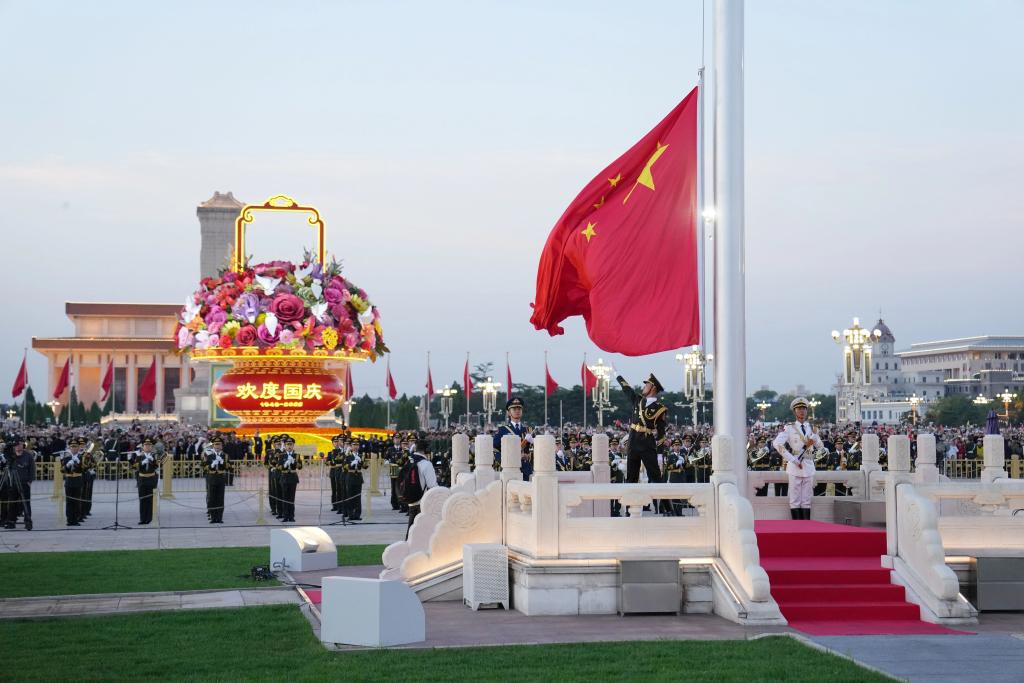
Core Insights - China's global image is improving, with increasing international favorability and recognition as a reliable partner and a significant player in global affairs [1][2][5] Group 1: Global Perception - Recent international polls indicate a rise in positive perceptions of China, with a 5 percentage point increase in favorable views compared to the previous year [2] - The global net favorability score for China stands at 8.8, surpassing the United States' score of -1.5 [2] - China's soft power indicators have shown significant growth, attributed to initiatives like the Belt and Road Initiative and sustainable development efforts [2] Group 2: Regional Trends - Recognition of China is notably increasing in Global South countries, with positive sentiments reported in Latin America, where citizens view China as a reliable partner [5] - A shift in perception is observed in Western countries, with citizens in 16 nations, including the Netherlands and Germany, favoring China over the U.S. [5] - Young people globally are increasingly viewing China positively, with many considering it "cool" [5] Group 3: China's Role in Global Stability - China is seen as a stabilizing force in a world marked by unilateralism and protectionism, with its commitment to multilateralism being highly valued [6] - China's advocacy for a UN-centered international system and its contributions to global peace and development are recognized as key factors in enhancing its international image [6] Group 4: Cooperation and Governance - China's image as a "good partner" is widely acknowledged, with many countries appreciating its cooperative approach and respect for local conditions [9][11] - China's governance model is viewed as a successful example for developing countries, providing a governance framework that benefits its citizens [12][14] Group 5: Cultural Influence and Innovation - China's cultural influence is on the rise, with significant achievements in technology and entertainment, such as the success of domestic films and games [15][18] - The country's innovative spirit is highlighted as a key factor in its growing appeal, with advancements in AI, electric vehicles, and other technologies drawing global attention [15][18]
国际观察丨和平、发展、进步的中国力量——解读中国全球好感度持续提升
Xin Hua She· 2025-10-01 04:40
Core Viewpoint - China's global image is improving, with increasing international favorability and recognition as a reliable partner in promoting peace and development [2][4][5]. Group 1: Global Perception of China - Recent international polls indicate a steady rise in China's global favorability, with a 5 percentage point increase in positive views compared to last year [4]. - The American Morning Consult survey shows China's net favorability score at 8.8, surpassing the United States' score of -1.5 [4]. - The UK's Brand Finance report highlights significant growth in China's soft power, attributed to initiatives like the Belt and Road and sustainable development efforts [4]. Group 2: Trends in Favorability - Recognition of China is increasing among Global South countries, with Latin American nations expressing views of China as a reliable partner [5]. - A shift in perception is noted in Western countries, where citizens are increasingly favoring China over the U.S. [5]. - Young people globally are developing a positive view of China, with many considering it "cool" [5]. Group 3: China's Role in Global Stability - China is viewed as a stabilizing force in a world marked by unilateralism and protectionism, with its commitment to multilateralism being highly valued [7]. - China's advocacy for genuine multilateralism and its contributions to global peace are seen as key factors in enhancing its international image [7][8]. Group 4: Cooperation and Development - China's image as a "good partner" is widely recognized, with its Belt and Road Initiative fostering mutual development and respect among nations [9]. - Experts from various countries commend China's efforts to align development strategies with Global South nations, enhancing its appeal [9][10]. Group 5: Governance and Model - China's governance model is increasingly viewed as a stable and effective example for developing countries, contrasting with social polarization in some Western nations [10]. - The overall trust in the Chinese government remains high, with optimism about the future among its citizens leading to a favorable international perception [10]. Group 6: Cultural Influence and Innovation - China's cultural influence is on the rise, with significant achievements in technology and entertainment capturing global attention [11]. - The innovative spirit in areas such as AI, electric vehicles, and gaming is contributing to China's image as a dynamic and "cool" nation [11]. Group 7: Increased International Engagement - Policies such as visa optimizations and the expansion of visa-free arrangements are facilitating greater international engagement with China [12]. - The number of foreign visitors to China has surged, with a 30.2% increase in entry-exit numbers, reflecting a growing interest in experiencing the country firsthand [12].
际观察丨联大内外,这些细节揭示世界之变
Xin Hua She· 2025-10-01 02:04
Group 1 - The 80th United Nations General Assembly highlighted the ongoing conflict in Gaza, with multiple Western countries recognizing Palestine, while leaders from Turkey and Iran condemned Israel's actions as genocide [2][6] - The assembly showcased a stark contrast between multilateral cooperation and unilateral hegemony, reflecting significant global changes since the UN's establishment 80 years ago [1][7] - China's leadership was emphasized during the assembly, with significant climate commitments and support for multilateral trade, contrasting with the protectionist tendencies of some nations [8][9] Group 2 - The assembly featured dramatic moments, such as Israeli Prime Minister Netanyahu's speech prompting mass walkouts from representatives, indicating widespread discontent with Israel's actions in Gaza [1][2] - U.S. President Trump's speech was marked by technical difficulties and a lack of engagement from the audience, reflecting growing concerns over his administration's impact on global trade and security [4][5] - Colombian President Gustavo Petro's strong stance against U.S. military actions and his criticism of unilateralism resonated with many leaders from the Global South, emphasizing the need for a more equitable international system [6][7]