
区域协同发展

Search documents
【省发展改革委】陕西区域协同发展气象新
Shan Xi Ri Bao· 2026-01-11 22:47
Core Insights - The opening of the Xi'an Metro Line 15 and the Xiyan High-speed Railway marks significant advancements in transportation infrastructure in Shaanxi, enhancing connectivity and improving the quality of life for residents [1][2]. Transportation Development - The Xi'an Metro Line 15, referred to as a "livelihood line," is expected to reshape the transportation landscape in southern Xi'an, with nearly 100,000 passengers on its first day of operation [1]. - The Xiyan High-speed Railway connects Yan'an to the Guanzhong region, facilitating a one-hour commuting circle and promoting regional collaboration [2]. Regional Coordination and Urban-Rural Integration - Shaanxi is focusing on regional coordinated development and urban-rural integration as essential strategies for high-quality growth [3]. - The provincial government is enhancing the regional coordination mechanism, promoting innovation in Guanzhong, energy transformation in northern Shaanxi, and ecological upgrades in southern Shaanxi [4]. Economic Transformation in Northern Shaanxi - The Yulin Energy Revolution Innovation Demonstration Zone is leading the transformation with two major projects aimed at advancing the coal chemical industry towards high-end, diversified, and low-carbon development [5]. - Yulin has been approved to establish a national cold chain logistics base, further supporting its economic transformation [5]. County-Level Economic Growth - County-level economic policies are shifting from "low support" to "strong support," with 30 counties now exceeding an economic scale of 20 billion yuan, doubling the number from the previous five-year plan [6]. - The expected output value of leading industries in counties is projected to surpass 1.5 trillion yuan, indicating significant growth in local economies [6]. Strategic Development Goals - The provincial government aims to optimize the regional economic layout by implementing a strategy that emphasizes dual-polar growth, multi-point support, and coordinated development across three regions [6][7]. - The focus will be on enhancing the leading roles of Xi'an and Yulin, fostering a balanced urban-rural development model, and leveraging experiences from poverty alleviation initiatives to promote comprehensive rural revitalization [6][7].
晋蒙通途跑出发展“加速度”
Jing Ji Ri Bao· 2026-01-08 21:46
Core Viewpoint - The opening of the Jida Yuan high-speed railway has significantly improved transportation efficiency between Shuozhou and Taiyuan, facilitating regional development and tourism growth in Shanxi and Inner Mongolia [1][2]. Group 1: Transportation Impact - The Jida Yuan high-speed railway has transported over 10.3 million passengers in its first year, establishing a vital connection between Shanxi and Inner Mongolia [1]. - The railway has reduced travel time from Shuozhou to Taiyuan from 4 hours to 1 hour, enhancing convenience for travelers [1]. - Daily train services have reached a maximum of 138 trips, connecting major cities such as Beijing, Shanghai, and Wuhan [2]. Group 2: Economic and Tourism Development - The opening of the railway has led to a projected 29% increase in passenger traffic at Datong South Station, expecting to serve 6.27 million passengers by 2025 [2]. - The railway has stimulated tourism by linking various attractions, with Yungang Grottoes receiving 4.455 million visitors in the first nine months of 2025, a 22.05% increase [2]. - The tourism center at Datong South Station has seen a threefold increase in inquiries from tourists, indicating a broader customer base [2]. Group 3: Service Quality Enhancement - Passenger service quality at stations along the Jida Yuan line has been upgraded, including the addition of ticket-checking machines and charging facilities [3]. - Shuozhou East Station has implemented a comprehensive service guarantee system for key passengers, enhancing the overall travel experience [3]. - The focus on optimizing services aims to create a brand for passenger services, showcasing local culture [3].
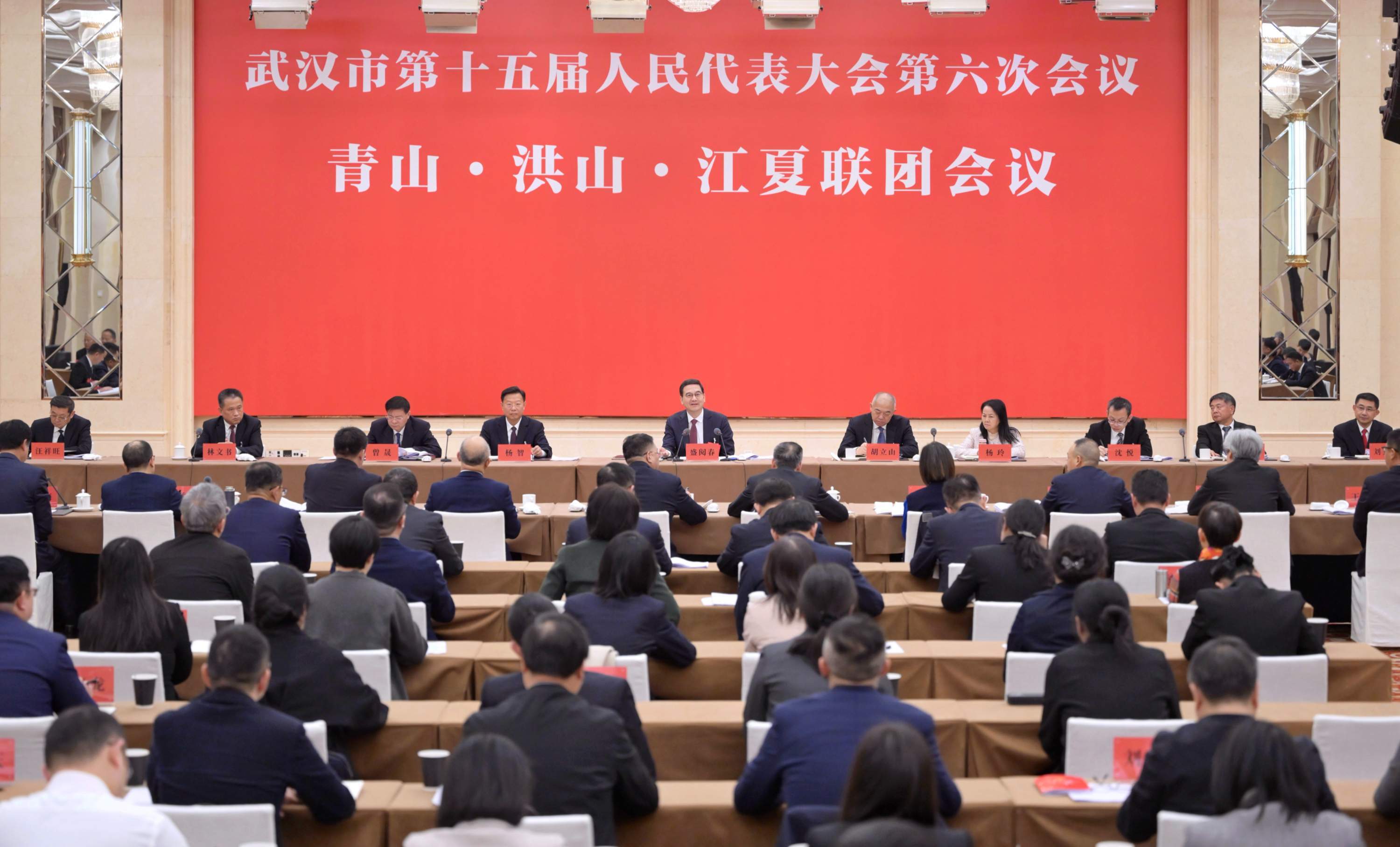
盛阅春参加青山洪山江夏代表团联团审议:推动大光谷片区协同联动发展,为武汉“十五五”发展提供坚实支撑
Chang Jiang Ri Bao· 2026-01-08 14:18
Core Viewpoint - The article emphasizes the importance of collaborative development in the Greater Optics Valley area, focusing on technological and industrial innovation to support Wuhan's "14th Five-Year Plan" and contribute to the city's overall development goals [1][5]. Group 1: Government Initiatives and Goals - The city government aims to implement the spirit of the 20th Central Committee's Fourth Plenary Session and the Central Economic Work Conference, promoting confidence and action to drive development [1][5]. - Wuhan is positioned at a critical juncture for urban capability enhancement, transformation acceleration, and regional collaboration, with a focus on becoming a national central city and building a modernized Wuhan [5][6]. Group 2: Contributions from Key Districts - East Lake High-tech Zone, Qingshan District, Hongshan District, and Jiangxia District are recognized for their significant contributions to the city's development, with a strong industrial foundation and innovation resources [6]. - These districts are tasked with leading high-quality development, enhancing innovation capabilities, and promoting the transformation of traditional industries and the growth of emerging sectors [6]. Group 3: Economic and Social Development Strategies - The government plans to boost consumption and investment, aiming for qualitative improvements and reasonable growth in the economy [6]. - There is a focus on urban renewal, integrating innovation with development, and improving public services to meet the aspirations of the populace for a better life [6].

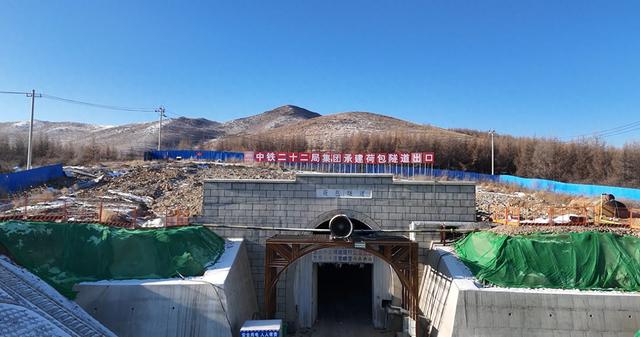
太锡铁路河北段荷包隧道顺利贯通
Xin Lang Cai Jing· 2026-01-08 11:46
Group 1 - The Tai-Xi Railway's Hebei section has successfully completed the Huo Bao Tunnel, facilitating subsequent construction activities such as track laying and beam erection [1][3] - The Tai-Xi Railway spans 117.35 kilometers, connecting Tai Zi Cheng Station to Xi Lin Hao Te Station, and will end the history of no railway access in areas like Zhangbei and Guyuan [3] - The railway will enhance the rapid passenger transport corridor to Beijing for the northern Baishan region, promoting regional collaborative development and improving travel convenience for local residents [3] Group 2 - The Huo Bao Tunnel is 1980 meters long and located in a challenging highland area, with construction conditions made difficult by winter temperatures dropping to -30 degrees Celsius [3][5] - The construction is managed by Beijing-Kunming Intercity Railway Co., Ltd., with China Railway 22nd Bureau Group responsible for the actual building work [5] - A comprehensive construction plan was implemented, including dual-direction excavation and 24-hour shifts, to ensure safety and efficiency, along with measures to maintain a working temperature of around 20 degrees Celsius inside the tunnel [5]
天津知识产权交易中心保定工作站挂牌友情链接
Xin Lang Cai Jing· 2026-01-08 11:36
Core Viewpoint - The establishment of the Tianjin Intellectual Property Trading Center Baoding Workstation aims to facilitate the transformation of high-quality scientific and technological achievements from Beijing-Tianjin into Baoding, creating a professional platform for this purpose [1][2]. Group 1: Platform Establishment - The Baoding Workstation will focus on "resource interconnection, service sharing, and industrial linkage," activating the internal innovation dynamics of the region [1][2]. - It aims to break geographical and administrative barriers, serving as an efficient bridge for the transformation of achievements [1][2]. Group 2: Collaborative Efforts - The collaboration will promote unified standards for intellectual property services, resource sharing, and business process coordination between Tianjin and Baoding, creating a new dual-core driven transformation model [1][2]. - This initiative will help local innovators in Baoding connect with high-quality resources from Beijing-Tianjin, addressing challenges related to the transformation and transaction of intellectual property [1][2]. Group 3: Government Support - The Baoding Development and Reform Commission emphasizes integrating services into the collaborative development framework as a key task, actively facilitating the connection with Beijing-Tianjin [1][2]. - The commission aims to coordinate various resources to promote the application of new technologies, achievements, and scenarios from Beijing-Tianjin in Baoding, achieving high-quality development [1][2].
两条彩带添活力
Xin Lang Cai Jing· 2026-01-07 17:12
Group 1 - The new transportation channels, including the waterway and high-speed rail, are expected to inject new vitality into the development of Quzhou by connecting it to major economic regions [1][2] - The successful customs clearance of 200 tons of calcium chloride at Qujiang Port marks the port's official capability for import and export, establishing a new logistics channel linking western Zhejiang to the core ports of the Yangtze River Delta [1] - The completion of the Hangzhou-Qichun Railway enhances regional collaboration and industrial development, significantly reducing travel time and facilitating Quzhou's integration into the Yangtze River Delta and Hangzhou metropolitan area [1][2] Group 2 - The high-quality water resources in Quzhou have attracted various industries, including beverages, dairy, tea products, and specialty paper, which rely on specific water quality and quantity [2] - The upcoming "15th Five-Year Plan" presents an opportunity for Quzhou to leverage the new high-speed rail and shipping routes to enhance development and share benefits with the community while improving corporate efficiency [2]
科技创新引领流域经济奔涌向前
Ke Ji Ri Bao· 2026-01-06 03:30
Core Insights - The Yangtze River Economic Belt has achieved significant progress over the past decade, focusing on ecological priority and green development as strategic directions [1][2] - The region's GDP is projected to exceed 63 trillion yuan in 2024, with a year-on-year growth of 5.4%, making it a key driver of high-quality regional economic development [2][3] - The Yangtze River Economic Belt has formed five major industrial clusters, with technological innovation becoming the core engine of growth [3] Economic Development - The Yangtze River Economic Belt's foreign trade import and export value reached 19.12 trillion yuan in the first 11 months of 2025, accounting for 46.4% of the national total [2] - The region's GDP now represents nearly half of the national economic total, benefiting from interconnected infrastructure and industrial agglomeration [2][3] Technological Innovation - The Yangtze River Economic Belt has established a collaborative innovation ecosystem, particularly in the electric vehicle sector, where the Yangtze River Delta region accounts for 40% of national production and over 25% globally [3] - The development model of "point-axis-circle" has been instrumental in driving industrial growth and innovation across the region [2][3] Regional Collaboration - The Chinese government has emphasized the importance of regional cooperation for high-quality development, with multiple meetings held to guide the economic and ecological strategies of river basins [4] - Collaborative efforts are underway among various provinces to enhance transportation and logistics, exemplified by strategic agreements among port groups and the operation of new high-speed rail lines [7] Challenges and Recommendations - Despite progress, some regions still operate independently, necessitating improved cross-regional coordination and the removal of systemic barriers to resource allocation [6] - There is a call for differentiated industrial development strategies tailored to local strengths, promoting a collaborative approach across the entire river basin [6]
制度创新筑造高质量发展新引擎 自贸片区长沙片区助力内陆地区改革开放高地建设
Zhong Guo Fa Zhan Wang· 2026-01-06 01:37
Core Insights - The Hunan Free Trade Pilot Zone in Changsha has positioned itself as a key driver for high-quality economic development in Hunan, focusing on global high-end equipment manufacturing, modern service industries, and deepening China-Africa economic cooperation since its establishment in 2020 [1] Group 1: Development Achievements - Since its approval, the Changsha area has seen foreign trade grow from 71.5 billion to 106.27 billion, with trade with Africa increasing from 438 million to 14.9 billion [1] - The area has attracted 753 projects with a total investment of 554.1 billion, and foreign direct investment has doubled from 100 million to 200 million [1] Group 2: Institutional Innovation - The Changsha area has developed 92 institutional innovation outcomes, including 15 at the national level and 53 at the provincial level, with 4 recognized as national pilot reform experiences [2] - Specific innovations include reducing equipment disposal time from 7 months to 5 months in the engineering machinery sector, saving over 80 million yuan for enterprises [2] Group 3: Trade and Industry Empowerment - The area has enhanced its open economy capabilities through efficient logistics and industry clusters, implementing a "1×1×1" model for cross-border e-commerce and mail services, increasing processing capacity from 50,000 to 300,000 packages daily [3] - Nearly 400 remanufacturing enterprises have been established, achieving over 3 billion in remanufacturing exports [3] Group 4: China-Africa Cooperation - The Changsha area has pioneered initiatives for China-Africa economic cooperation, including a pre-assessment mechanism for African agricultural products, reducing approval cycles by 30% [4] - A new barter trade model has been established, completing 256 transactions valued at over 250 million yuan, expanding to 12 product categories and 11 countries [4] Group 5: Business Environment Optimization - The establishment of a one-stop service center for foreign workers has reduced approval processes by 50%, with over 755 high-level talents recognized under the "New Talent Policy" [5] - The first QFLP fund in the province has been launched, bringing in 116 million in foreign capital [5] Group 6: Future Directions - The Changsha area aims to deepen institutional innovation and strengthen large parks, industries, and platforms, focusing on engineering machinery remanufacturing and new barter trade [6]
2025年长江中游城市群和武汉都市圈十件大事出炉 联动、协同成关键词
Zhong Guo Jing Ying Bao· 2026-01-05 18:00
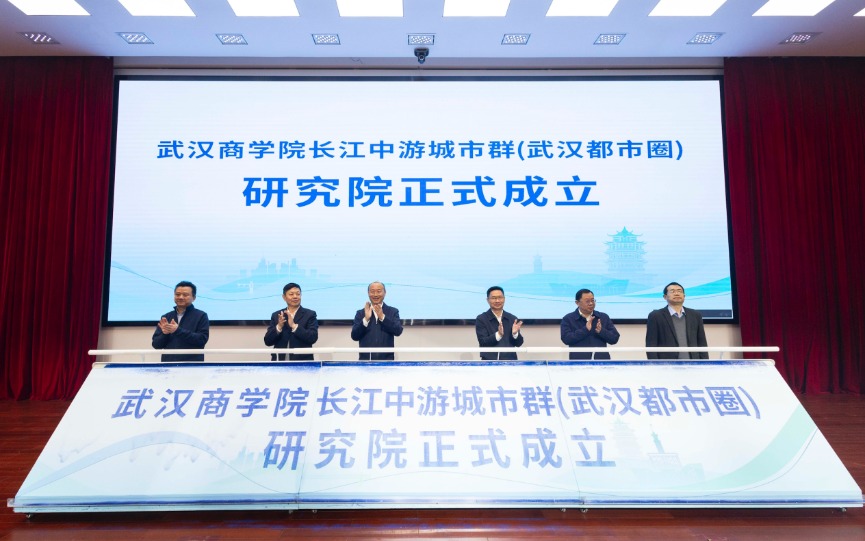
Core Viewpoint - The article highlights the progress and achievements of the Yangtze River Economic Belt over the past decade, emphasizing ecological protection and sustainable development as key priorities, with significant improvements in water quality and economic growth [1]. Group 1: Achievements of the Yangtze River Economic Belt - The proportion of good water quality in the Yangtze River Economic Belt increased from 67% to 96.5% over the past ten years [1]. - The regional GDP more than doubled, rising from 42.2% to 47.3% of the national total [1]. Group 2: Key Developments in the Yangtze River Middle Reaches Urban Agglomeration and Wuhan Metropolitan Area - The establishment of the Yangtze River Middle Reaches Urban Agglomeration Research Institute on November 16, 2025, marks a significant step in regional development [3]. - The ten major events for the Yangtze River Middle Reaches Urban Agglomeration include the recognition of its role as a growth pole for high-quality development and the establishment of various collaborative initiatives among provinces [3][4]. - The Wuhan Metropolitan Area's ten major events include the approval of the "1+8" city positioning in the 14th Five-Year Plan and the establishment of an offshore innovation alliance [16][24]. Group 3: Strategic Initiatives and Collaborations - The Hubei provincial government is advancing the collaborative development of the Yangtze River Middle Reaches Urban Agglomeration, focusing on leveraging the strengths of Hubei, Hunan, and Jiangxi provinces [7]. - The establishment of the "Xiang-Gan Border Cultural Tourism Alliance" aims to enhance cooperation in cultural tourism between Hunan and Jiangxi [10]. - The approval of the Three Gorges Waterway New Channel project is a strategic decision to promote high-quality development in the Yangtze River Economic Belt [11]. Group 4: Infrastructure and Economic Development - The Yangtze River Middle Reaches Urban Agglomeration has made strides in data element collaboration, with a strategic cooperation agreement signed among data industry groups from Hunan, Hubei, and Jiangxi [12]. - The establishment of a multi-modal transport enterprise alliance aims to optimize operations and enhance connectivity among ports in the region [13]. - The World VR Industry Conference held in Nanchang in 2025 focuses on the integration of VR and AI technologies, showcasing the region's commitment to innovation [15].
京津首次联手发布人力资源市场薪酬报告
Sou Hu Cai Jing· 2026-01-05 13:59
Core Viewpoint - The report highlights the collaborative development of the Beijing-Tianjin region's labor market, focusing on salary data and trends for 2025, emphasizing the integration of both cities' economic activities and labor resources [1] Group 1: Report Overview - The "2025 Beijing-Tianjin Regional Human Resources Market Salary Data Report" was jointly released by the human resources and social security departments of Beijing and Tianjin [1] - This report marks a significant achievement in implementing the national strategy for regional coordinated development, utilizing a "dual-city linkage" approach to salary data [1] - The report analyzes salary data from 14,000 enterprises and nearly 200,000 employees in key collaborative industries, focusing on sectors like hydrogen energy and high-end industrial machinery [1] Group 2: Salary Analysis - The report provides a multi-dimensional analysis of salary levels for core positions in collaborative industries, particularly in strategic emerging industries and modern service sectors [1] - It tracks the salary conditions of key groups such as digital occupations, green jobs, new business formats, and skilled talents [1] - The report aims to reflect the talent development characteristics of the Beijing-Tianjin region, offering insights into the evolving labor market [1] Group 3: Access to Data - Public access to the salary data is facilitated through the official website of the Beijing Human Resources and Social Security Bureau, where users can find the report under the "Hot Services" section [1]