
国产操作系统

Search documents
抛下历史包袱后,国产系统可以有多强?
虎嗅APP· 2025-05-13 10:05
Core Viewpoint - The article discusses the urgent need for a new iteration of operating systems, particularly in the context of the rise of generative AI applications, highlighting the limitations of existing systems like Windows, Linux, and MacOS in adapting to modern demands [2][4][6]. Group 1: Current Operating System Challenges - Windows has become increasingly complex due to "patchwork code," making it difficult for developers to integrate AI applications efficiently [2][5]. - Linux, while supported by major deep learning frameworks, suffers from fragmentation across different distributions, complicating application portability [5][6]. - MacOS imposes strict limitations that hinder developers from optimizing system parameters for specific AI needs, reducing flexibility [5][6]. Group 2: The Emergence of HarmonyOS - HarmonyOS made its debut on computers during a communication event, marking a significant step in its ecosystem development, with over 1 billion users across smartphones and IoT devices since its launch in 2019 [7][8]. - The release of HarmonyOS for computers is seen as the final piece of the "Harmony ecosystem," showcasing its compatibility with AI applications due to the absence of legacy burdens [8][9]. Group 3: Technical Innovations of HarmonyOS - HarmonyOS features a fully self-developed stack from chips to the operating system, enabling seamless AI integration and user interaction through various input methods [9][11]. - The system employs a unified microkernel and a single development language, simplifying the development process and addressing application portability issues [11][12]. Group 4: Cross-Device Functionality - HarmonyOS addresses the challenges of data transfer between devices, utilizing a "distributed soft bus" technology that allows for seamless communication across devices [15][17]. - Users can transition smoothly between devices, enhancing productivity by allowing operations to continue without interruption [17][19]. Group 5: Security Features - HarmonyOS incorporates a new "Star Shield Security Architecture," achieving multiple breakthroughs in data security, including the first general-purpose OS kernel to receive CC EAL6+ certification [21]. - The system implements a comprehensive application management system to ensure security throughout the application lifecycle, addressing vulnerabilities present in older operating systems [21]. Group 6: Overcoming the Ecological Dilemma - The article emphasizes the importance of a domestic operating system in ensuring information security and autonomy, particularly in light of past incidents like the "Windows blue screen event" [24][25]. - HarmonyOS aims to break the "ecological dilemma" by fostering partnerships with software developers, facilitating the adaptation of applications to the new operating system [28][29]. - Over 150 dedicated applications and more than 300 integrated applications are expected to be adapted by the end of the year, indicating a robust growth trajectory for the Harmony ecosystem [29].

华为,重磅预告!5月19日见
Zheng Quan Shi Bao· 2025-05-13 04:53
Core Viewpoint - Huawei is set to officially launch its first HarmonyOS computer on May 19, marking a significant step for domestic operating systems in the PC sector, transitioning from Microsoft Windows to HarmonyOS for all future computer products [3][4]. Group 1: Huawei's Product Transition - Huawei's transition to HarmonyOS for its computers signifies a major shift in its product strategy, with all new computers to be pre-installed with HarmonyOS [3]. - Existing Huawei computer users will not be affected by this transition, as Microsoft will continue to provide updates for Windows operating systems installed on their devices [3]. Group 2: Market Implications - The introduction of HarmonyOS PCs is expected to fill a 30-year gap in mainstream domestic computer operating systems, representing a crucial advancement for China's electronic information industry [4]. - The security and autonomy features of HarmonyOS PCs are anticipated to attract significant interest from government, finance, and education sectors, potentially opening up new market opportunities [4]. Group 3: Market Position - According to IDC, Huawei held a 34.5% market share in the Chinese tablet market in Q1 2025, maintaining its position as the market leader [4].
港股概念追踪 | “鸿蒙电脑”正式亮相!国产操作系统实现重大突破 鸿蒙PC产业链将受益(附概念股)
智通财经网· 2025-05-08 23:31
长期以来,全球操作系统市场基本被微软Windows垄断。公开数据显示,2025年4月,在全球桌面电脑 操作系统领域,Windows操作系统市场份额为71.06%,苹果旗下OS X和macOS市场份额为15.64%, Linux市场份额为4.27%。有机构分析认为,鸿蒙电脑的推出或将改变目前电脑操作系统的市场格局。 IDC数据显示,2025年一季度中国商用PC市场,华为份额已从3%跃升至9%。行业分析机构预测,2025 年中国商用PC需求达1500万台,若鸿蒙PC能够占据20%的份额,将带来300万台的增量。 鸿蒙PC产业链方面,多家上市公司为华为PC产业链的重要成员。比如,华勤技术股份有限公司为华为 PC第一大ODM供应商,承接鸿蒙PC整机制造。中科创达软件股份有限公司为鸿蒙OS核心组件开发 商,魔方Rubik大模型应用于PC端多模态交互。 长江证券认为,随着鸿蒙电脑的亮相,鸿蒙PC产业链将迎来发展机遇。随着搭载鸿蒙系统的PC产品推 出,华为终端全面进入鸿蒙时代;同时,鸿蒙有望凭借其跨平台协同的优势,切入桌面操作系统市场, 并重构市场格局,惠及鸿蒙PC全产业链。 智通财经APP获悉,5月8日,在深圳举办的鸿蒙 ...
首款鸿蒙电脑正式亮相 国产操作系统再迎重大突破
Zheng Quan Ri Bao· 2025-05-08 16:14
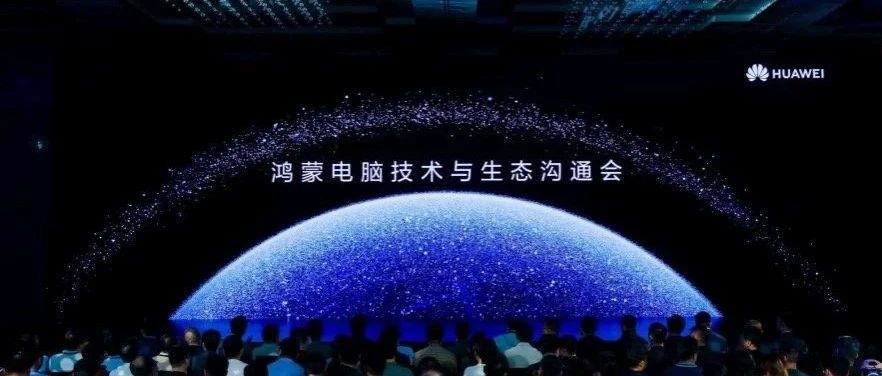
Core Viewpoint - The launch of the first HarmonyOS computer marks a significant breakthrough for domestic operating systems in the PC sector, showcasing Huawei's five-year development efforts and over 2,700 core patents accumulated [1]. Group 1: Product and Technology - The HarmonyOS computer is built on a restructured operating system kernel, featuring HarmonyOS 5 and aims to create a new office experience by integrating mobile and desktop environments [2]. - The computer will support over 2,000 applications by the end of the year, with 150 key applications already in development [1][4]. - The device is designed to facilitate deep integration of AI capabilities with hardware, software, and operating systems, enhancing user experience in various applications such as meeting records [2][3]. Group 2: Market Impact and Ecosystem - The introduction of the HarmonyOS computer is expected to fill a 30-year gap in mainstream domestic PC operating systems, potentially driving the development of a unified operating system ecosystem in China [2][3]. - The rapid development of the HarmonyOS computer ecosystem is creating a positive feedback loop for domestic software development, with over 150 dedicated applications initiated and more than 300 applications already adapted [4][5]. - The computer supports cross-platform deployment, allowing for reduced development costs and time, while also unlocking new market opportunities for mobile applications [5]. Group 3: Industry Collaboration - Several listed companies are becoming key players in Huawei's PC supply chain, with companies like Huawin Technology serving as the primary ODM supplier for HarmonyOS PCs [5]. - Companies such as Tianrongxin Technology Group are actively participating in the HarmonyOS ecosystem, developing security products compatible with the operating system [5].
鸿蒙电脑亮相深圳;广东多地官宣下调公积金贷款利率丨大湾区财经早参
Mei Ri Jing Ji Xin Wen· 2025-05-08 15:34
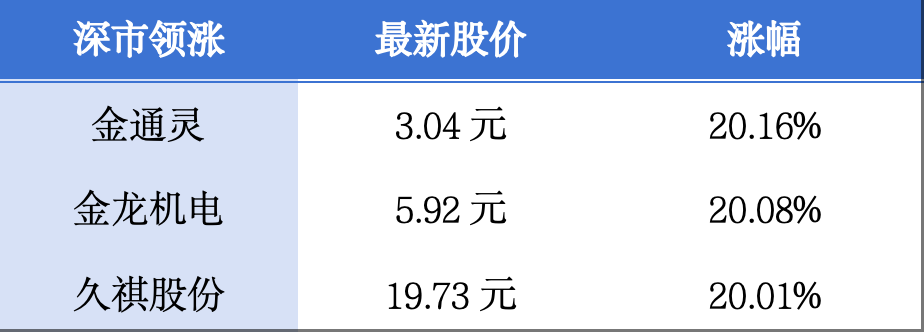
Group 1: Huawei and Hongmeng Computer - Huawei officially launched the "Hongmeng Computer" at a technology and ecosystem communication conference in Shenzhen, marking a significant breakthrough for domestic operating systems in the PC sector [1] - The development of the Hongmeng Computer involved over 10,000 top engineers and more than 20 research institutes, resulting in the accumulation of over 2,700 core patents [1] Group 2: Public Housing Fund Loan Rate Adjustment - Multiple cities in Guangdong, including Guangzhou and Shenzhen, announced a reduction in public housing fund loan rates by 0.25 percentage points [2] - The decrease in loan rates is expected to alleviate repayment burdens for homebuyers and stimulate housing consumption demand [3] Group 3: Junda Co., Ltd. and Solar Cell Manufacturing - Junda Co., Ltd. became the first "A+H" listed company in the solar cell manufacturing industry after its debut on the Hong Kong stock market, with a closing price of HKD 26.6 per share and a market capitalization of approximately HKD 77.83 billion [4] - Despite a strong performance post-transition into the solar cell sector, Junda Co., Ltd. reported a loss of CNY 591 million in 2024 due to continuous price declines in the solar cell industry [4] - The listing on the Hong Kong stock market provides Junda Co., Ltd. with new financing avenues and the potential to attract more international investors for business expansion and technological development [4] Group 4: Shenzhen North Station Passenger Flow - From April 29 to May 6, Shenzhen Railway recorded a total of 6.14 million passengers, representing a year-on-year increase of 19.9% [5] - May 1 marked the peak of passenger flow, with Shenzhen Railway sending 550,000 travelers, setting a historical record for passenger flow at Shenzhen North Station [5] - The high passenger flow indicates closer economic ties and frequent personnel movement between Shenzhen and other regions, enhancing economic exchange and cooperation [6] Group 5: Shenzhen Stock Market Performance - The Shenzhen Component Index closed at 10,197.66 points, up by 0.93% [7] - Notable gainers in the Shenzhen market included Jintongling, Jinlong Electric, and Jiuqi Co., with respective increases of 20.16%, 20.08%, and 20.01% [8] - Conversely, the market saw declines in stocks such as *ST Changyao, Xinchao New Materials, and Hongbo Co., with decreases of 13.80%, 11.22%, and 9.99% respectively [9]
首款鸿蒙电脑亮相,国产操作系统迈出关键一步
Guang Zhou Ri Bao· 2025-05-08 15:14
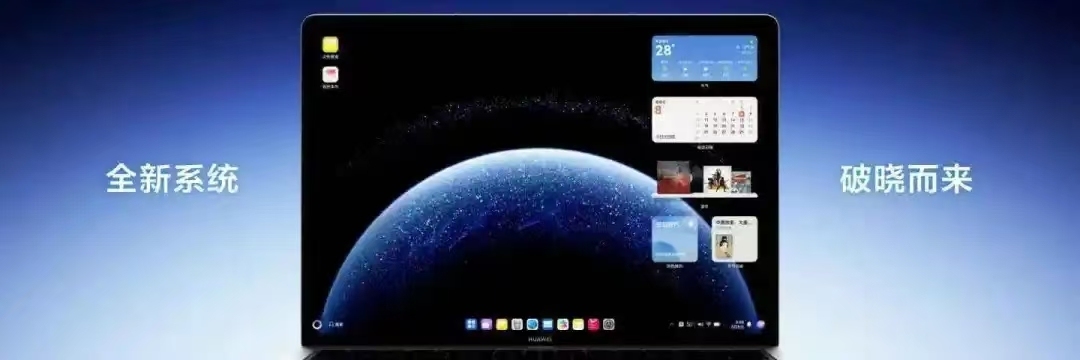
5月8日,鸿蒙电脑亮相,从内核到应用层实现全栈自研,标志着国产操作系统在PC领域迈出了关键一步。据悉,鸿蒙电脑将于5月19日正式对外发布,意 味着华为终端全场景生态的"最后一块拼图"完成。 据悉,全新亮相的鸿蒙电脑实现了AI能力与底层硬件、操作系统、软件应用的深度融合,而小艺在鸿蒙电脑上也将成为无处不在的系统级智能助理。同 时,依托分布式软总线技术,鸿蒙电脑还实现了自然无感的跨设备互联体验,支持与华为手机、电脑、平板三设备键鼠共享。 国新证券认为,鸿蒙电脑产品从内核到应用层实现全栈自研,标志着国产操作系统首次在PC领域迈出系统性自主可控的关键一步。这一动作不仅是华为 应对微软Windows授权到期的战略举措,更是其在操作系统生态领域从移动端向全场景延伸的重要里程碑。 (文章来源:广州日报) 鸿蒙操作系统是由华为开发的全场景智能操作系统,于2015年立项,2019年鸿蒙操作系统正式对外发布,2021年该系统正式搭载到智能手机上,至今已成 为继苹果iOS和安卓系统后的全球第三大移动操作系统。 鸿蒙电脑从内核开始重构操作系统,这也使之成为首个从操作系统内核开始重构的国产电脑。华为方面透露,经过五年布局,鸿蒙电脑积累 ...
“断供”阴影下,国产操作系统的破局时刻
Guan Cha Zhe Wang· 2025-05-08 14:22
Core Viewpoint - The key to the breakthrough of domestic operating systems lies not in forced imitation driven by "replacement anxiety," but in identifying advantageous scenarios based on "demand insight" and breaking technical barriers through open-source collaboration, thereby building irreplaceability in niche markets [1][3][4]. Group 1: Market Context - Domestic operating systems have made significant strides, particularly in the consumer electronics sector, with Huawei's new phones exclusively using "pure HarmonyOS" [3]. - The global IoT device count is expected to exceed 64 billion by 2025, with China's market size surpassing 4.5 trillion yuan, accounting for over 30% [3]. - The market is fragmented, with various giants positioning themselves differently: open-source HarmonyOS aims for "all-scenario unification," while Xiaomi's Vela targets smart homes, and Alibaba focuses on industrial internet [3][4]. Group 2: Technological Insights - RT-Thread, a domestic open-source embedded operating system, has achieved an installation base of over 2.5 billion units, making it the largest domestic embedded OS by installation volume [6][16]. - The choice of a microkernel and lightweight design for RT-Thread was driven by market demand, particularly for small chips that cannot run Linux or Android [6][14]. - The operating system's success is attributed to its ability to meet specific needs in fragmented scenarios, such as real-time response requirements in satellites and automotive applications [7][14]. Group 3: Competitive Landscape - The rise of domestic operating systems faces challenges, including weak developer ecosystems and difficulties in adapting to various chips and toolchains [7][19]. - RT-Thread differentiates itself by being a neutral and open third-party platform, collaborating with various manufacturers, and having a solid understanding of the domestic market [21][31]. - The competition includes major players like Huawei and Xiaomi, with RT-Thread focusing on foundational operating systems for vehicles and industrial applications [31][36]. Group 4: Future Outlook - The future of operating systems may involve either creating a self-contained ecosystem like Apple or adhering to an open-source model [7][25]. - The ongoing geopolitical tensions and the push for domestic alternatives are accelerating the development of domestic operating systems [7][24]. - RT-Thread is well-positioned to adapt to the RISC-V architecture, which is gaining traction as an open instruction set standard, enhancing its competitive edge [37][42].





鸿蒙电脑的历史性亮相
Guan Cha Zhe Wang· 2025-05-08 08:55
Core Viewpoint - The launch of HarmonyOS computer marks a significant milestone for Huawei, showcasing its first desktop operating system and emphasizing its independent development from the kernel level [4][8][22] Group 1: Product Overview - HarmonyOS computer is the first domestic computer operating system in China, developed entirely from the ground up, unlike previous systems based on modified Linux [4][10] - The computer aims to integrate advanced mobile experiences into the desktop environment, focusing on AI capabilities, seamless cross-device connectivity, and robust security features [4][12][20] - The official release of HarmonyOS computer is scheduled for May 19 [7][8] Group 2: Development and Investment - Over five years, Huawei has invested heavily in the development of HarmonyOS computer, with over 2,700 core patents and a team of more than 10,000 engineers involved [10][22] - The project has evolved from a prototype in 2021 to an engineering machine in 2022-2023, with plans for commercial machines by 2023-2025 [8][10] Group 3: Key Features - The computer incorporates AI deeply into its system, allowing for local deployment of AI functions without the need for internet connectivity [12][14] - Features like "hand-eye coordination" enable seamless interaction between devices, enhancing user experience [16][18] - The system supports cross-device sharing of keyboard and mouse, with file transfer speeds reaching up to 160 MB/s [18][20] Group 4: Security Aspects - Emphasizing security, HarmonyOS computer is built on a robust architecture that addresses privacy and data security concerns, including features like a super privacy mode and privacy indicators [20][22] - The system is designed to protect against targeted cyber attacks, making it suitable for sensitive government and enterprise applications [20][22] Group 5: Ecosystem and Market Position - The success of HarmonyOS computer relies heavily on the development of a supportive ecosystem, requiring collaboration with industry partners to create applications and attract users [22]

国产PC操作系统破局,首款鸿蒙电脑要来了
Xin Lang Cai Jing· 2025-05-08 06:16
Core Viewpoint - Huawei officially launched its first HarmonyOS-based computer, marking a significant step in the development of domestic operating systems in the personal computer sector [1][2] Group 1: Product Launch and Features - The HarmonyOS computer was unveiled at the HarmonyOS Computer Technology and Ecosystem Communication Conference in Shenzhen on May 8, with a formal release scheduled for May 19 [1] - The computer is built on the Harmony kernel and features a new Star Shield security architecture to ensure user privacy [1] - It integrates an AI assistant named "Xiao Yi" that can generate PPTs, manage knowledge across devices, and automatically create meeting minutes through voice commands [1] Group 2: Ecosystem Development - Over the past year, HarmonyOS has made significant progress in ecosystem development, with more than 20,000 native applications and meta-services launched, and over 7.2 million developers contributing [1] - The number of compatible applications for the PC ecosystem is expected to exceed 2,000 by the end of the year, with over 300 applications already adapted [2] Group 3: Market Position and Growth Potential - The HarmonyOS computer supports over 1,000 external devices, including more than 800 standard peripherals and over 250 non-standard devices [2] - The launch of the HarmonyOS computer signifies a breakthrough for domestic operating systems in the PC market, potentially opening new revenue growth points for Huawei [2] - According to CounterPoint, Huawei is projected to rank third in China's PC market by Q4 2024, with a market share of 13.2% [2] - IDC data indicates that Huawei's share in the commercial PC market has increased from 3% to 9% by Q1 2025, with a potential demand of 15 million units in China, suggesting a possible increase of 300,000 units if HarmonyOS PCs capture 20% of the market [2]
华为鸿蒙PC即将亮相,推动产业链国产化加速发展
Xuan Gu Bao· 2025-05-06 14:46
Group 1 - Huawei will officially unveil the HarmonyOS PC at a communication conference on May 8 in Shenzhen, marking the first domestically produced computer restructured from the operating system kernel [1] - The HarmonyOS PC aims to bring breakthroughs in data security, intelligence, and interconnected experiences, with various innovative features developed by HarmonyOS ecosystem partners [1] - The success of the HarmonyOS PC largely depends on the ecosystem, which requires collective innovation and collaboration across all sectors of the Chinese computer industry [1] Group 2 - Research institutions anticipate a rapid increase in demand for HarmonyOS PCs as the domestic operating system is launched and the Harmony ecosystem matures [2] - Canalys research indicates that 2024 will be a pivotal year for the transition from traditional PCs to AI PCs, with global AI PC shipments expected to account for 18% of total PC shipments, rising to 40% by 2025 [2] - The compound annual growth rate (CAGR) for AI PC shipments from 2024 to 2028 is projected to be 44% [2] Group 3 - Softcom Power is a founding member of the OpenHarmony device unified interconnection technology standard preparation group, facilitating interoperability with HarmonyOS and accelerating the development of domestic AI PCs and HarmonyOS PCs [3] - Zhiwei Intelligent has adapted multiple products to the open-source HarmonyOS and completed product compatibility certification [3] - Tuo Wei Information's Zhaohan RH220T series general-purpose servers, based on Huawei's Kunpeng 920 processor, have been successfully deployed in large-scale computing cluster projects for digital government, major telecom operators, and large enterprises [3]