多层次医疗保障体系

Search documents
以有限资源最大程度守护生命健康(人民时评)
Ren Min Ri Bao· 2025-11-26 22:09
Core Viewpoint - The recent rumor claiming that only 2% of approved drugs are included in the medical insurance catalog has been clarified, revealing that 3,159 drugs are listed, accounting for approximately 63% of the total market drugs [1] Group 1: Medical Insurance Catalog - The medical insurance catalog has been continuously expanded, with 835 new drugs added in recent years, enhancing the basic medical insurance coverage [1] - The catalog reflects a response to public medication needs, with updates ensuring better coverage for cancer treatments, rare diseases, and children's medication safety [2] - The adjustment mechanism for the medical insurance catalog has become regularized and scientific, aiming to improve the quality and structure of clinical medication [2] Group 2: Multi-layered Medical Security System - The need for a multi-layered medical security system is emphasized, as basic medical insurance alone cannot meet diverse health demands [3] - The "14th Five-Year Plan" suggests optimizing drug procurement and insurance payment policies to support a multi-tiered medical security framework [3] - The introduction of a commercial health insurance innovative drug catalog aims to enhance the multi-layered medical security system, even though basic medical insurance does not cover these drugs [3] Group 3: Commitment to Public Health - The focus is on ensuring that every penny spent on health maximizes benefits rather than just purchasing expensive drugs, maintaining the principle of "basic protection" [4] - The ongoing reforms aim to alleviate the healthcare burdens of the population, reflecting a commitment to improving public health and well-being [4]
商业医疗险精准瞄准民众多元需求
Jin Rong Shi Bao· 2025-11-26 02:25
Group 1: Core Insights - The commercial health insurance market is evolving to meet diverse needs through differentiated and specialized services, with three main segments: Huiminbao, chronic disease insurance, and high-end medical insurance [1] - By 2024, medical insurance is projected to surpass critical illness insurance, accounting for approximately 44% of the health insurance market, marking the beginning of a specialized era dominated by medical insurance [1] Group 2: Huiminbao - Huiminbao, a city-level commercial health insurance, serves as a crucial link between basic medical insurance and commercial health insurance, aiming to provide universal health coverage [2] - The 2026 Huiminbao policies maintain low premiums (195 yuan per person per year) while increasing coverage limits to 3.5 million yuan and expanding the list of covered diseases and medications [2] - As of July 2023, there are 313 local Huiminbao products launched nationwide, with 202 products actively operating [2] Group 3: Chronic Disease Insurance - Chronic disease insurance is gaining traction due to the rising prevalence of chronic diseases, which account for over 80% of total deaths in the population [4] - The market is responding to the needs of specific groups, including the elderly and those with pre-existing conditions, by offering various insurance models that support long-term management of chronic diseases [4][5] - The integration of health management services with chronic disease insurance is becoming common, providing comprehensive support throughout the treatment cycle [6] Group 4: High-End Medical Insurance - The high-end medical insurance market is rapidly growing, driven by rising income levels and increased health awareness among consumers [7] - The number of new customers for high-end medical insurance has surged by 445% year-on-year in 2024, indicating a significant shift towards this segment [7] - High-end medical insurance products are designed to fill the coverage gaps left by basic medical insurance, catering to the high-quality medical needs of the middle-income population [8]
“十四五”期间,山东医保待遇水平稳步提升
Da Zhong Ri Bao· 2025-11-20 01:03
Core Insights - During the "14th Five-Year Plan" period, Shandong's medical insurance benefits have steadily improved, with the hospitalization reimbursement ratio for grassroots medical institutions exceeding 85% [1][2] Group 1: Medical Insurance Reforms - The hospitalization reimbursement ratios for employee and resident medical insurance remain stable at approximately 80% and 70%, respectively [2][3] - A comprehensive outpatient coordination system has been established, increasing the reimbursement ratio for outpatient services at grassroots medical institutions to 65% [3] - The reimbursement ratio for outpatient medications for residents with hypertension and diabetes has been raised to 75% [3] Group 2: Support for Vulnerable Groups - The rescue ratio for major disease medical insurance and assistance for vulnerable groups, including low-income families, has been increased to over 70% [3] - Shandong has achieved nationwide coverage for long-term care insurance for employees and is steadily advancing long-term care insurance for residents [3] Group 3: Collaborative Development in Healthcare - Shandong has been actively promoting centralized procurement of drugs and medical consumables, with 890 types of drugs and 40 categories of high-value medical consumables procured over the past five years [4] - The province has implemented a payment reform based on disease diagnosis-related groups (DRG) and disease-specific values (DIP), achieving coverage rates of 97.21% for disease types and 89.76% for funds [4] Group 4: Optimization of Public Services - The province has maintained a stable insurance coverage rate of 95% for the resident population during the "14th Five-Year Plan" period [5] - The direct settlement rate for cross-province hospitalization has improved from less than 50% during the "13th Five-Year Plan" to 94.49% [5] - A total of 35,000 grassroots medical insurance workstations have been established, achieving full coverage of the five-tier medical insurance service system [5]
山东:健全多层次医保体系,筑牢民生健康防线
Feng Huang Wang Cai Jing· 2025-11-19 07:30
二是稳步提高医保报销水平。目前,参保居民、职工住院使用报销范围内的药品、耗材等,分别可以享 受到70%左右、80%以上的报销待遇。不断健全门诊慢特病保障政策,统一将恶性肿瘤门诊治疗、肾透 析等门诊维持治疗周期长、医疗费用相对较高的81种慢性病,纳入门诊慢特病保障范围,参照住院报销 政策予以保障,减轻了患者大额门诊医疗费用负担。同时,全面建立普通门诊报销制度,参保群众因头 痛脑热、感冒发烧、腹泻等常见病、多发病发生的日常门诊费用,也能享受报销待遇,比如,城乡参保 居民在基层医疗机构发生的报销范围内的普通门诊费用,可以报销65%,城乡居民诊断为高血压、糖尿 病后,购买降压药、降糖药还能享受到75%的专项报销待遇。 三是完善大病保险和医疗救助政策。统一居民大病保险起付标准,分段报销比例均达到60%以上,一个 医疗年度内最高可报销40万元。特困人员、低保对象、返贫致贫人口、低保边缘家庭成员和防止返贫监 测帮扶对象等困难群众,可享受居民医保个人缴费部分补贴和医疗费用救助,年度救助限额提高到5万 元以上。"十四五"期间,医疗救助对象累计就医4292.02万人次,医保基金支付544.35亿元。 四是持续完善生育医疗费用报销 ...
中国人寿服务“健康中国”建设,领跑普惠保障新赛道
Da Zhong Ri Bao· 2025-11-18 04:44
Core Viewpoint - China Life Insurance Company is committed to the mission of "protecting people's health" and actively participates in the construction of a multi-level medical security system, aligning with national policies to address aging population and rural revitalization [1][2][10] Summary by Sections Multi-level Health Security Development - The company has developed a multi-level health security system that aligns with national trends and policies, focusing on policy health insurance, long-term care insurance, and urban customized commercial medical insurance [2][10] - The national policy emphasizes the sustainable development of commercial insurance and the improvement of urban and rural residents' major illness insurance mechanisms [1][2] Major Illness Insurance - As one of the first institutions to undertake major illness insurance, China Life has built a comprehensive operational system covering underwriting, claims, medical verification, and risk control since 2012 [2][3] - The company has served over 40 million insured individuals in Guangxi, significantly reducing the financial burden of major illnesses through efficient claims processes [3][5] Long-term Care Insurance - China Life is a pioneer in the long-term care insurance system, responding to the challenges of an aging population and establishing a standardized operational framework since the pilot program began in 2016 [3][5] - The company has developed various representative service models in cities like Chengdu, Guangzhou, and Tianjin, contributing valuable experience for the establishment of a long-term care insurance system suitable for China's context [3][5] Urban Customized Commercial Medical Insurance - The company has actively participated in over 100 "惠民保" projects, which provide effective supplementary insurance for low-income and elderly populations [5][6] - Projects like "大爱无疆" in Zhuhai and "西湖益联保" in Hangzhou have been successful in bridging the gap in insurance coverage for vulnerable groups, promoting the development of the pharmaceutical industry [6][8] Future Development Plans - Looking ahead to the "15th Five-Year Plan," the company aims to consolidate its position in major illness insurance, enhance urban medical insurance, and accelerate the development of long-term care insurance [9][10] - The company plans to innovate in new fields and strengthen cooperation with government policies to meet diverse health insurance needs [9][10]



中金 | 深度布局“十五五”:医药生物篇
中金点睛· 2025-11-14 00:18
Core Viewpoint - The article emphasizes the acceleration of innovation in the pharmaceutical and medical device industries in China, driven by supportive policies and a shift from generic to innovative drug development, which is expected to enhance the industry's quality and global competitiveness [2][3][5]. Policy Support for Innovation - Since 2020, numerous favorable policies have been introduced to improve the ecosystem for innovative drugs, focusing on research standards, review and approval systems, patent protection, and reimbursement mechanisms [2]. - The "14th Five-Year Plan" highlights the importance of supporting innovative drugs and medical devices, indicating their critical role in national health and economic development [3][5]. Clinical Trials and Market Dynamics - The number of clinical trials for innovative drugs in China has surpassed 1,900, outpacing the US, Europe, and Japan, reflecting a significant increase in research quality and efficiency [3][8]. - By 2024, 39 innovative drugs approved for the first time in China were domestically developed, increasing from 31% in 2020 to 42% in 2024, indicating a strong trend towards domestic innovation [3][5]. Medical Insurance and Payment Systems - The narrowing surplus of the national medical insurance fund has created a mismatch between the commercialization of innovative drugs and their approval timelines, necessitating improvements in the commercial insurance system [8][27]. - The "15th Five-Year Plan" aims to establish a multi-tiered medical insurance system, which is expected to enhance the role of commercial health insurance in providing payment support for innovative drugs [27][32]. Medical Devices and Technological Innovation - The approval of innovative medical devices has increased by 43% from 2016-2020 to 2021-2024, driven by improved regulatory mechanisms and support for high-end medical device innovation [10][13]. - The article notes that while domestic brands are gaining global competitiveness, the industry still faces challenges in achieving systematic original innovation and key technology breakthroughs [13][19]. Emerging Technologies - The application of AI and brain-machine interfaces in healthcare is progressing towards industrialization, with the establishment of preliminary frameworks for clinical applications and payment rules [14][18]. - The integration of high-quality data flow in healthcare is anticipated to enhance the clinical benefits of new technologies, improving resource utilization and patient outcomes [18][19]. Biomanufacturing Developments - The biomanufacturing sector in China is transitioning from a "follower" to a "runner" stage, with significant advancements in technology and policy support, laying a solid foundation for future growth [19][20]. - The article highlights the importance of focusing on high-value, environmentally friendly products, such as biodegradable materials, to expand market opportunities [22][26].

“新18条”引航、“新团险”破局:上海探索多元支付构建多层次医疗保障新生态
Sou Hu Cai Jing· 2025-11-13 12:42
在"健康中国"战略与上海国际金融中心建设的双重驱动下,商业健康险正成为连接医疗、医药与民生保 障的关键纽带。今年8月,国家金融监督管理总局上海监管局等七部门联合印发《关于促进商业健康保 险高质量发展助力生物医药产业创新的若干措施》(简称"新18条"),为上海商保与生物医药产业 的"双向赋能"提供了清晰的政策框架。 政策引航,市场破局。作为"新18条"落地的重要实践,上海保险业正加速构建与基本医保相衔接的补充 保障体系。其中,12月即将面市的上海"新团险"模式,因其在多元支付机制和保障范围上的重大突破, 备受业界关注。 破局"支付难":"新团险"撬动多元共付,筑牢民生保障"防护网" 最关键的突破在于多元化筹资与支付机制。"新18条"明确支持职工使用医保个人账户历年结余支付保 费。黄芹芹表示,"新团险"构建的"企业出资+医保个账"的职工共付及家庭共济机制,既盘活了沉淀资 金,也打破了企业预算有限的"天花板",显著提升了保障的可持续性和杠杆效应。 "新18条"的核心目标之一,是推动商业健康险成为生物医药这一"新质生产力"的关键支付端。然而,要 有效承接住创新药械的支付需求,商业保险必须具备足够的市场规模和覆盖面。 ...
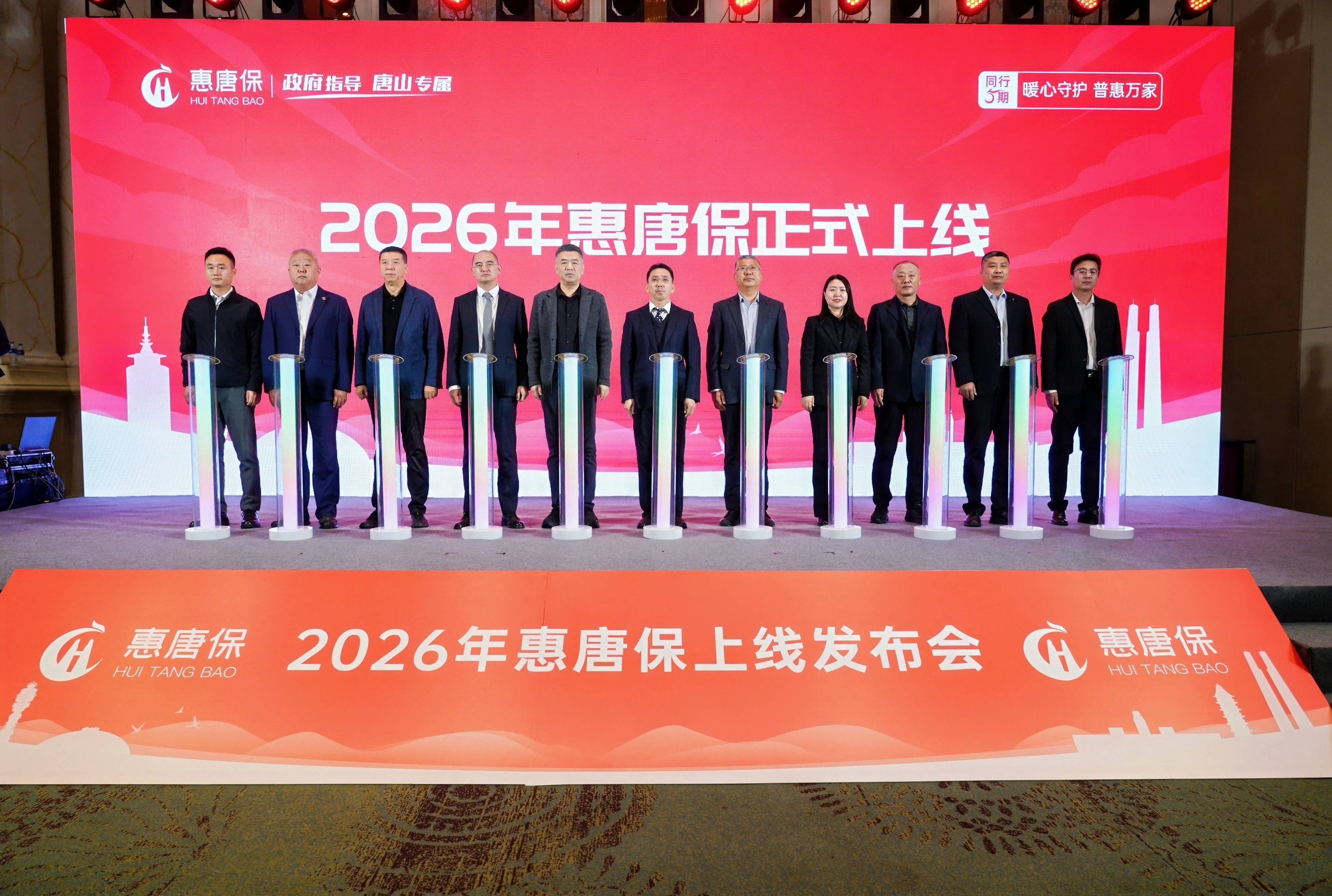
筑牢唐山医疗保障体系,2026年“惠唐保”火热参保中!
Cai Fu Zai Xian· 2025-11-06 09:18
Core Points - The "Hui Tang Bao" product, a pure public welfare supplementary commercial health insurance, was officially launched on November 6, 2023, in Tangshan, with participation from various regulatory and insurance bodies [1] - The insurance scheme has already covered over 2.097 million residents of Tangshan since its initial launch in 2022, with total claims amounting to approximately 270 million yuan [3] - The product aims to alleviate high medical costs for residents and is integrated into the city's multi-tiered medical insurance system [3] Group 1 - The "Hui Tang Bao" product is a key component of Tangshan's "3+2" medical insurance system, providing essential supplementary coverage to basic medical insurance [3] - The insurance industry in Tangshan is committed to maintaining a correct development direction in line with national financial policies [3][4] - The Tangshan Insurance Industry Association will enhance coordination and self-regulation to ensure the sustainability of this public welfare initiative [4] Group 2 - The 2026 "Hui Tang Bao" product features five key highlights aimed at improving the quality and accessibility of medical coverage [5][6] - The product will continue to offer two versions, "Youth Version" and "Universal Version," to cater to different demographic needs [6] - Enrollment for the 2026 "Hui Tang Bao" is open until December 31, 2025, with no restrictions on age, occupation, residency, or medical history for applicants [7]
“聚焦湾区协同,拓展国际合作:2025健康与生命科学大会”圆满落幕
Feng Huang Wang Cai Jing· 2025-11-06 03:11
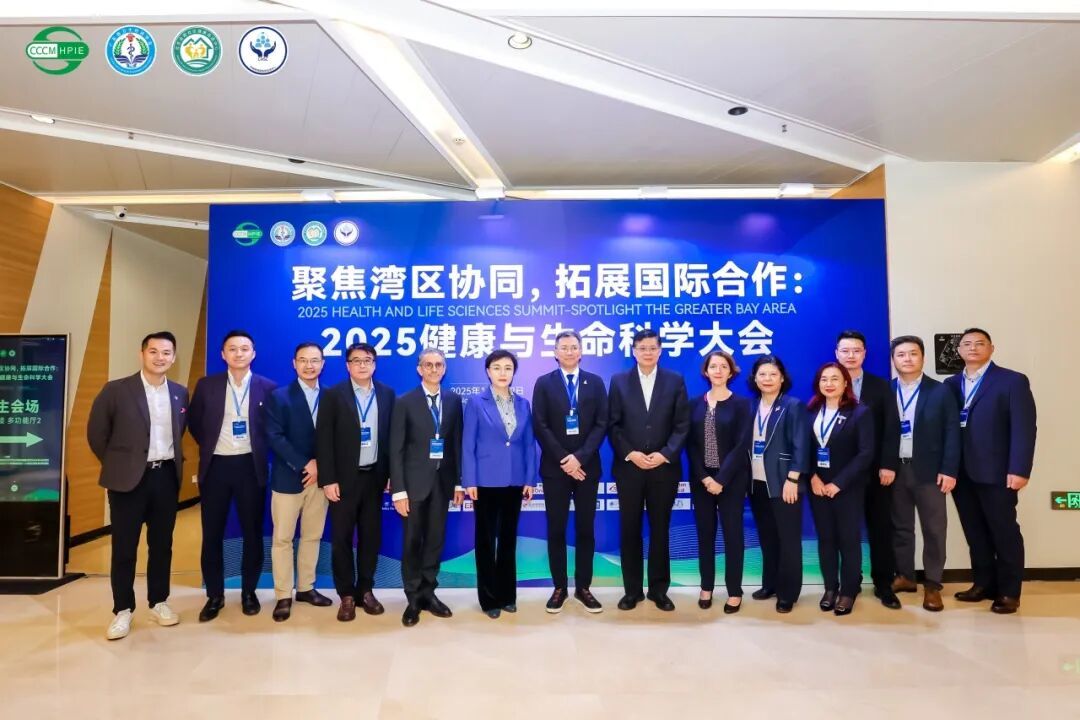
Core Insights - The conference "Focusing on Bay Area Collaboration and Expanding International Cooperation: 2025 Health and Life Sciences Conference" successfully concluded in Guangzhou, highlighting the importance of international collaboration in the health and life sciences sector [2][3][42] - Key topics included medical service collaboration, regulatory innovation in pharmaceuticals and medical devices, biomanufacturing ecosystems, and cross-border healthcare mechanisms [3][42] Group 1: Conference Overview - The conference was guided by the Guangzhou International Biological Island Management Committee and co-hosted by various health organizations, showcasing strong support from numerous pharmaceutical companies and financial institutions [2][3] - The event attracted representatives from health authorities in mainland China, Hong Kong, Macau, and international health organizations, emphasizing the global perspective on health cooperation [3][42] Group 2: Key Presentations - Meng Dongping, Secretary of the China Chamber of Commerce for Import and Export of Medicines and Health Products, emphasized the resilience and opportunities in China's health industry, particularly in the Greater Bay Area [6] - Dr. Gina Samaan from the World Health Organization highlighted the importance of cross-national cooperation in enhancing emergency response systems and public health resilience [6][7] - William Adi Teja from Indonesia's drug regulatory authority discussed Indonesia's regulatory innovations aimed at promoting pharmaceutical innovation and attracting investment [9] Group 3: Regional Development and Innovation - Tian Peilong from Guangzhou's Industrial and Information Technology Bureau presented Guangzhou's advantages in the biopharmaceutical sector, including a robust industrial ecosystem and strong medical resources [11] - Huang Weijian, Director of the Guangzhou International Biological Island Management Committee, outlined the island's role as a core engine for biopharmaceutical innovation, housing over 700 companies [13] Group 4: Roundtable Discussions - A roundtable discussion focused on enhancing the accessibility and affordability of innovative pharmaceuticals and medical devices in the Bay Area, with participants advocating for simplified regulatory standards and increased policy support [15][16] - Another roundtable addressed cross-border healthcare cooperation, emphasizing the need for integrated service systems and the potential for the Bay Area to attract international patients [23] Group 5: Multi-layered Healthcare System - Chen Xingwei, President of the Guangdong Provincial Health Economics Association, stressed the importance of a multi-layered healthcare system to ensure equitable access to healthcare innovations [31] - The Guangzhou Medical Insurance Bureau's initiatives, such as the "Sui Suikang" insurance product, aim to address the challenges of accessing innovative medications [32][34] Group 6: Future Outlook - The conference concluded with a vision for the Greater Bay Area to continue leveraging its advantages in institutional innovation and regional collaboration to build a high-quality health ecosystem [42]
2025年医保目录调整“上新” 满足群众多层次、多元化用药需求
Yang Shi Wang· 2025-11-05 07:01
Core Points - The National Healthcare Security Administration (NHSA) announced that the new basic medical insurance drug list and the first commercial insurance innovative drug list will be released online and offline in Guangzhou on the first weekend of December, with implementation starting January 1, 2024 [1] - The recent negotiations involved 120 domestic and foreign enterprises, with 127 drugs outside the basic medical insurance drug list and 24 drugs for the commercial insurance innovative drug list participating in price negotiations [3] - The commercial insurance innovative drug list was established to better meet the diverse medication needs of the public, with 121 high-value drugs approved through this new list [7] Industry Insights - The commercial health insurance market in China is experiencing rapid growth, with the original insurance premium income reaching 977.3 billion yuan in 2024, an increase of 8.2% year-on-year [7] - The total expenditure of the basic medical insurance fund is projected to reach 2.97 trillion yuan in 2024, providing solid support for healthcare services [7] - The NHSA is exploring solutions to synchronize settlements between basic medical insurance and commercial health insurance, with several regions already implementing one-stop payment platforms [9]