
抗战精神

Search documents
各地红色场馆迎来参观热潮 互动式体验让抗战历史“活起来”
Yang Shi Wang· 2025-09-18 09:46
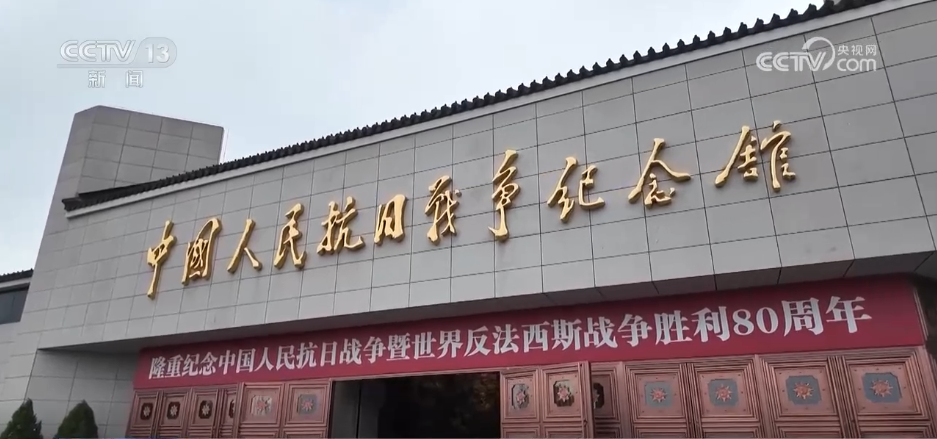
央视网消息:今年以来,全国各地举办了一系列红色文化观演活动,特别是从今年暑期至今,各类抗战主题的展览、文艺演出、 电影等持续引发观看热潮,大家在一件件文物史料、舞台剧目和影视作品中铭记历史、致敬英雄。 在"九·一八事变"爆发94周年之际,位于北京卢沟桥畔的中国人民抗日战争纪念馆参观热度持续攀升,特别是在"九·一八事变"专 区,展出多件与"九·一八事变"相关的照片、文物、档案,吸引来自全国各地的观众驻足观看。像这件绣着英文"TRUTH"的文件包, 就是"九·一八事变"爆发后,国际联盟调查团对日本侵华定性的重要依据,文件包里有一份400多页的英汉双语文件,是许多爱国人士 冒着生命危险搜集的日本侵华证据。展馆内还重点介绍"九·一八事变"爆发后,中国共产党领导的东北抗日联军艰苦抗战的英勇事 迹,如赵一曼写给儿子的家书、杨靖宇使用过的印章等展品,重现了那段烽火岁月。 位于黑龙江哈尔滨的东北烈士纪念馆,今年推出原创展览"抗战14年的黑龙江——纪念中国人民抗日战争暨世界反法西斯战争胜 利80周年展览",自9月3日开展以来,同样引发参观热潮。展览集中展出了大量文物、文献和历史照片,特别是抗联将领赵尚志、许 亨植、冯治纲使用过 ...

“纪念抗战胜利80周年舞台美术作品展”在京启幕
Ren Min Wang· 2025-09-18 05:52
中央戏剧学院院长郝戎强调,举办此次展览,可谓正当其时、意义深远。舞台美术作为综合艺术的 重要组成部分,以独特的视觉语言、空间营造和情感力量,将历史的瞬间、英雄的气概和民族的精神凝 结于舞台之上,带给观众直抵心灵的震撼与深刻的思考。中央戏剧学院作为新中国第一所戏剧教育高等 学府,自创校之初便与民族命运紧密相连。巡展不仅是地理上的跨越,更旨在通过艺术作品激发公众的 历史共鸣,凝聚起推动民族复兴的强大精神力量。 国家艺术基金管理中心副主任张艳表示,此次展览通过舞台美术的视角展现抗战题材优秀剧目,既 还原了先辈浴血奋战的壮阔历史,也为抗战精神赋予了当代艺术升华与美学诠释。它以历史为底色、艺 术为桥梁,尤其能唤醒青年一代对历史的思考,让人们在艺术熏陶中汲取奋进力量,坚定珍爱和平、开 创未来的信念,是国家艺术基金服务社会、传承精神的生动实践。 洪学智将军的女儿洪炜在致辞中动情地表示:"父辈们用鲜血换来的和平,我们用艺术的方式传承 下去,让后代永远铭记历史、珍爱和平。" 原标题:"纪念抗战胜利80周年舞台美术作品展"在京启幕 六城巡展唤醒红色记忆 本次展览的项目负责人中央戏剧学院教授边文彤介绍,中央戏剧学院从延安走来,今日 ...
弘扬抗战精神 汇聚奋进力量
Xiao Fei Ri Bao Wang· 2025-09-18 03:10
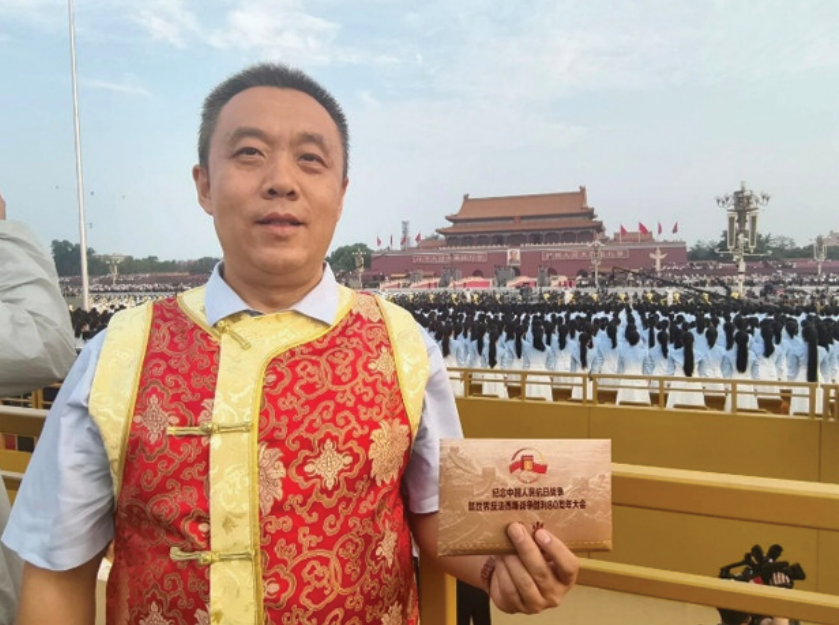
铭记伟大历史胜利,凝聚正义和平力量。9月3日,纪念中国人民抗日战争暨世界反法西斯战争胜利80周年大会在北京天安门广 场隆重举行。北京工艺美术行业优秀代表受邀参加纪念大会,在现场见证这场展示国家力量、传承民族精神、捍卫世界和平的 盛大仪式。 在这里,大国的钢铁脊梁与人民的炽热情怀同频共振,长安街上的铁流滚滚与工美匠人手中的天工奇巧交相辉映。这不仅集中 展示了传承和弘扬伟大抗战精神,更是为新时代的工美匠人吹响了踔厉奋发、勇毅前行的嘹亮号角。现场的每位代表都心潮澎 湃、无比激动,他们的观礼感言也代表了北京工美人的情怀与心声。 □本报记者 贾淘文 北京市人大代表 北京燕京八绝博物馆馆长 北京金漆镶嵌有限责任公司董事长柏群: "作为一名非遗传承人和文博工作者,在这关键的历史节点,我们更要坚定理想信念,坚定不移地听党话、感党恩、跟党走。同 时,要秉持脚踏实地、求真务实的态度,将我们的博物馆打造得更具特色,让民族产品更加丰富多彩,使非遗传承更具蓬勃活 力,以实际行动为非遗传承事业的发展、北京博物馆之城的建设以及全国文化中心的繁荣,做出新的、更大的贡献!" 第47届世界技能大赛珠宝加工冠军 北京市工艺美术技师学院教师张宇鹏: ...
历史远去,警钟长鸣!各部队多种形式纪念“九一八”事变爆发94周年
Yang Shi Wang· 2025-09-18 02:00
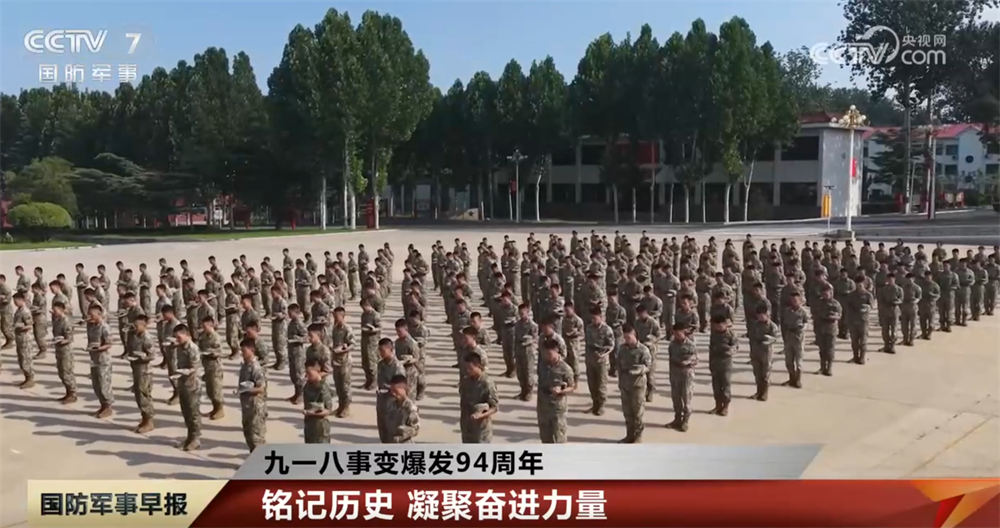
央视网消息:9月18日是"九一八"事变爆发94周年,1931年9月18日,日本关东军蓄意制造震惊中外的"九一八"事变。空前的民族灾难唤起 了空前的民族觉醒,中华儿女不屈不挠、浴血奋战,经过14年艰苦卓绝的斗争,取得了中国人民抗日战争的伟大胜利。历史远去,警钟长鸣。 连日来,各部队组织多种形式的纪念活动,铭记历史,砥砺前行。 94年过去了,抗战的烽火硝烟早已消散,但记忆从未褪色,历史仍在回响。在祖国的座座军营,警报声同步响起,官兵们在震彻苍穹的长 鸣钟向抗日英烈默哀。 官兵面向国旗庄严宣誓,这誓言是对先烈的承诺、是对历史的回应,更是对未来的担当。 青山埋忠骨,鲜花寄英魂。部队官兵来到革命烈士陵园,踏着先辈的足迹感悟初心使命。 陆军第83集团军某旅蒲玉杰称:"化追思为责任,化崇敬为使命,让全体官兵在感悟英烈事迹和精神中,当好红色基因的传承者与发扬 者,持续激发官兵奋进前行、建功军营的不竭动力。" 陆军第80集团军某旅吴昊称:"历史是最好的教科书,也是最好的清醒剂。组织这次活动,就是要引导广大官兵从厚重的历史中汲取精神 营养,在铮铮誓言中凝聚奋斗力量。将缅怀追思转化为练兵备战的强大动力,以优异的成绩告慰历史、告慰先 ...
瞭望 留住不能忘却的记忆
Xin Hua Wang· 2025-09-18 01:27
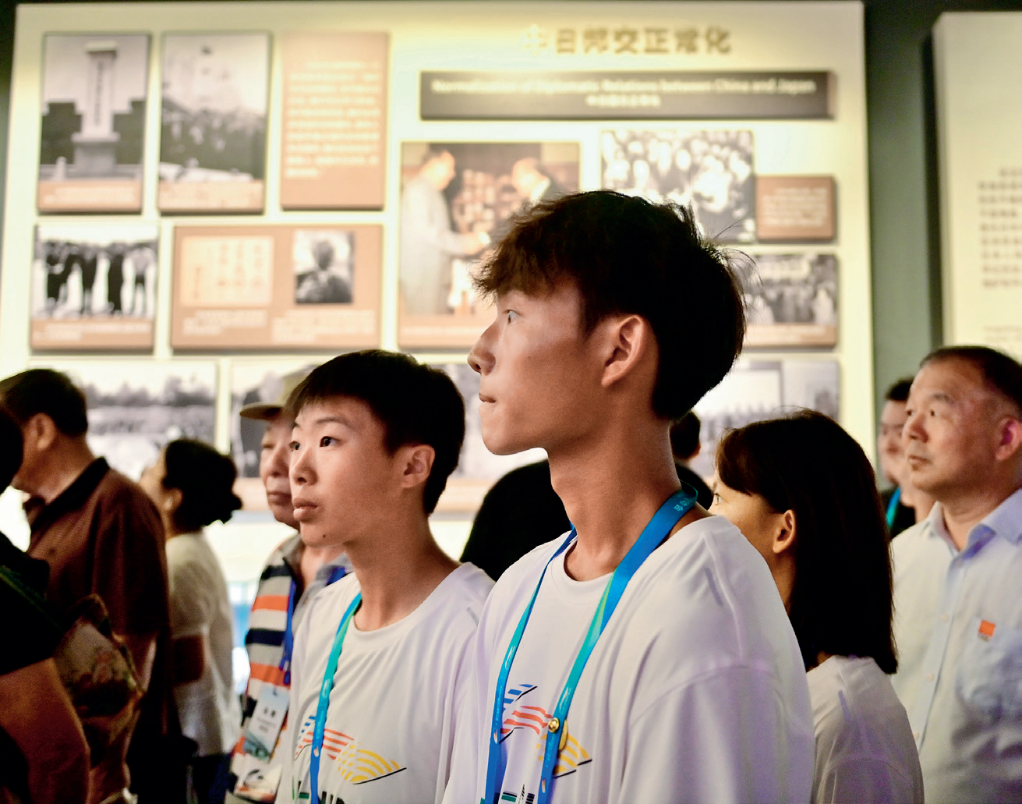
"每年9月18日前后,博物馆访问量都会激增,平均每日游客数量过万人。" 文 |《瞭望》新闻周刊记者 赵洪南 位于辽宁的沈阳"九·一八"历史博物馆,布满累累弹痕的"残历碑"将历史铭刻于1931年9月18日。 这天夜里,日本关东军为制造事端,自行炸毁沈阳北郊柳条湖附近的一段路轨,反诬中国军队所为,由此开始了蓄谋已久的侵华战争。此后数月 间,东北三省沦陷,不愿做亡国奴的中国人民奋起反抗,进行了长达14年的艰苦抗战。 文物"会说话",历史不会忘记。涵盖真实历史资料和珍贵文物的展陈,让青少年观众零距离触摸历史纹理的数字化交互手段,领读抗战书籍、讲 述红色故事等丰富活动……当抗战胜利的霞光穿透八十年云烟,人们走进沈阳"九·一八"历史博物馆,先烈们浴血奋战的场景历历在目。 第一届全国青少年田径运动会期间,运动员代表在"九·一八"历史博物馆参观(2025 年 8 月 12 日摄) 吴青昊摄/本刊 丰富展陈触摸历史脉搏 在沈阳"九·一八"历史博物馆,丰富展陈用历史资料提供真实证据,蜡像、雕塑等则以"艺术再现"方式与观众建立情感链接。 一个绣有"TRUTH"(真相)字样的蓝色布包被摆放在玻璃展柜里,布包旁是一份装订400多页的手 ...
传承伟大精神 培育时代新人
Liao Ning Ri Bao· 2025-09-18 01:16
Group 1 - The core theme of the events is to commemorate the 80th anniversary of the victory in the Chinese People's War of Resistance Against Japanese Aggression and the 94th anniversary of the September 18 Incident, emphasizing the importance of patriotism and historical memory [1][2] - The integration of the great anti-war spirit and Northeast Anti-Union spirit into ideological and political education is being actively promoted across various educational institutions in Liaoning [2][3] - A series of activities, including performances and collective lesson planning, are being organized to enhance the teaching of historical events and figures, making them more relatable and engaging for students [3][4] Group 2 - The establishment of a high-level team of ideological and political education teachers is crucial for effectively incorporating red culture into the curriculum [4] - The collaboration between museums and schools is being strengthened to create a more immersive educational experience, allowing students to engage with historical materials directly [5][6] - Practical teaching initiatives are being developed, transforming historical sites into new educational platforms, and promoting activities that encourage students to explore and understand their historical heritage [6]
凝聚正义力量 砥砺复兴之志
Xin Hua She· 2025-09-18 00:53
17日上午,中国人民抗日战争暨世界反法西斯战争胜利80周年纪念活动总结会议在京举行。习近平 总书记亲切接见纪念活动筹办工作各方面代表,向他们表示感谢和问候,对他们的辛勤付出和出色成绩 给予充分肯定,勉励大家奋发进取、再立新功。会议传达了习近平总书记日前在中央政治局常委会会议 上关于纪念活动的重要讲话。 庄严隆重、大气磅礴、震撼人心、激励奋进,纪念活动成功举办,在强国建设、民族复兴的历史征 程中镌刻下浓重的一笔。习近平总书记在重要讲话中强调,纪念活动"进一步弘扬了伟大抗战精神,进 一步坚定了全面推进强国建设、民族复兴伟业的信念信心,进一步展示了推动构建人类命运共同体的责 任担当"。 中共中央党校(国家行政学院)教授郝栋说:"总书记以三个'进一步'深刻阐述纪念活动的历史意 义,充分彰显这场弘扬抗战精神、体现时代特色、具有大国气派、展示强军风采的纪念活动对党心军心 民心的极大振奋,凝聚起矢志复兴、捍卫和平的力量。" 纪念活动中,首都各界干部群众讲政治、顾大局,积极服务保障国之大者,共同营造出正气充盈、 扬我国威的浓厚氛围。 习近平总书记指出,纪念活动领导小组及其各工作机构坚决贯彻落实党中央决策部署,始终坚持高 标准 ...
历史记忆共同守护,爱国情怀跨越海峡
Ren Min Ri Bao Hai Wai Ban· 2025-09-17 23:05
Core Points - The article emphasizes the importance of remembering history and the spirit of resistance during the Anti-Japanese War, highlighting a recent educational trip taken by Taiwanese youth to historical sites in Chongqing and Sichuan [1][4][5] Group 1: Historical Significance - The educational trip aimed to convey historical truths and the spirit of resistance to younger generations, ensuring that the Anti-Japanese spirit remains vibrant and passed down [1] - Participants visited significant historical sites, including the China Democratic Party History Museum and the Chongqing Anti-Japanese War Museum, gaining insights into the multi-party cooperation and political consultation system led by the Communist Party of China [2][4] Group 2: Personal Reflections - Taiwanese youth expressed a deeper understanding of the concept of "united front" and the importance of collaboration among different groups during the war, as articulated by participants like 廖同学 and 王先生 [2][3] - The trip allowed participants to connect emotionally with the history, with reflections on the sacrifices made during the war and the enduring spirit of resilience among the Chinese people [3][5] Group 3: Future Direction - The event was framed as a means to clarify the direction for future unity and strength, with leaders emphasizing the importance of recognizing the shared fate of people across the Taiwan Strait [4][5] - The discussions highlighted the need to combat historical nihilism and reaffirm the shared heritage and responsibilities of both sides of the Strait [5]

回望(人民家书)
Ren Min Ri Bao Hai Wai Ban· 2025-09-17 22:22
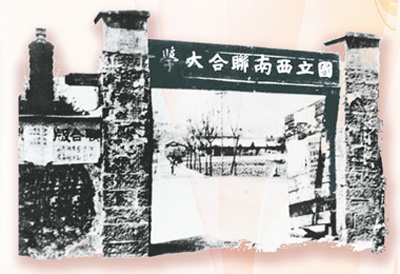
Core Points - The article highlights the historical significance of the Southwest Associated University (西南联合大学) during the Second Sino-Japanese War, emphasizing its role in preserving Chinese culture and educating talent under difficult conditions [25][26][32] - It features personal letters from notable scholars such as Wen Yiduo, Zhu Ziqing, Zhang Boling, and others, reflecting their experiences and thoughts during the war [30][34][38][46] Group 1: Historical Context - The establishment of Southwest Associated University was a response to the Japanese invasion, with key universities relocating to Kunming to continue their educational mission [25][30] - The university served as a cultural bastion, nurturing patriotism and resilience among students and faculty during wartime [25][26] Group 2: Personal Reflections - Wen Yiduo's letters detail the arduous journey from Changsha to Kunming, highlighting the physical and emotional challenges faced by the faculty and students [27][31] - Zhu Ziqing emphasizes the responsibility of educators to awaken the public consciousness during the war, praising the efforts of local publications like "警钟" [34][36] - Zhang Boling expresses optimism about the future of education post-war, despite the current challenges faced by the university [38][40] Group 3: Cultural and Educational Impact - The letters collectively illustrate the commitment of these scholars to maintain educational standards and cultural integrity amidst adversity [45][49] - The correspondence reveals a shared sense of duty among the educators to contribute to national recovery and cultural revival after the war [46][48]
弦歌不辍为家国
Ren Min Ri Bao· 2025-09-16 07:55
Core Viewpoint - The power of anti-Japanese war songs lies in their ability to evoke national spirit and collective memory, fostering a sense of unity and resilience among the Chinese people during times of crisis [1][2][3] Group 1: Historical Significance of Anti-War Songs - Anti-war songs serve as a vital cultural memory, encapsulating the determination and spirit of the Chinese people during the war against Japanese aggression [1] - Songs like "Yellow River Cantata" and "On the Songhua River" express both the grandeur of the nation and the emotional turmoil of the people, reinforcing a collective identity [1][2] Group 2: Role of Music in National Unity - The songs create a sense of belonging and shared purpose, connecting individuals from diverse backgrounds in a common struggle against oppression [2] - The lyrics and melodies acted as tools for mobilization, inspiring countless individuals to join the fight for national survival [2] Group 3: Enduring Values and Modern Relevance - The themes of resilience, unity, sacrifice, and optimism embedded in these songs remain relevant today, serving as a source of inspiration in contemporary challenges [3] - The commemoration of these songs during events like the 80th anniversary of the victory in the anti-Japanese war highlights their ongoing significance in promoting patriotism and national pride [3]