智慧旅游

Search documents
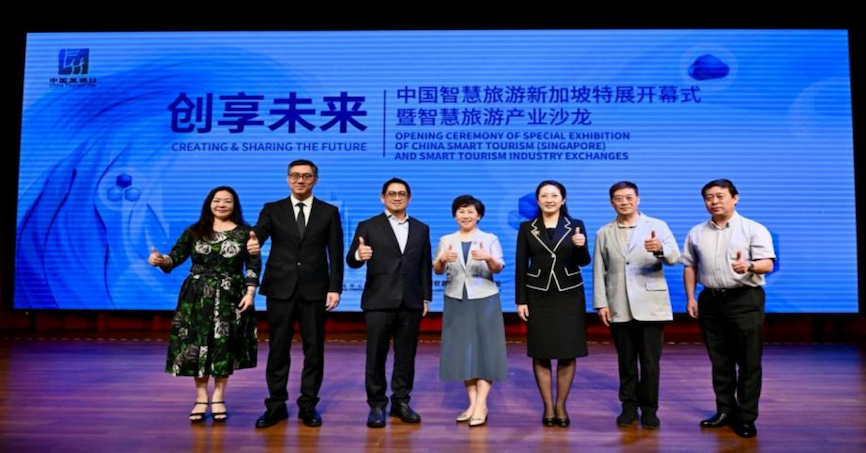
“创享未来——中国智慧旅游新加坡特展”成功开幕
人民网-国际频道 原创稿· 2025-05-17 06:00
Core Viewpoint - The event "Creating the Future - China Smart Tourism Singapore Special Exhibition" highlights the integration of technology in tourism, showcasing the potential for collaboration between China and Singapore in the smart tourism sector [1][2][3]. Group 1: Event Overview - The exhibition took place from May 15 to May 18 at the Singapore Chinese Cultural Centre, featuring over 200 representatives from domestic and Singaporean cultural, tourism, and technology sectors [1][4]. - The event attracted more than 720,000 online viewers, indicating significant interest in smart tourism innovations [1]. Group 2: Key Speakers and Insights - Yu Haiying emphasized the role of technology in enhancing travel experiences, making global exploration more accessible and enjoyable [1]. - Kong Yuan highlighted the natural complementarity of resources and technological advantages between China and Singapore, aiming to foster cross-border cooperation in smart tourism [2]. - Kong Ming noted China's achievements in smart tourism, including advancements in virtual reality (VR) and artificial intelligence (AI), which enhance visitor experiences [2]. Group 3: Industry Collaboration and Innovations - Lyu Wenjun pointed out Singapore's commitment to embracing smart tourism and digital transformation, aiming to improve visitor experiences through technology [3]. - The event featured discussions on the latest trends in smart tourism, with presentations from industry leaders on topics such as digital management systems and the future of global smart tourism [3]. - The exhibition showcased cutting-edge technologies, including immersive VR experiences and AI-driven services, allowing attendees to experience the intersection of technology and culture firsthand [4][6].

长三角文旅唱响“协奏曲”
Guo Ji Jin Rong Bao· 2025-05-16 07:57
Core Viewpoint - The integration of tourism associations in the Yangtze River Delta region marks a significant step towards collaborative development in the cultural and tourism sectors, aiming to enhance resource sharing and create competitive tourism products [1][3][5]. Group 1: Collaborative Mechanism - The newly signed cooperation agreement among 32 tourism associations aims to break down regional barriers and deeply integrate cultural and tourism resources [3][4]. - The mechanism will facilitate resource sharing, mutual access to travel routes, and customer exchange, fostering the development of innovative tourism products [3][4]. - The initiative emphasizes the integration of tourism with technology, culture, and sports, promoting new industries and business models within the tourism sector [3][4]. Group 2: Economic Impact - The Yangtze River Delta region's GDP is projected to exceed 33 trillion yuan in 2024, accounting for 24% of the national GDP, indicating a robust economic foundation for tourism growth [6]. - During the recent "May Day" holiday, tourism performance was strong across the region, with Shanghai receiving 16.5 million visitors and generating 21.1 billion yuan in tourism revenue [6]. - Jiangsu, Zhejiang, and Anhui also reported significant increases in tourist numbers and spending, showcasing the region's vibrant tourism market [6]. Group 3: Future Development Strategies - The region plans to leverage the "240-hour visa-free transit" policy to attract international tourists, creating appealing travel routes such as "Shanghai-Hangzhou-Suzhou" [4][6]. - There is a focus on utilizing digital tools and social media to enhance tourism marketing and attract foreign visitors [7]. - The integration of transportation infrastructure and unified citizen treatment is crucial for accelerating tourism development in the region [7][8].
济南联通5G深度覆盖 助力智慧泉城文旅腾飞
Qi Lu Wan Bao· 2025-05-14 09:21
漫步大明湖畔,穿行老商埠街巷,踏入龙洞山涧,手机信号稳定流畅,网络体验焕然一新。 济南联通5G-A调测 自然景区实现5G信号全覆盖 山区5G基站覆盖 作为济南市重要自然景观的龙洞自然风景区、千佛山风景区,以其奇特地貌和原生态环境成为市民游客户外运 动的热门选择。由于地势起伏和植被覆盖,信号覆盖曾经存在盲区和弱区。为有效提升自然景区的通信体验, 济南联通坚持科学规划、因地制宜,创新采用"微波回传+BBU前置+太阳能供电"模式,并灵活调整天线方位和 参数优化网络覆盖,在龙洞自然风景区实现5G信号覆盖,同时在千佛山登山步道、观景平台等主要人流聚集点 实现重点覆盖。 龙洞景区藏龙涧基站 南部山区信号意外满格 近日,某自媒体博主在社交平台中发布的一段南部山区徒步野炊的视频,引发网友关注。视频中,博主和朋友 相约徒步,原计划实时分享沿途风景,却在关键时刻发现自己的手机没有信号,多番尝试未果。就在博主困惑 不已时,一旁的朋友却淡定地拿出手机展示满格信号。博主诧异地问:"这怎么可能?我这完全没信号啊!"朋 友笑着回应:"我用的是联通啊,这里信号满格,网络一直都很稳定。"朋友还表示附近露营的驴友都是联通用 户,联通5G在南部山 ...


当出行“邂逅”高科技 “一机畅行”智慧服务解锁游客“丝滑体验”
Yang Shi Wang· 2025-05-10 08:07
Group 1 - The core viewpoint of the articles highlights the significant increase in tourism in Zhejiang Province during the "May Day" holiday, with a total of 31.14 million visitors, representing a year-on-year growth of 13.7% [1] - The implementation of innovative measures in the tourism sector, particularly through smart services, has enhanced the travel experience for both domestic and international tourists [1][5] - Tourists can easily manage their travel needs, including dining, accommodation, and transportation, using mobile applications, which simplifies the overall travel experience [3][5] Group 2 - Shanghai has emerged as a popular destination for inbound tourism, with a focus on providing comprehensive services for international travelers at the Pudong Airport, including mobile payment and transportation card services [7] - The introduction of the "Easy Go" app in June aims to integrate various travel services, allowing tourists to book hotels, purchase tickets, and access transportation all in one platform [9] - The "沪小游" mini-program consolidates tourism resources, offering personalized travel itineraries and real-time assistance, enhancing the overall visitor experience in Shanghai [9][11]
下飞机就畅游!一部手机带国际游客“丝滑”玩转上海
Sou Hu Cai Jing· 2025-05-09 14:17
Core Viewpoint - Shanghai has become a popular destination for international travelers, offering a comprehensive one-stop service to facilitate their travel experience [3][5]. Group 1: One-Stop Service for International Travelers - At Pudong Airport, the "Foreigners One-Stop Service Center" provides essential services such as mobile payment setup, transportation card issuance, and SIM card purchase, with staff available 24/7 [3][5]. - International travelers can easily navigate Shanghai using a single app that integrates public transport options including buses, subways, taxis, shared bikes, and ferries, allowing for real-time information and route planning [7]. Group 2: Enhanced Travel Experience - The "Hu Xiaoyou" mini-program consolidates various cultural and tourism resources, enabling users to access information on red tourism, city walks, local performances, and dining options, as well as practical details like storage lockers and restrooms [9]. - The program also acts as a personalized tour guide, generating customized travel itineraries based on user preferences, contributing to a more streamlined travel experience [9].

浙江实施三年行动计划 创新发展智慧旅游
news flash· 2025-05-07 10:58
Core Viewpoint - Zhejiang Province has launched a three-year action plan for the innovative development of smart tourism, aiming to enhance the industry by 2027 through improved infrastructure, service efficiency, and marketing models [1] Group 1: Action Plan Goals - By 2027, the smart tourism industry system is expected to be gradually perfected, with a richer product variety and enhanced service efficiency [1] - The plan encourages deep integration of the cultural tourism industry chain with the Internet and IoT, aiming to strengthen and supplement the smart tourism industry chain [1] - The initiative supports the development of 20 influential digital service providers in the cultural tourism sector by 2027 [1] Group 2: Implementation Strategies - The plan emphasizes the establishment of a unified cultural tourism industry brain in Hangzhou, exploring new business models for value-added smart tourism services and industry chain expansion [1] - It aims to showcase 30 exemplary smart tourism solution cases by 2027 to strengthen benchmark roles [1]
国网天水供电公司:营业厅变身“旅游驿站”,“暖心电”擦亮城市名片
Zhong Guo Neng Yuan Wang· 2025-05-07 08:54
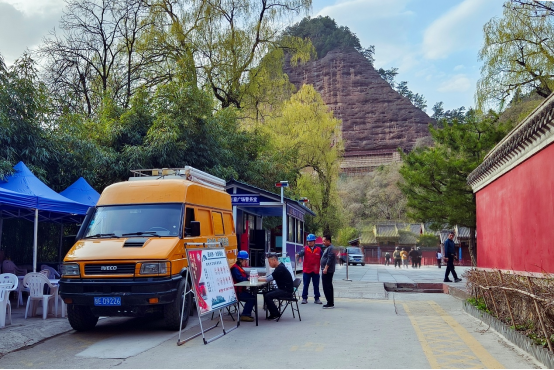
"没想到供电营业厅成了旅途中的'暖心驿站'"!5月4日,在天水龙城广场供电营业大 厅,西安游客张女士捧着工作人员递上的热茶感慨道。这个"五一"假期,国网天水供电公司 创新服务模式,将多个营业厅变身成游客服务站,提供手机充电、热水供应等便利服务。工 作人员化身"旅游向导",主动为游客指引路线、推荐特色美食,以暖心服务展现伏羲故里的 城市温度。 同样的保电场景也在清水县上演。国网清水县供电公司聚焦丁香文化旅游节"吃住游 娱"全场景,将轩辕湖广场、温泉度假村等重点场所纳入保电"关键清单"。技术骨干运用红 外测温、超声波检测等手段,完成用户侧配电设备"健康体检",整改过载隐患。确保设 备"健康上岗"。 值得一提的是,国家电网甘肃电力(麦积先锋)共产党员服务队联合"黄河之滨"志愿者 服务队,在景区设立"光明驿站"便民服务站,为游客提供饮水、休息、简易医疗等服务,还 结合用电高峰特点,向群众讲解节电技巧和触电急救知识,受到游客一致好评。 据统计,"五一"长假期间,国网天水供电公司共安排56支抢修队伍、224名抢修队员, 全天候24小时值班待命,为文旅活动提供全程"零停电"保障。目前,该公司已启动伏羲文化 旅游节专项保电方 ...
从“攻略助手”到“智能管家”——AI成为年轻人旅游“新向导”
Xin Hua She· 2025-05-06 06:56
记者搜索发现,今年以来,多地文旅平台宣布推出AI推荐官。在沈阳市沈北新区,当地文旅部门接入 AI数据大模型,结合本地文旅智库搭建起智能模块,针对人数、口味、目的地,动态生成旅行路线, 在线解答游客"怎么玩""去哪吃""住哪儿"的问题。 飞猪、马蜂窝、同程旅行等多家在线旅游平台陆续推出相关AI产品。记者在一家在线旅游平台看到, 除了策划行程安排,相关AI产品还能根据用户的实时位置,推荐酒店、餐馆、特色体验馆等,用户在 攻略生成页面即可一键预订。 中国旅游研究院发布的《全国智慧旅游发展报告2024》显示,人工智能技术的新突破推动旅游行业数智 化加速升级,为智慧旅游发展带来了新的机遇。生成式人工智能将对旅游内容创作、旅游分析预测、旅 游数据分析、个性化营销产生较大的影响,正成为推动行业变革的重要力量。 北京视旅科技有限公司是一家专门提供AI定制旅行的在线旅游平台,依托自主研发的旅游领域AI大模 型,不仅可以实现从制作攻略到一键购买的全程服务,还可以提供菜单实时翻译、生成Vlog文案、智能 修图等服务。 在社交平台,与"用DeepSeek做旅游攻略""AI定制旅行"等话题相关的笔记已达数十万篇。这些笔记中的 行程规划 ...
火热而有序 各地多措并举护文明安全旅游
Xin Hua She· 2025-05-04 08:45
新华社北京5月4日电 题:火热而有序 各地多措并举护文明安全旅游 新华社记者 客流高峰下,泰山旅游秩序井然。据了解,泰山景区管理部门于4月30日启动一级响应,全员上岗 迎接客流高峰。景区还升级了中央隔离导流线,上山下山分道通行,增设夜间值勤点位13处,预设应急 通道和应急避险场所。 为确保"五一"假期旅游市场安全有序,海南省旅文厅要求全省A级旅游景区、夜间旅游和文化消费 集聚区等客流量大、易形成瞬时拥堵的经营单位,提前开展风险研判,合理设置游览线路,加强关键节 点管理,完善安全提示和防护设施,增派人员巡查。 沈阳市文旅局持续加大文旅市场监管力度,组织开展旅游景区、旅行社、文化娱乐场所、星级饭店 等检查,仔细排查安全隐患,严格规范市场秩序,全力保障旅游安全。 "智慧"赋能,助力景区管理—— 今年"五一"假期,全国文旅市场呈现火热新气象。在旅游热度持续攀升的同时,各地通过精细化服 务,强化旅游市场监管,确保文明安全旅游,推动"流量"变为"留量"。 细化服务,提升旅游体验—— 作为"春城"昆明的一张"浪漫名片",教场中路延绵的紫色花海每年都吸引大量游客前来打卡。为应 对预计单日可达十几万人次的人流压力,昆明市五华区 ...
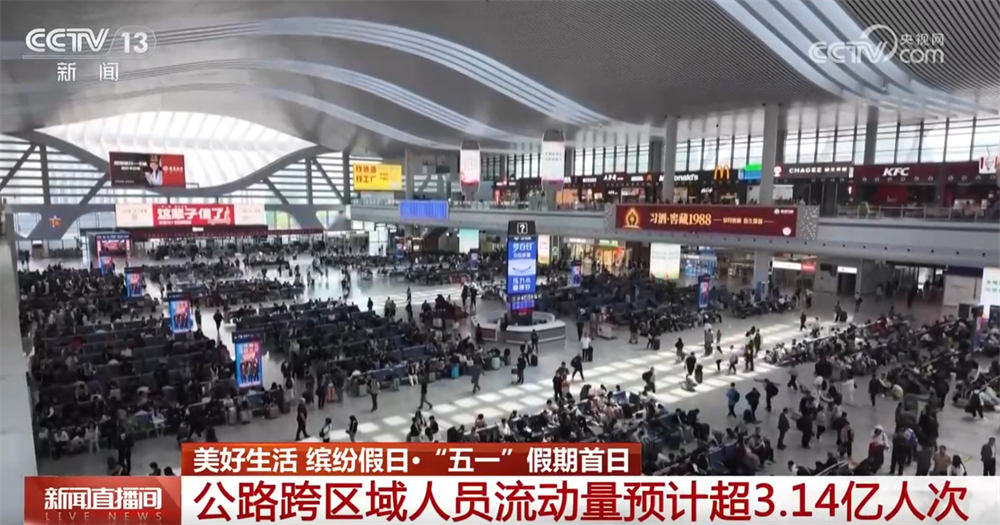
“五一”假期文旅热、消费旺、活力足 一组图片展现缤纷假日生动图景
Yang Shi Wang· 2025-05-02 09:16
Group 1 - The "May Day" holiday has seen a surge in tourism, with a significant increase in travel enthusiasm reflected in crowded scenic spots and fully booked hotels, indicating a strong desire for a better quality of life [1][4] - On the first day of the holiday, over 340 million people are expected to travel across regions, marking an 8.0% year-on-year increase, with road travel accounting for over 314 million people, up 7.8% [2] - The railway sector has also experienced record numbers, with 23.12 million passengers sent on May 1, the highest single-day figure in history, and an additional 19.3 million expected on May 2 [2] Group 2 - Long-distance and in-depth travel have become new market drivers, with domestic long-distance travel bookings accounting for 46%, and significant double-digit growth in flights, car rentals, hotels, train tickets, and homestays [4] - Various tourism formats, including rural tourism and smart tourism, have enriched the visitor experience, leading to a strong start for the tourism market in many regions [4] - Iconic attractions like the Forbidden City in Beijing continue to attract large crowds, including an increasing number of foreign tourists, as China's visa policies become more favorable [9] Group 3 - In Hong Kong, a drone show featuring 1,000 drones took place, contributing to the festive atmosphere, with nearly 590,000 people entering and exiting the region by May 1, including over 182,000 from the mainland [11]