
民营经济促进法

Search documents
郑永年建言:实施民营经济促进法,深圳应“抓小放大”促创新
Sou Hu Cai Jing· 2025-06-10 17:20
Core Viewpoint - The implementation of the "Private Economy Promotion Law" on May 20 is expected to inject new momentum into the development of the private economy in China, with significant implications for market stability and entrepreneur confidence [1][3]. Group 1: Legal Framework and Institutional Support - The law provides a systematic guarantee for the rights and interests of private enterprises, marking a milestone in legal support for the private economy [3]. - The Chinese government has consistently emphasized the importance of private enterprises through constitutional amendments and various supportive policies over the years [3]. Group 2: Innovation and Economic Contribution - Private enterprises are identified as the main source of innovation in China's economy, contributing over 50% of tax revenue, 60% of GDP, 70% of technological innovations, 80% of urban employment, and 90% of the total number of enterprises [6]. - The law is expected to facilitate reforms and policies that will allow private enterprises to innovate boldly and enjoy equal legal status with state-owned enterprises, enhancing their development opportunities [4][6]. Group 3: Recommendations for Shenzhen - Shenzhen is advised to adopt a multi-faceted approach to implement the Private Economy Promotion Law, focusing on nurturing small and medium-sized enterprises (SMEs) and specialized innovative companies [5][6]. - The city should leverage its unique legislative powers to effectively implement the law while considering the integration with the Greater Bay Area and the needs of foreign investments [7].


福建:法治筑基赋能,护航民营经济阔步前行
Zhong Guo Fa Zhan Wang· 2025-06-10 09:06
Core Viewpoint - The implementation of the "Private Economy Promotion Law" in China aims to create a better business environment, particularly in Fujian Province, which is taking proactive measures to support the high-quality development of the private economy [1][2]. Group 1: Legal Framework and Policy Support - The "Private Economy Promotion Law" officially took effect on May 20, leading to a surge in initiatives to understand and protect the private economy [1]. - Fujian has launched the "Fujian Province Business Environment Construction Plan (2024-2029)" and introduced a digital monitoring mechanism for business environments, achieving an overall satisfaction rate of 88.27% in 2024 [2]. - The private economy's contribution to the regional GDP in Fujian reached 70.5%, an increase of 2.2 percentage points from the previous year [2]. Group 2: Government Initiatives and Coordination - The Fujian provincial government emphasizes the need to fully implement the "Private Economy Promotion Law" and support private enterprises in innovation and development [3]. - A series of surveys and discussions with private enterprises were conducted to understand their operational challenges and gather feedback for policy improvement [4]. - A coordination mechanism was established to support the healthy development of small and micro enterprises, focusing on creating a comprehensive support system [7]. Group 3: Industry Development and Support Mechanisms - Fujian aims to cultivate specialized and innovative enterprises, with 371 national "little giant" enterprises and 4,205 provincial specialized and innovative small and medium-sized enterprises [8]. - The government is committed to enhancing the quality and standards of local industries, promoting the establishment of public service platforms for technology and testing [8]. - The province is actively engaging in national initiatives to connect supply and demand, encouraging more market participants to join [8].
土巴兔联合创始人谢树英:民营经济促进法推动装企转向质量竞争
Zhong Guo Jing Ji Wang· 2025-06-10 06:47
Core Viewpoint - The introduction of the Private Economy Promotion Law marks a significant milestone for the development of the private economy in China, providing equal legal protections and opportunities for private enterprises, particularly benefiting small and medium-sized enterprises in the internet home decoration industry [1][2]. Group 1: Legal Framework and Market Access - The Private Economy Promotion Law establishes a nationwide negative list system for market access, allowing various economic organizations, including private enterprises, to enter fields outside the list on an equal legal basis [2]. - This law is expected to facilitate the national expansion of companies like TuBaTu, which currently covers 300 cities, and promote the digitalization of supply chain solutions among small decoration enterprises [2]. Group 2: Technological Development and Data Utilization - The law supports private enterprises in participating in common technology research and data market construction, enhancing data sharing and utilization [2]. - TuBaTu's core technologies, such as AI design and supply chain SaaS systems, are directly benefited by the law, which allows for deeper data application and optimization of recommendation systems [2][3]. Group 3: Industry Standardization and Ecosystem Restructuring - The law provides a fundamental institutional support to address the long-standing issues of fragmentation and low standardization in the home decoration industry [3]. - It emphasizes the "non-prohibition, entry" principle, which helps eliminate hidden barriers to market access, thus supporting platform companies in integrating small decoration enterprises [3]. Group 4: Data Security and Compliance Challenges - The home decoration industry faces challenges related to long technology conversion cycles and slow return on investment, particularly for small enterprises [4]. - TuBaTu has invested over 300 million yuan in ERP system development, highlighting the financial burden on small enterprises to keep up with technological advancements [5]. - There is a need for enhanced data security governance and the establishment of industry data security standards to address compliance costs and innovation speed [5]. Group 5: Future Outlook and Competitive Landscape - The implementation of the Private Economy Promotion Law is expected to provide more opportunities for small decoration enterprises and designers to participate in major national projects, shifting industry competition from price wars to service and quality competition [5]. - The bidding rate for private enterprises has increased by 5% year-on-year in the first quarter, indicating a positive trend that is likely to continue in the home decoration sector [5].
广东首个县级助力城乡区域协调高质量发展法律服务工作站在清远连山揭牌
Nan Fang Nong Cun Bao· 2025-06-09 14:30
Core Viewpoint - The establishment of the first county-level legal service station in Lianshan, Qingyuan, aims to support high-quality urban-rural coordinated development through legal services, enhancing the business environment and promoting the "Hundred Thousand Ten Thousand Project" [11][12][15]. Group 1: Legal Service Station Establishment - The legal service station in Lianshan is a significant outcome of the "Legal Service Qingyuan Action," aimed at providing quality legal resources to grassroots levels [11][12][13]. - This initiative is part of the provincial federation's efforts to strengthen the legal support for private enterprises and improve the business environment in Lianshan [14][15][18]. Group 2: Event Details and Participation - The event included a ceremony for the unveiling of the legal service station, attended by key officials from the provincial and local governments, highlighting the importance of legal services in supporting local enterprises [5][6][9]. - Approximately 120 participants attended the main venue, with over 100,000 people engaging through online platforms, indicating a strong interest in legal support for businesses [49][50]. Group 3: Legal Education and Support - The event featured a lecture on the Civil Code and the Private Economy Promotion Law, aimed at helping entrepreneurs understand and apply legal frameworks effectively [40][41][42]. - Legal consultation services were provided to local enterprises, enhancing their ability to mitigate legal risks [44][45].

天津局开展“民法典进企业”专题活动
Zhong Guo Zi Ran Zi Yuan Bao· 2025-06-06 01:45
Group 1 - The Tianjin Municipal Planning and Natural Resources Bureau organized an event focusing on the "Civil Code into Enterprises" initiative, aimed at promoting fair competition and optimizing the financing and investment environment for private enterprises [1][2] - Legal advisors provided a comprehensive explanation of the key contents of the Private Economy Promotion Law, emphasizing its importance in protecting the legitimate rights and interests of private enterprises [1][2] - The event included a systematic review of the drafting process, historical significance, and core values of the Civil Code, transforming abstract legal provisions into practical guidelines for business operations [1] Group 2 - Representatives from Tianjin Chuangye Environmental Protection Group, Tianjin Jiutian Qixin Technology Co., and Tianjin Changhe Measurement and Control Technology Co. raised inquiries regarding real estate registration and the implementation of the Private Economy Promotion Law [1] - The Tianjin Bureau's legal department aims to create a favorable legal environment for business development by aligning legal services with enterprise needs, as part of the government's initiative to optimize the business environment [2] - Future plans include ongoing legal services related to land policy, with a focus on understanding enterprise needs and providing targeted, high-quality legal consulting services [2]

数据透视民营经济:多项核心指标回暖 向新动能十足
Zheng Quan Shi Bao· 2025-06-05 17:58
Core Insights - The recent private enterprise symposium and the implementation of the Private Economy Promotion Law signify strong support and recognition for the role of the private economy in China's development, aiming to boost confidence and market risk appetite [1][3] - In Q1 2025, key indicators of the private economy showed significant recovery, with private enterprises demonstrating resilience and growth potential [2][5] Economic Indicators - In Q1 2025, the added value of private enterprises in large-scale industrial sectors grew by 7.3% year-on-year, surpassing the overall growth rate of all large-scale industrial enterprises [2] - Private investment saw a positive turnaround, with a 0.4% year-on-year increase in Q1 2025, reversing the decline from the previous year; manufacturing and infrastructure investments grew by 9.7% and 9.3%, respectively [2] - Private enterprises' import and export volume increased by 5.8% year-on-year in Q1 2025, accounting for 56.8% of the total import and export volume, indicating strong competitiveness in international markets [2] Entrepreneurial Confidence - The overall confidence index for entrepreneurs reached 70.62 in Q1 2025, reflecting a 4.28 increase from the first half of 2024, with optimism across various industry dimensions [3] - The development index for small and medium-sized enterprises was 89.5 in Q1 2025, marking the highest level since Q1 2022 [3][4] Market Activity - In Q1 2025, 1.979 million new private enterprises were registered, a 7.1% year-on-year increase, with the total number of registered private enterprises exceeding 57 million, representing 92.3% of all enterprises [4] - The proportion of fully operational enterprises reached 50.4%, an 11 percentage point increase from the previous quarter, indicating a recovery in operational activity [4] Innovation and New Dynamics - The establishment of new "four new" economy private enterprises reached 836,000 in Q1 2025, accounting for over 40% of new private enterprises, with significant growth in internet and modern information technology services [6] - From 2022 to 2024, A-share private enterprises' R&D investment exceeded 650 billion, with R&D intensity reaching 4.31% in 2024, significantly higher than the overall societal R&D intensity [6][7]
聚焦突出问题 规范涉企执法(金台锐评)
Ren Min Ri Bao· 2025-06-04 21:44
Core Points - The article emphasizes the importance of reducing unnecessary administrative interference in business operations to optimize the business environment [1][3][4] - It highlights the implementation of the Private Economy Promotion Law, which aims to minimize the impact of administrative enforcement on private enterprises [1][3] Group 1: Administrative Enforcement Issues - Over 6,000 problem clues have been gathered, with more than 5,000 cases urged for handling, resulting in a total of 335 million yuan involved in rectified cases, saving nearly 100 million yuan for enterprises [1] - The article points out that excessive administrative inspections burden enterprises, with one case reporting 154 visits and 97 inspections in a year [2] - Various regions are actively exploring innovative practices to significantly reduce unnecessary inspections, such as Zhejiang's "comprehensive check once" initiative, which reduced inspections by over 10,000 [2] Group 2: Legal Framework and Enforcement Standards - The article stresses the need for legal frameworks to regulate administrative power and reduce interference, including improving the legal standards for administrative discretion [3] - It mentions the necessity of training and supervising enforcement personnel to avoid mechanical and rough enforcement due to inadequate understanding of policies [3] - The article also addresses the issue of inconsistent enforcement standards across departments, advocating for legal coordination to clarify enforcement rules and stabilize business expectations [3] Group 3: Balancing Enforcement and Business Operations - While reducing interference, it is crucial to maintain strict enforcement of laws, especially in sectors related to public safety, such as food and drug safety [4] - The article argues for equal protection of all business entities and the need for administrative enforcement to be both effective and considerate, achieving a balance between reducing burdens on businesses and enhancing enforcement efficiency [4]
天津市成功举办“民营经济促进法面对面”活动
Zhong Guo Fa Zhan Wang· 2025-06-04 08:10
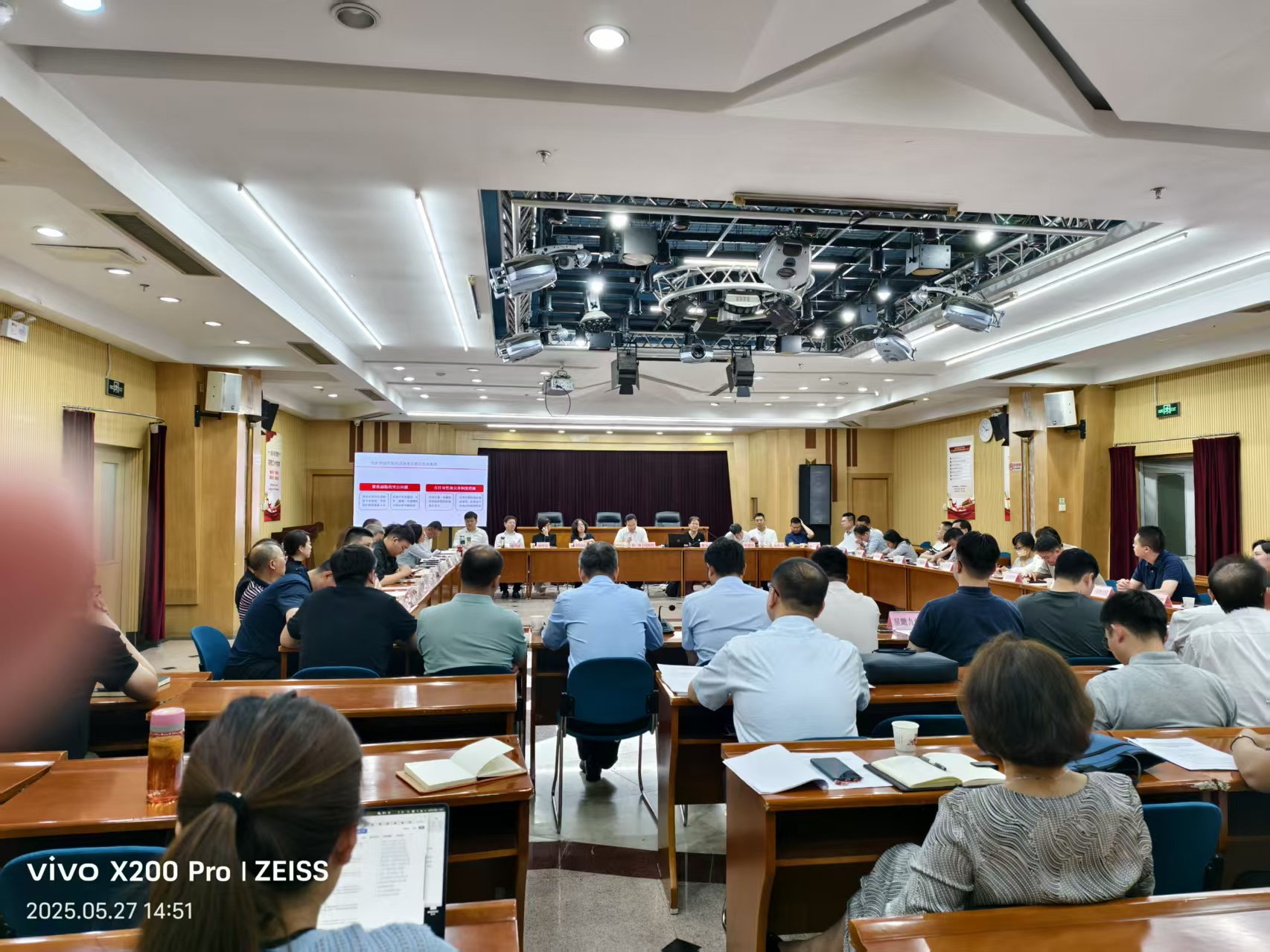
中国发展网讯 记者朱波报道 5月27日,天津市发展改革委成功举办"民营经济促进法面对面"活动。该活动旨在宣传贯彻《民营经济促进法》的法律内容,释 放促进民营经济发展壮大的强烈信号,提振经济发展信心。 活动由天津市发展改革委主办,由该委副主任刘涛主持。 南开大学教授戴金平深度解读了《民营经济促进法》出台的历史背景、现实意义和主要内容。 元气森林(天津)饮料有限公司总经理顾雅蕾、天津云瑶宇航科技有限公司董事长李峰辉、因诺薇科技(天津)有限公司和天津星瞰九州科技有限公司创始 人齐心等数家民营企业家代表从自身企业角度出发,对《民营经济促进法》的颁布实施之于企业发展的影响和期待纷纷建言献策,大家谈体会、谈观点、谈 问题、谈信心。 三是推进"企业在行动"。各区、各部门共同推动为民营企业提供相关服务,让民营企业有感有得,稳定预期、振奋信心、促进发展。也希望广大民营企业和 民营企业家增强学法用法的主动性和自觉性,激发干事创业热情,用法律保护自身合法权益,更好拓展发展空间,在中国式现代化进程中大显身手。 扎实做好《民营经济促进法》贯彻实施工作 刘涛在发言中强调,要充分认识《民营经济促进法》的重要意义。长期以来,民营经济在经济体 ...
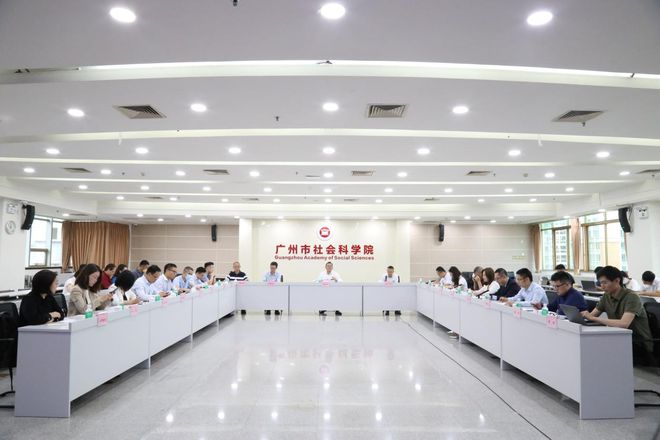
广州举办营商环境专题研讨会 企业期待民营经济促进法落地赋能
Zhong Guo Jing Ying Bao· 2025-06-03 10:20
在实践分享环节,广州市工业和信息化局综合与政策法规处副处长刘城文详细介绍了广州"12218"现代 化产业体系中15个战略性产业集群的发展情况。据介绍,此类产业集群贡献了广州约40%的地区生产总 值,是广州高质量发展的重要支撑。刘城文表示,广州要建立"链主企业培育+产业集群生态建设"机 制,强化科技创新与数智化转型,推动实现"再造一个新广州"的目标。 中经记者 赵毅 广州报道 5月27日上午,在《中华人民共和国民营经济促进法》正式实施的背景下,一场聚焦营商环境优化的专 题研讨会在广州成功举办。本次研讨会由广州市全面优化营商环境咨委会、广州市社会科学院主办,旨 在深入贯彻落实党的二十届三中全会精神,以及国家和省、市关于优化营商环境的部署,助力广州加快 建设"12218"现代化产业体系。 《中华人民共和国民营经济促进法》于5月20日正式实施,这部法律为民营经济发展提供了坚实的法治 保障,明确了市场准入、产权平等保护、营商环境优化等关键制度设计,为民营企业吃下"定心丸"。广 州市积极响应,通过举办此次研讨会,探索如何将法律精神融入营商环境建设,推动产业生态聚链成 群。 广州市全面优化营商环境咨委会召集人,广州市社会科 ...
以法治之力护航民营经济健康发展——来自民营经济促进法面对面活动上的声音
Xin Hua She· 2025-05-30 15:32
Core Viewpoint - The Private Economy Promotion Law, effective from May 20, aims to enhance the development environment for private enterprises in China, focusing on fair competition and technological innovation [1][2]. Group 1: Investment and Financing Support - The law addresses the challenges faced by private enterprises in investment and financing, particularly the issues of "fear to invest" and "high financing costs," enabling better access to external financing for promising private companies [2]. - Provisions in the law encourage private economic organizations to participate in national major strategies and projects, and to invest in strategic emerging industries [1][2]. Group 2: Technological Innovation - The law emphasizes technological innovation by dedicating a chapter to it, signaling strong legal support for innovation in the private sector, which boosts confidence among private enterprises in competitive markets [3][4]. - Specific articles in the law support private enterprises' involvement in national technology projects and promote deep integration of industry, academia, and research [4]. Group 3: Overall Impact - The Private Economy Promotion Law is seen as a framework that guides private enterprises towards high-quality development, fostering a more predictable and transparent environment for growth [5].