
生态产品价值实现

Search documents
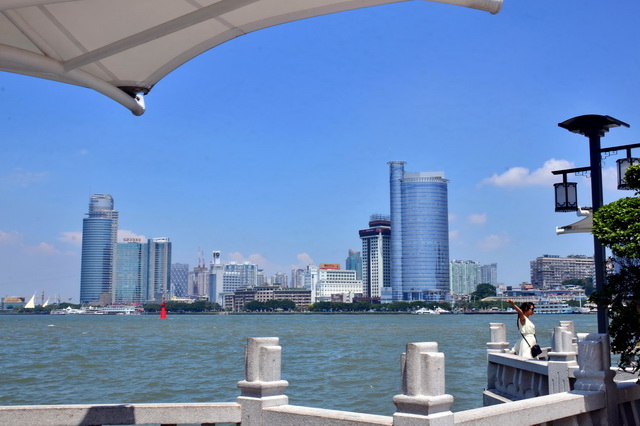
生态环境部:因地制宜推动一批海湾接续攻坚实现突破
Di Yi Cai Jing· 2025-10-01 05:50
Core Viewpoint - The construction of beautiful bays is a key component of the "Beautiful China" initiative, aimed at enhancing marine ecological environments and supporting the development of a marine strong country [1][6]. Group 1: Beautiful Bay Construction Goals - The government plans to promote the construction of beautiful bays during the "14th Five-Year Plan" and "15th Five-Year Plan," with a focus on achieving breakthroughs in various coastal areas [1][6]. - Beautiful bays are defined as those meeting the criteria of "clear water, clean beaches, abundant wildlife, and harmonious human-sea relationships," providing quality ecological products to meet public needs [1][2]. Group 2: Implementation and Evaluation Framework - A comprehensive system for beautiful bay construction has been established, with clear goals and a framework for evaluation, including five basic indicators and a plan to create over 110 beautiful bays by 2027 [2][3]. - The evaluation framework is structured as "5+3+X," which will guide the assessment and management of beautiful bay projects [2]. Group 3: Regional Examples and Innovations - Xiamen has achieved full coverage in marine debris management and has improved water quality through land-sea collaborative governance [5]. - Jiangsu's Dafeng has implemented an "ecology + agriculture" model for ecological restoration, promoting sustainable practices and carbon credit financing [5]. - In Shandong's Wangou Bay, resource enhancement measures have attracted nearly 400 marine species, increasing production by 30% and carbon sequestration by 115,000 tons [5]. Group 4: Challenges and Future Directions - The marine environment faces challenges such as overfishing, pollution, and climate change, necessitating ongoing efforts in ecological protection and restoration [6]. - The government will continue to refine the beautiful bay construction strategy, focusing on tailored approaches and effective management to achieve sustainable development [6][7].

邯郸市重点行业环保绩效创A率达76.7%
Xin Hua Cai Jing· 2025-09-29 00:56
Core Viewpoint - The city of Handan in Hebei Province is transforming its industrial base by focusing on ecological environment governance, promoting pollution reduction, carbon reduction, and the development of green low-carbon industries. Group 1: Pollution Reduction and Circular Economy - The company Xinxing Foundry has implemented an intelligent "Eagle Eye" system to monitor dust emissions, achieving an A-level environmental performance rating, the highest in the industry, allowing for self-regulated emissions during heavy pollution periods [2] - Handan's ecological environment bureau has tailored pollution reduction strategies for each A-rated enterprise, resulting in a 76.7% A-rating rate among key industries, the highest in Hebei Province [2] - The New Peak Circular Economy Investment Development Company has innovated technologies to recycle various types of waste, turning ecological burdens into valuable resources [2] Group 2: Green Asset Evaluation and Support Measures - Handan has established green accounts for 57 companies, assessing green asset scales exceeding 110 billion yuan, with plans to cover seven key industries by 2025 [3] - A green account service platform has been created to match enterprises with suitable government support policies and financial products, facilitating the monetization of green achievements [3] - The city has introduced a comprehensive ecological product directory, categorizing 39 items to establish a valuation method for ecological products, aiding in market transactions and financing [3] Group 3: Comprehensive Governance and Economic Development - Handan has prioritized ecological development by shutting down "scattered and polluting" enterprises and integrating various departments to enhance environmental protection and restoration efforts [4] - The transformation of the local environment has led to significant tourism growth, with villages like Shipo leveraging their ecological advantages to attract visitors [5] - By mid-2025, Handan's air quality index improved by 17.6% year-on-year, and the region's GDP grew by 6%, ranking second in Hebei Province [5]

厚植高质量发展的绿色底色——内蒙古浙江重庆推动经济社会发展全面绿色转型
Ren Min Ri Bao· 2025-09-28 05:53
Core Viewpoint - The promotion of green and low-carbon development is essential for achieving high-quality economic growth, emphasizing the integration of industrial structure adjustment, pollution control, ecological protection, and climate change response [1][2]. Group 1: Ecological Restoration and Protection - The integration of various ecosystems, including mountains, rivers, forests, fields, lakes, grasslands, and deserts, is crucial for comprehensive ecological protection and governance [2]. - In Chongqing, advanced technologies such as drones and satellite remote sensing are employed for real-time monitoring and cleaning of floating debris in the Yangtze River, ensuring water quality [3]. - In Zhejiang, the transition to glass fiber rods for seaweed farming has improved environmental conditions and increased the yield and quality of seaweed [4]. - Inner Mongolia has successfully restored degraded grasslands through a combination of artificial intervention and natural recovery, significantly enhancing biodiversity and ecosystem stability [5]. Group 2: Green Industrial Development - The establishment of a green low-carbon circular economy is vital for improving industrial structure, with a focus on high-tech, low-resource consumption, and minimal environmental pollution [6]. - In Zhejiang, the transformation of a high-energy-consuming glass factory into a drone manufacturing facility exemplifies successful industrial restructuring, reducing energy consumption significantly [6]. - The Inner Mongolia zero-carbon industrial park utilizes renewable energy for battery production, contributing to a substantial annual output value from the new energy sector [7]. Group 3: Resource Efficiency and Circular Economy - In Chongqing, innovative use of the Yangtze River's water for heating and cooling systems demonstrates effective resource utilization, leading to significant energy savings and reduced emissions [8]. - The city has implemented a circular economy model, converting waste into resources, with a high rate of industrial solid waste recycling [8]. Group 4: Economic Value of Ecological Products - The development of mechanisms for realizing the economic value of ecological products is essential, with examples such as carbon trading from bamboo forests in Zhejiang [13]. - The establishment of cooperative models and innovative financial mechanisms in Zhejiang aims to enhance the conversion of ecological advantages into economic benefits [13].
活力中国调研行|厚植高质量发展的绿色底色
Ren Min Ri Bao· 2025-09-28 02:59
Core Points - The article emphasizes the importance of promoting green and low-carbon development as a key aspect of achieving high-quality economic growth, highlighting the integration of industrial structure adjustment, pollution control, ecological protection, and climate change response [1][2][6]. Group 1: Ecological Protection and Restoration - The article discusses the integrated protection and systematic governance of ecosystems, emphasizing the need for a comprehensive approach from mountains to oceans [2][5]. - In Chongqing, advanced technologies such as drones and satellite remote sensing are utilized for real-time monitoring and cleaning of floating debris in the Yangtze River, ensuring water quality [3]. - In Zhejiang, the transition to eco-friendly aquaculture practices has improved both the environment and the economic returns for local fishermen [3]. Group 2: Green Development and Industrial Transformation - The article highlights the transformation of traditional industries into green sectors, such as the conversion of a glass factory into a drone manufacturing facility, significantly reducing energy consumption [6]. - In Inner Mongolia, the establishment of a zero-carbon industrial park demonstrates the successful integration of renewable energy sources, with a total installed capacity of 145 million kilowatts, accounting for 52% of the total capacity [7]. - Chongqing's innovative use of river water for heating and cooling systems exemplifies resource efficiency and the development of a circular economy [8]. Group 3: Economic Value of Ecological Products - The article outlines the economic potential of ecological products, with initiatives in places like Anji County focusing on carbon trading from bamboo forests, generating significant financial returns for local communities [12]. - The development of eco-tourism and sustainable agriculture in regions like Inner Mongolia and Chongqing illustrates the successful conversion of ecological advantages into economic benefits [10][11]. - Zhejiang's efforts to establish a green financial mechanism and enhance the value realization of ecological products further support the transition from ecological advantages to economic growth [12].
厚植高质量发展的绿色底色(活力中国调研行) ——内蒙古浙江重庆推动经济社会发展全面绿色转型
Ren Min Ri Bao· 2025-09-27 22:04
Core Viewpoint - The articles emphasize the importance of promoting green and low-carbon development as a key aspect of achieving high-quality economic growth, highlighting various local practices and initiatives across different regions in China to enhance ecological protection and restoration while fostering economic benefits [1][2][6][9]. Group 1: Ecological Restoration and Protection - In Inner Mongolia, ecological restoration efforts have transformed previously barren land into green pastures, increasing biodiversity and carbon sequestration [5]. - Chongqing has implemented a digital monitoring system for floating debris in the Yangtze River, ensuring timely cleanup and maintaining water quality [3]. - In Zhejiang, the introduction of glass fiber rods for seaweed farming has improved environmental conditions and increased the quality and yield of seaweed production [4]. Group 2: Green Economic Transformation - The transition from high-energy-consuming industries to low-carbon technologies is evident in Zhejiang's drone manufacturing sector, which has significantly reduced energy consumption [6]. - Inner Mongolia's zero-carbon industrial park utilizes renewable energy sources, contributing to a substantial increase in the region's renewable energy capacity [7]. - Chongqing's innovative use of river water for heating and cooling demonstrates effective resource utilization, leading to significant energy savings and emissions reductions [8]. Group 3: Economic Benefits from Ecological Initiatives - The development of forest products and eco-tourism in Inner Mongolia has resulted in substantial economic gains, with the forestry industry generating over 100 billion yuan in revenue last year [11]. - In Chongqing, the restoration of abandoned mines into eco-friendly tourist attractions has created new employment opportunities and increased local income [12]. - In Zhejiang, the establishment of carbon trading mechanisms for bamboo forests has allowed local communities to benefit financially from ecological conservation efforts [13].
绿水青山转化成多少金山银山?北京首次公布
Bei Jing Ri Bao Ke Hu Duan· 2025-09-25 10:09
Core Insights - Beijing has completed GEP-R (Ecosystem Regulation Service Value) accounting for five consecutive years, indicating a scientific approach to measure the economic value derived from ecological systems, with the comparable GEP-R expected to reach 373.18 billion yuan in 2024, showing a growth trend [1][2] Group 1: GEP and GEP-R Concepts - GEP (Gross Ecosystem Product) represents the total monetary value of all ecological products within a specific area during the accounting period [1] - GEP-R measures the benefits provided by ecosystems to maintain or improve human living environments, reflecting the ecological contributions of "green mountains and clear waters" [1] Group 2: Challenges in Ecological Product Value Realization - The realization of ecological product value faces four main challenges: measurement difficulty, transaction difficulty, monetization difficulty, and collateral difficulty [1] - Addressing the measurement challenge is fundamental for quantifying the value contained in "green mountains and clear waters" [1] Group 3: Innovations in GEP-R Measurement - Beijing has introduced the concept of comparable GEP-R, which excludes fluctuations due to climate and price levels, allowing for quantifiable and comparable ecological protection efforts [2] - The comparable GEP-R for 2024 is projected at 373.18 billion yuan, with a per hectare value of 227,400 yuan [2] Group 4: Regional Performance and Trends - All districts in Beijing, including the Beijing Economic-Technological Development Area, are expected to see year-on-year increases in GEP-R, indicating continuous improvement in ecological environment quality [2] - The ecological conservation areas account for approximately 76% of the total comparable GEP-R, with the ecological protection red line covering 27.5% of the total area [2]
青海:生态项目贷款有了绿色通道
Ren Min Ri Bao· 2025-09-22 04:30
Core Insights - As of the end of Q2, the balance of green loans in Qinghai Province exceeded 213.1 billion yuan, accounting for 26.82% of total loans, with an increase of 9.936 billion yuan since the beginning of the year [4] Group 1: Green Loan Initiatives - The People's Bank of China Qinghai Branch has developed a "carbon account" system for enterprises, which includes six core indicators related to carbon emissions and green electricity usage, guiding financial institutions to incorporate this data into credit decisions [1] - By the end of July, 921 key enterprises in Qinghai had established "carbon accounts," with financial institutions issuing loans linked to these accounts totaling 32.169 billion yuan, saving enterprises 243 million yuan in interest [2] Group 2: Financial Support for Clean Energy - The National Development Bank Qinghai Branch provided comprehensive financial support for the construction of the Yangqu Hydropower Station, utilizing various loan products throughout the project's lifecycle [3] - Credit balances in the clean energy sector, including equipment manufacturing, facility construction, and pumped storage power station construction, increased by 40.5%, 22.1%, and 34.7% year-on-year, respectively [3] Group 3: Ecological Product Financing - In 2024, the People's Bank of China Qinghai Branch will implement a financial service system for ecological products, establishing a green channel for ecological project loans [4] - Innovative financial products have been developed, such as using future receivables from tourism as collateral, resulting in 20 loans totaling 1.177 billion yuan for companies like Qinghai Lake Tourism Group [4]
截至二季度末,青海省绿色贷款余额超两千一百亿元 生态项目贷款有了绿色通道
Ren Min Ri Bao· 2025-09-21 22:02
Core Insights - The establishment of "carbon accounts" in enterprises within the Nanchuan Industrial Park in Xining, Qinghai Province, is a significant step towards carbon emission management and reduction, allowing for precise tracking of carbon emissions and green electricity usage [1][2] - The People's Bank of China Qinghai Branch has tailored financial services to support enterprises with carbon accounts, providing preferential loan terms for those demonstrating significant carbon reduction efforts [1][3] - The Qinghai Province has seen substantial growth in green loans, with a total balance of 213.1 billion yuan, accounting for 26.82% of all loans, reflecting a strong commitment to green finance and sustainable development [3] Financial Support Initiatives - The Qinghai Branch of the National Development Bank has provided comprehensive financial support for the construction of the Yangqu Hydropower Station, utilizing various loan products throughout the project's lifecycle [2] - Financial institutions have organized multiple matchmaking events to connect banks with clean energy and green computing enterprises, promoting the use of diverse financial products to support these sectors [2] - The Qinghai Province has experienced significant year-on-year growth in credit balances across clean energy sectors, with increases of 40.5% in equipment manufacturing, 22.1% in facility construction, and 34.7% in pumped storage power station construction [2] Green Financial Products - The People's Bank of China Qinghai Branch has introduced an ecological product financial service system, facilitating green project loans and innovative financial products, such as using future receivables from tourism as collateral [3] - A total of 20 loans amounting to 1.177 billion yuan have been provided to enterprises like the Qinghai Lake Tourism Group, showcasing the effectiveness of the new financial models [3] - The bank is actively enhancing the green financial policy framework and incentive mechanisms to support the transformation of traditional industries and the development of clean energy and ecological products [3]
国家公园保护成效显著,但仍有顽疾待攻克
Jing Ji Ri Bao· 2025-09-17 10:12
Core Insights - The report highlights the integration of over 120 natural protected areas into the first batch of national parks, emphasizing a holistic approach to ecological protection and governance, which has led to a steady increase in wildlife populations [1] - The systematic governance of the mountain-water-forest-field-lake-grass-sand ecosystem is essential for addressing complex ecological issues and has shown significant results, with over 8.3 million hectares of protection and restoration completed [2] - Persistent challenges remain, including inadequate cross-regional collaboration, fragmented management, and insufficient ecological monitoring capabilities, which hinder effective ecological restoration efforts [3] Group 1: Ecological Protection and Governance - The integration of various ecological elements is crucial for maintaining the structural integrity and functional stability of ecosystems, as degradation in one area can trigger adverse effects in others [1] - The Ministry of Natural Resources reported that China has implemented 52 integrated protection and restoration projects, contributing to a continuous increase in forest coverage and stock for over 30 years [2] Group 2: Challenges and Solutions - Existing issues such as poor inter-departmental coordination, fragmented funding, and limited ecological compensation mechanisms affect local protection efforts [3] - Recommendations include enhancing top-level design, establishing collaborative mechanisms for ecological compensation, and integrating ecological safety into land use planning [4] Group 3: Technological Empowerment - The report advocates for the development of a comprehensive monitoring system utilizing big data and AI to improve ecological assessment and decision-making processes [4] - Emphasis is placed on the need for innovative technologies in species identification, ecological disaster prediction, and restoration planning to support adaptive management [4] Group 4: Economic Integration - The report encourages the exploration of pathways for realizing the value of ecological products, transforming ecological advantages into developmental benefits [5] - It suggests promoting models that integrate ecology with agriculture, tourism, and energy, fostering new business opportunities in ecological farming, carbon trading, and green finance [5]
一体化保护应对复合型生态问题
Jing Ji Ri Bao· 2025-09-16 22:14
Core Insights - The "China National Park Development Report" highlights the integration of over 120 natural protected areas, emphasizing a holistic approach to ecological protection and governance, which has led to a steady increase in wildlife populations [1] - The systematic governance of ecological issues through the integration of various ecological elements is essential for addressing complex ecological problems and preventing ecological degradation [2] - Despite progress, challenges remain, including inadequate cross-regional collaboration, fragmented management, and insufficient technological support for ecological monitoring [3] Group 1: Ecological Protection and Governance - The report indicates that China has implemented 52 integrated protection and restoration projects, covering over 8.3 million hectares, contributing to a continuous increase in forest coverage and stock for over 30 years [2] - The interconnectedness of ecological elements such as mountains, rivers, forests, fields, lakes, grasslands, and deserts is crucial for maintaining ecosystem integrity and stability [1] Group 2: Challenges and Solutions - Persistent issues include the lack of a robust cross-regional coordination mechanism, fragmented management leading to inconsistent planning, and inadequate ecological compensation mechanisms affecting local protection efforts [3] - Recommendations include enhancing top-level design and institutional innovation, establishing collaborative mechanisms for ecological compensation, and integrating ecological safety into land use planning [4] Group 3: Technological Empowerment - The report advocates for the development of an integrated monitoring system utilizing big data and AI for ecological assessment and decision-making, aiming to improve the precision and intelligence of governance [4] - Emphasis is placed on the need for advanced technologies in species identification, ecological disaster prediction, and the establishment of a smart decision support system [4] Group 4: Economic Integration - The report encourages the exploration of pathways for realizing the value of ecological products, promoting models that integrate ecology with agriculture, tourism, and energy [5] - It highlights the importance of innovative green financial products to encourage social capital participation in sustainable development [5]