
经济增长

Search documents
英国政府确认与欧盟达成新协议:推动经济、支持就业,让民众“钱包更鼓”
news flash· 2025-05-19 11:34
Core Points - The UK government has confirmed a new agreement with the EU aimed at boosting economic growth, supporting employment, and enhancing the financial well-being of citizens [1] Group 1: Economic Impact - The agreement includes a new SPS (Sanitary and Phytosanitary) protocol to simplify import and export processes for food and beverages, reducing burdens on businesses and minimizing border delays [1] - Routine inspections for certain animal and plant products will be completely eliminated, potentially lowering food prices and increasing the variety of products available in supermarkets [1] - It is estimated that these measures could contribute nearly £9 billion to the UK economy by 2040 [1] Group 2: Environmental and Energy Cooperation - The UK and EU will strengthen cooperation on carbon emissions trading systems to enhance energy security and mitigate the impact of the EU's upcoming carbon tax on UK businesses [1] Group 3: Additional Agreements - The agreement also covers access to EU facial recognition data for UK tourists, the introduction of a "pet passport," and the establishment of a new partnership on security and defense [1] - Discussions on youth exchange programs, illegal immigration, and fishing access have also been included in the agreement [1]
全球大类资产配置周观察:关税调整牵动市场,博弈之下仍暗藏风险
Yin He Zheng Quan· 2025-05-18 14:29
Core Insights - The report highlights a significant increase in the market share of the analyzed sector, with a growth rate of 91% in the last quarter, indicating strong demand and potential for further expansion [2][4]. - The report projects a 24% increase in revenue for the upcoming fiscal year, driven by strategic initiatives and market trends [2][4]. - Inflation rates are expected to stabilize around 2.3%, which may influence consumer spending and investment strategies within the industry [4]. Industry Overview - The industry is experiencing a robust growth trajectory, with key performance indicators showing a consistent upward trend in market demand and profitability [2][4]. - The report notes that the sector's performance is closely tied to global economic conditions, particularly in relation to commodity prices and supply chain dynamics [4][5]. - Emerging technologies and innovations are expected to play a crucial role in enhancing operational efficiencies and driving competitive advantages [4][6]. Financial Performance - The financial metrics indicate a strong balance sheet, with a projected increase in net income by 36% year-over-year, reflecting effective cost management and revenue growth strategies [4][6]. - Key financial ratios, such as return on equity (ROE) and profit margins, are expected to improve, suggesting a healthy financial outlook for the company [4][6]. - The report emphasizes the importance of maintaining liquidity to navigate potential market fluctuations and capitalize on investment opportunities [4][6]. Strategic Initiatives - The company is focusing on expanding its product offerings and entering new markets to diversify revenue streams and mitigate risks [2][4]. - Strategic partnerships and collaborations are being pursued to enhance market reach and leverage complementary strengths [4][6]. - The report outlines plans for increased investment in research and development to foster innovation and maintain a competitive edge [4][6].
加沙短暂停火助力以色列一季度经济增长
news flash· 2025-05-18 14:23
金十数据5月18日讯,得益于加沙地带的临时停火,以色列经济在第一季度有所回升。以色列中央统计 局周日报告称,GDP经季节性调整后按年率计算增长了3.4%,略低于市场预期的3.5%的预期。以色列 央行预计今年的经济增长率为3.5%。如果目前正在进行的停火谈判未能取得成功,以色列将征召更多 的后备部队,情况可能会变得复杂。本季度商业部门GDP增长了4.4%,可能得益于停火期间预备役人 员返岗带来的劳动力补充。战争期间主要增长引擎政府消费下降0.2%,国防开支骤降15.6%。建筑业回 暖带动固定投资激增8.7%,其中建筑活动扩张44.8%,但统计局强调该水平仍与2021年四季度低位相 当。 加沙短暂停火助力以色列一季度经济增长 ...

5月18日电,欧洲央行管委温施称,经济增长和通货膨胀的下行风险已经变得更大。
news flash· 2025-05-18 04:08
Core Viewpoint - The European Central Bank's governing council member, Wunsch, indicated that the risks to economic growth and inflation have increased significantly [1] Economic Growth - The statement highlights a growing concern regarding the potential slowdown in economic growth within the Eurozone [1] Inflation Risks - There is an emphasis on the heightened risks associated with inflation, suggesting that the current economic environment may lead to increased inflationary pressures [1]
越南加紧与美国谈判以降低高额关税
news flash· 2025-05-17 05:00
越南加紧与美国谈判以降低高额关税 跟踪越南市场动态 +订阅 跟踪全球贸易动向 +订阅 金十数据5月17日讯,周五,越南和美国举行了首次部长级直接谈判。美国即将对越南进口商品征收 46%的关税,这可能会严重影响越南的经济增长。越南贸易部在周六发表的一份声明中表示,在第31届 亚太经合组织贸易部长级会议之后,越南和美国在韩国济州岛举行的会议象征着两国致力于促进稳定的 经济、贸易和投资关系。上个月,越南贸易部长阮鸿延和美国贸易代表贾格里尔通了电话,正式开始谈 判。"美国贸易代表办公室同意越南目前的做法和建议,"贸易部的声明说。"美国希望,在双方的共同 努力下,未来几天的技术层面谈判将取得积极成果。" ...
2025年第二季度经济报告影响全球市场与商业健康的经济和市场因素(英文版)-硅谷银行
Sou Hu Cai Jing· 2025-05-17 01:37
一、宏观经济:政策不确定性主导增长与通胀 2025年第一季度,美国新政府上台后,关税政策成为影响经济与市场的核心变量。美联储主席鲍威尔指出,关税对通胀的影响难以评估,经济不确定性"异 常高企",但美联储已做好准备通过监测数据调整政策。尽管3月失业率稳定在4.2%,但经济与贸易政策的不确定性可能在未来数月对劳动力市场形成压 力。 消费端方面,受关税和政府支出削减影响,消费者信心指标出现下滑,零售销售(不含汽车)在2024年四季度至2025年一季度趋于平稳,但汽车销售因利率 下降持续增长。通胀呈现温和回落趋势,3月CPI同比降至2.4%,核心PCE同比为2.8%,美联储预计通胀将继续下降,但关税可能带来上行压力。 GDP方面,2024年四季度年化增长率为2.4%,略高于预期,但2025年政府关税政策与联邦劳动力改革对经济增长的影响尚不明确。企业投资方面,私人国 内投资在年初强劲,下半年随美联储降息预期升温而下降。 二、货币政策:降息预期升温,市场与美联储路径分化 美联储在2025年1月和3月维持利率不变,称政策处于"良好位置",对未来宽松持谨慎态度。但市场预期2025年至少降息三次,与美联储的"耐心"立场形成对 ...


伦敦或对二套房和空置投资房双倍征税!英经济超预期增长!私校学费大涨超22%...
Sou Hu Cai Jing· 2025-05-16 14:07
2025年5月16日英国日更重点有: 英国经济今年第一季度增长0.7%,超经济学家此前预期 英国国家统计局5月15日最新发布的数据显示, 在今年第一季度,英国经济增长了0.7%,超过经济学家此前预计的增长0.6%。最新数据还表明,在4月份 生效的增税和特朗普关税威胁之前,英国企业已经连续两个月提高了产量。 英国国家统计局表示,英国经济的最大组成部分—— 服务业在第一季度增长了0.7%,制造业增长了4%。 ● 英国经济今年第一季度增长0.7%,超经济学家此前预期 ● 伦敦市长:应允许伦敦各区政府征收两倍以上市政税 ● 英国与多国洽谈,计划设立非法移民海外安置中心 ● 近一半英国选民支持净移民人数清零 ● 英国私校学费一年内上涨超22% ● 多位中国公民在英国失联?驻英使馆:大部分因时差未及时回电,或因家庭矛盾断联 伦敦市长:应允许伦敦各区政府征收两倍以上市政税 5月15日, 伦敦市长萨迪克·汗表示,他希望伦敦各区的地方议会能拥有更多权力,针对二套住房和被空置的投资房产征收超过两倍的市征税。 萨迪克·汗说:"我不是在开玩笑,如果你买得起一套公寓却不住,你就付得起双倍的市政税。我们正在游说政府给地方议会更多的权力, ...
凯德北京投资基金管理有限公司:杰斐逊称短期内高关税将推高美国通胀并抑制经济增长
Sou Hu Cai Jing· 2025-05-16 10:32
美联储副主席菲利普·杰斐逊在近期的一次会议上发出了关于经济增长和通胀的新警示。他指出,关税政策及其带来的不确定性可能会在短期内抑制美国经 济增长,并推高物价水平。尽管如此,杰斐逊依然预期美国经济将持续扩张,这显示出他对未来经济走势的谨慎乐观。 值得关注的是,最近中美的贸易谈判达成了一系列共识,对双边关税水平进行了显著下调。这一进展受到国际社会的广泛赞誉,也为金融市场注入了信心。 然而,经济学家指出,这些变化虽然降低了美国经济全面衰退的可能性,但并不足以彻底阻止经济放缓的趋势。 杰斐逊还提到,劳工统计局最近公布的数 据显示,四月份美国消费者价格指数(CPI)同比增长百分之二点三,而核心指标则上升了百分之二点八,均为自二零二一年以来的最低水平。这一信息显 示出,在某种程度上,通胀正在朝着美联储设定的百分之二目标迈进,尽管这一目标距离最终实现还有一定差距。 在纽约联储会议上,杰斐逊明确表示,当前形势下对于关税带来的局势影响尚不明了,尤其是它们对物价上升的作用是短期性质还是长期效应。他对今年的 经济增长预期进行了下调,但强调,美联储将在必要时通过货币政策做出应对,以确保实现其双重目标:最大化就业与控制通胀。 美联储的 ...
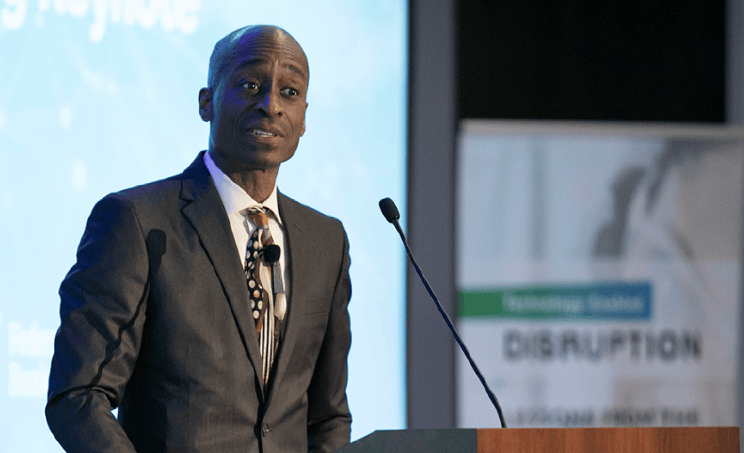
美联储博斯蒂克:今年的经济增长率可能为1%或0.5%。预计经济增长放缓,但我认为不会出现衰退。
news flash· 2025-05-16 08:13
美联储博斯蒂克:今年的经济增长率可能为1%或0.5%。预计经济增长放缓,但我认为不会出现衰退。 ...